1. Inflammation/Immunology

Inflammation/Immunology

The diseases caused by disorders of the immune system fall into two broad categories: immunodeficiency and autoimmunity. Immunotherapy is also often used in the immunosuppressed (such as HIV patients) and people suffering from other immune deficiencies or autoimmune diseases. This includes regulating factors such as IL-2, IL-10, IFN-α. Infection with HIV is characterized not only by development of profound immunodeficiency but also by sustained inflammation and immune activation. Chronic inflammation as a critical driver of immune dysfunction, premature appearance of aging-related diseases, and immune deficiency.

Cat. No. Product Name CAS No. Purity Chemical Structure
  • HY-15800A
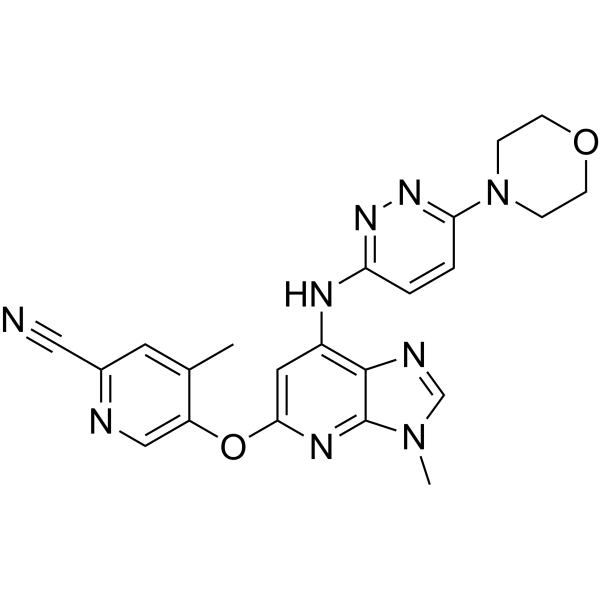
    CZC-25146 1191911-26-8 99.10%
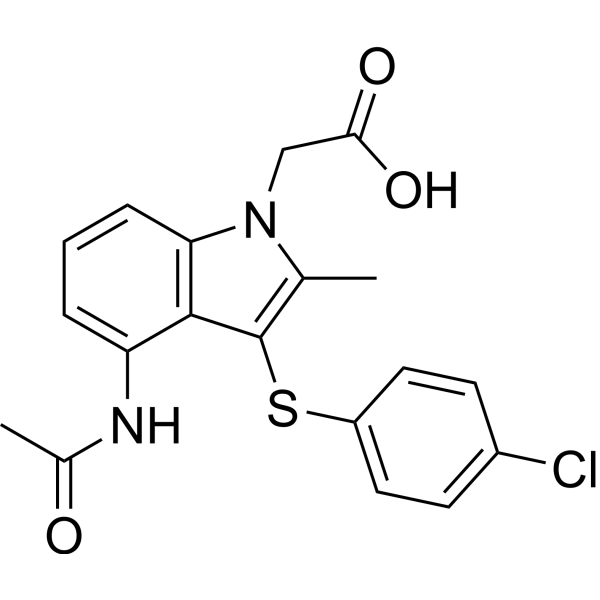
    CZC-25146 is a potent and orally active LRRK2 inhibitor with IC50 values of 4.76 nM and 6.87 nM for wild-type LRRK2 and G2019S LRRK2, respectively. CZC-25146 inhibits PLK4, GAK, TNK1, CAMKK2 and PIP4K2C as well. CZC-25146 prevents mutant LRRK2-induced injury of neurons in vitro. CZC-25146 exhibits relatively favorable pharmacokinetic properties in mice. CZC-25146 can increase normal α-1-antitrypsin (AAT) secretion and reduce inflammatory cytokines. CZC-25146 can be used to research Parkinson's disease and liver diseases.
    CZC-25146
  • HY-159742
    GP130 modulator-1 2375779-31-8 99.29%
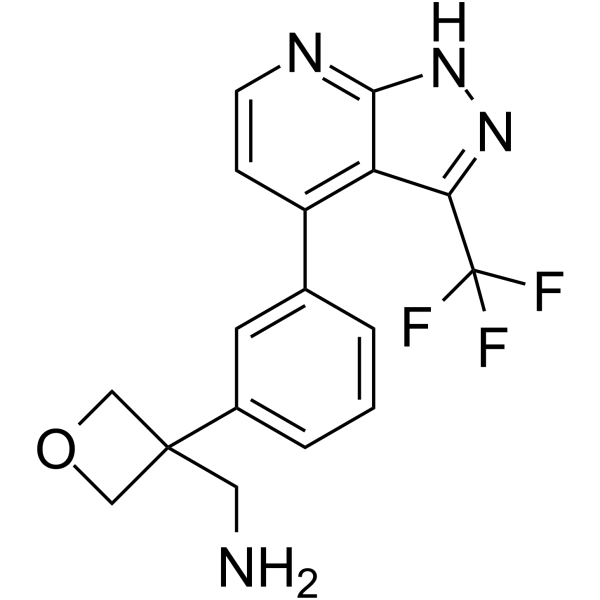
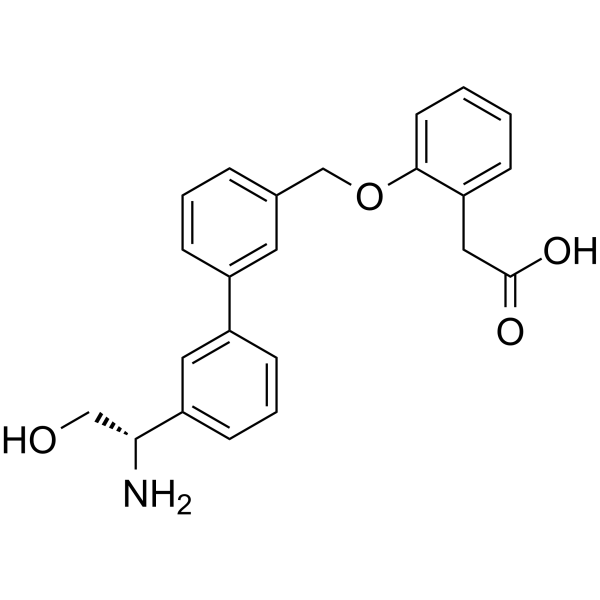
    GP130 modulator-1 (compound A33) is a gp130 signaling pathway modulator. GP130 modulator-1 can be used in the study of inflammatory and degenerative disorders.
    GP130 modulator-1
  • HY-160929
    Linafexor 2765593-43-7 99.58%
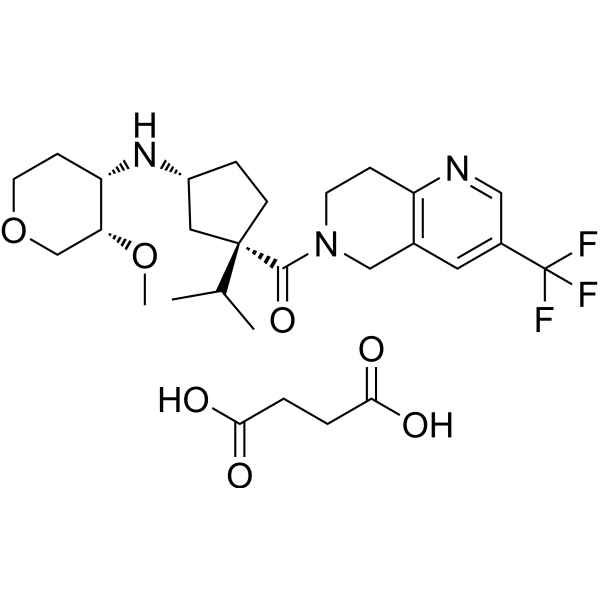
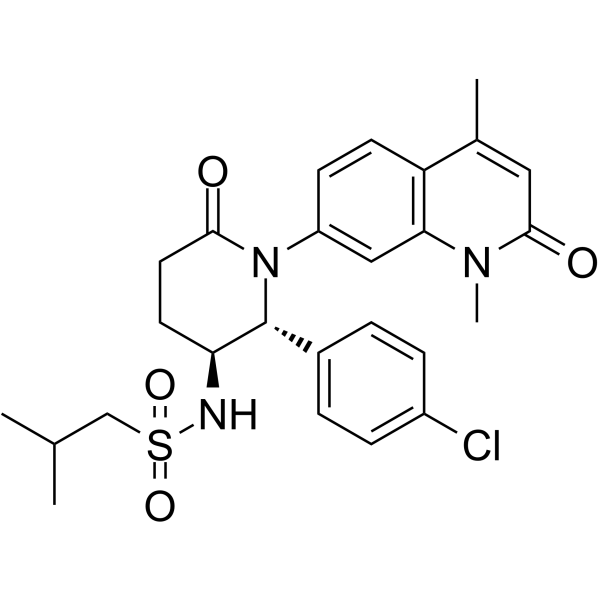
    Linafexor (CS-0159) is a FXR agonist and bile acid homeostasis modulator. Linafexor exerts its effects by activating FXR, a regulator of liver function. Linafexor is applicable to research related to primary sclerosing cholangitis (PSC). Linafexor is also suitable for research in the field of metabolic dysfunction-associated steatohepatitis (MASH).
    Linafexor
  • HY-162495
    IDOR-1117-2520 2737274-49-4 99.94%
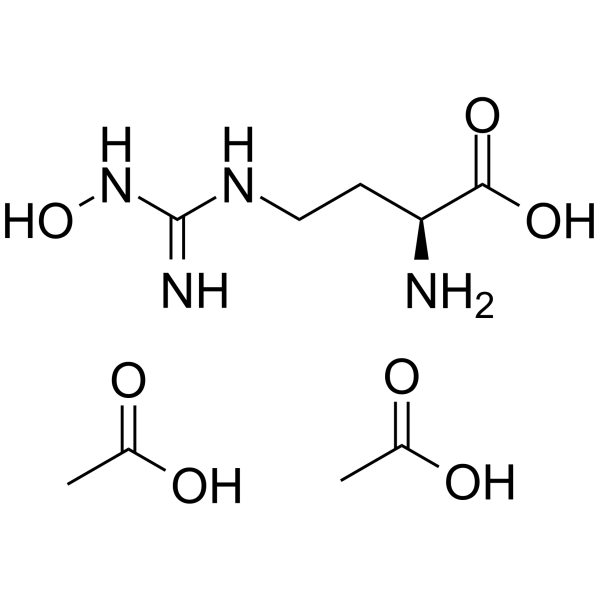
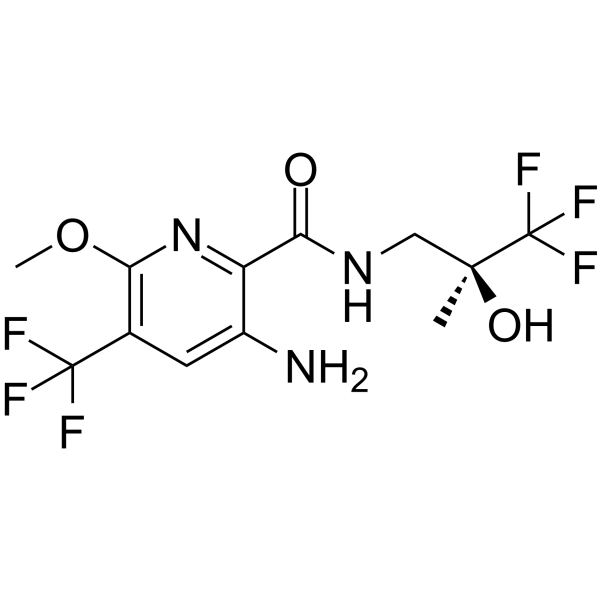
    IDOR-1117-2520 is an orally active, potent, selective and reversible CCR6 antagonist. IDOR-1117-2520 antagonizes the CCL20-mediated calcium flow (IC50 = 63 nM) and inhibits β-arrestin recruitment to human CCR6 (IC50 = 30 nM) in cells expressing recombinant human CCR6. IDOR-1117-2520 is found to be a substrate of P-gp/MDR1. IDOR-1117-2520 can be used in the research of autoimmune diseases and skin inflammation.
    IDOR-1117-2520
  • HY-165126
    Schizophyllan 9050-67-3
    Schizophyllan (SPG) is an orally active extracellular β-glucan produced by the fungus Schizophyllum commune. Schizophyllan improves mitochondrial function and protects against metabolic liver injury by activating the SIRT3 pathway. Schizophyllan inhibits osteoclastogenesis and promotes osteoblast differentiation by suppressing the phosphorylation of JNK/p38, as well as downregulating PGC1β/PPARγ, c-Fos and NFATc1. Recognized via Dectin-1, schizophyllan enables precise delivery of oligonucleotide drugs and antigens to antigen-presenting cells, thus holding great potential in the treatment of inflammatory diseases and vaccine development.
    Schizophyllan
  • HY-170362
    cGAS-IN-4 2987886-49-5 99.28%
    cGAS-IN-4 (Compound 36) is an orally active inhibitor for cyclic GMP-AMP synthase (cGAS) with IC50 of 32 nM and 5.8 nM for h-cGAS and m-cGAS. cGAS-IN-4 inhibits the cGAMP in THP-1 cell with an IC50 of 60 nM, which improves the cellular potency. cGAS-IN-4 exhibits anti-inflammatory efficacy in Concanavalin A (HY-P2149)-induced acute liver injury in mouse models. orally active, THP-1, C57Bl/6 mouse, orally active
    cGAS-IN-4
  • HY-171820
    NLRP3-IN-80 2842014-94-0 99.43%
    NLRP3-IN-80 (Compound 1) is an NLRP3 inhibitor that can be used for the study of inflammaging.
    NLRP3-IN-80
  • HY-172240
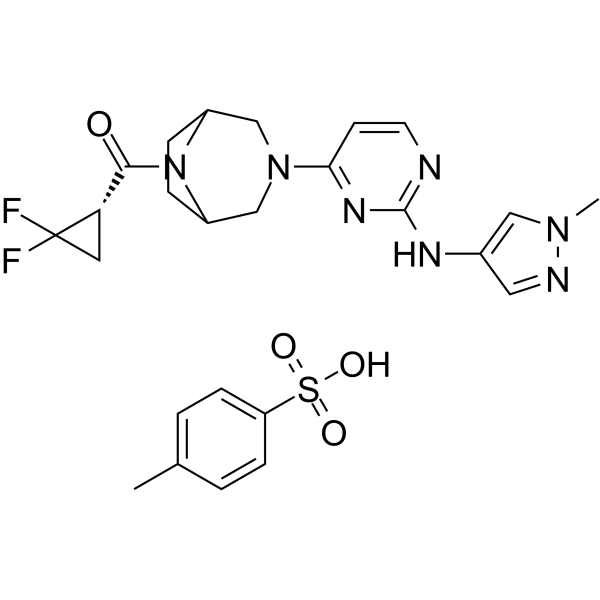
    Tosposertib 1418305-55-1 99.89%
    Tosposertib (TU2218 free base) is an ALK5/VEGFR2 dual inhibitor (IC50 = 1.2 nM/4.9 nM). Tosposertib directly restores the activity of damaged cytotoxic T lymphocytes (CTLs) and natural killer cells inhibited by TGFβ and suppresses the activity and viability of regulatory T cells. Tosposertib can be used for the study of melanoma and colon cancer.
    Tosposertib
  • HY-176857
    PROTAC STAT6 degrader-1 3077464-21-9 99.55%
    PROTAC STAT6 degrader-1 (Compound I-2) is a potent STAT6 PROTAC degrader with a DC50 <1 nM. PROTAC STAT6 degrader-1 inhibits STAT6 activity with an IC50 of <0.1 pM. PROTAC STAT6 degrader-1 can be used for inflammatory and cancers research, such as non-small cell lung cancer (NSCLC).
    PROTAC STAT6 degrader-1
  • HY-178159
    SA91-0178 2244341-81-7 98.14%
    SA91-0178 is a METTL1 inhibitor. SA91-0178 inhibits m7G methylation of RNA, reduces SARM1 stability, mitigates NAD+ depletion and metabolic reprogramming in macrophages. SA91-0178 demonstrates excellent protective efficacy against multiple organ injury in cecal ligation and puncture (CLP)-induced and ischemia/reperfusion (I/R)-induced mice. SA91-0178 can be used for the study of systemic inflammatory diseases.
    SA91-0178
  • HY-B0464A
    Hydralazine 86-54-4
    Hydralazine is an orally active, blood-brain barrier-permeable DNA methyltransferase inhibitor with vasodilatory, arterial smooth muscle relaxant and hypotensive activities. Hydralazine reactivates silenced tumor suppressor genes via mediating DNA demethylation, while exerting neuroprotective and anti-inflammatory properties. Hydralazine inhibits NOS-2 (iNOS) and COX-2, and reduces the production of NO and PGEE2; meanwhile, Hydralazine scavenges reactive oxygen species and inhibits macrophage activation. Hydralazine alleviates motor dysfunction, neuropathic inflammatory pain, and formalin-induced somatic and emotional pain responses. In addition, Hydralazine directly induces DNA strand breaks and sister chromatid exchange, exhibiting certain mutagenic characteristics. Hydralazine has been widely used in studies on hypertension, various cancers (such as cervical cancer, leukemia), spinal cord injury and the mechanisms of inflammatory pain.
    Hydralazine
  • HY-B0476R
    Phenacetin (Standard) 62-44-2 99.97%
    Phenacetin (Standard) is the analytical standard of Phenacetin. This product is intended for research and analytical applications. Phenacetin (Acetophenetidin) is a non-opioid analgesic/antipyretic agent. Phenacetin is a selective COX-3 inhibitor. Phenacetin is used as probe of cytochrome P450 enzymes CYP1A2 in human liver microsomes and in rats.
    Phenacetin (Standard)
  • HY-B0633I
    Hyaluronic acid sodium (MW 800kDa) 9067-32-7
    Hyaluronic acid sodium (MW 800kDa) is a biopolymer composed of repeating units of disaccharides with various applications. Hyaluronic acid sodium is a major component of the extracellular matrix (ECM). Hyaluronic acid sodium is synthesized at the plasma membrane. Increased hyaluronic acid sodium levels are associated with tumor cell growth, adhesion, migration, invasion and angiogenesis in digestive cancers. Hyaluronic acid sodium participates in tissue remodeling and rapid cell proliferation in some physiological processes including embryonic morphogenesis and wound-healing. Hyaluronic acid sodium activates the PI3K-Akt signaling. Hyaluronic acid sodium acts as a regulator of cancer-associated lymphangiogenesis. Hyaluronic acid sodium also enhances cell invasion and angiogenesis by promoting proteolytic MMP-9 binding to cell surface or stimulating MMP-9 binding to cell surface. Hyaluronic acid sodium can be used as drug delivery for sodium butyrate to improve the anti-proliferative activity on breast cancer cell line. Hyaluronic acid sodium can be studied in joint diseases, wound healing and cancer.
    Hyaluronic acid sodium (MW 800kDa)
  • HY-B1888A
    Bromfenac sodium 91714-93-1 99.92%
    Bromfenac sodium is a potent and orally active inhibitor of COX, with IC50s of 5.56 and 7.45 nM for COX-1 and COX-2, respectively. Bromfenac sodium can be used in ocular inflammation research.
    Bromfenac sodium
  • HY-B1888B
    Bromfenac sodium hydrate 120638-55-3 99.94%
    Bromfenac sodium hydrate (Bromfenac monosodium salt sesquihydrate) is a potent and orally active inhibitor of COX, with IC50s of 5.56 and 7.45 nM for COX-1 and COX-2, respectively. Bromfenac sodium hydrate can be used in ocular inflammation research.
    Bromfenac sodium hydrate
  • HY-B2162C
    Chondroitin sulfate (from pig) 9007-28-7
    Chondroitin sulfate (from pig) (Chondroitin polysulfate (from pig)) is a sulfated linear polysaccharide extracted from pigs, which belongs to glycosaminoglycans. Chondroitin sulfate (from pig) exerts inconsistent inhibitory effects on the resorptive activity of human osteoclasts. Chondroitin sulfate (from pig) can be used in studies related to osteoarthritis.
    Chondroitin sulfate (from pig)
  • HY-B2162D
    Chondroitin sulfate (from chicken) 9007-28-7 99.61%
    Chondroitin sulfate (from chicken) (Chondroitin polysulfate (from chicken)) is an orally active, sulfated linear polysaccharide extracted from chickens, which belongs to glycosaminoglycans. Chondroitin sulfate (from chicken) reduces the phosphorylation levels of ERK1/2 and p38MAPK, inhibits the expression of inflammatory cytokines and MMP, and downregulates the levels of IL-1β, IL-6, TNF-α and PGE2. Chondroitin sulfate (from chicken) improves motor function, protects cartilage tissue, reverses chondrocyte aggregation, and regulates the structure of intestinal flora. Chondroitin sulfate (from chicken) can be used in research related to osteoarthritis.
    Chondroitin sulfate (from chicken)
  • HY-N0005S
    Curcumin-d6 1246833-26-0 99.78%
    Curcumin-d6 (Diferuloylmethane-d6 ) is deuterium labeled Curcumin (HY-N0005). Curcumin (Diferuloylmethane), a natural phenolic compound, is a p300/CREB-binding protein-specific inhibitor of acetyltransferase, represses the acetylation of histone/nonhistone proteins and histone acetyltransferase-dependent chromatin transcription. Curcumin is a photosensitizer against microorganisms. Curcumin shows inhibitory effects on NF-κB and MAPKs, and has diverse pharmacologic effects including anti-inflammatory, antioxidant, antiproliferative and antiangiogenic activities. Curcumin induces stabilization of Nrf2 protein through Keap1 cysteine modification.
    Curcumin-d6
  • HY-N0007A
    Bisdemethoxycucurmin 24939-16-0 98.77%
    Bisdemethoxycucurmin (Curcumin III) is a curcuminoid compound and an inhibitor of P-glycoprotein and ferroptosis. Bisdemethoxycucurmin exhibits multiple activities such as anti-oxidation, anti-inflammation and anti-tumor. Bisdemethoxycucurmin can be used for the research of tumors and inflammatory diseases.
    Bisdemethoxycucurmin
  • HY-N0666A
    L-Aspartic acid potassium 1115-63-5
    Aspartic acid potassium is an amino acid. L-Aspartic aicd potassium is commonly used for preparing prodrugs to target colon and cecal tissues. L-Aspartic aicd potassium commonly used in the study of inflammatory conditions.
    L-Aspartic acid potassium
Cat. No. Product Name / Synonyms Application Reactivity