



Amyloid-β
β-amyloid peptide; Aβ; Abeta
Amyloid-β (Aβ) denotes peptides of 36–43 amino acids that are crucially involved in Alzheimer's disease as the main component of theamyloid plaques found in the brains of Alzheimer patients. The peptides result from the amyloid precursor protein (APP), which is being cut by certain enzymes to yield Aβ. Amyloid-β molecules can aggregate to form flexible soluble oligomers which may exist in several forms. Amyloid-β peptide is due to overproduction of Aβ and/or the failure of clearance mechanisms. Amyloid-β self-aggregates into oligomers, which can be of various sizes, and forms diffuse and neuritic plaques in the parenchyma and blood vessels. Amyloid-β oligomers and plaques are potent synaptotoxins, block proteasome function, inhibit mitochondrial activity, alter intracellular Ca2+levels and stimulate inflammatory processes. Loss of the normal physiological functions of Aβ is also thought to contribute to neuronal dysfunction.
All Product Categories
-
Amyloid-β Inhibitors
(498)
View all products
-
Amyloid-β Agonists
(2)
View all products
-
Amyloid-β Antagonists
(5)
View all products
-
Amyloid-β Activators
(5)
View all products
-
Amyloid-β Modulators
(4)
View all products
-
Amyloid-β Chemicals
(7)
View all products
-
Amyloid-β Inducers
(5)
View all products
-
Amyloid-β Degraders
(6)
View all products
-
Amyloid-β Controls
(3)
View all products
-
Amyloid-β Substrate
(1)
View all products
-
Amyloid-β Ligands
(13)
View all products
-
Amyloid-β Related Products (783)
Related Products (783)

-
Antibodies (9)
-
β-Amyloid (12-28) TFA
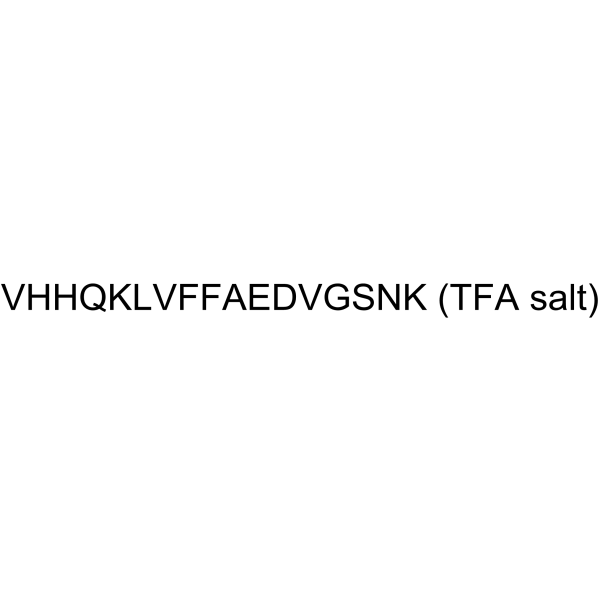 0 ImagesCat. No.: HY-P1051APurity: 99.80%Synonyms: Amyloid β-Protein (12-28) TFA; Amyloid Beta-Peptide (12-28) (human) TFA; β-Amyloid protein fragment(12-28) TFAβ-Amyloid (12-28) (TFA) (Amyloid β-Protein (12-28) (TFA)) is a peptide fragment of β-amyloid protein (β1-42). β1-42, a 42 amino acid protein , is the major component of senile plaque cores. β-Amyloid (12-28) (TFA) shows aggregation properties. β-Amyloid (12-28) (TFA) has the potential for Alzheimer’s disease research.
-
FITC-β-Ala-β-Amyloid (25-35)
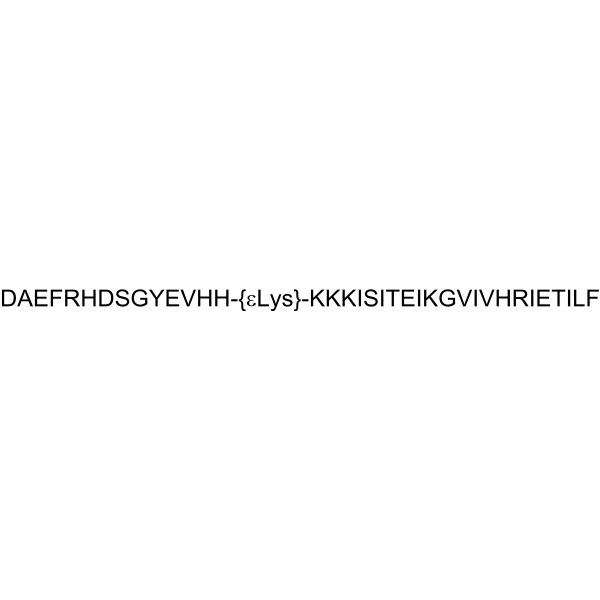
 0 ImagesCat. No.: HY-P0128F1Purity: 99.24%FITC-β-Ala-β-Amyloid (25-35) is a fluorescent product labeled by FITC that can be used in Alzheimer's disease research.
-
QM-FN-SO3
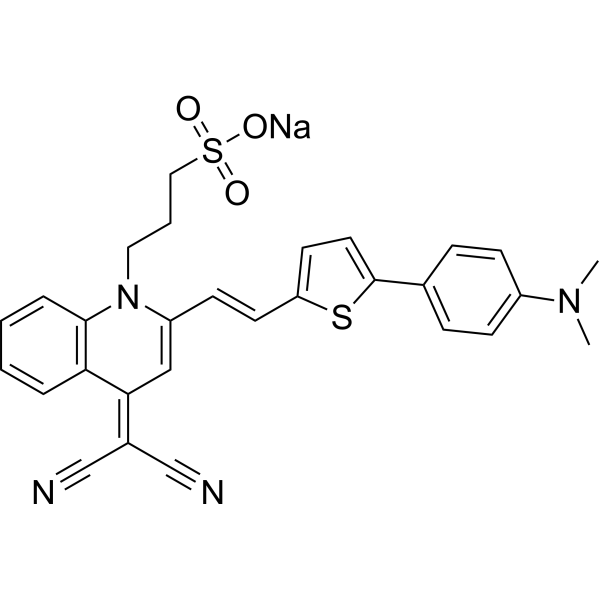 0 ImagesCat. No.: HY-D2268CAS No.: 2316820-94-5QM-FN-SO3 is a BBB-penetrable near-infrared (NIR) aggregation-induced emission (AIE)-active probe for Aβ plaques. QM-FN-SO3 can be used for in vivo detection of Aβ plaques. QM-FN-SO3 has ultra-high S/N ratio, binding affinity, and high-performance NIR emission.
-
gamma-Secretase Modulators
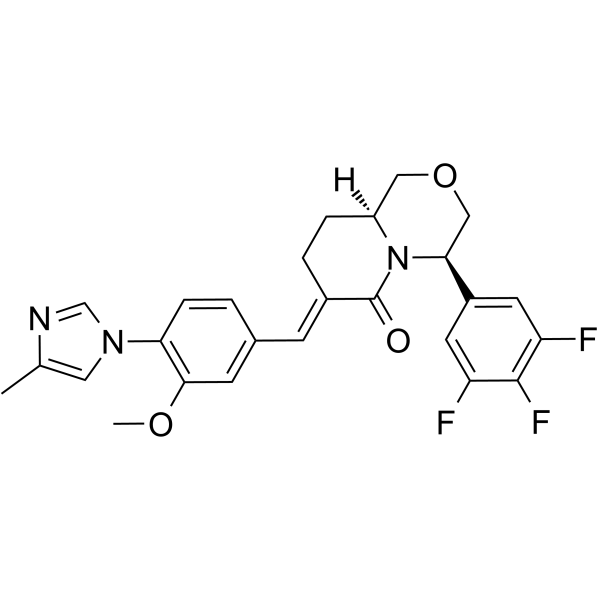 0 ImagesSynonyms: Amyloid-β production inhibitor; γ-Secretase Modulators
-
Succinyl phosphonate
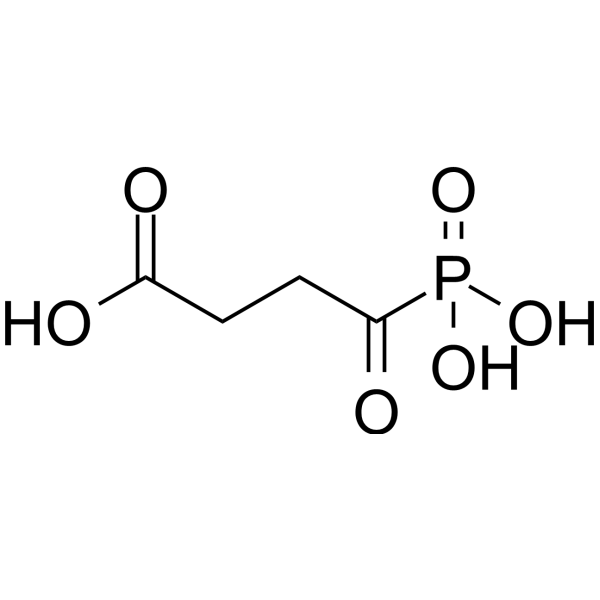 0 ImagesCat. No.: HY-12688CAS No.: 26647-82-5Succinyl phosphonate is a α-Ketoglutarate Dehydrogenase Complex (KGDHC) modulator with neuroprotective activity. Succinyl phosphonate protects this complex, reduces cellular succinyl-CoA concentration, downregulates protein succinylation levels, and inhibits the activity of the α-ketoglutarate dehydrogenase complex. Succinyl phosphonate corrects hypoxic or ethanol-induced behavioral impairments, modulates exploratory behavior and emotional stress responses, and improves hypoxia tolerance. Succinyl phosphonate reduces glutamate excitotoxicity, restores the activity of the α-ketoglutarate dehydrogenase complex, reverses the changes in glutamate dehydrogenase and glutamine synthetase activities induced by β-amyloid (Amyloid-β), modulates cognitive function, and prevents β-amyloid-induced neuronal damage. Succinyl phosphonate improves microglial senescence, alleviates neuroinflammation, reactive oxygen species (ROS) production, lipid peroxidation, and the expression of proinflammatory cytokines. Succinyl phosphonate can be used in the research of Alzheimer's disease, aging-related neuroinflammation, and Parkinson's disease.
-
Garcinoic acid
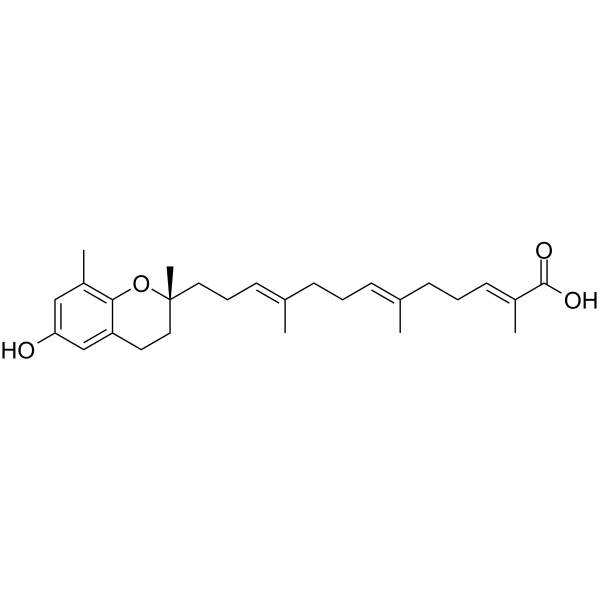 0 ImagesCat. No.: HY-N9454CAS No.: 91893-83-3Garcinoic acid is an orally active anti-inflammatory agent that crosses the blood-brain barrier. Garcinoic acid also enhances efferocytosis and enzyme/receptor regulation, and selectively inhibits human COX-2, porcine α-amylase, Saccharomyces cerevisiae α-glucosidase and human DNA polymerase β (IC50=11 μM), as well as activates human PXR. Garcinoic acid enhances macrophage efferocytosis via receptors such as MerTK and LRP-1, and promotes the production of pro-resolving lipid mediators. Garcinoic acid inhibits NF-κB activation and pro-inflammatory cytokine secretion, interferes with Aβ aggregation, downregulates NLRP3 inflammasome activity, and binds to targets including CD44 and EGFR to inhibit leukemia cell proliferation. The pharmacological activities of Garcinoic acid, such as antioxidant, anti-inflammatory and lipid metabolism-regulating effects, are widely used in studies related to various diseases including atherosclerosis, Alzheimer's disease, type 2 diabetes, inflammatory bowel disease and viral pneumonia.
-
Methyl tridecanoate
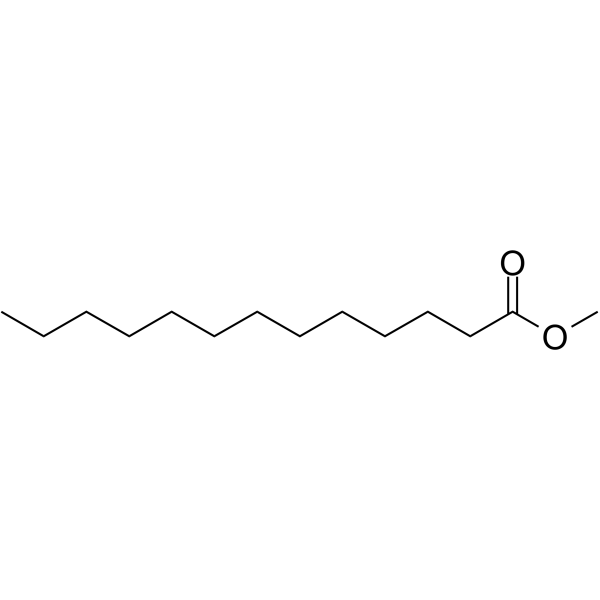 0 ImagesMethyl tridecanoate is a fatty acid methyl ester. Methyl tridecanoate exhibits an IC50 of 3.26 μM and a Ki of 2.30 μM against AsOBP21f in Anopheles sinensis. Methyl tridecanoate induces electroantennographic responses in female Anopheles sinensis. Methyl tridecanoate shows a dose-dependent attractive effect on Anopheles sinensis. Methyl tridecanoate weakly inhibits β-amyloid aggregation and AChE activity. Methyl tridecanoate can be used in the research of malaria and Alzheimer's disease.
-
Beauveriolide I
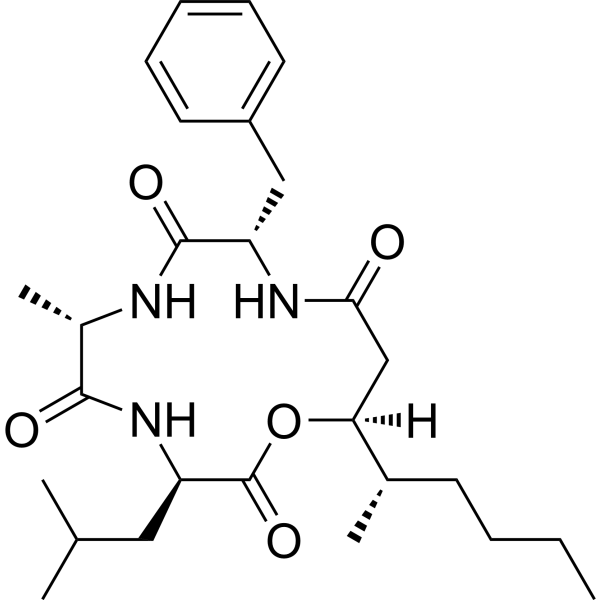 0 ImagesBeauveriolide I is an ACAT/SOAT inhibitor. Beauveriolide I selectively inhibits macrophage cholesteryl ester synthesis, blocks cholesteryl ester recycling, reduces cholesterol concentration, lipid droplet accumulation, and post-lysosomal cholesterol metabolism, and promotes the degradation of cholesteryl esters preferentially over triglycerides. Beauveriolide I reduces amyloid β peptide secretion. Beauveriolide I exhibits insecticidal and weak antibacterial activities. Beauveriolide I can be used in research on atherosclerosis, Alzheimer's disease, and cancer.
-
Cromolyn-d5
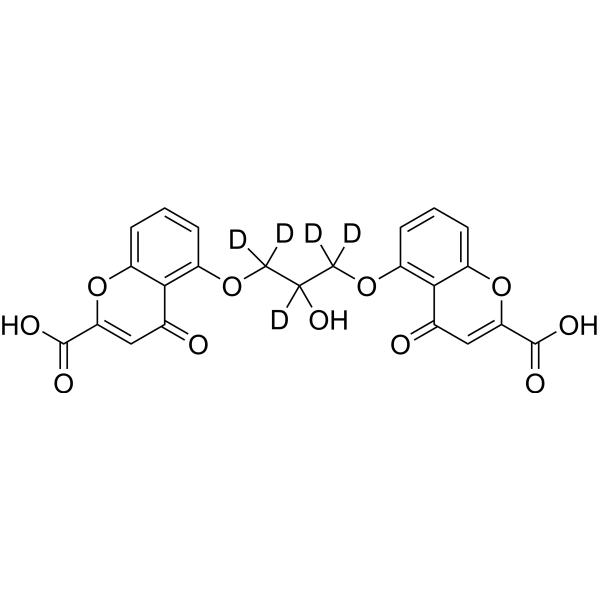 0 ImagesCat. No.: HY-B1619SCAS No.: 2140317-08-2Synonyms: Cromoglycate-d5; Cromoglicic acid-d5; FPL-670-d5 free acidCromolyn-d5 (Cromoglycate-d5) is the deuterium labeled Cromolyn (HY-B1619). Cromolyn (Cromoglycate) is an orally active GSK-3β inhibitor with an IC50 of 2.0 μM. Cromolyn is also a mast cell stabilizer that can inhibit the release of mediators from mast cells, regulate reflex bronchoconstriction, and reduce non-specific bronchial hyperreactivity, and Cromolyn can be used in the research of bronchial asthma. In addition, Cromolyn has multiple activities such as anti-inflammatory, anti-allergic, anti-histamine, anti-cancer, and neuroprotective effects.
-
PQM130
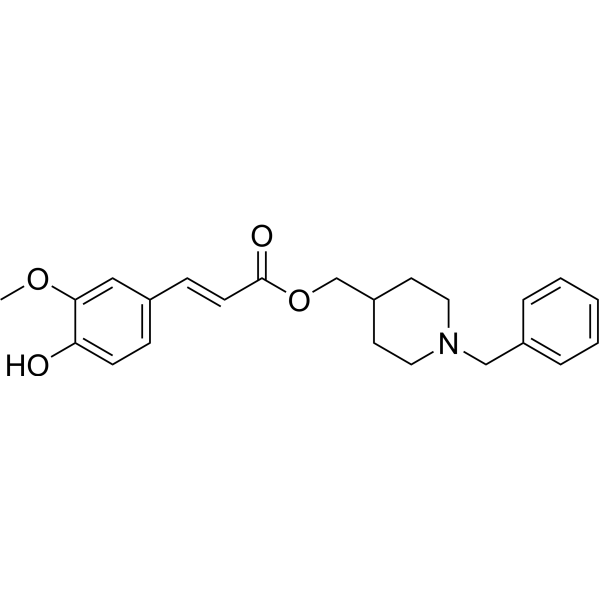 0 ImagesPQM130, a Feruloyl-Donepezil Hybrid compound with brain penatration, is a multitarget agent candidate against the neurotoxicity induced by Aβ1-42 oligomer (AβO) and shows anti-inflammatory activity. PQM130 acts as a neuroprotective compound for anti-AD agent development.
-
Mivelsiran sodium scrambled negative control
 0 ImagesCat. No.: HY-177646BMivelsiran sodium scrambled negative control is the sequence scrambled negative control of Mivelsiran sodium.
-
HDAC6-IN-5
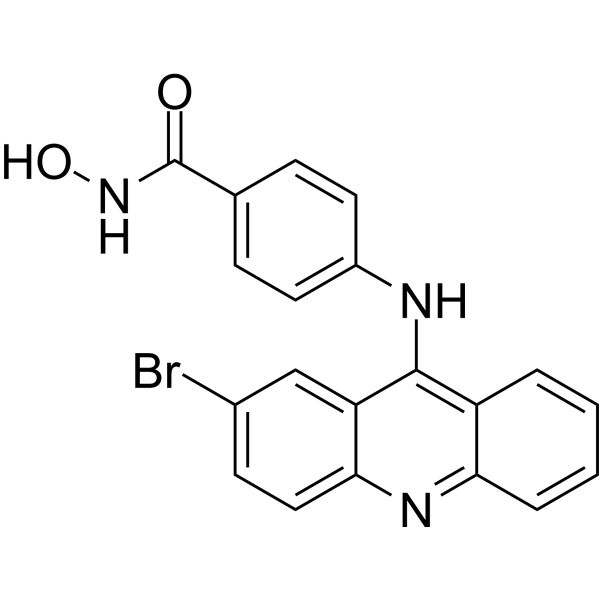 0 ImagesCat. No.: HY-146678CAS No.: 2413603-15-1HDAC6-IN-5 (compound 11b) is a potent and BBB-penetrated HDAC6 inhibitor, with an IC50 of 0.025 μM. HDAC6-IN-5 exhibits strong inhibitory activity against Aβ1-42 self-aggregation and AChE, with IC50 values of 3.0 and 0.72 μM. HDAC6-IN-5 can enhance neurite outgrowth without significant neurotoxicity.
-
FAM labled Mivelsiran sodium
 0 ImagesCat. No.: HY-177646CFAM labled Mivelsiran (ALN-APP) sodiumis a FAM labled Mivelsiran sodium. Mivelsiran sodium is an siRNA targeting the β-amyloid precursor protein (APP). Mivelsiran sodium induces sequence-specific degradation of APP mRNA via RNA interference, thereby reducing the levels of APP protein and downstream amyloid cleavage products. Mivelsiran sodium reduces β-amyloid protein levels in the brain, alleviates neuroinflammation, and attenuates microglial proliferation. Mivelsiran sodium can be used for research on early-onset Alzheimer's disease.
-
Cy3 labled Mivelsiran sodium
 0 ImagesCat. No.: HY-177646DCy3 labled Mivelsiran (ALN-APP) sodium is a Cy3 labled Mivelsiran sodium. Mivelsiran sodium is an siRNA targeting the β-amyloid precursor protein (APP). Mivelsiran sodium induces sequence-specific degradation of APP mRNA via RNA interference, thereby reducing the levels of APP protein and downstream amyloid cleavage products. Mivelsiran sodium reduces β-amyloid protein levels in the brain, alleviates neuroinflammation, and attenuates microglial proliferation. Mivelsiran sodium can be used for research on early-onset Alzheimer's disease.
-
Simufilam dihydrochloride
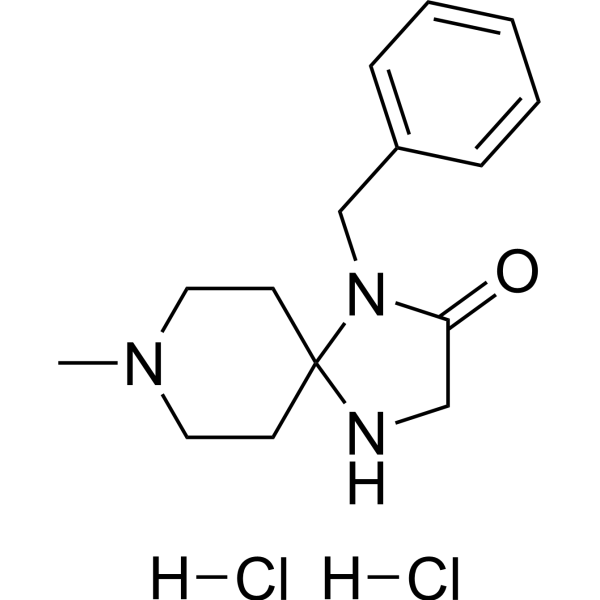 0 ImagesCat. No.: HY-139142ACAS No.: 2480226-06-8Synonyms: PTI-125 dihydrochlorideSimufilam dihydrochloride (PTI-125 dihydrochloride) is an orally active FLNA modulator. Simufilam dihydrochloride restores NMDAR signaling and Arc expression. Simufilam dihydrochloride inhibits overactive mTOR signaling by restoring the normal conformation of FLNA, improves insulin sensitivity, reduces Aβ42-induced neuroinflammation and tau protein hyperphosphorylation. Simufilam dihydrochloride can be used for research of Alzheimer's disease.
-
AZD-2184
 0 ImagesCat. No.: HY-165470CAS No.: 945400-24-8AZD-2184 is a β-amyloid (Aβ(1-40)) fibril binder with blood-brain barrier permeability, exhibiting a Kd of 8.4 nM for hAβ(1-40). AZD-2184 binds to the same site as CPIB, shows low levels of non-specific binding to brain tissue, rapidly enters and clears from the brain tissue of normal rats, and binds reversibly to plaques in vivo. The radiolabeled form of AZD-2184 can serve as a PET ligand for the visualization of Aβ deposits. AZD-2184 is applicable to research related to Alzheimer's disease.
-
Glutaminyl Cyclase Inhibitor 3
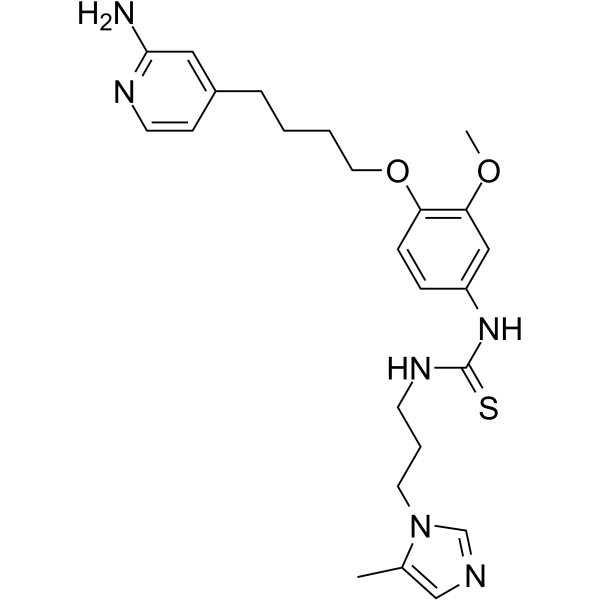 0 ImagesCat. No.: HY-101282CAS No.: 2092921-50-9Glutaminyl Cyclase Inhibitor 3 (compound 212 ), a designed anti-Alzheimer’s compound, is a potent human Glutaminyl Cyclase (GC) inhibitor, with an IC50 of 4.5 nM. Glutaminyl Cyclase-IN-1 (compound 212) significantly reduced the brain concentrations of pyroform Aβ and total Aβ and restored cognitive functions.
-
HDAC6-IN-6
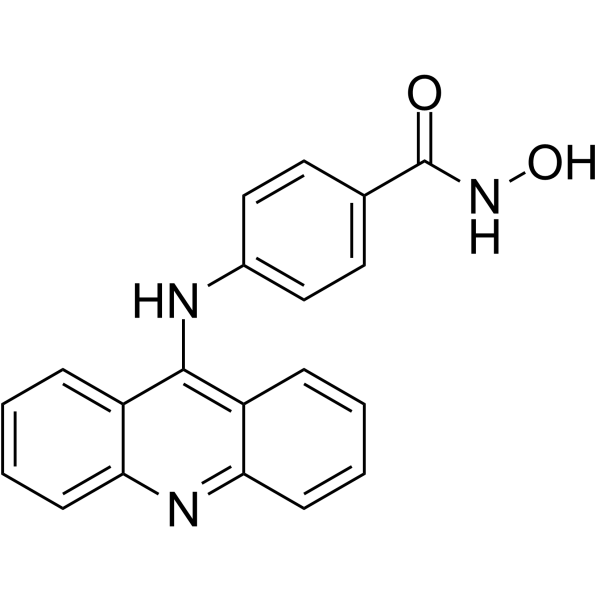 0 ImagesCat. No.: HY-146679CAS No.: 2413603-10-6HDAC6-IN-6 (compound 6a) is a potent and BBB-penetrated HDAC6 inhibitor, with an IC50 of 0.025 μM. HDAC6-IN-6 exhibits strong inhibitory activity against Aβ1-42 self-aggregation and AChE, with IC50 values of 3.0 and 0.72 μM. HDAC6-IN-6 can enhance neurite outgrowth without significant neurotoxicity.
-
Glimepiride-d5
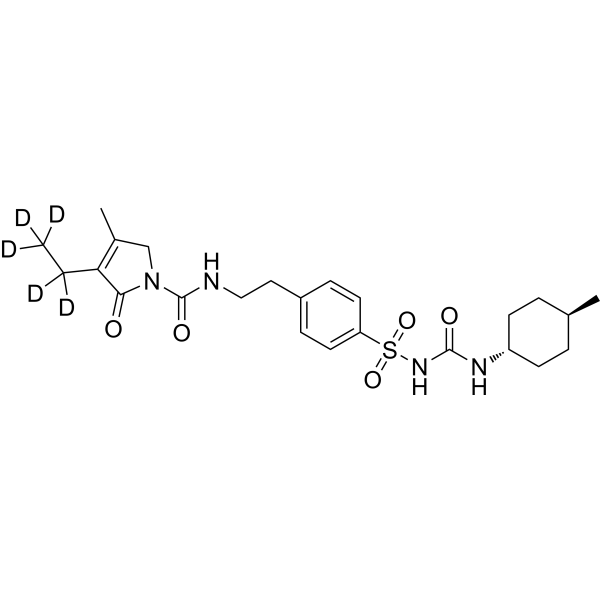 0 ImagesCat. No.: HY-B0104SCAS No.: 1028809-90-6Glimepiride-d5 is the deuterium labeled Glimepiride. Glimepiride (Glimperide) is a medium-to-long acting sulfonylurea anti-diabetic compound with an ED50 of 182 μg/kg.




