



HIV-1
HIV-1 is a retrovirus whose replication relies on reverse transcription of viral RNA into DNA, integrating into host genomes to produce progeny virions[1]. Viral entry is mediated by interactions between the envelope glycoprotein gp120 and the host CD4 receptor, along with chemokine co-receptors CXCR4 or CCR5, triggering membrane fusion and infection of target cells[2][3]. Post-entry, reverse transcription and integration involve complex protein-nucleic acid interactions, with viral integrase and nucleocapsid proteins directing efficient DNA synthesis[4]. The viral replication cycle engages host signaling pathways, including calcium-dependent activation cascades, nitric oxide signaling, and protein kinase C isoforms, which modulate viral transcription and assembly[5][6]. HIV-1 accessory proteins, such as Nef and Vif, interact with host factors to enhance replication and evade immune detection, establishing persistent infection[7]. Compared with related retroviruses, HIV-1 exhibits unique isoform-specific interactions of its envelope and regulatory proteins with host pathways, enabling differential cellular tropism and pathogenicity[1]. Small molecule inhibitors and peptide agonists targeting gp120-CD4 binding, integrase activity, or host signaling components have been employed to dissect viral replication mechanisms in vitro and in vivo, providing tools for experimental modulation of viral processes[8][9]. Mechanistically, selective modulation of these pathways has been used to evaluate antiviral efficacy and to define host determinants of infection, highlighting the functional distinctions among viral isoforms and their cellular interactions[10][11].
References:
- [1]. Downey GP, et al. Chemotactic peptide-induced activation of MEK-2, the predominant isoform in human neutrophils. Inhibition by wortmannin. J Biol Chem. 1996 Aug 30;271(35):21005-1011. [Content Brief]
- [2]. Boyé K, et al. Ligand activation induces different conformational changes in CXCR3 receptor isoforms as evidenced by plasmon waveguide resonance (PWR). Sci Rep. 2017 Sep 6;7(1):10703. [Content Brief]
- [3]. Karaś K, et al. The Dichotomous Nature of AZ5104 (an EGFR Inhibitor) Towards RORγ and RORγT. Int J Mol Sci. 2019 Nov 17;20(22):5780. [Content Brief]
- [4]. Maroney SA, et al. New insights into the biology of tissue factor pathway inhibitor. J Thromb Haemost. 2015 Jun;13 Suppl 1(0 1):S200-7. [Content Brief]
- [5]. Mourelle M, et al. The arginine/nitric oxide pathway modulates sphincter of Oddi motor activity in guinea pigs and rabbits. Gastroenterology. 1993 Nov;105(5):1299-305. [Content Brief]
- [6]. Liang C, et al. Rosiglitazone via upregulation of Akt/eNOS pathways attenuates dysfunction of endothelial progenitor cells, induced by advanced glycation end products. Br J Pharmacol. 2009 Dec;158(8):1865-73. [Content Brief]
- [7]. Kampa M, et al. Opioids are non-competitive inhibitors of nitric oxide synthase in T47D human breast cancer cells. Cell Death Differ. 2001 Sep;8(9):943-52. [Content Brief]
- [8]. Jing Q, et al. In search of potent and selective inhibitors of neuronal nitric oxide synthase with more simple structures. Bioorg Med Chem. 2013 Sep 1;21(17):5323-31. [Content Brief]
- [9]. Courilleau D, et al. The (R)-enantiomer of CE3F4 is a preferential inhibitor of human exchange protein directly activated by cyclic AMP isoform 1 (Epac1). Biochem Biophys Res Commun. 2013 Oct 25;440(3):443-8. [Content Brief]
- [10]. Shih CD. Activation of estrogen receptor beta-dependent nitric oxide signaling mediates the hypotensive effects of estrogen in the rostral ventrolateral medulla of anesthetized rats. J Biomed Sci. 2009 Jul 7;16(1):60. doi: 10.1186/1423-0127-16-60. PMID: 19583861; PMCID: PMC2717931. et al. Activation of estrogen receptor beta-dependent nitric oxide signaling mediates the hypotensive effects of estrogen in the rostral ventrolateral medulla of anesthetized rats. J Biomed Sci. 2009 Jul 7;16(1):60. [Content Brief]
- [11]. Larivière S, et al. Gonadotropin-releasing hormone inhibits pituitary adenylyl cyclase-activating polypeptide coupling to 3',5'-cyclic adenosine-5'-monophosphate pathway in LbetaT2 gonadotrope cells through novel protein kinase C isoforms and phosphorylation of pituitary adenylyl cyclase-activating polypeptide type I receptor. Endocrinology. 2008 Dec;149(12):6389-98. [Content Brief]
-
HIV-1 Related Products (410)
Related Products (410)

-
Doxorubicin
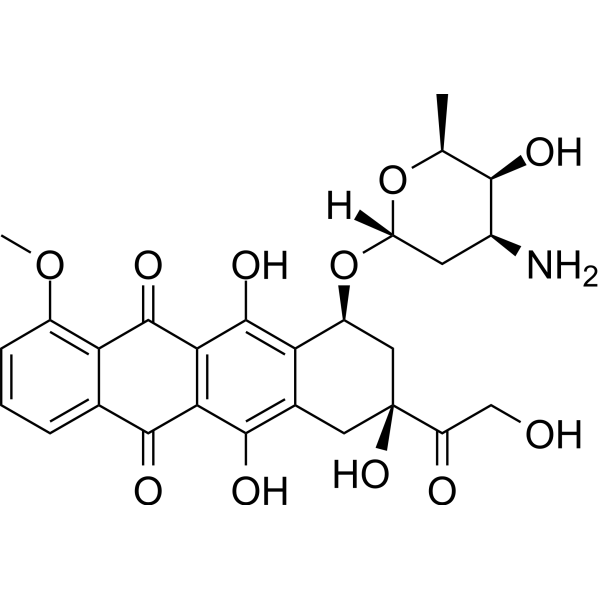 0 ImagesCat. No.: HY-15142ACAS No.: 23214-92-8Synonyms: HydroxydaunorubicinDoxorubicin (Hydroxydaunorubicin), a cytotoxic anthracycline antibiotic, is an anti-cancer chemotherapy agent. Doxorubicin is a potent human DNA topoisomerase I and topoisomerase II inhibitor with IC50s of 0.8 μM and 2.67 μM, respectively. Doxorubicin reduces basal phosphorylation of AMPK and its downstream target acetyl-CoA carboxylase. Doxorubicin induces apoptosis and autophagy.
-
SARS-CoV-IN-3
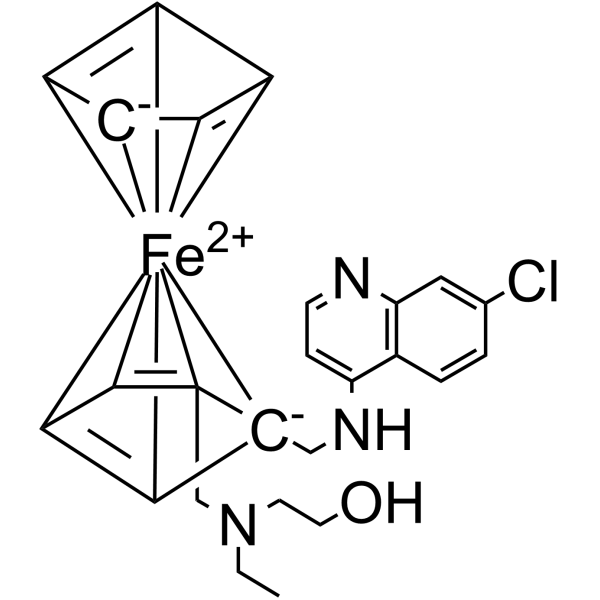 0 ImagesSARS-CoV-IN-3 is an effective inhibitor of SARS-CoV replication. SARS-CoV-IN-3 shows anti-Coronavirus activity with an EC50 of 3.6 μM in Vero cells. SARS-CoV-IN-3 inhibits the 3D7 and W2 strains of P. falciparum with IC50s of 11.7 and 20.4 nM; and IC90s of 29.19 and 56 nM; respectively. SARS-CoV-IN-3 reduces HIV-1-induced cytopathic effect with an EC50 of 10 μM in MT-4 cells.
-
Rovafovir etalafenamide
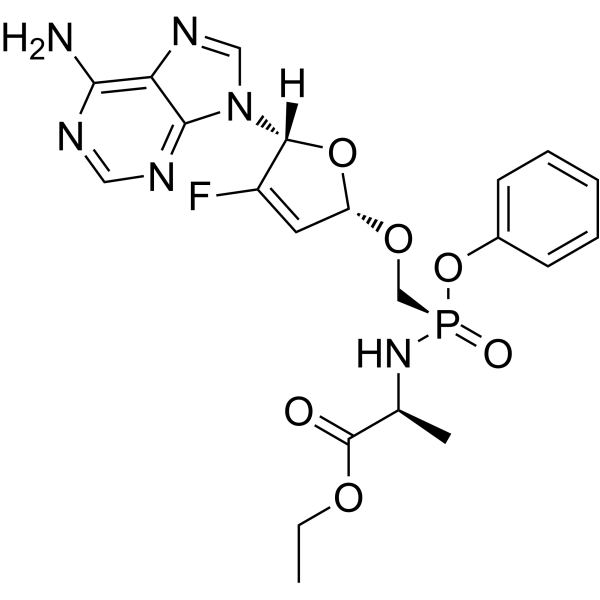 0 ImagesSynonyms: GS-9131Rovafovir etalafenamide (GS-9131), a proagent of the adenosine nucleotide analogue GS-9148, is an orally active nucleoside reverse transcriptase inhibitor (NRTI). Rovafovir etalafenamide is potent and active against a variety of NRTI mutants, and shows potent anti-HIV-1 activity.
-
Celgosivir
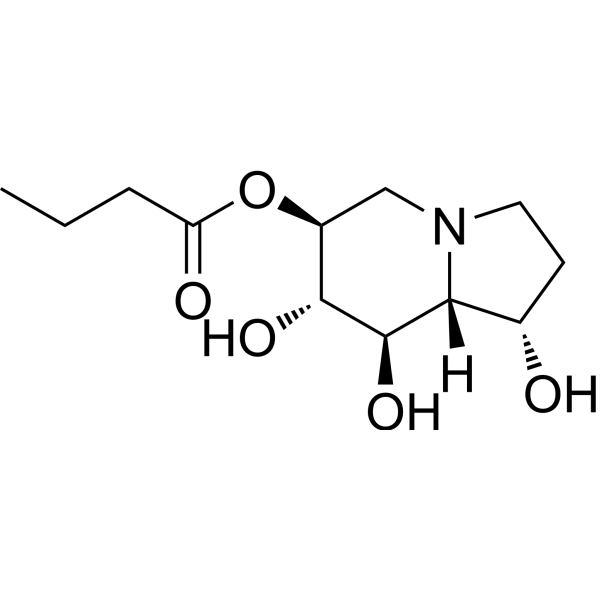 0 ImagesSynonyms: MBI 3253; MDL 28574; MX3253Celgosivir (MBI 3253; MDL 28574; MX3253) is an α-glucosidase I inhibitor; inhibits bovine viral diarrhoea virus (BVDV) with an IC50 of 1.27 μM in in vitro assay.
-
SARS-CoV-IN-2
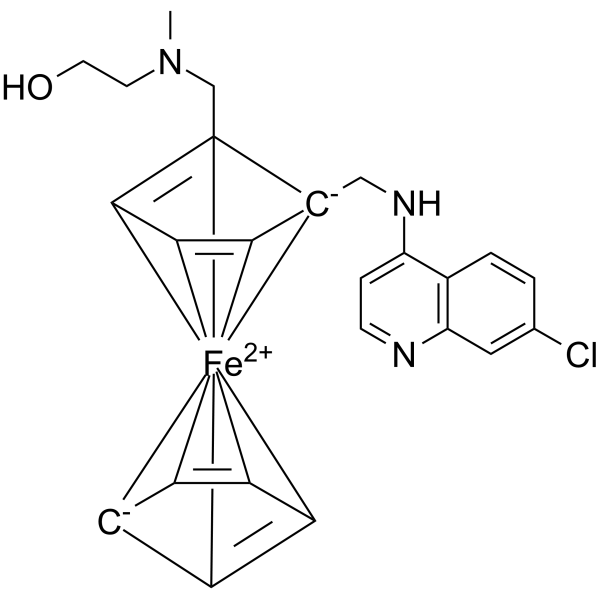 0 ImagesSARS-CoV-IN-2 is an effective inhibitor of SARS-CoV replication. SARS-CoV-IN-2 shows anti-Coronavirus activity with an EC50 of 1.9 μM in Vero cells. SARS-CoV-IN-2 inhibits the 3D7 and W2 strains of P. falciparum with IC50s of 21.5 and 30 nM; and IC90s of 51.0 and 99.9 nM; respectively. SARS-CoV-IN-2 reduces HIV-1-induced cytopathic effect with an EC50 of 2.9 μM in MT-4 cells. Antimalarial and Antiviral Activities.
-
NBD-14270
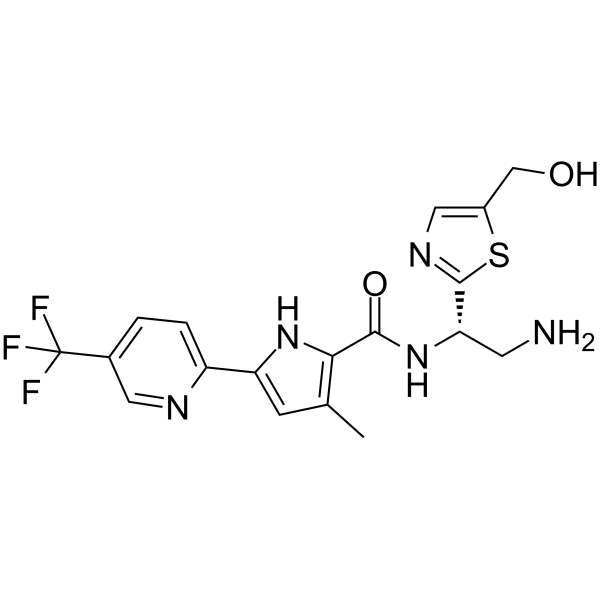 0 ImagesNBD-14270, a pyridine analogue, is a potent HIV-1 entry antagonist with an IC50 of 180 nM against 50 HIV-1 Env-pseudotyped viruses. NBD-14270 binds to HIV-1 gp120 and shows potent antiviral activity. NBD-14270 shows low cytotoxicity (CC50>100 μM).
-
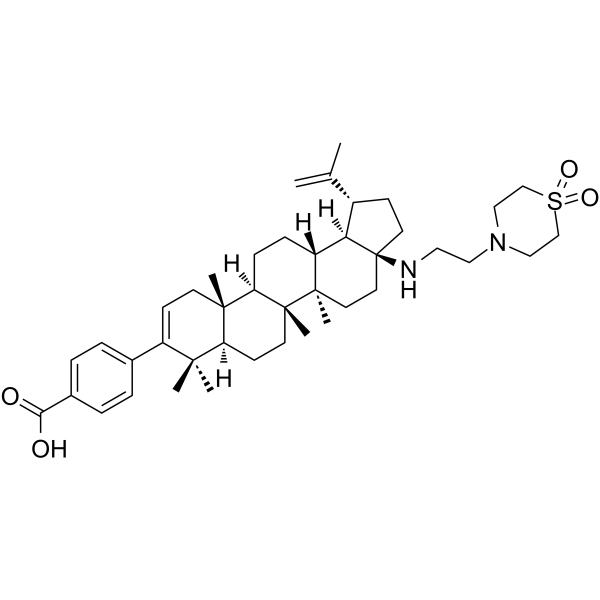
HIV-1 inhibitor-8
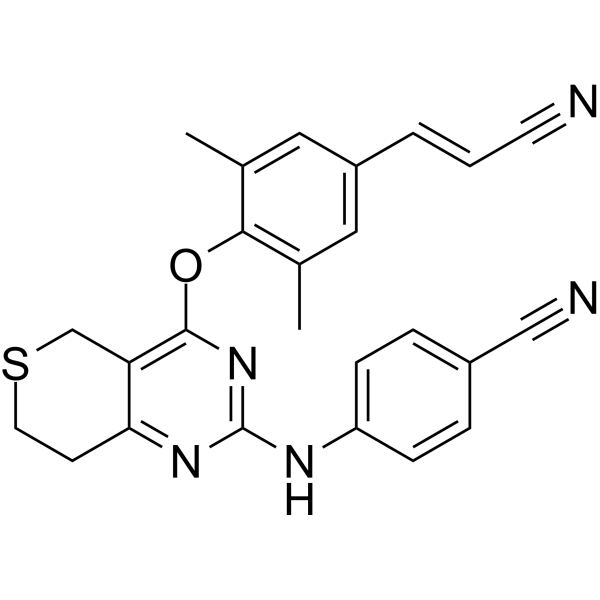 0 ImagesHIV-1 inhibitor-8 is an orally active, low-toxicity and potent HIV‑1 non-nucleoside reverse transcriptase inhibitor (NNRTI). HIV-1 inhibitor-8 yields exceptionally potent antiviral activities (EC50=4.44~54.5 nM) against various HIV‑1 strains. The IC50 of HIV-1 inhibitor-8 against WT HIV-1 reverse transcriptase is 0.081 μM.
-
Reverse transcriptase-IN-1
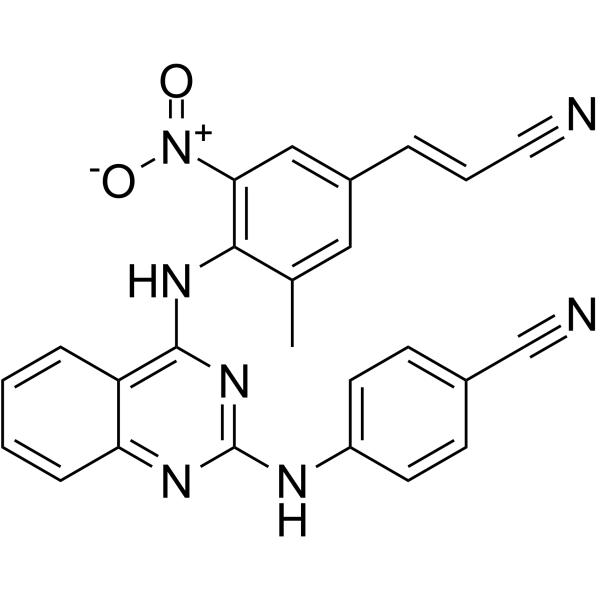 0 ImagesCat. No.: HY-130241CAS No.: 2380001-43-2Reverse transcriptase-IN-1 (Compound 12z), a diarylbenzopyrimidine (DABP) analogue, is a potent, orally active HIV-1 nonnucleoside reverse transcriptase inhibitor. Reverse transcriptase-IN-1 has antiviral activity with EC50 values of 3.4 nM, 4.3 nM and 3.6 nM for HIV-1 IIIB, E138K and K103N mutants, respectively. Reverse transcriptase-IN-1 also has an IC50of 13.7 nM against HIV-1 reverse transcriptase enzyme.
-
IT1t
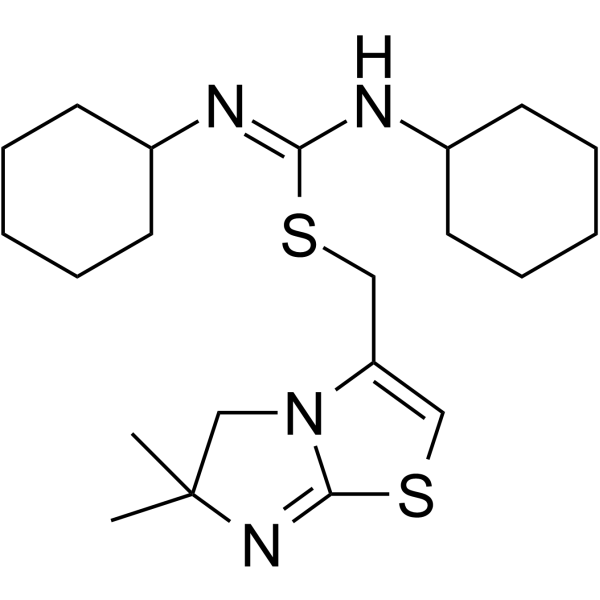 0 ImagesCat. No.: HY-101458CAS No.: 864677-55-4IT1t is a potent CXCR4 antagonist; inhibits CXCL12/CXCR4 interaction with an IC50 of 2.1 nM.
-
Fosdevirine
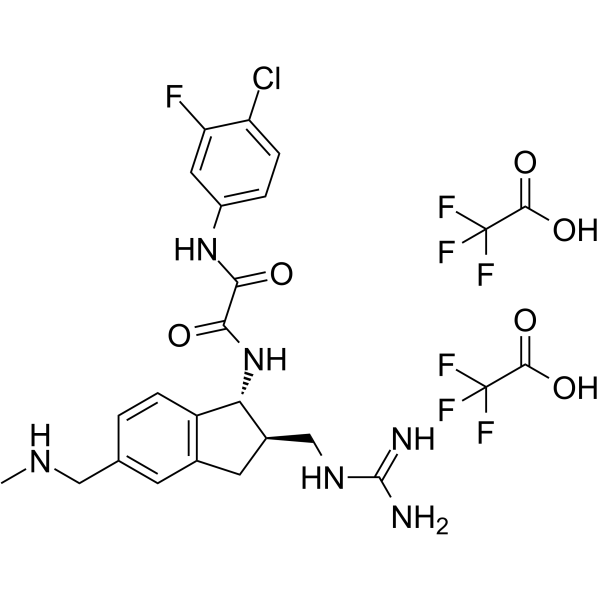
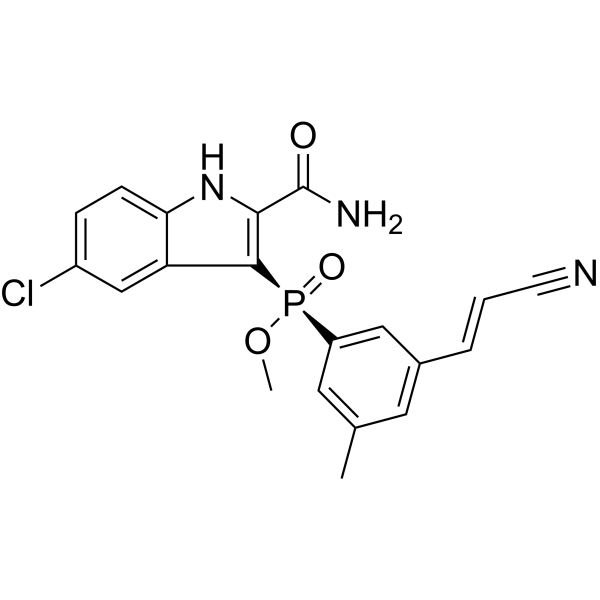 0 ImagesCat. No.: HY-14891CAS No.: 1018450-26-4Synonyms: GSK2248761; FDVFosdevirine (GSK2248761) is is a potent, selective, non-nucleoside reverse transcriptase inhibitor (NNRTI) of human immunodeficiency virus type 1 (HIV-1) replication with low nanomolar activity in vitro. Fosdevirine shows good activity against a broad range of HIV-1 strains, including efavirenz (HY-10572)-resistant clinical isolates.
-
Trovirdine
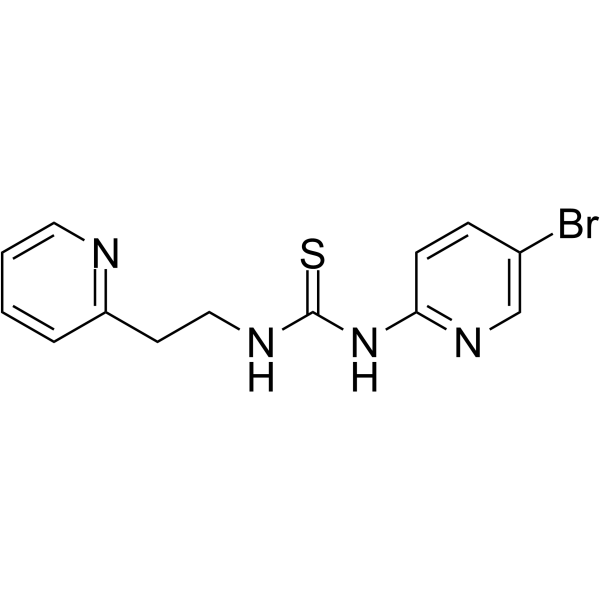 0 ImagesSynonyms: LY300046Trovirdine (LY300046) is a selective non-nucleoside HIV-1 reverse transcriptase inhibitor, with an IC50 value of 0.012 μM against the wild-type enzyme. Trovirdine inhibits the replication of both wild-type and mutant HIV-1, and exerts synergistic or additive effects when combined with some antiviral drugs. Trovirdine is applicable to research related to HIV-1 infection.
-
Neuraminidase, arthrobacter ureafaciens
 0 ImagesNeuraminidase, arthrobacter ureafaciens is a neuraminidase derived from Arthrobacter ureafaciens. Neuraminidase, arthrobacter ureafaciens catalyzes the removal of sialic acid residues from cell surfaces and viral glycoconjugates. Neuraminidase, arthrobacter ureafaciens enhances HIV-1-mediated syncytium formation and promotes the viral binding and entry steps in the HIV-1 replication cycle.
-
Apelin-36(human) TFA
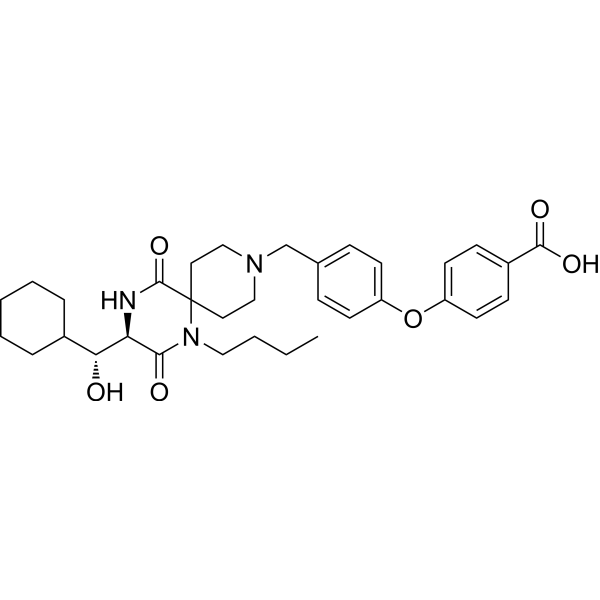
 0 ImagesCat. No.: HY-P1064APurity: 99.42%Apelin-36(human) TFA is an endogenous orphan G protein-coupled receptor APJ agonist, with an EC50 of 20 nM. Apelin-36(human) TFA shows high affinity to human APJ receptors expressed in HEK 293 cells (pIC550=8.61). Apelin-36(human) TFA has been linked to two major types of biological activities: cardiovascular and metabolic. Apelin-36(human) TFA inhibits the entry of some HIV-1 and HIV-2 into the NP2/CD4 cells expressing APJ.
-
FNC-TP trisodium
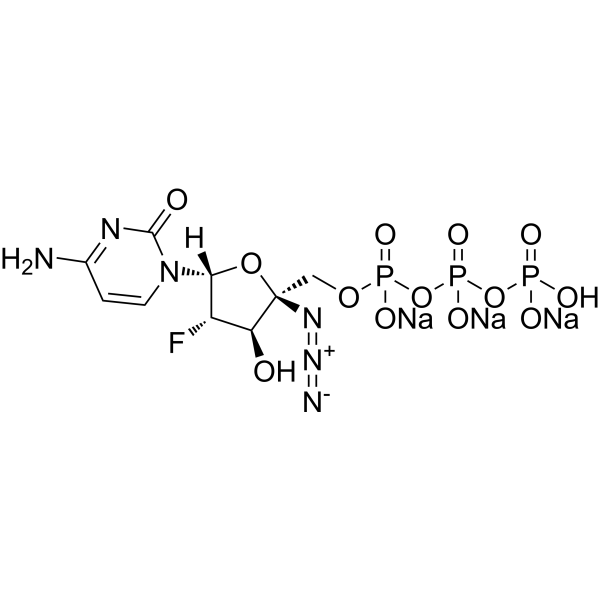 0 ImagesCat. No.: HY-139262AFNC-TP trisodium is the intracellular active form of FNC. FNC is a potent nucleoside reverse transcriptase inhibitor (NRTI), with antiviral activity on HIV, HBV and HCV. FNC-TP (trisodium) is a click chemistry reagent, it contains an Azide group and can undergo copper-catalyzed azide-alkyne cycloaddition reaction (CuAAc) with molecules containing Alkyne groups. It can also undergo strain-promoted alkyne-azide cycloaddition (SPAAC) reactions with molecules containing DBCO or BCN groups.
-
AzddMeC
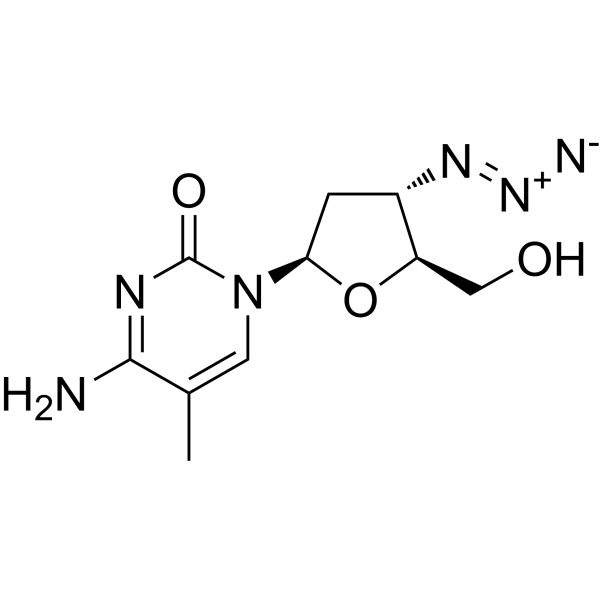 0 ImagesSynonyms: CS-92AzddMeC (CS-92) is an antiviral nucleoside analogue and a potent potent, selective and orally active HIV-1 reverse transcriptase and HIV-1 replication inhibitor. In HIV-1-infected human PBM cells and HIV-1-infected human macrophages, the EC50 values of AzddMeC are 9 nM and 6 nM, respectively. AzddMeC is a click chemistry reagent, it contains an Azide group and can undergo copper-catalyzed azide-alkyne cycloaddition reaction (CuAAc) with molecules containing Alkyne groups. It can also undergo strain-promoted alkyne-azide cycloaddition (SPAAC) reactions with molecules containing DBCO or BCN groups.
-
Apricitabine
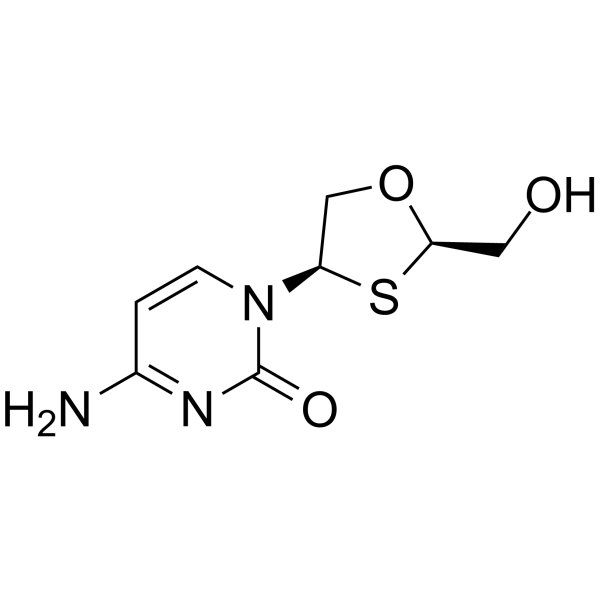 0 ImagesSynonyms: SPD754; AVX754Apricitabine (SPD754; AVX754), the (-) enantiomer of 2′-deoxy-3′-oxa-4′-thiocytidine (dOTC), is a highly selective and orally active HIV-1 reverse transcriptase (RT) inhibitor (Ki=0.08 μM), as well as inhibits DNA polymerases α, β, and γ with Ki value of 300 μM, 12 μM, and 112.25 μM, respectively. Apricitabine (SPD754; AVX754) shows promising antiretroviral efficacy, good tolerability and a low propensity for resistance selection in antiretroviral-naive HIV infection.



