1. シグナル伝達
  2. Apoptosis
  3. MDM-2/p53

MDM-2/p53

The p53 tumor suppressor is a principal mediator of growth arrest, senescence, and apoptosis in response to a broad array of cellular damage. p53 is a short-lived protein that is maintained at low, often undetectable, levels in normal cells. Under stress conditions, the p53 protein accumulates in the cell, binds in its tetrameric form to p53-response elements and induces the transcription of various genes.

MDM-2 is transcriptionally activated by p53 and MDM-2, in turn, inhibits p53 activity in several ways. MDM-2 binds to the p53 transactivation domain and thereby inhibits p53-mediated transactivation. MDM-2 also contains a signal sequence that is similar to the nuclear export signal of various viral proteins and, after binding to p53, it induces its nuclear export. As p53 is a transcription factor, it needs to be in the nucleus to be able to access the DNA; its transport to the cytoplasm by MDM-2 prevents this. Finally, MDM-2 is a ubiquitin ligase, so is able to target p53 for degradation by the proteasome.

In many tumors p53 is inactivated by the overexpression of the negative regulators MDM2 and MDM4 or by the loss of activity of the MDM2 inhibitor ARF. The pathway can be reactivated in these tumors by small molecules that inhibit the interaction of MDM2 and/or MDM4 with p53. Such molecules are now in clinical trials.

製品番号 製品名 製品効果 純度 構造式
  • HY-148369
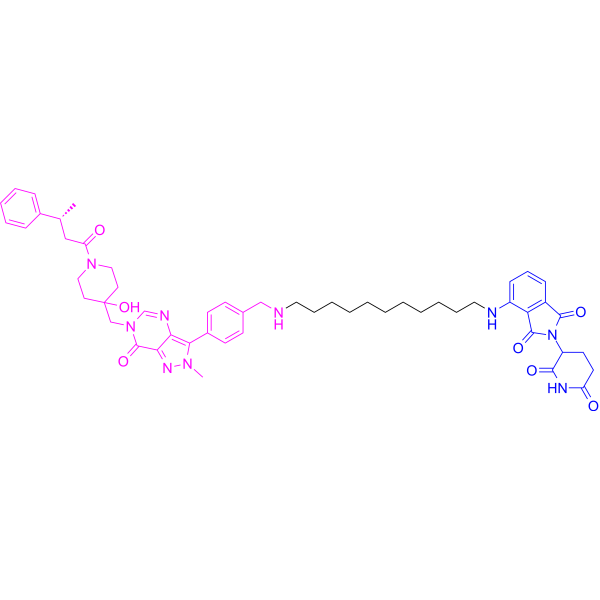
    U7D-1 p53 Activator 99.68%
    U7D-1 is a first-in-class potent and selective USP7 (ubiquitin-specific protease 7) PROTAC degrader, with a DC50 of 33 nM in RS4;11 cells. U7D-1 shows anticancer activity. U7D-1 induces apoptosis in Jeko-1 cells.
    U7D-1
  • HY-15510B
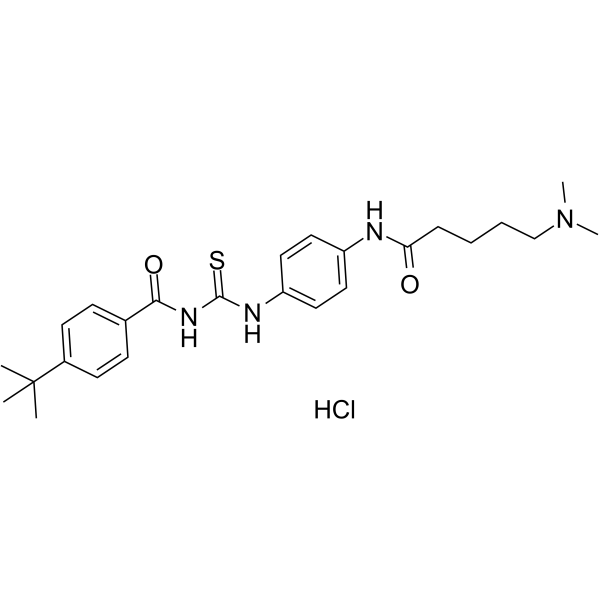
    Tenovin-6 Hydrochloride p53 Activator 98.88%
    Tenovin-6 Hydrochloride, an analog of Tenovin-1 (HY-13423), is an activator of p53 transcriptional activity. Tenovin-6 Hydrochloride inhibits the protein deacetylase activities of purified human SIRT1, SIRT2, and SIRT3 with IC50s of 21 μM, 10 μM, and 67 μM, respectively. Tenovin-6 Hydrochloride also inhibits dihydroorotate dehydrogenase (DHODH).
    Tenovin-6 Hydrochloride
  • HY-P10387
    RSM3 Modulator
    RSM3 is a METTL3-METTL14 complex inhibitor with a Kd of 3.10 μM for the METTL3-METTL14 complex. RSM3 reduces the m6A modification level of SLC31A1 and the global RNA methylation level. RSM3 upregulates programmed cell death-related genes, enhances cell apoptosis, inhibits pro-cancer signals and suppresses tumor growth. RSM3 is applicable to the research of preeclampsia and cancer.
    RSM3
  • HY-N0331
    Ziyuglycoside I

    Ziyuglycoside I

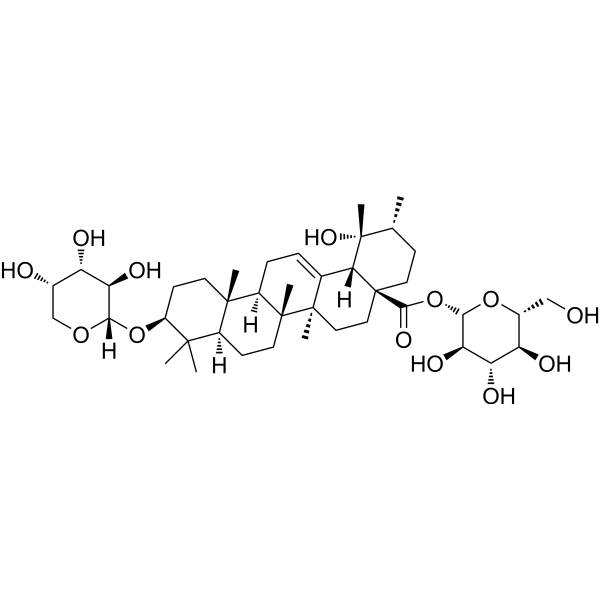
    p53 Activator 99.42%
    Ziyuglycoside I isolated from S. officinalis root, has anti-wrinkle activity, and increases the expression of type I collagen. Ziyuglycoside I could be used as an active ingredient for cosmetics. Ziyuglycoside I triggers cell cycle arrest and apoptosis mediated by p53, it can be a potential agent candidate for treating triple-negative breast cancer (TNBC).
    Ziyuglycoside I
  • HY-106263B
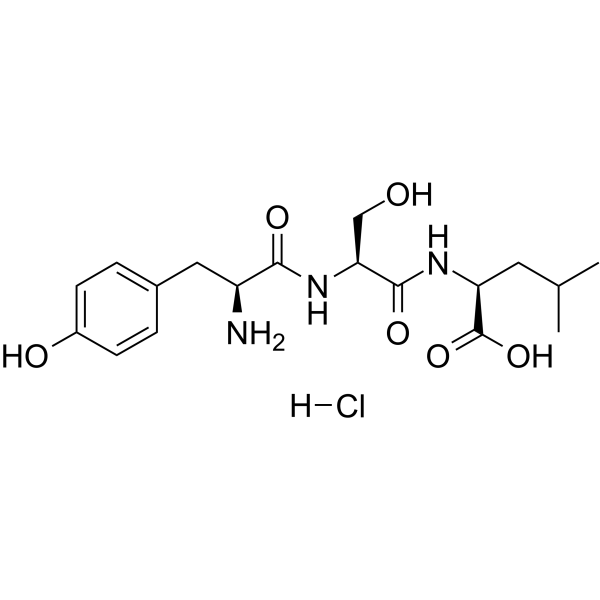
    Tyroserleutide hydrochloride Inhibitor 99.92%
    Tyroserleutide hydrochloride is a tripeptide isolated from the degradation products of porcine spleen with antitumor activity. Tyroserleutide hydrochloride can upregulate the expression of the tumor suppressor gene PTEN and inhibit the activity of AKT and PDK1. Tyroserleutide hydrochloride inhibits tumor cell proliferation and MDM2 phosphorylation by inhibiting the PI3K/AKT pathway, and also upregulates P21, P27, P53, and induces mitochondrial damage and cell apoptosis.
    Tyroserleutide hydrochloride
  • HY-16664
    SJ-172550 MDM2 Inhibitor 99.74%
    SJ-172550 is a small molecule inhibitor of MDMX; competes for the wild type p53 peptide binding to MDMX with an EC50 of 5 μM.
    SJ-172550
  • HY-120086
    RO-5963 MDM2 Inhibitor 98.19%
    RO-5963 is a dual p53-MDM2 and p53-MDMX inhibitor with IC50s of ~17 nM and ~24 nM, respectively.
    RO-5963
  • HY-100383
    BH3I-1 MDM2 Inhibitor 98.0%
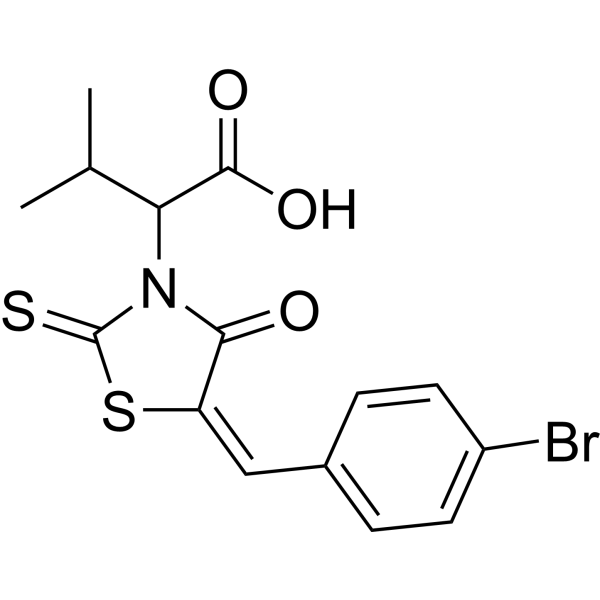
    BH3I-1 is a Bcl-2 family antagonist, which inhibits the binding of the Bak BH3 peptide to Bcl-xL with a Ki of 2.4±0.2 μM in FP assay. BH3I-1 has a Kd of 5.3 μM against the p53/MDM2 pair.
    BH3I-1
  • HY-128841
    PROTAC MDM2 Degrader-2 MDM2 Inhibitor
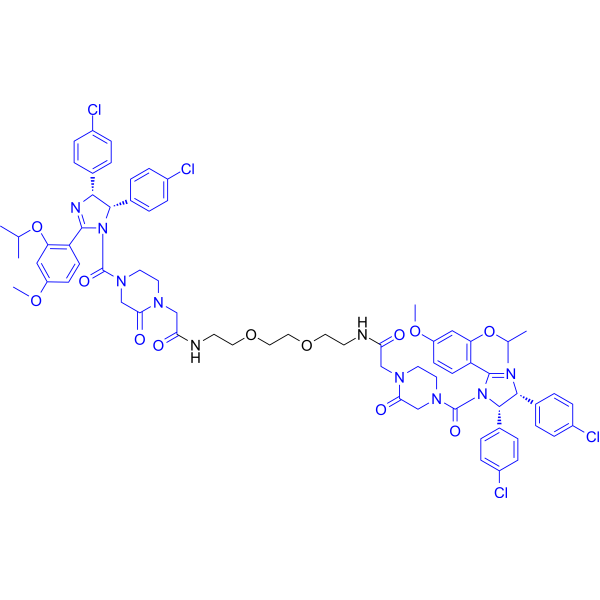
    PROTAC MDM2 Degrader-2 is an MDM2 PROTAC degrader. PROTAC MDM2 Degrader-2 can induce the self-ubiquitination and degradation of MDM2, thereby upregulating the level of p53 protein. PROTAC MDM2 Degrader-2 has anti-tumor activity and can be used in the study of cancer. (Blue: MDM2 ligand (HY-128836); Black: linker (HY-128833))
    PROTAC MDM2 Degrader-2
  • HY-145785A
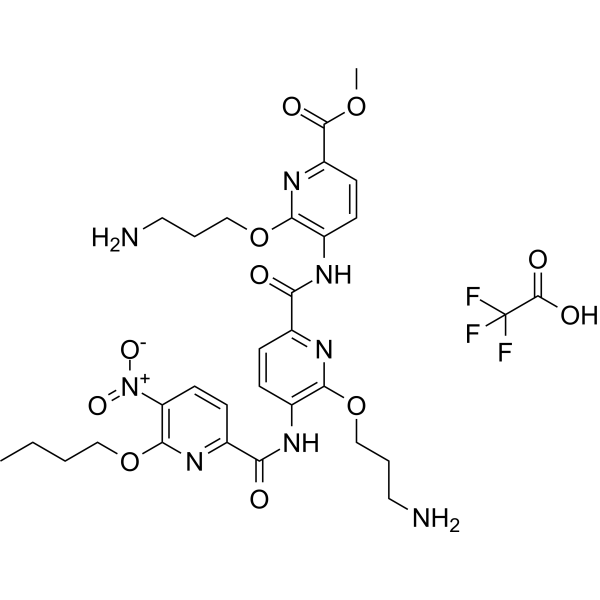
    ADH-6 TFA Modulator 99.91%
    ADH-6 TFA is a tripyridylamide compound. ADH-6 abrogates self-assembly of the aggregation-nucleating subdomain of mutant p53 DBD. ADH-6 TFA targets and dissociates mutant p53 aggregates in human cancer cells, which restores p53's transcriptional activity, leading to cell cycle arrest and apoptosis. ADH-6 TFA has the potential for the research of cancer diseases.
    ADH-6 TFA
  • HY-17493
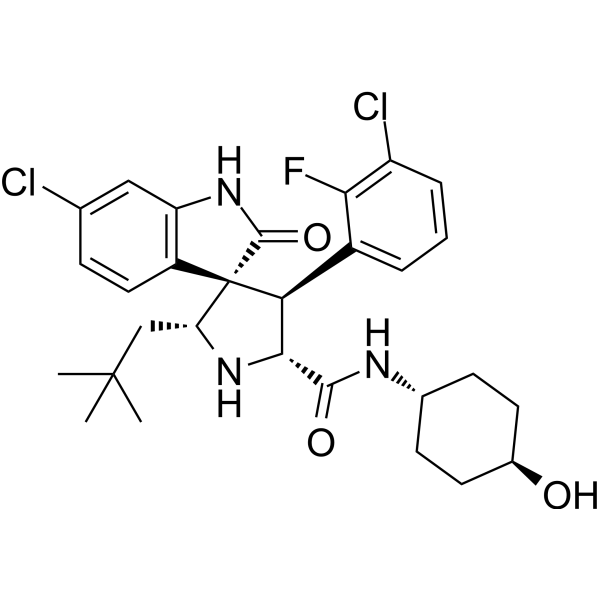
    MI-773 Inhibitor
    MI-773 is an orally active, selective MDM2-p53 interaction inhibitor with a Ki of 0.88 nM for MDM2. MI-773 blocks the MDM2-TP53 interaction. MI-773 potently activates p53. MI-773 induces Apoptosis. MI-773 causes tumor regression in xenograft models of adenoid cystic carcinoma. MI-773 exhibits anticancer effects in neuroblastoma. MI-773 TFA can be used for the research of adenoid cystic carcinoma.
    MI-773
  • HY-N8210
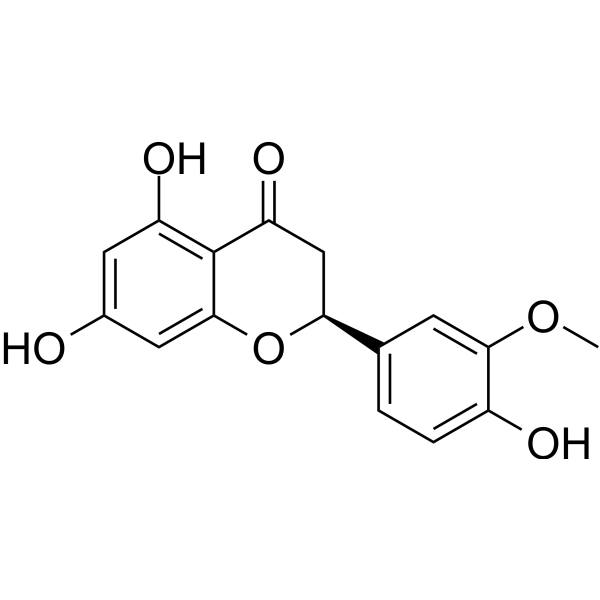
    Homoeriodictyol Agonist 99.86%
    Homoeriodictyol is an orally active, bitter-tasting flavanone that can penetrate the blood-brain barrier. Homoeriodictyol enhances synaptic-related protein expression through NCOA4-mediated ferritin autophagy. Homoeriodictyol improves memory impairment in mice by inhibiting the NLRP3 inflammasome. Homoeriodictyol protects human endothelial cells from oxidative damage by activating Nrf2 and inhibiting mitochondrial dysfunction. Homoeriodictyol enhances ROS activity and induces apoptosis, exhibiting anticancer effects. Homoeriodictyol inhibits the survival and migration of androgen-resistant prostate cancer cells in vitro. Homoeriodictyol exerts antinociceptive activity in mice in vivo.
    Homoeriodictyol
  • HY-132595A
    Teprasiran sodium
    Teprasiran sodium is a small interfering RNA that temporarily inhibits p53-mediated cell death that underlies acute kidney injury (AKI).
    Teprasiran sodium
  • HY-N3031
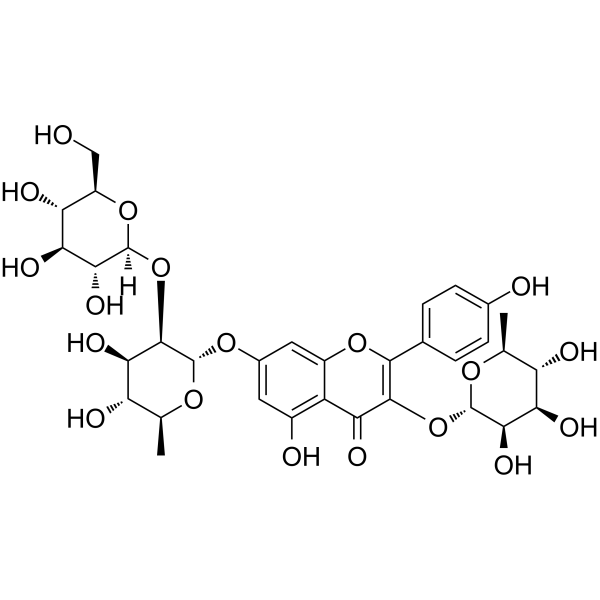
    Grosvenorine 99.64%
    Grosvenorine is an orally active flavonoid glycoside found in S. grosvenorii. Grosvenorine exhibits antibacterial, antioxidant and antiinflammation activities. Grosvenorine can induce apoptosis and increases anti-apoptotic Bcl-2 protein expression and reduces pro-apoptotic P53 protein expression in gastric tissues. Grosvenorine enhances mucin/glycoprotein secretion, regulates gastric pH, and reduces gastric lesion incidence.Grosvenorine increases glutathione peroxidase, catalase, and SOD levels, reduces lipid peroxidation (MDA), and lowers TNF-α and IL-6 levels. Grosvenorine can be used for the researches of bacterial infection and Gastric ulcer.
    Grosvenorine
  • HY-16138A
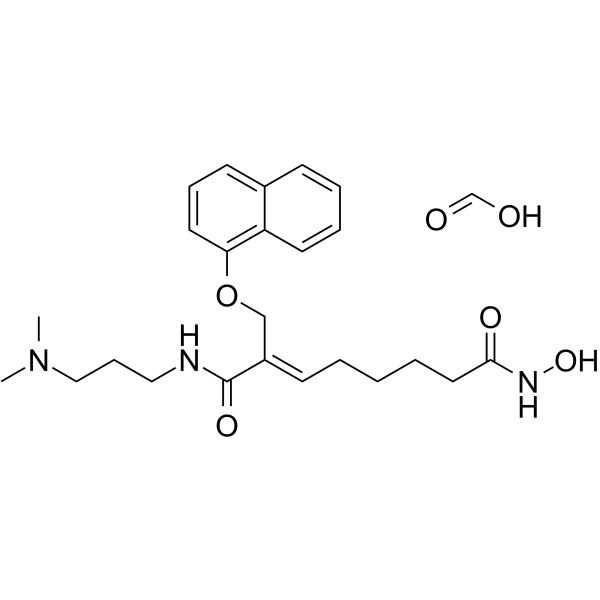
    Ivaltinostat formic Activator 98.04%
    Ivaltinostat (CG-200745) formic is an orally active, potent pan-HDAC inhibitor which has the hydroxamic acid moiety to bind zinc at the bottom of catalytic pocket. Ivaltinostat formic inhibits deacetylation of histone H3 and tubulin. Ivaltinostat formic induces the accumulation of p53, promotes p53-dependent transactivation, and enhances the expression of MDM2 and p21 (Waf1/Cip1) proteins. Ivaltinostat formic enhances the sensitivity of Gemcitabine-resistant cells to Gemcitabine (HY-16138) and 5-Fluorouracil (5-FU; HY-90006). Ivaltinostat formic induces apoptosis and has anti-tumour effects.
    Ivaltinostat formic
  • HY-N1931
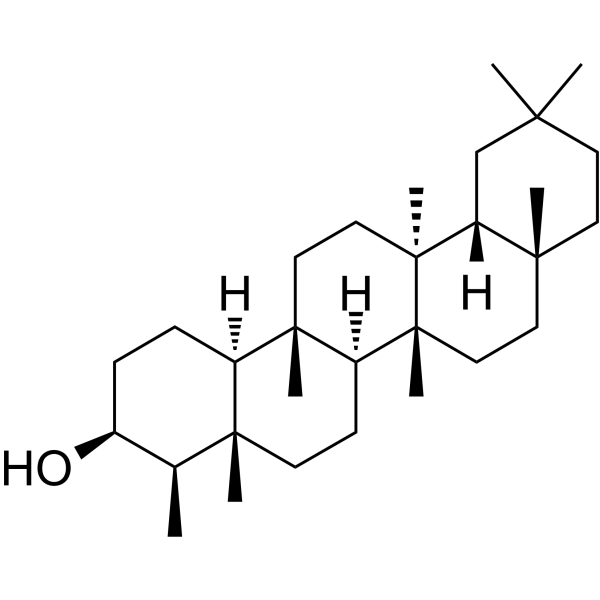
    Epifriedelanol 99.69%
    Epifriedelanol is a triterpenoid found in the root bark of Ulmus davidiana. Epifriedelanol induces apoptosis in DU145 cells. Epifriedelanol has antitumor and anti-inflammatory activities. Epifriedelanol inhibits cellular senescence in human primary cells.
    Epifriedelanol
  • HY-U00442
    CTX1

    CTX1

    MDM2 Inhibitor 98.50%
    CTX1 is a p53 activator that overcomes HdmX-mediated p53 repression. CTX1 exhibits potent anti-cancer activity in a mouse acute myeloid leukemia (AML) model system.
    CTX1
  • HY-134823
    MD-222 MDM2 Inhibitor 98.03%
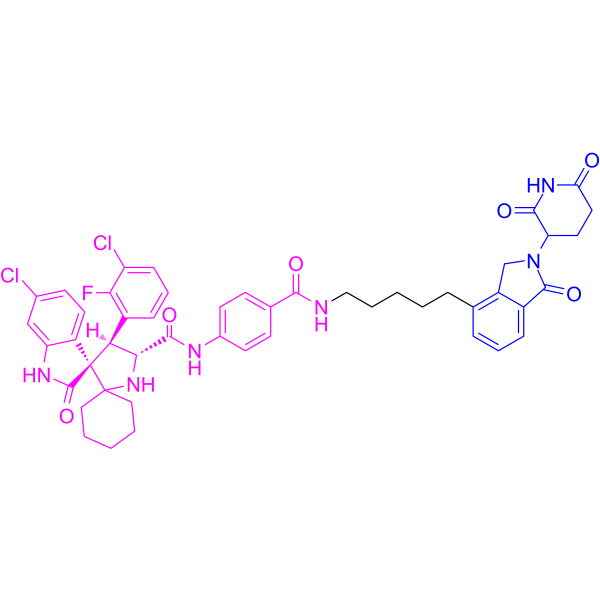
    MD-222 is the first-in-class highly potent PROTAC degrader of MDM2. MD-222 consists of ligands for Cereblon and MDM2. MD-222 induces rapid degradation of the MDM2 protein and activation of wild-type p53 in cells. MD-222 has anticancer effects.
    MD-222
  • HY-N2445
    Flavokawain C

    Flavokawain C

    Inhibitor 99.79%
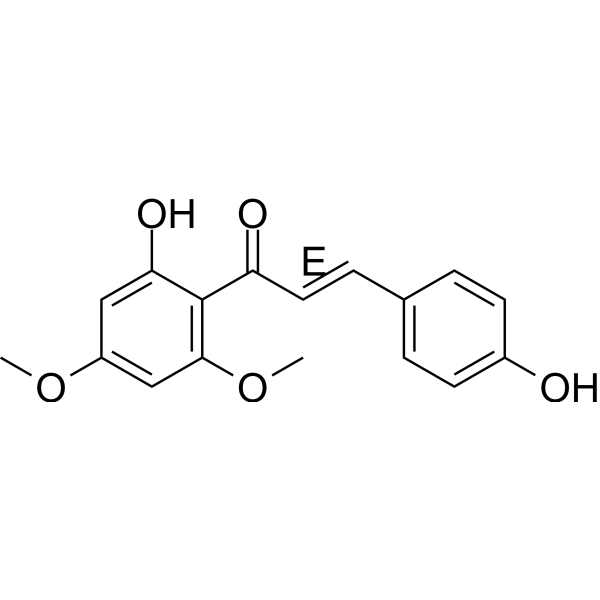
    Flavokawain C is an orally active natural chalcone. Flavokawain C inhibits the proliferation of various cancer cells. Flavokawain C upregulates GADD153 in cancer cells, inhibits the phosphorylation of Akt and JNK, suppresses early ERK phosphorylation, activates late ERK phosphorylation, activates caspase related subtypes, induces PARP-1 cleavage, causes upregulation of p21 and p27, downregulation of mutant p53 and anti-apoptotic IAP proteins, elevates intracellular ROS levels, reduces SOD activity, and induces apoptosis. Flavokawain C downregulates FABP4, induces autophagy in cancer cells, and activates the AMPK/mTOR pathway. Flavokawain C decreases the expression of glycolysis-related proteins GLUT1 and HK2, and inhibits glycolysis in nasopharyngeal carcinoma cells. Flavokawain C inhibits the activation of the EGFR/PI3K/Akt/mTOR signaling pathway and reduces the expression of HSP90B1. Flavokawain C inhibits angiogenesis by decreasing the expression of angiogenic proteins Ang-1 and VEGF in human umbilical vein endothelial cells. Flavokawain C increases γ-H2AX levels in cells, inhibits the phosphorylation of FAK, PI3K and AKT in cells, and induces DNA damage in cells. Flavokawain C exerts anti-tumor activity in multiple tumor xenograft mouse models. Flavokawain C is applicable to research related to colorectal cancer, colon adenocarcinoma, nephroblastoma, nasopharyngeal carcinoma and liver cancer.
    Flavokawain C
  • HY-176083
    ASTX295 Antagonist 99.81%
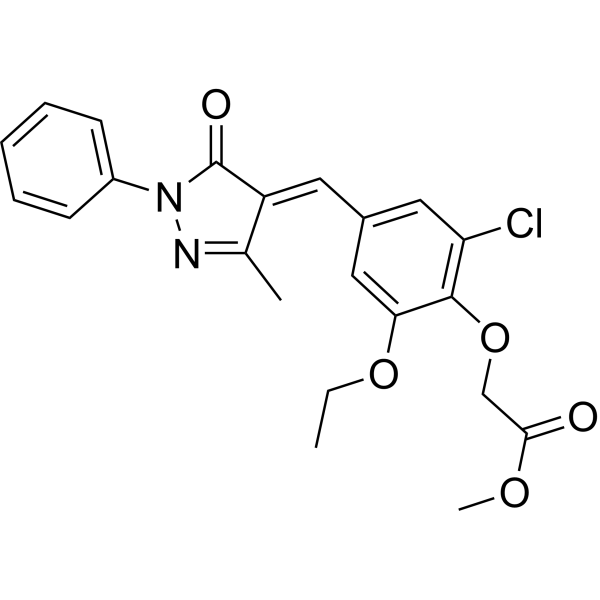
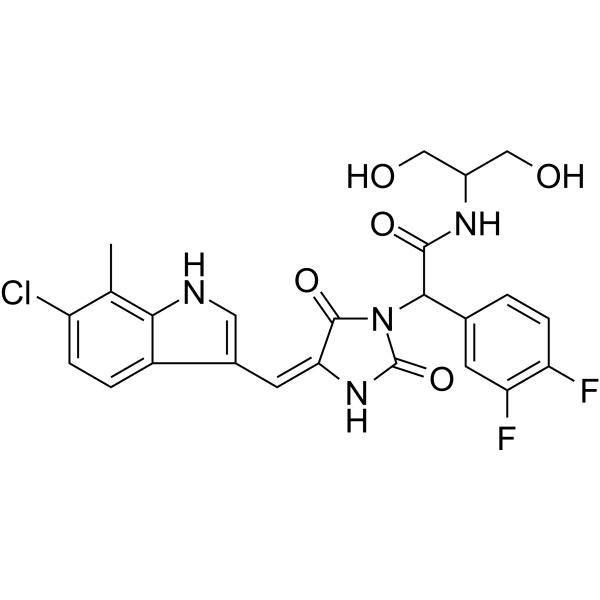
    ASTX295 is an orally active and selective MDM2 antagonist with an IC50 of <1 nM. ASTX295 inhibits the MDM2-p53 interaction, activates wild-type TP53, and thereby induces the expression of relevant transcriptional targets, leading to cell death. ASTX295 drives the transition of pancreatic cancer cells from senescence to apoptosis and regulates p53 and DNA damage biomarkers. ASTX295 can be used for the research of hematologic malignancies and pancreatic cancer.
    ASTX295
製品番号 製品名 / Synonyms Application Reactivity

p53 is at the centre of biological interactions that translates stress signals into cell cycle arrest or apoptosis. Upstream signaling to p53 increases its level and activates its function as a transcription factor in response to a wide variety of stresses, whereas downstream components execute the appropriate cellular response. 


Cell Stress: p53 induction by acute DNA damage begins when DNA double-strand breaks trigger activation of ATM, a kinase that phosphorylates the CHK2 kinase, or when stalled or collapsed DNA replication forks recruit ATR, which phosphorylates CHK1. p53 is a substrate for both the ATM and ATR kinases, as well as for CHK1 and CHK2, which coordinately phosphorylate p53 to promote its stabilization. These phosphorylation events are important for p53 stabilization, as some of the modifications disrupt the interaction between p53 and its negative regulators MDM2 and MDM4. MDM2 and MDM4 bind to the transcriptional activation domains of p53, thereby inhibiting p53 transactivation function, and MDM2 has additional activity as an E3 ubiquitin ligase that causes proteasome-mediated degradation of p53. Phosphorylation also allows the interaction of p53 with transcriptional cofactors, which is ultimately important for activation of target genes and for responses such as cell cycle arrest, DNA repair, apoptosis and senescence. Non-receptor tyrosine kinase c-Abl can also be activated by DNA damage. Then the JNK/p38 is activated and leads to p53 activation[1][2]


Oncogenic signaling: The response to oncogene activation depends on the binding of ARF to MDM2. ARF is normally expressed at low levels in cells. Inappropriately increased E2F or Myc signals, stemming from oncogene activation, leads to the increased expression of ARF, which inhibits MDM2 by blocking its E3 ubiquitin ligase activity, uncoupling the p53-MDM2 interaction, thereby segregating it from nucleoplasmic p53[3].


The PI3K-Akt pathway activates MDM2 and increases the ubiquitination of p53. 


Reference:
[1]. Chène P, et al. Inhibiting the p53-MDM2 interaction: an important target for cancer therapy. Nat Rev Cancer. 2003 Feb;3(2):102-9.
[2]. Brown CJ, et al. Awakening guardian angels: drugging the p53 pathway. Nat Rev Cancer. 2009 Dec;9(12):862-73. 
[3]. Polager S, et al. p53 and E2f: partners in life and death. Nat Rev Cancer. 2009 Oct;9(10):738-48. doi: 10.1038/nrc2718.