



Wnt
The Wnt signaling pathways are a group of signal transduction pathways made of proteins that pass signals from outside of a cell through cell surface receptors to the inside of the cell. Three Wnt signaling pathways have been characterized: the canonical Wnt pathway, the noncanonical planar cell polarity pathway, and the noncanonical Wnt/calcium pathway. All three Wnt signaling pathways are activated by the binding of a Wnt-protein ligand to a Frizzled family receptor, which passes the biological signal to the protein Dishevelled inside the cell. The canonical Wnt pathway leads to regulation of gene transcription, the noncanonical planar cell polarity pathway regulates the cytoskeleton that is responsible for the shape of the cell, and the noncanonical Wnt/calcium pathway regulates calcium inside the cell. The clinical importance of Wnt signaling pathway has been demonstrated by mutations that lead to a variety of diseases, including breast and prostate cancer, glioblastoma, type II diabetes.
Wnt Isoform Specific Products
All Product Categories
-
Wnt Related Products (448)
Related Products (448)

-
Antibodies (26)
-
Wnt Isoform Comparison
-
Flurbiprofen axetil
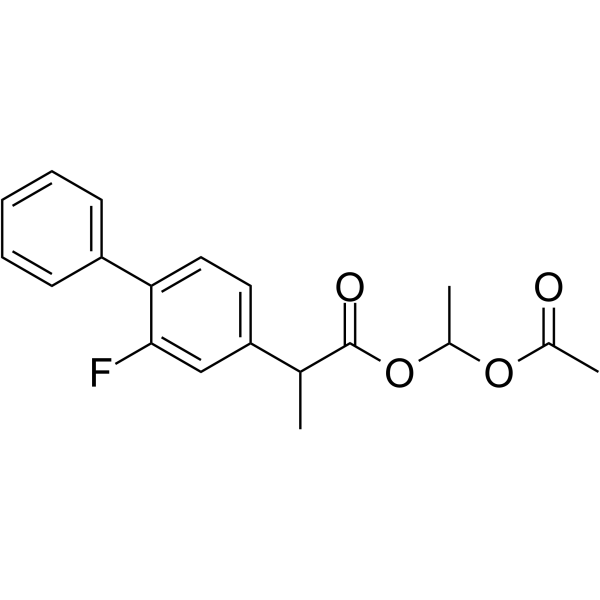 0 ImagesFlurbiprofen axetil is a non-selective COX inhibitor and a nonsteroidal anti-inflammatory agent with anti-inflammatory and analgesic effects. Flurbiprofen axetil inhibits basal-like breast cancer metastasis by inhibiting the MEK/ERK signaling pathway. Flurbiprofen axetil can promote neuroprotection after focal cerebral ischemia in rats by partially activating PPAR-γ. Flurbiprofen axetil alleviates cerebral ischemia/reperfusion injury by reducing inflammation in a transient global cerebral ischemia/reperfusion rat model. Flurbiprofen axetil can alleviate inflammatory responses and cognitive function in a mild cognitive impairment (MCI) SD rat model through the AMPKα/NF-κB signaling pathway.
-
Cardiogenol C hydrochloride
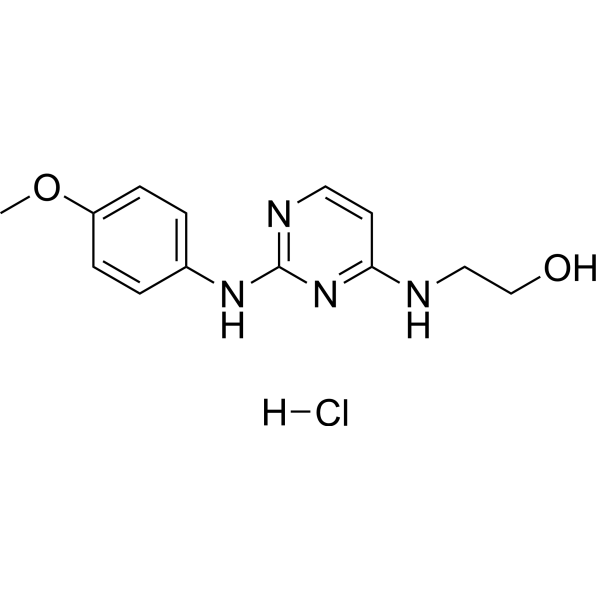 0 ImagesCardiogenol C hydrochloride is a potent cell-permeable pyrimidine inducer which prompts the differentiation of ESCs into cardiomyocytes (EC50=100 nM). Cardiogenol C hydrochloride also acts cardiomyogenic on already lineage-committed progenitor cell types with a limited degree of plasticity. Cardiogenol C hydrochloride is a useful cardiomyogenic agent and can be used as a tool to improve cardiac repair by cell transplantation therapy in animal models.
-
Evabosmig
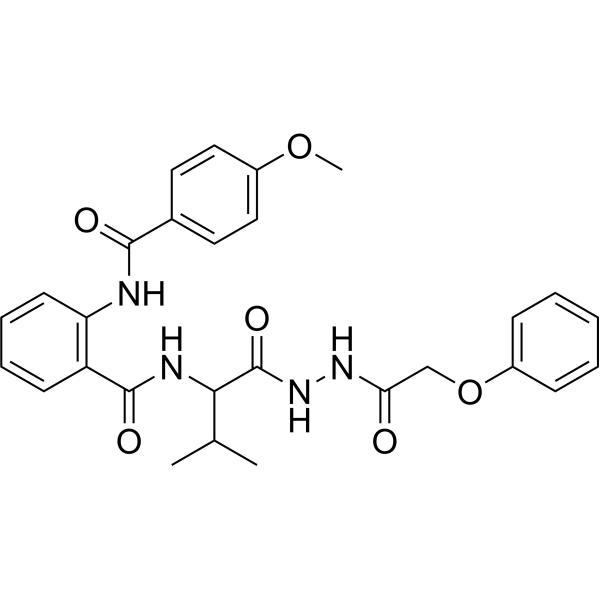
 0 ImagesCat. No.: HY-P992113CAS No.: 3061142-96-6Synonyms: AGA2118Evabosmig (AGA2118) is a humanized bispecific monoclonal antibody targeting sclerostin (SOST/sclerostin) and DKK1. SOST and DKK1 are two key secreted negative regulators of the intramedullary Wnt/β-catenin pathway. Evabosmig possesses activities to induce bone formation, inhibit bone resorption and increase bone mineral density. Evabosmig is applicable for research related to osteoporosis.
-
ME-143
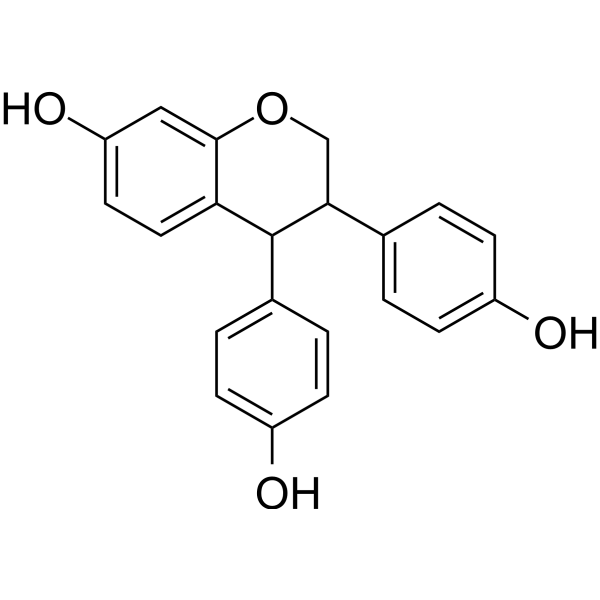 0 ImagesSynonyms: NV-143ME-143 is a second-generation tumor-specific inhibitor of NADH oxidase. ME-143 inhibits the WNT/β-catenin pathway in colorectal cancer cells. ME-143 has broadly active against cancers in vitro and in vivo.
-
Aloin-A (Standard)
 0 ImagesAloin (Standard) is the analytical standard of Aloin. This product is intended for research and analytical applications. Aloin (Aloin-A; Barbaloin-A) is a natural anti-tumor anthraquinone glycoside with iron chelating activity. Aloin induces the differentiation of MC3T3-E1 cells into osteoblasts through MAPK-mediated Wnt and Bmp signaling pathways. Alkaline phosphatase (ALP) is an early marker of osteoblast differentiation, and the activity of ALP is also enhanced by Aloin. Aloin also reduces brain edema, reduces blood-brain barrier disruption and improves cortical impact injuries. Aloin is used in research into osteoporosis and traumatic brain injury (TBI).
-
Anti-TPBG Antibody
 0 ImagesCat. No.: HY-P990532Anti-TPBG Antibody is a humanized antibody expressed in CHO cells, targeting TPBG. The Anti-TPBG Antibody is composed of a huIgG1 heavy chain and a huκ light chain, with a predicted molecular weight (MW) of 145.8 kDa. The isotype control for Anti-TPBG Antibody can refer to Human IgG1 kappa, Isotype Control (HY-P99001).
-
KY19334
 0 ImagesKY19334 is a CXXC5-DVL inhibitor. KY19334 can activate the Wnt/β-catenin pathway by inhibiting CXXC5-Dvl interaction. KY19334 can inhibit cancer cells proliferation, migration, invasion and transformation by inhibiting CDK1. KY19334 can accelerate wound healing and exert regenerative effects. KY19334 can be used for the researches of cancer, inflammation, metabolic and neurological disease, such as cutaneous squamous cell carcinoma and diabetes.
-
PAWI-2
 0 ImagesPAWI-2 is a p53-Activator and Wnt Inhibitor. PAWI-2 inhibits β3-KRAS signaling independent of KRAS. PAWI-2 selectively inhibits phosphorylation of TBK1. PAWI-2 activates apoptosis (activation of caspase-3/7), and induces PARP cleavage. PAWI-2 promotes optineurin translocation into the nucleus and causes G2/M arrest. PAWI-2 reverses cancer stemness and overcomes drug resistance in an integrin β3 KRAS-dependent human pancreatic cancer stem cells (hPCSCs). PAWI-2 inhibits growth of tumors from hPCSCs in orthopic xenograft mice model.
-
SJ26
 0 ImagesSJ26 is a Wnt1 inhibitor with anticancer activity. SJ26 inhibits the expression of Wnt1 and Wnt1-mediated downstream signaling pathways in a G-quadruplex structure-dependent manner to suppress the migration activity of cancer cells.
-
E722-2648 TFA
 0 ImagesCat. No.: HY-148918AE722-2648 TFA is an inhibitor targeting the BCL9 and β-catenin complex with antitumor activity. E722-2648 TFA blocks complex formation by disrupting the interaction between the two proteins, thereby inhibiting β-catenin-mediated transcriptional activity and downregulating the expression of WNT target genes. E722-2648 TFA effectively inhibits tumor growth in colon cancer xenograft models and colorectal cancer mouse models. E722-2648 TFA can be used for the research of colon cancer and colorectal cancer.
-
Nystose (Standard)
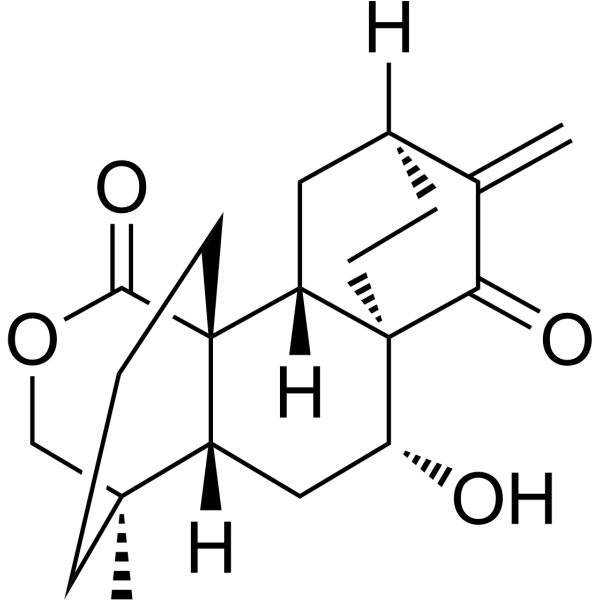
 0 ImagesNystose (Standard) is the analytical standard of Nystose. This product is intended for research and analytical applications. Nystose is a tetrasaccharide with two fructose molecules linked via beta (1→2) bonds to the fructosyl moiety of sucrose. Nystose exhibits prebiotic, immunomodulatory, and metabolism regulating activities. Nystose promotes the bone mineralization by activating the Wnt/β-catenin signaling pathway.
-
9-Hydroxycanthin-6-one
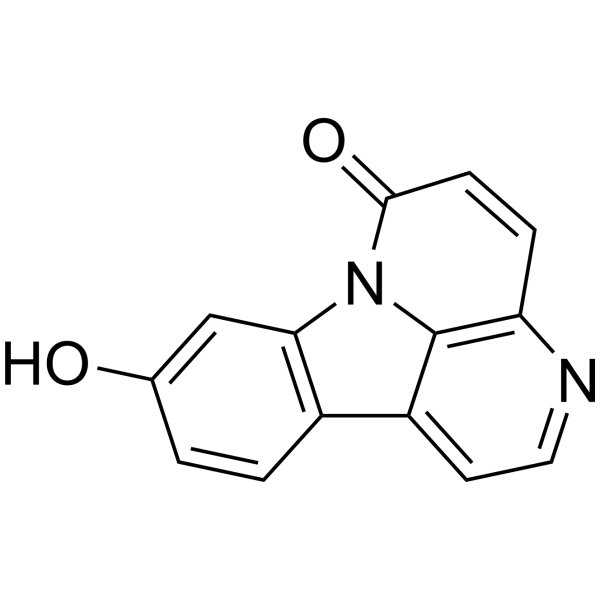 0 ImagesCat. No.: HY-N7183CAS No.: 138544-91-99-Hydroxycanthin-6-one is a β-carboline alkaloid. 9-Hydroxycanthin-6-one can be isolated from the roots of E. longifolia. 9-Hydroxycanthin-6-one inhibits TNF-α-induced activation of the NF-κB pathway. 9-Hydroxycanthin-6-one activates GSK3β independently of CK1α, drives phosphorylation and degradation of β-catenin, and inhibits the Wnt signaling pathway. 9-Hydroxycanthin-6-one exerts selective cytotoxicity against Wnt-dependent colon cancer cells. 9-Hydroxycanthin-6-one can be used in studies related to colon cancer.
-
WNT7A-IN-1
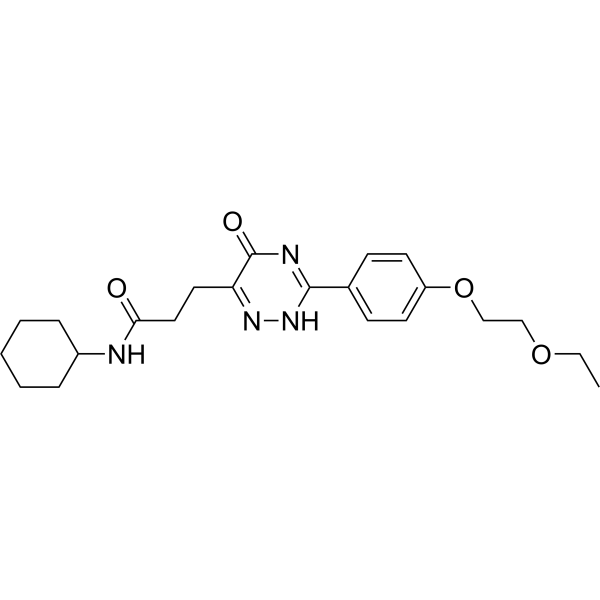
 0 ImagesWNT7A-IN-1 (1365-0109), a WNT7A inhibitor, disrupts the protein-protein interaction between WNT7A and its receptor FZD5, resulting in the upregulation of MHC-I expression. WNT7A-IN-1 significantly increases the expression of MHC-I and p-p65,while concurrently reducing the expression of active β-catenin. WNT7A-IN-1 (compound F) is also a photographic sensitizer in the green spectral region.
-
Carboxylesterase-IN-2
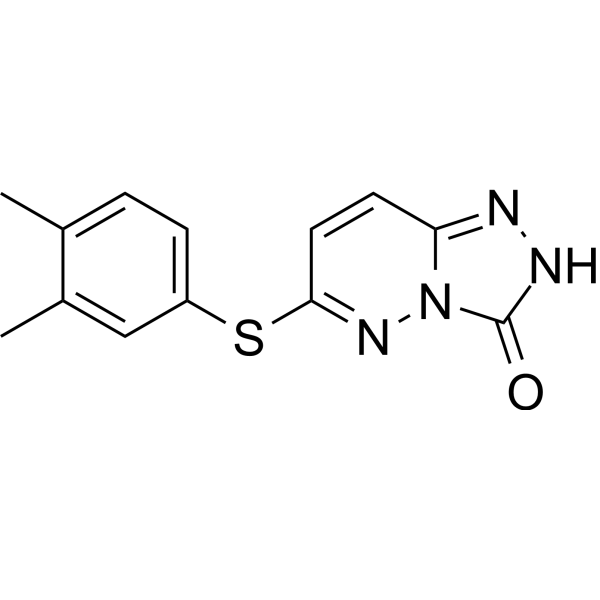 0 ImagesCarboxylesterase-IN-2 (compound 4u) is a potent inhibitor of Carboxylesterase Notum with an IC50 less than or equal to 10 nM. Notum is a negative regulator of Wnt signaling acting through the hydrolysis of a palmitoleoylate ester, which is required for Wnt activity. Carboxylesterase-IN-2 has the potential for the research of cancer disease.
-
hCA/Wnt/β-catenin-IN-1
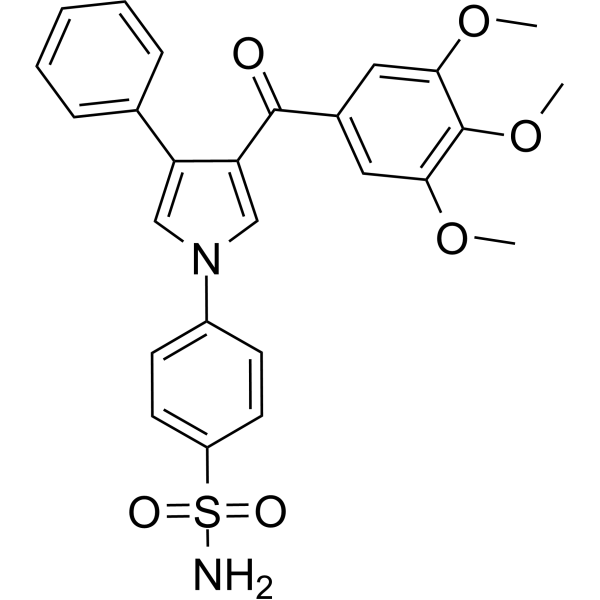 0 ImageshCA/Wnt/β-catenin-IN-1 (Compd 15) is an inhibitor of hCA (Ki: 33.6, 24.1, 6.8 nM for hCA II, hCA IX, hCA XII). hCA/Wnt/β-catenin-IN-1 reduces P-gp activity. hCA/Wnt/β-catenin-IN-1 also inhibits Wnt/β-catenin signaling pathway. hCA/Wnt/β-catenin-IN-1 inhibits cancer cell viability, including the NCI/ADR-RES DOX-resistant cell line.
-
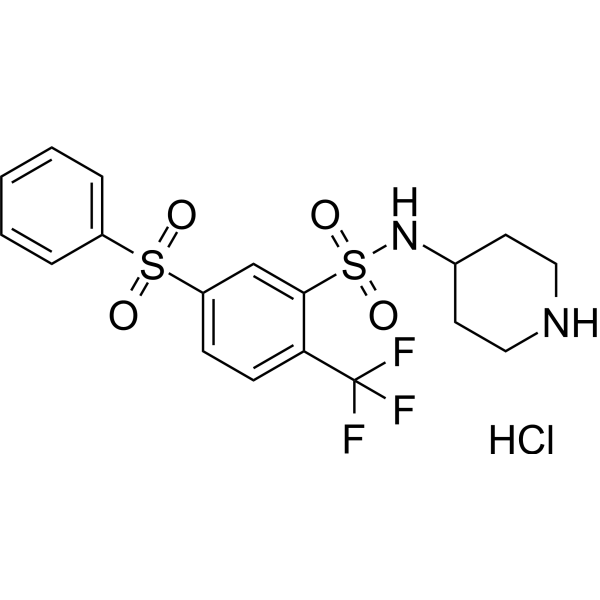
Wnt/β-catenin agonist 3 hydrochloride
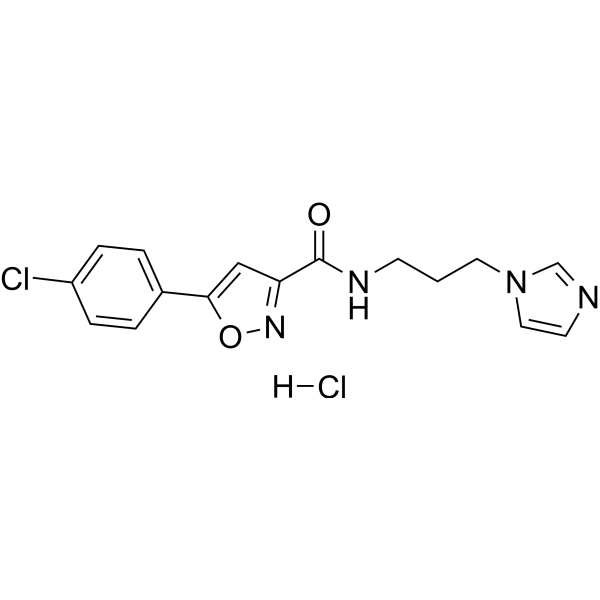 0 ImagesCat. No.: HY-148055APurity: 99.92%Wnt/β-catenin agonist 3 hydrochloride is a Wnt/β-catenin signalling pathway agonist. Wnt/β-catenin agonist 3 (compound 98) can be used for the research of osteoporosis.




