



GCGR
Glucagon Receptor
GCGR (glucagon receptor) is in the G protein-coupled receptor family, that is important in controlling blood glucose levels. The glucagon receptor is a 62 kDa protein that is activated by glucagon and is a member of the class B G-protein coupled family of receptors, coupled to G alpha i, Gs and to a lesser extent G alpha q. Stimulation of the receptor results in activation of adenylate cyclase and increased levels of intracellular cAMP. In humans, the glucagon receptor is encoded by the GCGR gene. Glucagon receptors are mainly expressed in liver and in kidney with lesser amounts found in heart, adipose tissue, spleen, thymus, adrenal glands, pancreas, cerebral cortex, and gastrointestinal tract.
All Product Categories
-
GCGR Related Products (198)
Related Products (198)

-
Recombinant Proteins (15)
-
Antibodies (3)
-
GCGR antagonist 2
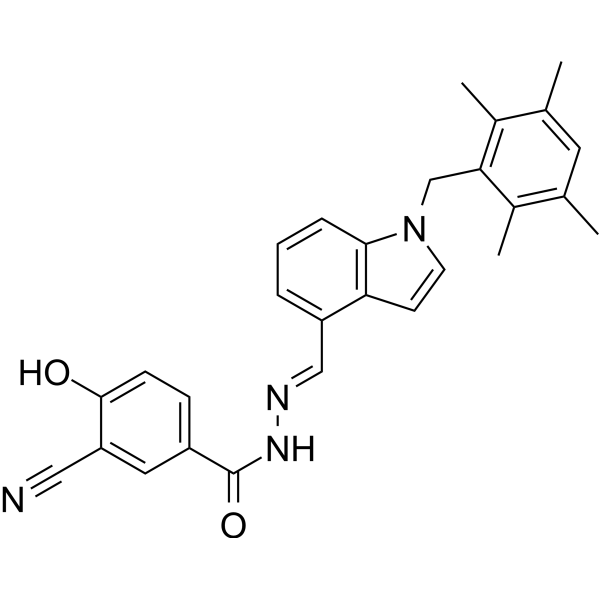 0 ImagesGCGR antagonist 2, a Furan-2-carbohydrazide, is an orally active glucagon receptor antagonist. GCGR antagonist 2 binds to hGluR with an Kd value of 2.3 nM, and inhibits rat receptor with an IC50 value of 0.43 nM. GCGR antagonist 2 inhibits glucagon-stimulated glycogenolysis.
-
(Ser8)-GLP-1 (7-36) amide, human
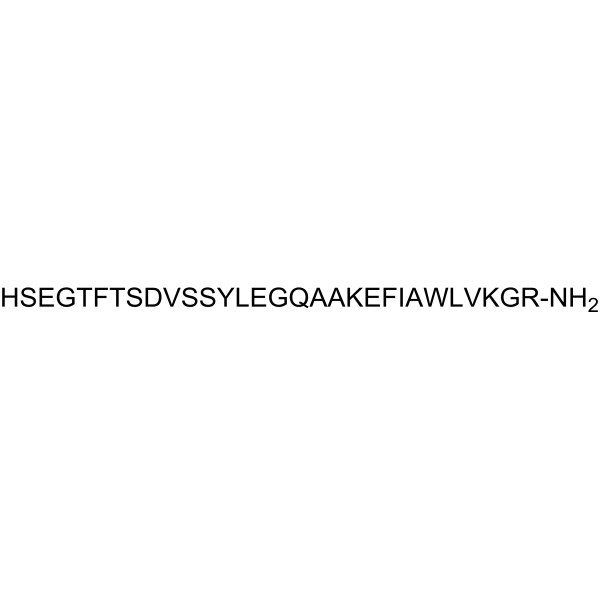 0 Images(Ser8)-GLP-1 (7-36) amide, human is a glucagon-like peptide 1 amide derived from glucagonogen, a cleavage product of the GLP-1 (1-36) amide peptide. (Ser8)-GLP-1 (7-36) amide, human is an entero-insulinotropic hormone that causes glucose-dependent release of insulin from pancreatic β-cells and affects gastrointestinal motility and secretion.
-
NN1177 TFA
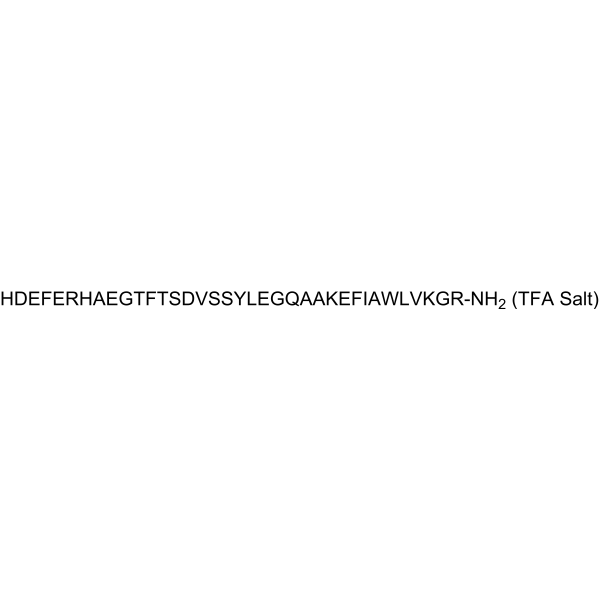
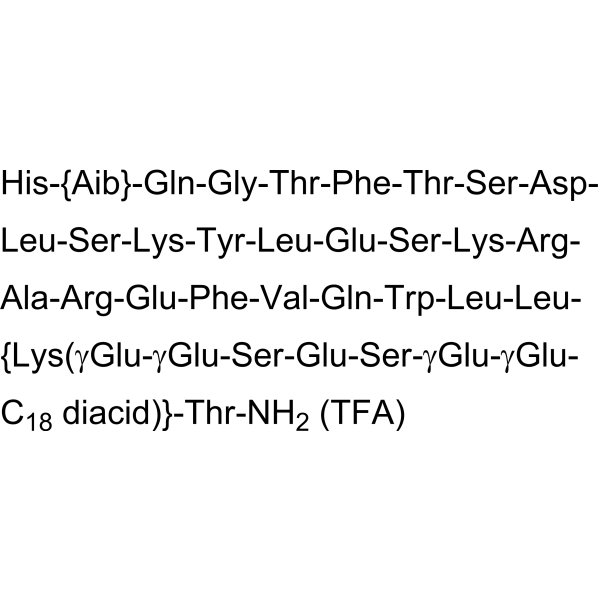 0 ImagesCat. No.: HY-P10032APurity: 99.22%Synonyms: NNC9204-1177 TFANN1177 (NNC9204-1177) TFA is a long-acting GLP-1/glucagon receptor co-agonist. NN1177 TFA can induce a dose-dependent body weight loss in diet-induced obese (DIO) mice.
-
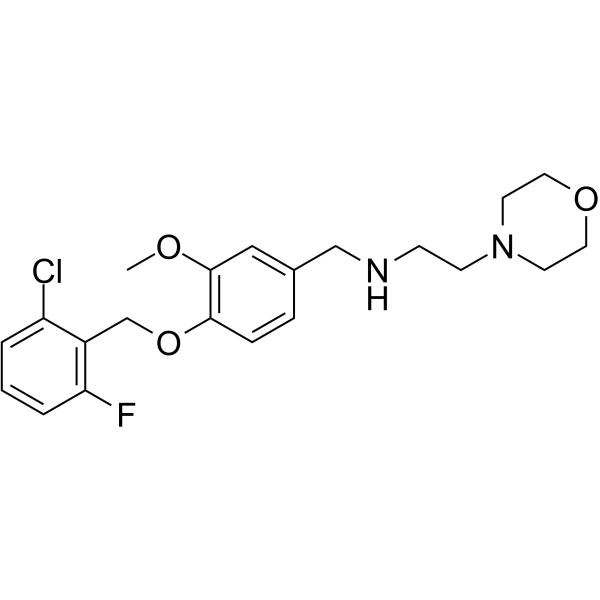
GIP/GLP-1 dual receptor agonist-1 sodium
 0 ImagesCat. No.: HY-153476APurity: 98.33%GIP/GLP-1 dual receptor agonist-1 sodium is a GIP/GLP-1 dual receptor agonist. GIP/GLP-1 dual receptor agonist-1 sodium is used in the research of metabolic disorders and fatty liver diseases, including non-alcoholic steatohepatitis (NASH) and non-alcoholic fatty liver disease (NAFLD).
-
Pegloxenatide
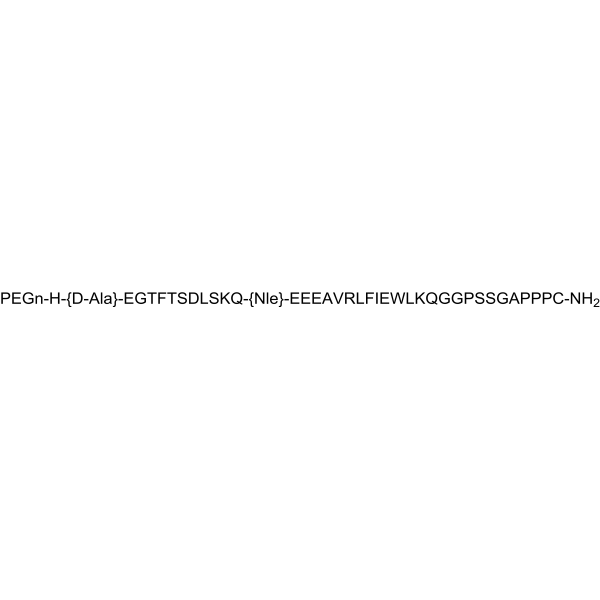 0 ImagesCat. No.: HY-P3491CAS No.: 2420483-82-3Synonyms: Polyethylene glycol loxenatide; PEX 168Pegloxenatide (Polyethylene glycol loxenatide) is a long-acting glucagon-like peptide-1 receptor (GLP-1RA) agonist. Pegloxenatide has various activities such as lowering blood glucose, lowering blood lipids, improving body weight, anti-inflammation, promoting wound healing, protecting the liver, and protecting the heart. Pegloxenatide can be used in the research of type 2 diabetes and its multiple complications.
-
GPCR modulator-1
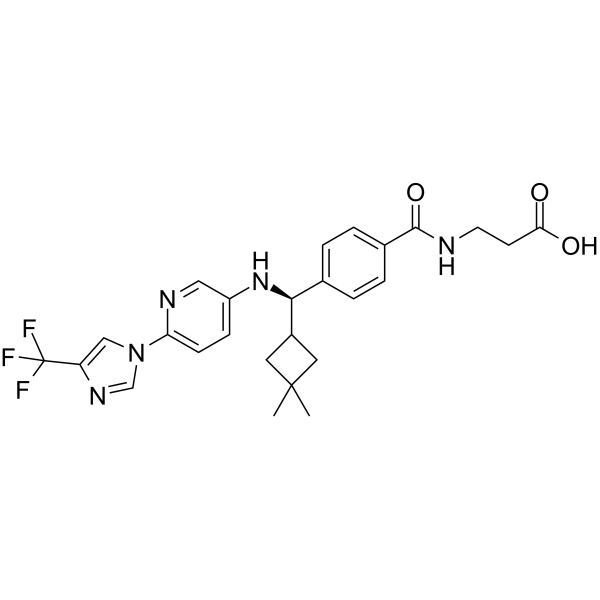 0 ImagesCat. No.: HY-124803CAS No.: 1407592-99-7GPCR modulator-1 is a negative allosteric modulator of the GLP-1 receptor (GLP-1R). GPCR modulator-1 can be used for the study of type 2 diabetes.
-
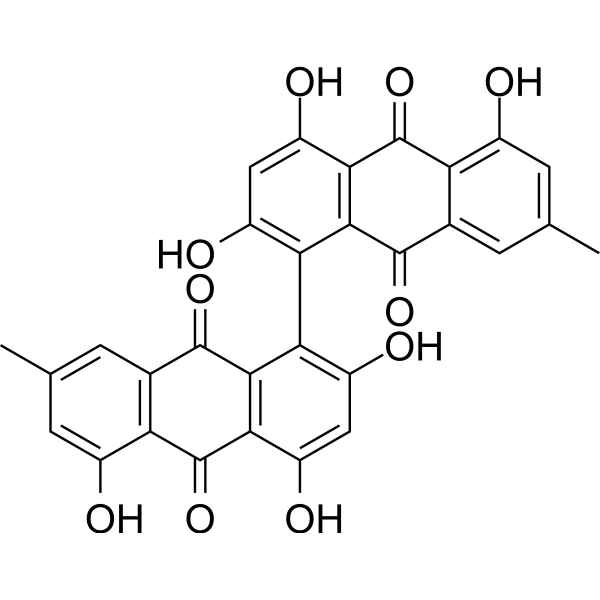
Retatrutide acetate
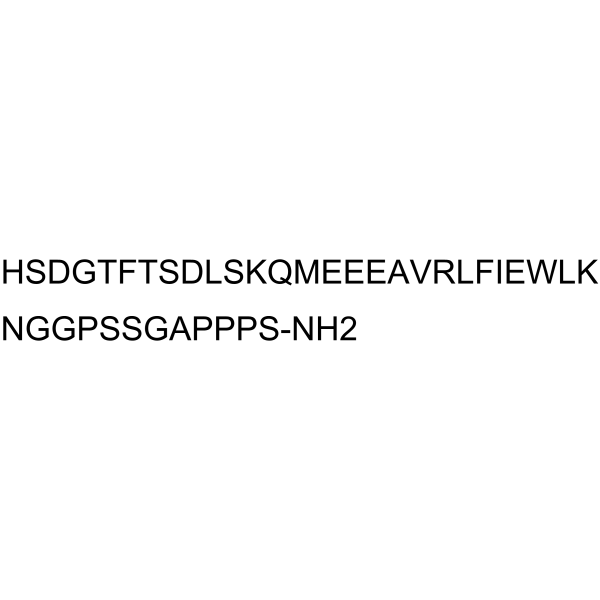
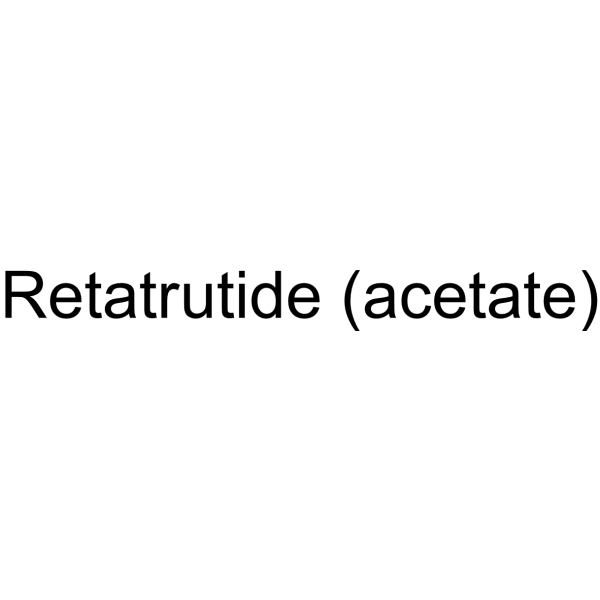 0 ImagesCat. No.: HY-P3506BPurity: 99.69%Synonyms: LY3437943 acetateRetatrutide (LY3437943) acetate is a triple agonist peptide of the glucagon receptor (GCGR), glucosedependent insulinotropic polypeptide receptor (GIPR), and glucagon-like peptide-1 receptor (GLP-1R). Retatrutide acetate inhibits human GCGR, GIPR, and GLP-1R with EC50 values of 5.79, 0.0643 and 0.775 nM, respectively. Retatrutide acetate can be used for the research of obesity.
-
[Gly8]-GLP-1(7-37) acetate
![[Gly8]-GLP-1(7-37) acetate](https://file.medchemexpress.com/product_pic/hy-108795b.gif "Click to View [Gly8]-GLP-1(7-37) acetate Product Detail") 0 ImagesCat. No.: HY-108795BPurity: 98.10%[Gly8]-GLP-1(7-37) acetate is a derivative of GLP-1 containing alanine-to-glycine substitution at positions 8.
0 ImagesCat. No.: HY-108795BPurity: 98.10%[Gly8]-GLP-1(7-37) acetate is a derivative of GLP-1 containing alanine-to-glycine substitution at positions 8.
-
Survodutide sodium
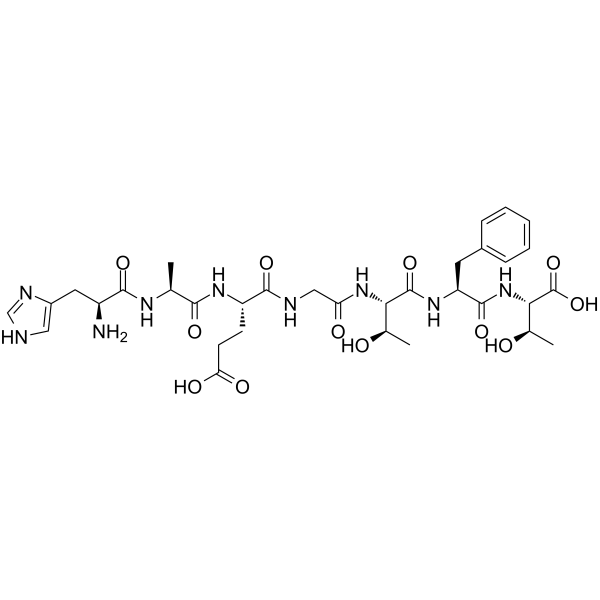
 0 ImagesCat. No.: HY-P4146BPurity: 99.10%Synonyms: BI 456906 sodiumSurvodutide (BI 456906) sodium is a potent, selective glucagon receptor/GLP-1 receptor (GCGR/GLP-1R) dual agonist with EC50s of 0.52 nM and 0.33 nM in CHO-K1 cells, respectively. Survodutide sodium, a 29-amino-acid peptide, is a potent acylated peptide containing a C18 fatty acid. Survodutide sodium has robust anti-obesity efficacy achieved by increasing energy expenditure and decreasing food intake.
-
Anti-GLP1R Antibody
 0 ImagesCat. No.: HY-P991099
-
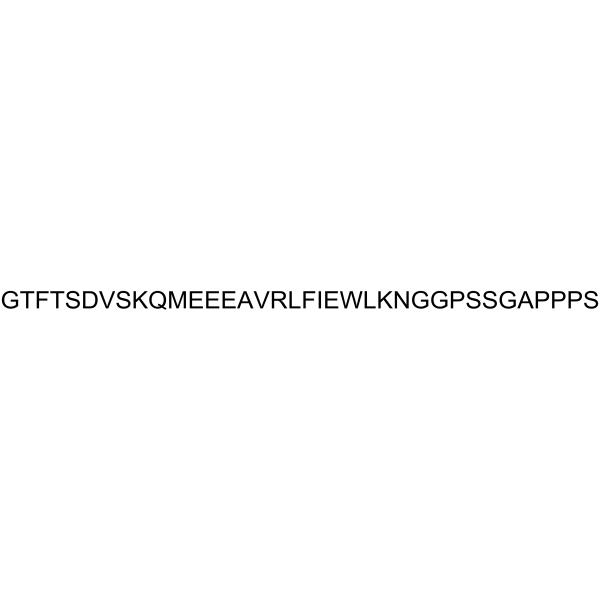
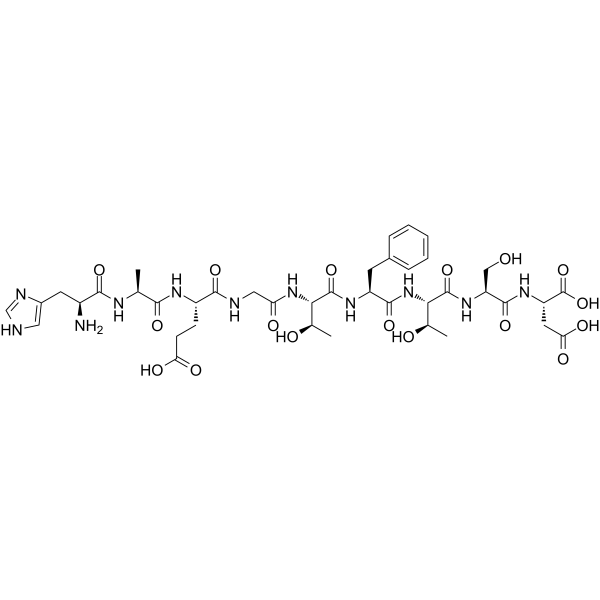
Elsiglutide
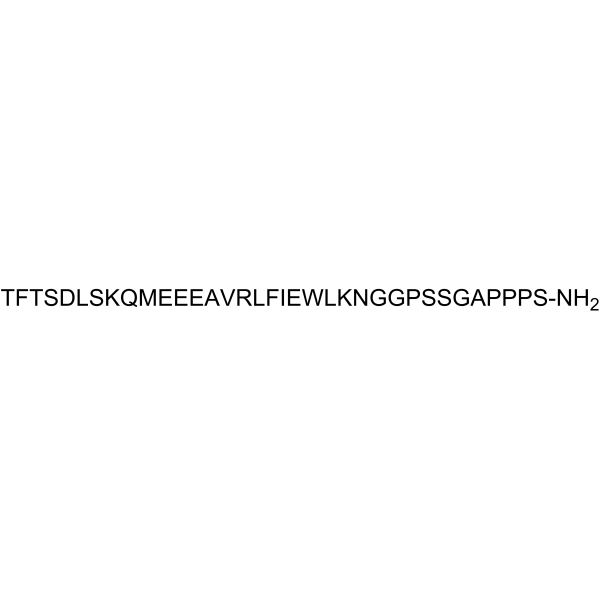
 0 ImagesSynonyms: ZP1846
-
VU0453379 hydrochloride
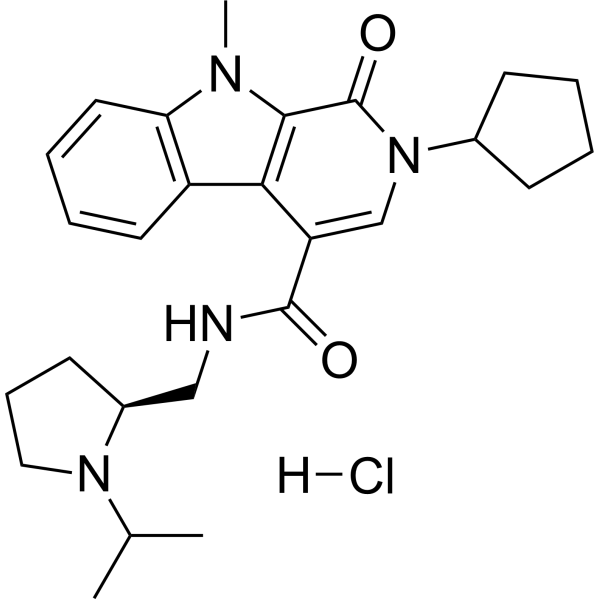 0 ImagesCat. No.: HY-116819APurity: 99.0%VU0453379 hydrochloride is a highly selective and central nervous system (CNS) penetrant positive allosteric modulator (PAM) of glucagon-like peptide-1R (GLP-1R) with an EC50 of 1.3 μM.




