1. Immunology/Inflammation Vitamin D Related/Nuclear Receptor TGF-beta/Smad
  2. Glucocorticoid Receptor TGF-β Receptor Interleukin Related
  3. Dexamethasone phosphate

Dexamethasone phosphate  (Synonyms: Dexamethasone 21-phosphate)

Cat. No.: HY-B1829 Purity: 98.89%
Handling Instructions Technical Support

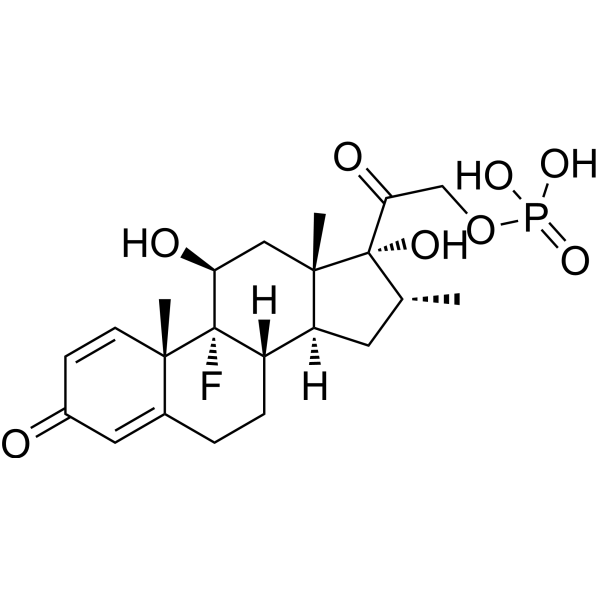
Dexamethasone phosphate (Dexamethasone 21-phosphate) is a prodrug form of the glucocorticoid Dexamethasone (HY-14648). Dexamethasone phosphate is prepared by introducing a phosphate ester group to the hydroxyl group at position 21 of the Dexamethasone molecule. Dexamethasone phosphate inhibits LPS (HY-D1056)-induced degradation of IRAK-1 and IRAK-4, and blocks LPS-induced activation of TRAF6, p-TAK1 and p-JNK. Dexamethasone phosphate inhibits the secretion of RANTES, TGF-β1 and NO, promotes the production of MIP-1α and IL-10, and blocks microglial migration. Dexamethasone phosphate is almost completely converted to Dexamethasone in rat blood, and supports transdermal delivery via iontophoresis. Dexamethasone phosphate can be used in research related to steroid-dependent ulcerative colitis, chemotherapy-induced vomiting, allergic asthma and acute colitis (inflammatory bowel disease).

For research use only. We do not sell to patients.

CAS No. : 312-93-6

Size Price Stock Quantity
25 mg In-stock
50 mg In-stock
100 mg In-stock
200 mg   Get quote  
500 mg   Get quote  

* Please select Quantity before adding items.

This product is a controlled substance and not for sale in your territory.

Customer Review

Based on 11 publication(s) in Google Scholar

Other Forms of Dexamethasone phosphate:

Top Publications Citing Use of Products

    Dexamethasone phosphate purchased from MedChemExpress. Usage Cited in: Adv Sci (Weinh). 2025 Aug 8:e17129.  [Abstract]

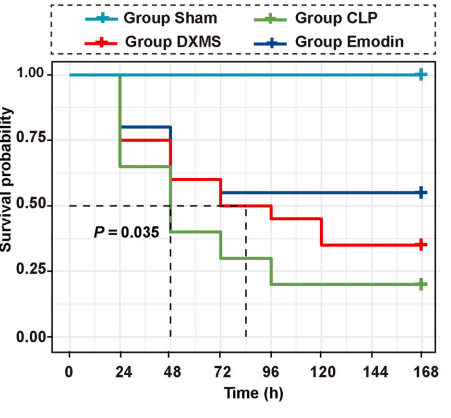
    DXMS (2 mg/kg; twice daily; ip). Kaplan-Meier survival curves over a 7-day period comparing the Sham, CLP septic group, Emodin treatment group, and DXMS treatment group.

    Dexamethasone phosphate purchased from MedChemExpress. Usage Cited in: Adv Sci (Weinh). 2025 Aug 8:e17129.  [Abstract]

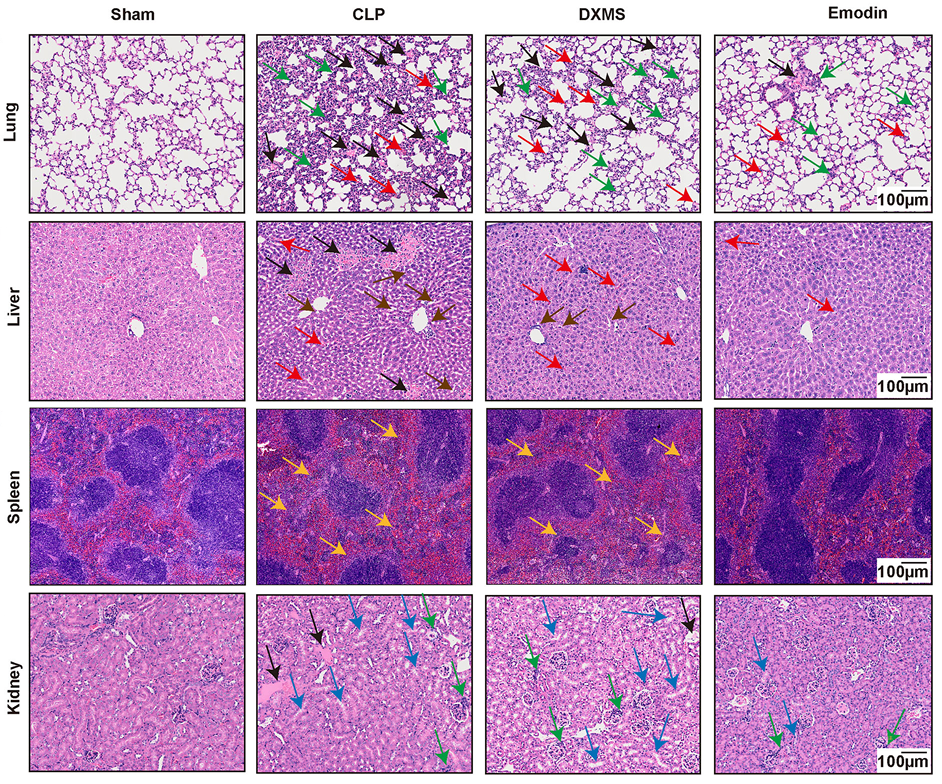
    DXMS (2 mg/kg; twice daily; ip). Histopathological images showing tissue morphology and injury in the lung, liver, spleen, and kidney across the four experimental groups.

    Dexamethasone phosphate purchased from MedChemExpress. Usage Cited in: Biochem Pharmacol. 2025 Dec 2:244:117586.  [Abstract]

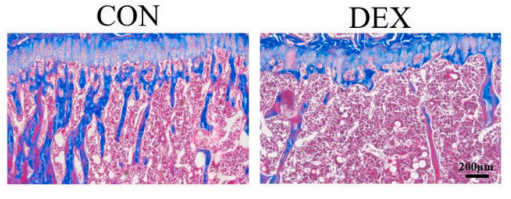
    Masson-stained images of mice tibias. Masson staining indicated a marked decrease in new bone formation in DEX (Dexamethasone phosphate disodium, 1 mg/kg; i.p.; Once daily for 8 weeks)-treated mice.

    Dexamethasone phosphate purchased from MedChemExpress. Usage Cited in: Biochem Pharmacol. 2025 Dec 2:244:117586.  [Abstract]

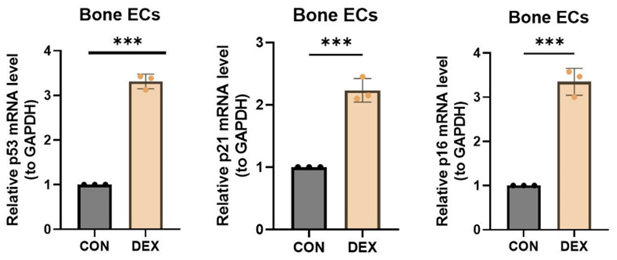
    DEX (1 μM; 24 h). The mRNA expression levels of p53, p21 and p16 of bone ECs were detected via qRT-PCR.

    Dexamethasone phosphate purchased from MedChemExpress. Usage Cited in: Biochem Pharmacol. 2025 Dec 2:244:117586.  [Abstract]

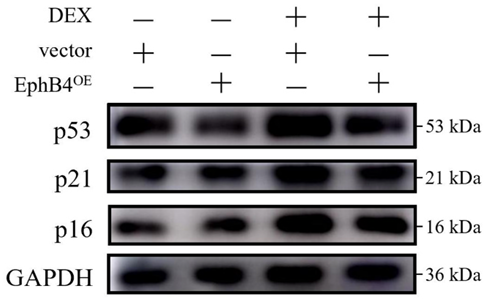
    DEX (1 μM; 24 h). The protein expression of p53, p21, p16 and GAPDH was detected via Western blot and quantitative analysis.

    Dexamethasone phosphate purchased from MedChemExpress. Usage Cited in: Sci Rep. 2025 Oct 14;15(1):35928.  [Abstract]

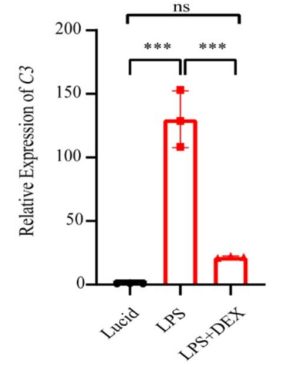
    Comparison of C3 mRNA levels between non-reactive astrocytes (Lucid), LPS-induced reactive astrocytes (LPS), and Dexamethasone phosphate disodium (DEX, 100 nM; 24 h)-reversed reactive astrocytes (LPS + DEX), with results normalized to the Lucid group (one-way ANOVA followed by Bonferroni post hoc test).

    Dexamethasone phosphate purchased from MedChemExpress. Usage Cited in: MedComm. 2023 Jun 5;4(3):e293.  [Abstract]

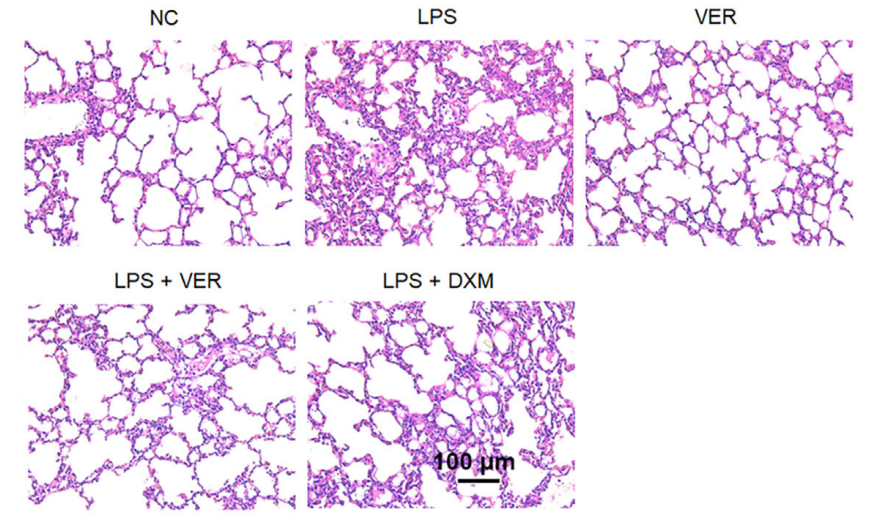
    Dexamethasone phosphate disodium (DXM, 5 mg/kg; i.p.; single dose) significantly alleviated tissue damage in acute lung injury (ALI).
    • Biological Activity

    • Purity & Documentation

    • References

    • Customer Review

    Description

    Dexamethasone phosphate (Dexamethasone 21-phosphate) is a prodrug form of the glucocorticoid Dexamethasone (HY-14648). Dexamethasone phosphate is prepared by introducing a phosphate ester group to the hydroxyl group at position 21 of the Dexamethasone molecule. Dexamethasone phosphate inhibits LPS (HY-D1056)-induced degradation of IRAK-1 and IRAK-4, and blocks LPS-induced activation of TRAF6, p-TAK1 and p-JNK. Dexamethasone phosphate inhibits the secretion of RANTES, TGF-β1 and NO, promotes the production of MIP-1α and IL-10, and blocks microglial migration. Dexamethasone phosphate is almost completely converted to Dexamethasone in rat blood, and supports transdermal delivery via iontophoresis. Dexamethasone phosphate can be used in research related to steroid-dependent ulcerative colitis, chemotherapy-induced vomiting, allergic asthma and acute colitis (inflammatory bowel disease)[1][2][3][4][5][6].

    In Vitro

    Dexamethasone phosphate (1, 2, 4 μM; 23 h) does not induce cytotoxicity in BV-2 microglial cells[1].
    Dexamethasone phosphate (1, 2, 4 μM; 3 h pre-incubation, followed by 24 h LPS co-incubation) dampens LPS-induced secretion of RANTES, TGF-β1, and NO in BV-2 microglial cells, while dexamethasone phosphate (4 μM; 24 h incubation alone) has no inhibitory effect on these mediators[1].
    Dexamethasone phosphate (4 μM; 3 h pre-incubation, followed by 24 h LPS co-incubation) increases LPS-reduced production of IL-10 and MIP-1α in BV-2 microglial cells, while dexamethasone phosphate (4 μM; 24 h incubation alone) reduces IL-10 production in untreated BV-2 microglial cells[1].
    Dexamethasone phosphate (4 μM; 3 h pre-incubation in lower chambers, followed by 18 h LPS co-incubation) mitigates LPS-induced migration of BV-2 microglial cells, while having no effect on migration of untreated BV-2 microglial cells when used at 4 μM for 18 h incubation alone[1].
    Dexamethasone phosphate (1, 2, 4 μM; 3 h pre-incubation, followed by 30 min LPS co-incubation) ameliorates LPS-induced degradation of IRAK-1 and IRAK-4, and inhibits LPS-induced activation of TRAF6, p-TAK1, and p-JNK in BV-2 microglial cells[1].
    Dexamethasone phosphate (5×10⁻⁶ M; 5-min intervals at 37°C) undergoes hydrolysis to Dexamethasone free alcohol in human whole blood in vitro with a first-order rate constant of 0.162 hr-1, which is 25-fold slower than its in vivo conversion rate[3].
    Dexamethasone phosphate (200 μM; 7 h) shows good stability with limited hydrolysis when incubated with human, porcine, or rat dermis for 7 hours, with 72.5-82.2% of the prodrug remaining intact[4].
    Dexamethasone phosphate (50.8-51.8% drug loading; heated at 20 °C min-1) intercalated into MgAl layered double hydroxides enhances the thermal stability of dexamethasone phosphate disodium, with its decomposition occurring at temperatures higher than those of free sexamethasone phosphate disodium[5].
    Dexamethasone phosphate (50.8-51.8% drug loading) is successfully intercalated into MgAl layered double hydroxides via electrostatic interactions, with no denaturation of the drug molecules, as confirmed by preserved characteristic FT-IR bands and shifted phosphate group vibrations[5].
    Dexamethasone phosphate (1.5 mg/mL; 50 hours) is efficiently encapsulated by the NPA2 coacervate, which mediates sustained release of the drug over 50 hours in a cell-free in vitro system[6].

    MedChemExpress (MCE) has not independently confirmed the accuracy of these methods. They are for reference only.

    In Vivo

    Dexamethasone phosphate (40 mM; iontophoresis; 0.5 mA cm-2; 5 hours) administered via cathodal iontophoresis in male Wistar rats achieves rapid, significant systemic Dexamethasone levels[4].
    Dexamethasone phosphate (0.25 mg/kg; i.p.; daily; 8 days) reduces inflammatory cell counts, Th2 cytokine levels, airway hyperresponsiveness, and lung tissue inflammation in ovalbumin-induced asthmatic Sprague-Dawley rats[5].
    Dexamethasone phosphate (1.15 mg per dose; p.o.; on days 1, 3, and 5) via Dexamethasone phosphate coacervate significantly reduces acute colitis severity (mean histopathology score 0.500), restores gut barrier function and microbiota diversity, and lowers systemic drug exposure compared to equivalent Dex-P aqueous solution treatment[6].
    Dexamethasone phosphate (~1.15 mg; p.o.; single administration) via NPA2 coacervate sustains serum Dexamethasone levels at a lower therapeutic range for over 40 h in healthy rats, reducing systemic drug exposure compared to Dexamethasone phosphate aqueous solution[6].

    MedChemExpress (MCE) has not independently confirmed the accuracy of these methods. They are for reference only.

    Animal Model: Sprague-Dawley (male, 4 weeks old, 110-130 g, specific-pathogen-free, ovalbumin-sensitized and challenged asthma model)[5]
    Dosage: 0.25 mg/kg
    Administration: i.p.; daily; 8 days
    Result: Reduced the number of inflammatory cells (eosinophils, macrophages, neutrophils) in bronchoalveolar lavage fluid.
    Suppressed ovalbumin-induced elevations in IL-4 and IL-13 cytokine levels in bronchoalveolar lavage fluid.
    Inhibited airway hyperresponsiveness to methacholine (with pulmonary resistance reduced compared to untreated ovalbumin-challenged rats).
    Reduced peribronchial and perivascular inflammatory cell infiltration and airway wall thickness compared to untreated ovalbumin-challenged rats.
    Showed lower efficacy across all measured endpoints compared to the intercalated Dexa-LDHs formulation.
    Animal Model: Sprague Dawley (SD) (female, 8-12 weeks, 200-300 g, acute colitis induced by 4.5% dextran sulfate sodium in drinking water for 7 days)[6]
    Dosage: 1.15 mg per dose
    Administration: p.o.; on days 1, 3, and 5
    Result: Significantly alleviated colonic edema and diarrhea, with a lower colon (cecum) weight/length ratio compared to untreated colitic rats and rats treated with Dex-P aqueous solution.
    Reduced mean histopathology score to 0.500, significantly lower than 3.000 in untreated colitic rats and 1.917 in rats treated with Dex-P aqueous solution.
    Significantly reduced colonic myeloperoxidase (MPO) activity compared to untreated colitic rats.
    Restored mRNA levels of tight junction-associated proteins ZO-1 and occludin-1 to levels closer to healthy rats, with significantly higher expression than untreated colitic rats and rats treated with Dex-P aqueous solution.
    Significantly reduced local mRNA levels of pro-inflammatory cytokines IL-1β, IL-6, and TNF compared to untreated colitic rats and rats treated with Dex-P aqueous solution.
    Promoted anti-inflammatory M2 macrophage polarization (increased CD206 staining) and reduced pro-inflammatory M1 macrophage polarization (decreased iNOS staining), with significantly higher IL-10 levels and lower IL-1β/IL-6 levels than untreated colitic rats and rats treated with Dex-P aqueous solution.
    Increased gut bacterial richness (observed operational taxonomic units, OTUs) and diversity (Chao and Shannon indices) compared to untreated colitic rats and rats treated with Dex-P aqueous solution, with gut microbiota composition clustering closely with healthy rats.
    Sustained serum dexamethasone concentrations at a lower therapeutic level for over 40 h, with significantly lower peak serum levels than rats treated with Dex-P aqueous solution.
    Clinical Trial
    Molecular Weight

    472.44

    Formula

    C22H30FO8P

    CAS No.
    Appearance

    Solid

    Color

    White to off-white

    SMILES

    O=C1C=C[C@@]2(C)C(CC[C@]3([H])[C@]2(F)[C@@H](O)C[C@@]4(C)[C@@]3([H])C[C@@H](C)[C@]4(O)C(COP(O)(O)=O)=O)=C1

    Shipping

    Room temperature in continental US; may vary elsewhere.

    Storage

    -20°C, stored under nitrogen

    *In solvent : -80°C, 6 months; -20°C, 1 month (stored under nitrogen)

    Solvent & Solubility
    In Vitro: 

    DMSO : 5 mg/mL (10.58 mM; Need ultrasonic; Hygroscopic DMSO has a significant impact on the solubility of product, please use newly opened DMSO)

    Preparing
    Stock Solutions
    Concentration Solvent Mass 1 mg 5 mg 10 mg
    1 mM 2.1167 mL 10.5834 mL 21.1667 mL
    5 mM 0.4233 mL 2.1167 mL 4.2333 mL
    View the Complete Stock Solution Preparation Table

    * Please refer to the solubility information to select the appropriate solvent. Once prepared, please aliquot and store the solution to prevent product inactivation from repeated freeze-thaw cycles.
    Storage method and period of stock solution: -80°C, 6 months; -20°C, 1 month (stored under nitrogen). When stored at -80°C, please use it within 6 months. When stored at -20°C, please use it within 1 month.

    • Molarity Calculator

    • Dilution Calculator

    Mass (g) = Concentration (mol/L) × Volume (L) × Molecular Weight (g/mol)

    Mass
    =
    Concentration
    ×
    Volume
    ×
    Molecular Weight *

    Concentration (start) × Volume (start) = Concentration (final) × Volume (final)

    This equation is commonly abbreviated as: C1V1 = C2V2

    Concentration (start)

    C1

    ×
    Volume (start)

    V1

    =
    Concentration (final)

    C2

    ×
    Volume (final)

    V2

    In Vivo Dissolution Calculator

    Please enter the basic information of animal experiments:

    Dosage

    mg/kg

    Animal weight
    (per animal)

    g

    Dosing volume
    (per animal)

    μL

    Number of animals

    Recommended: Prepare an additional quantity of animals to account for potential losses during experiments.
    Calculation results:
    Working solution concentration: mg/mL
    Purity & Documentation
    References

    Complete Stock Solution Preparation Table

    * Please refer to the solubility information to select the appropriate solvent. Once prepared, please aliquot and store the solution to prevent product inactivation from repeated freeze-thaw cycles.
    Storage method and period of stock solution: -80°C, 6 months; -20°C, 1 month (stored under nitrogen). When stored at -80°C, please use it within 6 months. When stored at -20°C, please use it within 1 month.

    Optional Solvent Concentration Solvent Mass 1 mg 5 mg 10 mg 25 mg
    DMSO 1 mM 2.1167 mL 10.5834 mL 21.1667 mL 52.9168 mL
    5 mM 0.4233 mL 2.1167 mL 4.2333 mL 10.5834 mL
    10 mM 0.2117 mL 1.0583 mL 2.1167 mL 5.2917 mL
    • No file chosen (Maximum size is: 1024 Kb)
    • If you have published this work, please enter the PubMed ID.
    • Your name will appear on the site.
    Help & FAQs
    • Do most proteins show cross-species activity?

      Species cross-reactivity must be investigated individually for each product. Many human cytokines will produce a nice response in mouse cell lines, and many mouse proteins will show activity on human cells. Other proteins may have a lower specific activity when used in the opposite species.

    Your Recently Viewed Products:

    Inquiry Online

    Your information is safe with us. * Required Fields.

    Product Name


    Requested Quantity *

    Applicant Name *


    Salutation

    Email Address *


    Phone Number *

    Department


    Organization Name *

    City

    State

    Country or Region *


    Remarks

    Bulk Inquiry

    Inquiry Information

    Product Name:
    Dexamethasone phosphate
    Cat. No.:
    HY-B1829
    Quantity:
    MCE Japan Authorized Agent: