



Dexamethasone phosphate disodium
Based on 13 publication(s) in Google Scholar
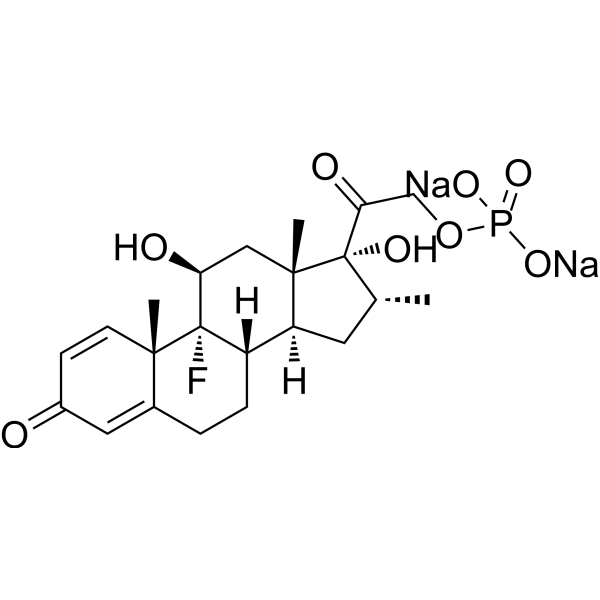
Dexamethasone phosphate (Dexamethasone 21-phosphate) disodium is a prodrug form of the glucocorticoid Dexamethasone (HY-14648). Dexamethasone phosphate disodium is produced by introducing a phosphate ester group at the 21-position of the Dexamethasone molecule, forming a salt with sodium ions, thereby significantly improving water solubility. Dexamethasone phosphate disodium inhibits LPS (HY-D1056)-induced degradation of IRAK-1 and IRAK-4, and blocks LPS-induced activation of TRAF6, p-TAK1 and p-JNK. Dexamethasone phosphate disodium inhibits the secretion of RANTES, TGF-β1 and NO, promotes the production of MIP-1α and IL-10, and blocks microglial migration. Dexamethasone phosphate disodium is almost completely converted to Dexamethasone in rat blood, and supports transdermal delivery via iontophoresis. Dexamethasone phosphate disodium can be used in research related to steroid-dependent ulcerative colitis, chemotherapy-induced vomiting, allergic asthma and acute colitis (inflammatory bowel disease).
For research use only. We do not sell to patients.
- Purity : 99.94%
- CAS No.: 2392-39-4
- Formula: C22H28FNa2O8P
- Molecular Weight:516.40
-
Storage:
4°C, sealed storage, away from moisture
* In solvent : -80°C, 1 year; -20°C, 6 months (sealed storage, away from moisture)

To place orders, for customer services and technical support, please contact: MedChemExpress USA
Tel: 609-228-6898 E-mail: [email protected] [email protected]


-
 Biological Activity
-
Chemical Information
-
Solvent & Solubility
- Purity & Documentation
- References
-
 Help & FAQs


-
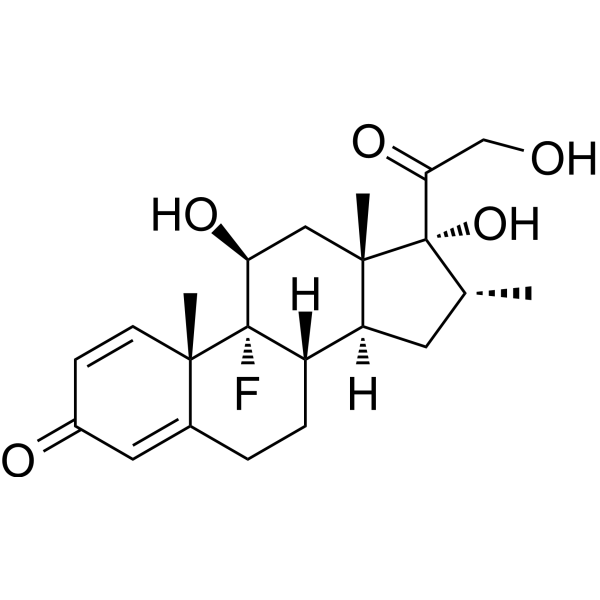
HY-14648
Dexamethasone -
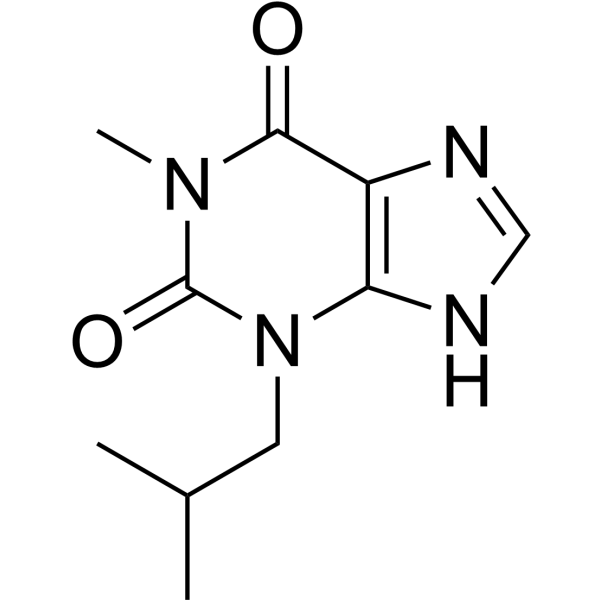
HY-12318
IBMX -
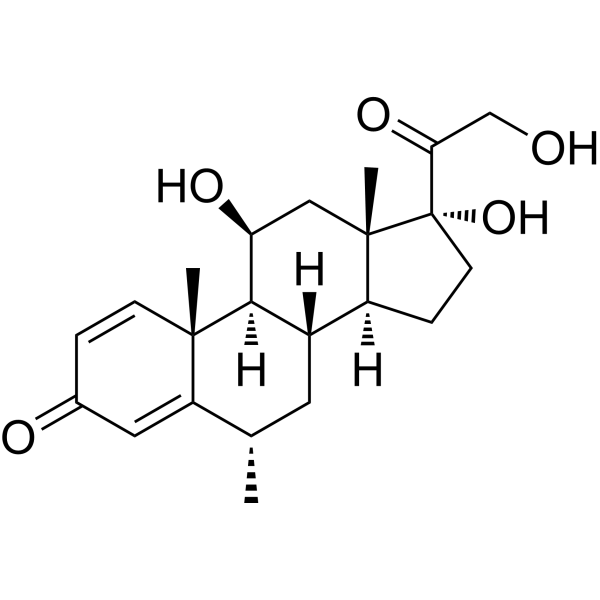
HY-B0260
Methylprednisolone -
HY-D0886
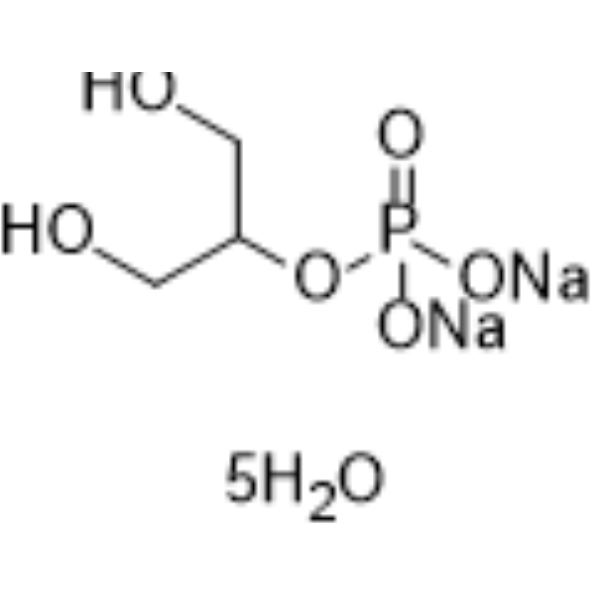
β-Glycerophosphate disodium salt pentahydrate -
HY-10219
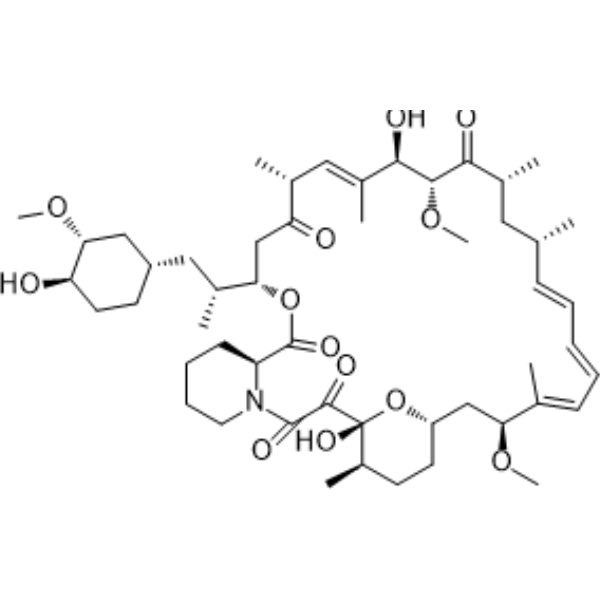
Rapamycin -
HY-B0166
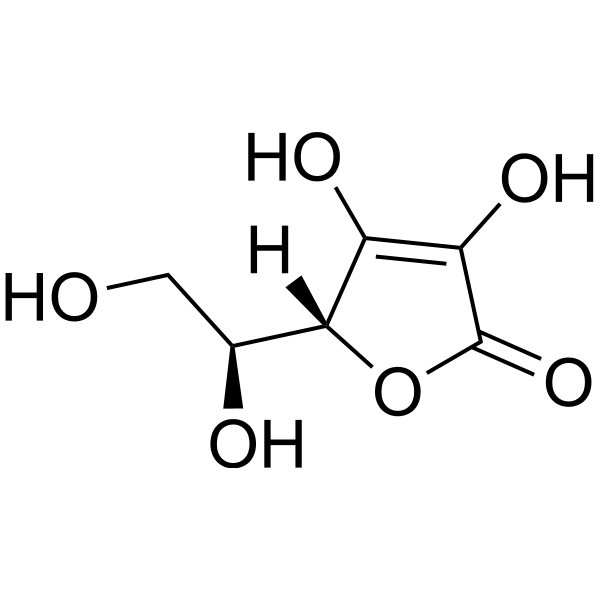
L-Ascorbic acid -
HY-14397
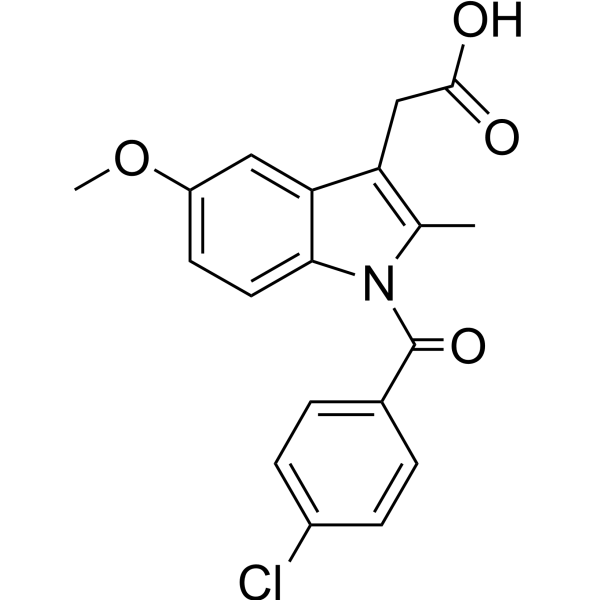
Indomethacin -
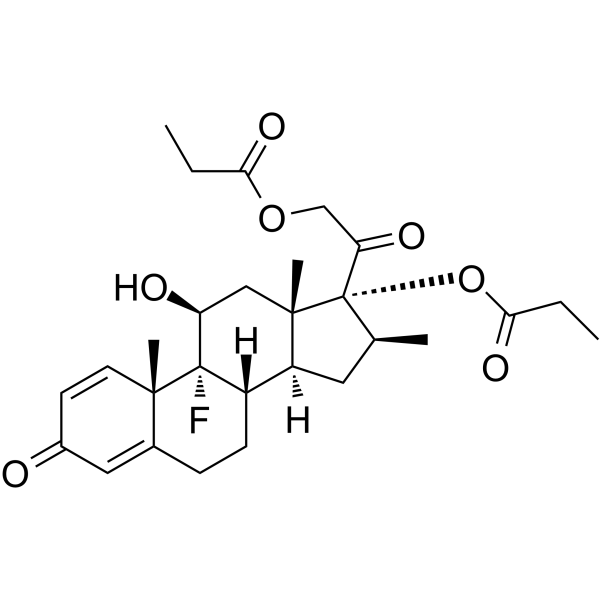
HY-13571
Betamethasone dipropionate -
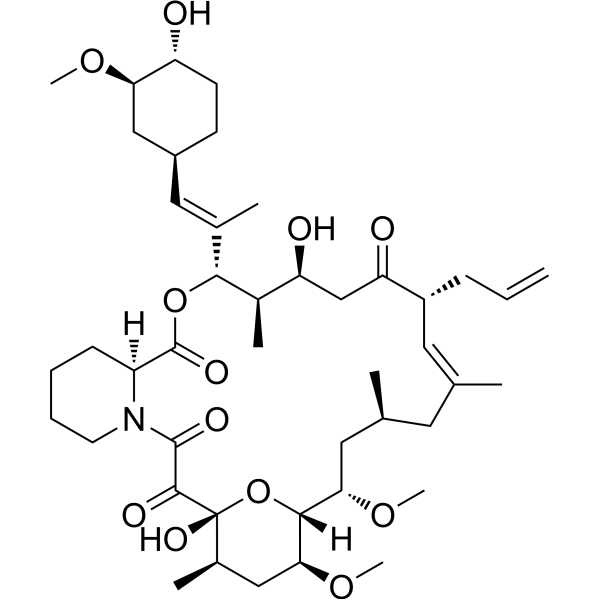
HY-13756
Tacrolimus -
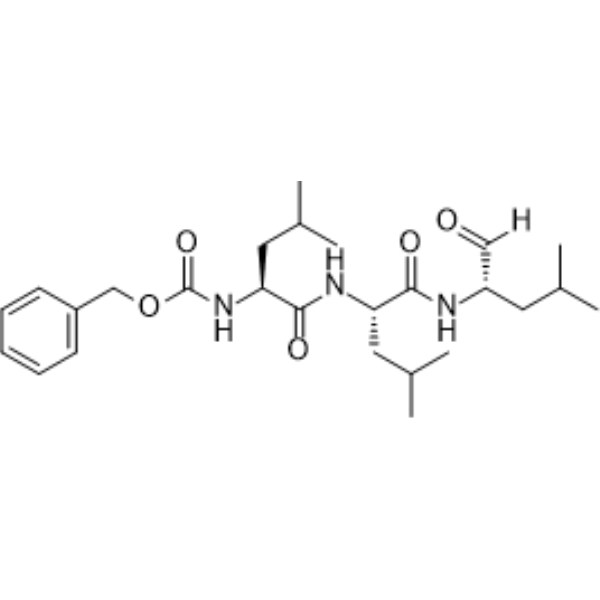
HY-13259
MG-132 -

HY-B1829AR
Dexamethasone phosphate disodium (Standard) -
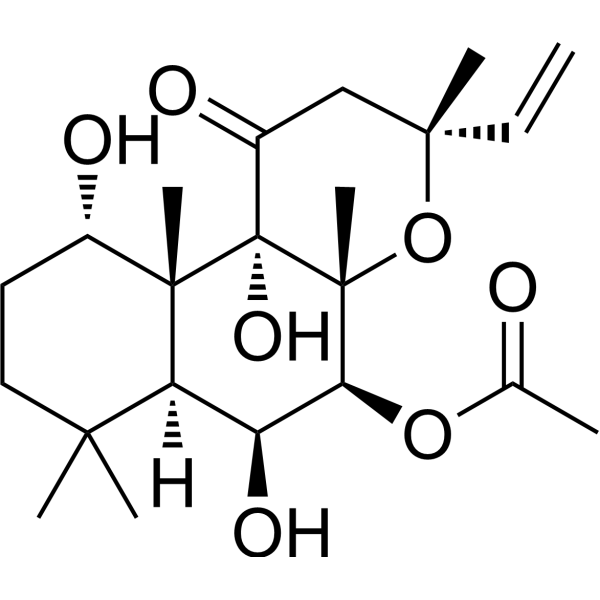
HY-15371
Forskolin
Publications Citing Use of MedChemExpress (MCE) Dexamethasone phosphate disodium
More- Cancer Res. 2025 Sep 10. [Abstract]
- Nat Commun. 2021 Dec 9;12(1):7162. [Abstract]
- Adv Sci (Weinh). 2025 Aug 8:e17129. [Abstract]
- MedComm. 2023 Jun 5;4(3):e293. [Abstract]
- Biomaterials. 2025 Sep 3:326:123680. [Abstract]
- Biomaterials. 2025 Jan:312:122742. [Abstract]
- Phytother Res. 2026 Apr;40(4):2143-2165. [Abstract]
- Biochem Pharmacol. 2026 Feb:244:117586. [Abstract]
- Sci Rep. 2025 Oct 14;15(1):35928. [Abstract]
- PLoS Pathog. 2025 Aug 4;21(8):e1013390. [Abstract]
- Appl Biochem Biotechnol. 2026 Apr 27. [Abstract]
- J Neuroimmunol. 2026 Jan 15:410:578814. [Abstract]
- NMR Biomed. 2026 Apr;39(4):e70254. [Abstract]
 Customer Validation & Images

-
Histological Imaging/Staining
-
RT-PCR
-
WB
-
Bio/Physico-chemical Assay
-
Histological Imaging/Staining


Biological Activity
Description
IC50 & Target
Glucocorticoid receptor[1]
In Vitro
Dexamethasone phosphate disodium (1, 2, 4 μM; 23 h) does not induce cytotoxicity in BV-2 microglial cells[1].
Dexamethasone phosphate disodium (1, 2, 4 μM; 3 h pre-incubation, followed by 24 h LPS co-incubation) dampens LPS-induced secretion of RANTES, TGF-β1, and NO in BV-2 microglial cells, while dexamethasone phosphate disodium (4 μM; 24 h incubation alone) has no inhibitory effect on these mediators[1].
Dexamethasone phosphate disodium (4 μM; 3 h pre-incubation, followed by 24 h LPS co-incubation) increases LPS-reduced production of IL-10 and MIP-1α in BV-2 microglial cells, while dexamethasone phosphate disodium (4 μM; 24 h incubation alone) reduces IL-10 production in untreated BV-2 microglial cells[1].
Dexamethasone phosphate disodium (4 μM; 3 h pre-incubation in lower chambers, followed by 18 h LPS co-incubation) mitigates LPS-induced migration of BV-2 microglial cells, while having no effect on migration of untreated BV-2 microglial cells when used at 4 μM for 18 h incubation alone[1].
Dexamethasone phosphate disodium (1, 2, 4 μM; 3 h pre-incubation, followed by 30 min LPS co-incubation) ameliorates LPS-induced degradation of IRAK-1 and IRAK-4, and inhibits LPS-induced activation of TRAF6, p-TAK1, and p-JNK in BV-2 microglial cells[1].
Dexamethasone phosphate disodium (5×10⁻⁶ M; 5-min intervals at 37°C) undergoes hydrolysis to Dexamethasone free alcohol in human whole blood in vitro with a first-order rate constant of 0.162 hr-1, which is 25-fold slower than its in vivo conversion rate[3].
Dexamethasone phosphate disodium (200 μM; 7 h) shows good stability with limited hydrolysis when incubated with human, porcine, or rat dermis for 7 hours, with 72.5-82.2% of the prodrug remaining intact[4].
Dexamethasone phosphate disodium (50.8-51.8% drug loading; heated at 20 °C min-1) intercalated into MgAl layered double hydroxides enhances the thermal stability of dexamethasone phosphate disodium, with its decomposition occurring at temperatures higher than those of free sexamethasone phosphate disodium[5].
Dexamethasone phosphate disodium (50.8-51.8% drug loading) is successfully intercalated into MgAl layered double hydroxides via electrostatic interactions, with no denaturation of the drug molecules, as confirmed by preserved characteristic FT-IR bands and shifted phosphate group vibrations[5].
Dexamethasone phosphate disodium (1.5 mg/mL; 50 hours) is efficiently encapsulated by the NPA2 coacervate, which mediates sustained release of the drug over 50 hours in a cell-free in vitro system[6].
MedChemExpress (MCE) has not independently confirmed the accuracy of these methods. They are for reference only.
In Vivo
Dexamethasone phosphate disodium (0.25 mg/kg; i.p.; daily; 8 days) reduces asthma-related inflammation, cytokine production, and airway hyperresponsiveness in OVA-induced allergic asthma rats[5].
Dexamethasone phosphate disodium (1.15 mg; p.o.; on days 1, 3, and 5) loaded in NPA2 coacervate significantly reduces DSS-induced acute colitis severity (mean histopathology score 0.500), restores gut barrier function and microbiota diversity, and maintains low, sustained systemic drug exposure[6].
MedChemExpress (MCE) has not independently confirmed the accuracy of these methods. They are for reference only.
-
Animal Model:Sprague-Dawley (SD) (female)[5]
-
Dosage:0.25 mg/kg
-
Administration:i.p.; daily; 8 days
-
Result:Significantly reduced the number of eosinophils, macrophages, and neutrophils in bronchoalveolar lavage fluid compared to untreated OVA-challenged rats.
Suppressed OVA-induced elevations of IL-4 and IL-13 in bronchoalveolar lavage fluid.
Significantly inhibited airway hyperresponsiveness to methacholine, with reduced pulmonary resistance at methacholine doses of 100 and 330 μg/kg compared to untreated OVA-challenged rats.
Reduced peribronchial and perivascular inflammatory cell infiltration and airway wall thickening in lung tissue compared to untreated OVA-challenged rats.
-
Animal Model:Sprague Dawley (SD) (female, 8-12 weeks, 200-300 g, dextran sulfate sodium-induced acute colitis)[6]
-
Dosage:1.15 mg
-
Administration:p.o.; on days 1, 3, and 5
-
Result:Reduced colon weight/length ratio to a mean value ~0.9 g/cm.
Lowered mean histopathology score to 0.500.
Significantly reduced colonic myeloperoxidase activity compared to untreated colitic rats.
Restored mRNA levels of tight junction-associated proteins ZO-1 and occludin-1.
Significantly reduced local mRNA levels of pro-inflammatory cytokines IL-1β, IL-6, and TNF.
Increased local mRNA levels of anti-inflammatory cytokine IL-10.
Promoted M2 macrophage polarization.
Increased gut microbiota richness (observed OTUs), Chao diversity, and Shannon diversity, with bacterial composition clustering closely to healthy rats.


Chemical Information
-
CAS No. 2392-39-4
-
Appearance Solid
-
Molecular Weight 516.40
-
Formula C22H28FNa2O8P
-
Color White to off-white
-
SMILES
O=C1C=C[C@@]2(C)C(CC[C@]3([H])[C@]2(F)[C@@H](O)C[C@@]4(C)[C@@]3([H])C[C@@H](C)[C@]4(O)C(COP(O[Na])(O[Na])=O)=O)=C1
-
Synonyms
Dexamethasone 21-phosphate disodium
-
Shipping
Room temperature in continental US; may vary elsewhere.
-
Storage
4°C, sealed storage, away from moisture
* In solvent : -80°C, 1 year; -20°C, 6 months (sealed storage, away from moisture)


Publications (13)
-
Journal Impact Factor
-
Most Recent
-
Cancer Res
SWI/SNF Functions as a Gatekeeper of Enhancer Chromatin Access to Control Progression of Mesenchymal Triple-Negative Breast Cancer. [Abstract]2025 Sep 10. PMID: 40928937 -
Nat Commun
Nanoparticle-assembled bioadhesive coacervate coating with prolonged gastrointestinal retention for inflammatory bowel disease therapy. [Abstract]2021 Dec 9;12(1):7162. PMID: 34887414 -
Adv Sci (Weinh)
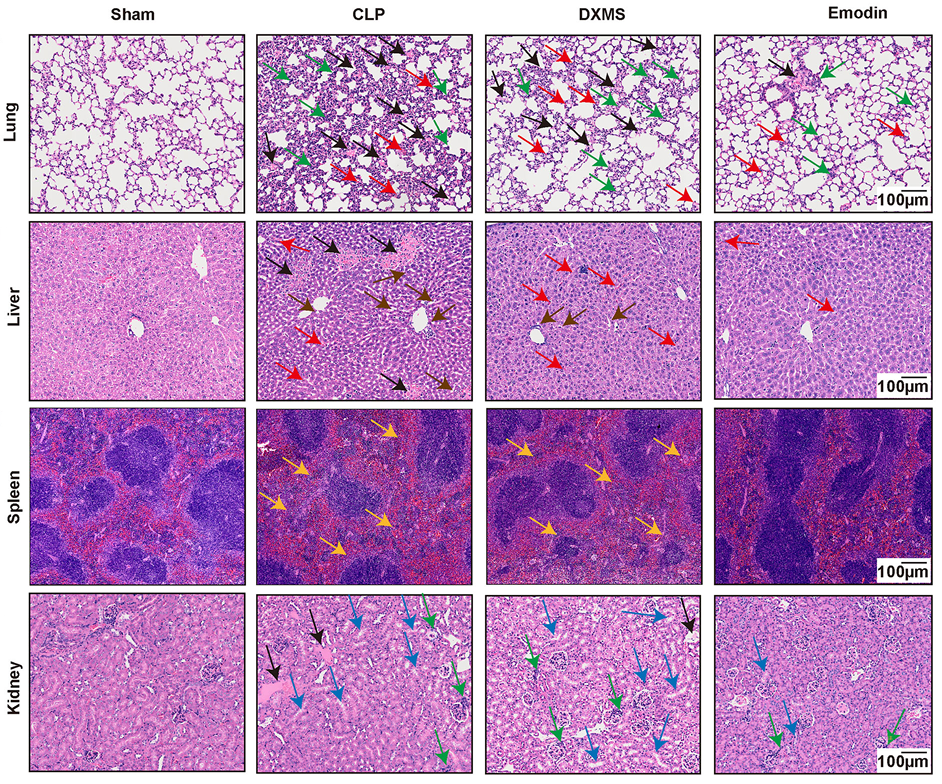
Emodin Alleviates Sepsis-Induced Multiorgan Damage by Inhibiting NETosis through Targeting Neutrophils BCL-10. [Abstract]2025 Aug 8:e17129. PMID: 40779122
Dexamethasone phosphate disodium purchased from MedChemExpress. Usage Cited in: Adv Sci (Weinh). 2025 Aug 8:e17129. [Abstract]
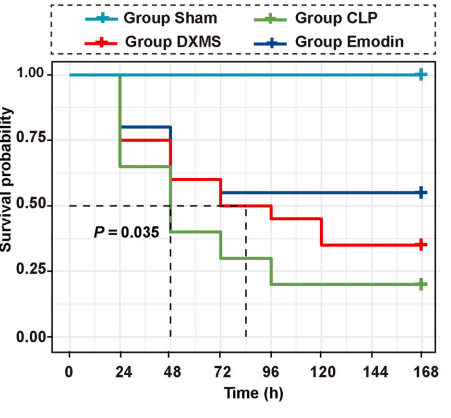
DXMS (2 mg/kg; twice daily; ip). Kaplan-Meier survival curves over a 7-day period comparing the Sham, CLP septic group, Emodin treatment group, and DXMS treatment group.
Dexamethasone phosphate disodium purchased from MedChemExpress. Usage Cited in: Adv Sci (Weinh). 2025 Aug 8:e17129. [Abstract]
DXMS (2 mg/kg; twice daily; ip). Histopathological images showing tissue morphology and injury in the lung, liver, spleen, and kidney across the four experimental groups.
-
MedComm
Inhibition of YAP1 activity ameliorates acute lung injury through promotion of M2 macrophage polarization. [Abstract]2023 Jun 5;4(3):e293. PMID: 37287755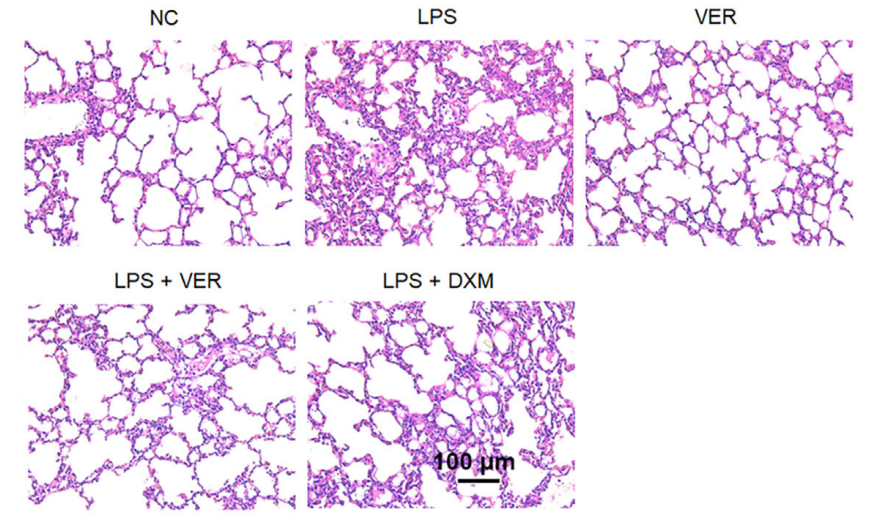
Dexamethasone phosphate disodium purchased from MedChemExpress. Usage Cited in: MedComm. 2023 Jun 5;4(3):e293. [Abstract]
Dexamethasone phosphate disodium (DXM, 5 mg/kg; i.p.; single dose) significantly alleviated tissue damage in acute lung injury (ALI).
-
Biomaterials
Polymer-based gene-drug co-delivery system effectively inhibits pathologic retinal neovascularization through dual anti-inflammatory and anti-neovascular actions. [Abstract]2025 Sep 3:326:123680. PMID: 40916239 -
Biomaterials
Single-dose of integrated bilayer microneedles for enhanced hypertrophic scar therapy with rapid anti-inflammatory and sustained inhibition of myofibroblasts. [Abstract]2025 Jan:312:122742. PMID: 39106821 -
Phytother Res
Chrysophanol Attenuates Glucocorticoid-Induced Osteoporosis by Targeting the E74-Like Factor 5/Osteoglycin-Regulated PI3K/AKT/mTOR Signaling Axis: An In Vitro and In Vivo Study. [Abstract]2026 Apr;40(4):2143-2165. PMID: 41657040 -
Biochem Pharmacol
Glucocorticoid impairs angiogenesis-dependent osteogenesis by downregulating EphB4 in endothelial cells. [Abstract]2026 Feb:244:117586. PMID: 41344513
Dexamethasone phosphate disodium purchased from MedChemExpress. Usage Cited in: Biochem Pharmacol. 2026 Feb:244:117586. [Abstract]
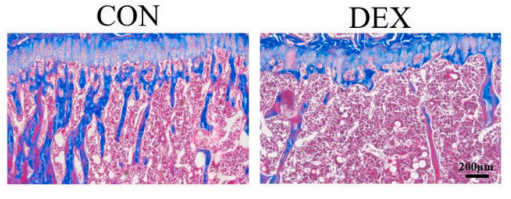
Masson-stained images of mice tibias. Masson staining indicated a marked decrease in new bone formation in DEX (Dexamethasone phosphate disodium, 1 mg/kg; i.p.; Once daily for 8 weeks)-treated mice.
Dexamethasone phosphate disodium purchased from MedChemExpress. Usage Cited in: Biochem Pharmacol. 2026 Feb:244:117586. [Abstract]
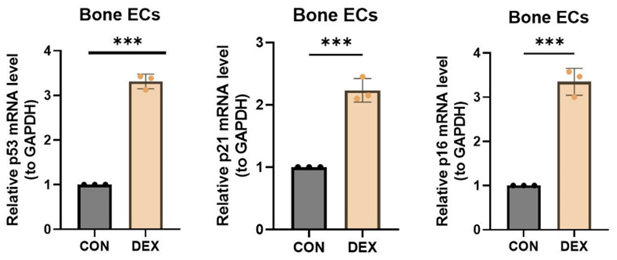
DEX (1 μM; 24 h). The mRNA expression levels of p53, p21 and p16 of bone ECs were detected via qRT-PCR.
Dexamethasone phosphate disodium purchased from MedChemExpress. Usage Cited in: Biochem Pharmacol. 2026 Feb:244:117586. [Abstract]
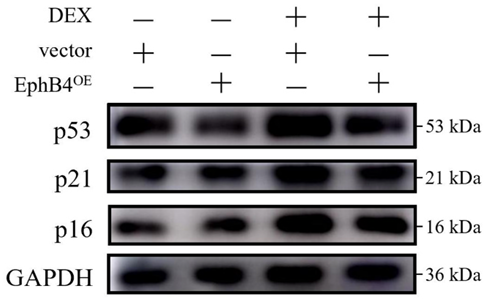
DEX (1 μM; 24 h). The protein expression of p53, p21, p16 and GAPDH was detected via Western blot and quantitative analysis.
-
Sci Rep
2025 Oct 14;15(1):35928. PMID: 41087401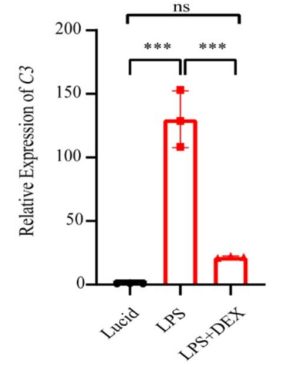
Dexamethasone phosphate disodium purchased from MedChemExpress. Usage Cited in: Sci Rep. 2025 Oct 14;15(1):35928. [Abstract]
Comparison of C3 mRNA levels between non-reactive astrocytes (Lucid), LPS-induced reactive astrocytes (LPS), and Dexamethasone phosphate disodium (DEX, 100 nM; 24 h)-reversed reactive astrocytes (LPS + DEX), with results normalized to the Lucid group (one-way ANOVA followed by Bonferroni post hoc test).
-
PLoS Pathog
2025 Aug 4;21(8):e1013390. PMID: 40758741 -
Appl Biochem Biotechnol
Immunomodulatory Effects of Huaier Extract on Th1/Th2 Polarization Through IL-33/ST2 Axis Regulation in Allergic Rhinitis Pathogenesis. [Abstract]2026 Apr 27. PMID: 42043703 -
J Neuroimmunol
Prior dexamethasone exposure attenuates the therapeutic efficacy of mouse bone marrow-derived mesenchymal stem cells in experimental autoimmune encephalomyelitis by fostering a hostile immunological microenvironment. [Abstract]2026 Jan 15:410:578814. PMID: 41289704 -
NMR Biomed
Therapeutic Effects Assessment in Acute Lung Injury Using Hyperpolarized 129Xe Magnetic Resonance. [Abstract]2026 Apr;39(4):e70254. PMID: 41790004


Solvent & Solubility
In Vitro:
H2O : ≥ 100 mg/mL (193.65 mM)
DMSO : 1 mg/mL (1.94 mM; ultrasonic and warming and heat to 80°C; Hygroscopic DMSO has a significant impact on the solubility of product, please use newly opened DMSO)
* "≥" means soluble, but saturation unknown.
Please refer to the solubility information to select the appropriate solvent. Once prepared, please aliquot and store the solution to prevent product inactivation from repeated freeze-thaw cycles.
Storage method and period of stock solution: -80°C, 1 year; -20°C, 6 months (sealed storage, away from moisture). When stored at -80°C, please use it within 1 year. When stored at -20°C, please use it within 6 months.
* Note: If you choose water as the stock solution, please dilute it to the working solution, then filter and sterilize it with a 0.22 μm filter before use.
Please refer to the solubility information to select the appropriate solvent. Once prepared, please aliquot and store the solution to prevent product inactivation from repeated freeze-thaw cycles.
Storage method and period of stock solution: -80°C, 1 year; -20°C, 6 months (sealed storage, away from moisture). When stored at -80°C, please use it within 1 year. When stored at -20°C, please use it within 6 months.
* Note: If you choose water as the stock solution, please dilute it to the working solution, then filter and sterilize it with a 0.22 μm filter before use.
Concentration (start) × Volume (start) = Concentration (final) × Volume (final)
In Vivo:
For the following dissolution methods, please prepare the working solution directly:
It is recommended to prepare fresh solutions and use them promptly within a short period of time.
The percentages shown for the solvents indicate their volumetric ratio in the final prepared solution. If precipitation or phase separation occurs during preparation, heat and/or sonication can be used to aid dissolution.
Add each solvent one by one: PBS
Solubility: 100 mg/mL (193.65 mM); Clear solution; Need ultrasonic


Purity & Documentation
-
Data Sheet (288 KB)
-
SDS (419 KB)
- English - EN (419 KB)
- Français - FR (419 KB)
- Deutsch - DE (419 KB)
- Norwegian - NO (419 KB)
- Español - ES (419 KB)
- Swedish - SV (419 KB)
- Italian - IT (419 KB)
- Korean - KR (419 KB)
- Portuguese - PT (419 KB)
-
Handling Instructions (2659 KB)
References
[1]. Hui B, et al. Dexamethasone sodium phosphate attenuates lipopolysaccharide-induced neuroinflammation in microglia BV2 cells. Naunyn Schmiedebergs Arch Pharmacol. 2020;393(9):1761-1768. [Content Brief]
[2]. Bossa F, et al. Erythrocytes-mediated delivery of dexamethasone 21-phosphate in steroid-dependent ulcerative colitis: a randomized, double-blind Sham-controlled study. Inflamm Bowel Dis. 2013;19(9):1872-1879. [Content Brief]
[3]. Hare LE, et al. Bioavailability of dexamethasone. II. Dexamethasone phosphate. Clin Pharmacol Ther. 1975 Sep;18(3):330-7. [Content Brief]
[4]. Cázares-Delgadillo J, et al. Transdermal iontophoresis of dexamethasone sodium phosphate in vitro and in vivo: effect of experimental parameters and skin type on drug stability and transport kinetics. Eur J Pharm Biopharm. 2010;75(2):173-178. [Content Brief]
[6]. Zhao P, et al. Nanoparticle-assembled bioadhesive coacervate coating with prolonged gastrointestinal retention for inflammatory bowel disease therapy. Nat Commun. 2021;12(1):7162. Published 2021 Dec 9. [Content Brief]


Complete Stock Solution Preparation Table
Please refer to the solubility information to select the appropriate solvent. Once prepared, please aliquot and store the solution to prevent product inactivation from repeated freeze-thaw cycles.
Storage method and period of stock solution: -80°C, 1 year; -20°C, 6 months (sealed storage, away from moisture). When stored at -80°C, please use it within 1 year. When stored at -20°C, please use it within 6 months.
| Optional Solvent | Concentration Solvent Mass | 1 mg | 5 mg | 10 mg | 25 mg |
|---|---|---|---|---|---|
| DMSO / H2O | 1 mM | 1.9365 mL | 9.6824 mL | 19.3648 mL | 48.4121 mL |
| H2O | 5 mM | 0.3873 mL | 1.9365 mL | 3.8730 mL | 9.6824 mL |
| 10 mM | 0.1936 mL | 0.9682 mL | 1.9365 mL | 4.8412 mL | |
| 15 mM | 0.1291 mL | 0.6455 mL | 1.2910 mL | 3.2275 mL | |
| 20 mM | 0.0968 mL | 0.4841 mL | 0.9682 mL | 2.4206 mL | |
| 25 mM | 0.0775 mL | 0.3873 mL | 0.7746 mL | 1.9365 mL | |
| 30 mM | 0.0645 mL | 0.3227 mL | 0.6455 mL | 1.6137 mL | |
| 40 mM | 0.0484 mL | 0.2421 mL | 0.4841 mL | 1.2103 mL | |
| 50 mM | 0.0387 mL | 0.1936 mL | 0.3873 mL | 0.9682 mL | |
| 60 mM | 0.0323 mL | 0.1614 mL | 0.3227 mL | 0.8069 mL | |
| 80 mM | 0.0242 mL | 0.1210 mL | 0.2421 mL | 0.6052 mL | |
| 100 mM | 0.0194 mL | 0.0968 mL | 0.1936 mL | 0.4841 mL |
* Note: If you choose water as the stock solution, please dilute it to the working solution, then filter and sterilize it with a 0.22 μm filter before use.


Dexamethasone phosphate disodium Related Classifications
HY-B1829A Related Classifications
 Powered by Bioz