



Nucleic Acid Dyes
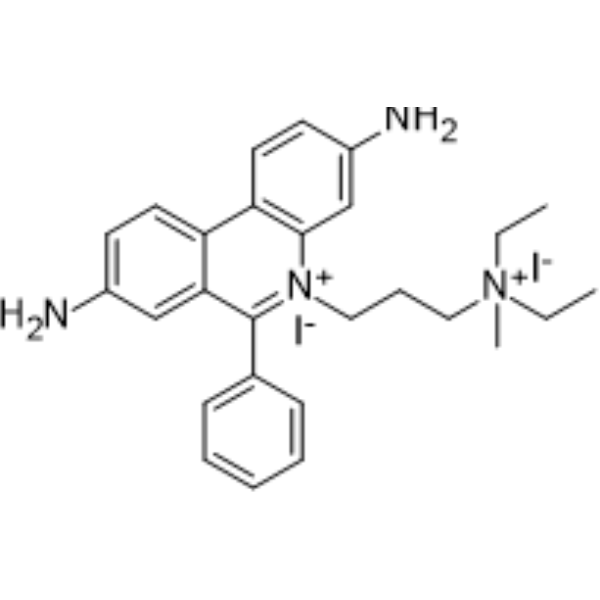
- Formula: C27H34I2N4
- Molecular Weight: 668.39
Propidium Iodide (PI) is a nuclear staining agent that stains DNA. Propidium Iodide is an analogue of ethidine bromide that emits red fluorescence upon embedding in double-stranded DNA. Propidium Iodide cannot pass through living cell membranes, but it can pass through damaged cell membranes to stain the nucleus. Propidium Iodide has a fluorescence wavelength of 493/617 nm and a wavelength of 536/635 nm after Mosaic with DNA. Propidium Iodide is commonly used in the detection of apoptosis (apoptosis) or necrosis (necrosis), and is often used in flow cytometry analysis.
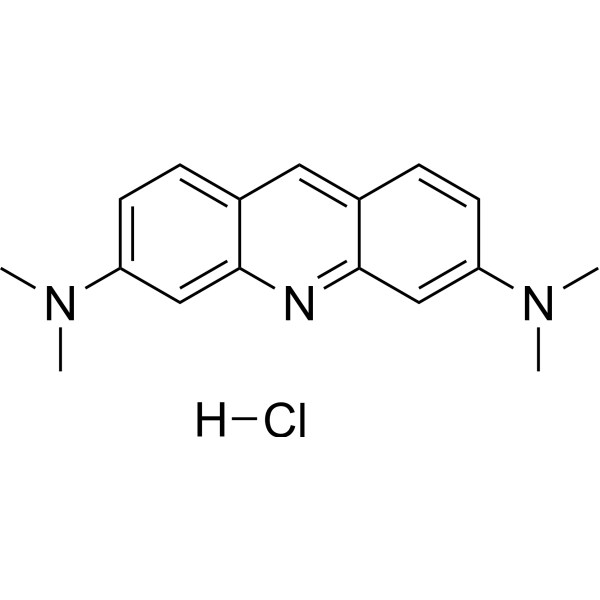
- Formula: C17H20ClN3
- Molecular Weight: 301.82
Acridine Orange hydrochloride is a cell-penetrable nucleic acid-selective fluorescent dye. Acridine Orange hydrochloride produces orange fluorescence when it binds to ssDNA or RNA, and green fluorescence when it binds to dsDNA (Ex: 488 nM; Em: green fluorescence at 530 nm, orange fluorescence at 640 nm).
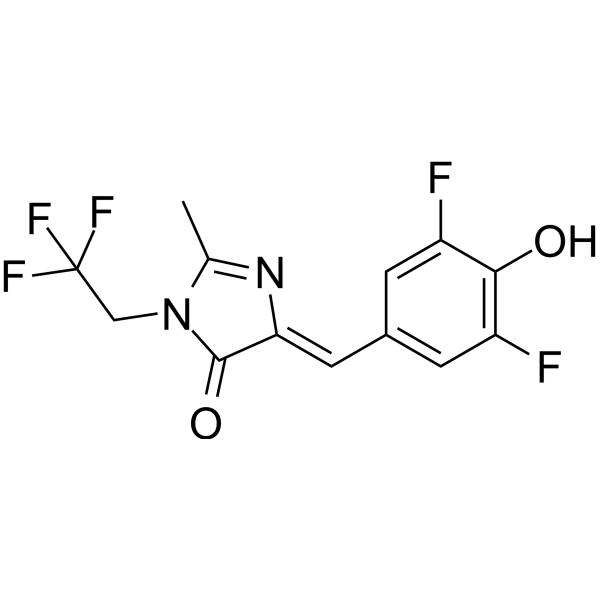
- Formula: C13H9F5N2O2
- Molecular Weight: 320.21
DFHBI-1T is a membrane-permeable RNA aptamers-activated fluorescence probe (ex/em=472 nm/507 nm). DFHBI-1T binds to RNA aptamers (Spinach, Spinach2, iSpinach, and Broccoli) and causes specific fluorescence and lower background fluorescence. DFHBI-1T is used to image RNA in live cells.
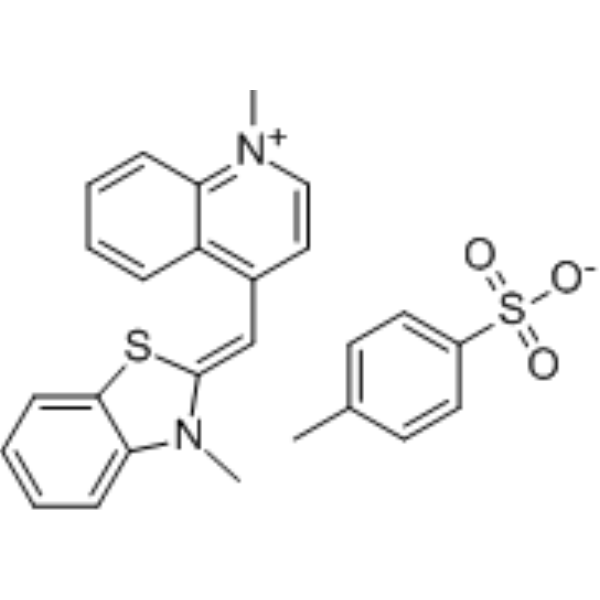
- Formula: C26H24N2O3S2
- Molecular Weight: 476.61
Thiazole Orange is an asymmetric anthocyanin dye that can be coupled with oligonucleotides (ONs) to prepare fluorescent hybridization probes. Thiazole Orange has been widely used in biomolecular detection and staining of DNA/ RNA in gels and can be used for reticulocyte analysis. Thiazole orange generates a significant fluorescence enhancement and high quantum yield when it binds with nucleic acids, especially RNA. Thiazole orange can permeate living cell membranes. Thiazole orange can use UV light for detection, but can also be detected with blue light. The excitation and emission of Thiazole orange are λex = 510 nm (488 nm and 470 nm also show strong excitation) and λem = 527 nm, respectively.
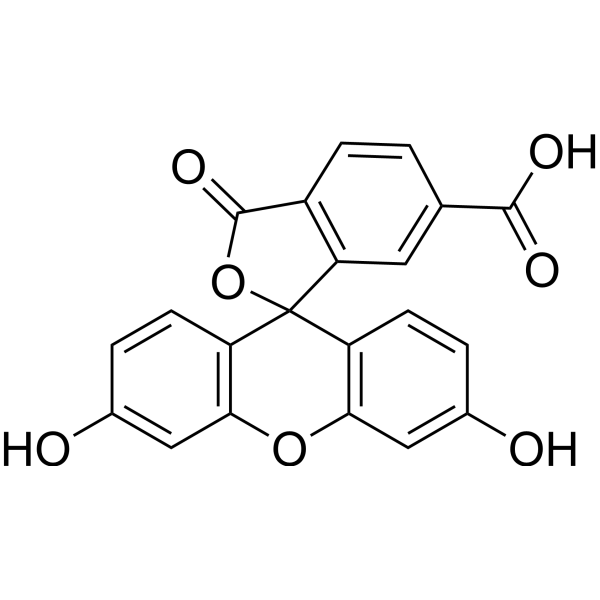
- Formula: C21H12O7
- Molecular Weight: 376.32
6-FAM (6-Carboxyfluorescein) is an isomer of carboxyfluorescein and is mainly used for sequencing and labeling of nucleic acids.

- Formula: C37H38N6O10
- Molecular Weight: 726.73
TMR-DN (TAMRA-2,4-dinitroaniline) is a fluorescent probe for RNA imaging that consists of a covalently coupled fluorophore (5-carboxy tetramethylrhodamine (TMR)) and quencher (dinitroaniline (DN)). The Kd value of TMR-DN with SRB-2 is 35 nM, and its Kd value with RhoBAST is approximately 30 nM. TMR-DN has a contact quenching function and forms a non-fluorescent intramolecular ground-state dimer in the free state; the excitation/emission wavelengths of the free probe are Ex/Em = 557/579 nm, those of the complex formed by binding to SRB-2 are Ex/Em = 561/587 nm, and those of the probe bound to the DNB aptamer are Ex/Em = 555/582 nm. TMR-DN reduces non-specific binding to genomic nucleic acids via negatively charged carboxyl-functionalized aromatic rings. Fluorescence dequenching occurs when TMR-DN specifically binds to SRB-2, RhoBAST or the DNB aptamer, among which the binding of RhoBAST requires Mg2+ for proper folding.

- Formula: C20H27I2N3S
- Molecular Weight: 595.32
BO-TAP-1 is a cell-impermeable cyan fluorescent carbocyanine monomeric nucleic acid dye that can be used for microarray nucleic acid staining, multicolor fluorescent labeling of cell nuclei and chromosomes, cell detection and counting, and flow cytometry. BO-TAP-1 is non-fluorescent in the absence of nucleic acids, but its fluorescence is significantly enhanced upon binding to double-stranded DNA. The maximum excitation and emission wavelengths of the BO-TAP-1–DNA complex are 454 nm and 487 nm, respectively. BO-TAP-1 can be used in research related to nucleic acid detection and cell analysis.

- Formula: C21H18N4O2
- Molecular Weight: 358.39
RL560 is a red-emitting RNA fluorescent dye used for RNA-selective labeling and live-cell RNA imaging. RL560 achieves RNA-selective fluorescence turn-on via covalent acylation between its acylimidazole reactive group and the 2′-OH of RNA ribose, as well as fluorescence signal enhancement through restriction of TICT molecular motion. RL560 is applicable for RNA imaging and multicolor RNA detection, with detection wavelengths of Ex/Em = 560/639 nm.
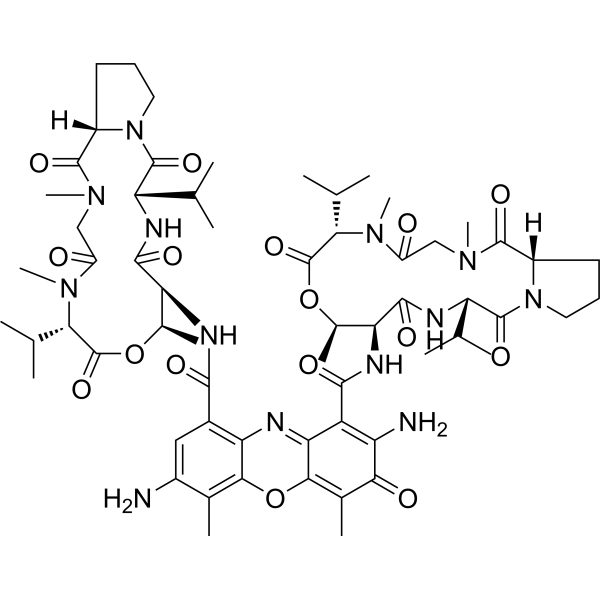
- Formula: C62H87N13O16
- Molecular Weight: 1270.43
7-Aminoactinomycin D (7-AAD) a cell-impermeant fluorescent DNA stain, is a potent RNA polymerase inhibitor. 7-Aminoactinomycin D selectively binds to GC regions of the DNA. 7-Aminoactinomycin D also has antibacterial effects.
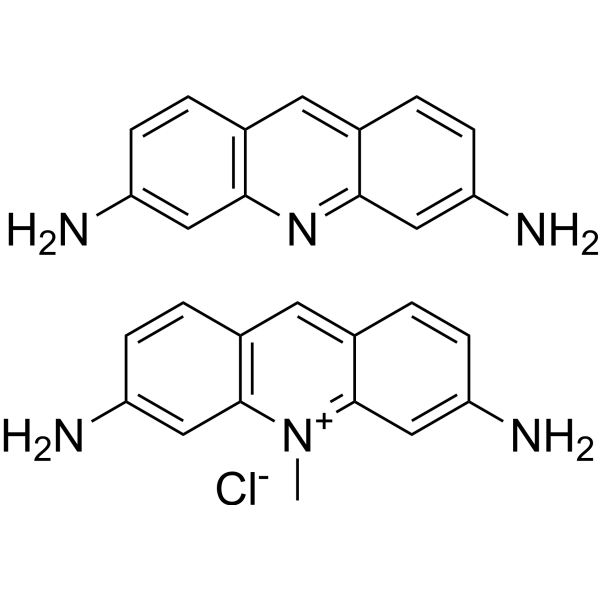
- Formula: C27H25ClN6
- Molecular Weight: 468.98
Acriflavine (Acriflavinium chloride) is a fluorescent acridine dye that can be used to label nucleic acid. Acriflavine is an antiseptic agent. Acriflavine is a potent HIF-1 inhibitor that prevents the dimerization of HIF-1α and HIF-1β subunits. Acriflavine inhibits the interaction between monocarboxylate transporter 4 (MCT4) and Basigin. Acriflavine is used in cancer research, such as breast cancer, brain tumor and chronic myeloid leukemia. Acriflavine is a potent papain-like protease (PLpro) inhibitor, which inhibits SARS-CoV-2.
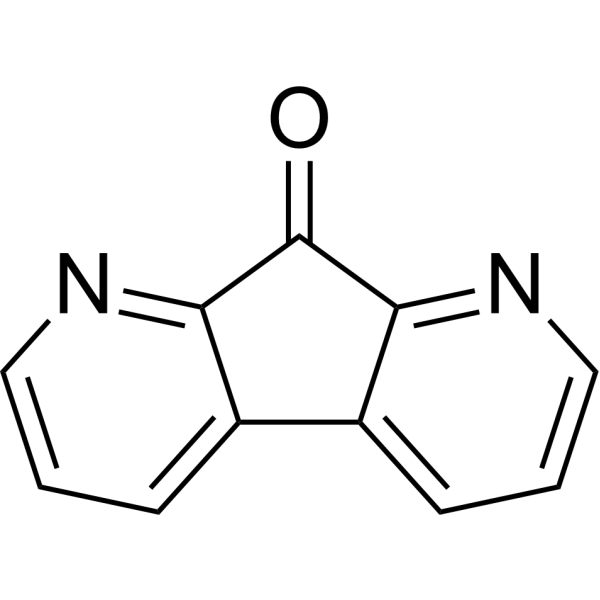
- Formula: C11H6N2O
- Molecular Weight: 182.18
1,8-Diazafluoren-9-one (DFO) is a chemical that is used to find fingerprints on porous surfaces. 1,8-Diazafluoren-9-one reacts with amino acids present in the fingerprint to form highly fluorescent derivatives (Ex/Em = ~470/570).
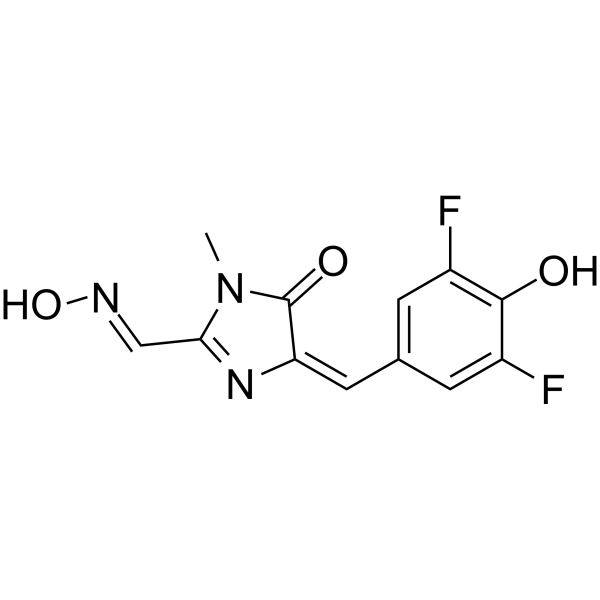
- Formula: C12H9F2N3O3
- Molecular Weight: 281.21
DFHO is a fluorogenic ligand of Corn fluorogenic aptamer. The RNA aptamer, Corn binds DFHO with a Kd value of 70 nM and converts it to a fluorescent form, enabling RNA imaging in cells.
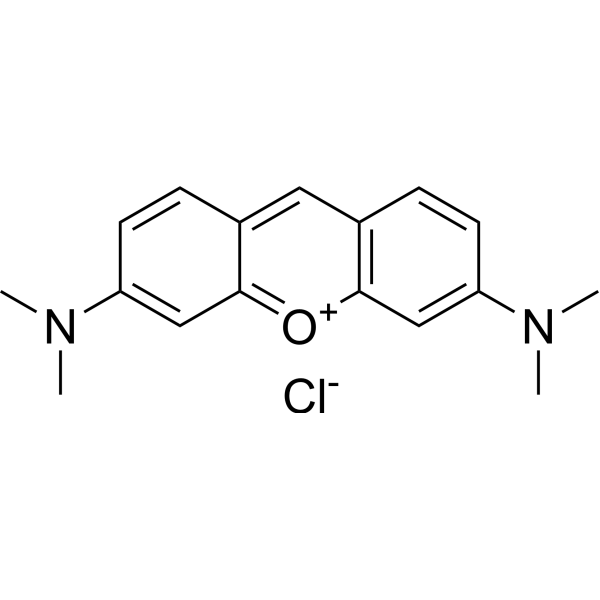
- Formula: C17H19ClN2O
- Molecular Weight: 302.80
Pyronin Y (Pyronine G) is a cationic dye that intercalates RNA and has been used to target cell structures including RNA, DNA and organelles. Pyronin Y forms fluorescent complexes with double-stranded nucleic acids (especially RNA) enabling semi-quantitative analysis of cellular RNA. Pyronin Y can be used to identify specific RNA subspecies of ribonuclear proteins complexes in live cells.
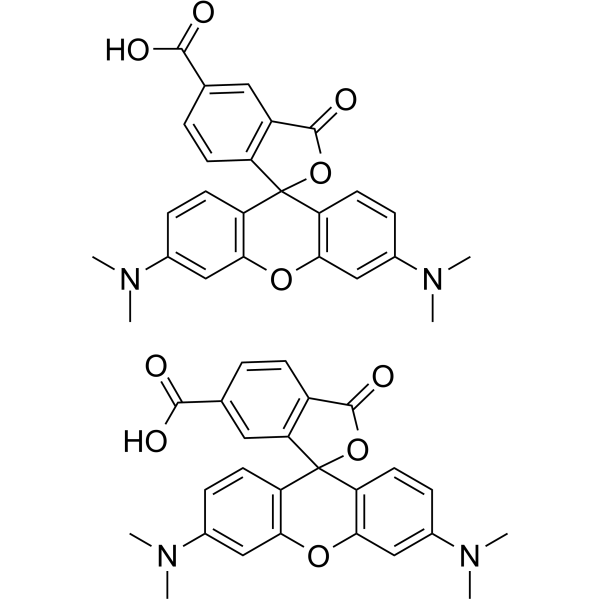
- Formula: C25H22N2O5
- Molecular Weight: 430.45
5(6)-TAMRA (5(6)-Carboxytetramethylrhodamine) is a fluorescent dye molecule widely used as a label for peptides and proteins (Ex/Em = 520/600 nm).
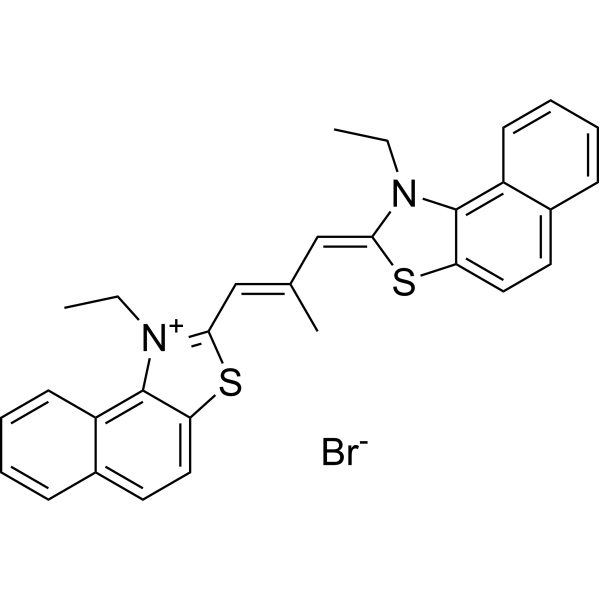
- Formula: C30H27BrN2S2
- Molecular Weight: 559.58
Stains-All, a cationic carbocyanine dye, is a convenient probe to study the structural features of the individual calcium-binding sites of calmodulin (CaM) and related calcium-binding proteins (CaBP).
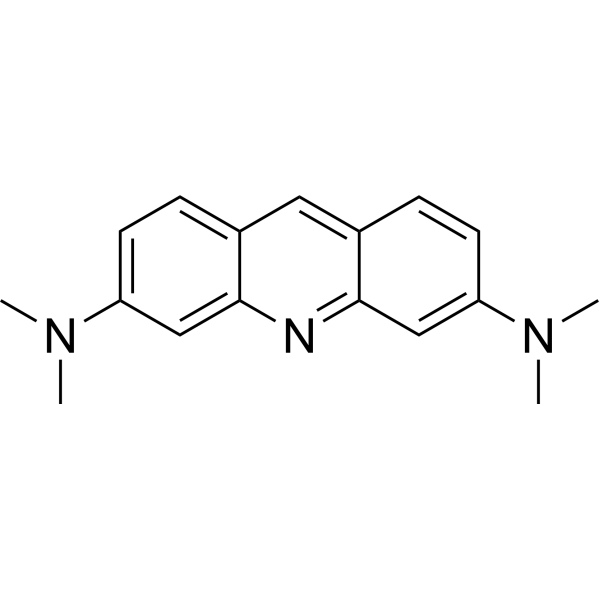
- Formula: C17H19N3
- Molecular Weight: 265.36
Acridine Orange base is a cell-permeable fluorescent dye that stains organisms (bacteria, parasites, viruses, etc.) bright orange and, when used under appropriate conditions (pH=3.5, Ex=460 nm), distinguishes human cells in green for detection by fluorescence microscopy. Acridine Orange base fluoresces green when bound to dsDNA (Ex=488, Em=520-524) and red when bound to ssDNA (Ex=457, Em=630-644) or ssRNA (Ex=457, Em=630-644), also can be used in cell cycle assays.
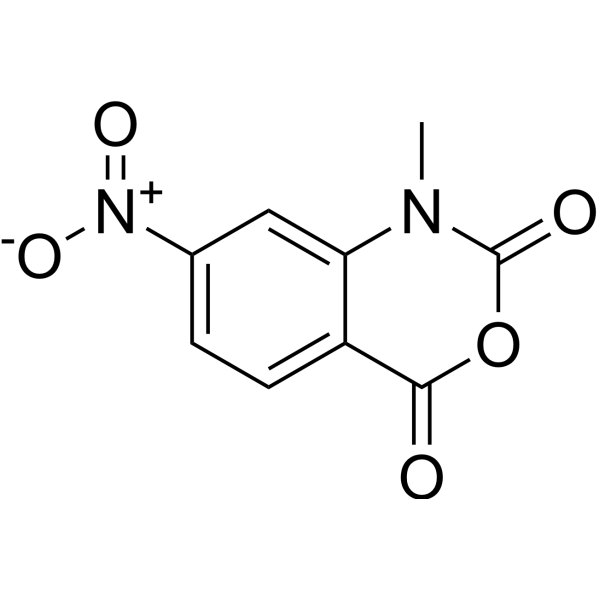
- Formula: C9H6N2O5
- Molecular Weight: 222.15
1-Methyl-7-nitroisatoic anhydride (1M7) is a reagent that detects local nucleotide flexibility, for probing 2'-hydroxyl reactivity, can be used for RNA structure analysis.
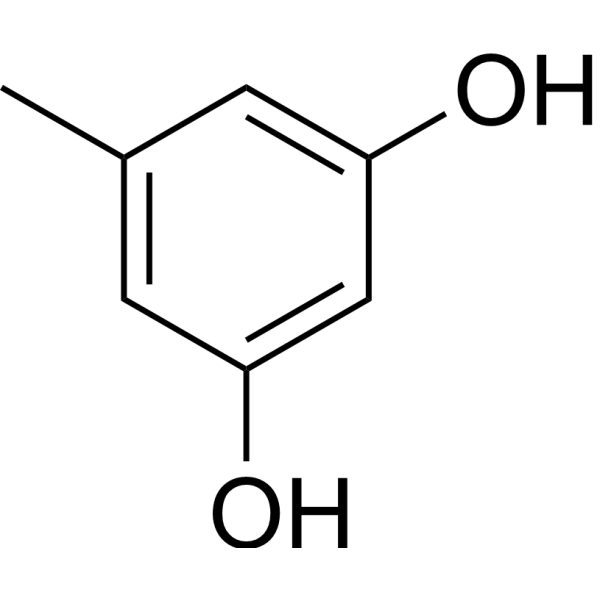
- Formula: C7H8O2
- Molecular Weight: 124.14
Orcinol (3,5-Dihydroxytoluene) is an organic compound used in biological dyeing and proteomics research. Orcinol inhibits melanogenesis in B16F10 cells by upregulating the MAPK/ERK signaling pathway, and suppresses the expression of MITF, tyrosinase (TYR), TRP1, and DCT. Orcinol exhibits certain DPPH radical scavenging activity. In addition, Orcinol can alter nitrogen balance in animals. Orcinol holds promise for research in cancer and metabolic diseases.
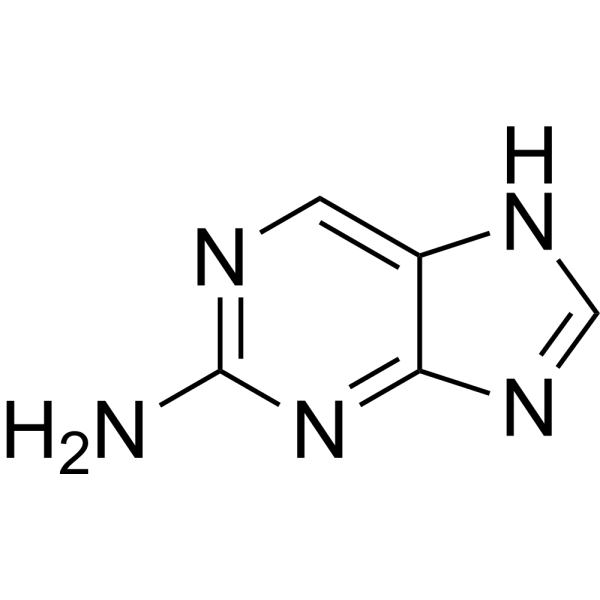
- Formula: C5H5N5
- Molecular Weight: 135.13
2-Aminopurine, a fluorescent analog of guanosine and adenosine, is a widely used fluorescence-decay-based probe of DNA structure. When 2-Aminopurine is inserted in anoligonucleotide, its fluorescence is highly quenched by stacking with the natural bases. 2-Aminopurine has been used to probe nucleic acid structure and dynamics.
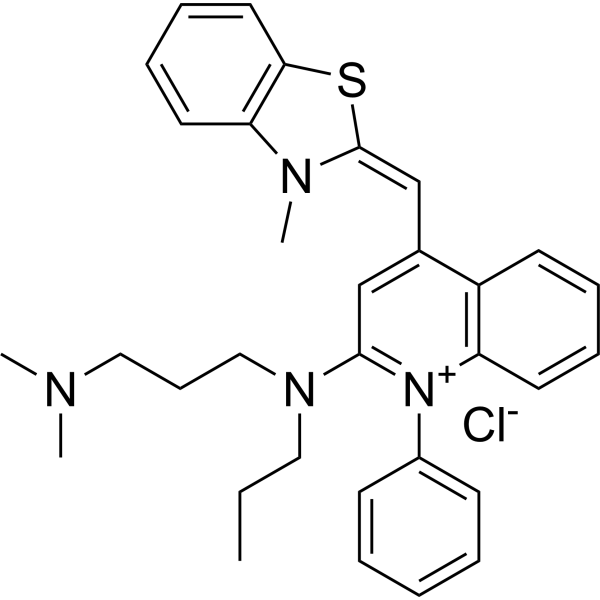
- Formula: C32H37ClN4S
- Molecular Weight: 545.18
SYBR Green I chloride is a highly sensitive fluorescent nucleic acid dye that binds specifically to the minor groove of double-stranded DNA or intercalates between base pairs. SYBR Green I chloride exhibits weak fluorescence in the unbound state but emits bright fluorescence upon binding, and it preferentially binds to large-fragment DNA and DNA with high G+C content. SYBR Green I chloride is suitable for real-time PCR technology; its fluorescence intensity correlates with the amount and size of amplification products, enabling accurate quantification of gene expression and discrimination of amplicons via melting curve analysis without additional post-processing. SYBR Green I chloride is widely used in preclinical in vitro nucleic acid detection.



