



Acridine Orange hydrochloride
Based on 44 publication(s) in Google Scholar
Acridine Orange hydrochloride is a cell-penetrable nucleic acid-selective fluorescent dye. Acridine Orange hydrochloride produces orange fluorescence when it binds to ssDNA or RNA, and green fluorescence when it binds to dsDNA (Ex: 488 nM; Em: green fluorescence at 530 nm, orange fluorescence at 640 nm).
For research use only. We do not sell to patients.
- Purity : 99.65%
- CAS No.: 65-61-2
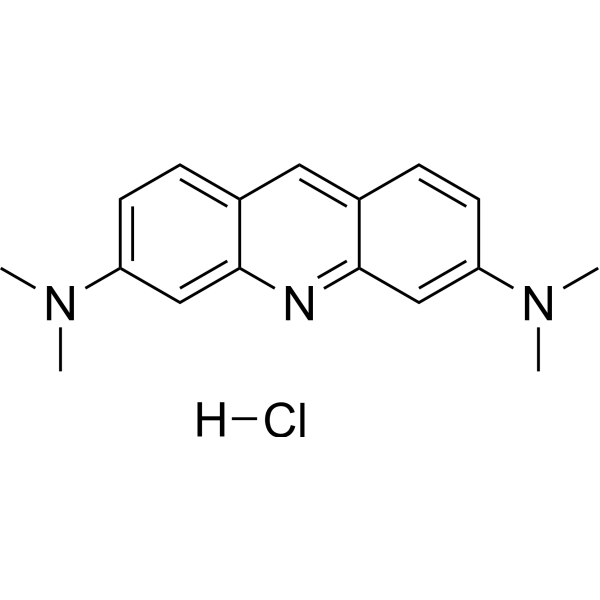
- Formula: C17H20ClN3
- Molecular Weight:301.82
-
Storage:
4°C, protect from light, stored under nitrogen
* In solvent : -80°C, 2 years; -20°C, 1 year (protect from light, stored under nitrogen)

To place orders, for customer services and technical support, please contact: MedChemExpress USA
Tel: 609-228-6898 E-mail: [email protected] [email protected]


-
 Biological Activity
-
Chemical Information
-
Solvent & Solubility
- Purity & Documentation
- References
-
 Help & FAQs


-
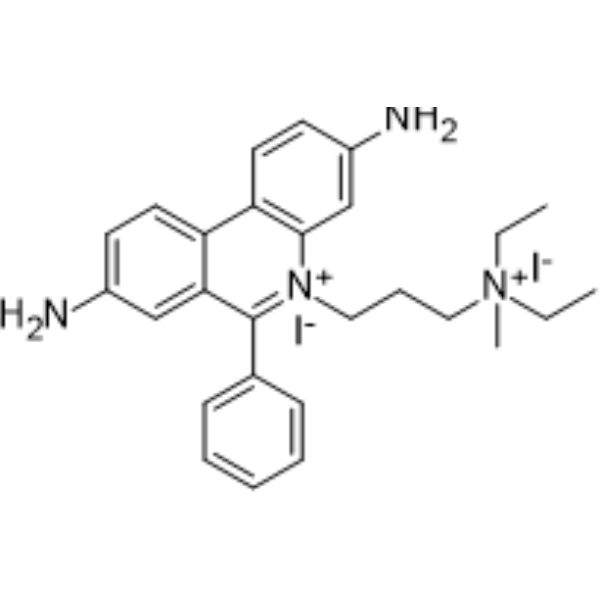
HY-D0815
Propidium IodideFluorochrome -
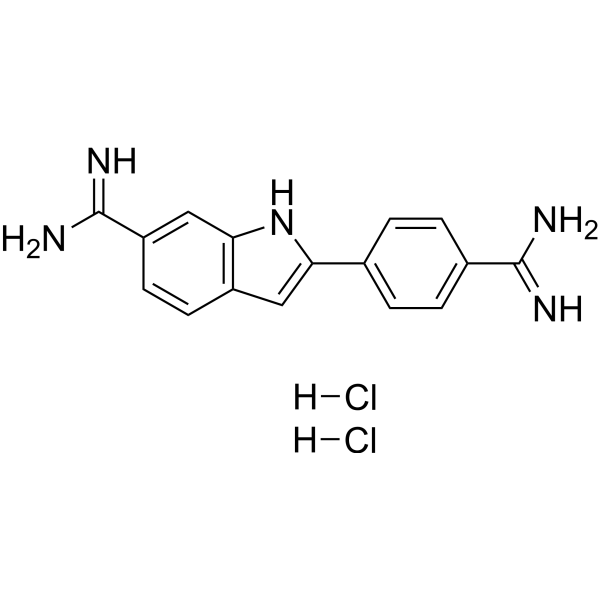
HY-D0814
DAPI dihydrochlorideFluorescent DNA Stain -
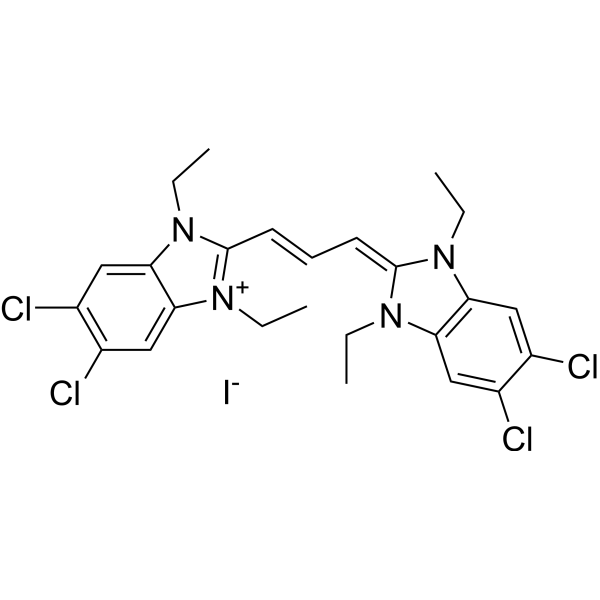
HY-15534
JC-1Mitochondrial Membrane Potential Probe -
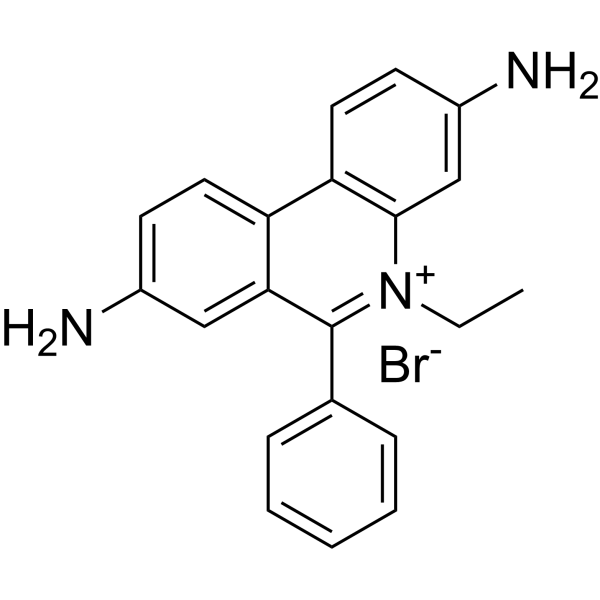
HY-D0021
EthD bromideFluorescent Tag -
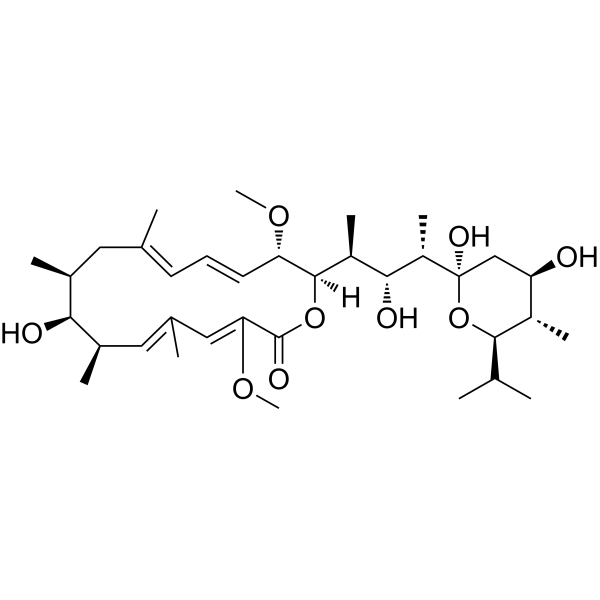
HY-100558
Bafilomycin A1V-ATPase Inhibitor -
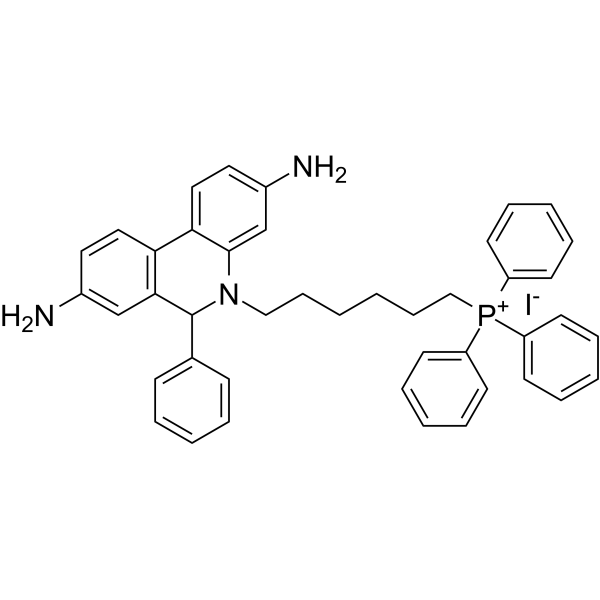
HY-D1055
MitoSOX RedMitochondrial ROS Indicator -
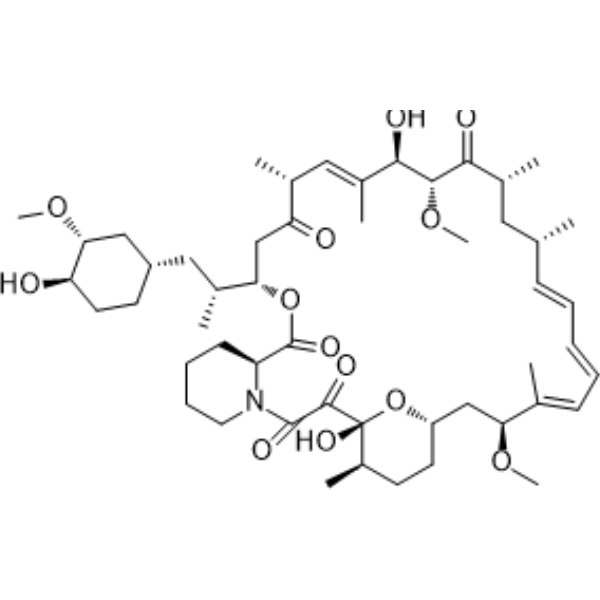
HY-10219
RapamycinmTOR Inhibitor -
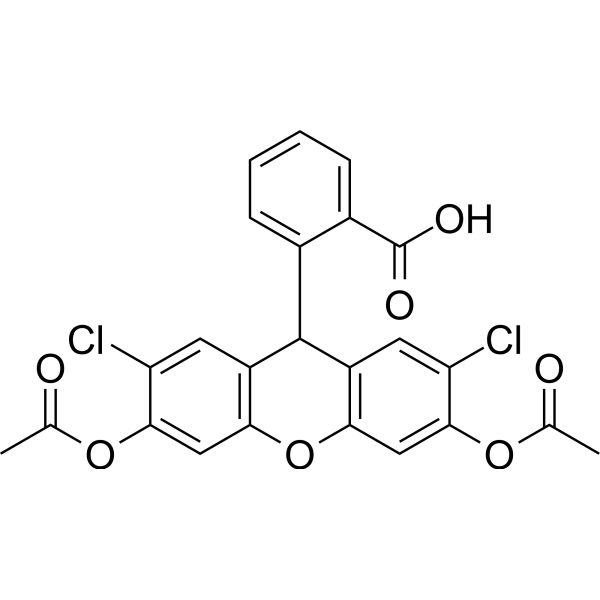
HY-D0940
H2DCFDAROS-Sensitive Probe -
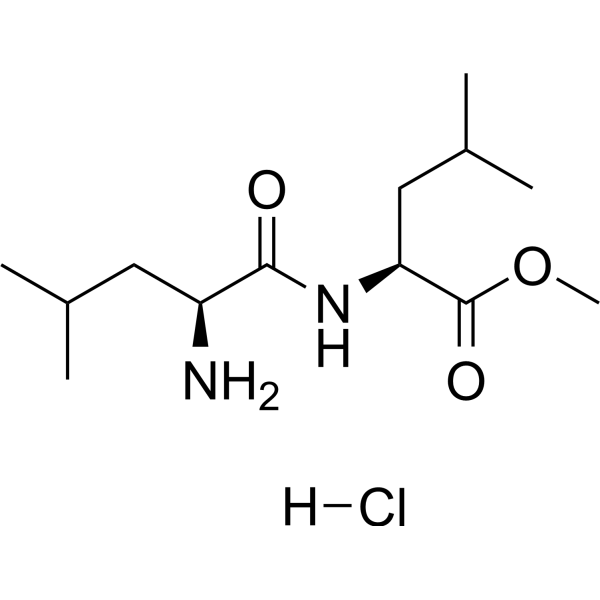
HY-129905
L-Leucyl-L-Leucine methyl ester hydrochlorideEndogenous Metabolite -
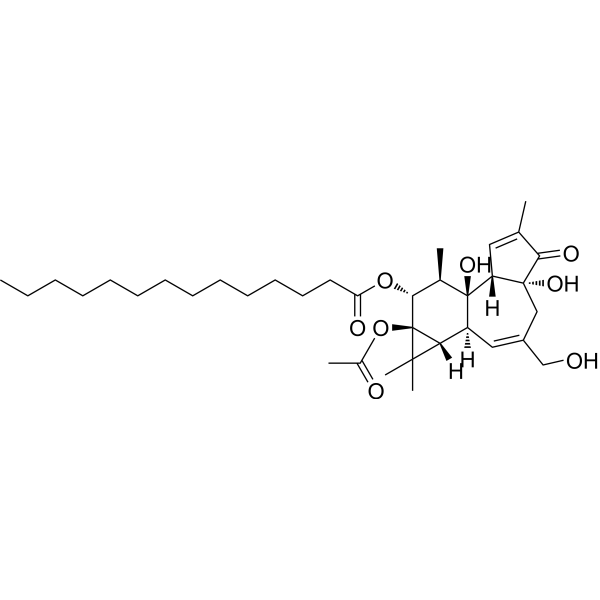
HY-18739
Phorbol 12-myristate 13-acetatePKC Activator -

HY-DY1006
Propidium Iodide (solution)Fluorochrome -
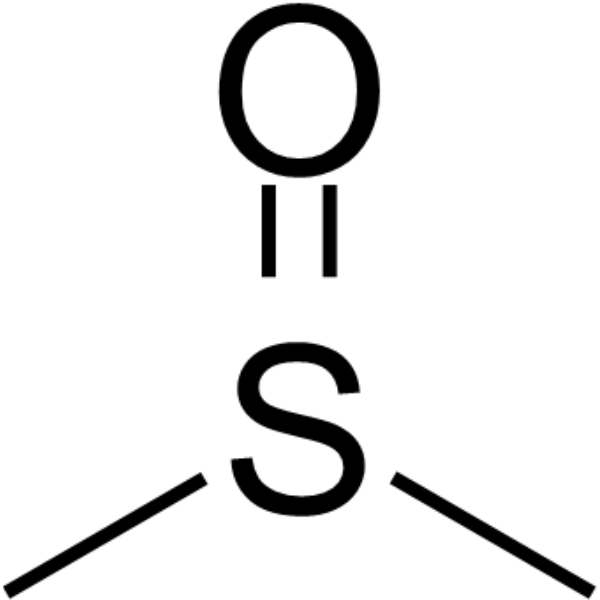
HY-Y0320
Dimethyl sulfoxide, meets analytical specification of Ch.P.Aprotic Solvent
Publications Citing Use of MedChemExpress (MCE) Acridine Orange hydrochloride
More- Signal Transduct Target Ther. 2025 Mar 19;10(1):94. [Abstract]
- Cell Mol Immunol. 2025 Mar;22(3):282-299. [Abstract]
- Adv Funct Mater. 2023 Apr 14.
- Nat Commun. 2023 Jun 30;14(1):3877. [Abstract]
- J Adv Res. 2025 Nov 7:S2090-1232(25)00877-X. [Abstract]
- Acta Pharm Sin B. 2021 Oct;11(10):3178-3192. [Abstract]
- Adv Sci (Weinh). 2024 Oct;11(38):e2404693. [Abstract]
- Biomaterials. 2025 Dec:323:123415. [Abstract]
- J Control Release. 2026 Feb 10:390:114523. [Abstract]
- J Control Release. 2024 Dec:376:167-183. [Abstract]
- Pharmacol Res. 2026 Apr 30:108225. [Abstract]
- Cell Death Dis. 2021 Jan 13;12(1):80. [Abstract]
- Cell Death Dis. 2020 Jul 30;11(7):607. [Abstract]
- Phytomedicine. 2026 Oct:160:158642.
- J Transl Med. 2026 May 22. [Abstract]
- Int J Mol Med. 2023 May;51(5):43. [Abstract]
- Free Radic Biol Med. 2023 Nov 1:208:402-417. [Abstract]
- Clin Transl Med. 2023 Mar;13(3):e1229. [Abstract]
- ACS Appl Mater Interfaces. 2025 Feb 19;17(7):10446-10456. [Abstract]
- Cell Rep. 2026 Feb 24;45(2):116914. [Abstract]
- Cell Prolif. 2022 Jan;55(1):e13172. [Abstract]
- Anal Chem. 2025 Jul 15;97(27):14512-14520. [Abstract]
- Environ Pollut. 2026 Apr 15:395:127832. [Abstract]
- Eur J Med Chem. 2024 Dec 5:279:116866. [Abstract]
- Eur J Med Chem. 2024 Jul 5:273:116507. [Abstract]
- Ecotoxicol Environ Saf. 2025 Sep 15:303:119000. [Abstract]
- Pharmaceuticals (Basel). 2025 Nov 11;18(11):1714. [Abstract]
- Int J Mol Sci. 2023 Sep 7;24(18):13812. [Abstract]
- Invest Ophthalmol Vis Sci. 2025 Feb 3;66(2):5. [Abstract]
- Chem Biol Interact. 2026 Mar 25:427:111932. [Abstract]
- Chem Biol Interact. 2026 Mar 1:426:111911. [Abstract]
- J Nutr Biochem. 2025 Aug 20:110082. [Abstract]
- Antiviral Res. 2026 May:249:106403. [Abstract]
- FASEB J. 2025 Dec 31;39(24):e71372. [Abstract]
- Cell Stress Chaperones. 2025 Sep 17:100112. [Abstract]
- Microbiol Spectr. 2023 Jun 15;11(3):e0313822. [Abstract]
- Neurotoxicology. 2026 Apr 28:103462. [Abstract]
- J Dent Sci. 2025 Jul;20(3):1782-1791. [Abstract]
- STAR Protoc. 2024 Sep 12;5(3):103309. [Abstract]
- SSRN. 2023 Nov 15.
- Environ Toxicol. 2023 Sep;38(9):2100-2110. [Abstract]
- Chemosphere. 2023 Apr:320:138071. [Abstract]
- SSRN. 2023 Mar 9.
- Research Square Print. December 12th, 2022.
 Customer Validation & Images

-
Cell Imaging/Staining
-
Cell Imaging/Staining
-
Cell Imaging/Staining
-
Cell Imaging/Staining
-
Cell Imaging/Staining
All Parasite Isoforms
More

Biological Activity
Description
Cellular Effect
|
Cell Line

|
Type | Value | Description | References |
|---|---|---|---|---|
| R3230AC | IC50 |
2.29 μM
Compound: AO.HCl
|
Phototoxicity in rat R3230AC cells irradiated with halogen lamp pretreated 24 hrs before irradiation by MTT assay
Phototoxicity in rat R3230AC cells irradiated with halogen lamp pretreated 24 hrs before irradiation by MTT assay
|
[PMID: 19692249] |
In Vitro
Guide (Following is our recommended protocol. This protocol only provides a guideline, and should be modified according to your specific needs).
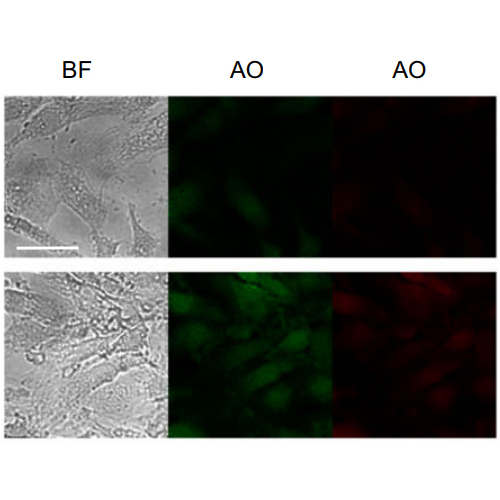
1. Working Solution: Dilute Acridine Orange hydrochloride stock in serum-free medium or PBS to a final concentration of 1-10 μM or 2-5 μg/mL.
2. Incubation: Incubate cells for 15-30 min at 37 ℃.
3. Washing: Wash cells twice with pre-warmed PBS.
4. Visualization: Observe immediately using a fluorescent microscope (Excitation ≈ 488 nm, Green emission for DNA, Red/Orange for RNA/acidic vesicles).
MedChemExpress (MCE) has not independently confirmed the accuracy of these methods. They are for reference only. .
In Vivo
MedChemExpress (MCE) has not independently confirmed the accuracy of these methods. They are for reference only.
Dyeing Example



Chemical Information
-
CAS No. 65-61-2
-
Appearance Solid
-
Molecular Weight 301.82
-
Formula C17H20ClN3
-
Color Brown to red
-
SMILES
CN(C)C1=CC=C2C(N=C3C=C(N(C)C)C=CC3=C2)=C1.[H]Cl
-
Shipping
Room temperature in continental US; may vary elsewhere.
-
Storage
4°C, protect from light, stored under nitrogen
* In solvent : -80°C, 2 years; -20°C, 1 year (protect from light, stored under nitrogen)


Publications (44)
-
Journal Impact Factor
-
Most Recent
-
Signal Transduct Target Ther
2025 Mar 19;10(1):94. PMID: 40102383 -
Cell Mol Immunol
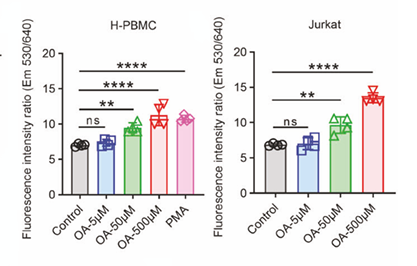
GLP1 alleviates oleic acid-propelled lipocalin-2 generation by tumor-infiltrating CD8+ T cells to reduce polymorphonuclear MDSC recruitment and enhances viral immunotherapy in pancreatic cancer. [Abstract]2025 Mar;22(3):282-299. PMID: 39910336
Acridine Orange hydrochloride purchased from MedChemExpress. Usage Cited in: Cell Mol Immunol. 2025 Mar;22(3):282-299. [Abstract]
Human PBMCs (H-PBMCs) and Jurkat cells were treated with OA (5, 50, or 500 μM) or 200 ng/mL PMA for 24 hours, after which the cells were stained with acridine orange (AO).
-
-
Nat Commun
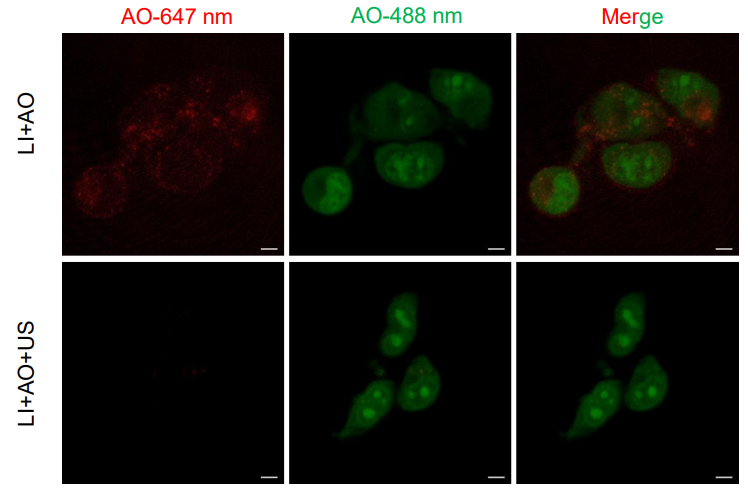
Ultrasound-responsive low-dose doxorubicin liposomes trigger mitochondrial DNA release and activate cGAS-STING-mediated antitumour immunity. [Abstract]2023 Jun 30;14(1):3877. PMID: 37391428
Acridine Orange hydrochloride purchased from MedChemExpress. Usage Cited in: Nat Commun. 2023 Jun 30;14(1):3877. [Abstract]
Acridine Orange (AO, 5 μM) was added immediately after the ultrasound treatment and was incubated for 30 min at 37°C before confocal microscopy.
-
J Adv Res
Hyperuricemia increases susceptibility to chronic kidney injury exacerbation via autophagic flux blockade-mediated ammonia death pathway. [Abstract]2025 Nov 7:S2090-1232(25)00877-X. PMID: 41205802 -
Acta Pharm Sin B
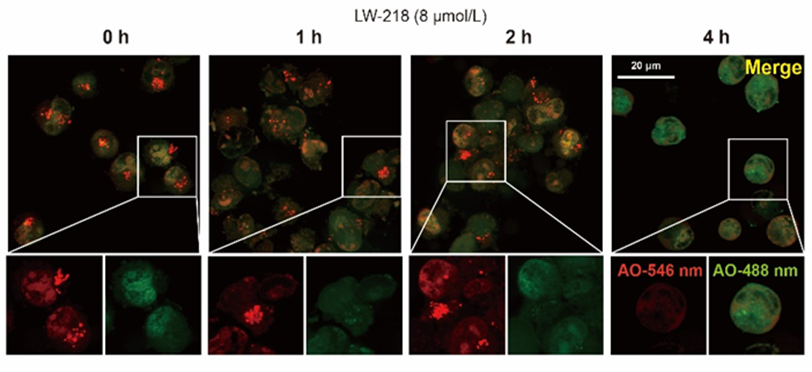
Cholesterol-associated lysosomal disorder triggers cell death of hematological malignancy: Dynamic analysis on cytotoxic effects of LW-218. [Abstract]2021 Oct;11(10):3178-3192. PMID: 34729308
Acridine Orange hydrochloride purchased from MedChemExpress. Usage Cited in: Acta Pharm Sin B. 2021 Oct;11(10):3178-3192. [Abstract]
The Jurkat cells were treated with LW-218 (8 μmol/L) for 0, 1, 2, and 4 h. Before collecting, the cells were stained with 5 μmol/L Acridine Orange hydrochloride solution for 15 min.
-
Adv Sci (Weinh)
Methuosis Inducer SGI-1027 Cooperates with Everolimus to Promote Apoptosis and Pyroptosis by Triggering Lysosomal Membrane Permeability in Renal Cancer. [Abstract]2024 Oct;11(38):e2404693. PMID: 39119834 -
Biomaterials
Infected microenvironment responsive nanoprodrug for the specific therapeutics of Helicobacter pylori clearance. [Abstract]2025 Dec:323:123415. PMID: 40411983 -
J Control Release
Acid neutralization and metal-phenolic nanomedicine on-demand release microspheres for reversing cartilage degeneration. [Abstract]2026 Feb 10:390:114523. PMID: 41397492 -
J Control Release
An immunostimulatory liponanogel reveals immune activation-enhanced drug delivery and therapeutic efficacy in cancer. [Abstract]2024 Dec:376:167-183. PMID: 39384154 -
Pharmacol Res
Lysosome-triggered nanotherapy packages osteoclast apoptotic bodies with pro-anabolic lipids to couple anti-resorption and bone formation. [Abstract]2026 Apr 30:108225. PMID: 42069319 -
Cell Death Dis
FV-429 induces autophagy blockage and lysosome-dependent cell death of T-cell malignancies via lysosomal dysregulation. [Abstract]2021 Jan 13;12(1):80. PMID: 33441536
Acridine Orange hydrochloride purchased from MedChemExpress. Usage Cited in: Cell Death Dis. 2021 Jan 13;12(1):80. [Abstract]
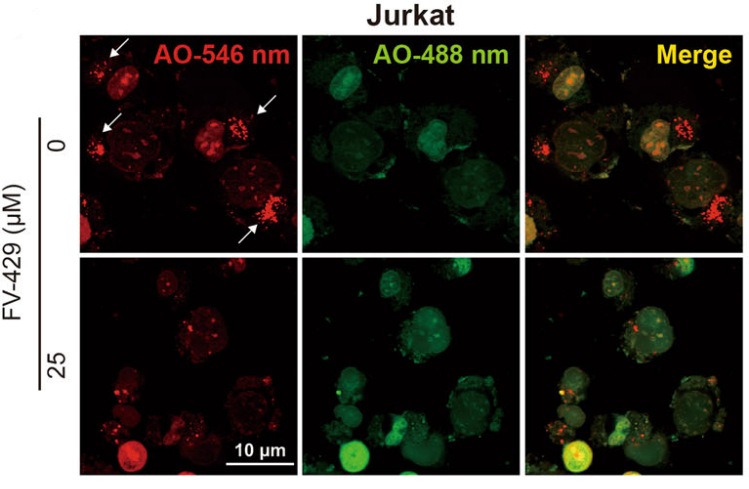
The Jurkat cells treated with 25 μM FV-429 for 12 h were stained with Acridine Orange hydrochloride (AO, 5 μM; 15 min) before collection, and the AO fluorescence was determined by a laser confocal microscope. Scale bar: 10 μm.
Acridine Orange hydrochloride purchased from MedChemExpress. Usage Cited in: Cell Death Dis. 2021 Jan 13;12(1):80. [Abstract]
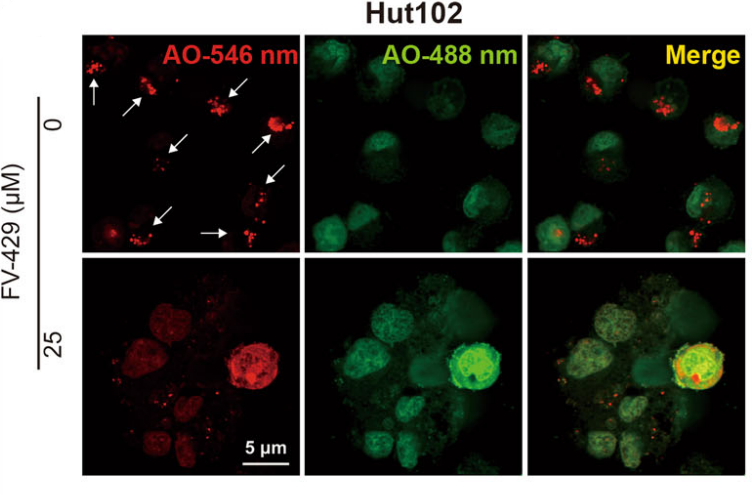
The Jurkat and Hut102 cells treated with 25 μM FV-429 for 12 h were stained with Acridine Orange hydrochloride (AO, 5 μM; 15 min) staining before collecting, and the AO fluorescences were determined by laser confocal microscope. Scale bar: 5 μm.
-
Cell Death Dis
ω-6 Polyunsaturated fatty acids (linoleic acid) activate both autophagy and antioxidation in a synergistic feedback loop via TOR-dependent and TOR-independent signaling pathways. [Abstract]2020 Jul 30;11(7):607. PMID: 32732901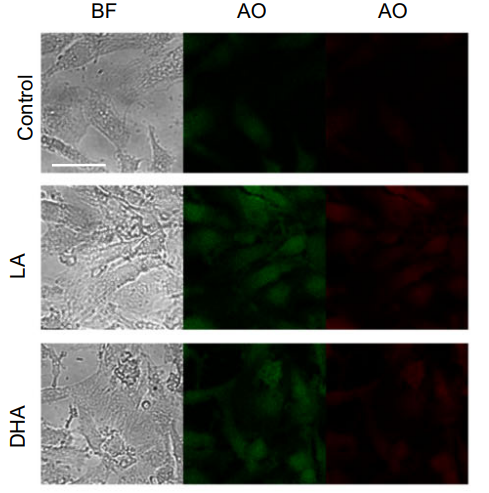
Acridine Orange hydrochloride purchased from MedChemExpress. Usage Cited in: Cell Death Dis. 2020 Jul 30;11(7):607. [Abstract]
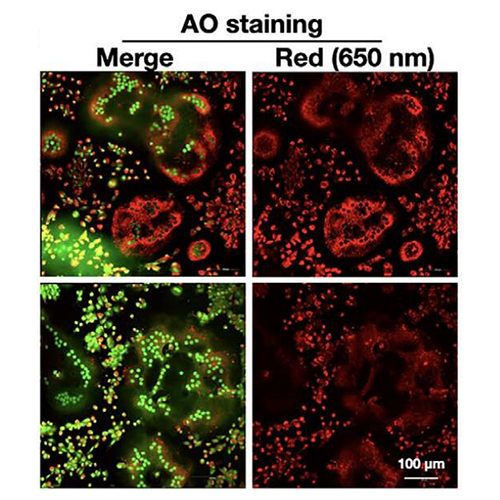
Depending on the acidity, Acridine Orange hydrochloride (AO) causes autophagic lysosomes to appear as orange/red fluorescent vesicles, while it caused nuclei to appear green. AO staining demonstrates that LA dose-dependently increased the numbers of intracellular acidic compartments.
-
-
J Transl Med
Targeting C5AR1 disrupts complement-driven G0-phase maintenance and overcomes metabolic drug resistance in glioma. [Abstract]2026 May 22. PMID: 42174621 -
Int J Mol Med
Casticin suppresses RANKL‑induced osteoclastogenesis and prevents ovariectomy‑induced bone loss by regulating the AKT/ERK and NF‑κB signaling pathways. [Abstract]2023 May;51(5):43. PMID: 37052260 -
Free Radic Biol Med
Phosphatidylethanolamine alleviates OX-LDL-induced macrophage inflammation by upregulating autophagy and inhibiting NLRP1 inflammasome activation. [Abstract]2023 Nov 1:208:402-417. PMID: 37660837 -
Clin Transl Med
Targeting lysosomal HSP70 induces acid sphingomyelinase-mediated disturbance of lipid metabolism and leads to cell death in T cell malignancies. [Abstract]2023 Mar;13(3):e1229. PMID: 36959764 -
ACS Appl Mater Interfaces
DNA Logic Gate-Triggered Membrane Fusion for Accurately Detecting and Killing Cancer Cells. [Abstract]2025 Feb 19;17(7):10446-10456. PMID: 39907089 -
Cell Rep
HRD1 negatively regulates autolysosome formation by inhibiting liquid-liquid phase separation of SNAP29. [Abstract]2026 Feb 24;45(2):116914. PMID: 41615796 -
Cell Prolif
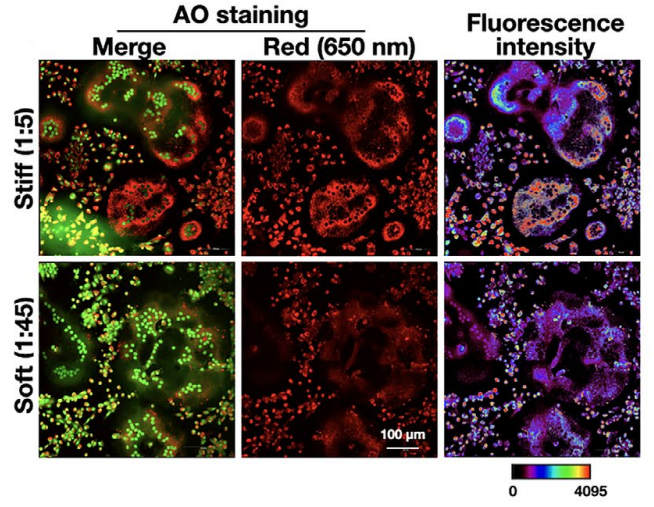
Substrate stiffness regulates the differentiation profile and functions of osteoclasts via cytoskeletal arrangement. [Abstract]2022 Jan;55(1):e13172. PMID: 34953003
Acridine Orange hydrochloride purchased from MedChemExpress. Usage Cited in: Cell Prolif. 2022 Jan;55(1):e13172. [Abstract]
CLSM images of acridine orange (AO)-stained osteoclasts cultured on PDMS substrates were taken; the cells were stained with 1 μM AO at 37°C for 20 min.
-
Anal Chem
Vesicular Stomatitis Virus Glycoprotein- and Lentiviral RNA-Based Robust Approach for Rapid and Accurate Quantification of Viable Lentiviral Vectors. [Abstract]2025 Jul 15;97(27):14512-14520. PMID: 40600817 -
Environ Pollut
ERα-mediated endoplasmic reticulum stress drives 4-tert-octylphenol-induced cardiac developmental toxicity in zebrafish. [Abstract]2026 Apr 15:395:127832. PMID: 41713771 -
Eur J Med Chem
Rationally designed febuxostat-based hydroxamic acid and its pH-Responsive nanoformulation elicits anti-tumor activity. [Abstract]2024 Dec 5:279:116866. PMID: 39293244 -
Eur J Med Chem
Leveraging a rationally designed veliparib-based anilide eliciting anti-leukemic effects for the design of pH-responsive polymer nanoformulation. [Abstract]2024 Jul 5:273:116507. PMID: 38776806 -
Ecotoxicol Environ Saf
Bisphenol F disrupts lipophagy and lysosomal acidification via ATGL-SIRT1-PPARα signaling in NAFLD-like hepatic changes. [Abstract]2025 Sep 15:303:119000. PMID: 40907412 -
Pharmaceuticals (Basel)
The Effects of Frondanol, a Non-Polar Extract of the Atlantic Sea Cucumber, in Colon Cancer Cells. [Abstract]2025 Nov 11;18(11):1714. PMID: 41304959 -
Int J Mol Sci
The Properties of Linezolid, Rifampicin, and Vancomycin, as Well as the Mechanism of Action of Pentamidine, Determine Their Synergy against Gram-Negative Bacteria. [Abstract]2023 Sep 7;24(18):13812. PMID: 37762115 -
Invest Ophthalmol Vis Sci
HMGB1 Promotes Lysosome-Dependent Cell Death Induced Via Dry Eye by Disrupting Lysosomal Homeostasis. [Abstract]2025 Feb 3;66(2):5. PMID: 39903181 -
Chem Biol Interact
Thalidezine triggers Cathepsin B-mediated cell death in T-cell lymphoma by disrupting lysosomal function. [Abstract]2026 Mar 25:427:111932. PMID: 41570971 -
Chem Biol Interact
Cyflumetofen disrupts the blood-brain barrier and induces neurotoxicity in zebrafish larvae. [Abstract]2026 Mar 1:426:111911. PMID: 41539556 -
J Nutr Biochem
2025 Aug 20:110082. PMID: 40845949 -
Antiviral Res
Salinomycin inhibits orthopoxvirus infection in vitro and in vivo by blocking endosomal acidification. [Abstract]2026 May:249:106403. PMID: 41941992 -
FASEB J
Interaction Between Activating Transcription Factor 4 and Interleukin 6 Dictates Osteoclast Differentiation and Activity. [Abstract]2025 Dec 31;39(24):e71372. PMID: 41420529 -
Cell Stress Chaperones
The role of Atp2a2-mediated calcium imbalance and endoplasmic reticulum stress in hydrocortisone-induced neurotoxicity. [Abstract]2025 Sep 17:100112. PMID: 40972936 -
Microbiol Spectr
When Combined with Pentamidine, Originally Ineffective Linezolid Becomes Active in Carbapenem-Resistant Enterobacteriaceae. [Abstract]2023 Jun 15;11(3):e0313822. PMID: 37125928 -
Neurotoxicology
Lysosomal dysfunction contributes to lead (Pb) and high-fat diet (HFD)-induced neuronal apoptosis: A link with cathepsin B. [Abstract]2026 Apr 28:103462. PMID: 42061594 -
J Dent Sci
3,4-methylenedioxymethamphetamine induces reactive oxygen species-mediated autophagy and thioredoxin-interactive protein/nucleotide-binding domain, leucine-rich containing family, pyrin domain-containing-3 inflammasome activation in dental pulp stem cells. [Abstract]2025 Jul;20(3):1782-1791. PMID: 40654447 -
STAR Protoc
Protocol for detecting lysosome quantity and membrane permeability in acute myeloid leukemia cell lines. [Abstract]2024 Sep 12;5(3):103309. PMID: 39269898 -
-
Environ Toxicol
Autophagy blockage and lysosomal dysfunction are involved in diallyl sulfide-induced inhibition of malignant growth in hepatocellular carcinoma cells. [Abstract]2023 Sep;38(9):2100-2110. PMID: 37209385 -
Chemosphere
Rab7a-mTORC1 signaling-mediated cholesterol trafficking from the lysosome to mitochondria ameliorates hepatic lipotoxicity induced by aflatoxin B1 exposure. [Abstract]2023 Apr:320:138071. PMID: 36754296 -
-


Solvent & Solubility
In Vitro:
H2O : 50 mg/mL (165.66 mM; ultrasonic and heat to 60°C)
DMSO : 25 mg/mL (82.83 mM; Need ultrasonic; Hygroscopic DMSO has a significant impact on the solubility of product, please use newly opened DMSO)
Please refer to the solubility information to select the appropriate solvent. Once prepared, please aliquot and store the solution to prevent product inactivation from repeated freeze-thaw cycles.
Storage method and period of stock solution: -80°C, 2 years; -20°C, 1 year (protect from light, stored under nitrogen). When stored at -80°C, please use it within 2 years. When stored at -20°C, please use it within 1 year.
* Note: If you choose water as the stock solution, please dilute it to the working solution, then filter and sterilize it with a 0.22 μm filter before use.
Please refer to the solubility information to select the appropriate solvent. Once prepared, please aliquot and store the solution to prevent product inactivation from repeated freeze-thaw cycles.
Storage method and period of stock solution: -80°C, 2 years; -20°C, 1 year (protect from light, stored under nitrogen). When stored at -80°C, please use it within 2 years. When stored at -20°C, please use it within 1 year.
* Note: If you choose water as the stock solution, please dilute it to the working solution, then filter and sterilize it with a 0.22 μm filter before use.
Concentration (start) × Volume (start) = Concentration (final) × Volume (final)


Purity & Documentation
-
Data Sheet (275 KB)
-
SDS (418 KB)
- English - EN (418 KB)
- Français - FR (418 KB)
- Deutsch - DE (418 KB)
- Norwegian - NO (418 KB)
- Español - ES (418 KB)
- Swedish - SV (418 KB)
- Italian - IT (418 KB)
- Korean - KR (418 KB)
- Portuguese - PT (418 KB)
-
Handling Instructions (2659 KB)
References
[1]. McMaster GK, et al. Analysis of single- and double-stranded nucleic acids on polyacrylamide and agarosegels by using glyoxal and acridine orange. Proc Natl Acad Sci U S A. 1977 Nov;74(11):4835-8. [Content Brief]
[2]. Traganos F, et al. Simultaneous staining of ribonucleic and deoxyribonucleic acids in unfixed cells using acridine orange in a flow cytofluorometric system. J Histochem Cytochem. 1977 Jan;25(1):46-56. [Content Brief]
[3]. Byvaltsev VA, et al. Acridine Orange: A Review of Novel Applications for Surgical Cancer Imaging and Therapy. Front Oncol. 2019 Sep 24;9:925. [Content Brief]
[4]. Wang Q, et al. Substrate stiffness regulates the differentiation profile and functions of osteoclasts via cytoskeletal arrangement. Cell Prolif. 2022 Jan;55(1):e13172. [Content Brief]


Complete Stock Solution Preparation Table
Please refer to the solubility information to select the appropriate solvent. Once prepared, please aliquot and store the solution to prevent product inactivation from repeated freeze-thaw cycles.
Storage method and period of stock solution: -80°C, 2 years; -20°C, 1 year (protect from light, stored under nitrogen). When stored at -80°C, please use it within 2 years. When stored at -20°C, please use it within 1 year.
| Optional Solvent | Concentration Solvent Mass | 1 mg | 5 mg | 10 mg | 25 mg |
|---|---|---|---|---|---|
| DMSO / H2O | 1 mM | 3.3132 mL | 16.5662 mL | 33.1323 mL | 82.8308 mL |
| 5 mM | 0.6626 mL | 3.3132 mL | 6.6265 mL | 16.5662 mL | |
| 10 mM | 0.3313 mL | 1.6566 mL | 3.3132 mL | 8.2831 mL | |
| 15 mM | 0.2209 mL | 1.1044 mL | 2.2088 mL | 5.5221 mL | |
| 20 mM | 0.1657 mL | 0.8283 mL | 1.6566 mL | 4.1415 mL | |
| 25 mM | 0.1325 mL | 0.6626 mL | 1.3253 mL | 3.3132 mL | |
| 30 mM | 0.1104 mL | 0.5522 mL | 1.1044 mL | 2.7610 mL | |
| 40 mM | 0.0828 mL | 0.4142 mL | 0.8283 mL | 2.0708 mL | |
| 50 mM | 0.0663 mL | 0.3313 mL | 0.6626 mL | 1.6566 mL | |
| 60 mM | 0.0552 mL | 0.2761 mL | 0.5522 mL | 1.3805 mL | |
| 80 mM | 0.0414 mL | 0.2071 mL | 0.4142 mL | 1.0354 mL | |
| H2O | 100 mM | 0.0331 mL | 0.1657 mL | 0.3313 mL | 0.8283 mL |
* Note: If you choose water as the stock solution, please dilute it to the working solution, then filter and sterilize it with a 0.22 μm filter before use.


Acridine Orange hydrochloride Related Classifications
HY-101879 Related Classifications
 Powered by Bioz