Search Result
Results for "
517
" in MedChemExpress (MCE) Product Catalog:
1
Biochemical Assay Reagents
| Cat. No. |
Product Name |
Target |
Research Areas |
Chemical Structure |
-
- HY-10634
-
-
-
- HY-157941
-
|
|
ATM/ATR
Checkpoint Kinase (Chk)
DNA/RNA Synthesis
|
Cancer
|
|
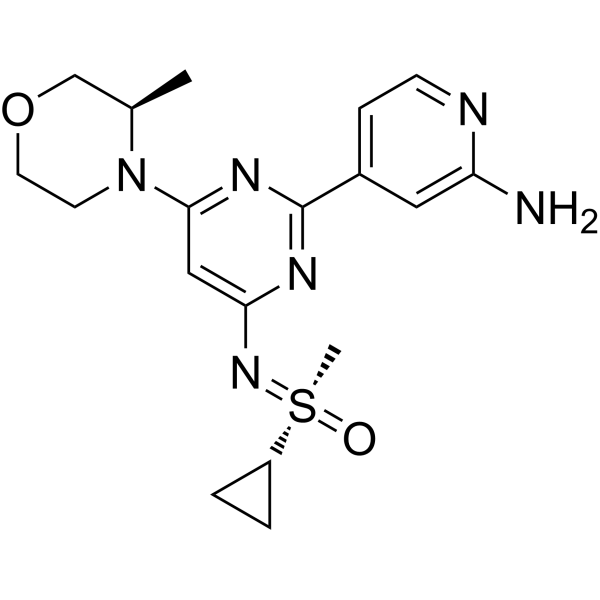
ART0380 is a potent, selective and orally active ATR kinase inhibitor. ART0380 potently inhibits human ATR-ATRIP complex with an IC50 of 51.7 nM. ART0380 binds the ATP pocket of the ATR-ATRIP complex, blocks ATR-dependent Chk1 serine 345 phosphorylation, and induces cell cycle disorder and DNA damage. ART0380 demonstrates potent and selective antitumor activity in preclinical models with varying types of ataxia-telangiectasia mutated (ATM) gene aberrancy. ART0380 can be used for the research of cancer, such as colorectal cancer and prostate cancer .
|
-
-
- HY-156682
-
|
|
Amino acid Transporter
|
Metabolic Disease
|
|
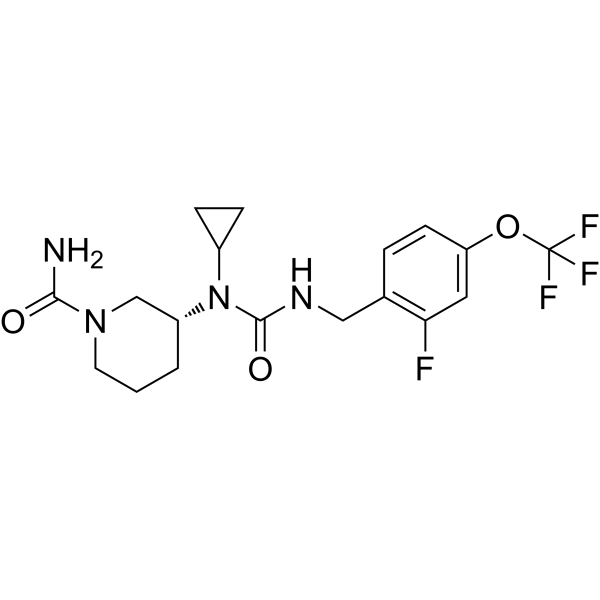
JNT-517 is an orally active, selective SLC6A19 allosteric inhibitor with an IC50 of 47 nM for human SLC6A19. JNT-517 can be used for the study of phenylketonuria (PKU) .
|
-
-
- HY-D1314
-
|
6-FAM azide
|
Fluorescent Dye
|
Others
|
|
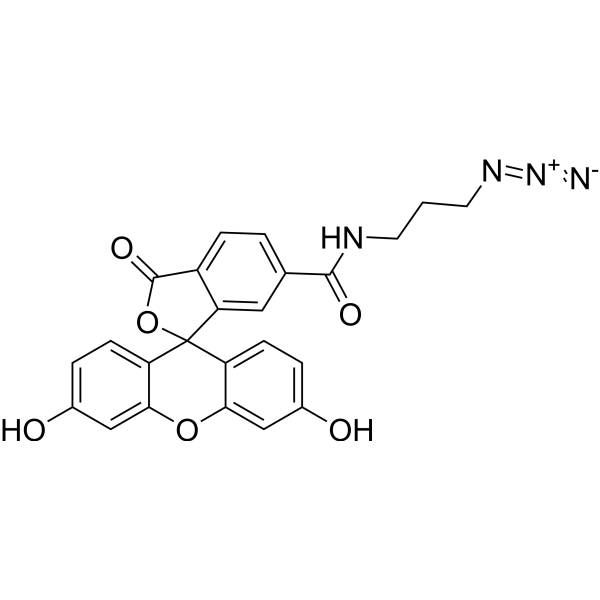
FAM azide, 6-isomer (6-FAM azide) is a 6-carboxyfluorescein derivative with an azide functional group and coupling partner in copper-catalyzed azide-alkyne cycloaddition. FAM azide, 6-isomer participates in synthesis of fluorescently tagged disparlure enantiomers for pheromone-binding protein binding assays. FAM azide, 6-isomer is widely used for labeling oligonucleotides (Ex/Em = 493/517 nm) .
|
-
-
- HY-P991204
-
|
ARX517 antibody
|
PSMA
|
Cancer
|
|
Anti-PSMA Antibody (ARX517 antibody) is a humanized IgG1 monoclonal antibody that targets PSMA. Anti-PSMA Antibody is the antibody part of the ADC molecule ARX517. Recommend Isotype Controls: Human IgG1 kappa, Isotype Control (HY-P99001) .
|
-

-
- HY-D0056
-
|
|
Fluorescent Dye
|
Others
|
|
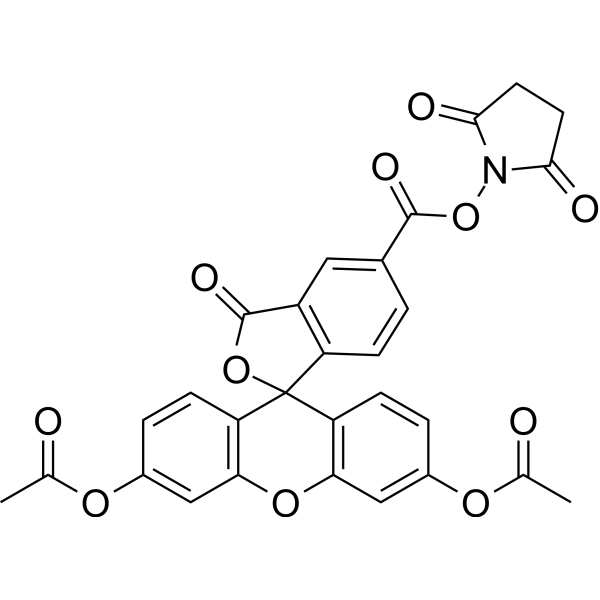
5-Carboxyfluorescein diacetate N-succinimidyl ester is a cell permeable dye (Ex=492 nm, Em=517 nm). 5-Carboxyfluorescein diacetate N-succinimidyl ester can label cells by covalently binding to intracellular molecules. 5-Carboxyfluorescein diacetate N-succinimidyl ester is used to track lymphocyte migration and proliferation .
|
-
-
- HY-13842
-
BX517
2 Publications Verification
|
PDK-1
|
Cancer
|
|
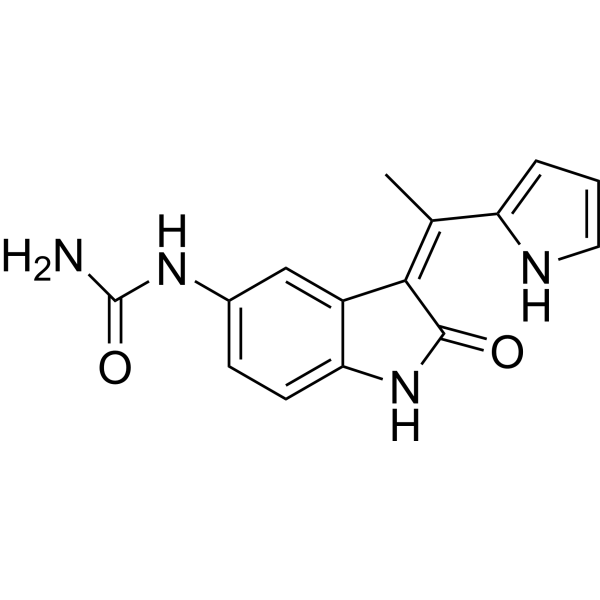
BX517 is a potent and selective inhibitor of PDK1 with IC50 of 6 nM.
|
-
-
- HY-12927
-
|
|
CXCR
|
Inflammation/Immunology
|
|
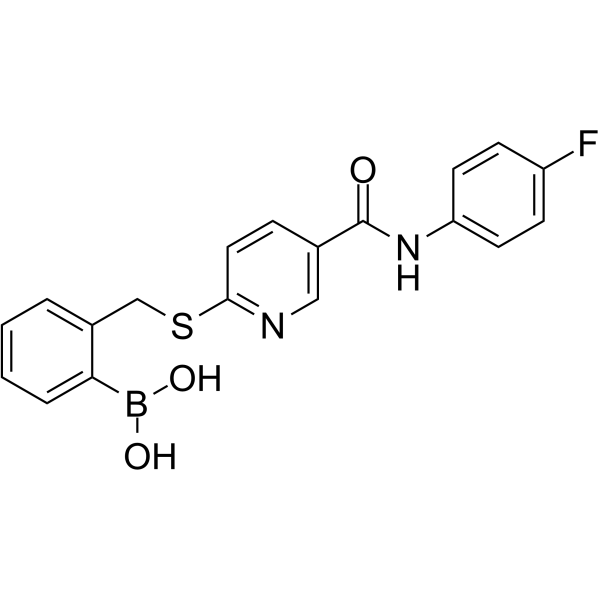
SX-517 is a dual CXCR2/1 antagonist, containing boronic acid. SX-517 inhibits CXCL1-induced Ca 2+ flux (IC50=38 nM), and antagonizes CXCL8-induced [(35)S]GTPγS binding (IC50=60 nM) and ERK1/2 phosphorylation. SX-517 has significant ability for inflammation suppression, in both humanized polymorphonuclear (PMN) cells and in murine model .
|
-
-
- HY-12747
-
DC_517
2 Publications Verification
|
DNA Methyltransferase
|
Cancer
|
|
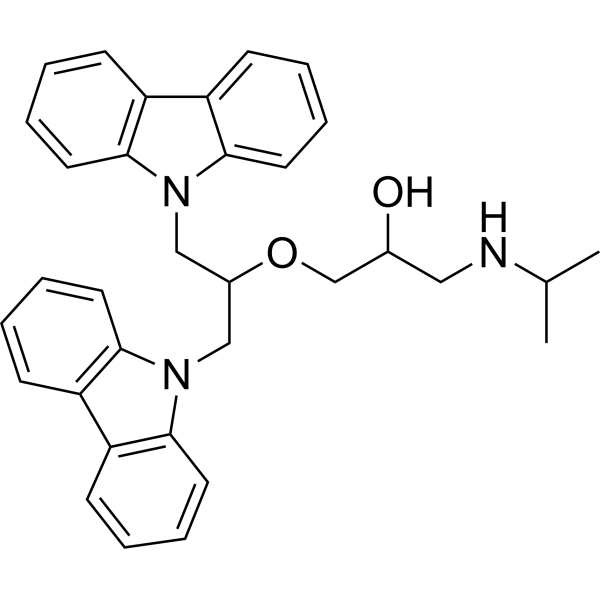
DC_517 is a DNA methyltransferase 1 (DNMT1) inhibitor, with an IC50 and a Kd of 1.7 μM and 0.91 μM, respectively.
|
-
-
- HY-131008
-
|
|
Fluorescent Dye
|
Others
|
|
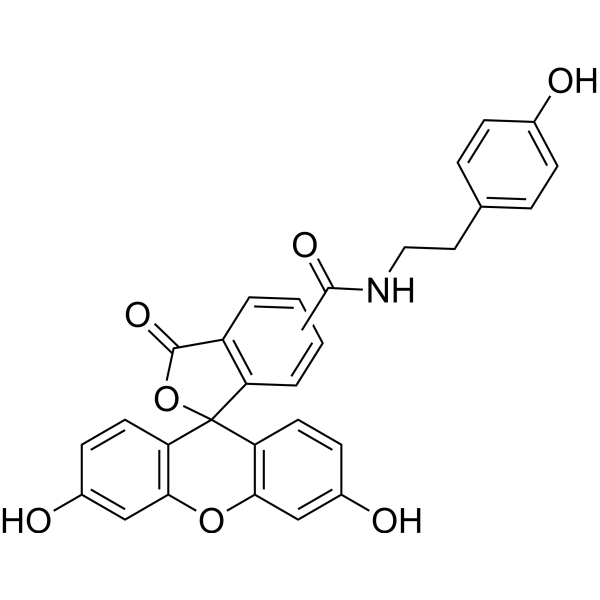
Fluorescein tyramide is a green fluorescent reagent (λabs: 494 nm; λem: 517 nm). Fluorescein tyramide is widely used for tyramide signal amplification (TSA) with a low-abundance in IHC, ICC, in situ hybridization (FISH) and flow cytometry (FCM) applications .
|
-
-
- HY-160005
-
|
NSC 781517
|
Topoisomerase
DNA/RNA Synthesis
|
Cancer
|
|
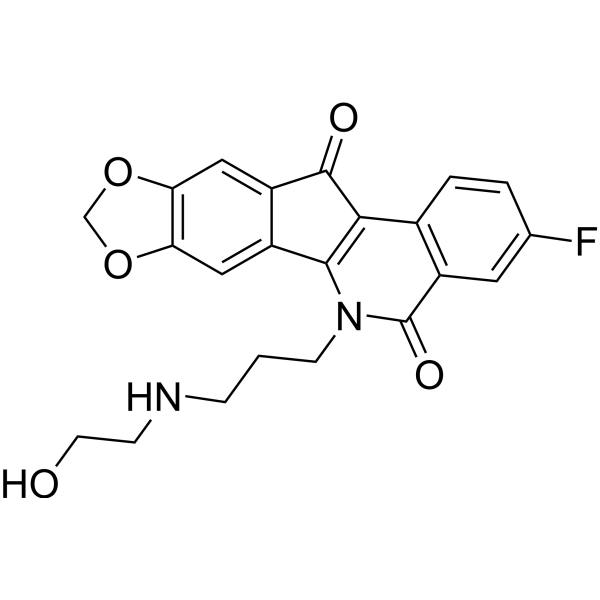
LMP517 (NSC 781517) is a potent and non-camptothecin Topoisomerase I and II (TOP1 and TOP2) dual inhibitor. LMP517 can induce TOP1 and TOP2 cleavage complexes (TOP1ccs and TOP2ccs). LMP517 can induce cancer cells DNA damage and γH2AX production. LMP517 can be used for the research of cancer, such as small cell lung cancer .
|
-
-
- HY-W009384
-
-
-
- HY-146814
-
|
|
Filovirus
|
Infection
|
|
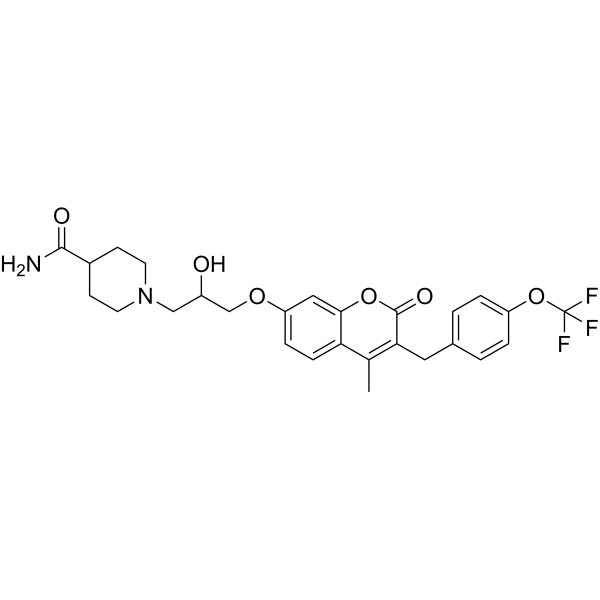
EBOV/MARV-IN-3 (compound 32) is a potent EBOV and MARV inhibitor with IC50 values of 0.5, 1.2 µM, respectively. EBOV/MARV-IN-3 binds to the hydrophobic pocket close to EBOV Y517. EBOV/MARV-IN-3 shows antiviral activity .
|
-
-
- HY-P2360
-
|
Ras 5-17
|
Ras
|
Others
|
|
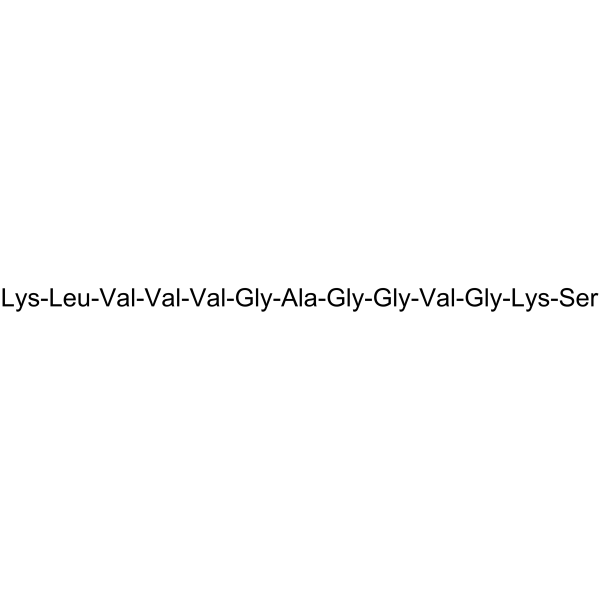
G12 (Ras 5-17) is a wild-type Ras peptide consisted of amino acids 5-17 (KLVVVGAGGVGKS). G12 can be used as a control of mutant Ras peptides studies (such V12) .
|
-
-
- HY-P1905
-
|
|
GnRH Receptor
|
Endocrinology
|
|
[Gln8]-C517 (LH-RH), chicken is an avian hypothalamic peptide, which stimulates release of gonadotropins from anterior pituitary, thus regulating reproductive functions.
|
-
![[Gln8]-C517 (LH-RH), chicken](//file.medchemexpress.com/product_pic/hy-p1905.gif)
-
- HY-114575
-
-

-
- HY-129558
-
|
|
HCV
|
Infection
Cancer
|
|
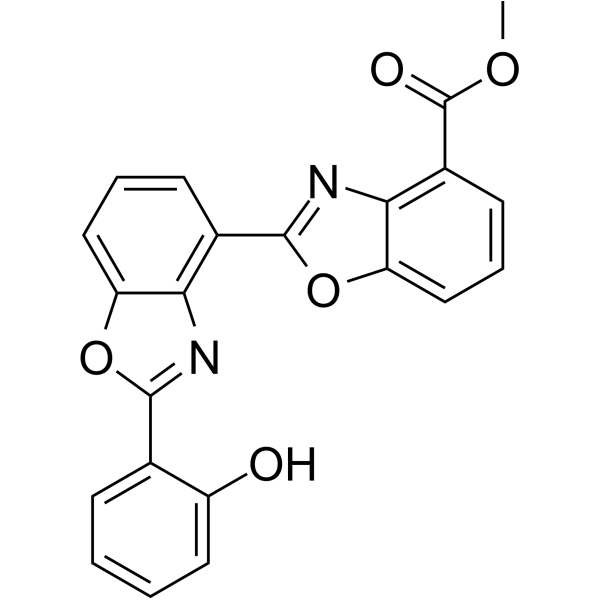
UK-1 is a cytotoxic metabolite from Streptomyces sp. 517-02 and exerts a wide spectrum of potent anticancer activities . UK-1 also inhibits HCV replication .
|
-
-
- HY-10634R
-
|
|
Reference Standards
TRP Channel
|
Neurological Disease
|
|
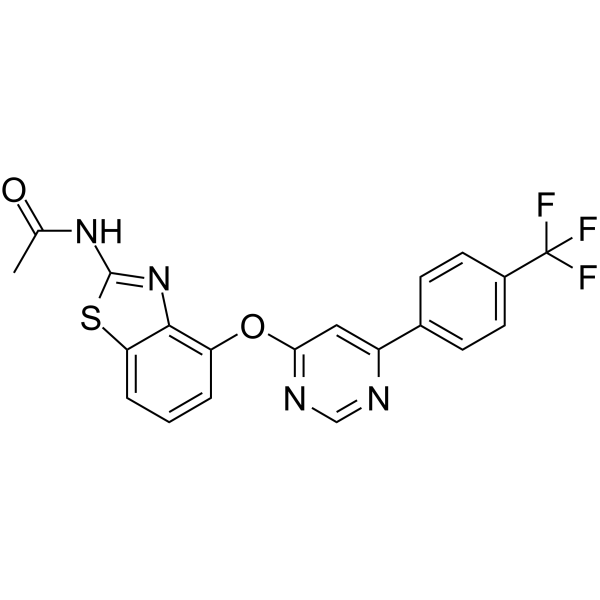
AMG 517 (Standard) is the analytical standard of AMG 517. This product is intended for research and analytical applications. AMG 517 is a potent and selective vanilloid receptor-1 (TRPV1) antagonist with an IC50 of 0.5 nM.
|
-

-
- HY-P2360A
-
|
Ras 5-17 TFA
|
Ras
|
Others
|
|
G12 (Ras 5-17) TFA is a wild-type Ras peptide consisted of amino acids 5-17 (KLVVVGAGGVGKS). G12 TFA can be used as a control of mutant Ras peptides studies (such V12) .
|
-

-
- HY-R01557
-
|
|
MicroRNA
|
Cancer
|
|
hsa-miR-517-5p mimics are small, chemically synthesized double-stranded RNAs that mimic endogenous miRNAs and enable miRNA functional analysis by up-regulation of miRNA activity.
|
-
hsa-miR-517-5p mimic
hsa-miR-517-5p mimic
-
- HY-D1688
-
|
|
Fluorescent Dye
|
Others
|
|
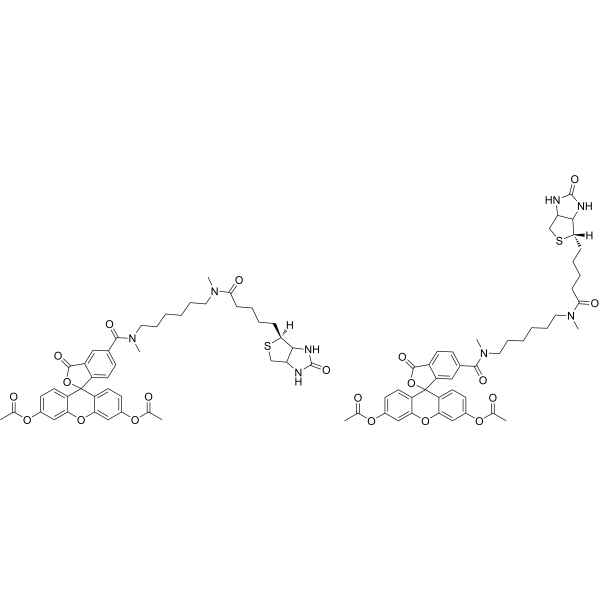
Flubida-2 is a cell permeable dye which can be hydrolyzed to Fubi-2 by endoesterases in cells (after hydrolysis, Ex=492 nm, Em=517 nm). Flubida-2 can be used to detect pH at a specific site in a cell organelle by directing the probe to where avidin fusion proteins are located .
|
-
-
- HY-P1593
-
-

-
- HY-P1593A
-
-

-
- HY-173269
-
|
|
5-HT Receptor
|
Others
|
|
5-HT2A receptor agonist-7 (517) is a 5-HT2A modulator, with an EC50 of <100 nM .
|
-

-
- HY-155183
-
|
|
Adenosine Receptor
|
Inflammation/Immunology
Cancer
|
|
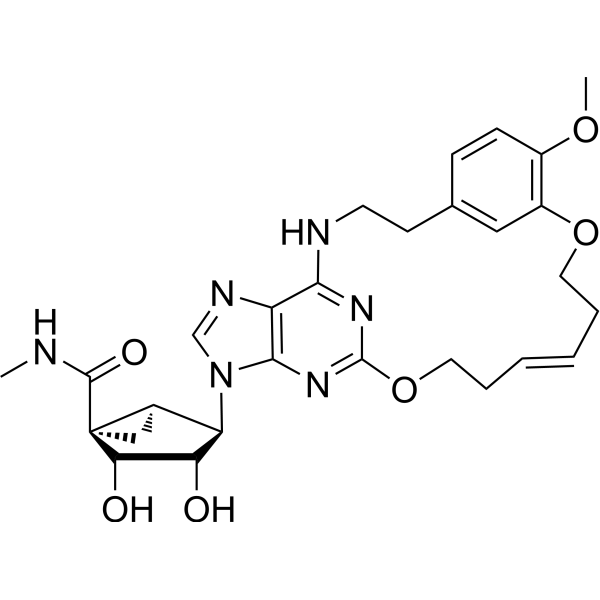
A3AR agonist 1 (Compound 12) is an A3AR agonist (Ki: 25.8 nM). A3AR agonist 1 stimulates β-arrestin2 recruitment, with an EC50 value of 5.17 nM. A3AR agonist 1 can be used for research of inflammatory diseases, ischemia, cancer, neuropathic pain, liver diseases, etc .
|
-
-
- HY-175588
-
|
|
EGFR
Apoptosis
Bcl-2 Family
|
Cancer
|
|
EGFR-IN-170 (Compound 5c) is an EGFR inhibitor with an IC50 of 5.17 μM. EGFR-IN-170 induces apoptosis by inhibiting Bcl2 expression and activating Bax expression with a significantly increased ratio of Bax/Bcl2. EGFR-IN-170 has potent anticancer activity and inhibits the cell growth of resistant lung cancer cells .
|
-

-
- HY-164417
-
|
|
Potassium Channel
|
Neurological Disease
|
|
Kv7.2/Kv7.3 activator-1 (compound 517) is a potent Kv7.2/Kv7.3 channel activator with an EC50 value of <1 µM. Kv7.2/Kv7.3 activator-1 has the potential for the research of neurological diseases .
|
-

-
- HY-168070
-
|
|
COX
NF-κB
NO Synthase
|
Inflammation/Immunology
|
|
COX-2-IN-48 (5-25), a COX-2 inhibitor with an IC50 of 51.7 nM for human COX-2, exerts anti-inflammatory and analgesic effects in various rodent models by inhibiting NF-κB pathway. COX-2-IN-48 (5-25) inhibits the degradation of IκB, the phosphorylation and nuclear translocation of NF-κB p65, and the expression of COX-2 and iNOS .
|
-

-
- HY-125881
-
|
|
LPL Receptor
|
Inflammation/Immunology
|
|
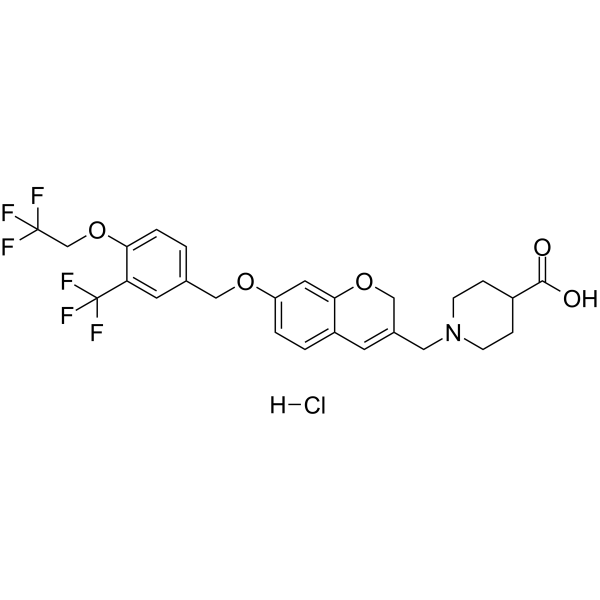
ASP1126 is a selective and orally active sphingosine-1-phosphate (S1P) agonist, with EC50 values of 7.12 nM, 517 nM for hS1P1 and hS1P3, respectively. ASP1126 decreases the number of peripheral lymphocytes, naive T cells, central memory T cells and effector memory T cells in the peripheral blood. ASP1126 has the potential to be applied in clinical transplantation with improved safety profile .
|
-
-
- HY-W952988
-
|
|
Ligands for E3 Ligase
|
Cancer
|
|
CRBN ligand-517 is an E3 ubiquitin ligase cereblon (CRBN) ligand used to recruit the cereblon protein. CRBN ligand-517 can be linked to a target protein ligand via a linker to form a PROTAC.
|
-

-
- HY-R01558
-
|
|
MicroRNA
|
Cancer
|
|
hsa-miR-517a-3p mimics are small, chemically synthesized double-stranded RNAs that mimic endogenous miRNAs and enable miRNA functional analysis by up-regulation of miRNA activity.
|
-
hsa-miR-517a-3p mimic
hsa-miR-517a-3p mimic
-
- HY-RI01558
-
|
|
MicroRNA
|
Cancer
|
|
hsa-miR-517a-3p inhibitors are chemically-modified oligonucleotides that hybridize with mature miRNAs. The miRNA inhibitors have full-length nucleotide 2'-methoxy modification. The miRNA inhibitors strongly compete with mature miRNAs to prevent the complementary pairing of miRNAs and their target genes, thereby inhibiting miRNAs from functioning.
|
-
hsa-miR-517a-3p inhibitor
hsa-miR-517a-3p inhibitor
-
- HY-R01558A
-
|
|
MicroRNA
|
Cancer
|
|
hsa-miR-517a-3p agomirs are chemically-modified double-strand miRNA mimics with modified mature miRNA strand: 2 phosphorothioates at the 5' end, 4 phosphorothioates at the 3' end, 3' end cholesterol group, and full-length nucleotide 2'-methoxy modification. They are designed to mimic endogenous miRNAs and recommended for miRNA functional studies. Compared with miRNA mimics, they exhibits enhanced cellular uptake, stability and regulatory activity in vivo.
|
-
hsa-miR-517a-3p agomir
hsa-miR-517a-3p agomir
-
- HY-RI01558A
-
|
|
MicroRNA
|
Cancer
|
|
hsa-miR-517a-3p antagomirs are chemically-modified oligonucleotides that hybridize with mature miRNAs. The miRNA antagomirs have 2 phosphorothioates at the 5' end, 4 phosphorothioates at the 3' end, 1 cholesterol group at the 3' end, and full-length nucleotide 2'-methoxy modification. The miRNA antagomirs strongly compete with mature miRNAs to prevent the complementary pairing of miRNAs and their target genes, thereby inhibiting miRNAs from functioning. Stability of miRNA antagomirs appears to be significantly higher than miRNA inhibitors, they exhibits enhanced cellular uptake, stability and regulatory activity in vivo.
|
-
hsa-miR-517a-3p antagomir
hsa-miR-517a-3p antagomir
-
- HY-RI01557
-
|
|
MicroRNA
|
Cancer
|
|
hsa-miR-517-5p inhibitors are chemically-modified oligonucleotides that hybridize with mature miRNAs. The miRNA inhibitors have full-length nucleotide 2'-methoxy modification. The miRNA inhibitors strongly compete with mature miRNAs to prevent the complementary pairing of miRNAs and their target genes, thereby inhibiting miRNAs from functioning.
|
-
hsa-miR-517-5p inhibitor
hsa-miR-517-5p inhibitor
-
- HY-R01557A
-
|
|
MicroRNA
|
Cancer
|
|
hsa-miR-517-5p agomirs are chemically-modified double-strand miRNA mimics with modified mature miRNA strand: 2 phosphorothioates at the 5' end, 4 phosphorothioates at the 3' end, 3' end cholesterol group, and full-length nucleotide 2'-methoxy modification. They are designed to mimic endogenous miRNAs and recommended for miRNA functional studies. Compared with miRNA mimics, they exhibits enhanced cellular uptake, stability and regulatory activity in vivo.
|
-
hsa-miR-517-5p agomir
hsa-miR-517-5p agomir
-
- HY-RI01557A
-
|
|
MicroRNA
|
Cancer
|
|
hsa-miR-517-5p antagomirs are chemically-modified oligonucleotides that hybridize with mature miRNAs. The miRNA antagomirs have 2 phosphorothioates at the 5' end, 4 phosphorothioates at the 3' end, 1 cholesterol group at the 3' end, and full-length nucleotide 2'-methoxy modification. The miRNA antagomirs strongly compete with mature miRNAs to prevent the complementary pairing of miRNAs and their target genes, thereby inhibiting miRNAs from functioning. Stability of miRNA antagomirs appears to be significantly higher than miRNA inhibitors, they exhibits enhanced cellular uptake, stability and regulatory activity in vivo.
|
-
hsa-miR-517-5p antagomir
hsa-miR-517-5p antagomir
-
- HY-125778
-
|
|
Others
|
Metabolic Disease
|
|
Cochlioquinone is a sesquiterpene metabolite originally isolated from C. miyabeanus. It is a phytotoxin that inhibits root growth of finger millet (E. coracana) and rice plants (O. sativa) by 59.9 and 51.7%, respectively, when used at a concentration of 100 ppm.2 Cochlioquinone B inhibits NADH oxidase and NADH-2,3-dimethoxy-5-pentyl-1,4-benzoquinone reductase from bovine heart mitochondria.
|
-

-
- HY-D3310
-
|
|
Fluorescent Dye
|
Others
|
|
Fluorescein-12-dGTP is a fluorescein-labeled deoxyguanosine triphosphate. Fluorescein-12-dGTP incorporates into complementary allele-specific primers at SNP sites, enabling FRET with cationic conjugated polymer PFP via DNA-PFP electrostatic interactions. Fluorescein-12-dGTP incorporates into G-allele-specific primers for homozygous G/G SNP genotypes to enable genotype discrimination. Fluorescein-12-dGTP serves as a fluorescently labeled nucleotide for homogeneous solution-based SNP and FRET genotyping assays (Ex/Em = 498/517 nm) .
|
-

-
- HY-184145
-
|
|
Akt
PAK
PKA
MEK
ERK
Apoptosis
Bcl-2 Family
Caspase
|
Cancer
|
|
AKT1-IN-13 is an orally active AKT1 inhibitor with an IC50 of 5.17 μM. AKT1-IN-13 also exhibits high inhibitory activity against PAK1, PKA, MAP2K1 (MEK1 / MAPKK1) and MAPK1 (ERK2). AKT1-IN-13 induces cell apoptosis, activates the pro-apoptotic protein BAX, inhibits the anti-apoptotic protein Bcl-2, and activates caspase 3 simultaneously. As a cytotoxic agent, AKT1-IN-13 exerts a killing effect on orthotopically transplanted liver cancer in an AKT1-dependent manner. AKT1-IN-13 can be used in studies related to hepatocellular carcinoma .
|
-

| Cat. No. |
Product Name |
Type |
-
- HY-D1314
-
|
6-FAM azide
|
Fluorescent Dyes
|
|
FAM azide, 6-isomer (6-FAM azide) is a 6-carboxyfluorescein derivative with an azide functional group and coupling partner in copper-catalyzed azide-alkyne cycloaddition. FAM azide, 6-isomer participates in synthesis of fluorescently tagged disparlure enantiomers for pheromone-binding protein binding assays. FAM azide, 6-isomer is widely used for labeling oligonucleotides (Ex/Em = 493/517 nm) .
|
-
- HY-D0056
-
|
|
Fluorescent Dyes
|
|
5-Carboxyfluorescein diacetate N-succinimidyl ester is a cell permeable dye (Ex=492 nm, Em=517 nm). 5-Carboxyfluorescein diacetate N-succinimidyl ester can label cells by covalently binding to intracellular molecules. 5-Carboxyfluorescein diacetate N-succinimidyl ester is used to track lymphocyte migration and proliferation .
|
-
- HY-D1688
-
|
|
Fluorescent Dyes
|
|
Flubida-2 is a cell permeable dye which can be hydrolyzed to Fubi-2 by endoesterases in cells (after hydrolysis, Ex=492 nm, Em=517 nm). Flubida-2 can be used to detect pH at a specific site in a cell organelle by directing the probe to where avidin fusion proteins are located .
|
-
- HY-D3310
-
|
|
Fluorescent Dyes
|
|
Fluorescein-12-dGTP is a fluorescein-labeled deoxyguanosine triphosphate. Fluorescein-12-dGTP incorporates into complementary allele-specific primers at SNP sites, enabling FRET with cationic conjugated polymer PFP via DNA-PFP electrostatic interactions. Fluorescein-12-dGTP incorporates into G-allele-specific primers for homozygous G/G SNP genotypes to enable genotype discrimination. Fluorescein-12-dGTP serves as a fluorescently labeled nucleotide for homogeneous solution-based SNP and FRET genotyping assays (Ex/Em = 498/517 nm) .
|
| Cat. No. |
Product Name |
Type |
-
- HY-W009384
-
|
Ethylene brassylate
|
Biochemical Assay Reagents
|
|
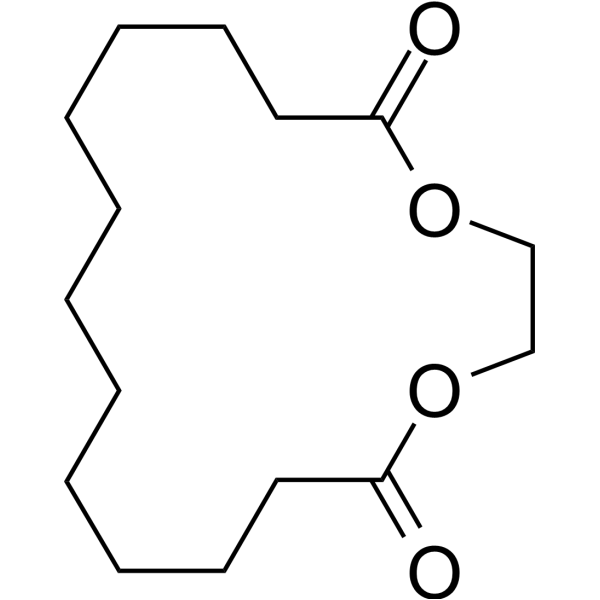
1,4-Dioxacycloheptadecane-5,17-dione is a biochemical reagent that can be used as a biological material or organic compound for life science related research.
|
| Cat. No. |
Product Name |
Target |
Research Area |
-
- HY-P2360
-
|
Ras 5-17
|
Ras
|
Others
|
|
G12 (Ras 5-17) is a wild-type Ras peptide consisted of amino acids 5-17 (KLVVVGAGGVGKS). G12 can be used as a control of mutant Ras peptides studies (such V12) .
|
-
- HY-P1905
-
|
|
GnRH Receptor
|
Endocrinology
|
|
[Gln8]-C517 (LH-RH), chicken is an avian hypothalamic peptide, which stimulates release of gonadotropins from anterior pituitary, thus regulating reproductive functions.
|
-
- HY-P2360A
-
|
Ras 5-17 TFA
|
Ras
|
Others
|
|
G12 (Ras 5-17) TFA is a wild-type Ras peptide consisted of amino acids 5-17 (KLVVVGAGGVGKS). G12 TFA can be used as a control of mutant Ras peptides studies (such V12) .
|
-
- HY-P1593
-
-
- HY-P1593A
-
| Cat. No. |
Product Name |
Target |
Research Area |
Image |
-
- HY-P991204
-
|
ARX517 antibody
|
PSMA
|
Cancer
|
|
Anti-PSMA Antibody (ARX517 antibody) is a humanized IgG1 monoclonal antibody that targets PSMA. Anti-PSMA Antibody is the antibody part of the ADC molecule ARX517. Recommend Isotype Controls: Human IgG1 kappa, Isotype Control (HY-P99001) .
|
-

(5)
| Cat. No. |
Product Name |
Category |
Target |
Chemical Structure |
| Cat. No. |
Compare |
Product Name |
Application |
Reactivity |
Image |
Compare Products
|
| Products |
|
| Cat. No. |
|
| Host |
|
| Reactivity |
|
| Application |
|
Dilution
Ratio |
|
| Molecular Weight |
|
| Conjugation |
|
| Clonality |
|
| Immunogen |
|
| Appearance |
|
| Isotype |
|
| Gene ID |
|
| SwissProt ID |
|
| Purity |
|
| Formulation |
|
| Free Sample |
Yes
No
|
| Size |
* This product has been "discontinued".
Optimized version of product available:
|
| Cat. No. |
Product Name |
|
Classification |
-
- HY-D1314
-
|
6-FAM azide
|
|
Azide
Labeling and Fluorescence Imaging
|
|
FAM azide, 6-isomer (6-FAM azide) is a 6-carboxyfluorescein derivative with an azide functional group and coupling partner in copper-catalyzed azide-alkyne cycloaddition. FAM azide, 6-isomer participates in synthesis of fluorescently tagged disparlure enantiomers for pheromone-binding protein binding assays. FAM azide, 6-isomer is widely used for labeling oligonucleotides (Ex/Em = 493/517 nm) .
|
| Cat. No. |
Product Name |
|
Classification |
-
- HY-R01557
-
|
|
|
MicroRNAs
miRNA mimics
|
|
hsa-miR-517-5p mimics are small, chemically synthesized double-stranded RNAs that mimic endogenous miRNAs and enable miRNA functional analysis by up-regulation of miRNA activity.
|
-
- HY-R01558
-
|
|
|
MicroRNAs
miRNA mimics
|
|
hsa-miR-517a-3p mimics are small, chemically synthesized double-stranded RNAs that mimic endogenous miRNAs and enable miRNA functional analysis by up-regulation of miRNA activity.
|
-
- HY-RI01558
-
|
|
|
MicroRNAs
miRNA inhibitors
|
|
hsa-miR-517a-3p inhibitors are chemically-modified oligonucleotides that hybridize with mature miRNAs. The miRNA inhibitors have full-length nucleotide 2'-methoxy modification. The miRNA inhibitors strongly compete with mature miRNAs to prevent the complementary pairing of miRNAs and their target genes, thereby inhibiting miRNAs from functioning.
|
-
- HY-R01558A
-
|
|
|
MicroRNAs
miRNA agomirs
|
|
hsa-miR-517a-3p agomirs are chemically-modified double-strand miRNA mimics with modified mature miRNA strand: 2 phosphorothioates at the 5' end, 4 phosphorothioates at the 3' end, 3' end cholesterol group, and full-length nucleotide 2'-methoxy modification. They are designed to mimic endogenous miRNAs and recommended for miRNA functional studies. Compared with miRNA mimics, they exhibits enhanced cellular uptake, stability and regulatory activity in vivo.
|
-
- HY-RI01558A
-
|
|
|
MicroRNAs
miRNA antagomirs
|
|
hsa-miR-517a-3p antagomirs are chemically-modified oligonucleotides that hybridize with mature miRNAs. The miRNA antagomirs have 2 phosphorothioates at the 5' end, 4 phosphorothioates at the 3' end, 1 cholesterol group at the 3' end, and full-length nucleotide 2'-methoxy modification. The miRNA antagomirs strongly compete with mature miRNAs to prevent the complementary pairing of miRNAs and their target genes, thereby inhibiting miRNAs from functioning. Stability of miRNA antagomirs appears to be significantly higher than miRNA inhibitors, they exhibits enhanced cellular uptake, stability and regulatory activity in vivo.
|
-
- HY-RI01557
-
|
|
|
MicroRNAs
miRNA inhibitors
|
|
hsa-miR-517-5p inhibitors are chemically-modified oligonucleotides that hybridize with mature miRNAs. The miRNA inhibitors have full-length nucleotide 2'-methoxy modification. The miRNA inhibitors strongly compete with mature miRNAs to prevent the complementary pairing of miRNAs and their target genes, thereby inhibiting miRNAs from functioning.
|
-
- HY-R01557A
-
|
|
|
MicroRNAs
miRNA agomirs
|
|
hsa-miR-517-5p agomirs are chemically-modified double-strand miRNA mimics with modified mature miRNA strand: 2 phosphorothioates at the 5' end, 4 phosphorothioates at the 3' end, 3' end cholesterol group, and full-length nucleotide 2'-methoxy modification. They are designed to mimic endogenous miRNAs and recommended for miRNA functional studies. Compared with miRNA mimics, they exhibits enhanced cellular uptake, stability and regulatory activity in vivo.
|
-
- HY-RI01557A
-
|
|
|
MicroRNAs
miRNA antagomirs
|
|
hsa-miR-517-5p antagomirs are chemically-modified oligonucleotides that hybridize with mature miRNAs. The miRNA antagomirs have 2 phosphorothioates at the 5' end, 4 phosphorothioates at the 3' end, 1 cholesterol group at the 3' end, and full-length nucleotide 2'-methoxy modification. The miRNA antagomirs strongly compete with mature miRNAs to prevent the complementary pairing of miRNAs and their target genes, thereby inhibiting miRNAs from functioning. Stability of miRNA antagomirs appears to be significantly higher than miRNA inhibitors, they exhibits enhanced cellular uptake, stability and regulatory activity in vivo.
|
Your information is safe with us. * Required Fields.
Inquiry Information
- Product Name:
- Cat. No.:
- Quantity:
- MCE Japan Authorized Agent:





![[Gln8]-C517 (LH-RH), chicken](http://file.medchemexpress.com/product_pic/hy-p1905.gif)








