1. Search Result
Search Result
Results for "

α-adrenergic antagonist

" in MedChemExpress (MCE) Product Catalog:

32

Inhibitors & Agonists

5

Natural
Products

5

Isotope-Labeled Compounds

Cat. No. Product Name Target Research Areas Chemical Structure
  • HY-B0193
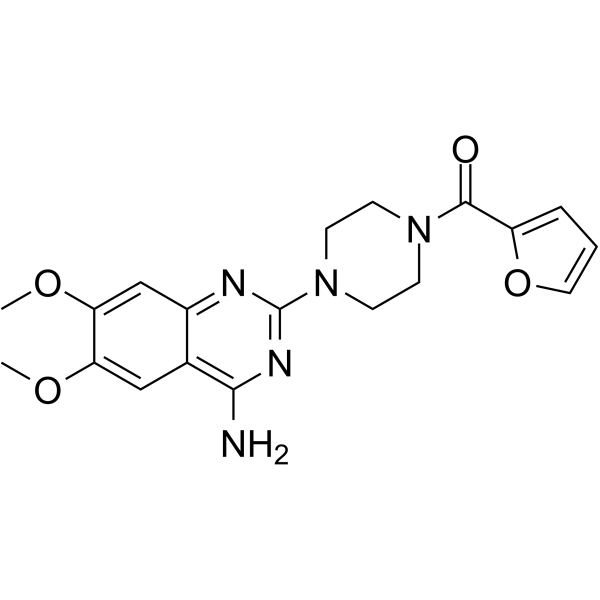
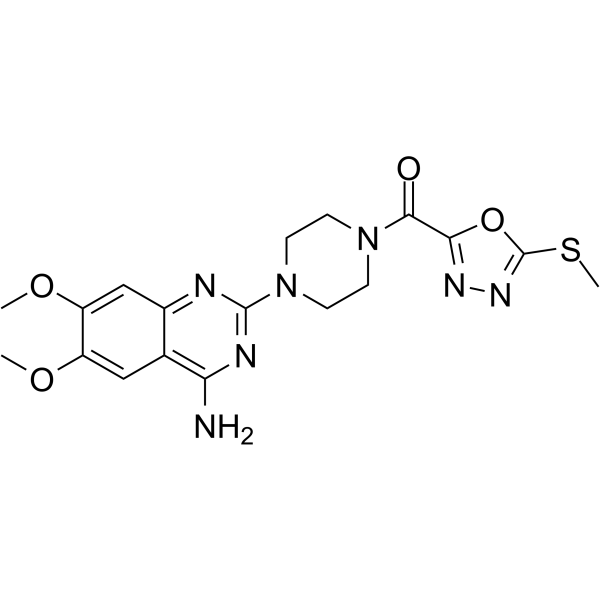
    Prazosin
    15+ Cited Publications

    Adrenergic Receptor Cardiovascular Disease Endocrinology
    Prazosin is an α-adrenergic receptor antagonist. Prazosin can reduce inflammation, relieve anxiety, alleviate panic, prevent memory decline, and modulate the pain-relieving effects of opioids. Prazosin can be used in the study of hypertension and Alzheimer’s disease .
    Prazosin
  • HY-B1470

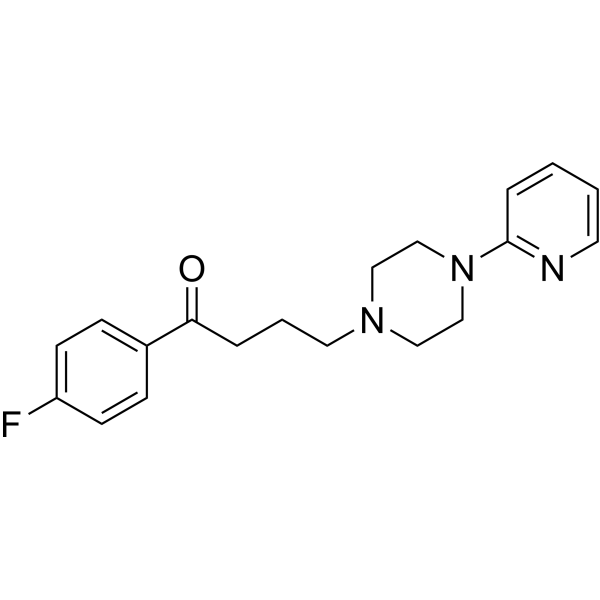
    R-1929

    Dopamine Receptor Adrenergic Receptor Neurological Disease
    Azaperone is an antagonist of dopamine D2 receptor (Dopamine D2 Receptor) and α-adrenergic receptor (AR). Azaperone reduces vasomotor tone, mean arterial pressure, hematocrit, hemoglobin concentration, and etorphine-induced duration; induces transient tachycardia followed by bradycardia, splenic uptake of red blood cells, and sedation; alters animal behaviors; and produces sedation with distinct onset and duration in foals. Azaperone is used for sedation and tranquilization in various animals to reduce stress and aggressive behaviors, and serves as a preanesthetic agent .
    Azaperone
  • HY-B1396
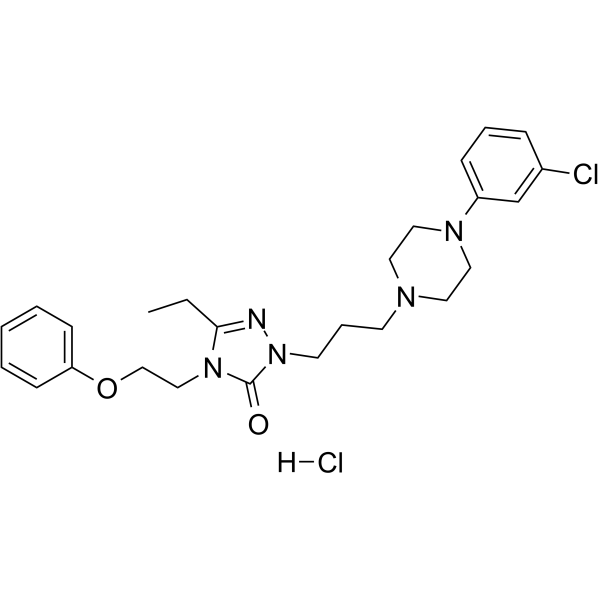
    Nefazodone hydrochloride
    4 Publications Verification

    BMY-13754; MJ-13754-1

    5-HT Receptor Adrenergic Receptor Neurological Disease Endocrinology
    Nefazodone hydrochloride (BMY-13754) is a potent and selective 5HT2A (Ki=5.8 nM) antagonist with moderate inhibition of 5-HT and noradrenaline uptake (IC50 of 290 and 300 nM, respectively). Nefazodone hydrochloride is a phenylpiperazine antidepressant with less alpha-adrenergic blocking activity .
    Nefazodone hydrochloride
  • HY-A0066A

    Imidaline hydrochloride; NSC35110 hydrochloride

    Adrenergic Receptor Cardiovascular Disease Endocrinology
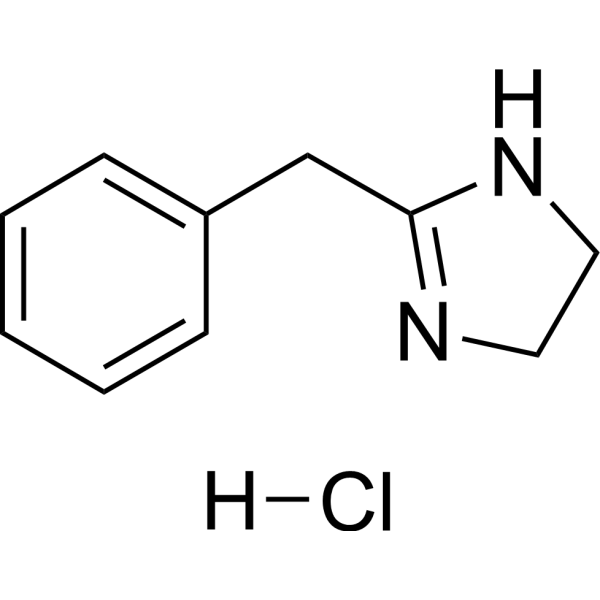
    Tolazoline hydrochloride (Imidaline hydrochloride) is an α-adrenergic receptor antagonist. Tolazoline hydrochloride inhibits Noradrenaline (HY-13715)-induced cell contraction, modulates vascular resistance, increases arterial pressure, and reverses bradycardia and tachypnea. Tolazoline hydrochloride can be used to study erectile dysfunction, α2-adrenergic receptor agonist-related poisoning, and skin vascular disease research .
    Tolazoline hydrochloride
  • HY-B1435

    Thymoxamine hydrochloride

    Adrenergic Receptor Cardiovascular Disease Neurological Disease Metabolic Disease
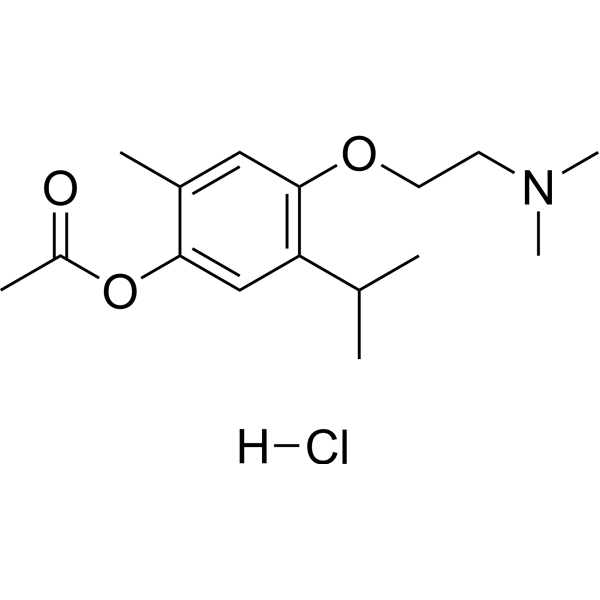
    Moxisylyte (Thymoxamine) hydrochloride is a selective α1A-adrenergic receptor antagonist. Moxisylyte hydrochloride competitively antagonizes the activation mediated by norepinephrine. Moxisylyte hydrochloride relaxes penile cavernous smooth muscle and aids erectile function. Moxisylyte hydrochloride is applicable to research related to erectile dysfunction and multiple system atrophy .
    Moxisylyte hydrochloride
  • HY-14537

    Dimebolin dihydrochloride

    Amyloid-β Histamine Receptor Adrenergic Receptor 5-HT Receptor Autophagy Neurological Disease Endocrinology
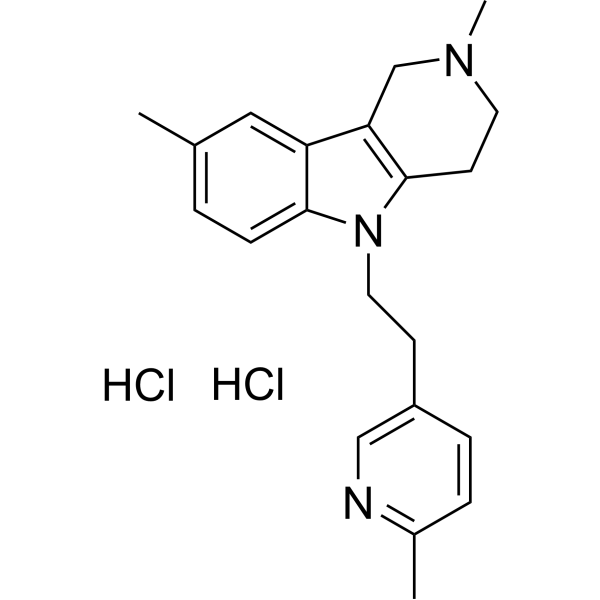
    Latrepirdine dihydrochloride is a neuroactive compound with antagonist activity at histaminergic, α-adrenergic, and serotonergic receptors. Latrepirdine stimulates amyloid precursor protein (APP) catabolism and amyloid-β () secretion.
    Latrepirdine dihydrochloride
  • HY-A0066

    Imidaline; NSC35110

    Adrenergic Receptor Cardiovascular Disease Endocrinology
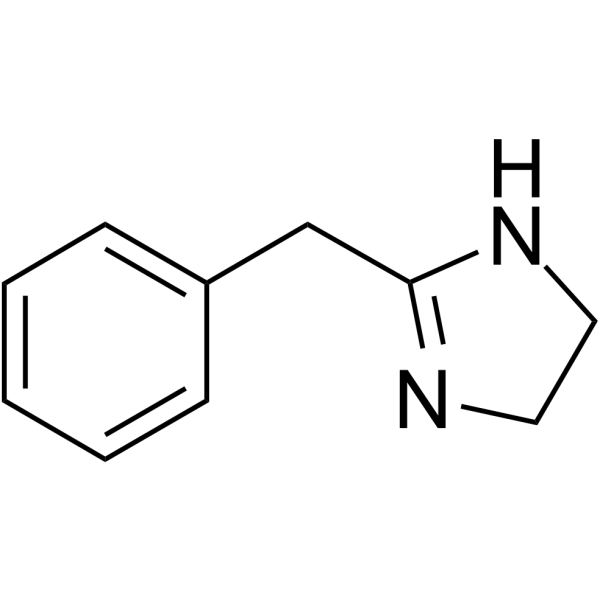
    Tolazoline (Imidaline) is an α-adrenergic receptor antagonist. Tolazoline inhibits Noradrenaline (HY-13715)-induced cell contraction, modulates vascular resistance, increases arterial pressure, and reverses bradycardia and tachypnea. Tolazoline can be used to study erectile dysfunction, α2-adrenergic receptor agonist-related poisoning, and skin vascular disease research .
    Tolazoline
  • HY-N4225
    Aaptamine
    2 Publications Verification

    Adrenergic Receptor Proteasome Cholinesterase (ChE) Bacterial Apoptosis AP-1 NF-κB Infection Neurological Disease Inflammation/Immunology Endocrinology Cancer
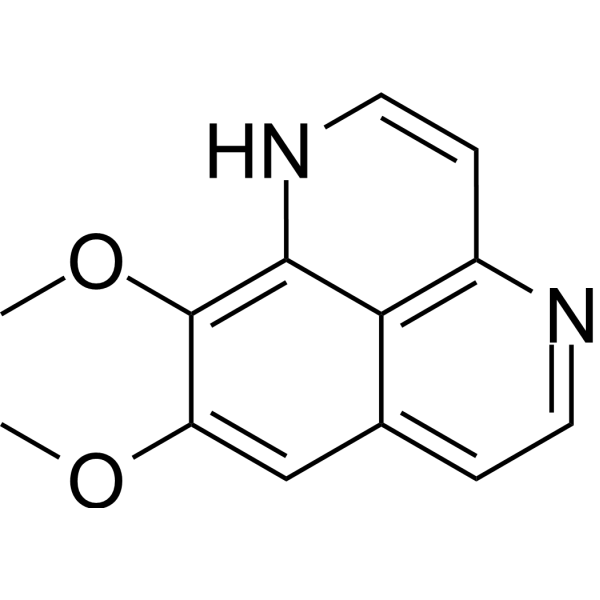
    Aaptamine is an alkaloid that can be isolated from the sponge Aaptos suberitoides. Aaptamine is a competitive antagonist of the α-adrenergic receptor, as well as an inhibitor of the proteasome and cholinesterase. Aaptamine is cytotoxic to tumor cells and can induce apoptosis, cell cycle arrest of tumor cells, and the expression of p21 through a p53-independent pathway. Aaptamine has multiple activities such as anti-tumor, antioxidant, antibacterial, and analgesic effects .
    Aaptamine
  • HY-14862

    Dimebolin; Dimebone

    Amyloid-β Histamine Receptor Adrenergic Receptor 5-HT Receptor Autophagy Endocrinology
    Latrepirdine is a neuroactive compound with antagonist activity at histaminergic, α-adrenergic, and serotonergic receptors. Latrepirdine stimulates amyloid precursor protein (APP) catabolism and amyloid-β () secretion.
    Latrepirdine
  • HY-100255

    BL-5111

    Adrenergic Receptor Neurological Disease Endocrinology
    Tiodazosin is a potent competitive postsynaptic alpha adrenergic receptor antagonist.
    Tiodazosin
  • HY-B1470S

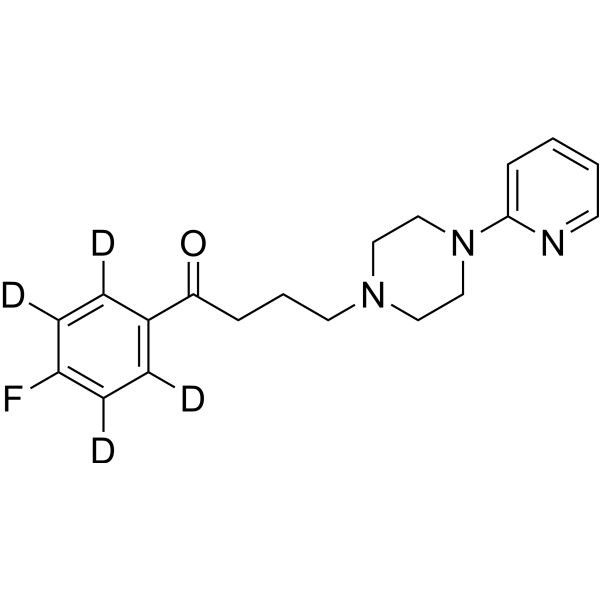
    R-1929-d4

    Isotope-Labeled Compounds Dopamine Receptor Adrenergic Receptor Neurological Disease
    Azaperone-d4 (R-1929-d4) is the deuterium labeled Azaperone (HY-B1470). Azaperone is an antagonist of dopamine D2 receptor (Dopamine D2 Receptor) and α-adrenergic receptor (AR). Azaperone reduces vasomotor tone, mean arterial pressure, hematocrit, hemoglobin concentration, and etorphine-induced duration; induces transient tachycardia followed by bradycardia, splenic uptake of red blood cells, and sedation; alters animal behaviors; and produces sedation with distinct onset and duration in foals. Azaperone is used for sedation and tranquilization in various animals to reduce stress and aggressive behaviors, and serves as a preanesthetic agent.
    Azaperone-d4
  • HY-167698

    Histamine Receptor Adrenergic Receptor Inflammation/Immunology
    Dibenamine is an alpha-adrenergic antagonist that exhibits the ability to block both basal and histamine-stimulated gastric acid secretion, making it therapeutically relevant in conditions involving excessive gastric acid production.
    Dibenamine
  • HY-14537R

    Dimebolin dihydrochloride (Standard)

    Amyloid-β Histamine Receptor Adrenergic Receptor 5-HT Receptor Autophagy Reference Standards Neurological Disease Endocrinology
    Latrepirdine (dihydrochloride) (Standard) is the analytical standard of Latrepirdine (dihydrochloride). This product is intended for research and analytical applications. Latrepirdine dihydrochloride is a neuroactive compound with antagonist activity at histaminergic, α-adrenergic, and serotonergic receptors. Latrepirdine stimulates amyloid precursor protein (APP) catabolism and amyloid-β (Aβ) secretion.
    Latrepirdine dihydrochloride (Standard)
  • HY-W650803

    A-57219 free base; SCH 40054 free base

    Adrenergic Receptor Cardiovascular Disease
    Nemazoline (A-57219) is selective α-adrenergic agent with α1-agonist/α2-antagonist activity, which is used as a nasal decongestant. Nemazoline produces decongestion by α1-mediated contraction of capacitance vessels, but not compromises blood flow by virtue of α2-antagonism. Nemazoline also blocks endogenous noradrenaline-mediated α 2-constriction of the resistance vessels .
    Nemazoline
  • HY-133214

    Adrenergic Receptor Cardiovascular Disease
    Cyclazosin hydrochloride is an α1B-adrenergic receptor antagonist. Cyclazosin hydrochloride has high specificity for α-adrenergic receptors, with pKi values of 9.23-9.57 and 8.18-8.41 for O/1A (O/la) and OflB (alb) adrenergic receptors, respectively. However, Cyclazosin hydrochloride cannot distinguish between cloned alb and alo adrenergic receptors, which have pKi values of 9.23 and 9.28, respectively .
    Cyclazosin hydrochloride
  • HY-U00404

    Adrenergic Receptor Metabolic Disease Endocrinology
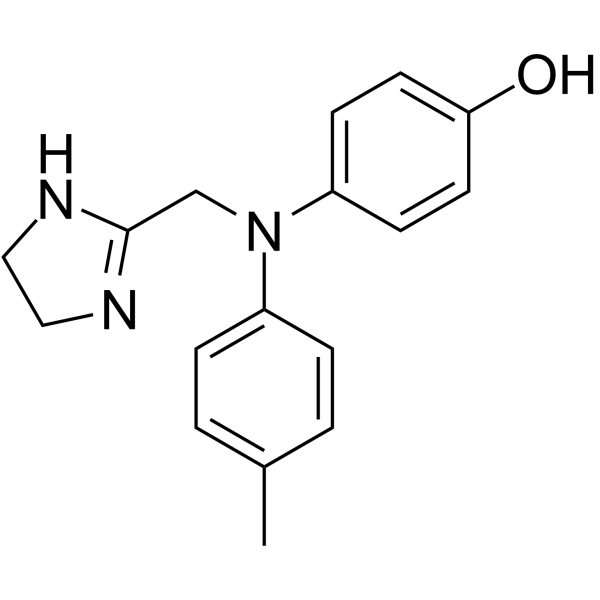
    Phentolamine Analogue 1 is an analogue of phentolamine. Phentolamine is a nonselective alpha-adrenergic antagonist.
    Phentolamine Analogue 1
  • HY-A0066R

    Imidaline (Standard); NSC35110 (Standard)

    Adrenergic Receptor Reference Standards Cardiovascular Disease Endocrinology
    Tolazoline (Standard) is the analytical standard of Tolazoline. This product is intended for research and analytical applications. Tolazoline (Imidaline) is an α-adrenergic receptor antagonist. Tolazoline inhibits Noradrenaline (HY-13715)-induced cell contraction, modulates vascular resistance, increases arterial pressure, and reverses bradycardia and tachypnea. Tolazoline can be used to study erectile dysfunction, α2-adrenergic receptor agonist-related poisoning, and skin vascular disease research .
    Tolazoline (Standard)
  • HY-A0066AR

    Imidaline hydrochloride (Standard); NSC35110 hydrochloride (Standard)

    Reference Standards Adrenergic Receptor Cardiovascular Disease Endocrinology
    Tolazoline (hydrochloride) (Standard) is the analytical standard of Tolazoline hydrochloride (HY-A0066A). This product is intended for research and analytical applications. Tolazoline hydrochloride (Imidaline hydrochloride) is an α-adrenergic receptor antagonist. Tolazoline hydrochloride inhibits Noradrenaline (HY-13715)-induced cell contraction, modulates vascular resistance, increases arterial pressure, and reverses bradycardia and tachypnea. Tolazoline hydrochloride can be used to study erectile dysfunction, α2-adrenergic receptor agonist-related poisoning, and skin vascular disease research .
    Tolazoline hydrochloride (Standard)
  • HY-B1470R

    R-1929 (Standard)

    Reference Standards Dopamine Receptor Adrenergic Receptor Neurological Disease
    Azaperone (R-1929) (Standard) is the analytical standard of Azaperone (HY-B1470). This product is intended for research and analytical applications. Azaperone is an antagonist of dopamine D2 receptor (Dopamine D2 Receptor) and α-adrenergic receptor (AR). Azaperone reduces vasomotor tone, mean arterial pressure, hematocrit, hemoglobin concentration, and etorphine-induced duration; induces transient tachycardia followed by bradycardia, splenic uptake of red blood cells, and sedation; alters animal behaviors; and produces sedation with distinct onset and duration in foals. Azaperone is used for sedation and tranquilization in various animals to reduce stress and aggressive behaviors, and serves as a preanesthetic agent.
    Azaperone (Standard)
  • HY-B1396S

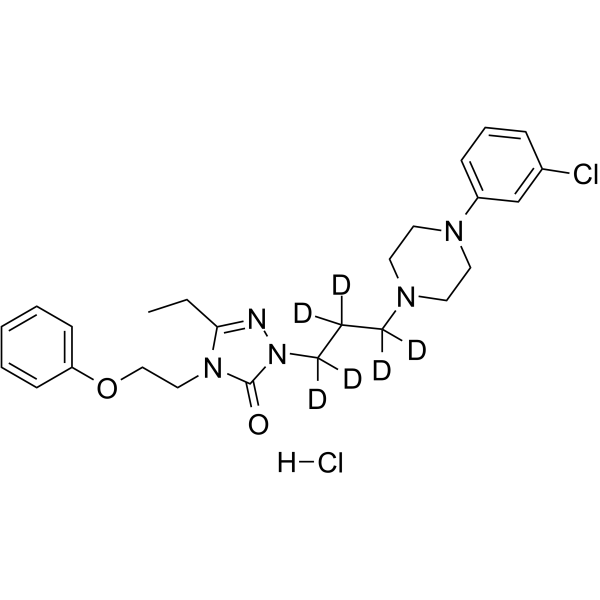
    BMY-13754-d6; MJ-13754-1-d6

    Isotope-Labeled Compounds 5-HT Receptor Adrenergic Receptor Neurological Disease Endocrinology
    Nefazodone-d6 (hydrochloride) is the deuterium labeled Nefazodone hydrochloride. Nefazodone hydrochloride (BMY-13754) is a potent and selective 5HT2A (Ki=5.8 nM) antagonist with moderate inhibition of 5-HT and noradrenaline uptake (IC50 of 290 and 300 nM, respectively). Nefazodone hydrochloride is a phenylpiperazine antidepressant with less alpha-adrenergic blocking activity .
    Nefazodone-d6 hydrochloride
  • HY-B1396S1

    BMY-13754-d6 dihydrochloride; MJ-13754-1-d6 dihydrochloride

    Isotope-Labeled Compounds 5-HT Receptor Adrenergic Receptor Neurological Disease Endocrinology
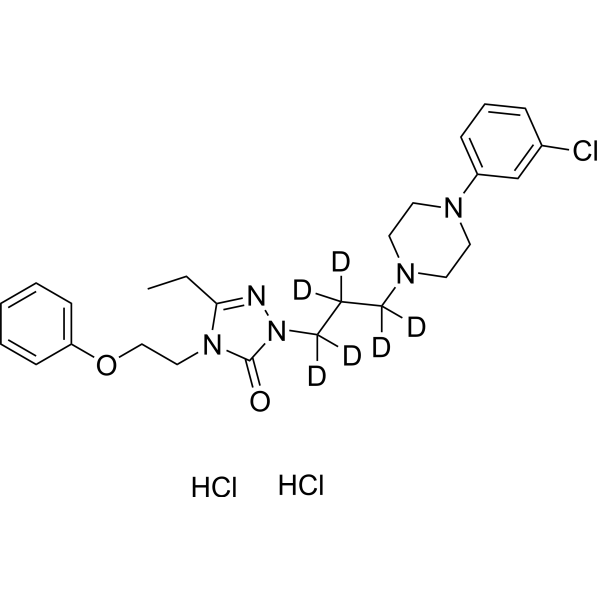
    Nefazodone-d6 (dihydrochloride) is deuterium labeled Nefazodone (hydrochloride). Nefazodone hydrochloride (BMY-13754) is a potent and selective 5HT2A (Ki=5.8 nM) antagonist with moderate inhibition of 5-HT and noradrenaline uptake (IC50 of 290 and 300 nM, respectively). Nefazodone hydrochloride is a phenylpiperazine antidepressant with less alpha-adrenergic blocking activity .
    Nefazodone-d6 dihydrochloride
  • HY-B1396R

    BMY-13754 (Standard); MJ-13754-1 (Standard)

    Reference Standards 5-HT Receptor Adrenergic Receptor Neurological Disease Endocrinology
    Nefazodone (hydrochloride) (Standard) is the analytical standard of Nefazodone (hydrochloride). This product is intended for research and analytical applications. Nefazodone hydrochloride (BMY-13754) is a potent and selective 5HT2A (Ki=5.8 nM) antagonist with moderate inhibition of 5-HT and noradrenaline uptake (IC50 of 290 and 300 nM, respectively). Nefazodone hydrochloride is a phenylpiperazine antidepressant with less alpha-adrenergic blocking activity .
    Nefazodone hydrochloride (Standard)
  • HY-B1396S3

    BMY-13754-d; MJ-13754-1-d

    Isotope-Labeled Compounds Adrenergic Receptor 5-HT Receptor Neurological Disease Endocrinology
    Nefazodone-d4 (hydrochloride) (BMY-13754-d4) is deuterium labeled Nefazodone (hydrochloride). Nefazodone hydrochloride (BMY-13754) is a potent and selective 5HT2A (Ki=5.8 nM) antagonist with moderate inhibition of 5-HT and noradrenaline uptake (IC50 of 290 and 300 nM, respectively). Nefazodone hydrochloride is a phenylpiperazine antidepressant with less alpha-adrenergic blocking activity .
    Nefazodone-d4 hydrochloride
  • HY-117063

    5-HT Receptor Endocrinology
    LEK 8841 methanesulfonate is a gastrointestinal calming agent with strong selective 5-HT2 receptor antagonist activity. The antipsychotic potential of LEK 8841 has made it the focus of research into alternative medicines. LEK 8841 behaves as a pure competitive antagonist in response to 5-HT and norepinephrine, with pA2 values of 7.93 and 6.45, respectively. The selectivity of LEK 8841 is better than that of the comparative drug ketanserin, making it an important reference value in corresponding receptor research. Studies related to structural modifications have shown that LEK 8841 exhibits high affinity for 5-HT2 receptors and low alpha-adrenergic receptor activity .
    LEK 8841 methanesulfonate
  • HY-181635

    Adrenergic Receptor Cardiovascular Disease
    Azapetine is an α-adrenergic receptor antagonist, with a IC50 of 0.205 μM against rat α1-adrenergic receptors and a IC50 of 1.3 μM against rat α2-adrenergic receptors. Azapetine blocks α1/α2-adrenergic receptor-mediated contraction of blood vessels and vascular smooth muscles. Azapetine can be used for the research of peripheral vascular diseases .
    Azapetine
  • HY-B1435A

    Thymoxamine

    Adrenergic Receptor Cardiovascular Disease Neurological Disease Metabolic Disease
    Moxisylyte (Thymoxamine) is a selective α1A-adrenergic receptor antagonist. Moxisylyte competitively antagonizes the activation mediated by norepinephrine. Moxisylyte relaxes penile cavernous smooth muscle and aids erectile function. Moxisylyte is applicable to research related to erectile dysfunction and multiple system atrophy .
    Moxisylyte
  • HY-W556123

    Adrenergic Receptor Neurological Disease Metabolic Disease
    Piperoxan is an α1-adrenergic receptor antagonist. Piperoxan exhibits a Ki value of 360 nM for inhibiting 3H-prazosin binding to rat brain α1-adrenoceptors. Piperoxan can be used for the research of adrenergic system-related diseases .
    Piperoxan
  • HY-106798

    A-57219; SCH 40054

    Adrenergic Receptor Cardiovascular Disease
    Nemazoline hydrochloride (A-57219 hydrochloride) is selective α-adrenergic agent with α1-agonist/α2-antagonist activity, which is used as a nasal decongestant. Nemazoline hydrochloride produces decongestion by α1-mediated contraction of capacitance vessels, but not compromises blood flow by virtue of α2-antagonism. Nemazoline hydrochloride also blocks endogenous noradrenaline-mediated α 2-constriction of the resistance vessels .
    Nemazoline hydrochloride
  • HY-180379

    5-HT Receptor Adrenergic Receptor Cardiovascular Disease
    Pelanserin (Compound 1) is an orally active antihypertensive agent. Pelanserin is a potent 5-HT2 receptor antagonist. Pelanserin has the ability to block the activity of α-adrenergic receptor, with its ED50 being 0.03 μg/mL. Pelanserin has vasodilatory activity, with its ED100 being 5 μg. Pelanserin exhibits antihypertensive activity in hypertensive rats and renal hypertensive dog breeds. Pelanserin can be used for research on hypertension .
    Pelanserin
  • HY-N18279

    Dopamine Receptor Adrenergic Receptor Neurological Disease
    Bulbocapnine is an aporphine isoquinoline alkaloid that exerts antagonistic effects on dopamine Receptor) and α-adrenergic receptors, as well as anti-peroxidative effects. The Ki value of bulbocapnine for tyrosine hydroxylase (TH) is 0.20 mM. Bulbocapnine reduces intracellular dopamine content, inhibits TH activity, and decreases Ca 2+ concentration. Bulbocapnine antagonizes the dose-dependent inhibitory effect of dopamine on the heart rate acceleration induced by stimulating the postganglionic fibers of the right cardiac accelerator nerve .
    Bulbocapnine
  • HY-183177

    Adrenergic Receptor Cardiovascular Disease
    Zolertine is an α-adrenergic receptor antagonist, with a pKi of 6.35 for rabbit α1A-adrenergic receptor and a pKi of 6.81 for rat α1B-adrenergic receptor. Zolertine competitively blocks α1D-adrenergic receptor-mediated vasoconstriction and α1A-adrenergic receptor-mediated vasoconstriction in arteries. Zolertine can be used in the research of hypertension .
    Zolertine
  • HY-A0027S

    Isotope-Labeled Compounds Adrenergic Receptor Histamine Receptor Inflammation/Immunology Endocrinology
    Fenspiride-d5 hydrochloride is the deuterium labeled Fenspiride hydrochloride (HY-A0027). Fenspiride hydrochloride is an α adrenergic and H1 histamine receptor antagonist .
    Fenspiride-d5 hydrochloride

Inquiry Online

Your information is safe with us. * Required Fields.

Salutation


Country or Region *

Applicant Name *


Organization Name *

Department *


Email Address *


Product Name *

Cat. No.


Requested quantity *

Phone Number *


Remarks

Inquiry Online

Inquiry Information

Product Name:
Cat. No.:
Quantity:
MCE Japan Authorized Agent: