
Search Result
Results for "
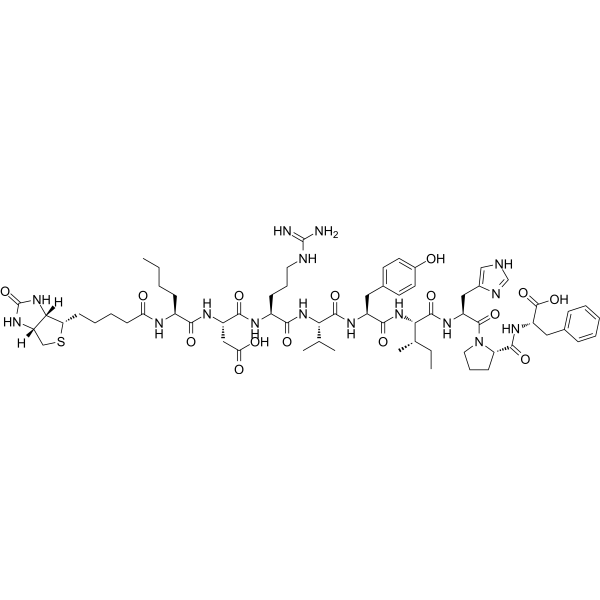
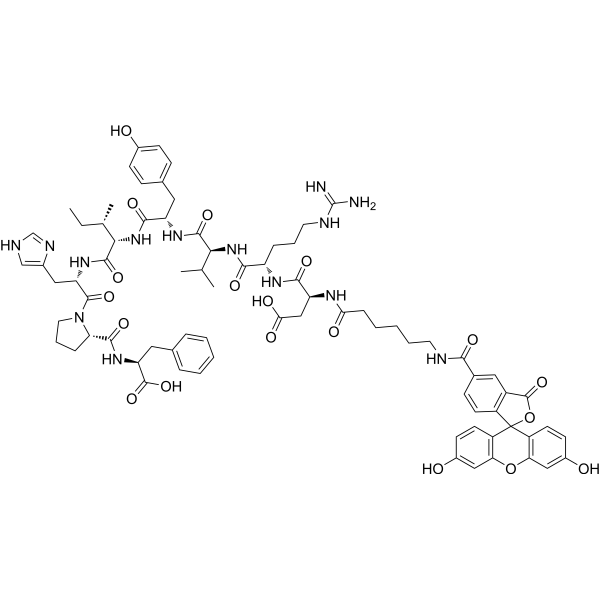
Biotin-Ahx-DRVYIHPF
" in MedChemExpress (MCE) Product Catalog:
1
Isotope-Labeled Compounds
| Cat. No. |
Nombre del producto |
Target |
Áreas de investigación |
Chemical Structure |
-
- HY-13948
-
|
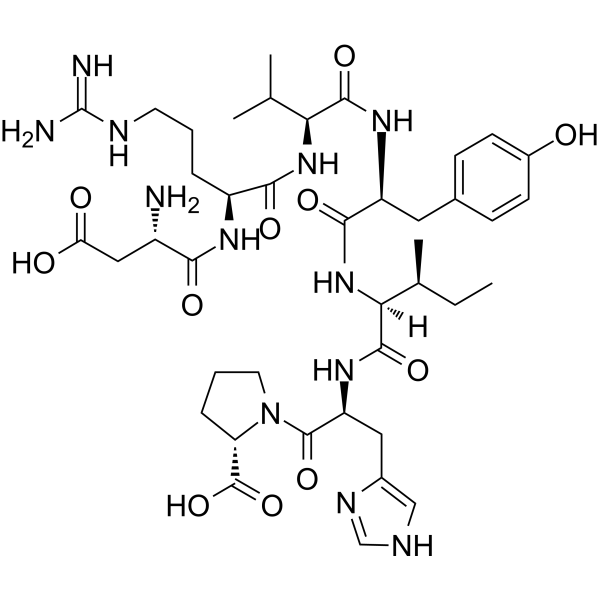
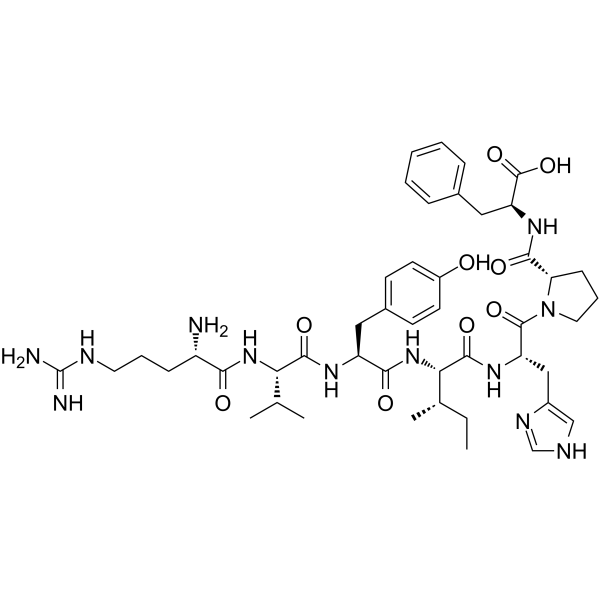
Angiotensin II; Ang II; DRVYIHPF
|
Angiotensin Receptor
Apoptosis
|
Cardiovascular Disease
Infection
Metabolic Disease
Inflammation/Immunology
Cancer
|
|
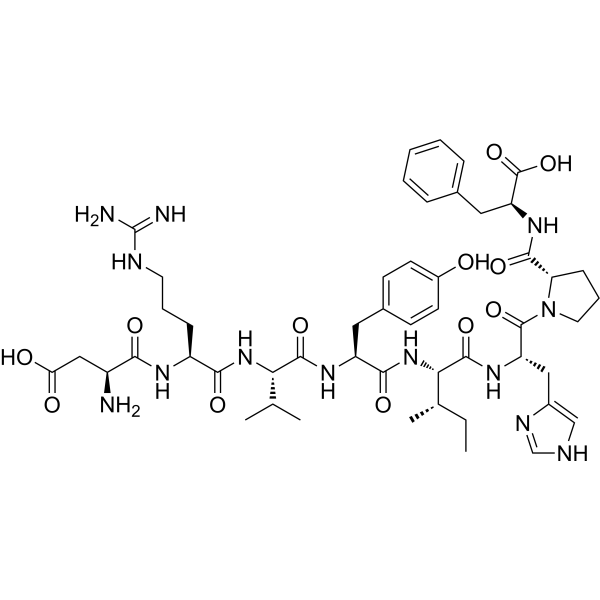
Angiotensin II (Angiotensin II) is a vasoconstrictor and a major bioactive peptide of the renin/angiotensin system. Angiotensin II human plays a central role in regulating human blood pressure, which is mainly mediated by interactions between Angiotensin II and the G-protein-coupled receptors (GPCRs) Angiotensin II type 1 receptor (AT1R) and Angiotensin II type 2 receptor (AT2R). Angiotensin II human stimulates sympathetic nervous stimulation, increases aldosterone biosynthesis and renal actions. Angiotensin II human induces growth of vascular smooth muscle cells, increases collagen type I and III synthesis in fibroblasts, leading to thickening of the vascular wall and myocardium, and fibrosis. Angiotensin II human also induces apoptosis. Angiotensin II induces capillary formation from endothelial cells via the LOX-1 dependent redox-sensitive pathway .
|
-
-
- HY-13948A
-
|
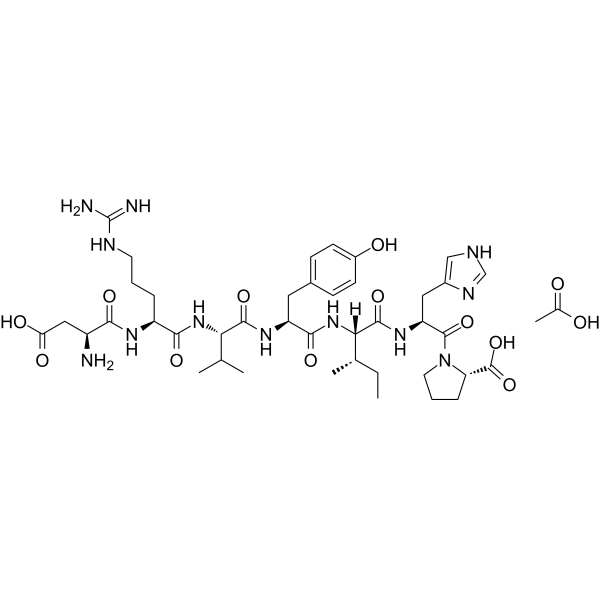
Angiotensin II acetate; Ang II acetate; DRVYIHPF acetate
|
Angiotensin Receptor
Apoptosis
|
Cardiovascular Disease
Infection
Metabolic Disease
Inflammation/Immunology
Cancer
|
|
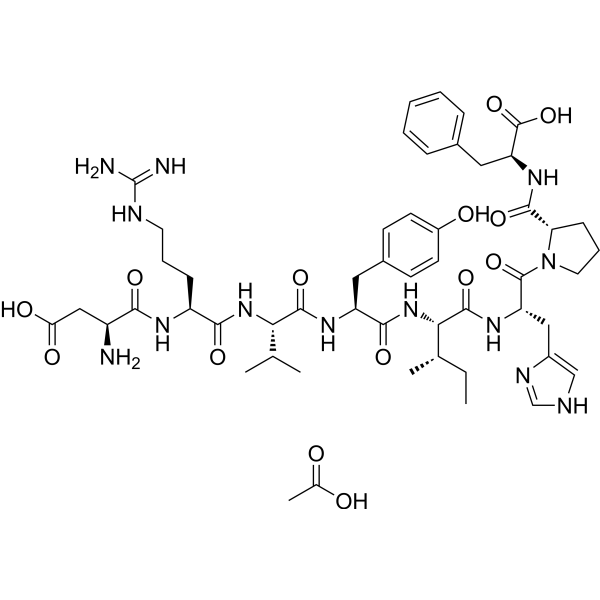
Angiotensin II human (Angiotensin II) acetate is a vasoconstrictor and a major bioactive peptide of the renin/angiotensin system. Angiotensin II human acetate plays a central role in regulating human blood pressure, which is mainly mediated by interactions between Angiotensin II and the G-protein-coupled receptors (GPCRs) Angiotensin II type 1 receptor (AT1R) and Angiotensin II type 2 receptor (AT2R). Angiotensin II human acetate stimulates sympathetic nervous stimulation, increases aldosterone biosynthesis and renal actions. Angiotensin II human acetate induces growth of vascular smooth muscle cells, increases collagen type I and III synthesis in fibroblasts, leading to thickening of the vascular wall and myocardium, and fibrosis. Angiotensin II human acetate also induces apoptosis. Angiotensin II human acetate induces capillary formation from endothelial cells via the LOX-1 dependent redox-sensitive pathway .
|
-
-
- HY-12403
-
|
TXA127; Angiotensin (1-7); Ang-(1-7)
|
Angiotensin Receptor
Angiotensin-converting Enzyme (ACE)
Endogenous Metabolite
|
Cardiovascular Disease
Inflammation/Immunology
Endocrinology
Cancer
|
|
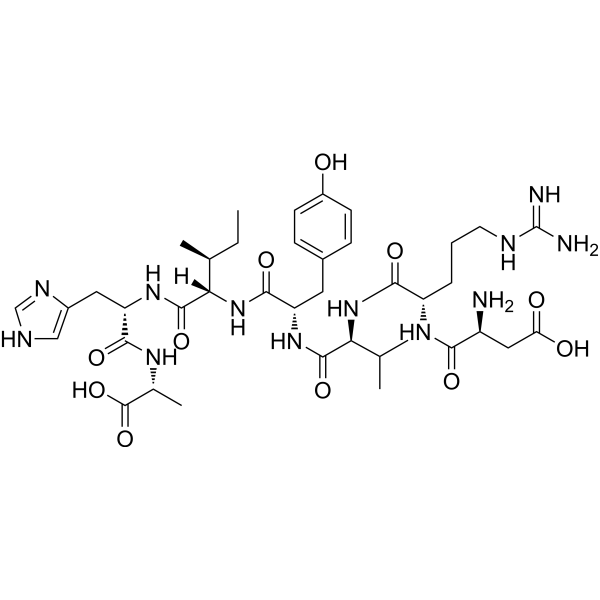
Angiotensin 1-7 (Ang-(1-7)) is an endogenous heptapeptide from the renin-angiotensin system (RAS) with a cardioprotective role due to its anti-inflammatory and anti-fibrotic activities in cardiac cells. Angiotensin 1-7 inhibits purified canine ACE activity (IC50=0.65 μM). Angiotensin 1-7 acts as a local synergistic modulator of kinin-induced vasodilation by inhibiting ACE and releasing nitric oxide. Angiotensin 1-7 blocks Ang II-induced smooth muscle cell proliferation and hypertrophy and shows antiangiogenic and growth-inhibitory effects on the endothelium. Angiotensin 1-7 shows anti-inflammatory activity .
|
-
-
- HY-P0216
-
-
-
- HY-P1656
-
|
|
Angiotensin Receptor
Mas-related G-protein-coupled Receptor (MRGPR)
|
Cardiovascular Disease
|
|
(D-Pro7)-Angiotensin I/II (1-7) is a potent Mas receptor inhibitor with a Ki of 0.001 μM for rat receptors. (D-Pro7)-Angiotensin I/II (1-7) competitively blocks the binding of Angiotensin-(1-7) to the Mas receptor and attenuates the vasodilatory effect of rat aortas under physiological and hypertensive conditions. (D-Pro7)-Angiotensin I/II (1-7) can be used for studies on the function of the renin-angiotensin system and the pathological mechanisms of hypertension .
|
-
-
- HY-P11307
-
|
|
Proteasome
|
Cancer
|
|
Biotin-epoxomicin is a Proteasome subunit binder. Biotin-epoxomicin serves as an affinity reagent for identifying proteasomal catalytic subunits, and facilitates affinity purification of active proteasomal subunits for LC-MS identification. Biotin-epoxomicin can be used to study solid tumors derived from B16 melanoma .
|
-
-
- HY-13948F
-
|
Biotin-Ahx-Angiotensin II; Biotin-Ahx-Ang II; Biotin-Ahx-DRVYIHPF
|
Angiotensin Receptor
|
Others
|
|
Biotin-Ahx-Angiotensin II human (Biotin-Ahx-Angiotensin II; Biotin-Ahx-Ang II; Biotin-Ahx-DRVYIHPF) is a biological active peptide. (biotin labeled HY-13948)
|
-
-
- HY-P2141
-
|
TRV027
|
Angiotensin Receptor
Arrestin
|
Cardiovascular Disease
|
|
TRV120027, a β-arrestin-1-biased agonist of the angiotensin II receptor type 1 (AT1R), engages β-arrestins while blocking G-protein signaling . TRV120027 induces acute catecholamine secretion through cation channel subfamily C3 (TRPC3) coupling, promotes the formation of a macromolecular complex composed of AT1R-β-arrestin-1-TRPC3-PLCγ at the plasma membrane. TRV120027 inhibits angiotensin II-mediated vasoconstriction and increases cardiomyocyte contractility. TRV120027 has the potential for the acute decompensated heart failure (ADHF) treatment .
|
-
-
- HY-13948B
-
|
Angiotensin II TFA; Ang II TFA; DRVYIHPF TFA
|
Angiotensin Receptor
Apoptosis
|
Cardiovascular Disease
Metabolic Disease
Cancer
|
|
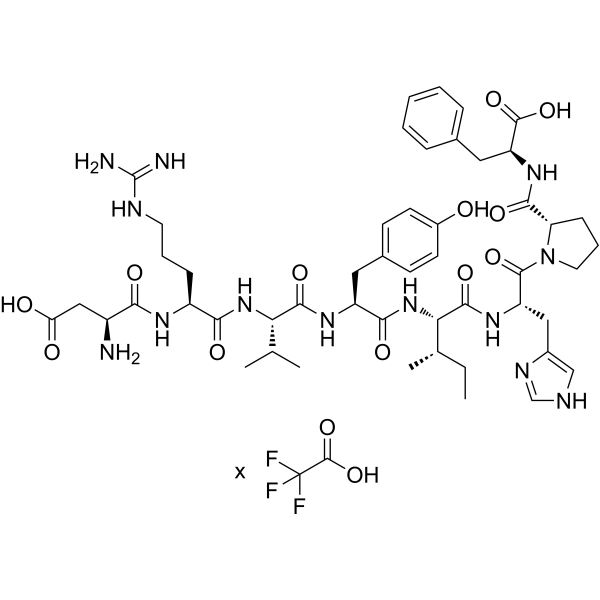
Angiotensin II human (Angiotensin II) TFA is a vasoconstrictor and a major bioactive peptide of the renin/angiotensin system. Angiotensin II human TFA plays a central role in regulating human blood pressure, which is mainly mediated by interactions between Angiotensin II and the G-protein-coupled receptors (GPCRs) Angiotensin II type 1 receptor (AT1R) and Angiotensin II type 2 receptor (AT2R). Angiotensin II human TFA stimulates sympathetic nervous stimulation, increases aldosterone biosynthesis and renal actions. Angiotensin II human TFA induces growth of vascular smooth muscle cells, increases collagen type I and III synthesis in fibroblasts, leading to thickening of the vascular wall and myocardium, and fibrosis. Angiotensin II human TFA also induces apoptosis. Angiotensin II human TFA induces capillary formation from endothelial cells via the LOX-1 dependent redox-sensitive pathway .
|
-
-
- HY-P11306
-
|
|
Proteasome
NF-κB
|
Inflammation/Immunology
|
|
Biotin-(Oaa)3-epoxomicin is a biotin-labeled form of Epoxomicin (HY-13821), prepared by conjugating Epoxomicin with biotin via three hydrophilic oxaacetyl amino acid (Oaa) linkers. Biotin-(Oaa)3-epoxomicin is primarily used in proteomic studies for the capture, identification and target validation of proteasome complexes, to determine the intracellular targets of epoxomicin. Epoxomicin acts as a proteasome inhibitor and NF-κB inhibitor, which effectively blocks inflammatory responses in mouse ear edema assays. It inhibits proteasome activity via covalent binding to catalytic subunits including LMP7, X, MECL1 and Z, with the strongest inhibitory effect on chymotrypsin-like activity, and does not interfere with non-proteasomal proteases such as trypsin and papain .
|
-
-
- HY-12403A
-
|
TXA127 acetate; Angiotensin (1-7) acetate; Ang-(1-7) acetate
|
Angiotensin Receptor
Angiotensin-converting Enzyme (ACE)
Endogenous Metabolite
|
Cardiovascular Disease
Inflammation/Immunology
Endocrinology
Cancer
|
|
Angiotensin 1-7 (Ang-(1-7)) acetate is an endogenous heptapeptide from the renin-angiotensin system (RAS) with a cardioprotective role due to its anti-inflammatory and anti-fibrotic activities in cardiac cells. Angiotensin 1-7 acetate inhibits purified canine ACE activity (IC50=0.65 μM). Angiotensin 1-7 acetate acts as a local synergistic modulator of kinin-induced vasodilation by inhibiting ACE and releasing nitric oxide. Angiotensin 1-7 acetate blocks Ang II-induced smooth muscle cell proliferation and hypertrophy and shows antiangiogenic and growth-inhibitory effects on the endothelium .
|
-
-
- HY-P1769
-
|
|
Angiotensin Receptor
|
Metabolic Disease
Endocrinology
|
|
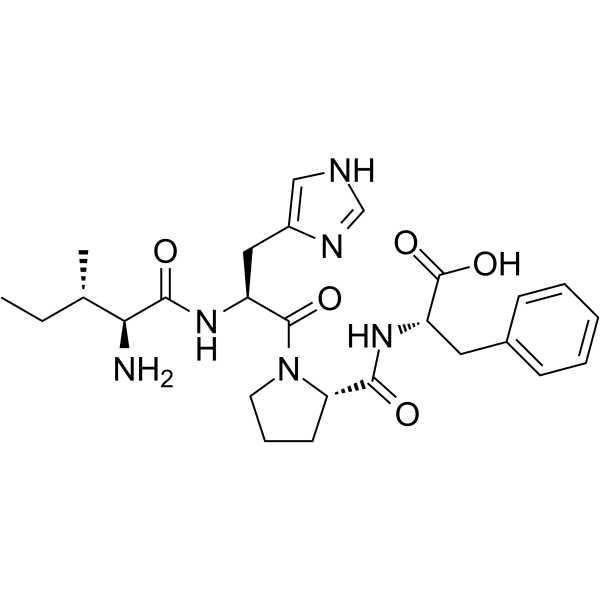
Angiotensin II (5-8), human is an endogenous C-terminal fragment of the peptide vasoconstrictor angiotensin II . Angiotensin II binds the AT II type 1 (AT1) receptor, stimulating GPCRs in vascular smooth muscle cells and increasing intracellular Ca 2+ levels. Angiotensin II also acts at the Na +/H + exchanger in the proximal tubules of the kidney .
|
-
-
- HY-P1540
-
-
-
- HY-P3138
-
|
|
Angiotensin Receptor
|
Cardiovascular Disease
|
|
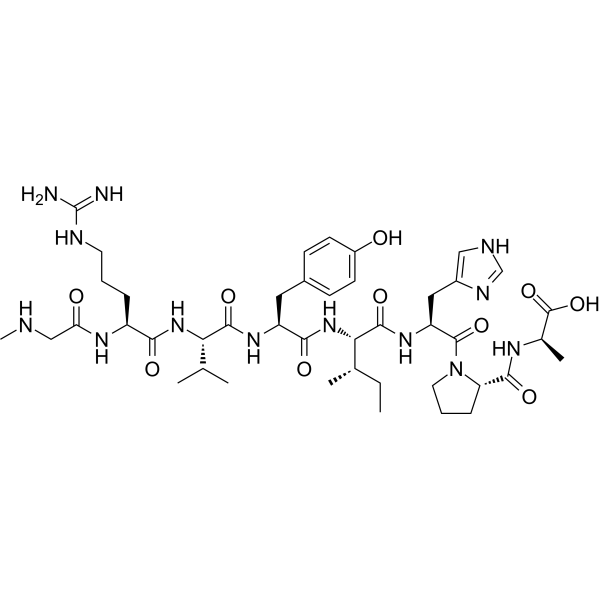
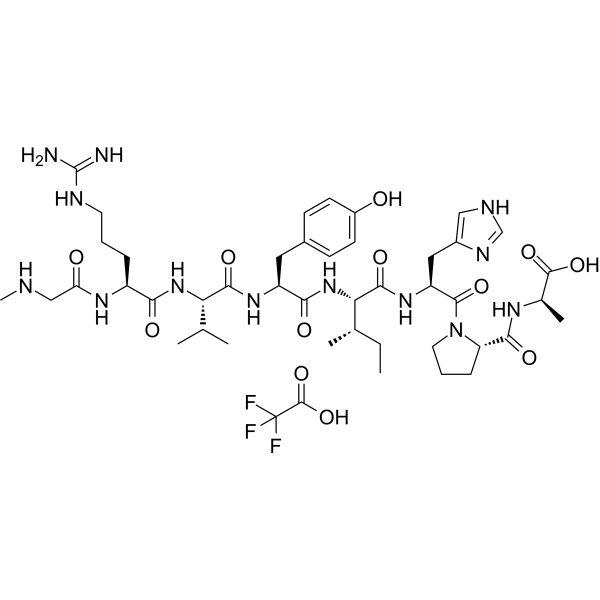
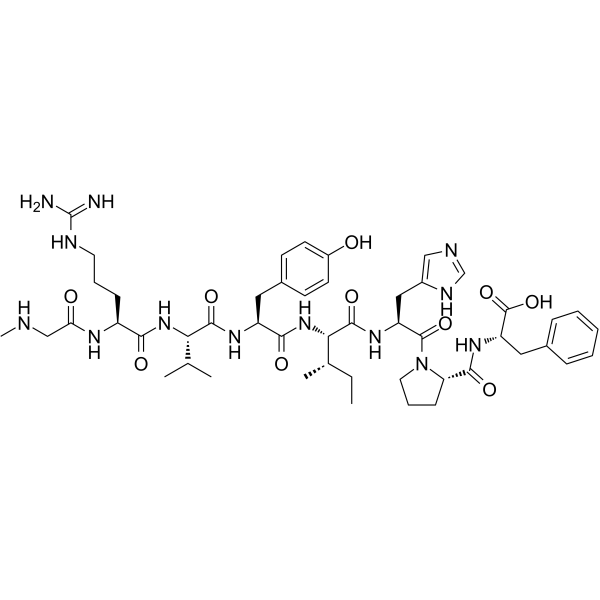
(Sar1)-Angiotensin II, an analogue of Angiotensin II, is a specific agonist of angiotensin AT1 receptor. (Sar1)-Angiotensin II binds to brain membrane-rich particles, with a Kd of 2.7 nM. (Sar1)-Angiotensin II can stimulate protein synthesis and cell growth in embryonic chick myocytes .
|
-
-
- HY-P10620
-
|
|
Bacterial
|
Others
|
|
GGGYK-Biotin is a substrate peptide designed to study the substrate specificity of Sortase A. GGGYK-Biotin can be used to develop Sortase A variants with different substrate specificities .
|
-
-
- HY-13948F1
-
-
-
- HY-P3576A
-
-
-
- HY-P2217
-
|
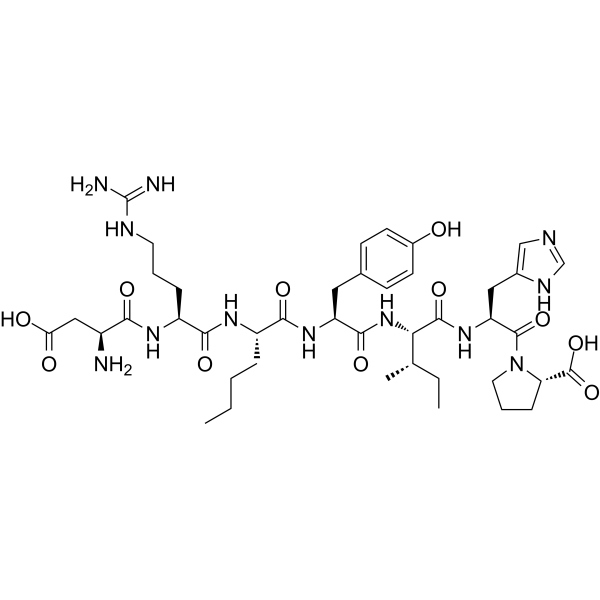
DSC-127; NorLeu3-A(1-7)
|
Angiotensin Receptor
|
Inflammation/Immunology
|
|
Aclerastide (DSC-127) is an angiotensin receptor agonist. Aclerastide also is a peptide analog of angiotensin II. Aclerastide can be used for the research of tissue regeneration in diabetic ulcers .
|
-
-
- HY-P2546
-
|
|
Neurokinin Receptor
|
Neurological Disease
|
|
Biotin-Substance P is the biotin tagged Substance P. Substance P (Neurokinin P) is a neuropeptide, acting as a neurotransmitter and as a neuromodulator in the CNS. The endogenous receptor for substance P is neurokinin 1 receptor (NK1-receptor, NK1R) .
|
-
-
- HY-P1839A
-
|
|
Angiotensin Receptor
|
Cardiovascular Disease
|
|
Angiotensin I/II 1-5 TFA is a peptide that contains the amino acids 1-5, which is converted from Angiotensin I/II. Angiotensin I is formed by the action of renin on angiotensinogen. Angiotensin II is produced from angiotensin I. Angiotensin II has been investigated for the treatment, basic science, and diagnostic of Hypertension, Renin Angiotensin System, and Idiopathic Membranous Nephropathy .
|
-
-
- HY-P1540A
-
-
-
- HY-P10886
-
|
|
Gap Junction Protein
Claudin
|
Inflammation/Immunology
|
|
Zifogaptide is a gap junction protein channel regulator. Zifogaptide mimics the PDZ-binding motif at the C-terminal of Claudin C and competitively interferes with the interaction between Claudin–TJP1 (ZO-1) scaffold. Zifogaptide can promote epithelial cell migration, reduce scar formation, and accelerate wound healing. Zifogaptide can be used for radiation dermatitis, skin injuries, etc .
|
-
-
- HY-P5351A
-
|
|
Transmembrane Glycoprotein
|
Inflammation/Immunology
Cancer
|
|
Hyaluronan-binding peptide, biotin labeled TFA is a biological active peptide. (This peptide is a hyaluronan-binding peptide biotinylated through a C-terminal GGGSK linker. Hyaluronan (HA) is a nonsulfated glycosaminoglycan expressed in the extracellular matrix and on cell surfaces. HA plays a role in fertilization, embryonic development, wound healing, angiogenesis, leukocyte trafficking to inflamed tissues, and cancer metastasis. This peptide has been shown to block HA binding to CD44 receptors and inhibit T cell proliferation.) .
|
-
-
- HY-P2491
-
|
|
Fluorescent Dye
|
Cardiovascular Disease
Endocrinology
|
|
Atrial Natriuretic Peptide (1-28), human, porcine, Biotin-labeled, one of three mammalian natriuretic peptides (NPs), has endocrine effects on fluid homeostasis and blood pressure. Atrial Natriuretic Peptide has the potential for cardiovascular diseases research .
|
-
-
- HY-P2136F
-
|
|
Apoptosis
|
Neurological Disease
Inflammation/Immunology
Cancer
|
|
Biotin-COG1410 TFA is a biotin labled COG1410 (HY-P2136). COG1410 is an apolipoprotein E-derived peptide and an apoptosis inhibitor. COG1410 exerts neuroprotective and antiinflammatory effects in a murine model of traumatic brain injury (TBI). COG1410 can be used for the research of neurological disease .
|
-
-
- HY-P1829A
-
|
|
Angiotensin Receptor
|
Cardiovascular Disease
|
|
Angiotensin I/II (1-6) TFA contains the amino acids 1-6 and is converted from Angiotensin I/II peptide. The precursor angiotensinogen is cleaved by renin to form angiotensin I. Angiotensin I ishydrolyzed by angiotensin-converting enzyme (ACE) to form the biologically active angiotensin II. Angiotensin II has been investigated for the treatment, basic science, and diagnostic of Hypertension, Renin Angiotensin System, and Idiopathic Membranous Nephropathy .
|
-
-
- HY-P11118A
-
|
CAPture peptide, Biotin-CCDC61 (334-366) TFA
|
Biochemical Assay Reagents
|
Others
|
|
Biotinylated CCDC61 peptide (CAPture peptide, biotin-CCDC61 (334-366)) TFA is a biotinylated peptide derived from the centrosomal protein CCDC61. Biotinylated CCDC61 peptide TFA specifically isolates intact centrosomes .
|
-
-
- HY-P2141A
-
|
|
Angiotensin Receptor
Arrestin
|
Cardiovascular Disease
|
|
TRV120027 TFA, a β-arrestin-1-biased agonist of the angiotensin II receptor type 1 (AT1R), engages ?-arrestins while blocking G-protein signaling . TRV120027?TFA induces?acute?catecholamine?secretion?through cation channel subfamily C3 (TRPC3) coupling, promotes the formation of a macromolecular complex composed of AT1R–β-arrestin-1–TRPC3–PLCγ at the plasma membrane. TRV120027 TFA inhibits angiotensin II–mediated vasoconstriction and increases cardiomyocyte contractility. TRV120027 TFA has the potential for the?acute decompensated heart failure (ADHF) treatment .
|
-
-
- HY-P1032S2
-
|
|
Isotope-Labeled Compounds
Endogenous Metabolite
|
Others
|
|
Angiotensin I-13C6,15N (human, mouse, rat) TFA is 13C and 15N labeled Angiotensin I (human, mouse, rat) TFA. Angiotensin I-13C6,15N (human, mouse, rat) TFA is a precursor of angiotensin II and is cleaved into angiotensin II by angiotensin converting enzyme (ACE) .
|
-
-
- HY-P1792
-
|
|
Angiotensin Receptor
|
Metabolic Disease
Endocrinology
|
|
Angiotensin II (1-4), human is an endogenous peptide produced from AT I by angiotensin-converting-enzyme (ACE). Angiotensin II binds the AT II type 1 (AT1) receptor, stimulating GPCRs in vascular smooth muscle cells and increasing intracellular Ca 2+ levels. Angiotensin II also acts at the Na +/H + exchanger in the proximal tubules of the kidney .
|
-
-
- HY-P2643
-
-
-
- HY-P1829
-
|
|
Angiotensin Receptor
|
Cardiovascular Disease
|
|
Angiotensin I/II 1-6 contains the amino acids 1-6 and is converted from Angiotensin I/II peptide. The precursor angiotensinogen is cleaved by renin to form angiotensin I. Angiotensin I ishydrolyzed by angiotensin-converting enzyme (ACE) to form the biologically active angiotensin II. Angiotensin II has been investigated for the treatment, basic science, and diagnostic of Hypertension, Renin Angiotensin System, and Idiopathic Membranous Nephropathy .
|
-
-
- HY-P3844
-
-
-
- HY-P2549
-
-
-
- HY-P1515
-
-
-
- HY-P1839
-
|
|
Angiotensin Receptor
|
Cardiovascular Disease
|
|
Angiotensin I/II 1-5 is a peptide that contains the amino acids 1-5, which is converted from Angiotensin I/II. Angiotensin I is formed by the action of renin on angiotensinogen. Angiotensin II is produced from angiotensin I. Angiotensin II has been investigated for the treatment, basic science, and diagnostic of Hypertension, Renin Angiotensin System, and Idiopathic Membranous Nephropathy .
|
-
-
- HY-P2510
-
|
|
Thyroid Hormone Receptor
|
Metabolic Disease
|
|
Parathyroid Hormone (1-34), human, biotinylated is a probe for the parathyroid hormone receptor, can be used for analyzing the interaction between parathyroid hormone and parathyroid hormone receptors in living cells and for purifying hormone-receptor complexes with affinity columns .
|
-
-
- HY-P10569
-
|
|
EGFR
|
Cancer
|
|
Biotin HER-2 substrate peptide is a substrate of Her4 and Her2/neu tyrosine kinase with a Km value of 60 μm for Her2/neu kinase domain .
|
-
-
- HY-13443F
-
|
Lys27(Biotin)-Exendin 4
|
GCGR
|
Others
|
|
Exendin 4, biotin labeled is a biotin labeled Exendin 4 (HY-13443). Exendin 4 is a long-acting GLP-1 receptor agonist .
|
-
-
- HY-P1792A
-
|
|
Angiotensin Receptor
|
Metabolic Disease
Endocrinology
|
|
Angiotensin II (1-4), human (TFA) is an endogenous peptide produced from AT I by angiotensin-converting-enzyme (ACE). Angiotensin II binds the AT II type 1 (AT1) receptor, stimulating GPCRs in vascular smooth muscle cells and increasing intracellular Ca 2+ levels. Angiotensin II also acts at the Na +/H + exchanger in the proximal tubules of the kidney .
|
-
-
- HY-P10766
-
-
-
- HY-P2551
-
|
|
Amyloid-β
|
Neurological Disease
|
|
Biotin-β-Amyloid (17-40) is a N-terminal-labelled biotinylated amyloid-β(1-40) peptide. β-Amyloid (17-40) is a 24-residue fragment of the Aβ protein via post-translational processing of amyloid precursor protein (APP) .
|
-
-
- HY-P11118
-
|
CAPture peptide, Biotin-CCDC61 (334-366)
|
Biochemical Assay Reagents
|
Others
|
|
Biotinylated CCDC61 peptide (CAPture peptide, biotin-CCDC61 (334-366)) is a biotinylated peptide derived from the centrosomal protein CCDC61. Biotinylated CCDC61 peptide specifically isolates intact centrosomes .
|
-
-
- HY-P2504
-
|
|
Syk
|
Others
|
|
Syk Kinase Peptide Substrate, Biotin labeled is a biotin-labled Syk kinase peptide substrate.
|
-
-
- HY-P2563
-
|
|
Angiotensin Receptor
|
Metabolic Disease
|
|
[Tyr(P)4] Angiotensin II is a peptide that has multiple effects on vascular smooth muscle, including contraction of normal arteries and hypertrophy or hyperplasia of cultured cells or diseased vessels .
|
-
-
- HY-P3576
-
-
-
- HY-P0030
-
-
-
- HY-P10566
-
|
|
BCL6
|
Cancer
|
|
BCOR(498-514), biotinylated is the minimal BCL6 binding domain with an KD value of 1.32 µM. BCOR(498-514), biotinylated blocks BCL6-mediated transcriptional repression and kills lymphoma cells .
|
-
-
- HY-P10372
-
|
|
Src
|
Cancer
|
|
pFYN peptide is a biotin-labled phosphorylated peptide substrate derived from FYN (a Src family kinase) .
|
-
-
- HY-P0216A
-
|
|
Angiotensin Receptor
|
Cardiovascular Disease
|
|
A-779 TFA is a selective angiotensin-(1-7) (Ang-(1-7)) antagonist. A-779 TFA blocks Arachidonic acid release, bradykinin potentiation effects and hypotensive action. A-779 TFA exerts diuretic effects in non-pregnant rats, antidiuretic effects in late-pregnant rats, and also inhibits feed intake and water consumption in late-pregnant rats. A-779 TFA attenuates the regulatory effects of prostacyclin, nitric oxide and thromboxane A2 associated with angiotensin-(1-7). A-779 TFA can be used in studies related to hypertension .
|
-
- HY-P11461
-
|
Biotin-corticotropin releasing factor
|
Drug Derivative
|
Neurological Disease
|
|
Biotin-CRF, human, rat is a biotin-conjugated CRF (human, rat). CRF (human, rat) is a corticotropin-releasing hormone, paraventricular hypothalamic nucleus marker .
|
-
| Cat. No. |
Nombre del producto |
Target |
Research Area |
-
- HY-13948
-
|
Angiotensin II; Ang II; DRVYIHPF
|
Angiotensin Receptor
Apoptosis
|
Cardiovascular Disease
Infection
Metabolic Disease
Inflammation/Immunology
Cancer
|
|
Angiotensin II (Angiotensin II) is a vasoconstrictor and a major bioactive peptide of the renin/angiotensin system. Angiotensin II human plays a central role in regulating human blood pressure, which is mainly mediated by interactions between Angiotensin II and the G-protein-coupled receptors (GPCRs) Angiotensin II type 1 receptor (AT1R) and Angiotensin II type 2 receptor (AT2R). Angiotensin II human stimulates sympathetic nervous stimulation, increases aldosterone biosynthesis and renal actions. Angiotensin II human induces growth of vascular smooth muscle cells, increases collagen type I and III synthesis in fibroblasts, leading to thickening of the vascular wall and myocardium, and fibrosis. Angiotensin II human also induces apoptosis. Angiotensin II induces capillary formation from endothelial cells via the LOX-1 dependent redox-sensitive pathway .
|
-
- HY-13948A
-
|
Angiotensin II acetate; Ang II acetate; DRVYIHPF acetate
|
Angiotensin Receptor
Apoptosis
|
Cardiovascular Disease
Infection
Metabolic Disease
Inflammation/Immunology
Cancer
|
|
Angiotensin II human (Angiotensin II) acetate is a vasoconstrictor and a major bioactive peptide of the renin/angiotensin system. Angiotensin II human acetate plays a central role in regulating human blood pressure, which is mainly mediated by interactions between Angiotensin II and the G-protein-coupled receptors (GPCRs) Angiotensin II type 1 receptor (AT1R) and Angiotensin II type 2 receptor (AT2R). Angiotensin II human acetate stimulates sympathetic nervous stimulation, increases aldosterone biosynthesis and renal actions. Angiotensin II human acetate induces growth of vascular smooth muscle cells, increases collagen type I and III synthesis in fibroblasts, leading to thickening of the vascular wall and myocardium, and fibrosis. Angiotensin II human acetate also induces apoptosis. Angiotensin II human acetate induces capillary formation from endothelial cells via the LOX-1 dependent redox-sensitive pathway .
|
-
- HY-12403
-
|
TXA127; Angiotensin (1-7); Ang-(1-7)
|
Angiotensin Receptor
Angiotensin-converting Enzyme (ACE)
Endogenous Metabolite
|
Cardiovascular Disease
Inflammation/Immunology
Endocrinology
Cancer
|
|
Angiotensin 1-7 (Ang-(1-7)) is an endogenous heptapeptide from the renin-angiotensin system (RAS) with a cardioprotective role due to its anti-inflammatory and anti-fibrotic activities in cardiac cells. Angiotensin 1-7 inhibits purified canine ACE activity (IC50=0.65 μM). Angiotensin 1-7 acts as a local synergistic modulator of kinin-induced vasodilation by inhibiting ACE and releasing nitric oxide. Angiotensin 1-7 blocks Ang II-induced smooth muscle cell proliferation and hypertrophy and shows antiangiogenic and growth-inhibitory effects on the endothelium. Angiotensin 1-7 shows anti-inflammatory activity .
|
-
- HY-P0216
-
-
- HY-P1656
-
|
|
Angiotensin Receptor
Mas-related G-protein-coupled Receptor (MRGPR)
|
Cardiovascular Disease
|
|
(D-Pro7)-Angiotensin I/II (1-7) is a potent Mas receptor inhibitor with a Ki of 0.001 μM for rat receptors. (D-Pro7)-Angiotensin I/II (1-7) competitively blocks the binding of Angiotensin-(1-7) to the Mas receptor and attenuates the vasodilatory effect of rat aortas under physiological and hypertensive conditions. (D-Pro7)-Angiotensin I/II (1-7) can be used for studies on the function of the renin-angiotensin system and the pathological mechanisms of hypertension .
|
-
- HY-P11307
-
|
|
Proteasome
|
Cancer
|
|
Biotin-epoxomicin is a Proteasome subunit binder. Biotin-epoxomicin serves as an affinity reagent for identifying proteasomal catalytic subunits, and facilitates affinity purification of active proteasomal subunits for LC-MS identification. Biotin-epoxomicin can be used to study solid tumors derived from B16 melanoma .
|
-
- HY-13948F
-
|
Biotin-Ahx-Angiotensin II; Biotin-Ahx-Ang II; Biotin-Ahx-DRVYIHPF
|
Angiotensin Receptor
|
Others
|
|
Biotin-Ahx-Angiotensin II human (Biotin-Ahx-Angiotensin II; Biotin-Ahx-Ang II; Biotin-Ahx-DRVYIHPF) is a biological active peptide. (biotin labeled HY-13948)
|
-
- HY-P2141
-
|
TRV027
|
Angiotensin Receptor
Arrestin
|
Cardiovascular Disease
|
|
TRV120027, a β-arrestin-1-biased agonist of the angiotensin II receptor type 1 (AT1R), engages β-arrestins while blocking G-protein signaling . TRV120027 induces acute catecholamine secretion through cation channel subfamily C3 (TRPC3) coupling, promotes the formation of a macromolecular complex composed of AT1R-β-arrestin-1-TRPC3-PLCγ at the plasma membrane. TRV120027 inhibits angiotensin II-mediated vasoconstriction and increases cardiomyocyte contractility. TRV120027 has the potential for the acute decompensated heart failure (ADHF) treatment .
|
-
- HY-13948B
-
|
Angiotensin II TFA; Ang II TFA; DRVYIHPF TFA
|
Angiotensin Receptor
Apoptosis
|
Cardiovascular Disease
Metabolic Disease
Cancer
|
|
Angiotensin II human (Angiotensin II) TFA is a vasoconstrictor and a major bioactive peptide of the renin/angiotensin system. Angiotensin II human TFA plays a central role in regulating human blood pressure, which is mainly mediated by interactions between Angiotensin II and the G-protein-coupled receptors (GPCRs) Angiotensin II type 1 receptor (AT1R) and Angiotensin II type 2 receptor (AT2R). Angiotensin II human TFA stimulates sympathetic nervous stimulation, increases aldosterone biosynthesis and renal actions. Angiotensin II human TFA induces growth of vascular smooth muscle cells, increases collagen type I and III synthesis in fibroblasts, leading to thickening of the vascular wall and myocardium, and fibrosis. Angiotensin II human TFA also induces apoptosis. Angiotensin II human TFA induces capillary formation from endothelial cells via the LOX-1 dependent redox-sensitive pathway .
|
-
- HY-P11306
-
|
|
Proteasome
NF-κB
|
Inflammation/Immunology
|
|
Biotin-(Oaa)3-epoxomicin is a biotin-labeled form of Epoxomicin (HY-13821), prepared by conjugating Epoxomicin with biotin via three hydrophilic oxaacetyl amino acid (Oaa) linkers. Biotin-(Oaa)3-epoxomicin is primarily used in proteomic studies for the capture, identification and target validation of proteasome complexes, to determine the intracellular targets of epoxomicin. Epoxomicin acts as a proteasome inhibitor and NF-κB inhibitor, which effectively blocks inflammatory responses in mouse ear edema assays. It inhibits proteasome activity via covalent binding to catalytic subunits including LMP7, X, MECL1 and Z, with the strongest inhibitory effect on chymotrypsin-like activity, and does not interfere with non-proteasomal proteases such as trypsin and papain .
|
-
- HY-12403A
-
|
TXA127 acetate; Angiotensin (1-7) acetate; Ang-(1-7) acetate
|
Angiotensin Receptor
Angiotensin-converting Enzyme (ACE)
Endogenous Metabolite
|
Cardiovascular Disease
Inflammation/Immunology
Endocrinology
Cancer
|
|
Angiotensin 1-7 (Ang-(1-7)) acetate is an endogenous heptapeptide from the renin-angiotensin system (RAS) with a cardioprotective role due to its anti-inflammatory and anti-fibrotic activities in cardiac cells. Angiotensin 1-7 acetate inhibits purified canine ACE activity (IC50=0.65 μM). Angiotensin 1-7 acetate acts as a local synergistic modulator of kinin-induced vasodilation by inhibiting ACE and releasing nitric oxide. Angiotensin 1-7 acetate blocks Ang II-induced smooth muscle cell proliferation and hypertrophy and shows antiangiogenic and growth-inhibitory effects on the endothelium .
|
-
- HY-P1769
-
|
|
Angiotensin Receptor
|
Metabolic Disease
Endocrinology
|
|
Angiotensin II (5-8), human is an endogenous C-terminal fragment of the peptide vasoconstrictor angiotensin II . Angiotensin II binds the AT II type 1 (AT1) receptor, stimulating GPCRs in vascular smooth muscle cells and increasing intracellular Ca 2+ levels. Angiotensin II also acts at the Na +/H + exchanger in the proximal tubules of the kidney .
|
-
- HY-P1540
-
-
- HY-P3138
-
|
|
Angiotensin Receptor
|
Cardiovascular Disease
|
|
(Sar1)-Angiotensin II, an analogue of Angiotensin II, is a specific agonist of angiotensin AT1 receptor. (Sar1)-Angiotensin II binds to brain membrane-rich particles, with a Kd of 2.7 nM. (Sar1)-Angiotensin II can stimulate protein synthesis and cell growth in embryonic chick myocytes .
|
-
- HY-P10620
-
|
|
Bacterial
|
Others
|
|
GGGYK-Biotin is a substrate peptide designed to study the substrate specificity of Sortase A. GGGYK-Biotin can be used to develop Sortase A variants with different substrate specificities .
|
-
- HY-13948F1
-
-
- HY-P3576A
-
-
- HY-P2217
-
|
DSC-127; NorLeu3-A(1-7)
|
Angiotensin Receptor
|
Inflammation/Immunology
|
|
Aclerastide (DSC-127) is an angiotensin receptor agonist. Aclerastide also is a peptide analog of angiotensin II. Aclerastide can be used for the research of tissue regeneration in diabetic ulcers .
|
-
- HY-P10244F
-
|
|
Peptides
|
Infection
|
|
Biotin-YVAD-FMK is an inhibitor for vacuolar processing enzyme (VPE), with a 64% inhibition at 5 μM. Biotin-YVAD-FMK is an irreversible substrate for caspase 1 .
|
-
- HY-P2546
-
|
|
Neurokinin Receptor
|
Neurological Disease
|
|
Biotin-Substance P is the biotin tagged Substance P. Substance P (Neurokinin P) is a neuropeptide, acting as a neurotransmitter and as a neuromodulator in the CNS. The endogenous receptor for substance P is neurokinin 1 receptor (NK1-receptor, NK1R) .
|
-
- HY-P1839A
-
|
|
Angiotensin Receptor
|
Cardiovascular Disease
|
|
Angiotensin I/II 1-5 TFA is a peptide that contains the amino acids 1-5, which is converted from Angiotensin I/II. Angiotensin I is formed by the action of renin on angiotensinogen. Angiotensin II is produced from angiotensin I. Angiotensin II has been investigated for the treatment, basic science, and diagnostic of Hypertension, Renin Angiotensin System, and Idiopathic Membranous Nephropathy .
|
-
- HY-P1540A
-
-
- HY-P10886
-
|
|
Gap Junction Protein
Claudin
|
Inflammation/Immunology
|
|
Zifogaptide is a gap junction protein channel regulator. Zifogaptide mimics the PDZ-binding motif at the C-terminal of Claudin C and competitively interferes with the interaction between Claudin–TJP1 (ZO-1) scaffold. Zifogaptide can promote epithelial cell migration, reduce scar formation, and accelerate wound healing. Zifogaptide can be used for radiation dermatitis, skin injuries, etc .
|
-
- HY-P5351A
-
|
|
Transmembrane Glycoprotein
|
Inflammation/Immunology
Cancer
|
|
Hyaluronan-binding peptide, biotin labeled TFA is a biological active peptide. (This peptide is a hyaluronan-binding peptide biotinylated through a C-terminal GGGSK linker. Hyaluronan (HA) is a nonsulfated glycosaminoglycan expressed in the extracellular matrix and on cell surfaces. HA plays a role in fertilization, embryonic development, wound healing, angiogenesis, leukocyte trafficking to inflamed tissues, and cancer metastasis. This peptide has been shown to block HA binding to CD44 receptors and inhibit T cell proliferation.) .
|
-
- HY-P2491
-
|
|
Fluorescent Dye
|
Cardiovascular Disease
Endocrinology
|
|
Atrial Natriuretic Peptide (1-28), human, porcine, Biotin-labeled, one of three mammalian natriuretic peptides (NPs), has endocrine effects on fluid homeostasis and blood pressure. Atrial Natriuretic Peptide has the potential for cardiovascular diseases research .
|
-
- HY-P2136F
-
|
|
Apoptosis
|
Neurological Disease
Inflammation/Immunology
Cancer
|
|
Biotin-COG1410 TFA is a biotin labled COG1410 (HY-P2136). COG1410 is an apolipoprotein E-derived peptide and an apoptosis inhibitor. COG1410 exerts neuroprotective and antiinflammatory effects in a murine model of traumatic brain injury (TBI). COG1410 can be used for the research of neurological disease .
|
-
- HY-P1829A
-
|
|
Angiotensin Receptor
|
Cardiovascular Disease
|
|
Angiotensin I/II (1-6) TFA contains the amino acids 1-6 and is converted from Angiotensin I/II peptide. The precursor angiotensinogen is cleaved by renin to form angiotensin I. Angiotensin I ishydrolyzed by angiotensin-converting enzyme (ACE) to form the biologically active angiotensin II. Angiotensin II has been investigated for the treatment, basic science, and diagnostic of Hypertension, Renin Angiotensin System, and Idiopathic Membranous Nephropathy .
|
-
- HY-P11118A
-
|
CAPture peptide, Biotin-CCDC61 (334-366) TFA
|
Biochemical Assay Reagents
|
Others
|
|
Biotinylated CCDC61 peptide (CAPture peptide, biotin-CCDC61 (334-366)) TFA is a biotinylated peptide derived from the centrosomal protein CCDC61. Biotinylated CCDC61 peptide TFA specifically isolates intact centrosomes .
|
-
- HY-P2141A
-
|
|
Angiotensin Receptor
Arrestin
|
Cardiovascular Disease
|
|
TRV120027 TFA, a β-arrestin-1-biased agonist of the angiotensin II receptor type 1 (AT1R), engages ?-arrestins while blocking G-protein signaling . TRV120027?TFA induces?acute?catecholamine?secretion?through cation channel subfamily C3 (TRPC3) coupling, promotes the formation of a macromolecular complex composed of AT1R–β-arrestin-1–TRPC3–PLCγ at the plasma membrane. TRV120027 TFA inhibits angiotensin II–mediated vasoconstriction and increases cardiomyocyte contractility. TRV120027 TFA has the potential for the?acute decompensated heart failure (ADHF) treatment .
|
-
- HY-P1032S2
-
|
|
Isotope-Labeled Compounds
Endogenous Metabolite
|
Others
|
|
Angiotensin I-13C6,15N (human, mouse, rat) TFA is 13C and 15N labeled Angiotensin I (human, mouse, rat) TFA. Angiotensin I-13C6,15N (human, mouse, rat) TFA is a precursor of angiotensin II and is cleaved into angiotensin II by angiotensin converting enzyme (ACE) .
|
-
- HY-P1792
-
|
|
Angiotensin Receptor
|
Metabolic Disease
Endocrinology
|
|
Angiotensin II (1-4), human is an endogenous peptide produced from AT I by angiotensin-converting-enzyme (ACE). Angiotensin II binds the AT II type 1 (AT1) receptor, stimulating GPCRs in vascular smooth muscle cells and increasing intracellular Ca 2+ levels. Angiotensin II also acts at the Na +/H + exchanger in the proximal tubules of the kidney .
|
-
- HY-P2643
-
-
- HY-P1829
-
|
|
Angiotensin Receptor
|
Cardiovascular Disease
|
|
Angiotensin I/II 1-6 contains the amino acids 1-6 and is converted from Angiotensin I/II peptide. The precursor angiotensinogen is cleaved by renin to form angiotensin I. Angiotensin I ishydrolyzed by angiotensin-converting enzyme (ACE) to form the biologically active angiotensin II. Angiotensin II has been investigated for the treatment, basic science, and diagnostic of Hypertension, Renin Angiotensin System, and Idiopathic Membranous Nephropathy .
|
-
- HY-P3844
-
-
- HY-P2549
-
-
- HY-P1515
-
-
- HY-P1839
-
|
|
Angiotensin Receptor
|
Cardiovascular Disease
|
|
Angiotensin I/II 1-5 is a peptide that contains the amino acids 1-5, which is converted from Angiotensin I/II. Angiotensin I is formed by the action of renin on angiotensinogen. Angiotensin II is produced from angiotensin I. Angiotensin II has been investigated for the treatment, basic science, and diagnostic of Hypertension, Renin Angiotensin System, and Idiopathic Membranous Nephropathy .
|
-
- HY-P2510
-
|
|
Thyroid Hormone Receptor
|
Metabolic Disease
|
|
Parathyroid Hormone (1-34), human, biotinylated is a probe for the parathyroid hormone receptor, can be used for analyzing the interaction between parathyroid hormone and parathyroid hormone receptors in living cells and for purifying hormone-receptor complexes with affinity columns .
|
-
- HY-P10569
-
|
|
EGFR
|
Cancer
|
|
Biotin HER-2 substrate peptide is a substrate of Her4 and Her2/neu tyrosine kinase with a Km value of 60 μm for Her2/neu kinase domain .
|
-
- HY-P5351
-
|
|
Peptides
|
Others
|
|
Hyaluronan-binding peptide, biotin labeled is a biological active peptide. (This peptide is a hyaluronan-binding peptide biotinylated through a C-terminal GGGSK linker. Hyaluronan (HA) is a nonsulfated glycosaminoglycan expressed in the extracellular matrix and on cell surfaces. HA plays a role in fertilization, embryonic development, wound healing, angiogenesis, leukocyte trafficking to inflamed tissues, and cancer metastasis. This peptide has been shown to block HA binding to CD44 receptors and inhibit T cell proliferation.)
|
-
- HY-13443F
-
|
Lys27(Biotin)-Exendin 4
|
GCGR
|
Others
|
|
Exendin 4, biotin labeled is a biotin labeled Exendin 4 (HY-13443). Exendin 4 is a long-acting GLP-1 receptor agonist .
|
-
- HY-P1792A
-
|
|
Angiotensin Receptor
|
Metabolic Disease
Endocrinology
|
|
Angiotensin II (1-4), human (TFA) is an endogenous peptide produced from AT I by angiotensin-converting-enzyme (ACE). Angiotensin II binds the AT II type 1 (AT1) receptor, stimulating GPCRs in vascular smooth muscle cells and increasing intracellular Ca 2+ levels. Angiotensin II also acts at the Na +/H + exchanger in the proximal tubules of the kidney .
|
-
- HY-P10766
-
-
- HY-P2551
-
|
|
Amyloid-β
|
Neurological Disease
|
|
Biotin-β-Amyloid (17-40) is a N-terminal-labelled biotinylated amyloid-β(1-40) peptide. β-Amyloid (17-40) is a 24-residue fragment of the Aβ protein via post-translational processing of amyloid precursor protein (APP) .
|
-
- HY-P11118
-
|
CAPture peptide, Biotin-CCDC61 (334-366)
|
Biochemical Assay Reagents
|
Others
|
|
Biotinylated CCDC61 peptide (CAPture peptide, biotin-CCDC61 (334-366)) is a biotinylated peptide derived from the centrosomal protein CCDC61. Biotinylated CCDC61 peptide specifically isolates intact centrosomes .
|
-
- HY-P2504
-
|
|
Syk
|
Others
|
|
Syk Kinase Peptide Substrate, Biotin labeled is a biotin-labled Syk kinase peptide substrate.
|
-
- HY-P2563
-
|
|
Angiotensin Receptor
|
Metabolic Disease
|
|
[Tyr(P)4] Angiotensin II is a peptide that has multiple effects on vascular smooth muscle, including contraction of normal arteries and hypertrophy or hyperplasia of cultured cells or diseased vessels .
|
-
- HY-P3576
-
-
- HY-P0030
-
-
- HY-P4078
-
|
|
Peptides
|
Others
|
|
(Arg)9 biotin labeled is a cell-permeable peptide. (Arg)9 biotin labeled can be used for drug delivery. (Arg)9 biotin labeled can traverse the plasma membrane of eukaryotic cells .
|
- HY-P10566
-
|
|
BCL6
|
Cancer
|
|
BCOR(498-514), biotinylated is the minimal BCL6 binding domain with an KD value of 1.32 µM. BCOR(498-514), biotinylated blocks BCL6-mediated transcriptional repression and kills lymphoma cells .
|
- HY-P10372
-
|
|
Src
|
Cancer
|
|
pFYN peptide is a biotin-labled phosphorylated peptide substrate derived from FYN (a Src family kinase) .
|
- HY-P0216A
-
|
|
Angiotensin Receptor
|
Cardiovascular Disease
|
|
A-779 TFA is a selective angiotensin-(1-7) (Ang-(1-7)) antagonist. A-779 TFA blocks Arachidonic acid release, bradykinin potentiation effects and hypotensive action. A-779 TFA exerts diuretic effects in non-pregnant rats, antidiuretic effects in late-pregnant rats, and also inhibits feed intake and water consumption in late-pregnant rats. A-779 TFA attenuates the regulatory effects of prostacyclin, nitric oxide and thromboxane A2 associated with angiotensin-(1-7). A-779 TFA can be used in studies related to hypertension .
|
- HY-P11461
-
|
Biotin-corticotropin releasing factor
|
Drug Derivative
|
Neurological Disease
|
|
Biotin-CRF, human, rat is a biotin-conjugated CRF (human, rat). CRF (human, rat) is a corticotropin-releasing hormone, paraventricular hypothalamic nucleus marker .
|
| Cat. No. |
Nombre del producto |
Category |
Target |
Chemical Structure |
-
- HY-13948
-
|
Angiotensin II; Ang II; DRVYIHPF
|
Structural Classification
Productos naturales
Classification of Application Fields
Endogenous metabolite
Disease Research Fields
Endocrinology
Source Classification
Cancer
|
Angiotensin Receptor
Apoptosis
|
|
Angiotensin II (Angiotensin II) is a vasoconstrictor and a major bioactive peptide of the renin/angiotensin system. Angiotensin II human plays a central role in regulating human blood pressure, which is mainly mediated by interactions between Angiotensin II and the G-protein-coupled receptors (GPCRs) Angiotensin II type 1 receptor (AT1R) and Angiotensin II type 2 receptor (AT2R). Angiotensin II human stimulates sympathetic nervous stimulation, increases aldosterone biosynthesis and renal actions. Angiotensin II human induces growth of vascular smooth muscle cells, increases collagen type I and III synthesis in fibroblasts, leading to thickening of the vascular wall and myocardium, and fibrosis. Angiotensin II human also induces apoptosis. Angiotensin II induces capillary formation from endothelial cells via the LOX-1 dependent redox-sensitive pathway .
|
-
-
- HY-12403
-
-
-
- HY-12403A
-
-
| Cat. No. |
Nombre del producto |
Chemical Structure |
-
- HY-P1032S2
-
|
|
|
Angiotensin I-13C6,15N (human, mouse, rat) TFA is 13C and 15N labeled Angiotensin I (human, mouse, rat) TFA. Angiotensin I-13C6,15N (human, mouse, rat) TFA is a precursor of angiotensin II and is cleaved into angiotensin II by angiotensin converting enzyme (ACE) .
|
-
Your information is safe with us. * Required Fields.
Inquiry Information
- Nombre del producto:
- Cat. No.:
- Cantidad:
- MCE Japan Authorized Agent:

