



Arrestin
Arrestin is a key protein that regulates G protein-coupled receptor (GPCR) signaling. Upon ligand activation, GPCRs undergo C-terminal phosphorylation by specific kinases (such as GRK, G protein-coupled receptor kinase), which recruits Arrestin, thereby preventing further coupling between GPCRs and G proteins while triggering receptor internalization and downstream signal transduction. Arrestin plays a crucial role in signal transduction, receptor desensitization and endocytosis, as well as multiprotein signaling complex assembly.
Arrestin is mainly classified into four types: Visual Arrestin (Arrestin-1), Cone Arrestin (Arrestin-4), β-Arrestin 1 (Arrestin-2), and β-Arrestin 2 (Arrestin-3). Among them, Arrestin-1 and Arrestin-4 are primarily involved in retinal phototransduction, whereas β-Arrestin 1 and β-Arrestin 2 are widely expressed in multiple tissues, regulating most GPCR-related signaling pathways. Structurally, Arrestin consists of N-terminal and C-terminal β-strand domains, stabilized by a polar core, and undergoes conformational changes upon receptor binding, thereby initiating signal transmission.
In the nervous system, Arrestin regulates dopamine receptor (e.g., D2 receptor) signaling, affecting Parkinson’s disease and Schizophrenia. In cancer, Arrestin integrates ERK, JNK, and Akt signaling pathways to regulate tumor cell growth and migration, for example, β-Arrestin 2-mediated GPCR signaling promotes cancer cell survival and drug resistance. Additionally, Arrestin is involved in inflammatory responses and immune regulation, playing important roles in diabetes, asthma, and inflammatory diseases[1][2].
Arrestin Isoform Specific Products
All Product Categories
-
Arrestin Related Products (89)
Related Products (89)

-
Antibodies (2)
-
Arrestin Isoform Comparison
-
Barbadin
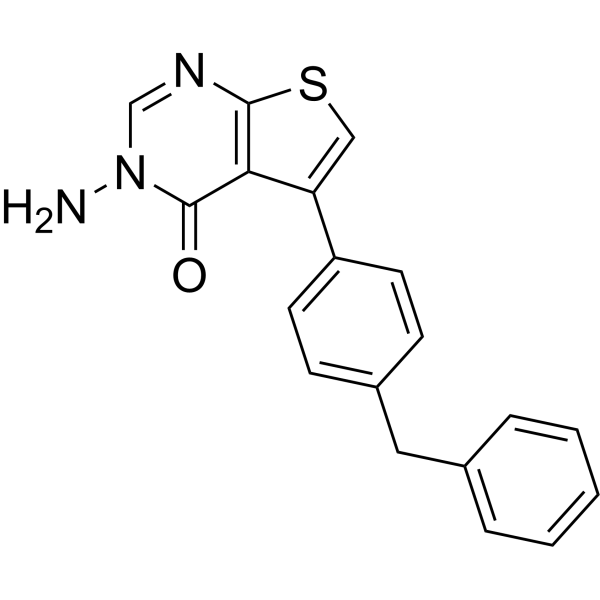 0 ImagesBarbadin is a novel and selective β-arrestin/β2-adaptin interaction inhibitor, has IC50 values of 19.1 μM for β-arrestin1 and 15.6 μM for β-arrestin2. Barbadin blocks agonist-promoted endocytosis of the prototypical β2-adrenergic, V2-vasopressin and angiotensin-II type-1 receptors. Barbadin can induce apoptosis.
-
ML221
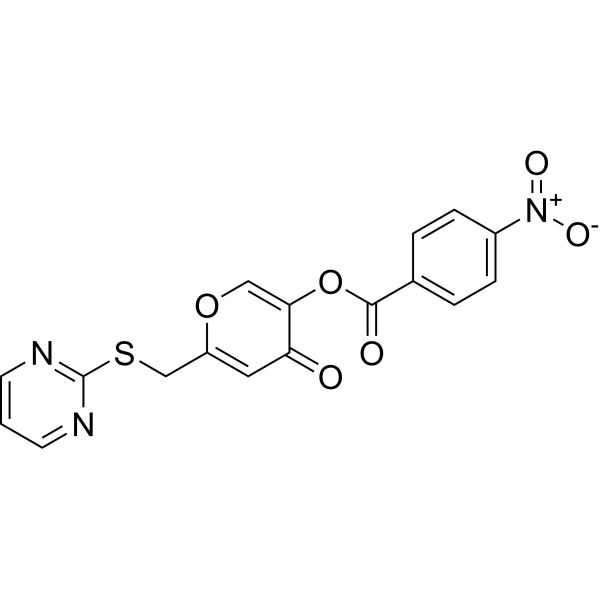 0 ImagesML221 is a potent apelin (APJ) functional antagonist, inhibiting apelin-13-mediated activation of APJ, with IC50s of 0.70 μM in the cAMP assay, and 1.75 μM in the β-arrestin assay, and EC80 of 10 nM in both assays.
-
SRI-37330 hydrochloride
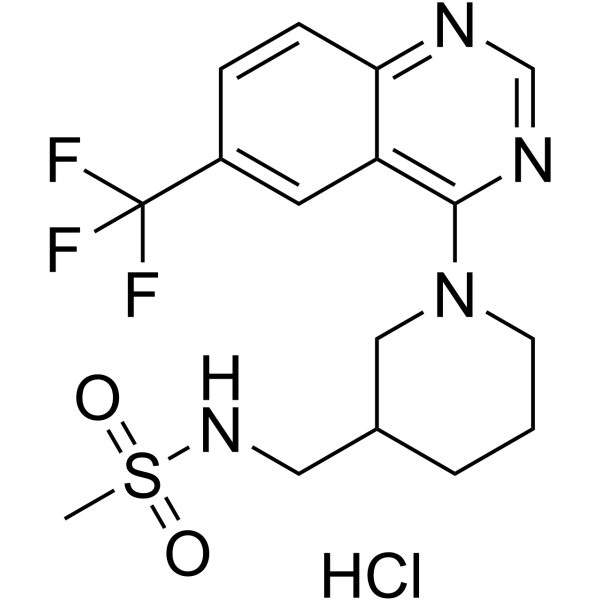 0 ImagesSRI-37330 hydrochloride is an orally bioavailable thioredoxin-interacting protein (TXNIP) inhibitor. SRI-37330 hydrochloride inhibits glucagon secretion and function, reduces hepatic glucose production and reverses hepatic steatosis. SRI-37330 hydrochloride can be used for type 2 diabetes research.
-
ML339
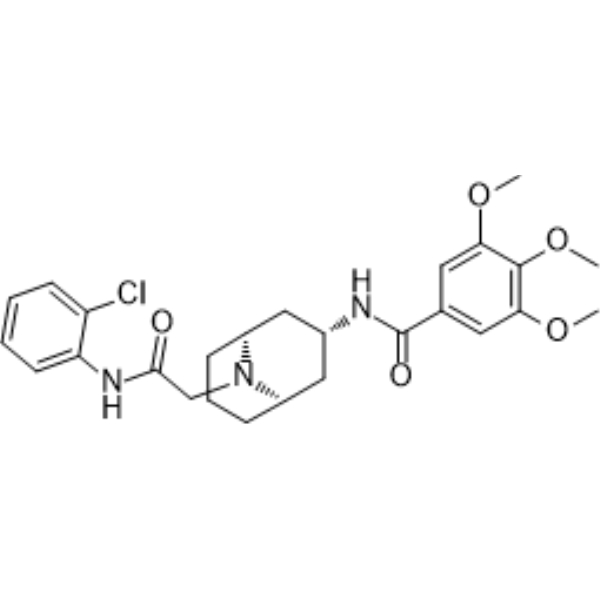 0 ImagesML339 is a selective CXCR6 antagonist with an IC50 of 140 nM. ML339 antagonizes β-arrestin recruitment and cAMP signaling pathway of human CXCR6 receptor induced by CXCL16, with IC50 of 0.3 μM and 1.4 μM, respectively. ML339 shows weaker activity against the recruitment of β-arrestin in mouse CXCR6 receptors, with an IC50 of 18 μM. ML339 has no inhibitory effect on CXCR5,CXCR4,CXCR6 and apelin receptor (APJ), with IC50 >79 μM. ML339 has the potential to promote the development of prostate cancer research.
-
SRI-37330
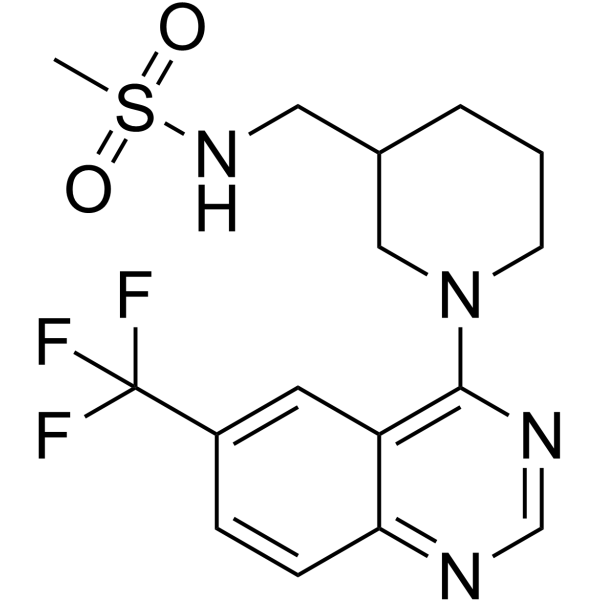 0 ImagesSRI-37330 is an orally bioavailable thioredoxin-interacting protein (TXNIP) inhibitor. SRI-37330 inhibits glucagon secretion and function, reduces hepatic glucose production and reverses hepatic steatosis. SRI-37330 can be used for type 2 diabetes research.
-
VUF11207 fumarate
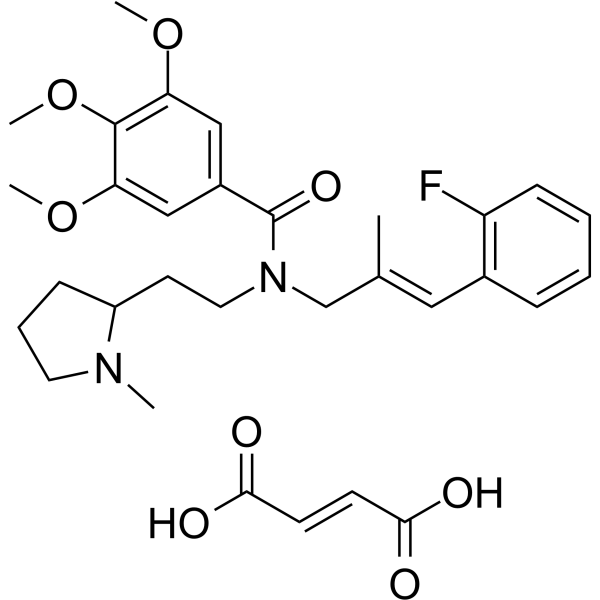 0 ImagesVUF11207 fumarate is a potent, selective, and orally active CXCR7/ACKR3 agonist (pKi = 8.1). VUF11207 fumarate specifically activates CXCR7/ACKR3, recruits β-arrestin, and induces receptor internalization, while downregulating the pro-inflammatory, pro-osteoclastogenic, and tumor immunosuppressive signaling mediated by the CXCL12-CXCR4 axis. VUF11207 fumarate can be used for research on glioblastoma, hypertension, and venous thrombosis.
-
SDF-1α (human) TFA
 0 ImagesCat. No.: HY-P4911APurity: 98.89%SDF-1α (human) TFA is an endogenous CXC chemokine and the primary natural ligand of CXCR4. SDF-1α (human) TFA activates Gαi, MAP kinase, β-arrestin, and JAK/STAT signaling pathways, promoting chemotaxis of CXCR4-positive cells. SDF-1α (human) TFA induces receptor internalization and promotes cancer cell migration and invasion. SDF-1α (human) TFA promotes dental pulp cell migration and is required for osteogenesis, angiogenesis, and neurogenesis of dental pulp cells. SDF-1α (human) TFA is used in research on CXCR4-mediated diseases, such as cancer and cardiovascular diseases.
-
VUF11207
 0 ImagesCat. No.: HY-100677CAS No.: 1378524-41-4VUF11207 is a potent, selective, and orally active CXCR7/ACKR3 agonist (pKi = 8.1). VUF11207 specifically activates CXCR7/ACKR3, recruits β-arrestin, and induces receptor internalization, while downregulating the pro-inflammatory, pro-osteoclastogenic, and tumor immunosuppressive signaling mediated by the CXCL12-CXCR4 axis. VUF11207 can be used for research on glioblastoma, hypertension, and venous thrombosis.
-
Monlunabant
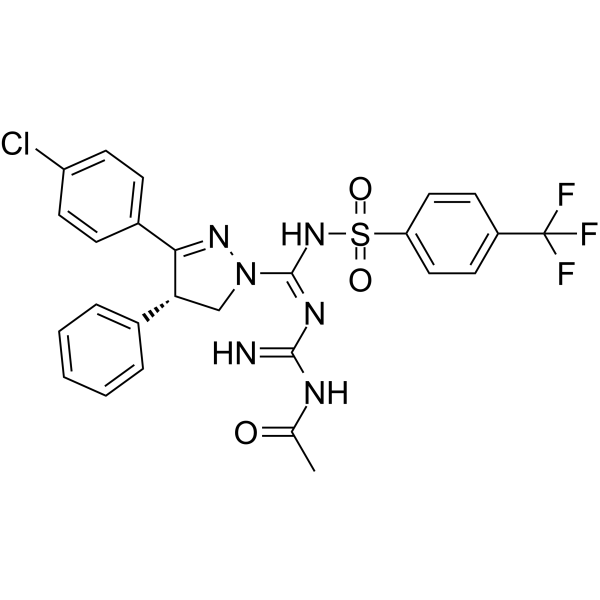 0 ImagesSynonyms: (S)-MRI-1891; INV-202Monlunabant ((S)-MRI-1891) is an orally active antagonist for cannabinoid receptor 1 (CB1), binds to hCB1 and hCB2 with Ki of 0.3 nM and 613 nM.
-
Abaloparatide
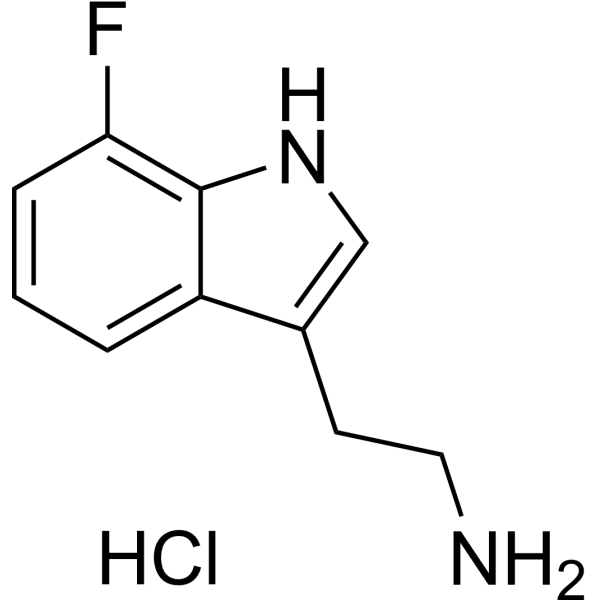
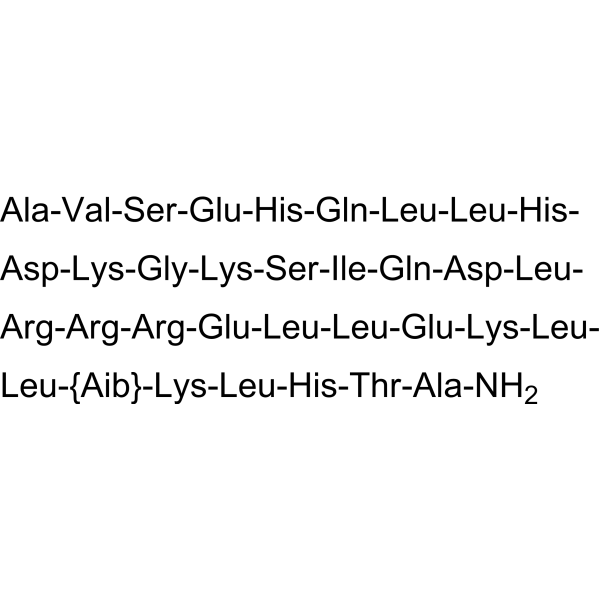 0 ImagesSynonyms: BA 058; BIM 44058Abaloparatide (BA 058) is a parathyroid hormone receptor 1 (PTHR1) analog. Abaloparatide also is a selective PTHR1 activator. Abaloparatide enhances Gs/cAMP signaling and β-arrestin recruitment. Abaloparatide enhances bone formation and cortical structure in mice. Abaloparatide has the potential for the research of osteoporosis.
-
Forsythoside I
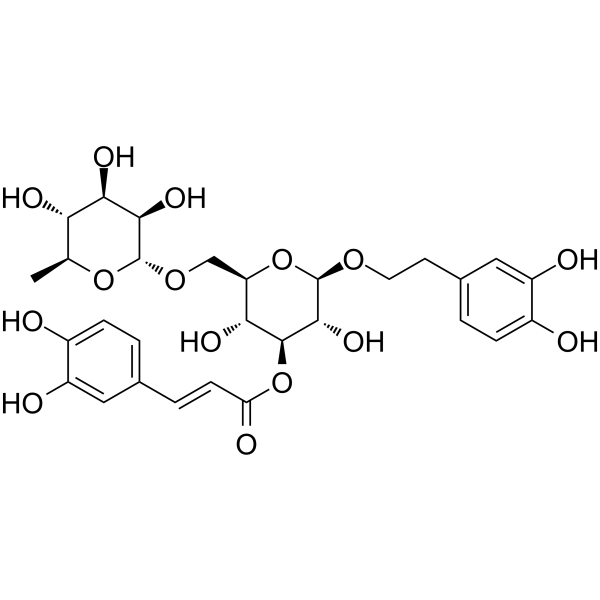 0 ImagesForsythoside I is an orally active caffeoyl phenylethanoid glycoside (CPG) that can be isolated from Forsythia suspense (Thunb.) Vahl. Forsythoside I has anti-inflammatory activity and can exert a protective effect in a mouse model of acute lung injury.
-
TXNIP-IN-1
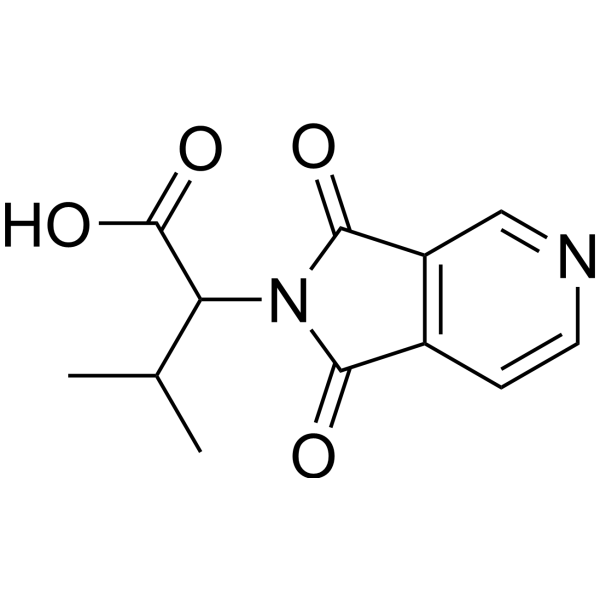 0 ImagesTXNIP-IN-1 is TXNIP-TRX (thioredoxin-interacting protein- thioredoxin) complex inhibitor extracted from patent US20200085800A1, Compound 1. TXNIP-IN-1 can be used in the research of TXNIP-TRX complex associated metabolic disorder (diabetes), cardiovascular disease, or inflammatory disease.
-
DHICA
 0 ImagesCat. No.: HY-W018158CAS No.: 4790-08-3Synonyms: 5,6-Dihydroxyindole-2-carboxylic acidDHICA (5,6-Dihydroxyindole-2-carboxylic acid) is an eumelanin building block, GPR35 agonist and melanin synthesis intermediate. DHICA activates GPR35, triggering dynamic mass redistribution and β-arrestin translocation. DHICA interacts with DNA and interferes with Fpg activity. DHICA promotes the generation of single-strand breaks in plasmid DNA. DHICA increases the activity and expression levels of SOD and Catalase. DHICA is applicable to research related to skin cancer and colon cancer.
-
TRV-120027
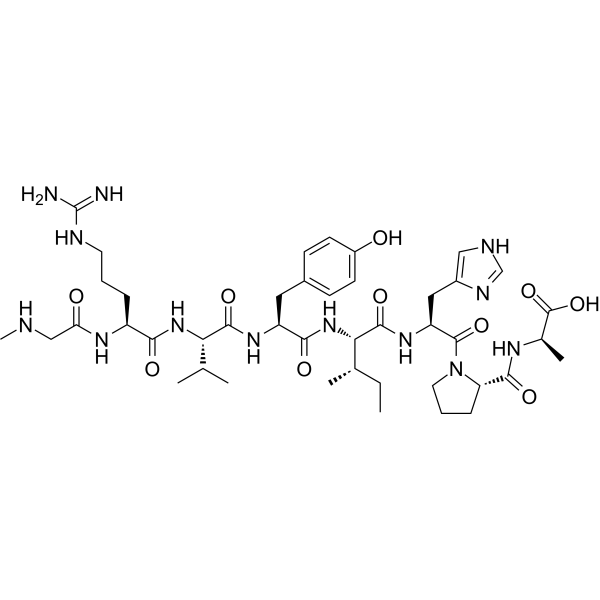 0 ImagesSynonyms: TRV027TRV120027, a β-arrestin-1-biased agonist of the angiotensin II receptor type 1 (AT1R), engages β-arrestins while blocking G-protein signaling. TRV120027 induces acute catecholamine secretion through cation channel subfamily C3 (TRPC3) coupling, promotes the formation of a macromolecular complex composed of AT1R-β-arrestin-1-TRPC3-PLCγ at the plasma membrane. TRV120027 inhibits angiotensin II-mediated vasoconstriction and increases cardiomyocyte contractility. TRV120027 has the potential for the acute decompensated heart failure (ADHF) treatment.
-
CT-996
 0 ImagesSynonyms: RO7795081; RG6652CT-996 is an orally active GLP-1RA agonist with an EC50 of 0.49 nM. CT-996 reduces the recruitment of β-arrestin and the internalization of GLP-1R. CT-996 suppresses postprandial blood glucose in mice expressing human GLP-1 receptors and enhances glucose-stimulated insulin secretion (GSIS) in obese monkeys during intravenous glucose challenge. CT-996 can be used for the research of type 2 diabetes (T2D) and obesity.
-
IHCH-7086
 0 ImagesIHCH-7086 is a blood-brain barrier-permeable, partial β-arrestin-biased agonist of 5-HT2AR with a Ki of 12.59 nM. IHCH-7086 blocks D-lysergic acid diethylamide-induced head-twitch response in mice and alleviates depression-like behaviors in mice subjected to acute restraint stress or injected with Corticosterone (HY-B1618). IHCH-7086 is applicable to research related to depression.
-
Abaloparatide TFA
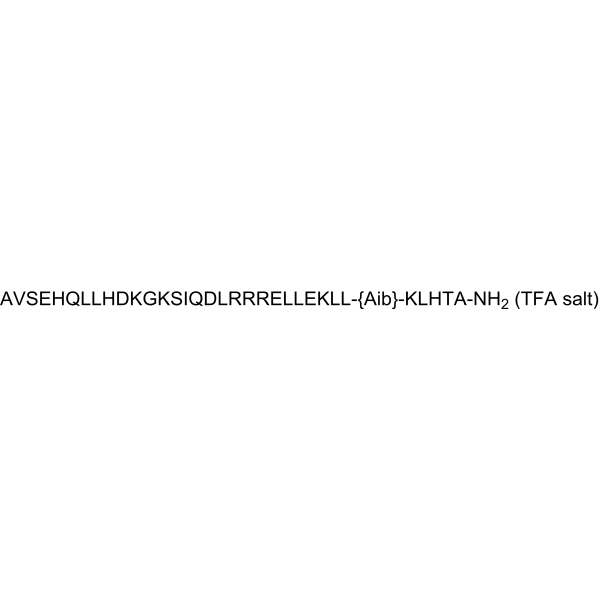 0 ImagesCat. No.: HY-108742APurity: 98.80%Synonyms: BA 058 TFA; BIM 44058 TFAAbaloparatide TFA (BA 058 TFA) is a parathyroid hormone receptor 1 (PTHR1) analogue. Abaloparatide TFA also is a selective PTHR1 activator. Abaloparatide TFA enhances Gs/cAMP signaling and β-arrestin recruitment. Abaloparatide TFA enhances bone formation and cortical structure in mice. Abaloparatide TFA has the potential for the research of osteoporosis.
-
UNC9994 hydrochloride
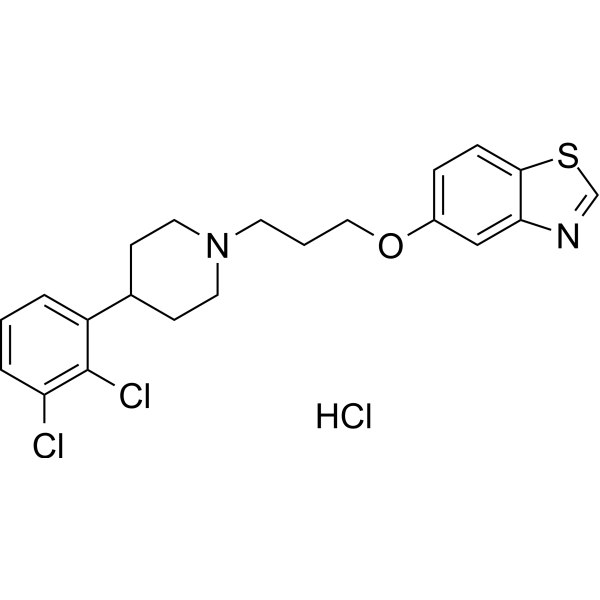 0 ImagesUNC9994 hydrochloride is a functionally selective, β-arrestin–biased dopamine D2 receptor (D2R) agonist that selectively activates β-arrestin recruitment and signaling. UNC9994 hydrochloride shows a binding affinity with a Ki of 79 nM for D2R. UNC9994 hydrochloride is also an antagonist of Gi-regulated cAMP production and partial agonist for D2R/β-arrestin-2 interactions. UNC9994 hydrochloride shows antipsychotic-like activity.
-
Balixafortide TFA
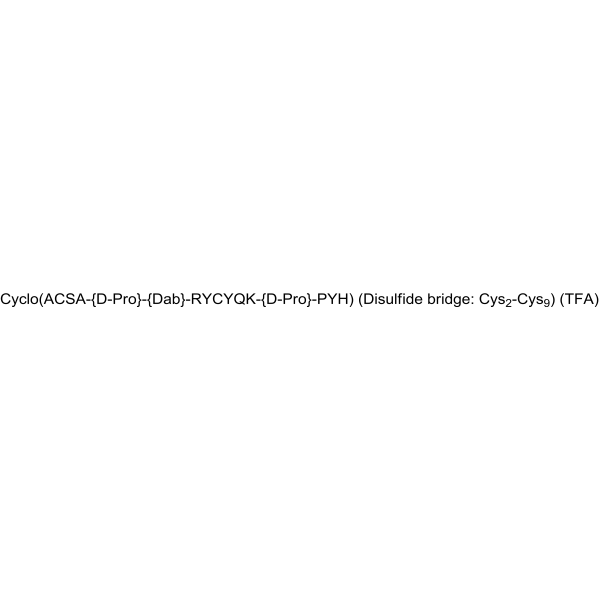 0 ImagesCat. No.: HY-P1682APurity: 99.89%Synonyms: POL6326 TFABalixafortide TFA (POL6326 TFA) is a potent, selective, well-tolerated peptidic CXCR4 antagonist with an IC50 < 10 nM. Balixafortide TFA shows 1000-fold selective for CXCR4 than a large panel of receptors including CXCR7. Balixafortide TFA blocks β-arrestin recruitment and calcium flux with IC50s < 10 nM. Balixafortide TFA is also a potent hematopoietic stem and progenitor cell (HSPC) mobilizing agent. Anti-cancer effects.




