



-
Arrestin Produits associés (32)
Produits associés (32)

- 1
- 2
-
ML221
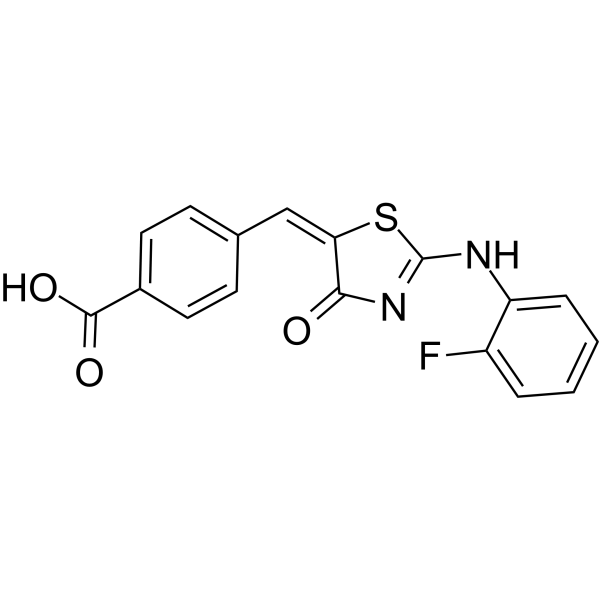
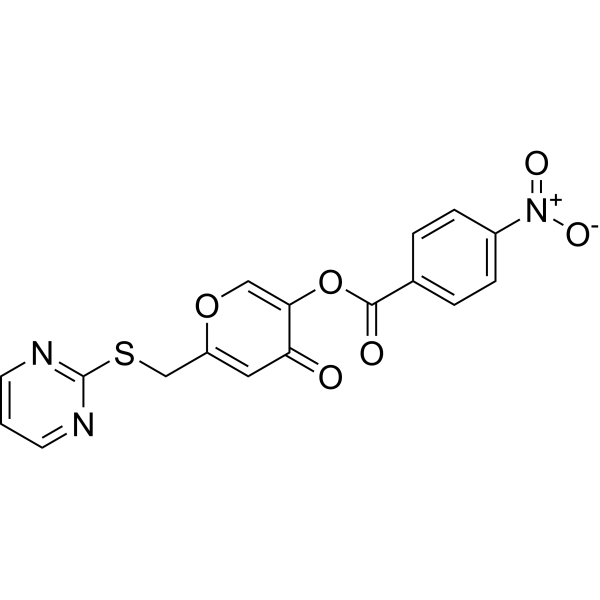 0 ImagesML221 is a potent apelin (APJ) functional antagonist, inhibiting apelin-13-mediated activation of APJ, with IC50s of 0.70 μM in the cAMP assay, and 1.75 μM in the β-arrestin assay, and EC80 of 10 nM in both assays.
-
SRI-37330 hydrochloride
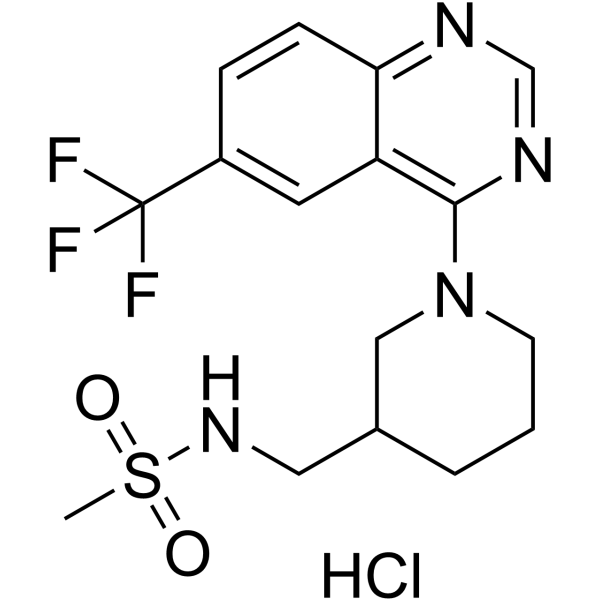 0 ImagesSRI-37330 hydrochloride is an orally bioavailable thioredoxin-interacting protein (TXNIP) inhibitor. SRI-37330 hydrochloride inhibits glucagon secretion and function, reduces hepatic glucose production and reverses hepatic steatosis. SRI-37330 hydrochloride can be used for type 2 diabetes research.
-
SRI-37330
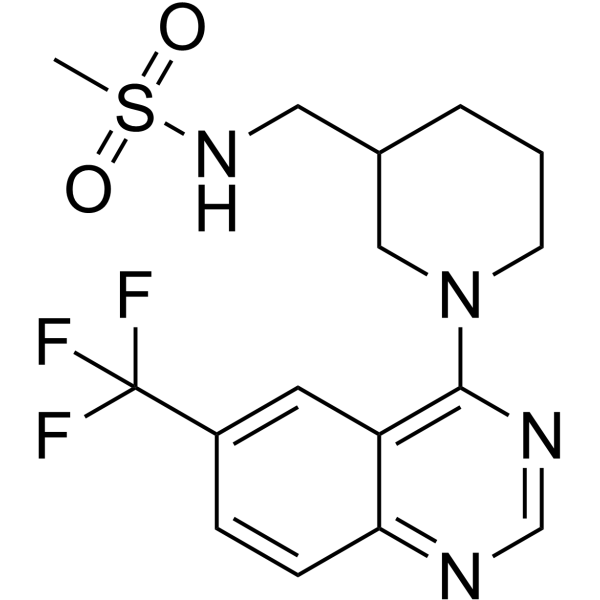 0 ImagesSRI-37330 is an orally bioavailable thioredoxin-interacting protein (TXNIP) inhibitor. SRI-37330 inhibits glucagon secretion and function, reduces hepatic glucose production and reverses hepatic steatosis. SRI-37330 can be used for type 2 diabetes research.
-
Monlunabant
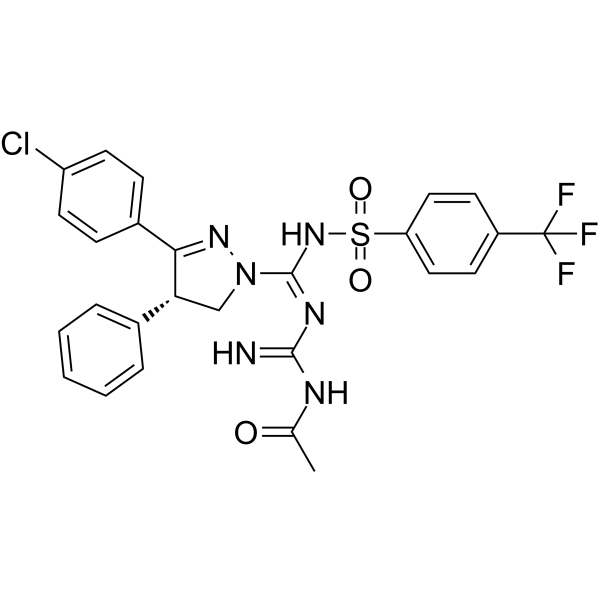 0 ImagesSynonyms: (S)-MRI-1891; INV-202Monlunabant ((S)-MRI-1891) is an orally active antagonist for cannabinoid receptor 1 (CB1), binds to hCB1 and hCB2 with Ki of 0.3 nM and 613 nM.
-
Abaloparatide
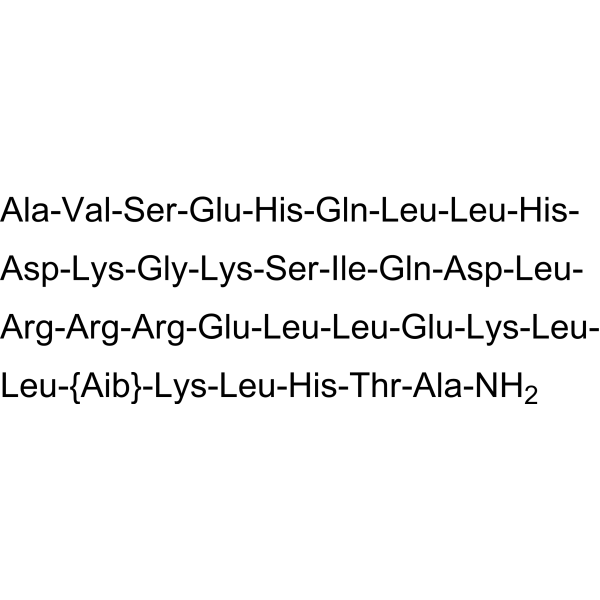 0 ImagesSynonyms: BA 058; BIM 44058Abaloparatide (BA 058) is a parathyroid hormone receptor 1 (PTHR1) analog. Abaloparatide also is a selective PTHR1 activator. Abaloparatide enhances Gs/cAMP signaling and β-arrestin recruitment. Abaloparatide enhances bone formation and cortical structure in mice. Abaloparatide has the potential for the research of osteoporosis.
-
SKL1223
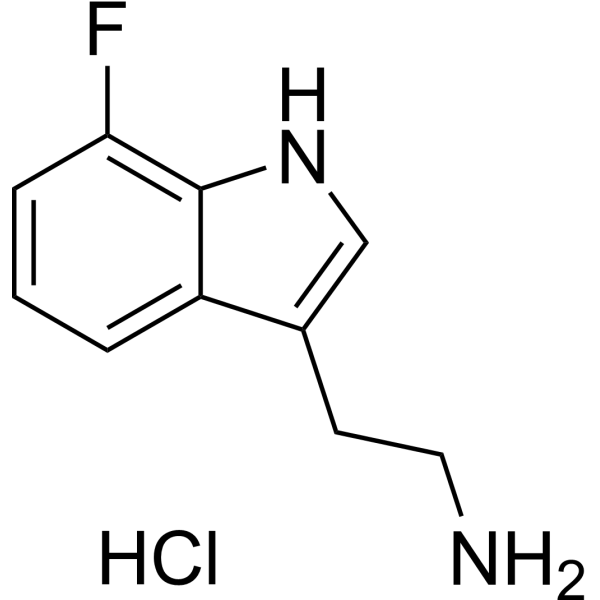
 0 ImagesSKL1223 is an orally effective thioredoxin-interacting protein (TXNIP) inhibitor with an IC50 of 0.64 µM. SKL1223 interacts with the E-box region of the TXNIP promoter to inhibit TXNIP transcription and related signaling pathways. SKL1223 reduces hepatic glucose output. SKL1223 exerts hypoglycemic effects by regulating the action of glucagon, and modulates blood glucose levels in Streptozotocin (HY-13753)-induced and obesity-induced diabetic mice. SKL1223 can be used in the research of type 1 diabetes and type 2 diabetes.
-
TXNIP-IN-1
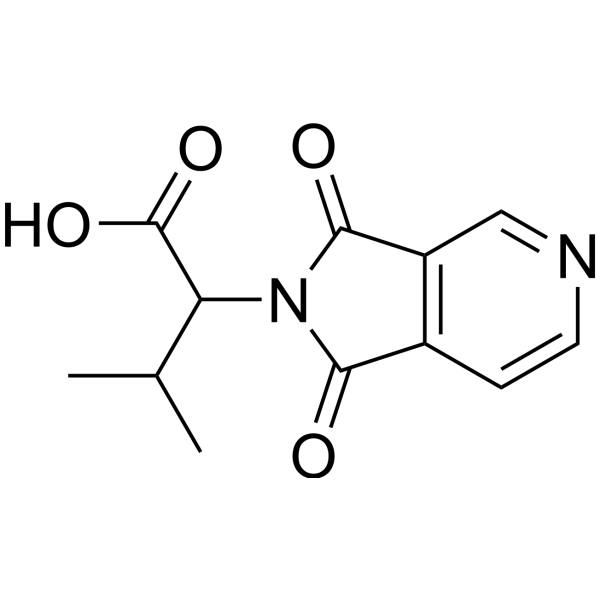 0 ImagesTXNIP-IN-1 is TXNIP-TRX (thioredoxin-interacting protein- thioredoxin) complex inhibitor extracted from patent US20200085800A1, Compound 1. TXNIP-IN-1 can be used in the research of TXNIP-TRX complex associated metabolic disorder (diabetes), cardiovascular disease, or inflammatory disease.
-
CT-996
 0 ImagesSynonyms: RO7795081; RG6652CT-996 is an orally active GLP-1RA agonist with an EC50 of 0.49 nM. CT-996 reduces the recruitment of β-arrestin and the internalization of GLP-1R. CT-996 suppresses postprandial blood glucose in mice expressing human GLP-1 receptors and enhances glucose-stimulated insulin secretion (GSIS) in obese monkeys during intravenous glucose challenge. CT-996 can be used for the research of type 2 diabetes (T2D) and obesity.
-
Abaloparatide TFA
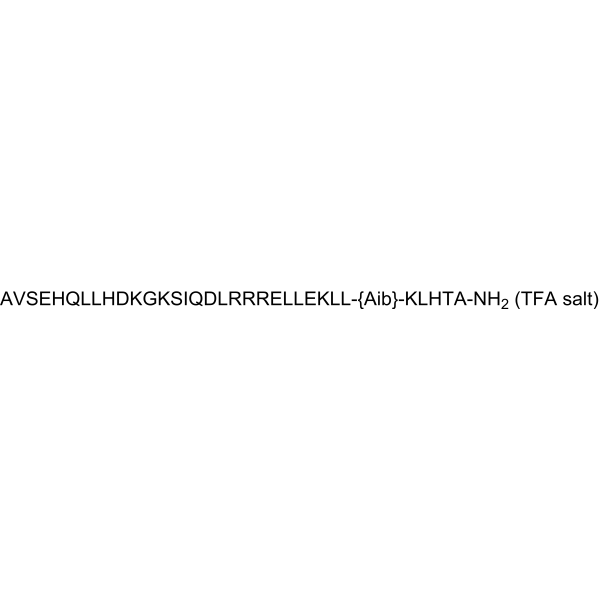 0 ImagesCat. No.: HY-108742APureté: 98.80%Synonyms: BA 058 TFA; BIM 44058 TFAAbaloparatide TFA (BA 058 TFA) is a parathyroid hormone receptor 1 (PTHR1) analogue. Abaloparatide TFA also is a selective PTHR1 activator. Abaloparatide TFA enhances Gs/cAMP signaling and β-arrestin recruitment. Abaloparatide TFA enhances bone formation and cortical structure in mice. Abaloparatide TFA has the potential for the research of osteoporosis.
-
SBI-810 hydrochloride
 0 ImagesSBI-810 hydrochloride is a blood-brain barrier-permeable NTSR1 modulator. SBI-810 hydrochloride promotes the recruitment of β-arrestin-2 to NTSR1 and antagonizes NTSR1-mediated Gq activation. SBI-810 hydrochloride inhibits excitatory synaptic transmission, NMDA receptor and extracellular signal-regulated kinase (ERK) signaling in spinal nociceptive neurons, reduces surface expression of Nav1.7 and action potential firing in primary sensory neurons, and attenuates C-fiber responses. SBI-810 hydrochloride effectively alleviates acute and chronic pain in various rodent models through peripheral and central modulation. SBI-810 hydrochloride is applicable to research related to multiple pain disorders.
-
Elabela(19-32)
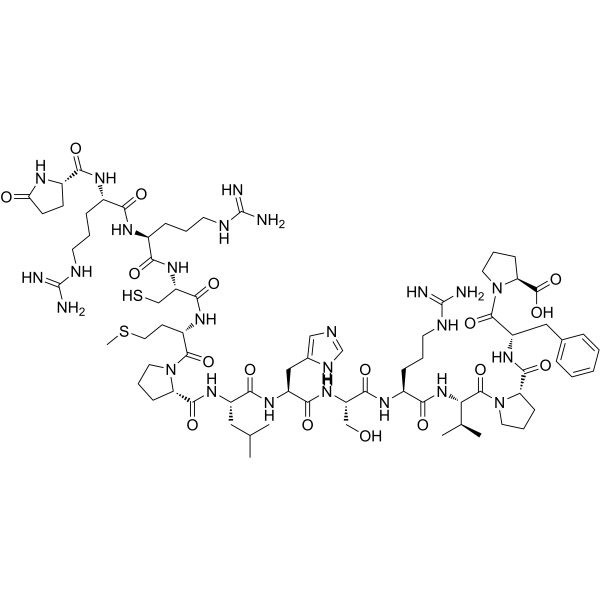 0 ImagesElabela(19-32) is an active fragment of ELABELA (ELA) that binds to apelin receptor (APJ). Elabela(19-32) activates the Gαi1 and β-arrestin-2 signaling pathways with EC50s of 8.6 nM and 166 nM. Elabela(19-32) induces receptor internalization and reduces arterial pressure, exerts positive inotropic effects on the heart.
-
SBI-477
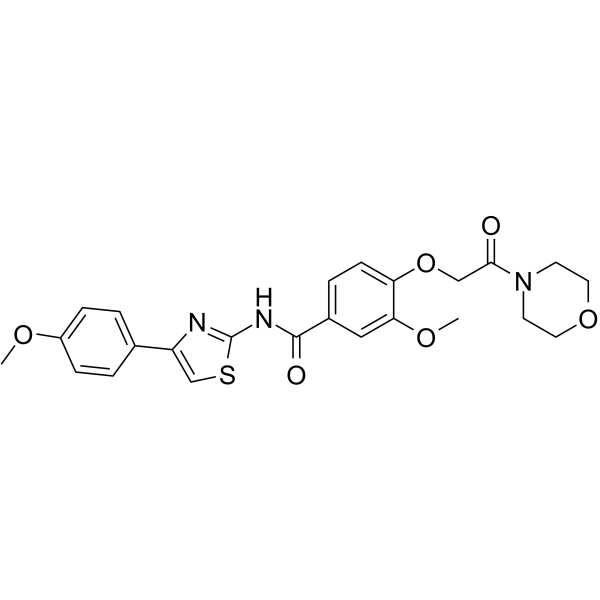 0 ImagesSBI-477 is a chemical probe that stimulates insulin signaling by deactivating the transcription factor MondoA. SBI-477 can lead to reduced expression of the insulin pathway suppressors thioredoxin-interacting protein (TXNIP) and arrestin domain-containing 4 (ARRDC4). SBI-477 coordinately inhibits triacylglyceride (TAG) synthesis and enhances basal glucose uptake in human skeletal myocytes.
-
Elabela(19-32) TFA
 0 ImagesCat. No.: HY-P2106APureté: 99.93%Elabela(19-32) TFA is an active fragment of ELABELA (ELA) that binds to apelin receptor (APJ). Elabela(19-32) TFA activates the Gαi1 and β-arrestin-2 signaling pathways with EC50s of 8.6 nM and 166 nM. Elabela(19-32) TFA induces receptor internalization and reduces arterial pressure, exerts positive inotropic effects on the heart.

-
SBI-810
 0 ImagesSBI-810 is a blood-brain barrier-permeable NTSR1 modulator. SBI-810 promotes the recruitment of β-arrestin-2 to NTSR1 and antagonizes NTSR1-mediated Gq activation. SBI-810 inhibits excitatory synaptic transmission, NMDA receptor and extracellular signal-regulated kinase (ERK) signaling in spinal nociceptive neurons, reduces surface expression of Nav1.7 and action potential firing in primary sensory neurons, and attenuates C-fiber responses. SBI-810 effectively alleviates acute and chronic pain in various rodent models through peripheral and central modulation. SBI-810 is applicable to research related to multiple pain disorders.
-
ELA-11(human)
 0 ImagesELA-11(human), a peptide, is a full agonist of human apelin receptor, with a pKi of 7.85. ELA-11(human) completely inhibits Forskolin-induced cAMP production and stimulates β-arrestin recruitment.
-
(S)-TXNIP-IN-1
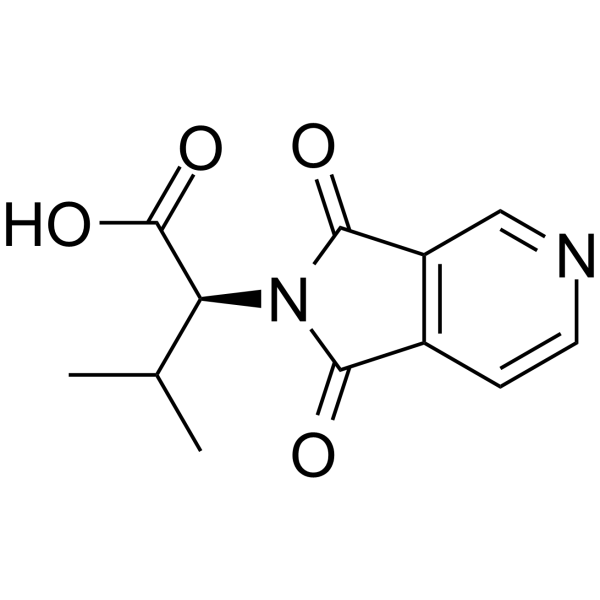 0 Images(S)-TXNIP-IN-1 is the less active S-enantiomer of TXNIP-IN-1 (HY-115688). TXNIP-IN-1 is a TXNIP-TRX complex inhibitor which can be used in the research of TXNIP-TRX complex associated metabolic disorder (diabetes), cardiovascular disease, or inflammatory disease
-
ELA-21 (human)
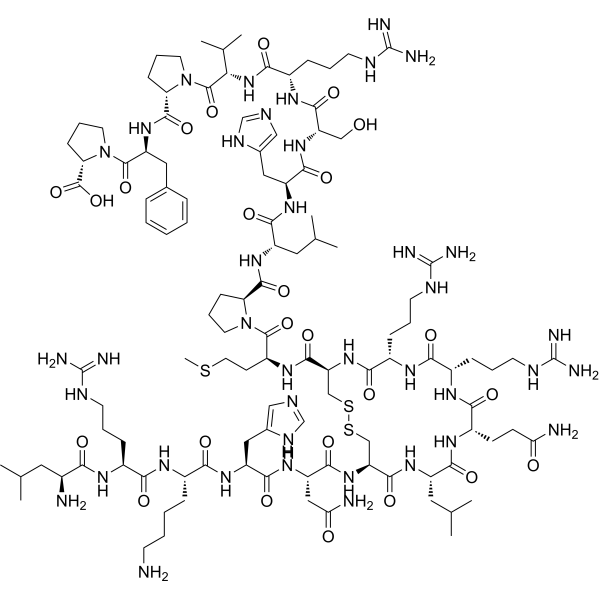 0 ImagesELA-21 (human) is an apelin receptor agonist with a pKi of 8.52. ELA-21 (human) completely inhibits Forskolin-induced cAMP production and stimulates β-arrestin recruitment with subnanomolar potencies. ELA-21 (human) is an agonist in G-protein-dependent and -independent pathways.
- 1
- 2



