



GCGR
Glucagon Receptor
GCGR (glucagon receptor) is in the G protein-coupled receptor family, that is important in controlling blood glucose levels. The glucagon receptor is a 62 kDa protein that is activated by glucagon and is a member of the class B G-protein coupled family of receptors, coupled to G alpha i, Gs and to a lesser extent G alpha q. Stimulation of the receptor results in activation of adenylate cyclase and increased levels of intracellular cAMP. In humans, the glucagon receptor is encoded by the GCGR gene. Glucagon receptors are mainly expressed in liver and in kidney with lesser amounts found in heart, adipose tissue, spleen, thymus, adrenal glands, pancreas, cerebral cortex, and gastrointestinal tract.
All Product Categories
-
GCGR Verwandte Produkte (195)
Verwandte Produkte (195)

-
Recombinant Proteins (15)
-
Antibodies (3)
-
Liraglutide
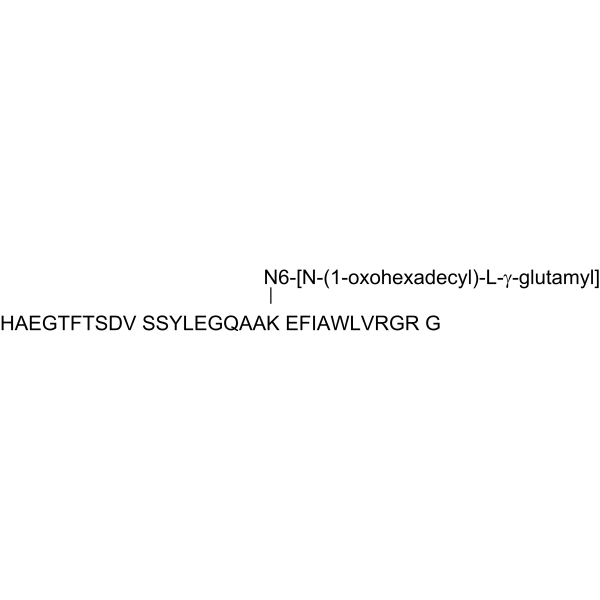 0 ImagesLiraglutide is a glucagon-like peptide-1 (GLP-1) receptor agonist used clinically to treat type 2 diabetes mellitus.
-
Orforglipron
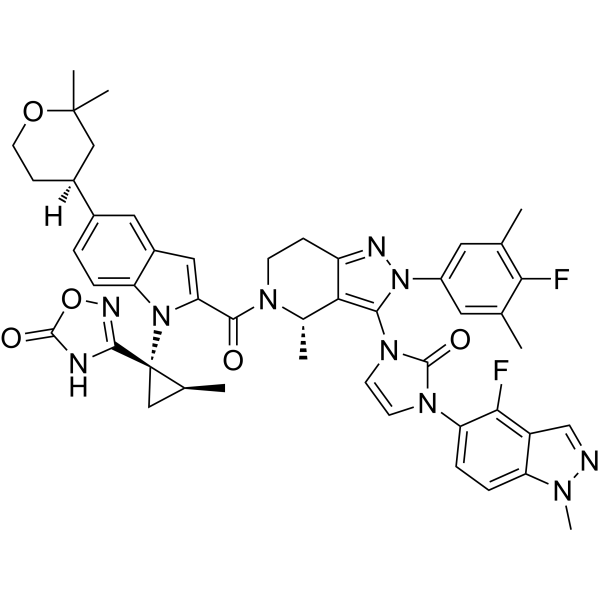 0 ImagesSynonyms: LY3502970; GLP-1 receptor agonist 1; OWL-833Orforglipron (LY3502970) (Compound 67) is an orally active agonist for Glucagon-like peptide-1 receptor (GLP-1R), which exhibits potency in ameliorates the type 2 diabete.
-
Retatrutide
 0 ImagesSynonyms: LY3437943Retatrutide (LY3437943) is a triple agonist peptide of the glucagon receptor (GCGR), glucosedependent insulinotropic polypeptide receptor (GIPR), and glucagon-like peptide-1 receptor (GLP-1R). Retatrutide binds human GCGR, GIPR, and GLP-1R with EC50 values of 5.79, 0.0643 and 0.775 nM, respectively. Retatrutide can be used for the research of obesity.
-
Glucagon (1-29), bovine, human
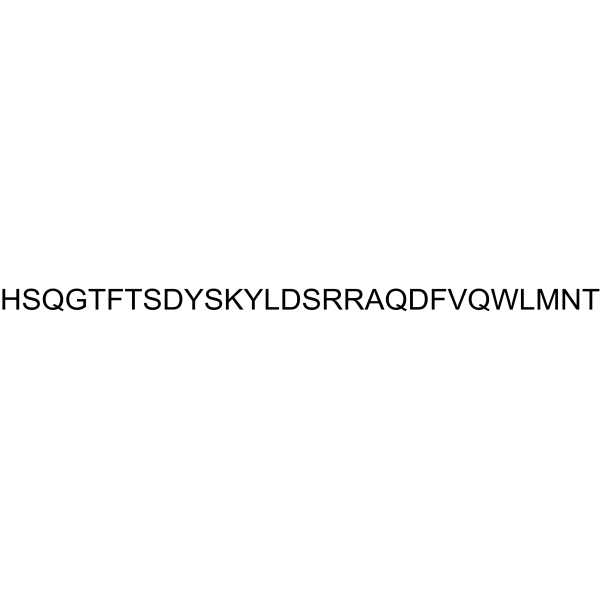 0 ImagesSynonyms: GlucagonGlucagon (1-29), bovine, human, porcine is a peptide hormone, produced by pancreatic α-cells. Glucagon stimulates gluconeogenesis. Glucagon (1-29), bovine, human, porcine activates HNF4α and increases HNF4α phosphorylation.
-
Danuglipron
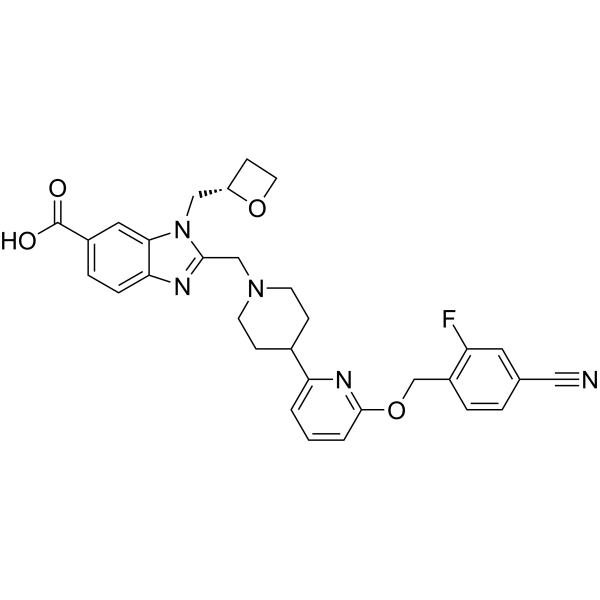 0 ImagesSynonyms: PF-06882961Danuglipron (PF-06882961) is an orally active glucagon-like peptide-1 receptor (GLP-1R) agonist. Danuglipron has the potential for type 2 diabetes research.
-
Orforglipron hemicalcium hydrate
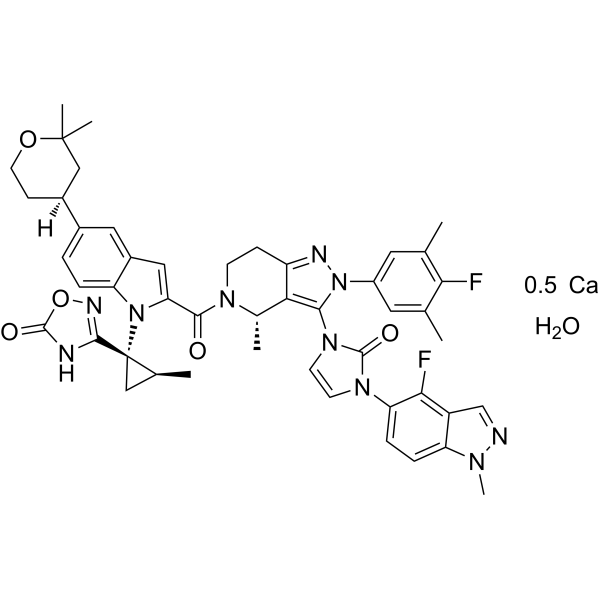 0 ImagesSynonyms: LY3502970 hemicalcium hydrate; GLP-1 receptor agonist 1 hemicalcium hydrate; OWL-833 hemicalcium hydrateOrforglipron hemicalcium hydrate (LY3502970 hemicalcium hydrate; GLP-1 receptor agonist 1 hemicalcium hydrate) is the calcium salt hydrate form of Orforglipron (HY-112185). Orforglipron is an orally active agonist for Glucagon-like peptide-1 receptor (GLP-1R), which exhibits potency in ameliorating the type 2 diabete.

-
Dulaglutide
 0 ImagesSynonyms: LY2189265Dulaglutide (LY2189265) is a glucagon-like peptide-1 (GLP-1) receptor agonist. Dulaglutide can be uesd for the research of type 2 diabetes (T2D) .
-
Mazdutide
 0 ImagesSynonyms: IBI-362; LY-3305677; OXM-3Mazdutide (IBI-362; LY-3305677) is a long-acting synthetic oxyntomodulin analog. Mazdutide is also a co-agonist of glucagon-like peptide (GLP-1R) and glucagon receptor (GCGR). Mazdutide binds human and mouse GCGR (Ki: 17.7 nM and 15.9 nM, respectively) and GLP-1R (Ki: 28.6 nM and 25.1 nM, respectively) and stimulates insulin secretion from mouse islets (EC50: 5.2 nM). Mazdutide is used in studies of obesity and type 2 diabetes (T2D).
-
GLP-1(7-36), amide acetate
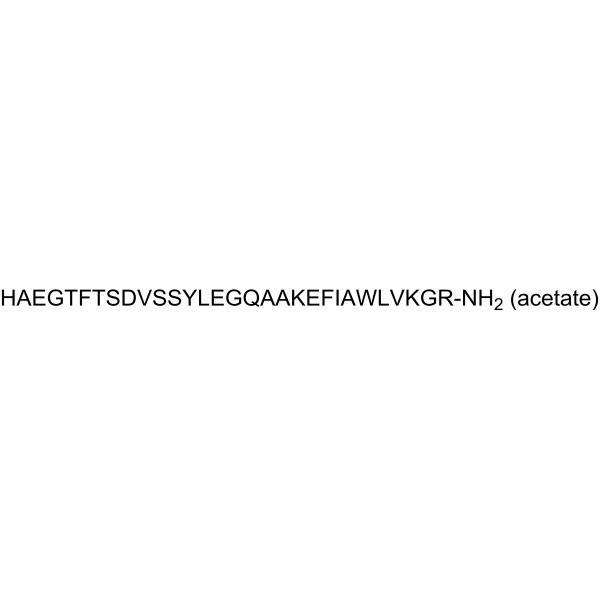 0 ImagesSynonyms: Glucagon-like peptide-1 (GLP-1)(7-36), amide acetate; Human GLP-1 (7-36), amide acetate
-
Survodutide
 0 ImagesSynonyms: BI 456906Survodutide (BI 456906) is a potent, selective glucagon receptor/GLP-1 receptor (GCGR/GLP-1R) dual agonist with EC50s of 0.52 nM and 0.33 nM in CHO-K1 cells, respectively. Survodutide, a 29-amino-acid peptide, is a potent acylated peptide containing a C18 fatty acid. Survodutide has robust anti-obesity efficacy achieved by increasing energy expenditure and decreasing food intake.
-
GLP-1R agonist 2
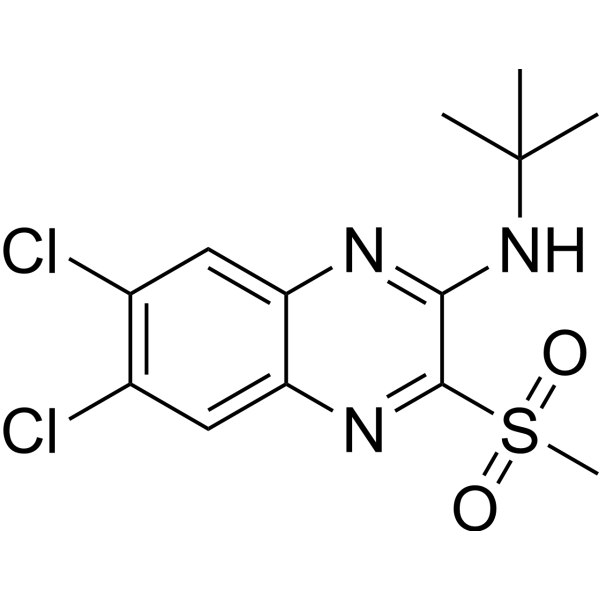 0 ImagesGLP-1R agonist 2 (compound 2) is an effective GLP-1R agonist that exerts its activating effect by forming hydrogen bonds with the Tyr42, Cys71, and Ser84 residues of GLP-1R. GLP-1R agonist 2 has the potential for research in metabolic diseases such as type 2 diabetes and obesity.
-
MK 0893
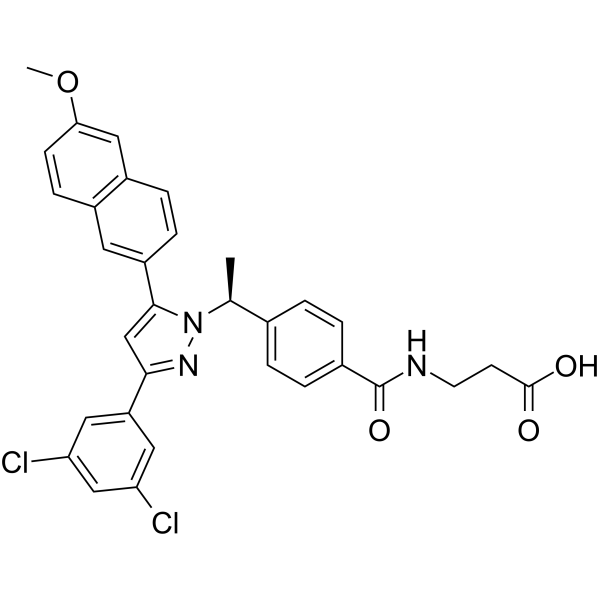 0 ImagesMK 0893 is a potent and selective glucagon receptor antagonist with an IC50 of 6.6 nM.
-
GLP-1(7-36), amide
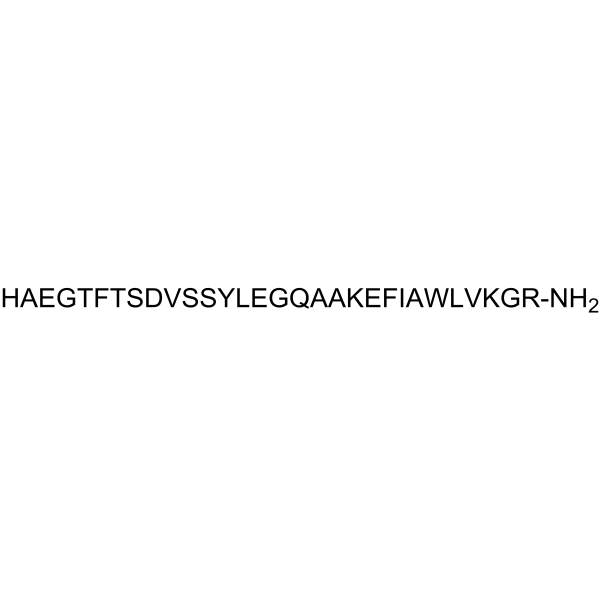 0 ImagesSynonyms: Glucagon-like peptide-1 (GLP-1)(7-36), amide; Human GLP-1 (7-36), amide
-
GLP-1(9-36)amide
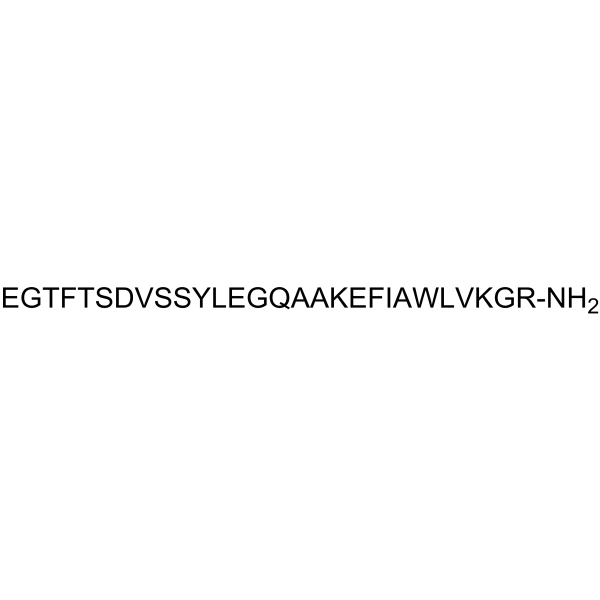 0 ImagesGLP-1(9-36)amide is a major metabolite of glucagon-like peptide-1-(7-36) amide formed by the enzyme dipeptidyl peptidase-4 (DPP-4). GLP-1(9-36)amide acts as an antagonist to the human pancreatic GLP-1 receptor.
-
Glucagon (1-29), bovine, human hydrochloride
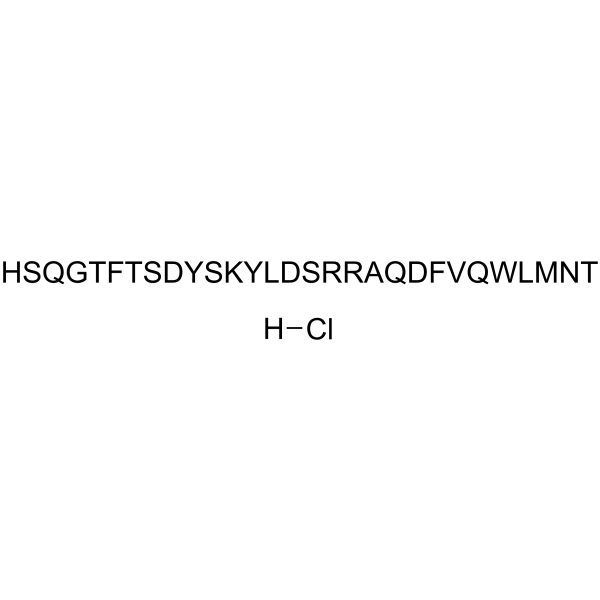 0 ImagesSynonyms: Glucagon hydrochlorideGlucagon (1-29), bovine, human, porcine hydrochloride is a peptide hormone, produced by pancreatic α-cells. Glucagon hydrochloride stimulates gluconeogenesis. Glucagon (1-29), bovine, human, porcine hydrochloride activates HNF4α and increases HNF4α phosphorylation.
-
GLP-1R Antagonist 1
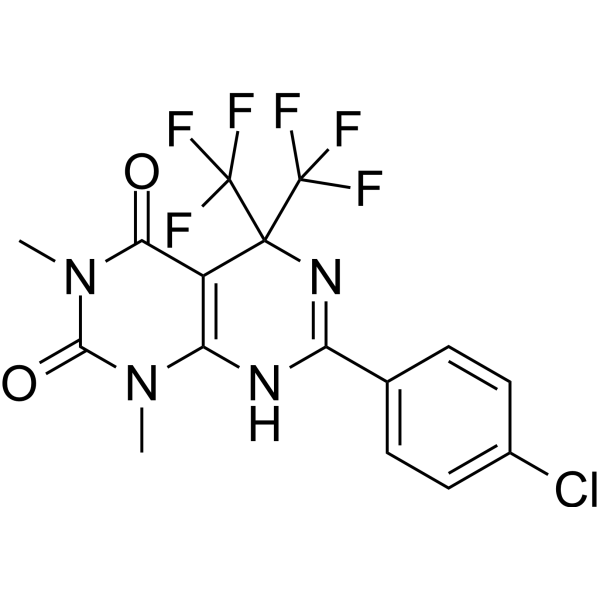 0 ImagesGLP-1R Antagonist 1 (compound 5d) is an orally active, CNS penetrant and non-competitive antagonist of glucagon-like peptide 1 receptor (GLP-1R), with an IC50 of 650 nM.
-
Zenagamtide sodium
 0 ImagesArt. -Nr.: HY-P11274AReinheit: 99.96%Synonyms: Amycretin sodium; NN 9487 sodiumZenagamtide (Amycretin; NN 9487) sodium is an orally active, blood-brain barrier permeable triple agonist that targets GLP-1, amylin (Amylin Receptor) and calcitonin receptor (Calcitonin Receptor). Zenagamtide sodium is a single peptide consisting of 68 amino acids that can target brain regions regulating food intake, significantly suppress appetite and reduce energy intake. Therefore, Zenagamtide sodium improves body weight, waist circumference, glycated hemoglobin and lipid profile, and also alleviates the histological features of metabolic dysfunction-associated steatotic liver disease (MASLD) and enhances insulin sensitivity. Zenagamtide sodium may cause transient increases in heart rate and fluctuations in serum calcium levels, but it is an important compound for the study of overweight, obesity, insulin resistance and related metabolic diseases.
-
Retatrutide TFA
 0 ImagesArt. -Nr.: HY-P3506AReinheit: 99.84%Synonyms: LY3437943 TFARetatrutide (LY3437943) TFA is a triple agonist peptide of the glucagon receptor (GCGR), glucosedependent insulinotropic polypeptide receptor (GIPR), and glucagon-like peptide-1 receptor (GLP-1R). Retatrutide TFA binds human GCGR, GIPR, and GLP-1R with EC50 values of 5.79, 0.0643 and 0.775 nM, respectively. Retatrutide TFA can be used for the research of obesity.
-
BETP
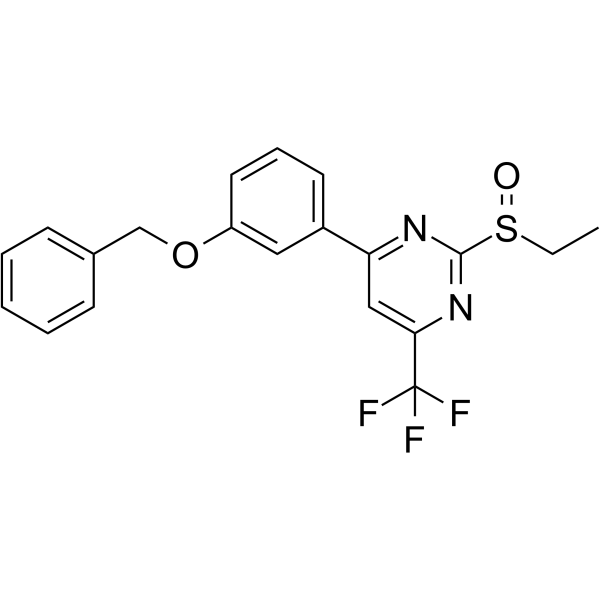 0 ImagesBETP is an agonist of glucagon-like peptide-1 (GLP-1) receptor, with EC50s of 0.66 and 0.755 μM for human and rat GLP-1 receptor, respectively.




