Search Result
Results for "
-carotene
" in MedChemExpress (MCE) Product Catalog:
1
Biochemical Assay Reagents
4
Isotope-Labeled Compounds
| Cat. No. |
Product Name |
Target |
Research Areas |
Chemical Structure |
-
- HY-N0411
-
|
Provitamin A; beta-carotene
|
Environmental Pollutants
Endogenous Metabolite
Reactive Oxygen Species (ROS)
Apoptosis
|
Metabolic Disease
Cancer
|
|
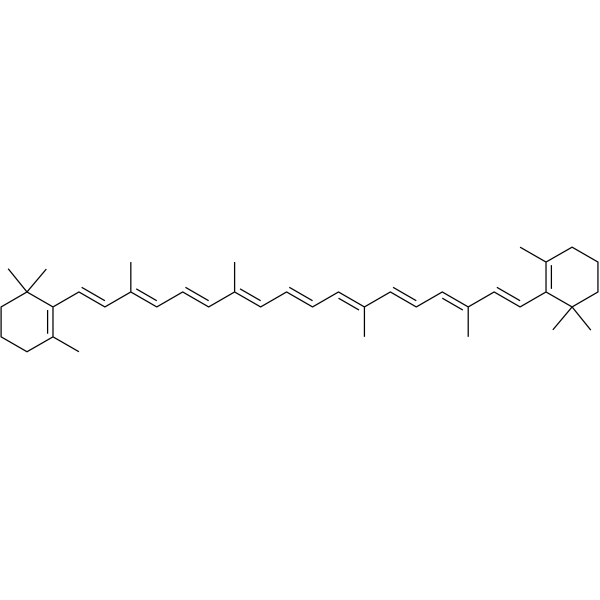
β-Carotene (Provitamin A), a carotenoid compound, is a naturally-occurring vitamin A precursor. β-Carotene is a modulator of reactive oxygen species (ROS), with antioxidant and antiinflammatory activities. β-Carotene may serve as an antioxidant or as a prooxidant, depending on its intrinsic properties as well as on the redox potential of the biological environment in which it acts. β-Carotene induces breast cancer cells apoptosis, with anticancer activities .
|
-
-
- HY-W009310
-
|
|
Endogenous Metabolite
Organoid
|
Others
|
|
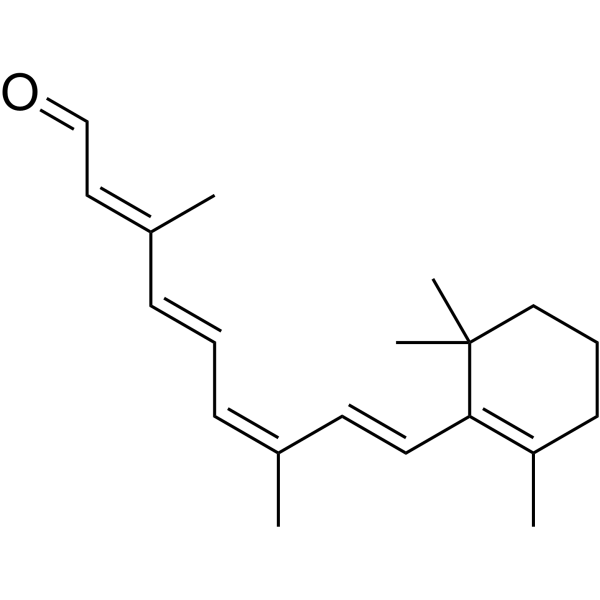
9-cis-Retinal is a natural retinoid. Dietary 9-cis-β-carotene generates 9-cis-retinoids via cleavage into 9-cis-retinal. 9-cis Retinal binds to cellular retinol-binding protein-I (CRBP-I) and CRBP-II with Kds of 8 nM and 5 nM, respectively. 9-cis-Retinal expedites differentiation and maturation of rod photoreceptors in retinal organoids .
|
-
-
- HY-136234
-
|
9Z β-carotene
|
Endogenous Metabolite
|
Others
|
|
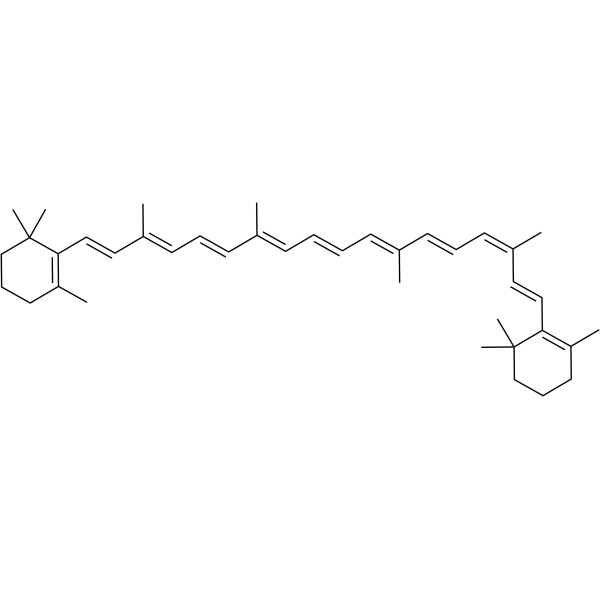
9-cis-β-Carotene, a precursor of retinal, is cleaved by beta-carotene oxygenase 1 (BCMO1) to produce 9-cis-retinal. 9-cis-β-Carotene inhibits photoreceptor degeneration and restores retinal function in vivo. 9-cis-β-Carotene has the potential for the study of congenital stationary night blindness and fundus albipunctatus .
|
-
-
- HY-113462
-
|
|
Others
|
Cancer
|
|
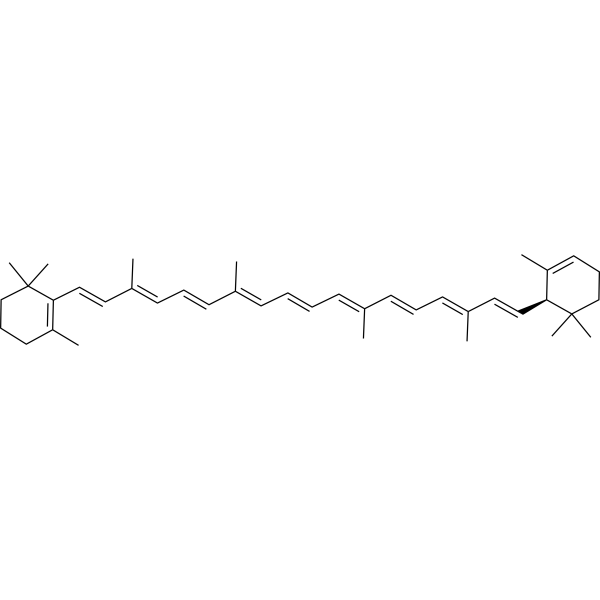
α-Carotene, a precursor of vitamin A, is used as an anti-metastatic agent or as an adjuvant for anti-cancer agents. α-Carotene is isolated from yellow-orange and dark-green vegetables .
|
-
-
- HY-N0411R
-
|
Provitamin A (Standard); beta-carotene (Standard)
|
Reference Standards
Endogenous Metabolite
Apoptosis
Reactive Oxygen Species (ROS)
|
Metabolic Disease
Cancer
|
|
β-Carotene (Standard) is the analytical standard of β-Carotene. This product is intended for research and analytical applications. β-Carotene (Provitamin A), a carotenoid compound, is a naturally-occurring vitamin A precursor. β-Carotene is a modulator of reactive oxygen species (ROS), with antioxidant and antiinflammatory activities. β-Carotene may serve as an antioxidant or as a prooxidant, depending on its intrinsic properties as well as on the redox potential of the biological environment in which it acts. β-Carotene induces breast cancer cells apoptosis, with anticancer activities .
|
-

-
- HY-W041301
-
|
|
Drug Isomer
|
Inflammation/Immunology
|
|
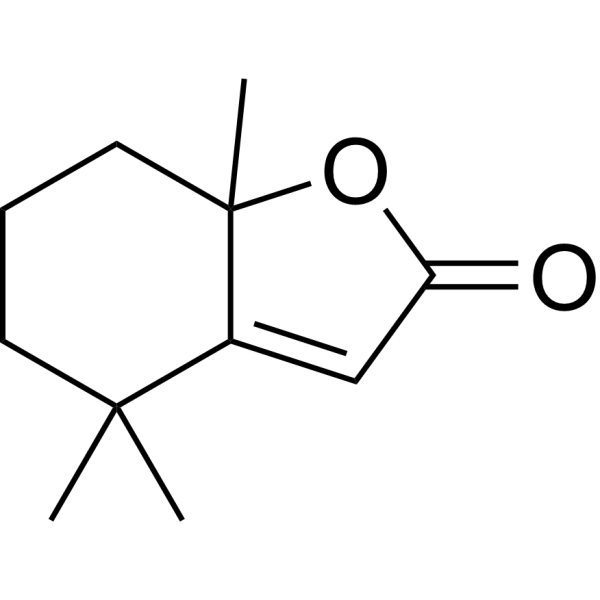
(±)-Dihydroactinidiolide is the dextrorotatory form of Dihydroactinidiolide (HY-107805). (±)-Dihydroactinidiolide has a strong, pleasant musky, tea-like and tobacco-like aroma and is mainly found in black tea, tobacco and fruits. (±)-Dihydroactinidiolide has antioxidant activity and can be derived from β-carotene.or light adaptation in Arabidopsis .
|
-
-
- HY-128792
-
|
1,3-Dipalmitoylglycerol; Glycerol 1,3-dipalmitate
|
Biochemical Assay Reagents
|
Others
|
|
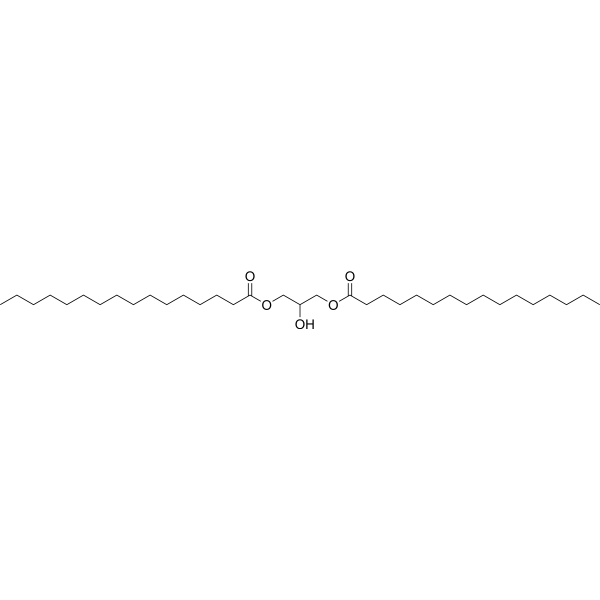
1,3-Dipalmitin (1,3-Dipalmitoylglycerol) is a diacylglycerol compound that can be found in the tuberous roots of Typhonium giganteum Engl. 1,3-Dipalmitin acts as an adsorption inhibitor for 1,3-diglycerides and β-carotene .
|
-
-
- HY-118020A
-
|
Loliolid; Digiprolactone
|
Endogenous Metabolite
Caspase
PI3K
Apoptosis
Akt
Sirtuin
Reactive Oxygen Species (ROS)
NF-κB
MMP
|
Neurological Disease
Cancer
|
|
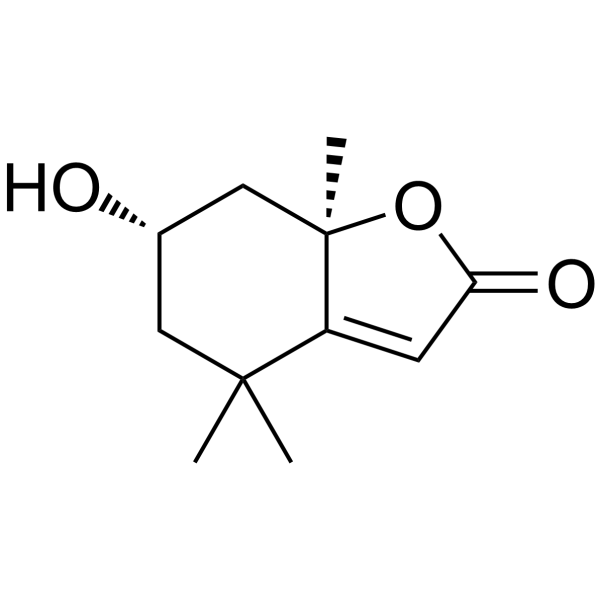
Loliolide (Loliolid) is a β-carotene metabolite. Loliolide reduces caspase 3, 8, 9 expression, enhances PI3K, AKT, SIRT1, inhibits ROS, apoptosis, and blocks NF-κB p65 nuclear translocation. Loliolide protects mitochondria, reduces oxidative stress, and increases cell viability in neuroblastoma cells. Loliolide can be used for the research of UV-induced skin damage and Parkinson’s disease .
|
-
-
- HY-N0411S1
-
-
-
- HY-113326
-
|
trans-Phytoene
|
Reactive Oxygen Species (ROS)
|
Cancer
|
|
Phytoene (trans-Phytoene) is a carotene pigment. Phytoene is the precursor of all carotenoids. Phytoene is the predominant PT isomer in most carotenogenic organisms. Phytoene can delay the skin tumors appearance and reduce their number in mice that are induced the tumors with UV-B light. Phytoene leads to protection against oxidative stress and malignant transformation. Phytoene inhibits the proliferation of breast cancer cells .
|
-

-
- HY-N0411S4
-
|
Provitamin A-13C10; beta-carotene-13C10
|
Isotope-Labeled Compounds
Endogenous Metabolite
Apoptosis
Reactive Oxygen Species (ROS)
|
Metabolic Disease
Cancer
|
|
β-Carotene- 13C10 (Provitamin A- 13C10) is the 13C-labeled β-Carotene (HY-N0411). β-Carotene (Provitamin A), a carotenoid compound, is a naturally-occurring vitamin A precursor. β-Carotene is a modulator of reactive oxygen species (ROS), with antioxidant and antiinflammatory activities. β-Carotene may serve as an antioxidant or as a prooxidant, depending on its intrinsic properties as well as on the redox potential of the biological environment in which it acts. β-Carotene induces breast cancer cells apoptosis, with anticancer activities .
|
-

-
- HY-131803
-
|
|
Nucleoside Antimetabolite/Analog
|
Inflammation/Immunology
|
|
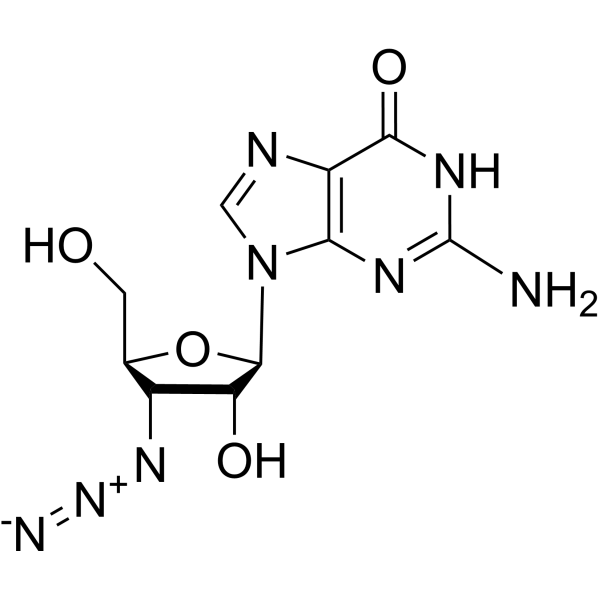
Urolignoside is an antioxidant with free radical scavenging activity. Urolignoside potently scavenges DPPH radical, and exhibits antioxidant to β-carotene-lineoleate model . 3'-Azido-3'-deoxyguanosine is a click chemistry reagent, it contains an Azide group and can undergo copper-catalyzed azide-alkyne cycloaddition reaction (CuAAc) with molecules containing Alkyne groups. It can also undergo strain-promoted alkyne-azide cycloaddition (SPAAC) reactions with molecules containing DBCO or BCN groups.
|
-
-
- HY-W719989
-
|
|
Drug Intermediate
|
Metabolic Disease
|
|
γ-Carotene is a carotenoid found in Hippophae rhamnoides L. and peach palm fruits. γ-Carotene exhibits no significant inhibitory activity against self-activated hepatic stellate cells in vitro. γ-Carotene can be converted into retinol (Vitamin A) (HY-B1342) and can be used for the research of vitamin A deficiency [2].
|
-

-
- HY-N15681
-
|
10'-Apo-β-carotenal
|
Drug Metabolite
|
Others
|
|
β-Apo-10'-carotenal is a degradation product of β,β-carotene. β-Apo-10'-carotenal can be used in flavor research .
|
-

-
- HY-W595136
-
|
|
Endogenous Metabolite
|
Cardiovascular Disease
Cancer
|
|
(rac)-α-Carotene is the racemate of α-Carotene. α-Carotene is a carotenoid and potent antioxidant. Serum α-Carotene concentrations are inversely associated with the risk of all-cause mortality, cardiovascular disease, cancer, and mortality from all causes other than cardiovascular disease and cancer .
|
-

-
- HY-W719997
-
-

-
- HY-N15378
-
|
|
IAP
Bcl-2 Family
COX
TNF Receptor
Caspase
Apoptosis
|
Inflammation/Immunology
Cancer
|
|
β-carotene-15,15ʹ-epoxide is a XIAP antagonist with apoptosis-inducing and antitumor activity, found in the leaves of Spondias mombin. In a DMBA (HY-W011845)-induced rat model of breast cancer, β-carotene-15,15ʹ-epoxide binds to the BIR3 domain of the anti-apoptotic protein XIAP, blocking its interaction with caspase-9 and thereby promoting tumor cell apoptosis. In addition, β-carotene-15,15ʹ-epoxide significantly downregulates the expression of BCL-2, COX-2, and TNF-α in tumor tissues, reduces MDA levels, increases catalase activity, and modulates serum levels of LDH, ALP, and ALT, demonstrating strong antioxidant, anti-inflammatory, and metabolic protective effects. β-carotene-15,15ʹ-epoxide may be used in research on inflammation-related conditions and cancers such as breast cancer .
|
-

-
- HY-W720006
-
|
|
Drug Derivative
|
Others
|
|
4,4'-Diapo-ω,ω-carotene-4,4'-dial is a carotenoid pigment. Carotenoids are important biological active, and may regulate cellular differentiation, growth control, photooxidative protection, cell membrane stability, photosynthesis, vision process and nutrition .
|
-

-
- HY-133183
-
|
|
Biochemical Assay Reagents
|
Others
|
|
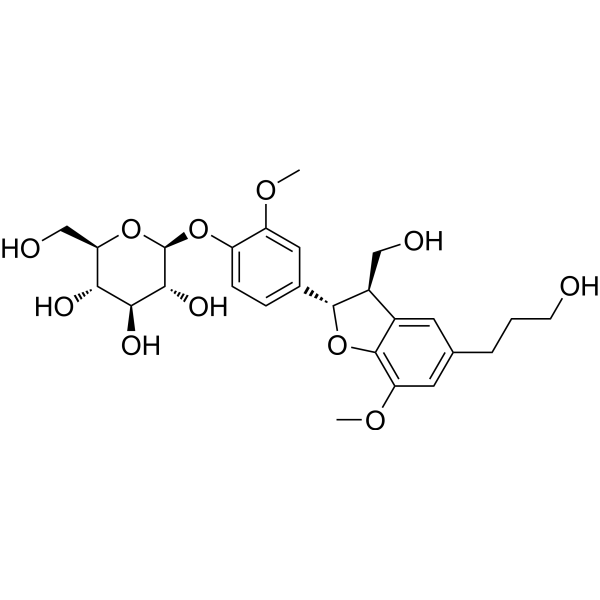
Urolignoside is an antioxidant with free radical scavenging activity. Urolignoside potently scavenges DPPH radical, and exhibits antioxidant to β-carotene-lineoleate model .
|
-
-
- HY-W750730
-
|
|
Endogenous Metabolite
|
Others
|
|
β-Zeacarotene is a zea carotene with vitamin A activity. β-Zeacarotene can be extracted into β-Zeacarotene and β1-Zeacarotene .
|
-

-
- HY-W750707
-
|
|
Drug Metabolite
|
Others
|
|
4-Hydroxyechinenone is a trace carotenoid present in the carapaces of crabs. 4-Hydroxyechinenone is also an intermediate in the metabolism of β-Carotene (HY-N0411) to Astaxanthin (HY-B2163) .
|
-

-
- HY-W041301R
-
|
|
Reference Standards
Drug Isomer
|
Inflammation/Immunology
|
|
(±)-Dihydroactinidiolide (Standard) is the analytical standard of (±)-Dihydroactinidiolide (HY-W041301). This product is intended for research and analytical applications. (±)-Dihydroactinidiolide is the dextrorotatory form of Dihydroactinidiolide (HY-107805). (±)-Dihydroactinidiolide has a strong, pleasant musky, tea-like and tobacco-like aroma and is mainly found in black tea, tobacco and fruits. (±)-Dihydroactinidiolide has antioxidant activity and can be derived from β-carotene.
|
-

-
- HY-128792S
-
|
Glyceryl 1,3-dipalmitate-d6; 1,3-Dipalmitoyl-glycerol-d6; Glycerol 1,3-Dipalmitate-d62
|
Isotope-Labeled Compounds
Biochemical Assay Reagents
|
Others
|
|
1,3-Dipalmitin-d6 (1,3-Dipalmitoylglycerol-d6) is deuterium labeled 1,3-Dipalmitin (HY-128792). 1,3-Dipalmitin (1,3-Dipalmitoylglycerol) is a diacylglycerol compound that can be found in the tuberous roots of Typhonium giganteum Engl. 1,3-Dipalmitin acts as an adsorption inhibitor for 1,3-diglycerides and β-carotene .
|
-

-
- HY-W700062
-
|
|
Isotope-Labeled Compounds
|
Others
|
|
β-Cyclocitral-d5 is the deuterium labeled β-Cyclocitral (HY-W010231). β-Cyclocitral, a volatile oxidized derivative of β-carotene, is a grazer defence signal unique to the Cyanobacterium Microcystis. β-Cyclocitral, one of the predominant volatile terpenoid compounds, can upregulate the expression of defence genes to enhance excess light (EL) acclimation. β-Cyclocitral is a powerful repellent .
|
-

-
- HY-N15682
-
|
(7Z)-Provitamin A; (7Z)-beta-carotene
|
Drug Isomer
|
Inflammation/Immunology
|
|
13-cis-β-Carotene ((7Z)-Provitamin A; (7Z)-beta-Carotene) is a provitamin A carotenoid isomer found in leaves, flowers, stems, and fruit of Momordica charantia. 13-cis-β-Carotene undergoes nonenzymatic isomerization to other β-carotene isomers during aerobic incubation, extraction, and analysis. 13-cis-β-Carotene can be used for the research of chronic diseases .
|
-

-
- HY-E71348
-
|
|
Biochemical Assay Reagents
|
Others
|
|
ζ-Carotene isomerase (EC 5.2.1.12) catalyses the cis-trans isomerization of the 15-15' carbon-carbon double bond in 9,15,9'-tricis-ζ-Carotene, which is required for biosynthesis of all plant carotenoids. Requires heme b.
|
-

-
- HY-W750682
-
|
|
Drug Derivative
|
Others
|
|
β-Carotene 5,6-epoxide, a carotenoid, is a degradation product of β-carotene. β-Carotene 5,6-epoxide can be found in isolated chloroplasts. Carotenoids are important biological active, and may regulate cellular differentiation, growth control, photooxidative protection, cell membrane stability, photosynthesis, vision process and nutrition .
|
-

-
- HY-E71278
-
|
|
Biochemical Assay Reagents
|
Others
|
|
β-Carotene 15,15'-dioxygenase (EC 1.13.11.63) requires Fe2+. The enzyme cleaves β-Carotene symmetrically, producing two molecules of all-trans-retinal. Both atoms of the oxygen molecule are incorporated into the products. The enzyme can also process β-cryptoxanthin, 8'-apo-β-carotenal, 4'-apo-β-carotenal, α-carotene and γ-carotene in decreasing order. The presence of at least one unsubstituted β-ionone ring in a substrate greater than C30 is mandatory.
|
-

-
- HY-E71280
-
|
|
Biochemical Assay Reagents
|
Others
|
|
β-Carotene isomerase (EC 5.2.1.14) participates in a pathway leading to biosynthesis of strigolactones, plant hormones involved in promotion of symbiotic associations known as arbuscular mycorrhiza.
|
-

-
- HY-E71279
-
|
|
Biochemical Assay Reagents
|
Others
|
|
β-Carotene 3-hydroxylase (EC 1.14.13.129) requires ferredoxin and Fe (II) . Also acts on other carotenoids with a β-end group.
|
-

-
- HY-N18696
-
|
|
Others
|
Inflammation/Immunology
|
|
Papaya extract contains a variety of bioactive compounds, including papain (an enzyme), flavonoids, carotenoids (such as beta-carotene), and vitamin C. Papaya extract helps break down proteins and improves overall digestive function.
|
-

-
- HY-122301
-
|
|
Drug Derivative
|
Inflammation/Immunology
|
|
Sarcinaxanthin is a carotenoid present in various bacteria with antioxidant activity. Sarcinaxanthin scavenges singlet oxygen, thereby inhibiting oxidative degradation in the β-carotene/linoleic acid system. Sarcinaxanthin acts as a photoprotective agent against UVB radiation that induces erythema. Sarcinaxanthin can be applied in studies related to antioxidation and radiation resistance .
|
-

-
- HY-N15679
-
|
Deoxylutein II; (3R,6'R)-3-Hydroxy-3',4'-didehydro-β,γ-carotene
|
Drug Derivative
|
Others
|
|
Anhydrolutein I is a dehydration product of Lutein (HY-N6947). Anhydrolutein I can be isolated from the extract of steam-cooked sorrel .
|
-

-
- HY-128792R
-
|
1,3-Dipalmitoylglycerol (Standard); Glycerol 1,3-dipalmitate (Standard)
|
Reference Standards
Biochemical Assay Reagents
|
Others
|
|
1,3-Dipalmitin (1,3-Dipalmitoylglycer) Standard is the analytical standard of 1,3-Dipalmitin (HY-128792). This product is intended for research and analytical applications. 1,3-Dipalmitin (1,3-Dipalmitoylglycerol) is a diacylglycerol compound that can be found in the tuberous roots of Typhonium giganteum Engl. 1,3-Dipalmitin acts as an adsorption inhibitor for 1,3-diglycerides and β-carotene.
|
-

-
- HY-N11846
-
|
|
Apoptosis
Caspase
|
Inflammation/Immunology
Cancer
|
|
4′-O-Methylglabridin is an apoptosis inducer with antioxidant, cell cycle-disrupting and anticancer cytotoxic activities. 4′-O-Methylglabridin inhibits various cancer cell lines including liver cancer, breast cancer and colorectal cancer cell lines. By reducing the expression levels of phosphorylated Rb (Ser807/811) and p21 proteins, 4′-O-Methylglabridin promotes cell accumulation at the subG1 and G2/M phases, and triggers caspase-dependent apoptosis via cytochrome C release and caspase-9 activation. 4′-O-Methylglabridin also exerts antioxidant effects by inhibiting lipid peroxide levels and reducing β-carotene consumption, thereby blocking LDL oxidation. 4′-O-Methylglabridin can be used in the research of various cancers and atherosclerotic diseases .
|
-

| Cat. No. |
Product Name |
Type |
| Cat. No. |
Product Name |
Category |
Target |
Chemical Structure |
-
- HY-N0411
-
-
-
- HY-W009310
-
-
-
- HY-113462
-
-
-
- HY-N0411R
-
-
-
- HY-W041301
-
-
-
- HY-128792
-
-
-
- HY-118020A
-
|
Loliolid; Digiprolactone
|
Natural Products
Classification of Application Fields
Metabolic Disease
Plants
Compositae
Millettia usaramensis Taub.
Disease Research Fields
Source Classification
|
Endogenous Metabolite
Caspase
PI3K
Apoptosis
Akt
Sirtuin
Reactive Oxygen Species (ROS)
NF-κB
MMP
|
|
Loliolide (Loliolid) is a β-carotene metabolite. Loliolide reduces caspase 3, 8, 9 expression, enhances PI3K, AKT, SIRT1, inhibits ROS, apoptosis, and blocks NF-κB p65 nuclear translocation. Loliolide protects mitochondria, reduces oxidative stress, and increases cell viability in neuroblastoma cells. Loliolide can be used for the research of UV-induced skin damage and Parkinson’s disease .
|
-
-
- HY-113326
-
|
trans-Phytoene
|
Natural Products
Solanum lycopersicum L.
Solanaceae
Plants
Source Classification
|
Reactive Oxygen Species (ROS)
|
|
Phytoene (trans-Phytoene) is a carotene pigment. Phytoene is the precursor of all carotenoids. Phytoene is the predominant PT isomer in most carotenogenic organisms. Phytoene can delay the skin tumors appearance and reduce their number in mice that are induced the tumors with UV-B light. Phytoene leads to protection against oxidative stress and malignant transformation. Phytoene inhibits the proliferation of breast cancer cells .
|
-
-
- HY-W719989
-
-
-
- HY-N15681
-
-
-
- HY-W595136
-
-
-
- HY-N15378
-
|
|
Structural Classification
Natural Products
Spondias mombin L.
Plants
Anacardiaceae
Source Classification
|
IAP
Bcl-2 Family
COX
TNF Receptor
Caspase
Apoptosis
|
|
β-carotene-15,15ʹ-epoxide is a XIAP antagonist with apoptosis-inducing and antitumor activity, found in the leaves of Spondias mombin. In a DMBA (HY-W011845)-induced rat model of breast cancer, β-carotene-15,15ʹ-epoxide binds to the BIR3 domain of the anti-apoptotic protein XIAP, blocking its interaction with caspase-9 and thereby promoting tumor cell apoptosis. In addition, β-carotene-15,15ʹ-epoxide significantly downregulates the expression of BCL-2, COX-2, and TNF-α in tumor tissues, reduces MDA levels, increases catalase activity, and modulates serum levels of LDH, ALP, and ALT, demonstrating strong antioxidant, anti-inflammatory, and metabolic protective effects. β-carotene-15,15ʹ-epoxide may be used in research on inflammation-related conditions and cancers such as breast cancer .
|
-
-
- HY-W720006
-
-
-
- HY-133183
-
-
-
- HY-W750730
-
-
-
- HY-W750707
-
-
-
- HY-W041301R
-
-
-
- HY-N15682
-
-
-
- HY-W750682
-
|
|
Natural Products
Microorganisms
Source Classification
|
Drug Derivative
|
|
β-Carotene 5,6-epoxide, a carotenoid, is a degradation product of β-carotene. β-Carotene 5,6-epoxide can be found in isolated chloroplasts. Carotenoids are important biological active, and may regulate cellular differentiation, growth control, photooxidative protection, cell membrane stability, photosynthesis, vision process and nutrition .
|
-
-
- HY-N18696
-
|
|
Structural Classification
Extract
|
Others
|
|
Papaya extract contains a variety of bioactive compounds, including papain (an enzyme), flavonoids, carotenoids (such as beta-carotene), and vitamin C. Papaya extract helps break down proteins and improves overall digestive function.
|
-
-
- HY-122301
-
|
|
Structural Classification
Natural Products
Microorganisms
Source Classification
|
Drug Derivative
|
|
Sarcinaxanthin is a carotenoid present in various bacteria with antioxidant activity. Sarcinaxanthin scavenges singlet oxygen, thereby inhibiting oxidative degradation in the β-carotene/linoleic acid system. Sarcinaxanthin acts as a photoprotective agent against UVB radiation that induces erythema. Sarcinaxanthin can be applied in studies related to antioxidation and radiation resistance .
|
-
-
- HY-N15679
-
-
-
- HY-128792R
-
-
-
- HY-N11846
-
|
|
Structural Classification
Natural Products
Glycyrrhiza glabra Linn.
Leguminosae
Plants
Source Classification
|
Apoptosis
Caspase
|
|
4′-O-Methylglabridin is an apoptosis inducer with antioxidant, cell cycle-disrupting and anticancer cytotoxic activities. 4′-O-Methylglabridin inhibits various cancer cell lines including liver cancer, breast cancer and colorectal cancer cell lines. By reducing the expression levels of phosphorylated Rb (Ser807/811) and p21 proteins, 4′-O-Methylglabridin promotes cell accumulation at the subG1 and G2/M phases, and triggers caspase-dependent apoptosis via cytochrome C release and caspase-9 activation. 4′-O-Methylglabridin also exerts antioxidant effects by inhibiting lipid peroxide levels and reducing β-carotene consumption, thereby blocking LDL oxidation. 4′-O-Methylglabridin can be used in the research of various cancers and atherosclerotic diseases .
|
-
| Cat. No. |
Product Name |
Chemical Structure |
-
- HY-N0411S1
-
|
|
|
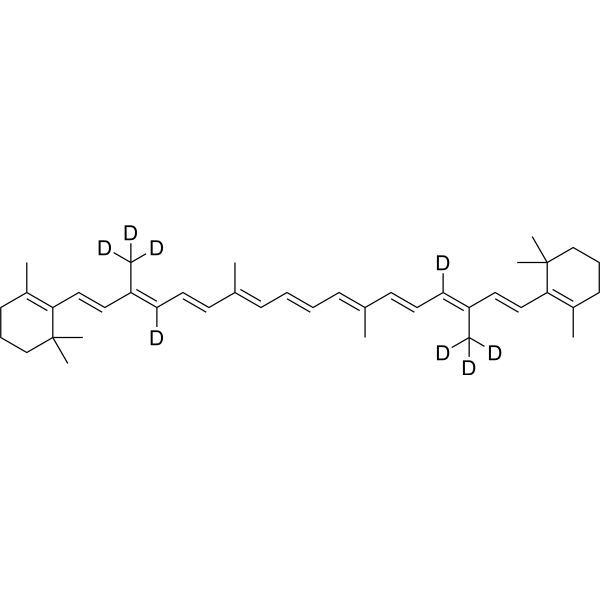
β-Carotene-d8 is the deuterium labeled β-Carotene (HY-N0411) .
|
-
-
- HY-N0411S4
-
|
|
|
β-Carotene- 13C10 (Provitamin A- 13C10) is the 13C-labeled β-Carotene (HY-N0411). β-Carotene (Provitamin A), a carotenoid compound, is a naturally-occurring vitamin A precursor. β-Carotene is a modulator of reactive oxygen species (ROS), with antioxidant and antiinflammatory activities. β-Carotene may serve as an antioxidant or as a prooxidant, depending on its intrinsic properties as well as on the redox potential of the biological environment in which it acts. β-Carotene induces breast cancer cells apoptosis, with anticancer activities .
|
-
-
- HY-128792S
-
|
|
|
1,3-Dipalmitin-d6 (1,3-Dipalmitoylglycerol-d6) is deuterium labeled 1,3-Dipalmitin (HY-128792). 1,3-Dipalmitin (1,3-Dipalmitoylglycerol) is a diacylglycerol compound that can be found in the tuberous roots of Typhonium giganteum Engl. 1,3-Dipalmitin acts as an adsorption inhibitor for 1,3-diglycerides and β-carotene .
|
-
-
- HY-W700062
-
|
|
|
β-Cyclocitral-d5 is the deuterium labeled β-Cyclocitral (HY-W010231). β-Cyclocitral, a volatile oxidized derivative of β-carotene, is a grazer defence signal unique to the Cyanobacterium Microcystis. β-Cyclocitral, one of the predominant volatile terpenoid compounds, can upregulate the expression of defence genes to enhance excess light (EL) acclimation. β-Cyclocitral is a powerful repellent .
|
-
| Cat. No. |
Product Name |
|
Classification |
-
- HY-131803
-
|
|
|
Azide
|
|
Urolignoside is an antioxidant with free radical scavenging activity. Urolignoside potently scavenges DPPH radical, and exhibits antioxidant to β-carotene-lineoleate model . 3'-Azido-3'-deoxyguanosine is a click chemistry reagent, it contains an Azide group and can undergo copper-catalyzed azide-alkyne cycloaddition reaction (CuAAc) with molecules containing Alkyne groups. It can also undergo strain-promoted alkyne-azide cycloaddition (SPAAC) reactions with molecules containing DBCO or BCN groups.
|
Your information is safe with us. * Required Fields.
Inquiry Information
- Product Name:
- Cat. No.:
- Quantity:
- MCE Japan Authorized Agent:








