1. Search Result
Search Result
Pathways Recommended: Cell Cycle/DNA Damage
Results for "

DNA repair inhibition

" in MedChemExpress (MCE) Product Catalog:

30

Inhibitors & Agonists

1

Biochemical Assay Reagents

3

Natural
Products

1

Isotope-Labeled Compounds

Cat. No. Product Name Target Research Areas Chemical Structure
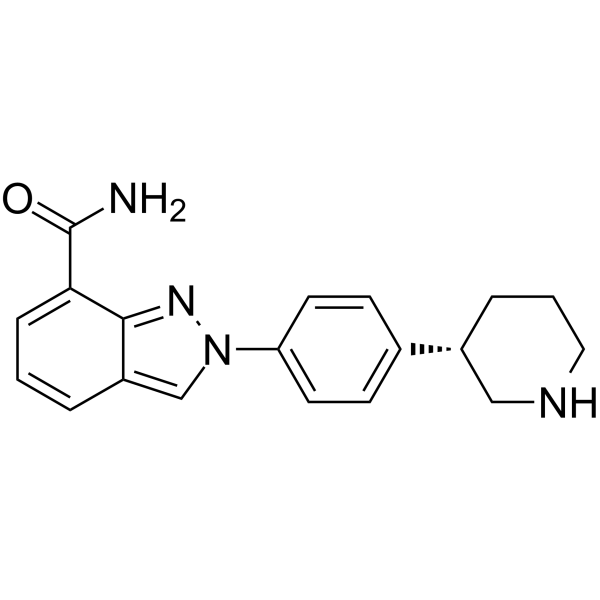
  • HY-10619
    Niraparib
    Maximum Cited Publications
    82 Publications Verification

    MK-4827

    PARP Apoptosis Cancer
    Niraparib (MK-4827) is a highly potent and orally bioavailable PARP1 and PARP2 inhibitor with IC50s of 3.8 and 2.1 nM, respectively. Niraparib leads to inhibition of repair of DNA damage, activates apoptosis and shows anti-tumor activity .
    Niraparib
  • HY-153278

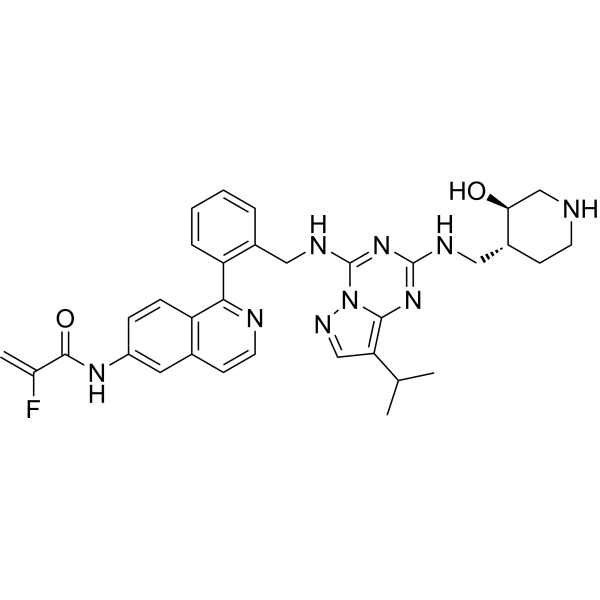
    CDK7-IN-21

    CDK DNA/RNA Synthesis c-Myc Early 2 Factor (E2F) Topoisomerase Cancer
    Q901 (CDK7-IN-21) is a selective and potent CDK7 inhibitor with an IC50 of 10 nM. Q901 disrupts MYC and E2FDNA damage repair pathways. Q901 stabilizes TOP1-DPCs and sensitizes tumor to TOP1 inhibitors by suppressing RNAPII transition from initiation to elongation. Q901 can inhibit tumor growth and significantly enhances tumor growth inhibition combined with TOP1 inhibitors. Q901 can be used for the research of cancer, such as colon cancer and lung cancer .
    Q901
  • HY-126490
    Phleomycin
    2 Publications Verification

    Bacterial Antibiotic DNA/RNA Synthesis Infection Cancer
    Phleomycin is a copper-dependent DNA damaging agent and antibiotic with antitumor activity. Phleomycin binds to DNA and produces ROS in the presence of reducing agents (such as dithiothreitol and glutathione), inducing single-strand and double-strand breaks in DNA. Phleomycin can induce cell apoptosis or mutation and is widely used in cancer inhibition, microbial genetic transformation (as a screening marker to improve fungal transformation efficiency) and DNA repair mechanism research .
    Phleomycin
  • HY-10619B
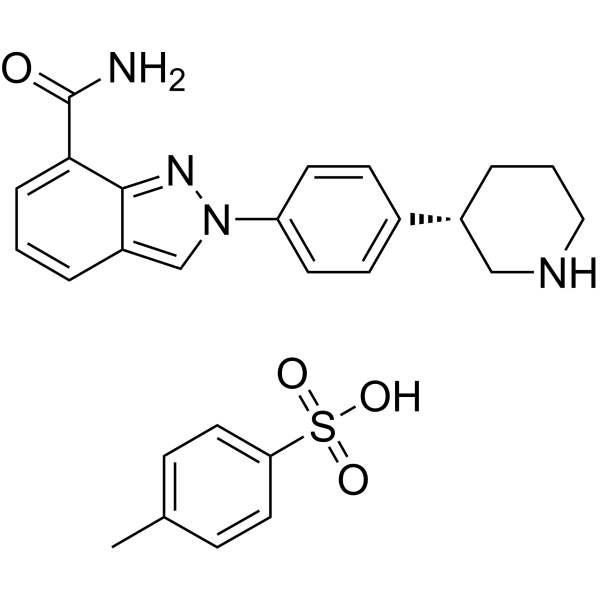
    Niraparib tosylate
    Maximum Cited Publications
    82 Publications Verification

    MK-4827 tosylate

    PARP Apoptosis Cancer
    Niraparib tosylate (MK-4827 tosylate) is a highly potent and orally bioavailable PARP1 and PARP2 inhibitor with an IC50 of 3.8 and 2.1 nM, respectively. Niraparib tosylate leads to inhibition of repair of DNA damage, activates apoptosis and shows anti-tumor activity .
    Niraparib tosylate
  • HY-10619A
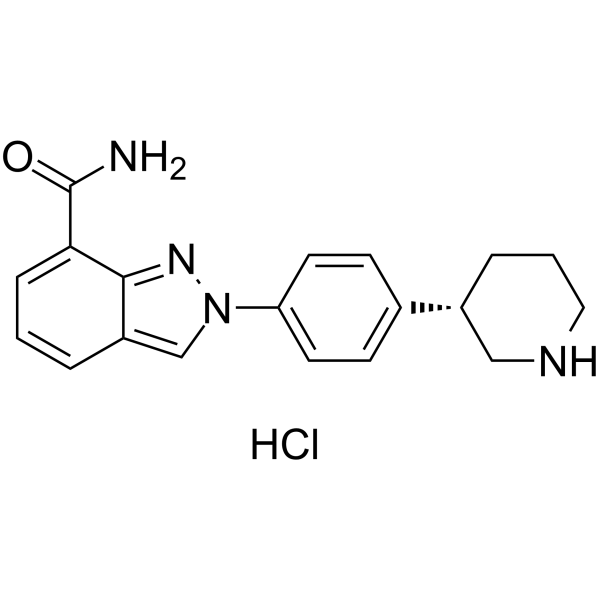
    Niraparib hydrochloride
    Maximum Cited Publications
    82 Publications Verification

    MK-4827 hydrochloride

    PARP Apoptosis Cancer
    Niraparib hydrochloride (MK-4827 hydrochloride) is a highly potent and orally bioavailable PARP1 and PARP2 inhibitor with IC50s of 3.8 and 2.1 nM, respectively. Niraparib hydrochloride leads to inhibition of repair of DNA damage, activates apoptosis and shows anti-tumor activity .
    Niraparib hydrochloride
  • HY-10619E
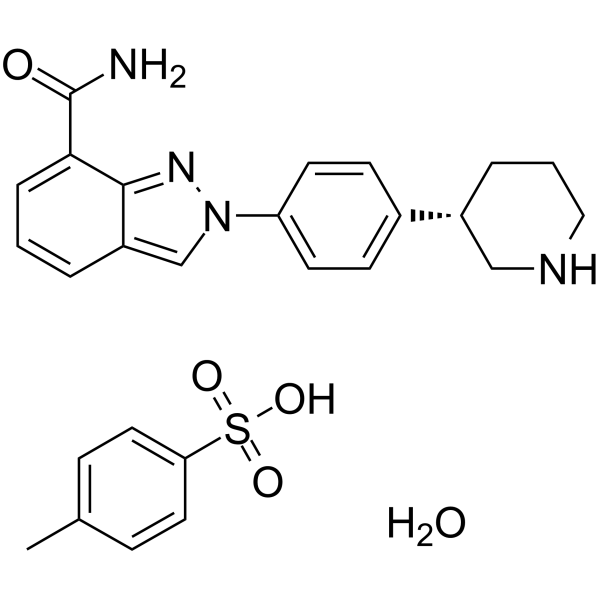
    Niraparib tosylate hydrate
    80+ Cited Publications

    MK-4827 tosylate hydrate

    PARP Apoptosis Cancer
    Niraparib (MK-4827) tosylate hydrate is a highly potent and orally bioavailable PARP1 and PARP2 inhibitor with IC50s of 3.8 and 2.1 nM, respectively. Niraparib tosylate hydrate leads to inhibition of repair of DNA damage, activates apoptosis and shows anti-tumor activity .
    Niraparib tosylate hydrate
  • HY-N7059

    Bacterial Reactive Oxygen Species (ROS) Infection
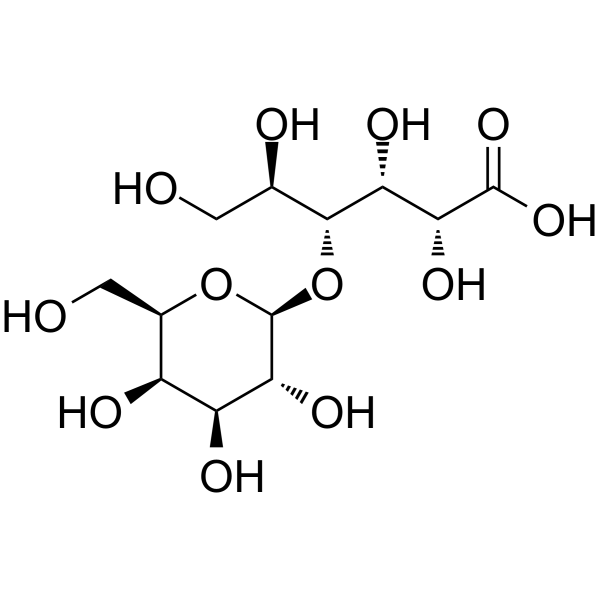
    Lactobionic acid is a bionic acid that can be naturally found in the Caspian Sea yogurt and chemically constituted of a gluconic acid bonded to a galactose. Lactobionic acid has antioxidant, antimicrobial, chelating, stabilizer, acidulant, and moisturizing properties. Lactobionic acid can be obtained by electrolytic methods, microbial fermentation or biocatalytic approaches. Lactobionic acid can be used in foodstuffs, to produce new functional products and against food-borne pathogens. Lactobionic acid inhibits DNA repair and protein synthesis, induction of oxidative stress and inhibition of metabolic pathways against MRSA .
    Lactobionic acid
  • HY-100549
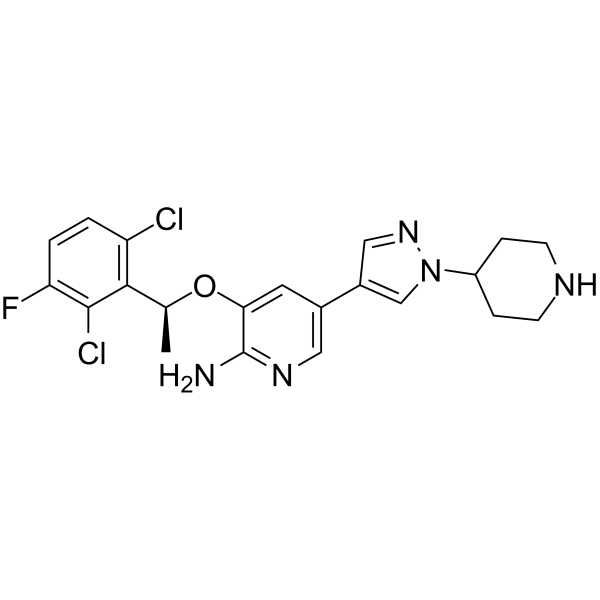
    (S)-Crizotinib
    3 Publications Verification

    DNA/RNA Synthesis Apoptosis Cancer
    (S)-Crizotinib is a potent and selective MTH1 (mutT homologue) inhibitor with an IC50 of 330 nM. (S)-Crizotinib disrupts nucleotide pool homeostasis via MTH1 inhibition, induces an increase in DNA single strand breaks, activates DNA repair in human colon carcinoma cells, and effectively suppresses tumour growth in animal models .
    (S)-Crizotinib
  • HY-13540

    GPI 21016

    PARP Cancer
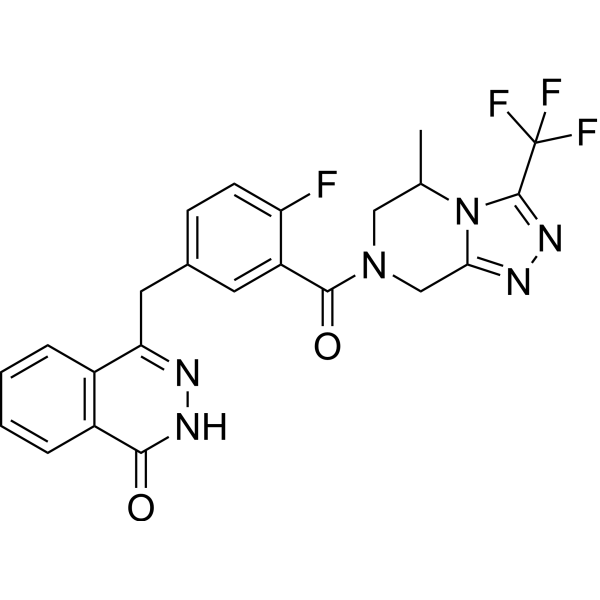
    E7016 (GPI 21016) is an orally available PARP inhibitor. E7016 can enhance tumor cell radiosensitivity in vitro and in vivo through the inhibition of DNA repair. E7016 acts as a potential anticancer agent .
    E7016
  • HY-10080

    GMX1777; EB-1627

    NAMPT Cancer
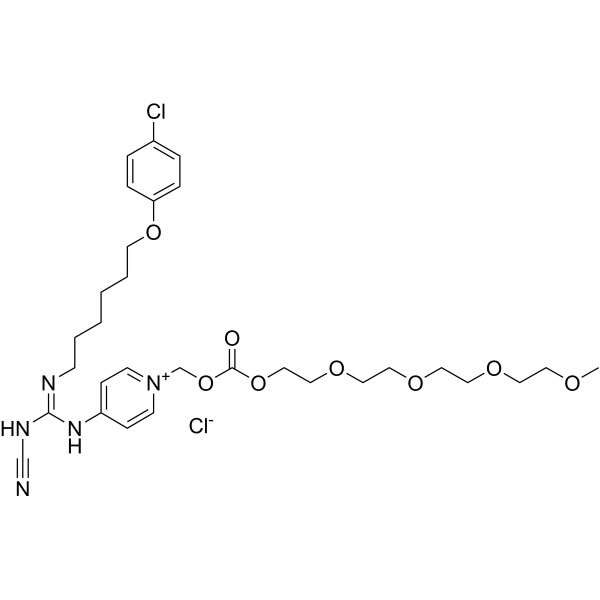
    Teglarinad chloride (GMX1777) is a proagent of GMX1778 (a nicotinamide phosphoribosyl transferase inhibitor). Teglarinad chloride exhibits antitumor activity in mice can be attributed to inhibition of NAMPT. Teglarinad chloride also enhances radiation efficacy, mediated by interference with DNA repair and antiangiogenesis .
    Teglarinad chloride
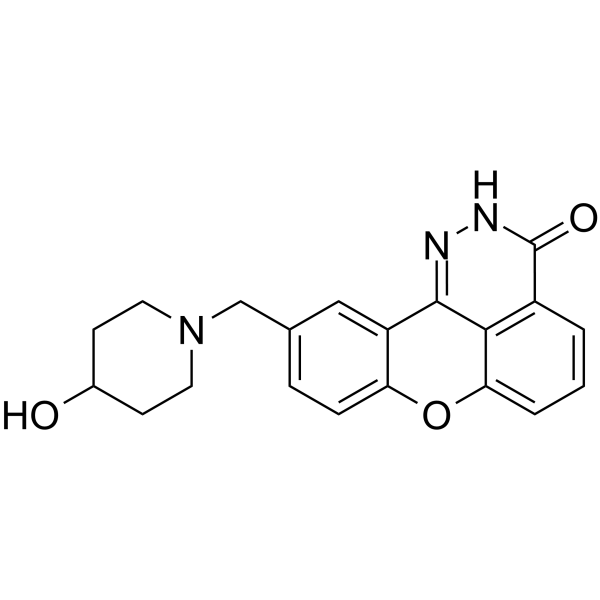
  • HY-115552

    PARP Cancer
    Simmiparib is a highly potent and orally active PARP1 and PARP2 inhibitor with IC50 values of 1.75 nM and 0.22 nM, respectively. Simmiparib has more potent PARP1/2 inhibition than its parent Olaparib (HY-10162). Simmiparib induces DNA double-strand breaks (DSB) accumulation and G2/M arrest in homologous recombination repair (HR)-deficient cells, thereby inducing apoptosis. Simmiparib exhibits remarkable anticancer activities in cells and nude mice bearing xenografts .
    Simmiparib
  • HY-164840A

    DNA/RNA Synthesis Cancer
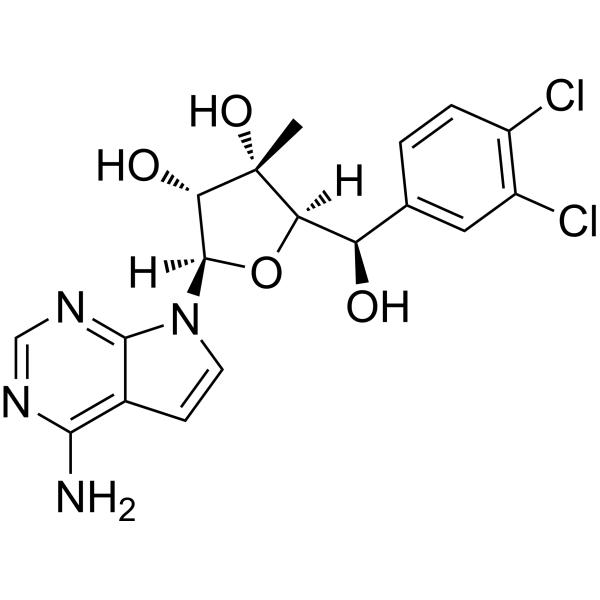
    Clofarabine-5'-triphosphate trisodium is the trisodium salt form of Clofarabine-5'-triphosphate (HY-164840). Clofarabine-5'-triphosphate trisodium is the metabolite of Clofarabine (HY-A0005) by deoxycytidine kinase (dCK) phosphorylation. Clofarabine-5'-triphosphate trisodium exhibits cytotoxicity in cancer cells through inhibition of DNA synthesis and DNA repair .
    Clofarabine-5'-triphosphate trisodium
  • HY-153278A

    CDK7-IN-21 TFA

    CDK DNA/RNA Synthesis c-Myc Early 2 Factor (E2F) Topoisomerase Cancer
    Q901 (CDK7-IN-21) TFA is a selective and potent CDK7 inhibitor with an IC50 of 10 nM. Q901 TFA disrupts MYC and E2FDNA damage repair pathways. Q901 TFA stabilizes TOP1-DPCs and sensitizes tumor to TOP1 inhibitors by suppressing RNAPII transition from initiation to elongation. Q901 TFA can inhibit tumor growth and significantly enhances tumor growth inhibition combined with TOP1 inhibitors. Q901 TFA can be used for the research of cancer, such as colon cancer and lung cancer .
    Q901 TFA
  • HY-10619R

    MK-4827 (Standard)

    Reference Standards PARP Apoptosis Cancer
    Niraparib (Standard) is the analytical standard of Niraparib. This product is intended for research and analytical applications. Niraparib (MK-4827) is a highly potent and orally bioavailable PARP1 and PARP2 inhibitor with IC50s of 3.8 and 2.1 nM, respectively. Niraparib leads to inhibition of repair of DNA damage, activates apoptosis and shows anti-tumor activity .
    Niraparib (Standard)
  • HY-N7059R

    Reference Standards Bacterial Reactive Oxygen Species (ROS) Infection
    Lactobionic acid (Standard) is an analytical standard for lactobionic acid. This product is intended for use in research and analytical applications. Lactobionic acid is a bionic acid that can be naturally found in the Caspian Sea yogurt and chemically constituted of a gluconic acid bonded to a galactose. Lactobionic acid has antioxidant, antimicrobial, chelating, stabilizer, acidulant, and moisturizing properties. Lactobionic acid can be obtained by electrolytic methods, microbial fermentation or biocatalytic approaches. Lactobionic acid can be used in foodstuffs, to produce new functional products and against food-borne pathogens. Lactobionic acid inhibits DNA repair and protein synthesis, induction of oxidative stress and inhibition of metabolic pathways against MRSA .
    Lactobionic acid (Standard)
  • HY-178021

    HDAC DNA/RNA Synthesis Apoptosis RAD51 Caspase Cancer
    HDAC1-IN-11 (Compound 6) is a HDAC1 inhibitor with an IC50 of 106.6  nM. HDAC1-IN-11 inhibits the expression of Sp1 and RAD51, thereby inducing Caspase-dependent apoptosis. HDAC1-IN-11 has antitumor activity and sensitizes Etoposide (HY-13629) and Gemcitabine (HY-17026), promoting synergistic death of NSCLC cells through the inhibition of homologous recombination and non-homologous end joining (NHEJ) pathways involved in DNA DSB repair. HDAC1-IN-11 can be used for chemotherapy of cancers like NSCLC research .
    HDAC1-IN-11
  • HY-178022

    HDAC Apoptosis Caspase RAD51 DNA/RNA Synthesis Cancer
    HDAC6-IN-63 (Compound 7) is an orally active HDAC6 inhibitor with an IC50 of 145  nM. HDAC6-IN-63 inhibits the expression of Sp1 and RAD51, thereby inducing Caspase-dependent apoptosis. HDAC6-IN-63 has antitumor activity and sensitizes Etoposide (HY-13629) and Gemcitabine (HY-17026), promoting synergistic death of NSCLC cells through the inhibition of homologous recombination and non-homologous end joining (NHEJ) pathways involved in DNA DSB repair. HDAC6-IN-63 can be used for chemotherapy of cancers like NSCLC research .
    HDAC6-IN-63
  • HY-141876

    Histone Methyltransferase Notch PI3K Akt Bcl-2 Family DNA/RNA Synthesis Cancer
    PRT543 is an orally active selective PRMT5 inhibitor. PRT543 reduces intracellular symmetric dimethylarginine (sDMA) levels, downregulates the expression of genes related to DNA damage repair and DNA replication pathways, and induces abnormal alternative splicing. PRT543 inhibits the MYB, NOTCH1 and PI3K/AKT signaling pathways, promotes nuclear translocation of FOXO1, upregulates the pro-apoptotic protein BAX, and enhances cellular sensitivity to BCL-2 inhibition. PRT543 disrupts the normal RNA splicing process and exerts a synthetic lethal effect on myeloid tumor cells carrying splicing factor mutations. PRT543 can be used in research related to various cancers including breast cancer, ovarian cancer and acute myeloid leukemia .
    PRT543
  • HY-10537

    VNP40101M

    DNA/RNA Synthesis Cancer
    Laromustine (VNP40101M) is a compound with antitumor activity. The mechanism of action of Laromustine mainly involves DNA alkylation and DNA repair inhibition. Laromustine can be used for bone marrow transplantation in patients with acute myeloid leukemia and cancer .
    Laromustine
  • HY-164840

    Clofarabine-TP

    DNA/RNA Synthesis Cancer
    Clofarabine-5'-triphosphate is the metabolite of Clofarabine (HY-A0005) by deoxycytidine kinase (dCK) phosphorylation. Clofarabine-5'-triphosphate exhibits cytotoxicity in cancer cells through inhibition of DNA synthesis and DNA repair .
    Clofarabine-5'-triphosphate
  • HY-164839

    Clofarabine-DP

    DNA/RNA Synthesis Cancer
    Clofarabine-5'-diphosphate (Clofarabine-DP) is the metabolite of Clofarabine (HY-A0005) by deoxycytidine kinase (dCK) phosphorylation. Clofarabine-5'-diphosphate can be further phorphorylated into Clofarabine-5'-triphosphate, and exhibits cytotoxicity in cancer cells through inhibition of DNA synthesis and DNA repair .
    Clofarabine-5'-diphosphate
  • HY-114923

    DNA-PK PI3K Cancer
    SU-11752 is an inhibitor for DNA-dependent protein kinase (DNA-PK) with an IC50 of 0.13 μM. SU-11752 inhibits PI3K p110γ kinase with IC50 of 1.1 μM. SU-11752 binds competitively for ATP-site in DNA-PK, results in inhibition of intracellular DNA double-strand break repair and increases the sensitivity of cells to radiotherapy .
    SU-11752
  • HY-164839A

    Clofarabine-DP trisodium

    DNA/RNA Synthesis Cancer
    Clofarabine-5'-diphosphate trisodium (Clofarabine-DP trisodium) is the trisodium salt form of Clofarabine-5'-diphosphate (HY-164839). Clofarabine-5'-diphosphate trisodium is the metabolite of Clofarabine (HY-A0005) by deoxycytidine kinase (dCK) phosphorylation. Clofarabine-5'-diphosphate trisodium can be further phorphorylated into Clofarabine-5'-triphosphate, and exhibits cytotoxicity in cancer cells through inhibition of DNA synthesis and DNA repair .
    Clofarabine-5'-diphosphate trisodium
  • HY-W759435

    MK-4827-d5

    Isotope-Labeled Compounds Apoptosis PARP Cancer
    Niraparib-d5 (MK-4827-d5) is the deuterium labeled Niraparib (HY-10619). Niraparib (MK-4827) is a highly potent and orally bioavailable PARP1 and PARP2 inhibitor with IC50s of 3.8 and 2.1 nM, respectively. Niraparib leads to inhibition of repair of DNA damage, activates apoptosis and shows anti-tumor activity .
    Niraparib-d5
  • HY-N7059A

    Biochemical Assay Reagents Bacterial Reactive Oxygen Species (ROS) Infection
    Lactobionic acid calcium dihydrate is a biomimetic acid found in Caspian yogurt, chemically composed of gluconic acid bonded to galactose. Lactobionic acid calcium dihydrate has antioxidant, antimicrobial, chelating, stabilizer, acidulant and humectant properties. Lactobionic acid calcium dihydrate can be obtained by electrolytic methods, microbial fermentation or biocatalytic approaches. Lactobionic acid calcium dihydrate can be used in foodstuffs, to produce new functional products and against food-borne pathogens. Lactobionic acid calcium dihydrate inhibits DNA repair and protein synthesis, induction of oxidative stress and inhibition of metabolic pathways against MRSA .
    Lactobionic acid calcium dihydrate
  • HY-100549R

    DNA/RNA Synthesis Reference Standards Apoptosis Cancer
    (S)-Crizotinib (Standard) is the analytical standard of (S)-Crizotinib (HY-100549). This product is intended for research and analytical applications. (S)-Crizotinib is a potent and selective MTH1 (mutT homologue) inhibitor with an IC50 of 330 nM. (S)-Crizotinib disrupts nucleotide pool homeostasis via MTH1 inhibition, induces an increase in DNA single strand breaks, activates DNA repair in human colon carcinoma cells, and effectively suppresses tumour growth in animal models .
    (S)-Crizotinib (Standard)
  • HY-10619BR

    MK-4827 tosylate (Standard)

    Reference Standards PARP Apoptosis Cancer
    Niraparib Tosylate (Standard) is the analytical standard of Niraparib Tosylate (HY-10619B). This product is intended for research and analytical applications. Niraparib tosylate (MK-4827 tosylate) is a highly potent and orally bioavailable PARP1 and PARP2 inhibitor with an IC50 of 3.8 and 2.1 nM, respectively. Niraparib tosylate leads to inhibition of repair of DNA damage, activates apoptosis and shows anti-tumor activity .
    Niraparib Tosylate (Standard)
  • HY-10619AR

    MK-4827 hydrochloride (Standard)

    Reference Standards PARP Apoptosis Cancer
    Niraparib hydrochloride (Standard) is the analytical standard of Niraparib hydrochloride (HY-10619A). This product is intended for research and analytical applications. Niraparib hydrochloride (MK-4827 hydrochloride) is a highly potent and orally bioavailable PARP1 and PARP2 inhibitor with IC50s of 3.8 and 2.1 nM, respectively. Niraparib hydrochloride leads to inhibition of repair of DNA damage, activates apoptosis and shows anti-tumor activity .
    Niraparib hydrochloride (Standard)
  • HY-10619ER

    MK-4827 tosylate hydrate (Standard)

    Reference Standards PARP Apoptosis Cancer
    Niraparib tosylate hydrate (Standard) is the analytical standard of Niraparib tosylate hydrate (HY-10619E). This product is intended for research and analytical applications. Niraparib (MK-4827) tosylate hydrate is a highly potent and orally bioavailable PARP1 and PARP2 inhibitor with IC50s of 3.8 and 2.1 nM, respectively. Niraparib tosylate hydrate leads to inhibition of repair of DNA damage, activates apoptosis and shows anti-tumor activity .
    Niraparib tosylate hydrate (Standard)
  • HY-180540

    DNA Methyltransferase Neurological Disease Cancer
    MGMT-IN-1 (Compound 2) is a light-activated MGMT inhibitor. MGMT-IN-1 can effectively enhance the cytotoxicity of Temozolomide (TMZ) (HY-17364) only under light conditions, significantly increasing the DNA damage caused by TMZ. MGMT-IN-1 can be used for the study of chordoma .
    MGMT-IN-1

Inquiry Online

Your information is safe with us. * Required Fields.

Salutation


Country or Region *

Applicant Name *


Organization Name *

Department *


Email Address *


Product Name *

Cat. No.


Requested quantity *

Phone Number *


Remarks

Inquiry Online

Inquiry Information

Product Name:
Cat. No.:
Quantity:
MCE Japan Authorized Agent: