Search Result
Results for "
EGFR+Kinase
" in MedChemExpress (MCE) Product Catalog:
1
Biochemical Assay Reagents
2
Isotope-Labeled Compounds
| Cat. No. |
Product Name |
Target |
Research Areas |
Chemical Structure |
-
- HY-12008
-
|
CP-358774 hydrochloride; NSC 718781 hydrochloride; OSI-774 hydrochloride
|
EGFR
Autophagy
|
Cancer
|
|
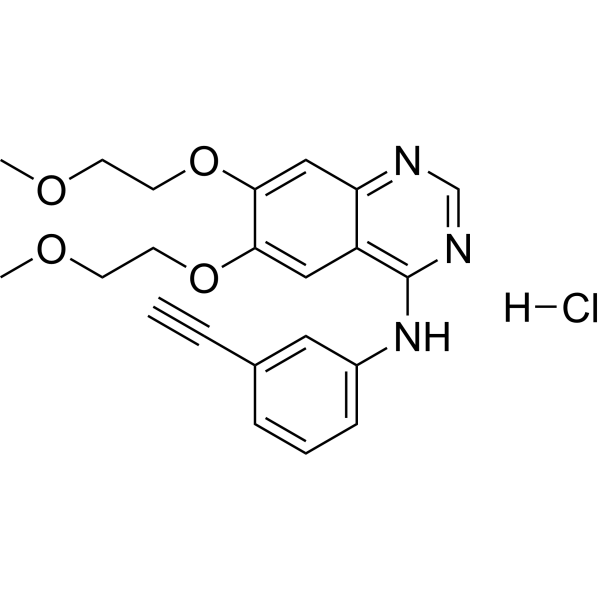
Erlotinib Hydrochloride (CP-358774 Hydrochloride) inhibits purified EGFR kinase with an IC50 of 2 nM. Erlotinib (Hydrochloride) is a click chemistry reagent, it contains an Alkyne group and can undergo copper-catalyzed azide-alkyne cycloaddition (CuAAc) with molecules containing Azide groups.
|
-
-
- HY-59219
-
|
|
Drug Intermediate
|
Cancer
|
|
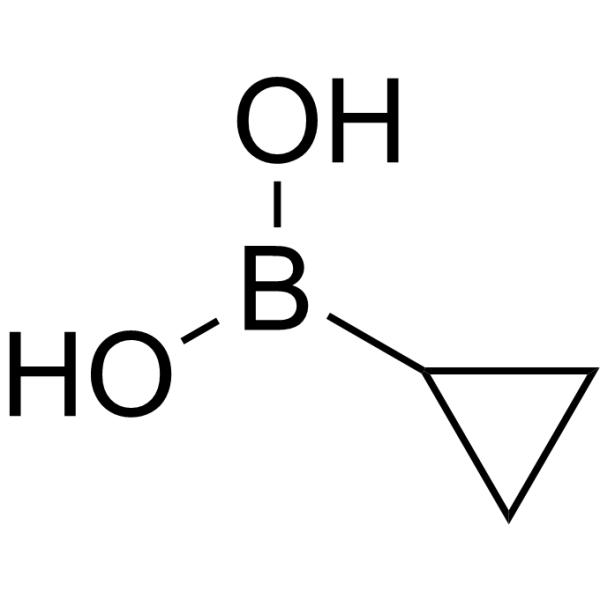
Cyclopropylboronic acid is an intermediate. Cyclopropylboronic acid can be used to synthesize EGFR kinase inhibitor (Compound 25). Compound 25 has antiproliferative effects on EGFR mutant (EGFR Δ19del/T790M/C797S) cells. Cyclopropylboronic acid can be used in lung cancer research .
|
-
-
- HY-128862
-
|
|
EGFR
|
Cancer
|
|
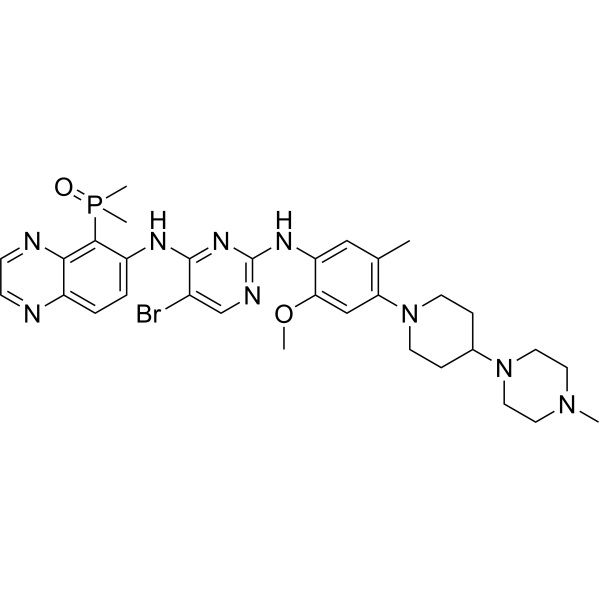
EGFR-IN-7 is a potent, selective and orally active EGFR kinase inhibitor. EGFR-IN-7 has inhibitory effect for for EGFR (WT) and EGFR (mutant C797S/T790M/L858R) with IC50 values of 7.92 nM and 0.218 nM, respectively. EGFR-IN-7 can be used for the research of various cancers .
|
-
-
- HY-14674
-
|
|
EGFR
Apoptosis
|
Cancer
|
|
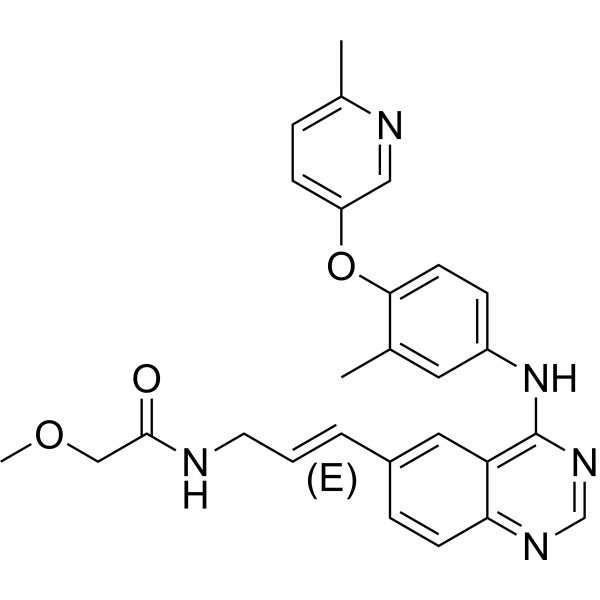
CP-724714 is a potent, selective and orally active ErbB2 (HER2) tyrosine kinase inhibitor, with an IC50 of 10 nM. CP-724714 displays a marked selectivity against EGFR kinase (IC50=6400 nM). CP-724714 potently inhibits ErbB2 receptor autophosphorylation in intact cells. Antitumor activities .
|
-
-
- HY-101006
-
|
|
EGFR
|
Cancer
|
|
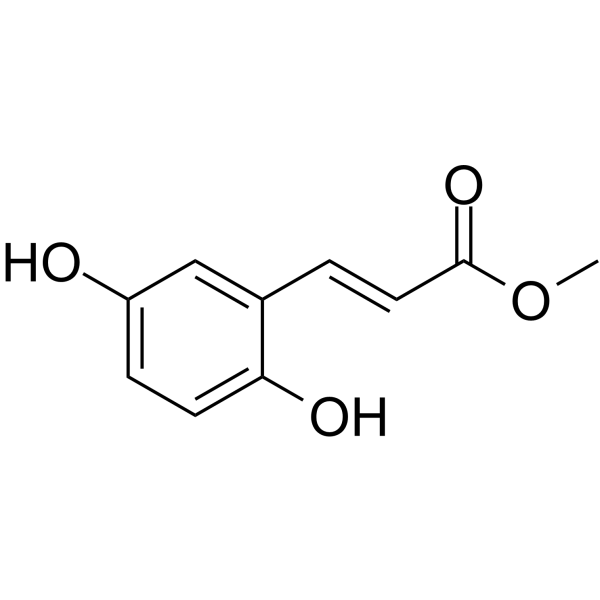
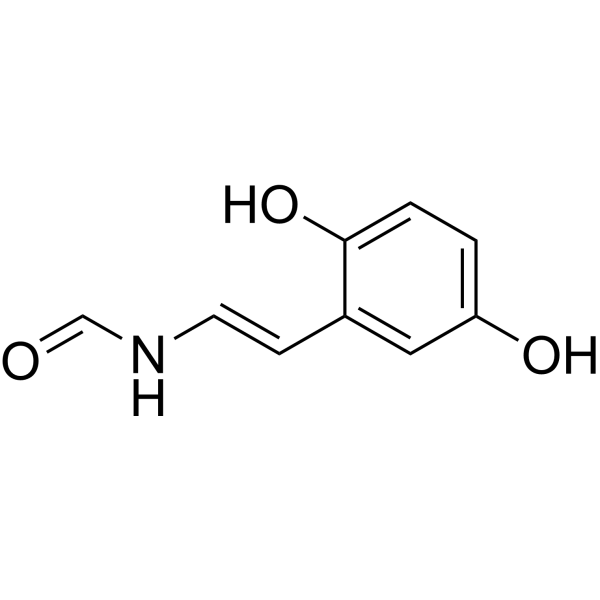
Methyl 2,5-dihydroxycinnamate is an erbstatin analog and a stable, potent inhibitor of EGFR kinase activity .
|
-
-
- HY-138916
-
|
|
Biochemical Assay Reagents
EGFR
|
Others
|
|
PF-06672131 is an alkynylated afatinib derivative and a small molecule probe that is reactive to cysteine. PF-06672131 is an inhibitor of epidermal growth factor receptor (EGFR) kinase that targets the ATP pockets of EGFR. PF-06672131 can be used for activity-based protein profiling studies .
|
-

-
- HY-139920
-
|
SH-1028
|
EGFR
|
Cancer
|
|
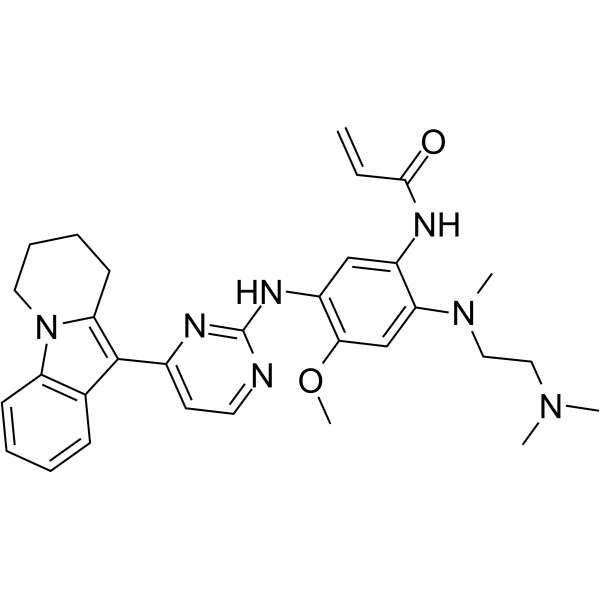
Oritinib (SH-1028), an irreversible third-generation EGFR TKI, overcomes T790M-mediated resistance in non-small cell lung cancer. Oritinib (SH-1028), a mutant-selective inhibitor of EGFR kinase activity, inhibits EGFR WT, EGFR L858R, EGFR L861Q, EGFR L858R/T790M, EGFR d746-750 and EGFR d746-750/T790M kinases, with IC50s of 18, 0.7, 4, 0.1, 1.4 and 0.89 nM, respectively .
|
-
-
- HY-12008R
-
|
CP-358774 hydrochloride (Standard); NSC 718781 hydrochloride (Standard); OSI-774 hydrochloride (Standard)
|
Reference Standards
EGFR
Autophagy
|
Cancer
|
|
Erlotinib (Hydrochloride) (Standard) is the analytical standard of Erlotinib (Hydrochloride). This product is intended for research and analytical applications. Erlotinib Hydrochloride (CP-358774 Hydrochloride) inhibits purified EGFR kinase with an IC50 of 2 nM. Erlotinib (Hydrochloride) is a click chemistry reagent, it contains an Alkyne group and can undergo copper-catalyzed azide-alkyne cycloaddition (CuAAc) with molecules containing Azide groups.
|
-

-
- HY-12008S1
-
|
CP-358774-13C6 hydrochloride; NSC 718781-13C6 hydrochloride; OSI-774-13C6 hydrochloride
|
EGFR
Autophagy
|
Cancer
|
|
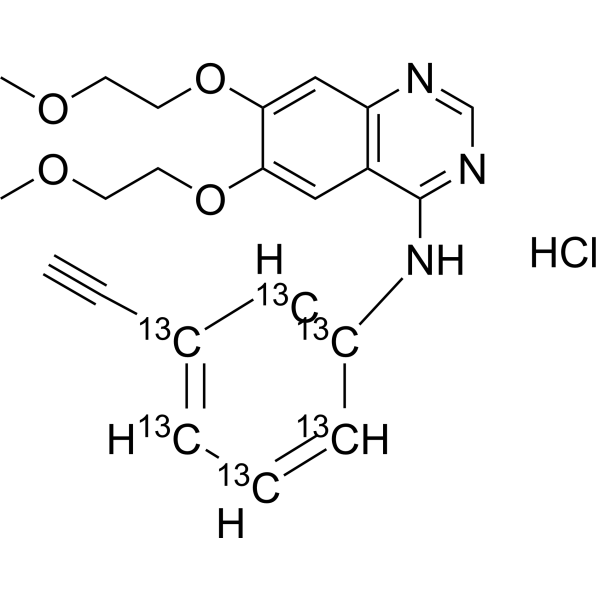
Erlotinib- 13C6 hydrochloride is the 13C labeled Erlotinib Hydrochloride . Erlotinib Hydrochloride (CP-358774 Hydrochloride) inhibits purified EGFR kinase with an IC50 of 2 nM . Erlotinib- 13C6 hydrochloride is a click chemistry reagent, it contains an Alkyne group and can undergo copper-catalyzed azide-alkyne cycloaddition (CuAAc) with molecules containing Azide groups.
|
-
-
- HY-17654
-
|
|
EGFR
mTOR
|
Cancer
|
|
BIEGi-1 is an EGFR inhibitor. BIEGi-1 effectively disrupts the EGFR-Rheb interaction in cells. BIEGi-1 robustly inhibits EGFR kinase activity (reduces p-Y1068-EGFR) as well as mTORC1 activation (reduces p-T389-S6K1) in EGFR-mutant cells. BIEGi-1 shows strong antiproliferative effects on EGFR-mutant PC9 and HCC827 cells with IC50 values of 17 nM and 20 nM, respectively. BIEGi-1 can be used for the study of cancers harboring EGFR mutations, such as non-small cell lung cancer (NSCLC) .
|
-

-
- HY-12008A
-
|
CP-358774 mesylate; NSC 718781 mesylate; OSI-774 mesylate
|
EGFR
Autophagy
|
Cancer
|
|
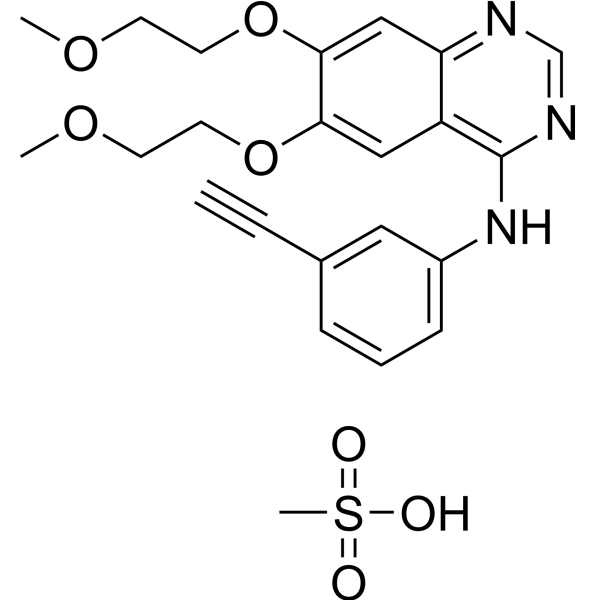
Erlotinib mesylate (CP-358774 mesylate) inhibits purified EGFR kinase with an IC50 of 2 nM. Erlotinib (mesylate) is a click chemistry reagent, it contains an Alkyne group and can undergo copper-catalyzed azide-alkyne cycloaddition (CuAAc) with molecules containing Azide groups.
|
-
-
- HY-18298
-
|
|
EGFR
|
Cancer
|
|
PD 173955 analog 1 (Compound 26) is an analog of PD 173955 (HY-10395). PD 173955 analog 1 is an inhibitor for EGFR kinase, which exhibits antitumor and toxicological properties. PD 173955 analog 1 exhibits an in silico IC50 of 0.19 μM .
|
-

-
- HY-101522
-
|
|
EGFR
BMX Kinase
Btk
MEK
|
Cancer
|
|
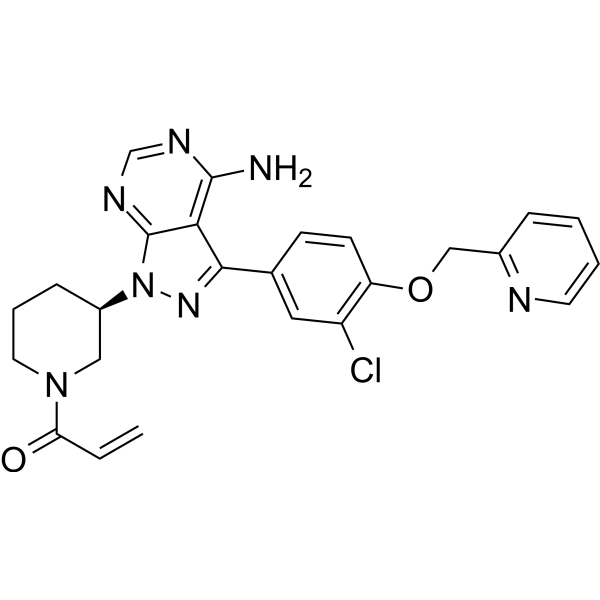
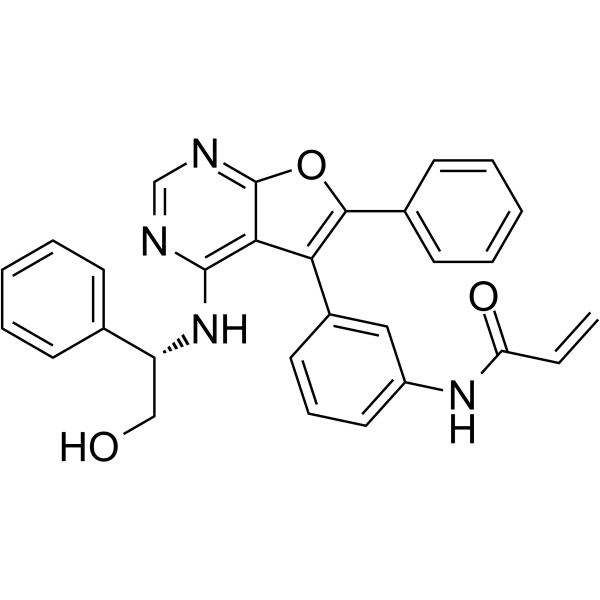
CHMFL-EGFR-202 is a potent, irreversible inhibitor of epidermal growth factor receptor (EGFR) mutant kinase, with IC50s of 5.3 nM and 8.3 nM for drug-resistant mutant EGFR T790M and WT EGFR kinases, respectively. CHMFL-EGFR-202 exhibits ~10-fold selectivity for EGFR L858R/T790M against the EGFR wild-type in cells. CHMFL-EGFR-202 adopts a covalent “DFG-in-C-helix-out” inactive binding conformation with EGFR, with strong antiproliferative effects against EGFR mutant-driven nonsmall-cell lung cancer (NSCLC) cell lines .
|
-
-
- HY-P2548
-
|
|
EGFR
|
Others
|
|
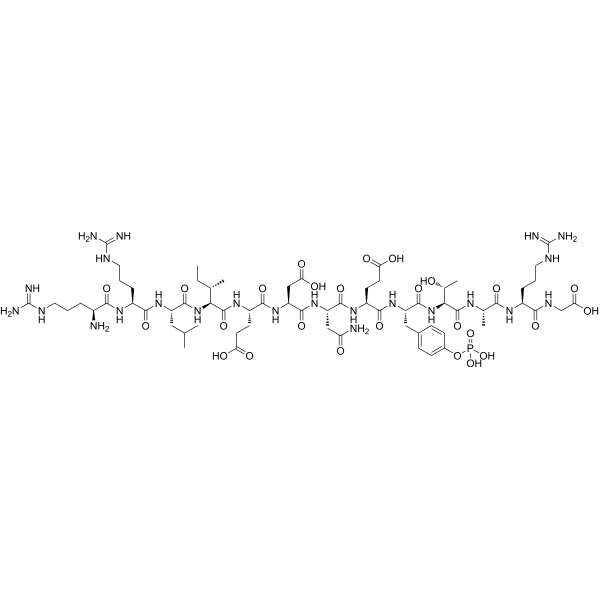
pp60 (v-SRC) Autophosphorylation Site, Phosphorylated is the phosphorylated peptide of an EGFR substrate. pp60 (v-SRC) Autophosphorylation Site, Phosphorylated can be used for the screening of EGFR Kinase inhibitors via phosphorylated-substrate quantification .
|
-
-
- HY-W174279
-
|
|
EGFR
Ras
Phosphatase
|
Metabolic Disease
|
|
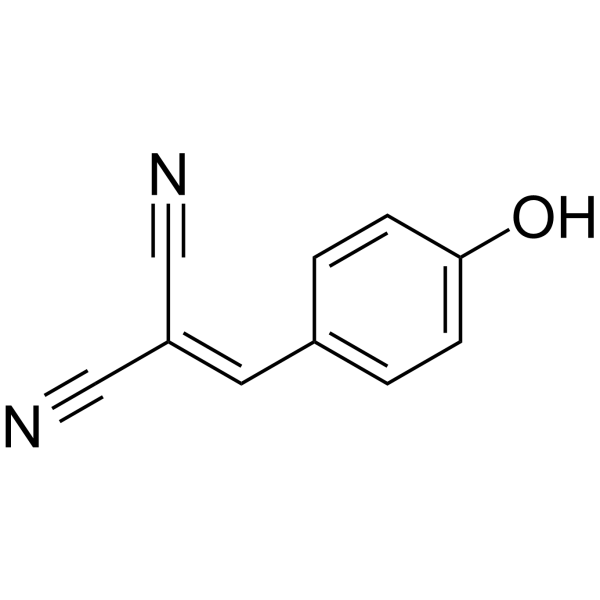
Tyrphostin 8 is a tyrosine kinase, with an IC50 of 560 μM for EGFR kinase. Tyrphostin 8 is also a GTPase inhibitor. Tyrphostin 8 can inhibit the protein serine/threonine phosphatase calcineurin (IC50=21 μM) .
|
-
-
- HY-162482
-
|
|
EGFR
Apoptosis
|
Inflammation/Immunology
Cancer
|
|
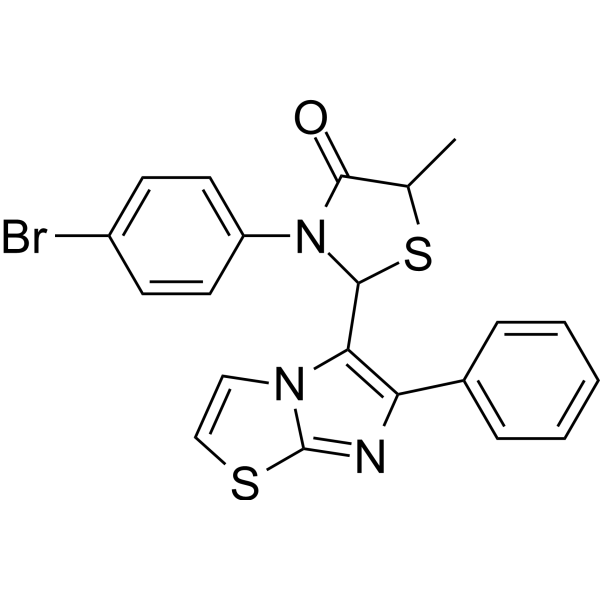
EGFR kinase inhibitor 5 (Compound 4c) is an orally active inhibitor for epidermal growth factor receptor (EGFR) kinase, with IC50 of 18.35 μM. EGFR kinase inhibitor 5 induces apoptosis. EGFR kinase inhibitor 5 exhibits anticancer and anti-inflammatory activity with low toxicity (LD50 range: 500-2000 mg/kg) .
|
-
-
- HY-162483
-
|
|
EGFR
Apoptosis
|
Inflammation/Immunology
Cancer
|
|
EGFR kinase inhibitor 6 (Compound 4b) is an orally active inhibitor for epidermal growth factor receptor (EGFR) kinase, with IC50 of 24.34 μM. EGFR kinase inhibitor 6 induces apoptosis. EGFR kinase inhibitor 6 exhibits anticancer and anti-inflammatory activity with low toxicity (LD50 range: 500-2000 mg/kg) .
|
-

-
- HY-162300
-
|
|
EGFR
|
Cancer
|
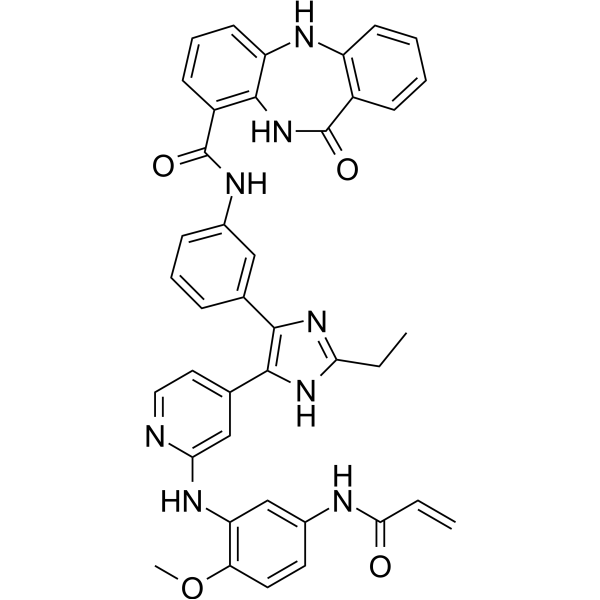
EGFR kinase inhibitor 4 (Compound 4) is a bivalent ATP-allosteric EGFR inhibitor (IC50: 1.8 nM for mutant EGFR (LRTMCS)). EGFR kinase inhibitor 4 can be used for research of NSCLC .
|
-
-
- HY-143246
-
|
|
EGFR
Apoptosis
|
Cancer
|
|
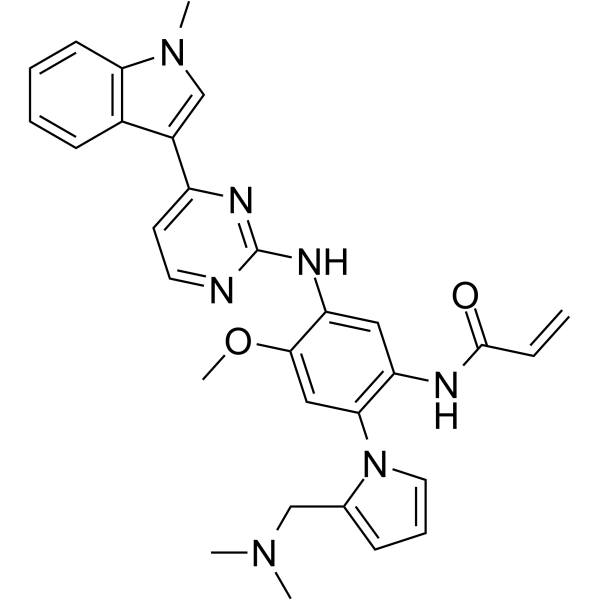
EGFR kinase inhibitor 1 is a potent EGFR inhibitor with IC50s of 37, 1.7, >300 nM for WT, l885R/T790M, L858R/T790M/C797S, respectively. EGFR kinase inhibitor 1 induces apoptosis and cell cycle arrest at G0/G1-phase. EGFR kinase inhibitor 1 inhibits the cell motility. EGFR kinase inhibitor 1 shows antiproliferative and anti-tumor activity .
|
-
-
- HY-159512
-
|
|
EGFR
Apoptosis
|
Cancer
|
|
EGFR kinase inhibitor 7 (compound 18i) is an EGFR inhibitor (IC50=42.3 nM) with anticancer activity. EGFR kinase inhibitor 7 has significant in vitro cytotoxicity and apoptosis induction ability. EGFR kinase inhibitor 7 has antiproliferative activity against human colon cancer cell line HCT116 and human non-small cell lung cancer cell line A549, with IC50 values of 4.82 µM and 1.43 µM, respectively .
|
-

-
- HY-162299
-
|
|
EGFR
|
Cancer
|
|
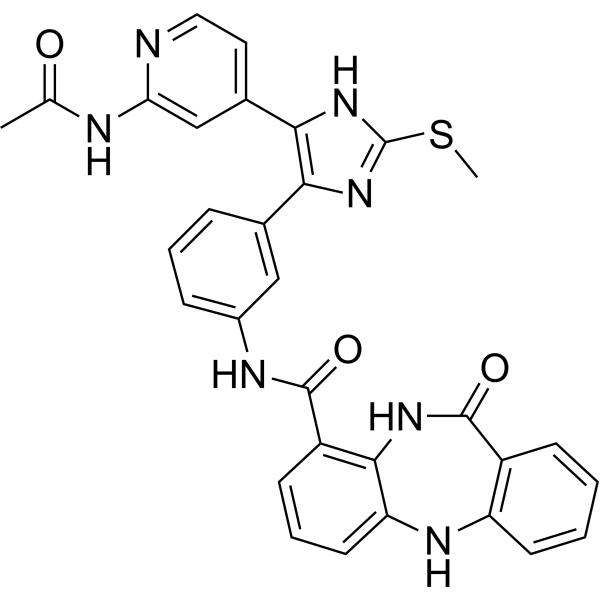
EGFR kinase inhibitor 3 (compound 2) is a bivalent ATP-allosteric EGFR kinase inhibitor with IC50s of <10 nM, 1.5 nM, 0.059 nM, 0.064 nM for WT EGFR, EGFR-activating mutations L858R, L858R/T790M and L858R/T790M/C797S, respectively. EGFR kinase inhibitor 3 is a C-linked inhibitor .
|
-
-
- HY-157166
-
|
|
EGFR
|
Cancer
|
|
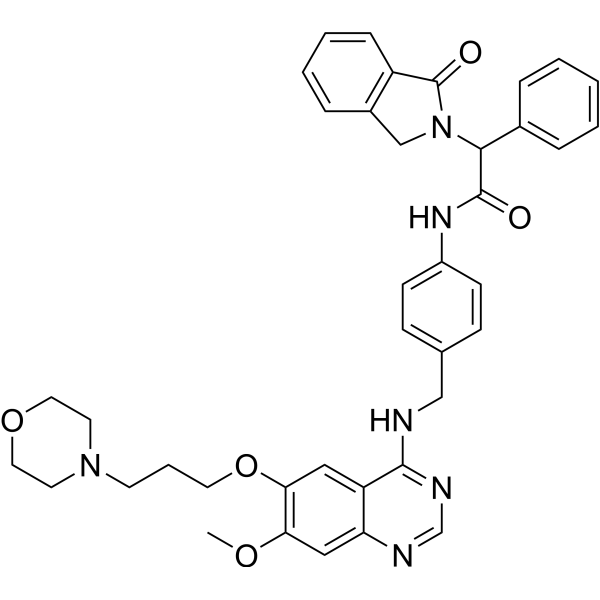
EGFR kinase inhibitor 2 (compound A-7) is a potent EGFR inhibitor targeting EGFRL858R/T790M/C797S and EGFRDel19/T790M/C797S mutants. EGFR kinase inhibitor 2 has the potential to address acquired resistance in the treatment of non-small cell lung cancer .
|
-
-
- HY-18213
-
|
|
EGFR
|
Cancer
|
|
EGFR-IN-9 (Compound 8) is a potent EGFR kinase inhibitor with IC50s of 7 nM, 28 nM for the wild type EGFR kinase and double mutant EGFR kinase (L858R/T790M). EGFR-IN-9 has antitumor activity .
|
-
-
- HY-113549
-
-
-
- HY-171252
-
|
|
EGFR
|
Cancer
|
|
EGFR-IN-145 (compound 7c) is an EGFR kinase inhibitor. At a concentration of 20 μM, EGFR-IN-145 has an inhibition rate of 52.7% on EGFR-wild type kinase .
|
-

-
- HY-101006R
-
|
|
Reference Standards
EGFR
|
Cancer
|
|
Methyl 2,5-dihydroxycinnamate (Standard) is the analytical standard of Methyl 2,5-dihydroxycinnamate. This product is intended for research and analytical applications. Methyl 2,5-dihydroxycinnamate is an erbstatin analog and a stable, potent inhibitor of EGFR kinase activity .
|
-

-
- HY-171443
-
|
Lyso-GM3
|
EGFR
Drug Derivative
|
Cancer
|
|
Lyso-Monosialoganglioside GM3 (Lyso-GM3) is an analogue of Ganglioside GM3 (HY-114456) with antitumor activities. Lyso-Monosialoganglioside inhibits EGF-induced increases in EGFR kinase activity in A431 epithelial cancer cells .
|
-

-
- HY-12008S
-
|
CP-358774-d6 hydrochloride; NSC 718781-d6 hydrochloride; OSI-774-d6 hydrochloride
|
EGFR
Autophagy
|
Cancer
|
|
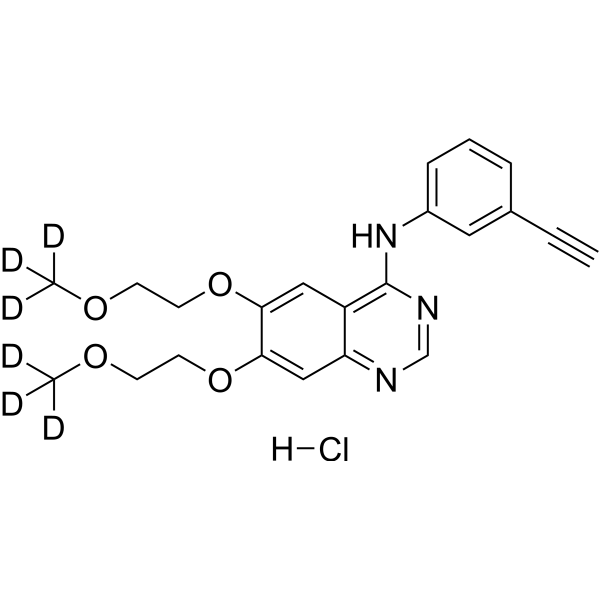
Erlotinib-d6 hydrochloride a deuterium labeled Erlotinib Hydrochloride. Erlotinib Hydrochloride inhibits purified EGFR kinase with an IC50 of 2 nM . Erlotinib-d6 (hydrochloride) is a click chemistry reagent, it contains an Alkyne group and can undergo copper-catalyzed azide-alkyne cycloaddition (CuAAc) with molecules containing Azide groups.
|
-
-
- HY-170787
-
|
|
EGFR
Apoptosis
Bcl-2 Family
Caspase
|
Cancer
|
|
TZEP7 is an EGFR kinase inhibitior in cancer cells. TZEP7 exhibits cytotoxic effects against cancer cell lines and induces apoptosis. TZEP7 demonstrates downregulation of antiapoptotic Bcl-2, upregulation of pro-apoptotic Bax, and increases caspase levels. TZEP7 is promising for research of anticancer agent .
|
-

-
- HY-172780
-
|
|
EGFR
Apoptosis
|
Cancer
|
|
EGFR-IN-161 (Compound DD-8) is a potent and reversible inhibitor of L858R/T790M/C797S mutant EGFR kinases, with an IC50 of 0.87 nM. EGFR-IN-161 can induce apoptosis process, G1-phase arrestation, and migration inhibition in tumor cells .
|
-

-
- HY-163632
-
|
|
EGFR
|
Cancer
|
|
EGFR-IN-112 (SPP10) is an EGFR kinase inhibitor which exhibits IC50s of 2.31 ± 0.3, 3.16 ± 0.8, and 4.2 ± 0.2 μM, against MCF-7, H69AR, and PC-3 cancer cells, respectively. EGFR-IN-112 also demonstrates selective cytotoxicity against cancer cells .
|
-

-
- HY-147994
-
|
|
EGFR
|
Cancer
|
|
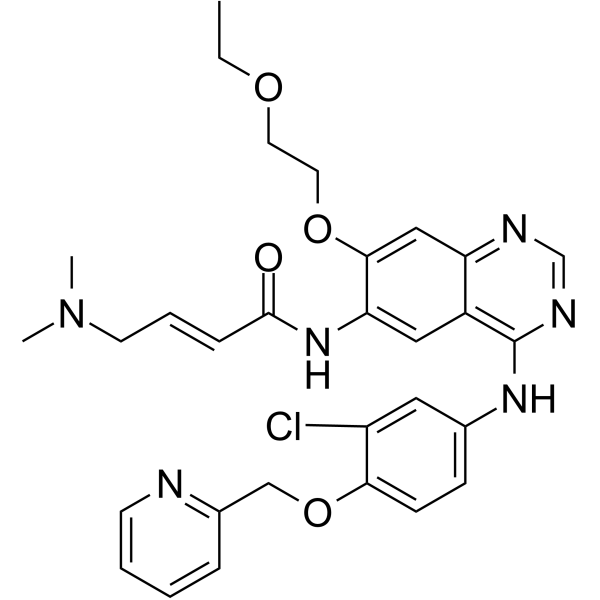
EGFR/HER2-IN-5 (compound 6h) is an orally active irreversible dual inhibitor. EGFR/HER2-IN-5 inhibits EGFR with an IC50 value of 1.01 nM and demonstrates potent EGFR kinase inhibitory activities on L858R and T790M mutations. EGFR/HER2-IN-5 has potent antitumor efficacy in vivo and can be used for lung cancer research .
|
-
-
- HY-147992
-
|
|
EGFR
|
Cancer
|
|
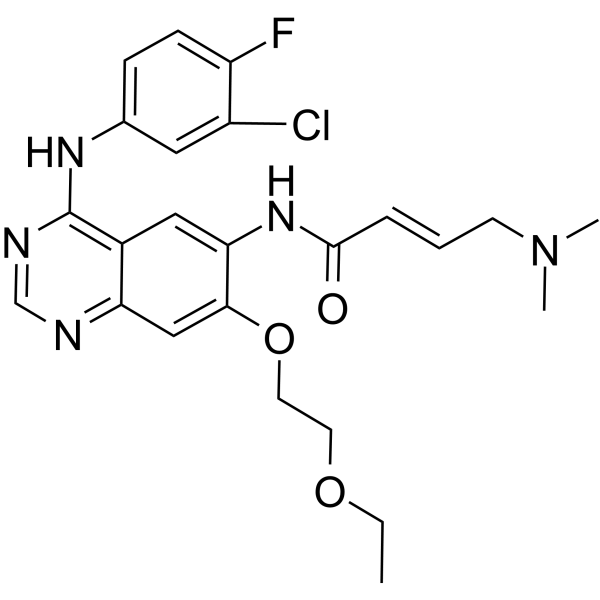
EGFR/HER2-IN-4(compound 6d) is an orally active irreversible dual inhibitor. EGFR/HER2-IN-4 inhibits EGFR with an IC50 value of 0.6 nM and demonstrates potent EGFR kinase inhibitory activities on L858R and T790M mutations. EGFR/HER2-IN-4 has potent antitumor efficacy in vivo and can be used for lung cancer research .
|
-
-
- HY-147860
-
|
|
EGFR
|
Cancer
|
|
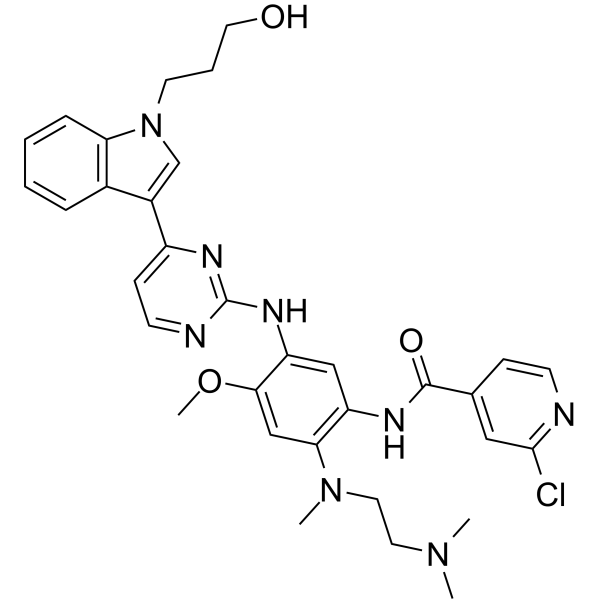
EGFR-IN-61 (compound 22a) is a potent EGFR kinase inhibitor, with IC50 values of 42 nM (L858R/T790 M), 137 nM (L858R/T790 M/C797S), and 743 nM (WT), respectively. EGFR-IN-61 shows antiproliferative activity against A549 and H1975 cell lines, with IC50 values of 2.14 and 1.82 μM, respectively .
|
-
-
- HY-151156
-
|
|
EGFR
Apoptosis
|
Cancer
|
|
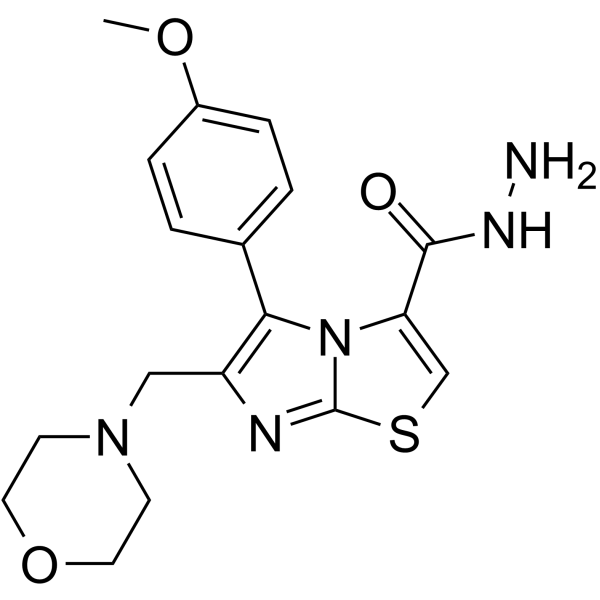
EGFR/HER2-IN-6 (compound 43) is an EGFR/HER2 and DHFR inhibitor. EGFR/HER2-IN-6 inhibits EGFR kinase, HER2 kinase and DHFR with IC50s of 0.122, 0.078 and 0.585 μM, respectively. EGFR/HER2-IN-6 shows anticancer activity against several cancer cell lines with high safety profile and selectivity indices. EGFR/HER2-IN-8 can be used for the research of cancer .
|
-
-
- HY-151161
-
|
|
EGFR
|
Cancer
|
|
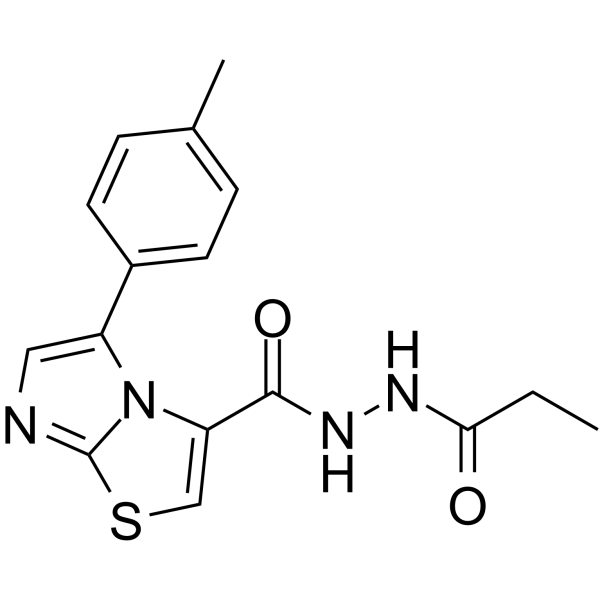
EGFR/HER2-IN-8 (compound 34) is a EGFR/HER2 and DHFR inhibitor. EGFR/HER2-IN-8 inhibits EGFR kinase, HER2 kinase and DHFR with IC50s of 0.45, 0.244 and 5.669 μM, respectively. EGFR/HER2-IN-8 shows anticancer activity against several cancer cell lines with high safety profile and selectivity indices. EGFR/HER2-IN-8 can be used for the research of cancer .
|
-
-
- HY-164503
-
|
NEP010
|
EGFR
|
Cancer
|
|
Neptinib (NEP010) is an orally active derivative of Afatinib (HY-10261) that has stronger antitumor activity than Afatinib (HY-10261) by improving pharmacokinetics. Neptinib has a significant inhibitory effect on tumor growth in mouse non-small cell lung cancer models with different EGFR mutations. Neptinib has a certain inhibitory effect on the EGFR kinase family, with IC50 values ??of 0.24 nM, 7.25 nM, 0.46 nM and 1.79 nM for EGFR wt, EGFR L858R/T790M, EGFR L858R and EGFR T790M, respectively .
|
-

-
- HY-116504
-
|
|
EGFR
Akt
ERK
Apoptosis
|
Cancer
|
|
WB-308 is a novel small molecule that was identified as an inhibitor of EGFR by an in vitro EGFR kinase activity system. WB-308 was able to reduce the proliferation and clonogenicity of NSCLC cells, causing G2/M phase arrest and apoptosis. In addition, WB-308 inhibited tumor growth in two in vivo animal models (lung orthotopic transplantation model and patient-derived clonal mouse model). WB-308 impaired the phosphorylation of EGFR, AKT, and ERK1/2 proteins. Compared with Gefitinib, WB-308 had lower cytotoxicity. This study showed that WB-308 is a new EGFR-TKI that may be considered as an alternative to Gefitinib in the clinical treatment of NSCLC.
|
-

-
- HY-147862
-
|
|
EGFR
Apoptosis
|
Cancer
|
|
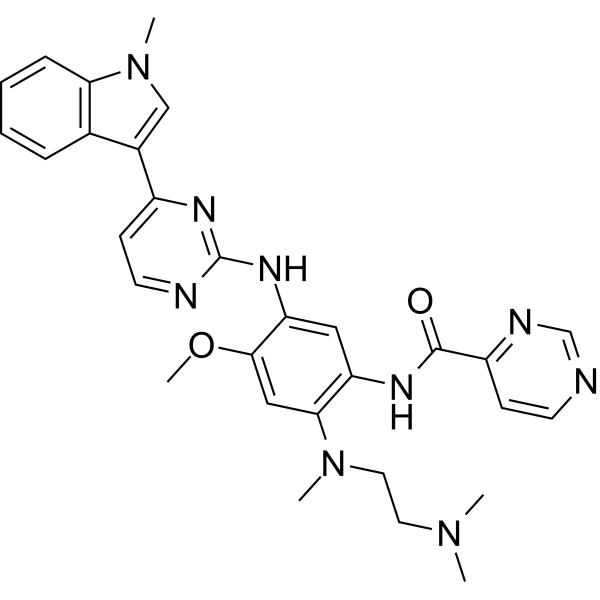
EGFR-IN-62 (compound 9h) is a potent and reversible EGFR kinase inhibitor, with IC50 values of 10 nM (L858R/T790 M), 29 nM (WT), and 242 nM (L858R/T790 M/C797S), respectively. EGFR-IN-62 shows antiproliferative activity against A549 and H1975 cell lines, with IC50 values of 2.53 and 1.56 μM, respectively. EGFR-IN-62 induces dose-dependent apoptosis process, G1/G0-phase arrestation, and the inhibition of motility on A549 and/or H1975 cell lines .
|
-
-
- HY-180922
-
|
|
EGFR
Akt
STAT
p38 MAPK
|
Cancer
|
|
EGFR kinase-IN-8 (Compound H8b) is an EGFR inhibitor. EGFR kinase-IN-8 potently inhibits both triple-mutated EGFR L858R/T790M/C797S (IC50 = 3.86 nM) and double-mutated EGFR L858R/T790M (IC50 = 1.23 nM). EGFR kinase-IN-8 suppresses EGFR phosphorylation and downstream AKT, STAT3, and MAPK signaling. EGFR kinase-IN-8 exhibits anticancer activity against non-small cell lung cancer .
|
-

-
- HY-W001520
-
|
|
EGFR
|
|
|
1-Methyl-1H-pyrrolopyridine is a 7-azaindole derivative that binds to the EGFR kinase domain. It inhibits the growth of breast cancer cells but shows no activity against lung cancer and liver cancer cells. 1-Methyl-1H-pyrrolopyridine can be used in breast cancer research .
|
-
![1-Methyl-1H-pyrrolo[2,3-b]pyridine](//file.medchemexpress.com/product_pic/hy-w001520.gif)
-
- HY-158969
-
|
|
EGFR
Apoptosis
Akt
ERK
|
Cancer
|
|
EGFR-IN-113 (compound II-1) is an EGFR kinase inhibitor with an IC50 of 14.79 μM. EGFR-IN-113 can induce apoptosis and inhibit cell proliferation by downregulating Akt and Erk1/2 signaling. EGFR-IN-113 can be used for research in EGFR-driven cancers, such as lung cancer, pancreatic cancer, and breast cancer .
|
-

-
- HY-183310
-
|
|
EGFR
Apoptosis
DNA/RNA Synthesis
|
Cancer
|
|
EGFR-IN-210 is a EGFR kinase inhibitor with an IC50 of 0.198 μM. EGFR-IN-210 induces antiproliferative, pro-apoptotic, G0/G1 cell cycle arrest, DNA synthesis inhibition and anti-migratory effects in cancer cells. EGFR-IN-210 can be used for the research of various cancers including colorectal cancer .
|
-

-
- HY-181714
-
|
|
EGFR
|
Cancer
|
|
EGFR-IN-203 is a EGFR kinase domain inhibitor targeting EGFR T790M/C797S/V948R. EGFR-IN-203 stably binds to the allosteric pocket of EGFR in an inactive conformation. EGFR-IN-203 can be used in research related to cancers such as non-small cell lung cancer .
|
-

-
- HY-182073
-
|
|
EGFR
Apoptosis
|
Cancer
|
|
EGFR-IN-207 (Compound 5h) is an epidermal growth factor receptor (EGFR) kinase inhibitor with an IC50 of 0.21 μM. EGFR-IN-207 induces cell cycle arrest at the Sub-G1 phase and promotes Apoptosis. EGFR-IN-207 exhibits anticancer activity against lung cancer. EGFR-IN-207 shows extremely low toxicity in non-cancerous cell lines. EGFR-IN-207 can be used in lung cancer-related research .
|
-

-
- HY-181923
-
|
|
EGFR
CDK
Cytochrome P450
|
Cancer
|
|
IMP-Zn is a pyrazole-hydrazone Schiff base zinc (II) complex. IMP-Zn exhibits significant antiproliferative activity against human colorectal cancer cells and induces cell cycle arrest. IMP-Zn shows stronger binding affinity than its free ligand IMP towards three cancer-related protein targets: EGFR kinase 1M17, cytochrome P450 3RUK, and CDK inhibitor 6GUE. IMP-Zn can be used in studies related to colorectal cancer .
|
-

-
- HY-185227
-
|
|
Ephrin Receptor
Src
Bcr-Abl
EGFR
|
Cancer
|
|
EphB4-IN-1 is a selective EphB4 tyrosine kinase inhibitor with IC50 values of 0.16-0.30 μM. EphB4-IN-1 binds to the ATP binding site of EphB4 in a DFG-in conformation, forming four stable intermolecular hydrogen bonds. EphB4-IN-1 also inhibits Src, Abl1, Lck, and EGFR kinases. EphB4-IN-1 inhibits EphB4 autophosphorylation. EphB4-IN-1 can be used for the research of cancer, such as non small cell lung cancer .
|
-

| Cat. No. |
Product Name |
Type |
-
- HY-59219
-
|
|
Biochemical Assay Reagents
|
|
Cyclopropylboronic acid is an intermediate. Cyclopropylboronic acid can be used to synthesize EGFR kinase inhibitor (Compound 25). Compound 25 has antiproliferative effects on EGFR mutant (EGFR Δ19del/T790M/C797S) cells. Cyclopropylboronic acid can be used in lung cancer research .
|
| Cat. No. |
Product Name |
Target |
Research Area |
-
- HY-P2548
-
|
|
EGFR
|
Others
|
|
pp60 (v-SRC) Autophosphorylation Site, Phosphorylated is the phosphorylated peptide of an EGFR substrate. pp60 (v-SRC) Autophosphorylation Site, Phosphorylated can be used for the screening of EGFR Kinase inhibitors via phosphorylated-substrate quantification .
|
| Cat. No. |
Product Name |
Chemical Structure |
-
- HY-12008S1
-
|
|
|
Erlotinib- 13C6 hydrochloride is the 13C labeled Erlotinib Hydrochloride . Erlotinib Hydrochloride (CP-358774 Hydrochloride) inhibits purified EGFR kinase with an IC50 of 2 nM . Erlotinib- 13C6 hydrochloride is a click chemistry reagent, it contains an Alkyne group and can undergo copper-catalyzed azide-alkyne cycloaddition (CuAAc) with molecules containing Azide groups.
|
-
-
- HY-12008S
-
|
|
|
Erlotinib-d6 hydrochloride a deuterium labeled Erlotinib Hydrochloride. Erlotinib Hydrochloride inhibits purified EGFR kinase with an IC50 of 2 nM . Erlotinib-d6 (hydrochloride) is a click chemistry reagent, it contains an Alkyne group and can undergo copper-catalyzed azide-alkyne cycloaddition (CuAAc) with molecules containing Azide groups.
|
-
| Cat. No. |
Product Name |
|
Classification |
-
- HY-12008
-
|
CP-358774 hydrochloride; NSC 718781 hydrochloride; OSI-774 hydrochloride
|
|
Alkynes
|
|
Erlotinib Hydrochloride (CP-358774 Hydrochloride) inhibits purified EGFR kinase with an IC50 of 2 nM. Erlotinib (Hydrochloride) is a click chemistry reagent, it contains an Alkyne group and can undergo copper-catalyzed azide-alkyne cycloaddition (CuAAc) with molecules containing Azide groups.
|
-
- HY-12008S1
-
|
CP-358774-13C6 hydrochloride; NSC 718781-13C6 hydrochloride; OSI-774-13C6 hydrochloride
|
|
Alkynes
|
|
Erlotinib- 13C6 hydrochloride is the 13C labeled Erlotinib Hydrochloride . Erlotinib Hydrochloride (CP-358774 Hydrochloride) inhibits purified EGFR kinase with an IC50 of 2 nM . Erlotinib- 13C6 hydrochloride is a click chemistry reagent, it contains an Alkyne group and can undergo copper-catalyzed azide-alkyne cycloaddition (CuAAc) with molecules containing Azide groups.
|
-
- HY-12008A
-
|
CP-358774 mesylate; NSC 718781 mesylate; OSI-774 mesylate
|
|
Alkynes
|
|
Erlotinib mesylate (CP-358774 mesylate) inhibits purified EGFR kinase with an IC50 of 2 nM. Erlotinib (mesylate) is a click chemistry reagent, it contains an Alkyne group and can undergo copper-catalyzed azide-alkyne cycloaddition (CuAAc) with molecules containing Azide groups.
|
-
- HY-12008S
-
|
CP-358774-d6 hydrochloride; NSC 718781-d6 hydrochloride; OSI-774-d6 hydrochloride
|
|
Alkynes
|
|
Erlotinib-d6 hydrochloride a deuterium labeled Erlotinib Hydrochloride. Erlotinib Hydrochloride inhibits purified EGFR kinase with an IC50 of 2 nM . Erlotinib-d6 (hydrochloride) is a click chemistry reagent, it contains an Alkyne group and can undergo copper-catalyzed azide-alkyne cycloaddition (CuAAc) with molecules containing Azide groups.
|
Your information is safe with us. * Required Fields.
Inquiry Information
- Product Name:
- Cat. No.:
- Quantity:
- MCE Japan Authorized Agent:





![1-Methyl-1H-pyrrolo[2,3-b]pyridine](http://file.medchemexpress.com/product_pic/hy-w001520.gif)





