Search Result
Results for "
ERα degrader
" in MedChemExpress (MCE) Product Catalog:
4
Isotope-Labeled Compounds
| Cat. No. |
Product Name |
Target |
Research Areas |
Chemical Structure |
-
- HY-19822
-
|
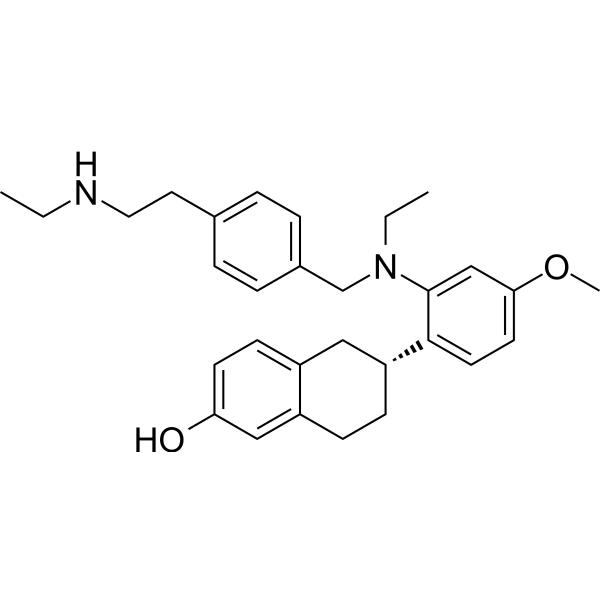
RAD1901
|
Estrogen Receptor/ERR
|
Cancer
|
|
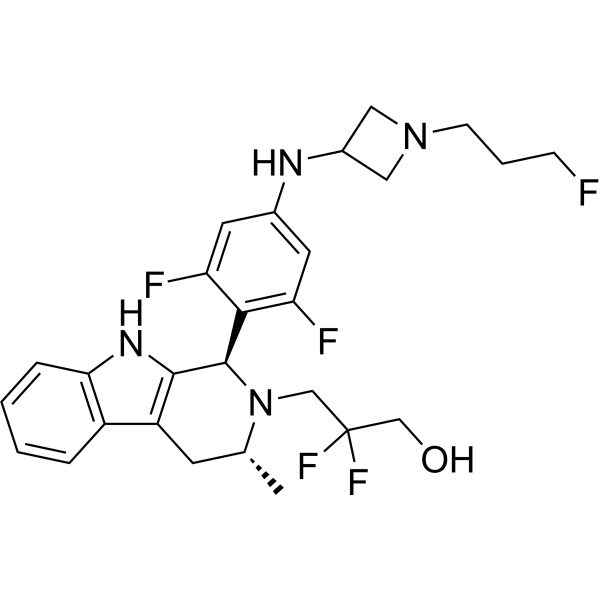
Elacestrant (RAD1901) is an orally available and selective estrogen receptor degrader (SERD) with IC50s of 48 and 870 nM for ERα and ERβ, respectively. Elacestrant also can inhibit growth of ER + breast cancer cell lines in vitro and in vivo .
|
-
-
- HY-12870
-
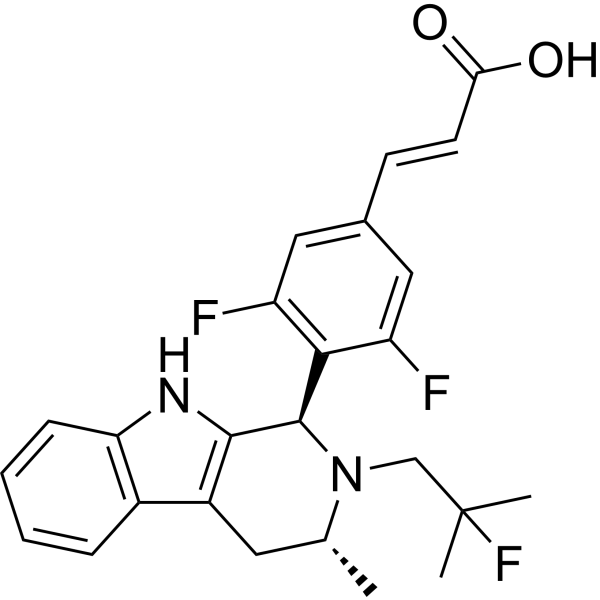
AZD9496
Maximum Cited Publications
28 Publications Verification
|
Estrogen Receptor/ERR
|
Cancer
|
|
AZD9496 is an effective, selective estrogen receptor (ERα) antagonist with an IC50 of 0.28 nM. AZD9496 is an orally active, selective estrogen receptor degrader (SERD).
|
-
-
- HY-19822A
-
|
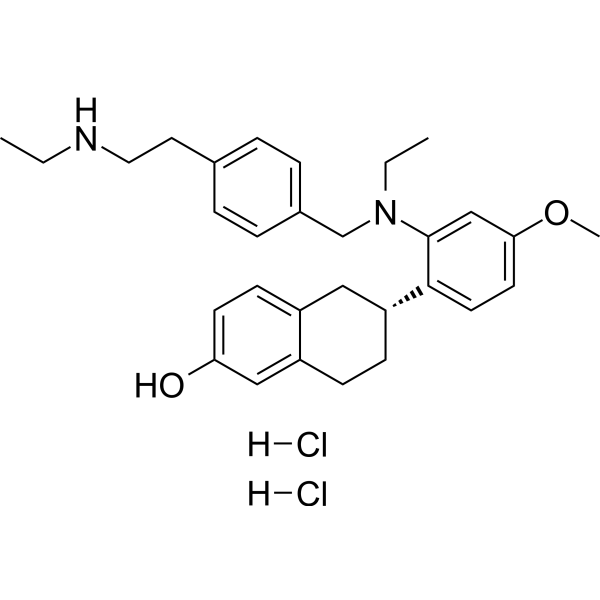
RAD1901 dihydrochloride
|
Estrogen Receptor/ERR
|
Cancer
|
|
Elacestrant (RAD1901) dihydrochloride is an orally available and selective estrogen receptor degrader (SERD) with IC50s of 48 and 870 nM for ERα and ERβ, respectively. Elacestrant dihydrochloride also can inhibit growth of ER + breast cancer cell lines in vitro and in vivo .
|
-
-
- HY-150505
-
|
|
Deubiquitinase
Apoptosis
|
Cancer
|
|
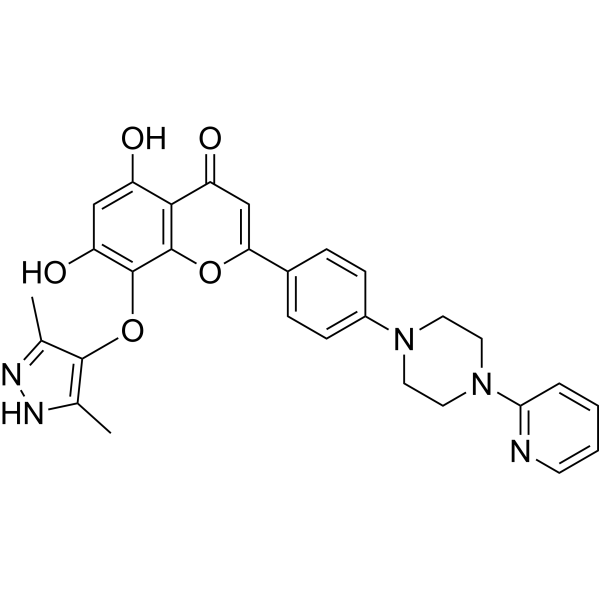
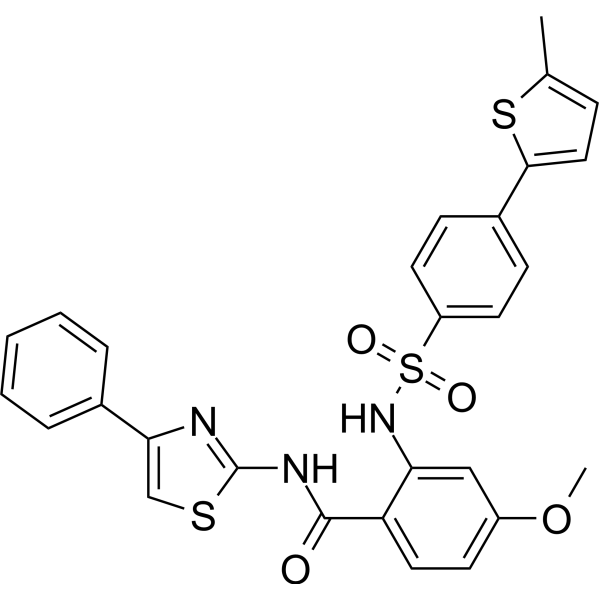
DC-U4106 is a USP8 targeting inhibitor with the Kdvalue of 4.7 μM and the IC50 value of 1.2 μM. DC-U4106 can target the ubiquitin pathway and facilitate the degradation of Erα. DC-U4106 inhibits tumor growth with minimal toxicity and has the potential for the research of breast cancer .
|
-
-
- HY-112100
-
|
|
PROTAC-Linker Conjugates for PAC
Estrogen Receptor/ERR
|
Cancer
|
|
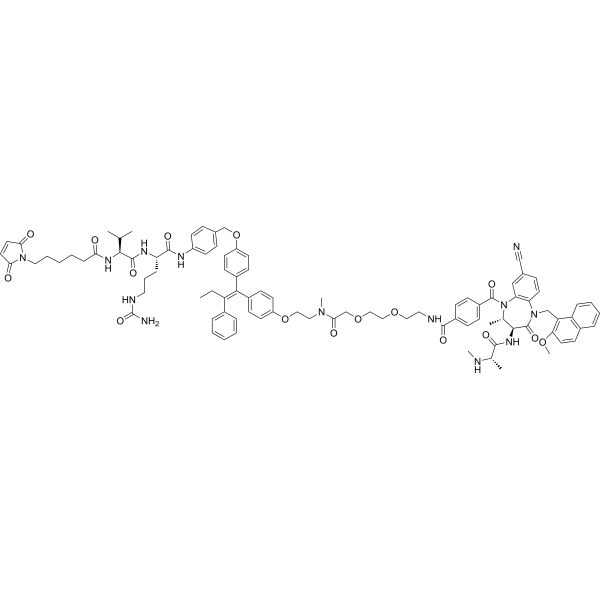
MC-Val-Cit-PAB-PROTAC ERα Degrader-1 (compound LP2) consists an ADC linker and a PROTAC, whcih can be conjugated to an antibody to form PACs. MC-Val-Cit-PAB-PROTAC ERα Degrader-1 conjugated to an antibody is a more marked estrogen receptor-alpha (ERα) degrader compared to PROTAC (without Ab) .
|
-
-
- HY-111846
-
|
|
PROTACs
Estrogen Receptor/ERR
|
Cancer
|
PROTAC ERα Degrader-2 (Compound 11) is a ERα PROTAC degrader. PROTAC ERα Degrader-2 significantly down-regulates the level of ERα in MCF-7 cells.(Pink: AR ligand (HY-43962), Blue: IAP Ligand (HY-177389), Black: Linker (HY-128833)) .
|
-
-
- HY-162312
-
|
|
Deubiquitinase
Apoptosis
|
Cancer
|
|
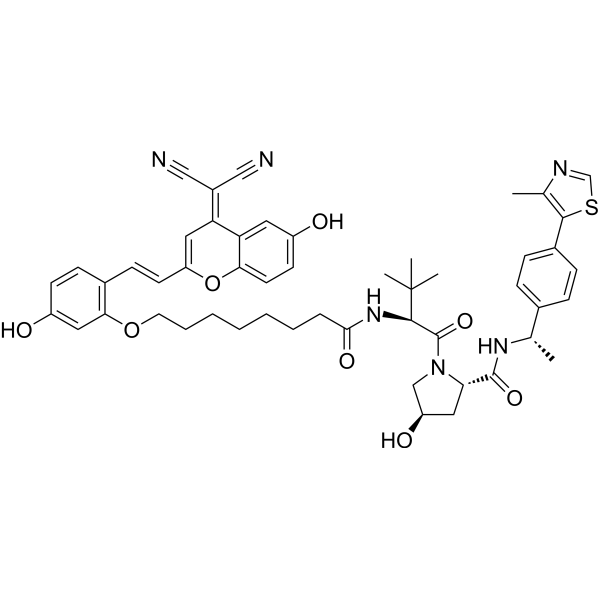
LLK203 is a potent USP2/USP8 dual-target inhibitor with IC50s of 0.89 μM and 0.52 μM, respectively. LLK203 leads a degradation of ERα and induces apoptosis of breast cancer MCF-7 cells. LLK203 demonstrates antitumor activities against the 4T1 tumor mice model .
|
-
-
- HY-149295
-
|
|
PROTACs
Estrogen Receptor/ERR
Apoptosis
|
Cancer
|
|
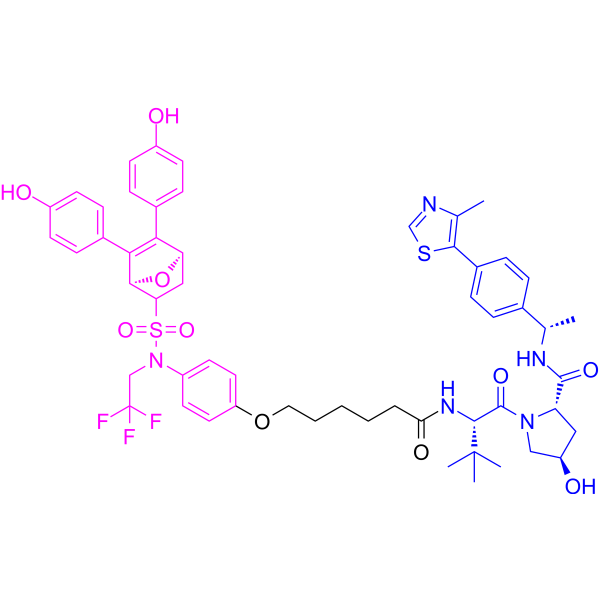
PROTAC ERα Degrader-4 (Compound ZD12) is a highly potent and selectivePROTAC ERα degrader (Ki: 5.08 μM). PROTAC ERα Degrader-4 contains OBHSAs, linker and E3 ligase ligands. PROTAC ERα Degrader-4 shows excellent cell inhibitory and ERα degradation activity against Tamoxifen-sensitive and -resistant ER + breast cancer (BC) cells and ERα-mutated BC cells. PROTAC ERα Degrader-4 can induce apoptosis and can be used for cancer research.
|
-
-
- HY-112098
-
|
|
PROTACs
Estrogen Receptor/ERR
|
Cancer
|
|
PROTAC ERα Degrader-1 comprises an ubiquitin E3 ligase binding group, a linker and a protein binding group. PROTAC ERα Degrader-1 extracts from patent WO2017201449A1, compound P1. PROTAC ERα Degrader-1 is an estrogen receptor-alpha (ERα) degrader.
|
-
-
- HY-43962
-
-
-
- HY-149480
-
|
|
PROTACs
Estrogen Receptor/ERR
|
Cancer
|
|
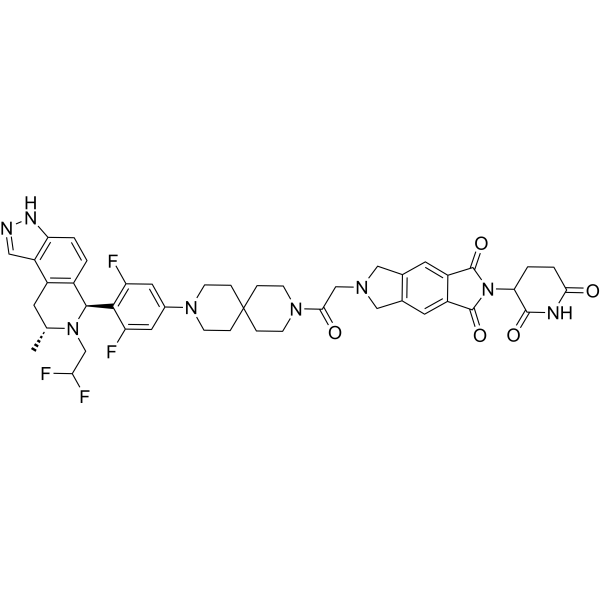
ERD-3111 (Compound 44) is an orally active PROTAC ERα degrader (DC50: 0.5 nM). ERD-3111 inhibits tumor growth in the parental MCF-7 xenograft model with wild-type ER and two clinically relevant ESR1 mutated mice model. ERD-3111 can be used in the research of ER+ breast cancer .
|
-
-
- HY-137144
-
|
ZB716
|
Estrogen Receptor/ERR
|
Cancer
|
|
Fulvestrant-3-boronic acid is an orally active ERα inhibitor, which binds to ERα competitively (IC50 = 4.1 nM) and effectively degrades ERα in breast cancer cells .
|
-
-
- HY-145341
-
|
|
Estrogen Receptor/ERR
|
Cancer
|
|
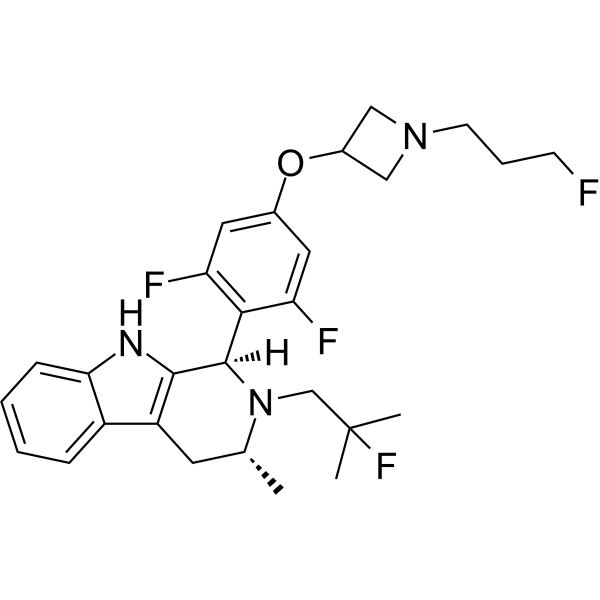
GNE-149 is an orally bioavailable full antagonist of estrogen receptor α (ERα; IC50=0.053 nM). GNE-149 is a selective estrogen receptor degrader (SERD). GNE-149 can be used for the research of breast cancer .
|
-
-
- HY-W088749
-
|
|
PROTAC Linkers
|
Cancer
|
|
tert-Butyl-hexanedioic acid is a PROTAC linker. tert-Butyl-hexanedioic acid can be used to synthesize PROTAC molecules, such as PROTAC ERα Degrader-12 (HY-174453) .
|
-
-
- HY-175785
-
|
|
Estrogen Receptor/ERR
Aryl Hydrocarbon Receptor
Apoptosis
MDM-2/p53
|
Cancer
|
|
X15695 is selective and orally active estrogen receptor (ERα) degrader. X15695 is an aryl hydrocarbon receptor (AHR) ligand. X15695 enables AHR to form a complex with the ERα, promoting its proteasomal degradation. X15695 inhibits the breast cancer cells proliferation, promotes cell cycle block and induces apoptosis. X15695 can be used for the study of breast cancer .
|
-
-
- HY-150803
-
|
|
Ligands for E3 Ligase
|
Cancer
|
|
VHL Ligand 14 (Compound 11) is a VHL ligand for design of PROTAC estrogen receptor α (ERα) degraders, with a binding affinity IC50 of 196 nM .
|
-
-
- HY-178961
-
|
|
PROTACs
Estrogen Receptor/ERR
Apoptosis
|
Cancer
|
|
PROTAC ERα Degrader-13 is an orally active PROTAC molecule that efficiently and selectively degrades ERα (DC50 = 3.78 nM). PROTAC ERα Degrader-13 has the characteristics of strong anti proliferation (IC50 = 0.6 nM), induction of apoptosis, and overcoming drug resistance in MCF-7 cells. PROTAC ERα Degrader-13 has good safety and no significant organ toxicity. PROTAC ERα Degrader-13 can be used for cancer research .
|
-
-
- HY-129619
-
|
|
SNIPERs
Estrogen Receptor/ERR
|
Cancer
|
|
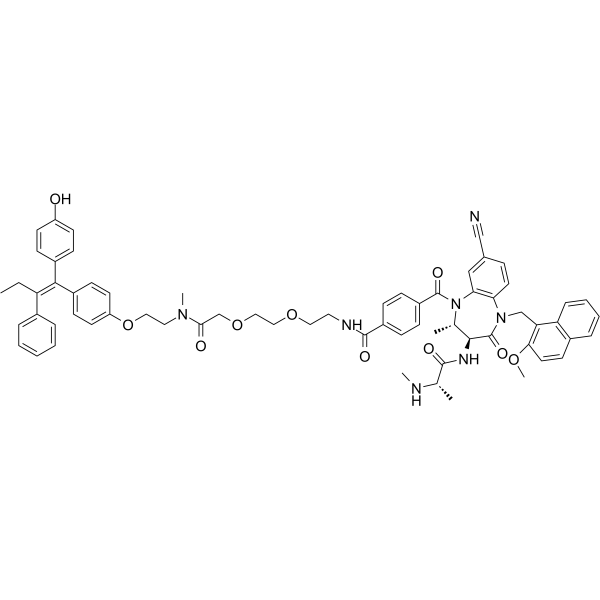
SNIPER(ER)-87 consists of an inhibitor of apoptosis protein (IAP) ligand LCL161 derivative that is conjugated to the estrogen receptor α (ERα) ligand 4-hydroxytamoxifen by a PEG linker, and efficiently degrades the ERα protein (IC50=0.097 μM). SNIPER(ER)-87 preferentially recruits XIAP to ERα in the cells, and XIAP is the primary E3 ubiquitin ligase responsible for the SNIPER(ER)-87-induced ERα degradation .
|
-
-
- HY-12870A
-
|
|
Estrogen Receptor/ERR
|
Cancer
|
|
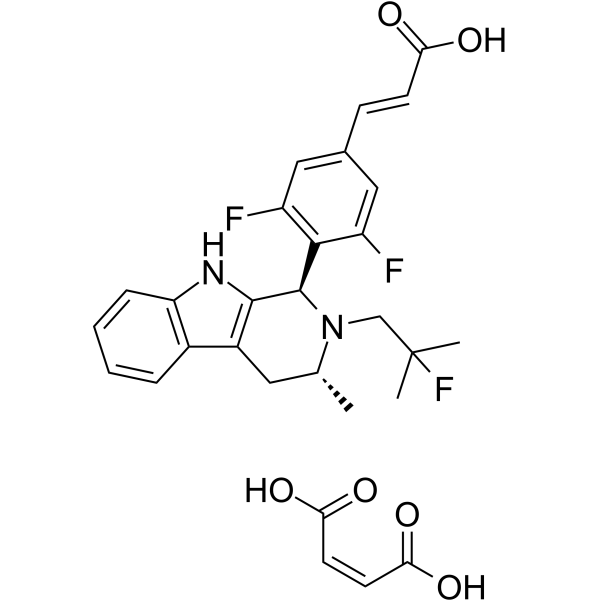
AZD9496 maleate is a potent and selective estrogen receptor (ERα) antagonist with IC50 of 0.28 nM. AZD9496 maleate is an orally bioavailable selective oestrogen receptor degrader (SERD).
|
-
-
- HY-179433
-
|
|
PROTACs
Androgen Receptor
Estrogen Receptor/ERR
Src
|
Cancer
|
|
PROTAC AR Degrader-12 is a highly efficient PROTAC targeting AR coactivator binding site (AR-CBS). PROTAC AR Degrader-12 induces AR degradation in a ubiquitin proteasome system (UPS) pathway-dependent manner. PROTAC AR Degrader-12 inhibits tumor cell growth by affecting DNA replication and cell division PROTAC AR Degrader-12 could not only effectively degrade AR, but also potently inhibit the proliferation of MCF-7 and multiple mutant or resistant BC cells. PROTAC AR Degrader-12 effectively blocked estrogen receptor α (ERα) signaling through a dual mechanism involving ERα protein downregulation and suppression of its transcriptional activity. PROTAC AR Degrader-12 significantly inhibits the mRNA expression of FOXA1, GREB1, SRC, and PELP1. PROTAC AR Degrader-12 can be used for the study of breast cancer .
|
-
-
- HY-19822D
-
|
RAD1901 S enantiomer
|
Estrogen Receptor/ERR
|
Cancer
|
|
Elacestrant S enantiomer (RAD1901 S enantiomer) is an low activity enantiomer of elacestrant. Elacestrant (RAD1901) is a selective and orally available estrogen receptor (ERR) degrader with IC50 values of 48 and 870 nM for ERα and ERβ, respectively .
|
-
-
- HY-174453
-
|
|
PROTACs
Estrogen Receptor/ERR
Apoptosis
|
Cancer
|
|
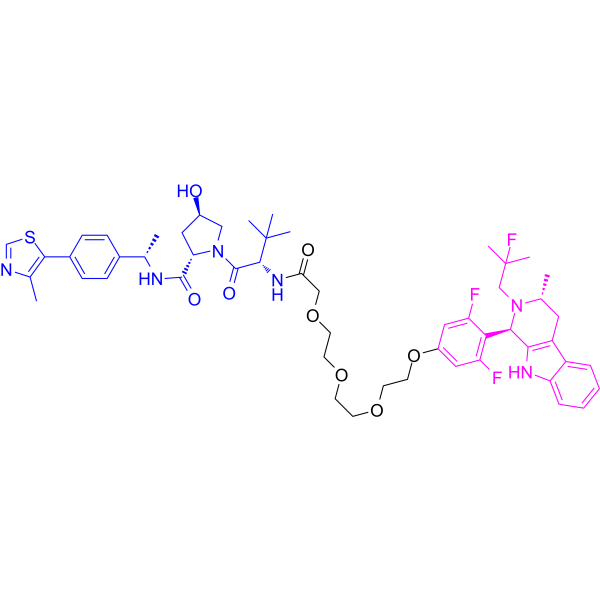
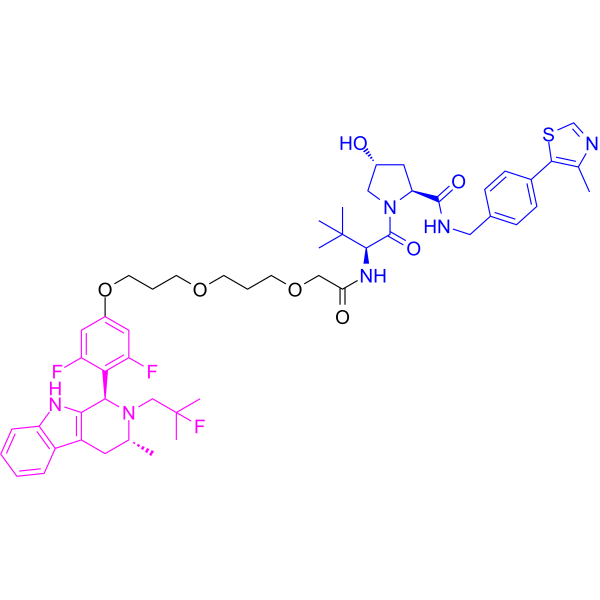
PROTAC ERα Degrader-12 is a potent and selective Erα PROTAC degrader. PROTAC ERα Degrader-12 has antiproliferative effects in multiple breast cancer cell lines with wild-type or mutant ERα. PROTAC ERα Degrader-12 can halt the cell cycle and induce cell apoptosis. PROTAC ERα Degrader-12 exhibits excellent antitumor and ERα degradation activity. PROTAC ERα Degrader-12 can be used for research on breast cancer. (Pink: ER ligand-11 (HY-174475); Blue: VHL ligand (HY-112078); Black: Linker (HY-W088749); VHL ligand + Linker ( HY-W998310)) .
|
-
-
- HY-174870
-
|
|
PROTACs
Estrogen Receptor/ERR
Apoptosis
Fluorescent Dye
|
Cancer
|
|
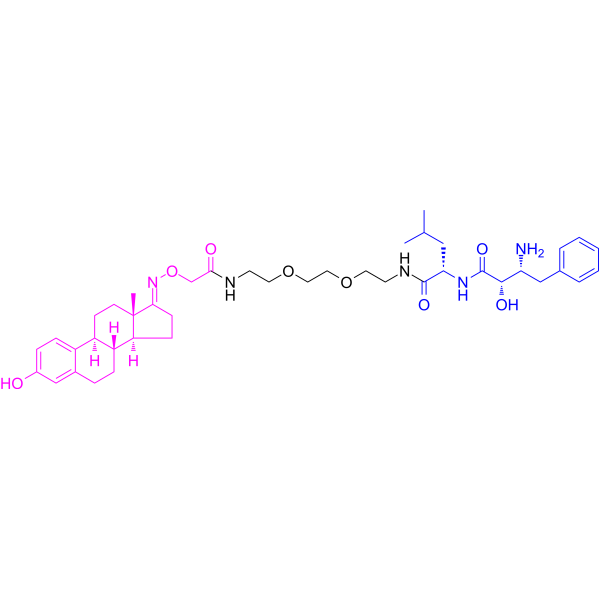
PROTAC ERα Degrader-11 is a selective and intrinsically fluorescent (Ex: 366 nm, Em: 440 nm) ERα PROTAC degrader. PROTAC ERα Degrader-11 shows good antiproliferative activity, selective ERα degradation and imaging capabilities in MCF-7 breast cancer cell lines. PROTAC ERα Degrader-11 induces G2/M phase arrest and induces apoptosis in MCF-7 cells. PROTAC ERα Degrader-11 is well-tolerated up to a dose of 500 mg/ kg with no acute toxicity in athymic nude mice. PROTAC ERα Degrader-11 can be used for the study of breast cancer.(Pink: ERα ligand (HY-167701), Blue: CRBN Ligand (HY-150831), Black: Linker, E3 ligase ligand-linker conjugate (HY-174880)) .
|
-
-
- HY-145556
-
|
|
Estrogen Receptor/ERR
|
Cancer
|
|
Bexirestrant is an orally active ER-α degrader. Bexirestrant can be used for the research of antiestrogen, antineoplastic .
|
-
-
- HY-128527
-
|
|
PROTAC-Linker Conjugates for PAC
Estrogen Receptor/ERR
|
Cancer
|
|
PROTAC ER Degrader-3 is an intermediate for synthesis of PAC. PAC, consists the ADCs linker and PROTACs, conjugated to an antibody. PAC extracts from patent WO2017201449A1, compound LP2. PAC conjugated to an antibody is a more marked estrogen receptor-alpha (ERα) degrader compared to PROTAC (without Ab) .
|
-
-
- HY-19822B
-
|
RAD1901 S enantiomer dihydrochloride
|
Estrogen Receptor/ERR
|
Cancer
|
|
Elacestrant S enantiomer dihydrochloride (RAD1901 S enantiomer dihydrochloride) is an low activity enantiomer of elacestrant dihydrochloride. Elacestrant (RAD1901) dihydrochloride is a selective and orally available estrogen receptor (ERR) degrader with IC50 values of 48 and 870 nM for ERα and ERβ, respectively.
|
-
-
- HY-179045
-
|
|
Estrogen Receptor/ERR
Apoptosis
|
Cancer
|
ERα degrader 14 (Compound B7) is a potent ERα degrader. ERα degrader 14 exhibits significantly potent and selective anti-proliferative activity on two ERα-positive breast cancer cell lines (MCF-7 and T47D). ERα degrader 14 induces cell cycle arrest, inhibits cell migration, and induces cell apoptosis. ERα degrader 14 effectively inhibits tumor growth in mouse models. ERα degrader 14 can be used for the study of breast cancer .
|
-
-
- HY-132194
-
|
|
Estrogen Receptor/ERR
|
Cancer
|
|
ERα degrader-2 is a selective estrogen receptor degrader (SERD) with potent binding affinity with ERα (IC50=17.1 nM), good degradation efficacy (EC50=0.3 nM). ERα degrader-2 exhibits favorable pharmacokinetic properties and excellent agentgability, can be used for HER + breast cancer research .
|
-
-
- HY-155492
-
|
|
Estrogen Receptor/ERR
|
Cancer
|
|
ERα degrader 7 (compound B1) is a potent ERα degrader with an IC50 of 14.6 nM and a DC50 of 9.7 nM, respectively. ERα degrader 7 shows excellent antitumor activity, indicating its potential to evolve as a promising selective estrogen-receptor degrader (SERD) for breast cancer research .
|
-
-
- HY-175448
-
|
|
PROTACs
Estrogen Receptor/ERR
IAP
|
Cancer
|
|
GNE-1567 is a potent ERα PROTAC degrader and a selective XIAP antagonist with a Kd value of 0.03 μM. GNE-1567 is indicated for breast cancer research. (Pink: ligand for target protein (HY-18719); Black: linker; Blue: ligand for E3 ligase (HY-175449)) .
|
-
-
- HY-176955
-
|
|
Estrogen Receptor/ERR
|
Cancer
|
|
ER degrader 12 (Example 1) is an estrogen receptor (ER) degrader with IC50 values for ERα and ERβ of 2.3 and 80.2 nM respectively (TR-FRET experiment). ER degrader 12 inhibits the proliferation of MCF-7 cells, with an IC50 of 1.53 nM. ER degrader 12 can be used for research on breast cancer .
|
-
-
- HY-163680
-
|
|
Estrogen Receptor/ERR
Cytochrome P450
|
Cancer
|
|
ERα degrader 9 is a dual targeting ligand for estrogen receptor α (ERα) and aromatase (ARO). ERα degrader 9 can be utilized for synthesis of PROTAC ERα Degrader-9 (HY-163679) .
|
-
-
- HY-149081
-
|
|
Estrogen Receptor/ERR
Cytochrome P450
|
Cancer
|
|
ERα degrader 6 (Compound 31q) is an ERα degrader (KI: 75 nM). ERα degrader 6 also inhibits ARO with an IC50 of 37.7 nM. ERα degrader 6 inhibits tumor growth in MCF-7 tumor xenograft model. ERα degrader 6 can be used for breast cancer research .
|
-
-
- HY-W998310
-
|
|
E3 Ligase Ligand-Linker Conjugates
|
Cancer
|
|
(S,R,S)-AHPC-Me-CO-C4-COOH is a conjugate of the E3 ligase VHL ligand and a linker, which can be used to synthesize PROTAC ERα Degrader-12 (HY-174453). PROTAC ERα Degrader-12 is a potent and highly selective ERα PROTAC degrader .
|
-
-
- HY-157765
-
|
|
PROTACs
Estrogen Receptor/ERR
|
Cancer
|
|
PROTAC ERα Degrader-6 (compound A2) is a potent PROTAC degrader of ERα, with IC50 of 0.11 μM in MCE-7 cells. PROTAC ERα Degrader-6 has anti-tumor effect. PROTAC ERα Degrader-6 is a fluorescent probes with Em of 582 nm that enable real-time visualization of ERα protein degradation .
|
-
-
- HY-146267
-
|
|
Estrogen Receptor/ERR
|
Cancer
|
|
ERα degrader 5 (Compound 40) is a selective, orally bioavailable estrogen receptor (ER) degrader (SERD) with an EC50 of 1.1 nM against ERα. ERα degrader 5 shows antitumor effect in vivo .
|
-
-
- HY-172937
-
|
|
Estrogen Receptor/ERR
|
Cancer
|
|
ERα degrader 13 (compound MR3) is potent ERα degrader with an IC50 of 0.55 μM. ERα degrader 13 induces an obvious tumor regression in the breast cancer xenograft mouse model .
|
-
-
- HY-161692
-
|
|
Estrogen Receptor/ERR
|
Cancer
|
|
ERα degrader 8 (Compound 18j) is a selective Estrogen Receptor degrader. ERα degrader 8 is degrader to MCF-7 cells with IC50 value of 0.15 μM .
|
-
-
- HY-144306
-
|
|
Estrogen Receptor/ERR
Apoptosis
|
Cancer
|
|
ERα degrader 4 is an excellent and selective estrogen receptor α (ERα) degrader (IC50 of 0.31, 0.41 and 0.48 μM in MDA-MB-231, MCF-7 and MCF-7/ADR cells, respectively). ERα degrader 4 has potent inhibitory activity against MCF-7 cell lines. ERα degrader 4 is a potential SERDs candidate for the research of breast cancer .
|
-
-
- HY-160562
-
|
|
PROTACs
Estrogen Receptor/ERR
|
Cancer
|
|
PROTAC ERα Degrader-7 (compound i-320) is a potent estrogen receptor alpha(ERα) PROTAC degrader with a DC50 value of 0.000006 µM. PROTAC ERα Degrader-7 comprises a cereblon-binding moiety LBM linked to a ligand ERBM that binds ERα and comprises a benzofused partially saturated 6-membered carbocyclic or heterocyclic ring .
|
-
-
- HY-160563
-
-
-
- HY-163679
-
|
|
Estrogen Receptor/ERR
Cytochrome P450
PROTACs
Apoptosis
|
Cancer
|
|
PROTAC ERα Degrader-9 (Compound 18c) is a dual-targeting PROTAC degrader, which degrades estrogen receptor α (ERα) and aromatase (ARO). PROTAC ERα Degrader-9 binds to ERα with a Ki of 0.25 μM, inhibits ARO with an IC50 of 4.6 μM. PROTAC ERα Degrader-9 inhibits the proliferation of MCF-7 wildtype (IC50=0.54 μM) and ERα mutants MCF-7 EGFR (IC50=0.075 μM), MCF-7 D538G (IC50=0.31 μM), MCF-7 Y537S (IC50=2.3 μM), downregulates the expressions of ERS1 and MYC. PROTAC ERα Degrader-9 arrests the cell cycle at G2/M, induces apoptosis in MCF-7. PROTAC ERα Degrader-9 exhibits antitumor efficacy in mouse models. (Pink: ligand for target protein (HY-163680); Black: linker (HY-W007559); Blue: ligand for E3 ligase (HY-112078))
|
-
-
- HY-168869
-
|
|
PROTACs
Estrogen Receptor/ERR
|
Cancer
|
|
Tamoxifen-PEG-Clozapine is an estrogen receptor α (ERα) PROTAC degrader. Tamoxifen-PEG-Clozapine degrades ERα via a ubiquitin-proteasome system that uses the ubiquitin protein ligase E3 component N-recognin 5. Tamoxifen-PEG-Clozapine can be used for the research of cancer . (Pink: ERα inhibitor (HY-W271653); Black: linker (HY-168870); Blue: CRBN Ligand (HY-G0021))
|
-
-
- HY-170336
-
|
|
PROTACs
Estrogen Receptor/ERR
|
Cancer
|
|
PROTAC ERα Degrader-10 (Compound 160a) is an orally active degrader for ERα with DC50 of 0.37-1.1 nM, in cells MCF7, T47D and CAMA-1. PROTAC ERα Degrader-10 exhibits antitumor efficacy in mouse model . (Pink: ligand for target protein (HY-170339); Black: linker (HY-30105); Blue: ligand for E3 ligase Cereblon (HY-168055))
|
-
-
- HY-145071
-
|
|
PROTACs
Estrogen Receptor/ERR
|
Cancer
|
|
PROTAC ERα Y537S degrader-1 comprises a ubiquitin E3 ligase binding group, a linker and a protein binding group. PROTAC ERα Y537S degrader-1 extracts from patent WO2021143822, example 12. PROTAC ERα Y537S degrader-1 is an estrogen receptor-alpha (ERα) Y537S degrader .
|
-
-
- HY-176225
-
|
|
PROTACs
Src
Estrogen Receptor/ERR
Apoptosis
|
Cancer
|
|
BY13 is a SRC-3 PROTAC degrader with a DC50 of 0.031 μM. BY13 selectively blocks the ER signaling pathway over that of androgen receptor (AR)) through down-regulating ERα level. BY13 potently overcomes endocrine resistance in breast cancer by inducing cell cycle arrest in G1 phase and apoptosis, with superior effect over Fulvestrant (HY-13636). BY13 significantly inhibits the growth of drug-resistant breast tumors without obvious toxicity in LCC2 xenograft mice model . Pink: SRC-3 ligand (SI-2) (HY-101447); Blue: CRBN ligase ligand (HY-41547); Black: linker (HY-176226)
|
-
-
- HY-132294A
-
|
|
Estrogen Receptor/ERR
|
Cancer
|
|
(1S,3R)-GNE-502 (compound 179) is a potent ERα degrader with an EC50 value of 13 nM against ERα in MCF7 HCS. (1S,3R)-GNE-502 can be used to research cancer related with estrogen receptor .
|
-
-
- HY-128528
-
|
|
PROTAC-Linker Conjugates for PAC
Estrogen Receptor/ERR
|
Cancer
|
|
PROTAC ER Degrader-2 is an intermediate for synthesis of PAC. PAC, consists the ADCs linker and PROTACs, conjugated to an antibody. PAC extracts from patent WO2017201449A1, compound LP2. PAC conjugated to an antibody is a more marked estrogen receptor-alpha (ERα) degrader compared to PROTAC (without Ab) .
|
-
-
- HY-111484A
-
|
SRN-927 Racemate
|
Estrogen Receptor/ERR
|
Cancer
|
|
GDC-0927 Racemate (SRN-927 Racemate) is an estrogen receptor (ER) degrader that can effectively inhibit the activity of ER-α with an IC50 value of 0.2 nM and can be used in diseases related to estrogen receptors.
|
-
-
- HY-175348
-
-
- HY-125263
-
|
|
Estrogen Receptor/ERR
|
Cancer
|
|
OP-1074, a pure anti-estrogen drug, is a selective ER degrader (PA-SERD) with specific anti-estrogenic activity against ERα and ERβ, inhibiting 17β-estradiol (E2)-stimulated transcription with IC50 values of 1.6 and 3.2 nM, respectively.
|
-
- HY-19822S
-
|
RAD1901-d4
|
Isotope-Labeled Compounds
Estrogen Receptor/ERR
|
Cancer
|
|
Elacestrant-d4 (RAD1901-d4) is a deuterated labeled Elacestrant (HY-19822). Elacestrant (RAD1901) is a selective estrogen receptor (estrogen receptor, ER) degrader (SERD) with oral activity, with IC50 values of 48 and 870 nM for ERα and ERβ, respectively. Elacestrant can also effectively inhibit the growth of ER + breast cancer cell lines both in vitro and in vivo.
|
-
- HY-168099
-
|
|
Estrogen Receptor/ERR
|
Cancer
|
|
ERα degrader 10 is a selective and orally active estrogen receptor α (ERα) degrader. ERα degrader 10 exhibits potent ERα binding affinity (IC50 of 24.0 nM) and degradation ability (EC50 of 5.3 nM). ERα degrader 10 degrades ERα through the proteasome-mediated pathway. ERα degrader 10 can be used for the study of breast cancer .
|
-
- HY-175260
-
|
|
Estrogen Receptor/ERR
|
Cancer
|
|
ZN-c5 is a selective and orally active estrogen receptor degrader. ZN-c5 exhibits high potency in the cellular assay (MCF-7, IC50 = 0.3 nM) and binds with high affinity to ERα and ERβ (IC50 = 0.4 nM and 0.8 nM, respectively). ZN-c5 inhibits tumor growth in MCF-7 mouse xenograft model and WHIM20 xenograft model. ZN-c5 can be used for the study of breast cancer .
|
-
- HY-168101
-
|
|
Estrogen Receptor/ERR
|
Cancer
|
|
ERα degrader 11 (compound B16) is a selective ERα degrader that can be used as an estrogen receptor probe to investigate ER status in ER-positive breast cancer cells .
|
-
- HY-144314
-
|
|
Estrogen Receptor/ERR
|
Cancer
|
|
PSDalpha is an ERα degrader conjugating photosensitizer (PS), triphenylamine benzothiadiazole (TB) and 17β-estradiol via an acetylene bond. PSDalpha shows excellent anti-proliferation performance on MCF-7 cells. The maximum absorption wavelength of PSDalpha in the visible region is located at 465 nm .
|
-
- HY-174475
-
-
- HY-170806
-
|
|
Estrogen Receptor/ERR
|
Cancer
|
|
ERα degrader 12 (Compound RA3) is an estrogen receptor α (ERα) degrader with antitumor properties. ERα degrader 12 induces pronounced tumor growth inhibition in a breast cancer xenograft mouse model .
|
-
- HY-174131
-
|
|
Estrogen Receptor/ERR
|
Cancer
|
|
PVTX-321 (Compound 16a) is an orally active estrogen receptor α (ERα) degrader. PVTX-321 can potently degrade ERα (DC50=0.15 nM in MCF-7 cells) and also has inhibitory activity against mutant ERα (IC50=59 nM). PVTX-321 is promising for research of ER+/HER2- breast cancer .
|
-
- HY-177389
-
-
- HY-167701
-
|
|
Ligands for Target Protein for PROTAC
Apoptosis
Estrogen Receptor/ERR
|
Cancer
|
|
OBHSA is a selective estrogen receptor (ERα) degrader. OBHSA blocks the cell cycle by degrading cyclin D1, thereby overcoming Tamoxifen (HY-13757A) resistance. OBHSA also triggers excessive activation of the unfolded protein response (UPR) by inducing an increase in intracellular reactive oxygen species, ultimately leading to cell apoptosis. In addition, OBHSA can also be used as an ERα ligand to synthesize PROTAC degraders .
|
-
- HY-170339
-
-
- HY-155196
-
|
|
Estrogen Receptor/ERR
|
Cancer
|
|
ER degrader 6 (compound 35s) is a potent Estrogen Receptor (ER)α degrader. ER degrader 6 disrupts the microtubule network by restraining tubulin polymerization. ER degrader 6 suppresses tumor growth without noticeable poisonousness .
|
-
- HY-176486
-
|
|
Estrogen Receptor/ERR
|
Cancer
|
|
ER degrader 11 (Compound 5) is an orally active, brain-penetrant and selective estrogen receptor (ER) degrader (ERα IC50=1.6 nM). ER degrader 11 is promising for research of breast cancer brain metastasis .
|
-
- HY-114770
-
|
|
Estrogen Receptor/ERR
|
Cancer
|
|
(E,E)-GLL398 is a selective estrogen receptor degrader with potent binding activity to ERα (IC50 = 1.14 nM). (E,E)-GLL398 can effectively degrade ERα in MCF-7 breast cancer cells (IC50 = 0.21 μM). The introduced boronic acid group of (E,E)-GLL398 gives it superior oral bioavailability, with an AUC of 36.9 μg·h/mL in rats, which is significantly higher than that of GW7604 .
|
-
- HY-19822S1
-
|
RAD1901-d4-1
|
Isotope-Labeled Compounds
Estrogen Receptor/ERR
|
Cancer
|
|
Elacestrant-d4-1 is the deuterium labeled Elacestrant (HY-19822). Elacestrant is an orally available and selective estrogen receptor degrader (SERD) with IC50s of 48 and 870 nM for ERα and ERβ, respectively .
|
-
- HY-175444
-
|
|
E3 Ligase Ligand-Linker Conjugates
IAP
|
Cancer
|
|
XIAP ligand-Linker Conjugate 1 is an E3 ligase ligand-linker conjugate that incorporates the XIAP BIR2 ligand XB2M54 (HY-175348) and linker. XIAP ligand-Linker Conjugate 1 can be used for synthesis of PROTAC ERα Degrader-1 (HY-112098) .
|
-
- HY-174880
-
|
|
E3 Ligase Ligand-Linker Conjugates
|
Others
|
|
CRBN ligand-8-O-C6-NH2 is an E3 ligase ligand-linker conjugate that incorporates a CRBN ligand (HY-150831) and a linker. CRBN ligand-8-O-C6-NH2 can be used for synthesis of PROTAC ERα Degrader-11 (HY-174870) .
|
-
- HY-155197
-
|
|
Microtubule/Tubulin
Estrogen Receptor/ERR
|
Cancer
|
|
ER degrader 7 (Compound 35t) is an ERα and ERβ degrader. ER degrader 7 inhibits tubulin polymerization. ER degrader 7 inhibits cell viability with IC50s of 0.06, 2.56, 15.84, 1.59, 1.67, 1.37 μM for MCF-7, T47D, MCF-10A, LCC2, T47D D538G, and T47D Y537S cells respectively. ER degrader 7 also inhibits breast cancer tumor growth .
|
-
- HY-19822S2
-
|
RAD1901-d10
|
Estrogen Receptor/ERR
Isotope-Labeled Compounds
|
Cancer
|
|
Elacestrant-d10 is the deuterium labeled of Elacestrant (HY-19822). Elacestrant is an orally available and selective estrogen receptor degrader (SERD) with IC50s of 48 and 870 nM for ERα and ERβ, respectively. Elacestrant also inhibits growth of ER + breast cancer cell lines in vitro and in vivo .
|
-
- HY-178463
-
|
|
Estrogen Receptor/ERR
|
Cancer
|
|
F0840-0093 is a highly selective estrogen receptor α (ERα) degrader. F0840-0093 exhibits potent antiproliferative activity against T47D cells with an IC50 value of 4.65 μM. F0840-0093 is promising for research of estrogen receptor-positive (ER+) breast cancer .
|
-
- HY-19822S3
-
|
RAD1901-d6
|
Isotope-Labeled Compounds
Estrogen Receptor/ERR
|
Cancer
|
|
Elacestrant-d6 (RAD1901-d6) is a deuterated labeled Elacestrant (HY-19822). Elacestrant is a selective estrogen receptor (estrogen receptor, ER) degrader (SERD) with oral activity, with IC50 values of 48 and 870 nM for ERα and ERβ, respectively. Elacestrant can also effectively inhibit the growth of ER + breast cancer cell lines both in vitro and in vivo.
|
-
- HY-125263B
-
|
|
Estrogen Receptor/ERR
|
Cancer
|
|
(R)-OP-1074 is an isomer of OP-1074 (HY-125263) and can serve as a control compound in experiments. OP-1074, a pure anti-estrogen drug, is a selective ER degrader (PA-SERD) with specific anti-estrogenic activity against ERα and ERβ, inhibiting 17β-estradiol (E2)-stimulated transcription with IC50 values of 1.6 and 3.2 nM, respectively.
|
-
- HY-139999
-
|
|
E3 Ligase Ligand-Linker Conjugates
|
Cancer
|
|
LCL-PEG3-N3 is a decoy oligonucleotide ligand for E3 ligase which can be used for developing chimeric molecules LCL-ER(dec), degrading the estrogen receptor . LCL-PEG3-N3 is a click chemistry reagent, it contains an Azide group and can undergo copper-catalyzed azide-alkyne cycloaddition reaction (CuAAc) with molecules containing Alkyne groups. It can also undergo strain-promoted alkyne-azide cycloaddition (SPAAC) reactions with molecules containing DBCO or BCN groups.
|
-
- HY-139999A
-
|
|
E3 Ligase Ligand-Linker Conjugates
|
Cancer
|
|
LCL-PEG3-N3 (hydrochloride) is a decoy oligonucleotide ligand for E3 ligase which can be used for developing chimeric molecules LCL-ER(dec), degrading the estrogen receptor . LCL-PEG3-N3 (hydrochloride) is a click chemistry reagent, it contains an Azide group and can undergo copper-catalyzed azide-alkyne cycloaddition reaction (CuAAc) with molecules containing Alkyne groups. It can also undergo strain-promoted alkyne-azide cycloaddition (SPAAC) reactions with molecules containing DBCO or BCN groups.
|
-
- HY-124627
-
|
|
Estrogen Receptor/ERR
|
Cancer
|
|
THIQ-40 is a tetrahydroisoquinoline-based, orally active, and selective estrogen receptor ERα degrader (SERD) (IC50=17 nM), with antitumor efficacy. THIQ-40 possesses functional ERα antagonistic activity, promotes ERα degradation and forms stable ERαLBD complexes. THIQ-40 shows the characteristic of rapid racemization in multi-species plasma. THIQ-40 can be widely applied to studies on the relevant mechanisms and drug development of ERα-positive breast cancer .
|
-
- HY-180959
-
-
- HY-175445
-
|
|
PROTACs
Estrogen Receptor/ERR
IAP
NF-κB
TNF Receptor
Apoptosis
|
Cancer
|
|
GNE-5472 is a potent bifunctional ERα PRRTAC degrader, with its E3 ligand being a pan-IAP antagonist. GNE-5472 antagonizes cIAP1/2, activating the non-classical NF-κB pathway, resulting in a significant upregulation of TNFα expression. GNE-5472 inhibits the proliferation of breast cancer cells and induces cell apoptosis. GNE-5472 can be used for the study of breast cancer .
|
-
- HY-179510
-
|
|
Estrogen Receptor/ERR
|
Cancer
|
|
CDD-1274 is an ERα (Estrogen receptor α) variant inhibitor. CDD-1274 induces proteasomal degradation of ERα variants in breast cancer cell lines and causes Y537S ERα degradation. CDD-1274 potently blocks ligand-dependent and ligand-independent ER signaling in endocrine-resistant breast cancer cells. CDD-1274 can be used for the study of breast cancer .
|
-
- HY-181345
-
|
|
Estrogen Receptor/ERR
|
Cancer
|
|
OP-1690 is a complete estrogen receptor (ERα) antagonist (CERAN), with pIC50 values of 7.5 and 7.9 in alkaline phosphatase (AP) activity assay and TR-FRET assay, respectively. OP-1690 modulates receptor function by inducing ERα tetramerization, effectively induces ERα degradation, inhibits target gene transcription, but exhibits low antiproliferative potency. OP-1690 can be used for breast cancer research .
|
-
- HY-183804
-
|
|
PROTACs
Estrogen Receptor/ERR
|
Cancer
|
|
PROTAC ER Degrader-16 is an orally active ERα PROTAC degrader with a DC50 of 1.4 nM and an IC50 of 1.9 nM. PROTAC ER Degrader-16 inhibits ER-dependent breast cancer cell proliferation and exerts anti-tumor effects in mouse models. PROTAC ER Degrader-16 can be used for breast cancer research .
|
-
| Cat. No. |
Product Name |
Chemical Structure |
-
- HY-19822S
-
|
|
|
Elacestrant-d4 (RAD1901-d4) is a deuterated labeled Elacestrant (HY-19822). Elacestrant (RAD1901) is a selective estrogen receptor (estrogen receptor, ER) degrader (SERD) with oral activity, with IC50 values of 48 and 870 nM for ERα and ERβ, respectively. Elacestrant can also effectively inhibit the growth of ER + breast cancer cell lines both in vitro and in vivo.
|
-
-
- HY-19822S1
-
|
|
|
Elacestrant-d4-1 is the deuterium labeled Elacestrant (HY-19822). Elacestrant is an orally available and selective estrogen receptor degrader (SERD) with IC50s of 48 and 870 nM for ERα and ERβ, respectively .
|
-
-
- HY-19822S2
-
|
|
|
Elacestrant-d10 is the deuterium labeled of Elacestrant (HY-19822). Elacestrant is an orally available and selective estrogen receptor degrader (SERD) with IC50s of 48 and 870 nM for ERα and ERβ, respectively. Elacestrant also inhibits growth of ER + breast cancer cell lines in vitro and in vivo .
|
-
-
- HY-19822S3
-
|
|
|
Elacestrant-d6 (RAD1901-d6) is a deuterated labeled Elacestrant (HY-19822). Elacestrant is a selective estrogen receptor (estrogen receptor, ER) degrader (SERD) with oral activity, with IC50 values of 48 and 870 nM for ERα and ERβ, respectively. Elacestrant can also effectively inhibit the growth of ER + breast cancer cell lines both in vitro and in vivo.
|
-
| Cat. No. |
Product Name |
|
Classification |
-
- HY-139999
-
|
|
|
Azide
|
|
LCL-PEG3-N3 is a decoy oligonucleotide ligand for E3 ligase which can be used for developing chimeric molecules LCL-ER(dec), degrading the estrogen receptor . LCL-PEG3-N3 is a click chemistry reagent, it contains an Azide group and can undergo copper-catalyzed azide-alkyne cycloaddition reaction (CuAAc) with molecules containing Alkyne groups. It can also undergo strain-promoted alkyne-azide cycloaddition (SPAAC) reactions with molecules containing DBCO or BCN groups.
|
-
- HY-139999A
-
|
|
|
Azide
|
|
LCL-PEG3-N3 (hydrochloride) is a decoy oligonucleotide ligand for E3 ligase which can be used for developing chimeric molecules LCL-ER(dec), degrading the estrogen receptor . LCL-PEG3-N3 (hydrochloride) is a click chemistry reagent, it contains an Azide group and can undergo copper-catalyzed azide-alkyne cycloaddition reaction (CuAAc) with molecules containing Alkyne groups. It can also undergo strain-promoted alkyne-azide cycloaddition (SPAAC) reactions with molecules containing DBCO or BCN groups.
|
Your information is safe with us. * Required Fields.
Inquiry Information
- Product Name:
- Cat. No.:
- Quantity:
- MCE Japan Authorized Agent:

