



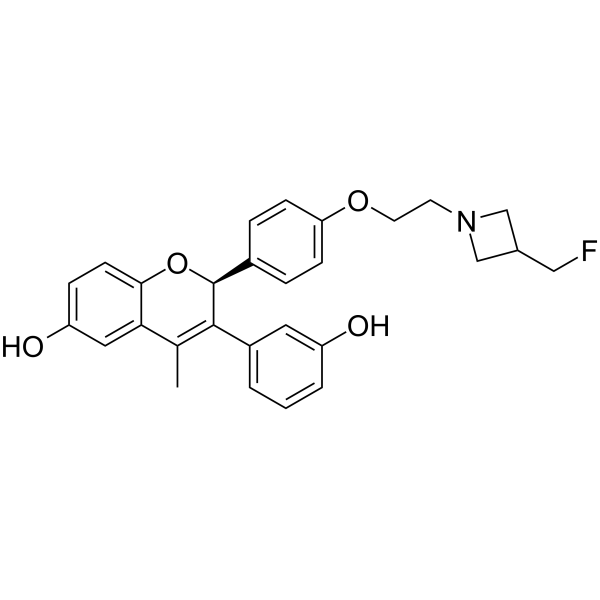
GDC-0927 Racemate
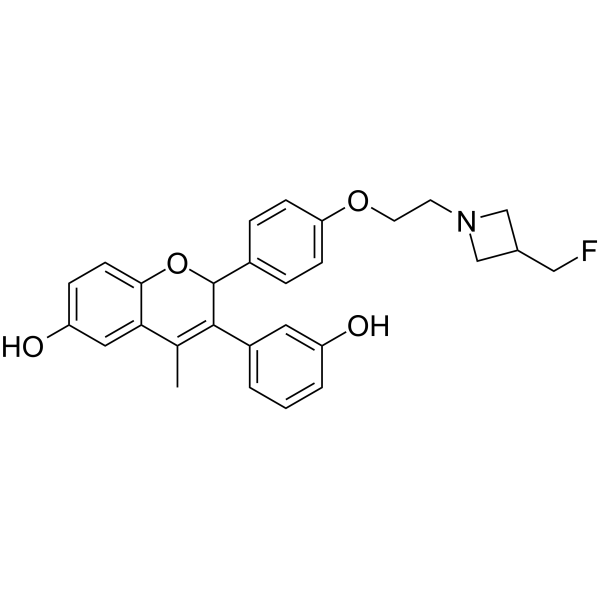
GDC-0927 Racemate (SRN-927 Racemate) is an estrogen receptor (ER) degrader that can effectively inhibit the activity of ER-α with an IC50 value of 0.2 nM and can be used in diseases related to estrogen receptors.
For research use only. We do not sell to patients.
- CAS No.: 1443983-36-5
- Formula: C28H28FNO4
- Molecular Weight:461.52
-
Storage:
Please store the product under the recommended conditions in the Certificate of Analysis.

To place orders, for customer services and technical support, please contact: MedChemExpress USA
Tel: 609-228-6898 E-mail: [email protected] [email protected]


-
 Biological Activity
-
Chemical Information
- Protocols
- Purity & Documentation
- References
-
 Help & FAQs


-
HY-103456
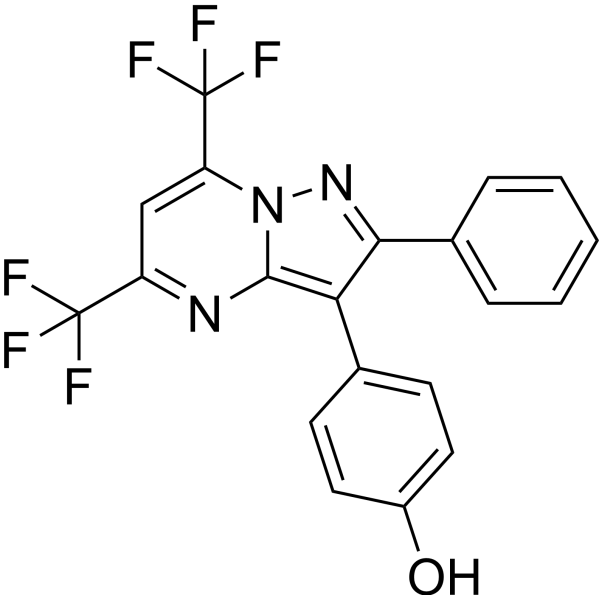
PHTPPERβ Antagonist -
HY-15483
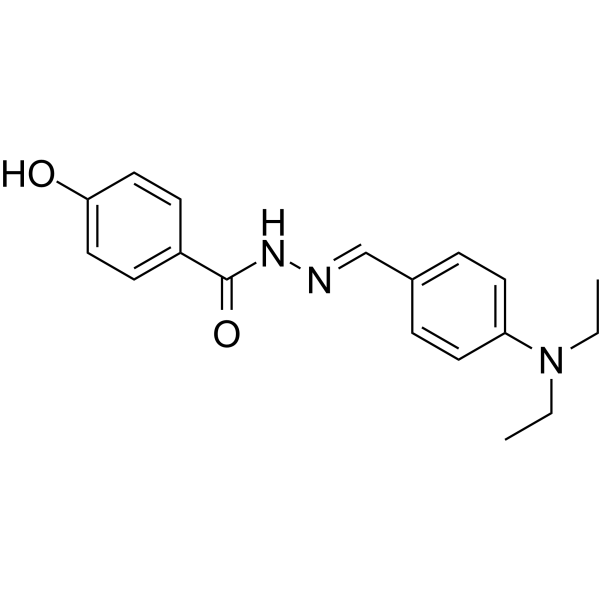
DY131ERRγ/β Agonist -
HY-12870
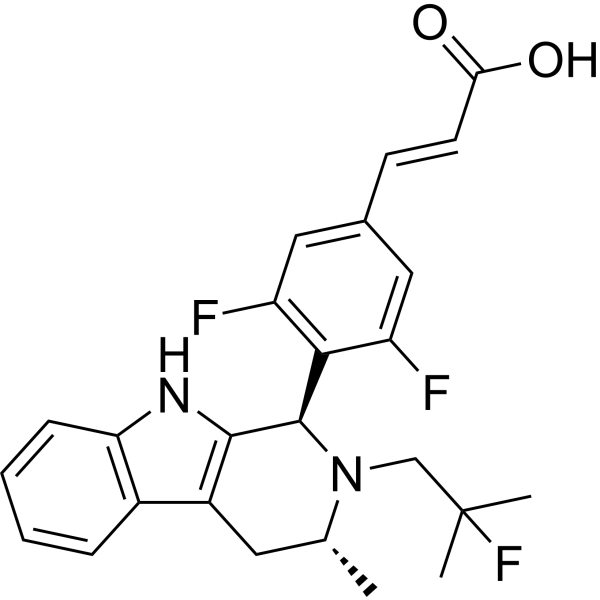
AZD9496ERα Antagonist -
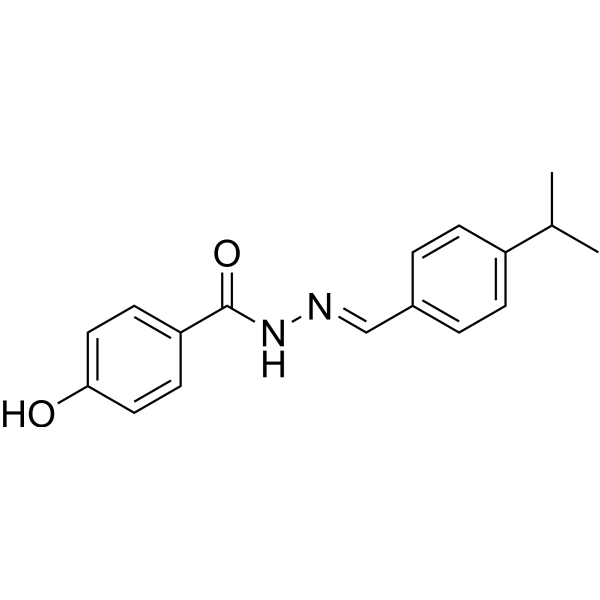
HY-33353
GSK-4716Estrogen Receptor/ERR Agonist -
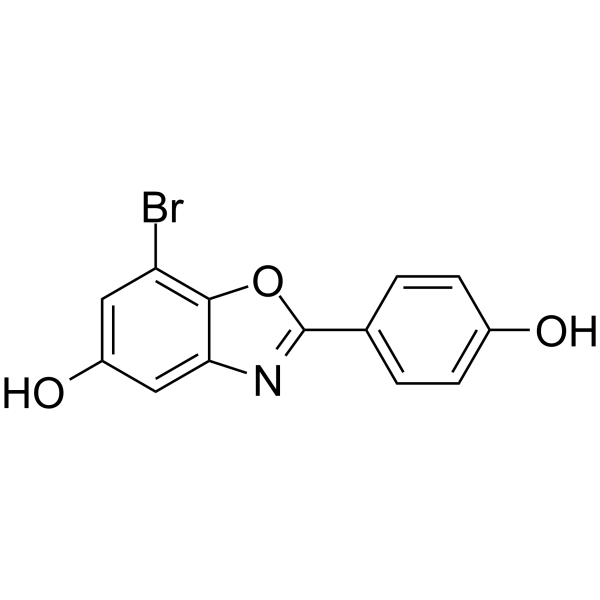
HY-101271
WAY-200070ERβ Agonist -
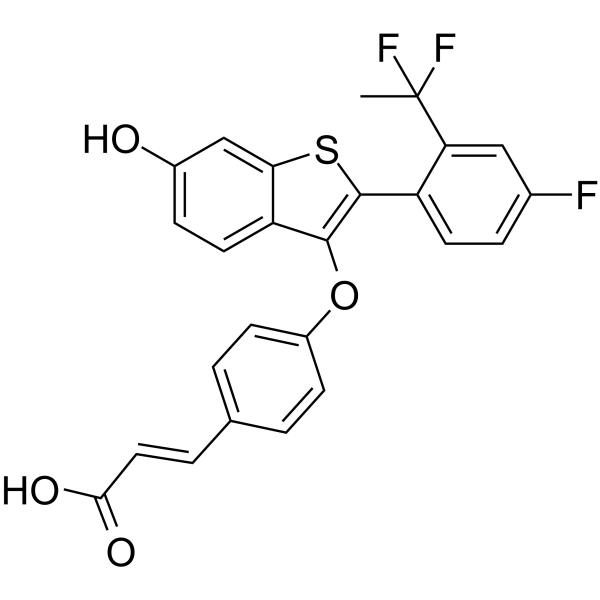
HY-111486
LSZ-102Estrogen Receptor Degrader -
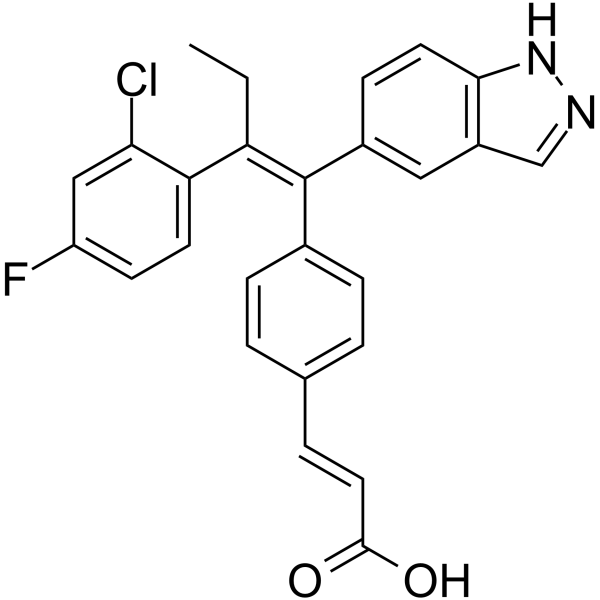
HY-12864
BrilanestrantEstrogen Receptor Degrader -
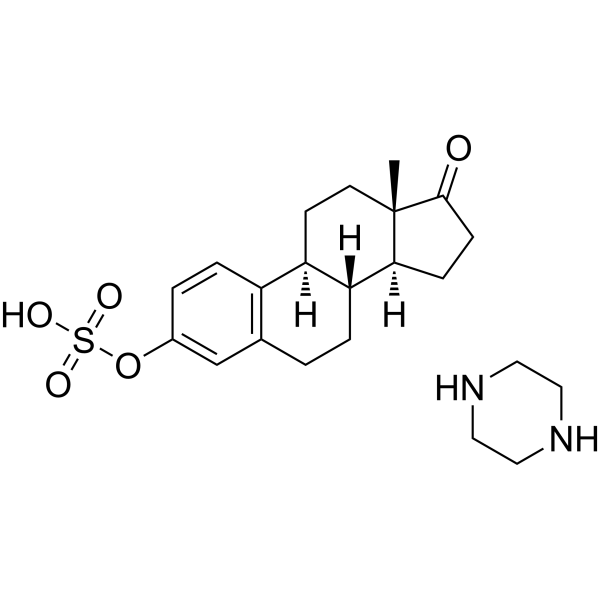
HY-B1361
EstropipateEstrogen Receptor Alpha Activator/OATP1B1 Inhibitor -
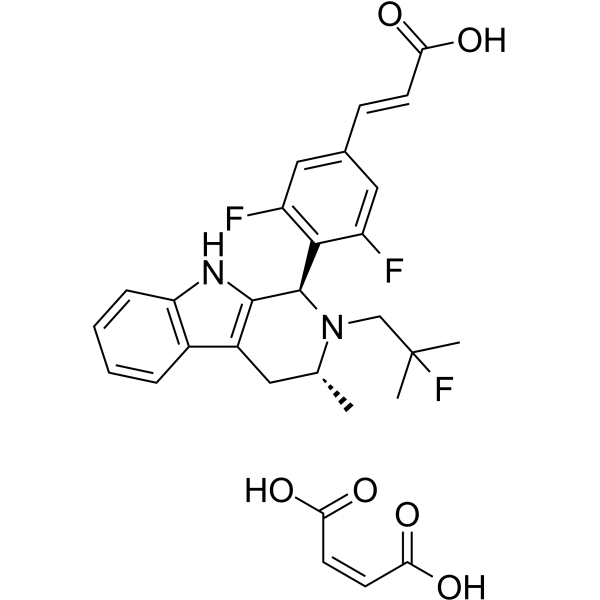
HY-12870A
AZD9496 maleateERα Antagonist -
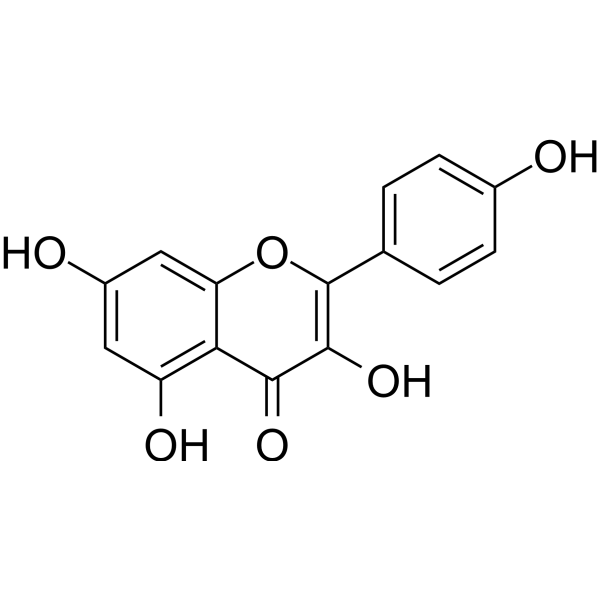
HY-14590
KaempferolEstrogen Receptor α Inhibitor -
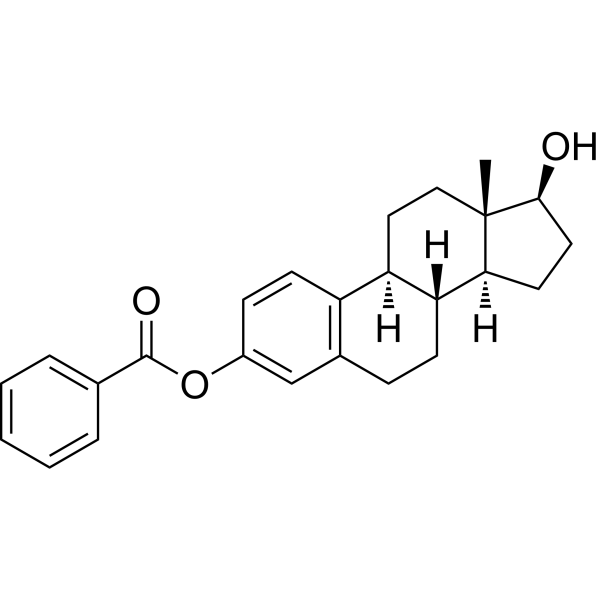
HY-B1192
Estradiol benzoateHBx inhibitor -
HY-111484
GDC-0927ER Antagonist


Biological Activity
Description
IC50 & Target
IC50: 0.2 nM (ER-α)[1]
Cellular Effect
|
Cell Line

|
Type | Value | Description | References |
|---|---|---|---|---|
| MCF7 | IC50 |
0.2 nM
Compound: 17h
|
Antiproliferative activity against human MCF7 cells after 5 days by CellTiter-Glo assay
Antiproliferative activity against human MCF7 cells after 5 days by CellTiter-Glo assay
|
[PMID: 30655946] |
| MCF7 | IC50 |
0.2 nM
Compound: 42
|
Antiproliferative activity against human MCF7 cells
Antiproliferative activity against human MCF7 cells
|
[PMID: 35567964] |
| MCF7 | IC50 |
0.3 nM
Compound: 17h
|
Induction of ERalpha degradation in human MCF7 cells assessed as decrease in ERalpha protein level after 4 hrs by InCell Western assay
Induction of ERalpha degradation in human MCF7 cells assessed as decrease in ERalpha protein level after 4 hrs by InCell Western assay
|
[PMID: 30655946] |
In Vitro
GDC-0927 Racemate (Example 1) is a degrader of estrogen receptor, potently inhibits ER-α activity, with an IC50 of 0.2 nM, and is used in the research of ER-related diseases. GDC-0927 Racemate reduces the viability of MCF7 cells with an IC50 of 0.21 nM[1].
MedChemExpress (MCE) has not independently confirmed the accuracy of these methods. They are for reference only. Further protocols information, click here.


Chemical Information
-
CAS No. 1443983-36-5
-
Molecular Weight 461.52
-
Formula C28H28FNO4
-
SMILES
OC1=CC=C2C(C(C)=C(C3=CC=CC(O)=C3)C(C4=CC=C(OCCN5CC(CF)C5)C=C4)O2)=C1
-
Synonyms
SRN-927 Racemate
-
Shipping
Room temperature in continental US; may vary elsewhere.
-
Storage
Please store the product under the recommended conditions in the Certificate of Analysis.

Protocols
-
Cell Cytotoxicity Assay
Cytotoxicity assays are usually based on the assessment of cell membrane damage, which can also be indirectly detected by measuring cell viability. Detection methods include MTT assay, CKK-8 assay, LDH assay and ATP assay, etc.
-
Research Protocol for Endocrine Diseases
Endocrine diseases often arise from disrupted hormone production, hormone signaling, or target-tissue responsiveness; for diabetes-focused endocrine disease models, insulin signaling regulates glucose uptake, hepatic glucose output, lipid metabolism, and β-cell compensation. Type 2 diabetes develops through interacting defects in insulin resistance, β-cell dysfunction, adipose inflammation, hepatic glucose overproduction, altered incretin signaling, and ectopic lipid metabolism. A major unresolved question is whether endocrine dysfunction is driven primarily by target-tissue insulin resistance, intrinsic β-cell failure, immune/inflammatory stress, or combined multi-organ failure that differs by disease stage.


Purity & Documentation
References

Calculators
Concentration (start) × Volume (start) = Concentration (final) × Volume (final)


GDC-0927 Racemate Related Classifications
HY-111484A Related Classifications
 Powered by Bioz