Search Result
Results for "
HCV+replication
" in MedChemExpress (MCE) Product Catalog:
3
Isotope-Labeled Compounds
| Cat. No. |
Product Name |
Target |
Research Areas |
Chemical Structure |
-
- HY-10241
-
Simeprevir
Maximum Cited Publications
45 Publications Verification
TMC435; TMC435350
|
HCV
HCV Protease
SARS-CoV
DNA/RNA Synthesis
|
Infection
|
|
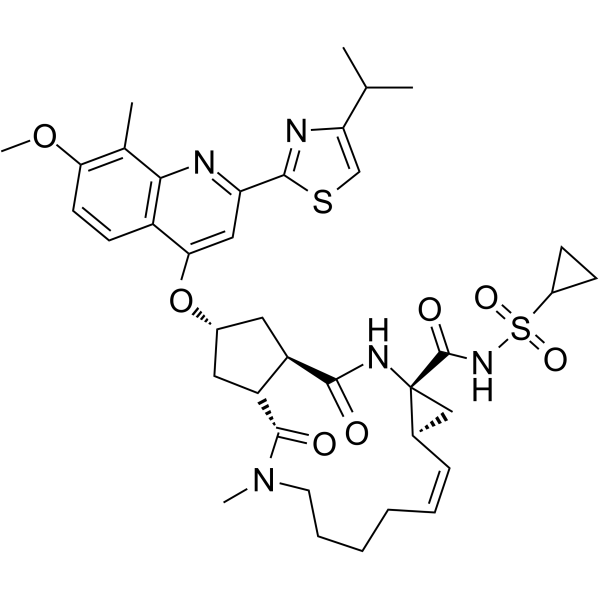
Simeprevir (TMC435; TMC435350) is an oral, potent and highly specific hepatitis C virus (HCV) NS3/4A protease inhibitor with a Ki of 0.36 nM. Simeprevir inhibits HCV replication with an EC50 of 7.8 nM. Simeprevir also potently suppresses SARS-CoV-2 replication and synergizes with Remdesivir. Simeprevir inhibits the main protease (M pro) and the RNA-dependent RNA polymerase (RdRp) of SARS-CoV-2, and also modulates host immune responses .
|
-
-
- HY-W011834
-
|
|
HCV
DNA/RNA Synthesis
|
Infection
|
|
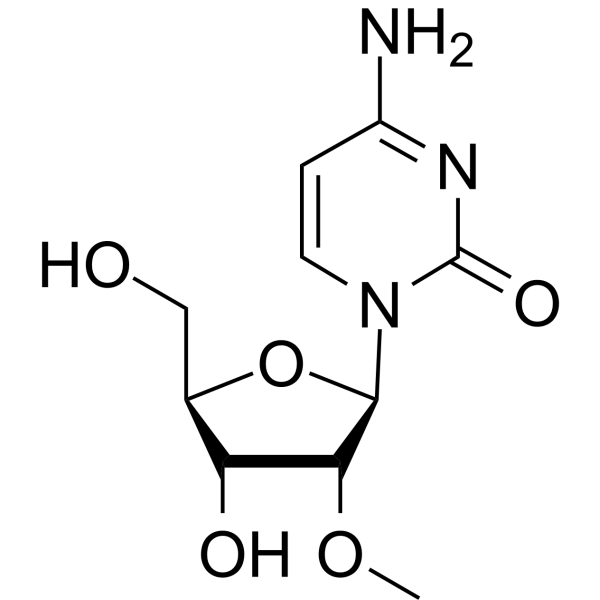
2'-O-Methylcytidine is an orally active 2'-substituted nucleoside as a inhibitor of HCV replication with antiviral activity. 2'-O-Methylcytidine inhibits RNA-dependent RNA polymerase (NS5B)-catalyzed RNA synthesis in vitro, in a manner that is competitive with substrate nucleoside triphosphate .
|
-
-
- HY-125371
-
|
|
HCV
|
Infection
Inflammation/Immunology
|
|
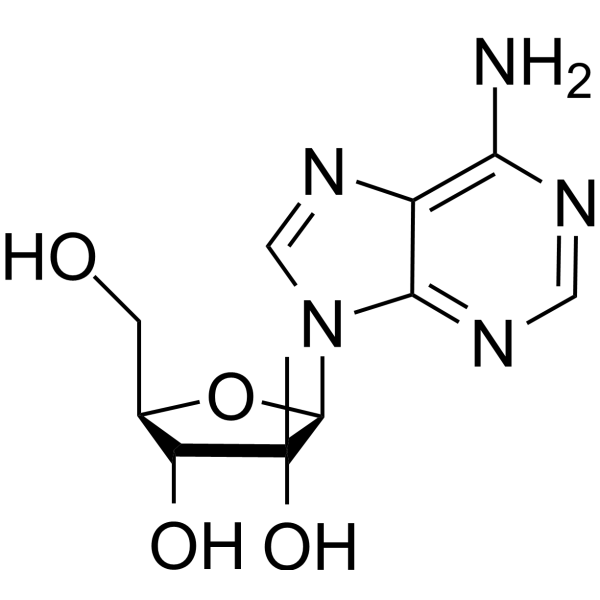
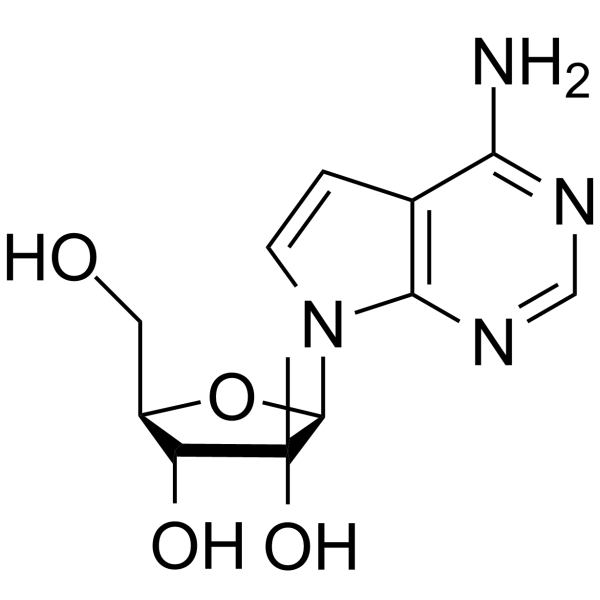
2'-C-Methyladenosine is an inhibitor of hepatitis C virus (HCV) replication. 2'-C-Methyladenosine inhibits HCV replicon and NS5B-catalyzed RNA synthesis with IC50 values of 0.3μM and 1.9 μM, respectively. 2'-C-Methyladenosine also potently inhibits LRV1 in Leishmania guyanensis (Lgy) and Leishmania braziliensis .
|
-
-
- HY-12687
-
|
TIZ
|
Bacterial
HIV
Autophagy
Parasite
IKK
Influenza Virus
|
Infection
Cancer
|
|
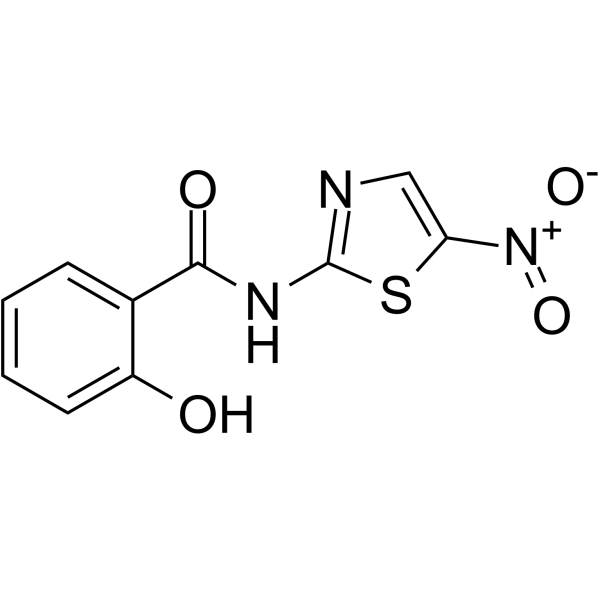
Tizoxanide (TIZ) is the active metabolite of Nitazoxanide, which is a thiazolide anti-infective compound against anaerobic bacteria, protozoa, and a range of viruses. Tizoxanide (TIZ) has anti-HIV-1 activities and potent inhibition of both HBV and HCV replication with values EC50 of 0.46μM and 0.15 μM, respectively. Tizoxanide also exerts anti-inflammatory effects by inhibiting the production of pro-inflammatory cytokines and suppressing of the activation of the NF-κB and the MAPK signaling pathways in LPS-treated macrophage cells .
|
-
-
- HY-10165
-
|
R 1656
|
HCV
|
Infection
|
|
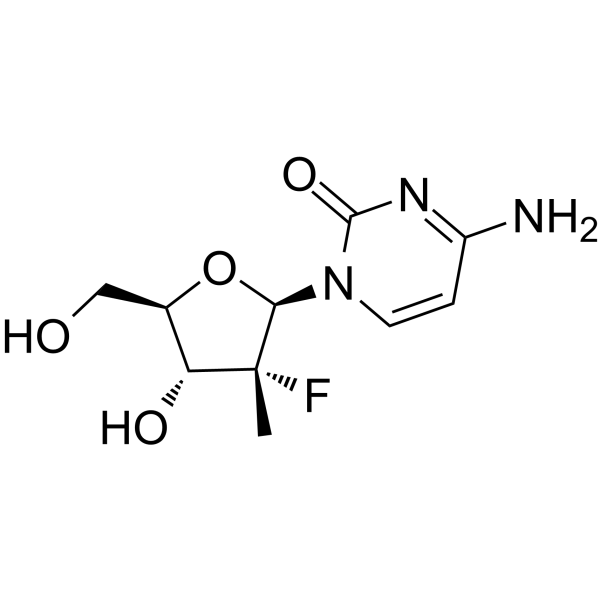
PSI-6130 is a potent and selective inhibitor of HCV NS5B polymerase, and inhibits HCV replication with a mean IC50 of 0.6 μM.
|
-
-
- HY-30234A
-
-
-
- HY-N3519
-
|
|
HCV
Branched Chain Amino Acid Transaminase (BCAT)
Interleukin Related
NF-κB
ERK
p38 MAPK
JNK
|
Infection
Inflammation/Immunology
|
|
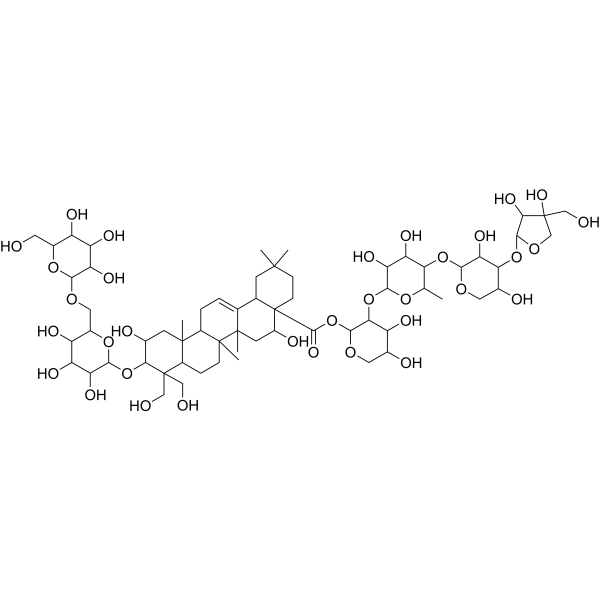
Platycodin D3 is a triterpenoid saponin that can be found in Platycodon grandiflorum. Platycodin D3 exhibits multiple activities including anti-inflammation, regulation of airway mucus secretion, improvement of asthmatic airway inflammation and remodeling, and inhibition of hepatitis C virus (HCV) replication. The IC50 value of Platycodin D3 against HCV NS5B RNA-dependent RNA polymerase is 8 μg/mL. Platycodin D3 can be used in studies related to asthma, hepatitis C virus infection and inflammatory diseases .
|
-
-
- HY-171579
-
|
|
NF-κB
HCV
Apoptosis
Pim
c-Myc
|
Neurological Disease
Metabolic Disease
Inflammation/Immunology
Cancer
|
|
RS47 is a selective RelB inhibitor with a Kd value of 1.1 μM. RS47 also acts as an inhibitor of HCV replication. RS47 can block the non-canonical NF-κB signaling pathway without affecting the canonical pathway. RS47 exerts anti-tumor effects of inhibiting proliferation and promoting apoptosis on colorectal cancer, B-cell lymphoma and other related tumors both in vitro and in vivo by disrupting the binding of RelB to target DNA. RS47 can be used for the research of tumors and infectious diseases .
|
-

-
- HY-10244
-
MK-0608
1 Publications Verification
|
HCV
|
Infection
|
|
MK-0608 is a potent and orally bioavailable inhibitor of HCV replication in vitro with an EC50 of 0.3 μM (EC90=1.3 μM) in the subgenomic-replicon assay .
|
-
-
- HY-13337
-
|
INX-08189
|
HCV
|
Infection
|
|
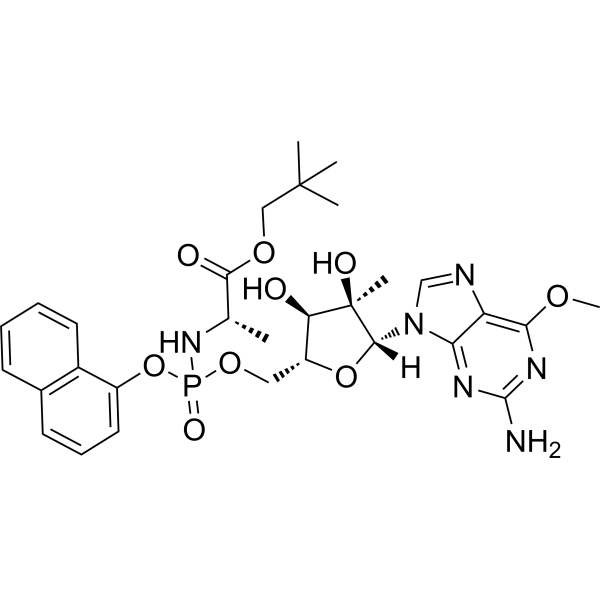
BMS-986094 (INX-08189) is a potent inhibitor of hepatitis C virus (HCV) replication, with an EC50 of 35 nM at 24 h in Huh-7 cells. BMS-986094 is a phosphoramidate proagent of 6-O-methyl-2’-C-methyl guanosine. BMS-986094 can be used for the research of chronic HCV infection .
|
-
-
- HY-125390
-
|
CL-087
|
Toll-like Receptor (TLR)
|
Inflammation/Immunology
Cancer
|
|
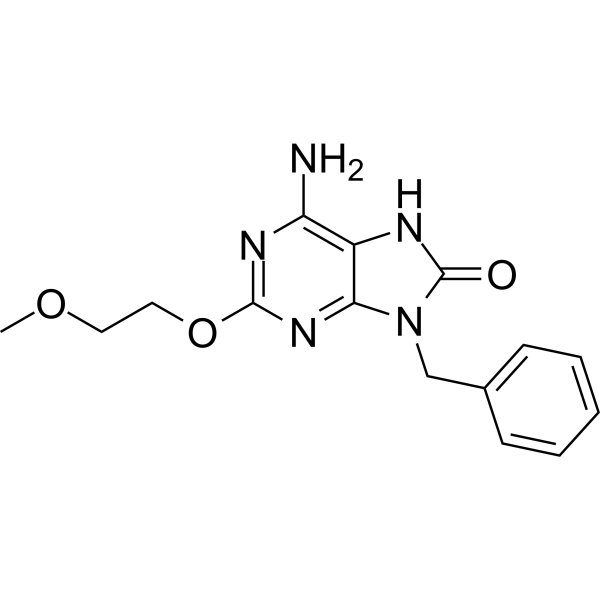
SM-360320 (CL-087) is a potent, orally active TLR7 agonist. SM-360320 is a immuno-modulator and exerts an antitumor effect. SM-360320 can act in synergy with DNA vaccines leading to an enhanced Th1 antibody response . SM-360320 can inhibit HCV replication in hepatocytes via a type I IFN-independent mechanism in addition to its IFN-mediated activity .
|
-
-
- HY-10444
-
R-1479
3 Publications Verification
4'-Azidocytidine
|
HCV
DNA/RNA Synthesis
|
Infection
|
|
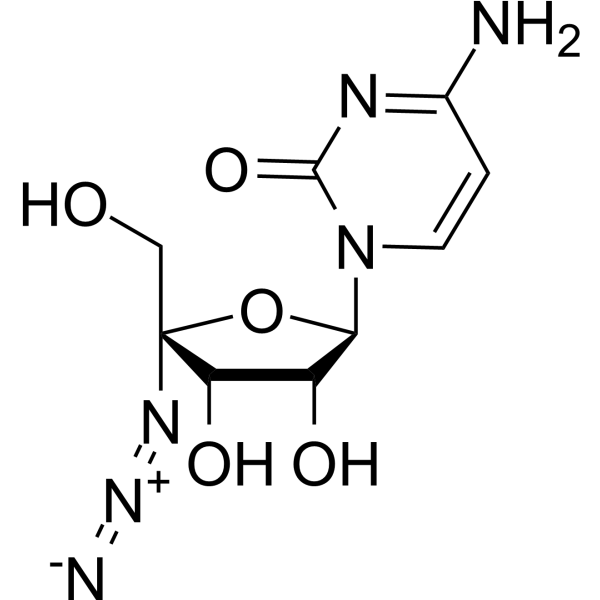
R-1479 (4'-Azidocytidine), a nucleoside analogue, is a specific inhibitor of RNA-dependent RNA polymerase (RdRp) of HCV. R-1479 inhibits HCV replication in the HCV subgenomic replicon system (IC50=1.28 μM) . R-1479 is a click chemistry reagent, it contains an Azide group and can undergo copper-catalyzed azide-alkyne cycloaddition reaction (CuAAc) with molecules containing Alkyne groups. It can also undergo strain-promoted alkyne-azide cycloaddition (SPAAC) reactions with molecules containing DBCO or BCN groups.
|
-
-
- HY-30234
-
-
-
- HY-15591A
-
|
|
HCV
|
Infection
|
|
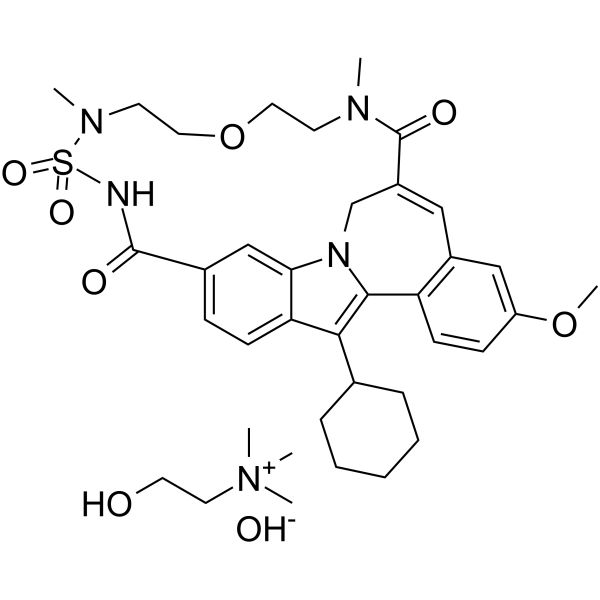
TMC647055 (Choline salt) is a potent nonnucleoside NS5B polymerase inhibitor of HCV replication. TMC647055 Choline salt has potent HCV combine activity with an IC50 value of 82 nM. TMC647055 Choline salt can be used for the research of Hepatitis C virus (HCV) .
|
-
-
- HY-123805
-
|
|
RIG-I-like receptor (RLR)
HCV
IFNAR
|
Infection
|
|
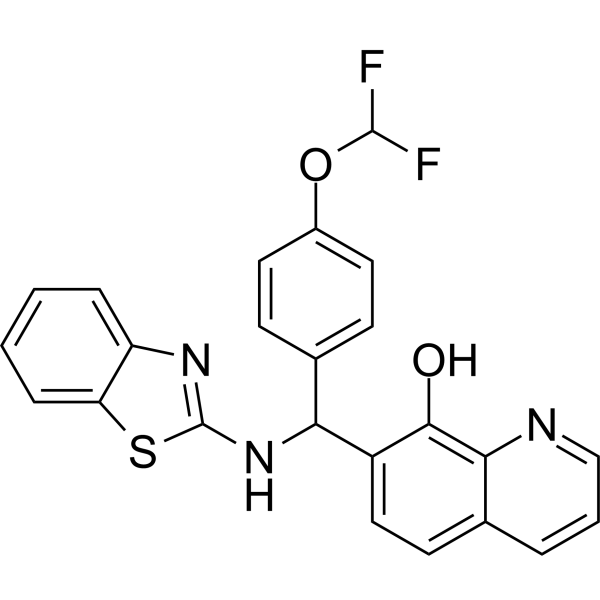
KIN1400 is a potent IRF3 activator. KIN1400 triggers IRF3-dependent innate immune antiviral genes (RIG-I, MDA5, IFIT1, and Mx1) and IFN-β expression. KIN1400 inhibits WNV and DV, two mosquito-borne members of the Flaviviridae and the genus Flavivirus. KIN1400 also inhibits HCV replication. KIN1400 induces innate antiviral immunity through a MAVS-IRF3 axis .
|
-
-
- HY-149049
-
|
Cajanine
|
HCV
|
Infection
Inflammation/Immunology
|
|
Cajaninstilbene acid is a potent HCV inhibitor with an IC50 of 3.17 μM. Cajaninstilbene acid inhibits HCV replications via down-regulates a cellular protein chondroitin sulfate N-acetylgalactosaminyltransferase 1 .
|
-

-
- HY-132598A
-
|
SPC-3649 sodium
|
MicroRNA
|
Infection
|
|
Miravirsen sodium is a potent miR-122 inhibitor and inhibits the biogenesis of miR-122. Miravirsen sodium is a 15-nucleotide locked nucleic acid-modified phosphorothioate antisense oligonucleotide. Miravirsen sodium inhibits HCV replication, and can be used in research of HCV infection .
|
-

-
- HY-16784
-
|
IDX719; IDX18719
|
HCV
HCV Protease
|
Infection
|
|
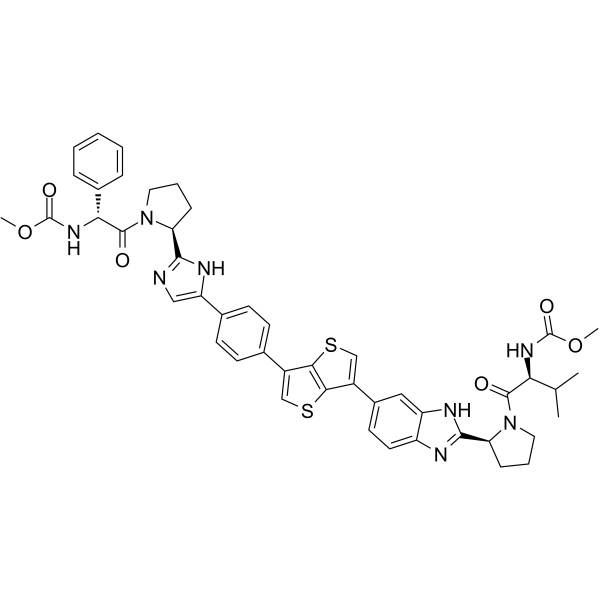
Samatasvir (IDX71) is a potent, orally active NS5A inhibitor of HCV replication. Samatasvir is effective and selective against infectious HCV and replicons, with EC50s falling within a tight range of 2 to 24 pM in genotype 1 through 5 replicons .
|
-
-
- HY-W011834R
-
|
|
Reference Standards
HCV
DNA/RNA Synthesis
|
Infection
|
|
2'-O-Methylcytidine (Standard) is the analytical standard of 2'-O-Methylcytidine. This product is intended for research and analytical applications. 2'-O-Methylcytidine is an orally active 2'-substituted nucleoside as a inhibitor of HCV replication with antiviral activity. 2'-O-Methylcytidine inhibits RNA-dependent RNA polymerase (NS5B)-catalyzed RNA synthesis in vitro, in a manner that is competitive with substrate nucleoside triphosphate .
|
-

-
- HY-132600A
-
|
Temavirsen sodium
|
MicroRNA
HCV
|
Infection
|
|
RG-101 sodium is a hepatocyte targeted N-acetylgalactosamine conjugated oligonucleotide that antagonises miR-122. miR-122 is an important host factor for hepatitis C virus (HCV) replication .
|
-
-
- HY-19558
-
|
|
HCV
HCV Protease
|
Infection
|
|
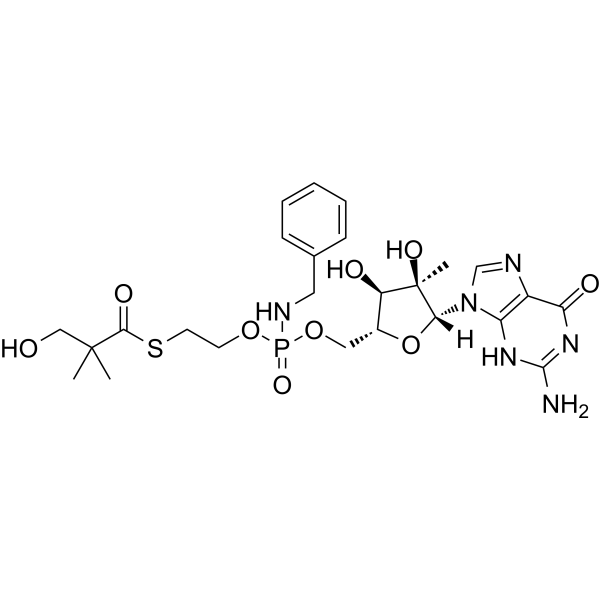
IDX184 is a potent and orally bioavailable inhibitor of HCV replication. IDX184 potently inhibits HCV polymerase (IC50=0.31 μM, Ki=52.3 nM) .
|
-
-
- HY-132598
-
|
SPC-3649
|
MicroRNA
HCV
|
Infection
Inflammation/Immunology
|
|
Miravirsen (SPC-3649) is a potent miR-122 inhibitor and inhibits the biogenesis of miR-122. Miravirsen is a 15-nucleotide locked nucleic acid-modified phosphorothioate antisense oligonucleotide. Miravirsen inhibits HCV replication. Miravirsen can be used in research of HCV infection .
|
-

-
- HY-W011834S
-
|
|
Isotope-Labeled Compounds
HCV
|
Infection
|
|
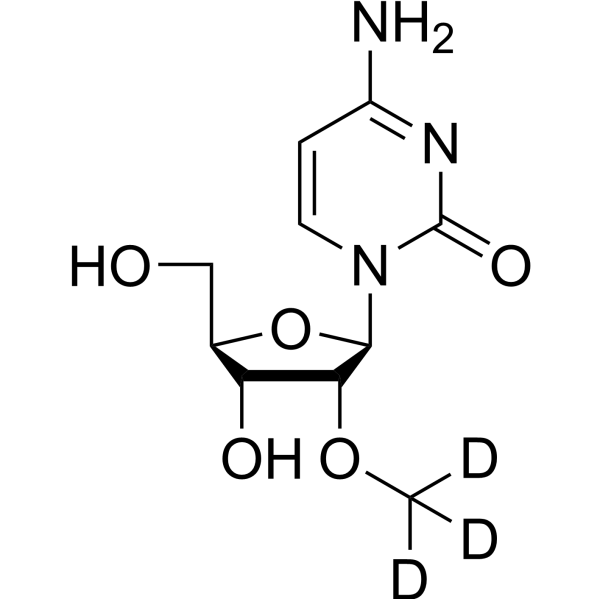
2'-O-Methylcytidine-d3 is deuterium labeled 2'-O-Methylcytidine (HY-W011834). 2'-O-Methylcytidine is a 2'-substituted nucleoside as a inhibitor of HCV replication. 2'-O-Methylcytidine inhibits RNA-dependent RNA polymerase (NS5B)-catalyzed RNA synthesis in vitro, in a manner that is competitive with substrate nucleoside triphosphate.
|
-
-
- HY-100603A
-
|
|
PI3K
PI4K
|
Infection
|
|
(S)-GSK-F1 (Compound 28) is an inhibitor for type III phosphatidylinositol 4-kinase α (PI4KIIIα). (S)-GSK-F1 inhibits PI4Kα, PI4Kβ, PI4Kγ, PI3Kα, PI3Kβ and PI3Kδ with pIC50 of 8.3, 6.0, 5.6, 5.6, 5.1 and 5.6, respectively. (S)-GSK-F1 exhibits anti-hepatitis C virus (HCV) activity through inhibition of HCV replication. (S)-GSK-F1 exhibits moderate pharmacokinetic characters in rat model .
|
-

-
- HY-132600
-
|
Temavirsen
|
MicroRNA
HCV
|
Infection
|
|
RG-101 is a hepatocyte targeted N-acetylgalactosamine conjugated oligonucleotide that antagonises miR-122. miR-122 is an important host factor for hepatitis C virus (HCV) replication .
|
-

-
- HY-19512
-
|
GS9132
|
HCV Protease
HCV
|
Infection
|
|
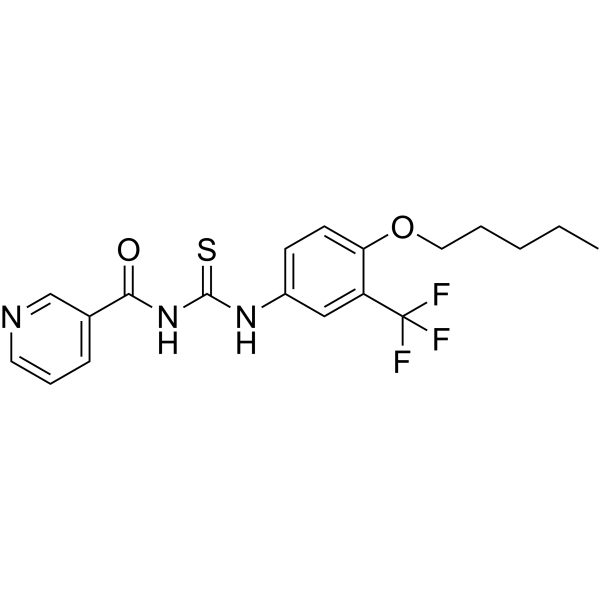
ACH-806 is an NS4A antagonist which can inhibit Hepatitis C Virus (HCV) replication with an EC50 of 14 nM.
|
-
-
- HY-118525
-
|
|
HCV
PI4K
|
Infection
|
|
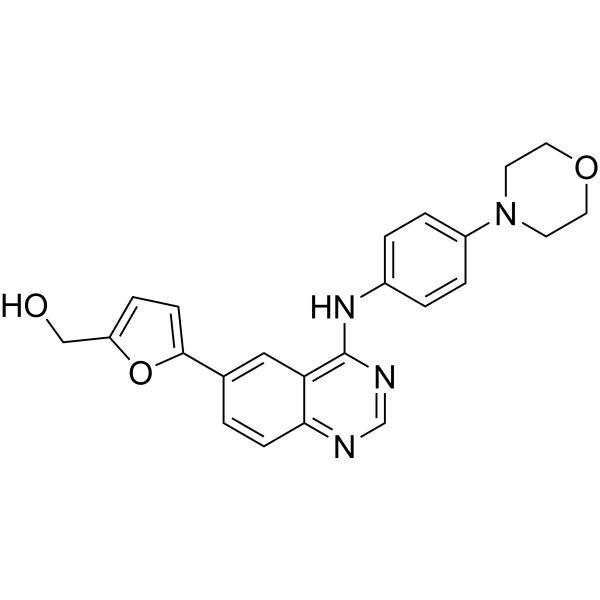
AL-9 is a inhibitor of PI4KIIIα, with the IC50 of 0.57 μM, that can inhibit HCV replication .
|
-
-
- HY-129558
-
|
|
HCV
|
Infection
Cancer
|
|
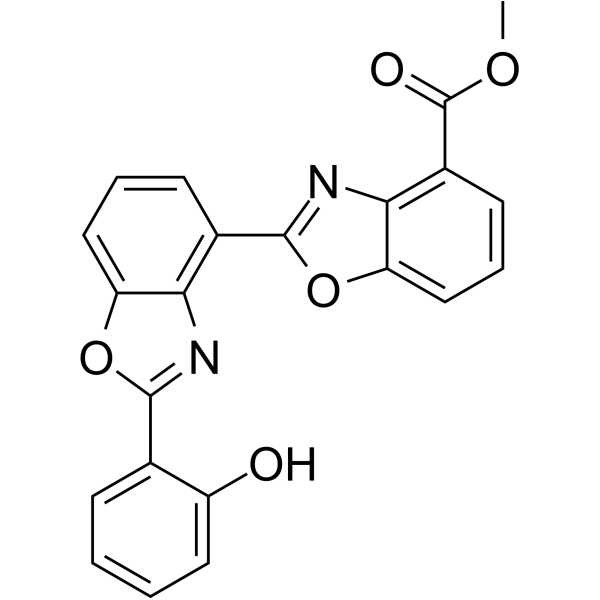
UK-1 is a cytotoxic metabolite from Streptomyces sp. 517-02 and exerts a wide spectrum of potent anticancer activities . UK-1 also inhibits HCV replication .
|
-
-
- HY-U00213
-
|
R803
|
HCV
|
Infection
|
|
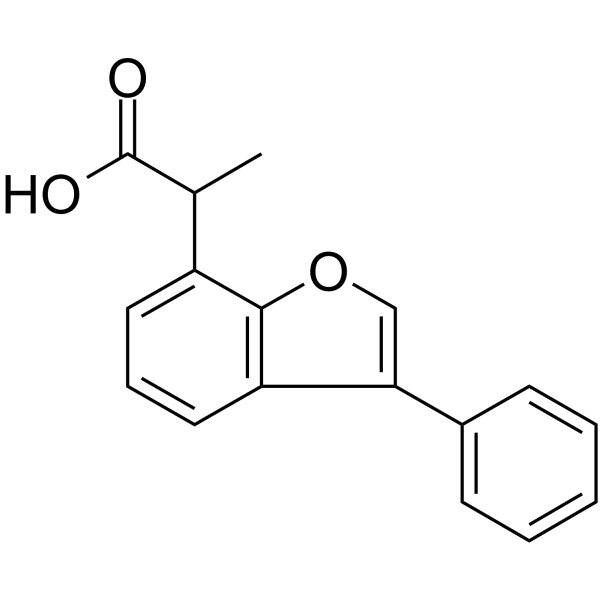
Furaprofen (R803) is an effective HCV replication inhibitor. Furaprofen (R803) is substantially more potent against genotype 1a and 1b replicons (EC50, ~30 nM) than against the genotype 2a replicon (EC50, ~1,000 nM).
|
-
-
- HY-15591
-
|
|
HCV
|
Infection
|
|
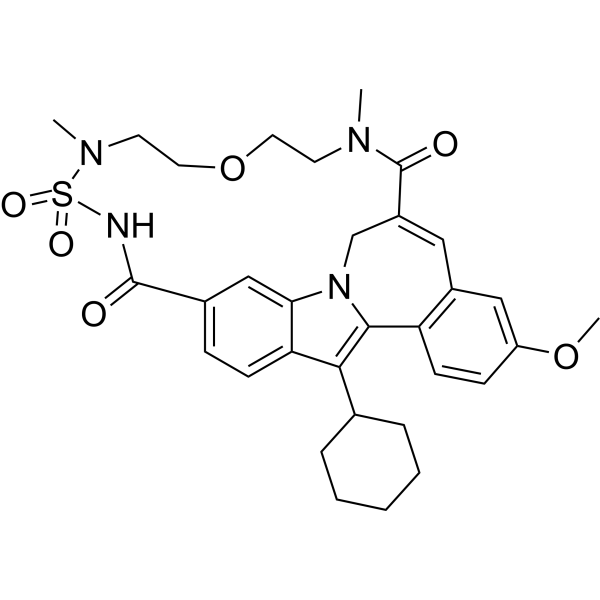
TMC647055 is a potent nonnucleoside NS5B polymerase inhibitor of HCV replication. TMC647055 has potent HCV combine activity with an IC50 value of 82 nM. TMC647055 can be used for the research of Hepatitis C virus (HCV) .
|
-
-
- HY-12633
-
|
|
HCV
|
Inflammation/Immunology
|
|
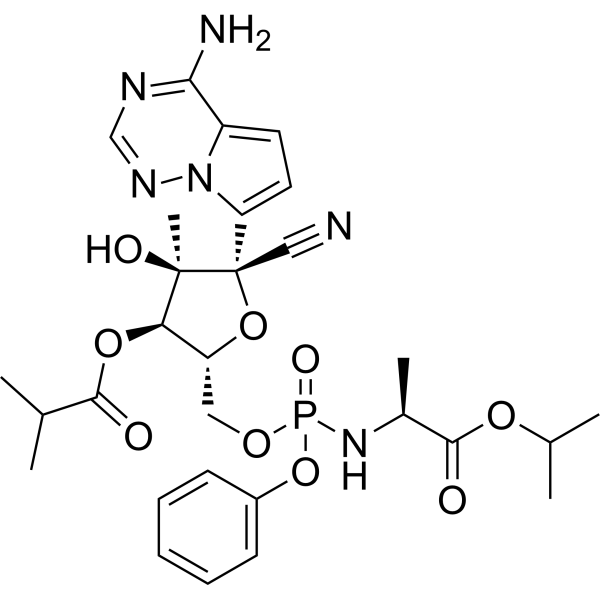
GS-6620 is potent and selective HCV inhibitor. GS-6620 inhibits HCV replication in genotype 1-6 subgenomic replicons and genotype 2a infectious virus, with EC50 values of 0.048-0.68 μM. GS-6620 can be used for the researches of infection and inflammation, such as Hepatitis C Virus (HCV) .
|
-
-
- HY-177020
-
|
1'-Cyano-2'-C-methyl 4-aza-7,9-dideaza adenosine
|
Nucleoside Antimetabolite/Analog
|
Infection
|
|
GS-6620 PM (Compound 2) is an analog of 2′-C-methyl 4-aza-7,9-dideaza adenosine. 2′-C-methyl 4-aza-7,9-dideaza adenosine is an inhibitor of HCV replication in cell culture. GS-6620 PM can be used in the study of hepatitis C virus (HCV) infection .
|
-

-
- HY-77652
-
|
|
Nucleoside Antimetabolite/Analog
HCV
|
Infection
|
|
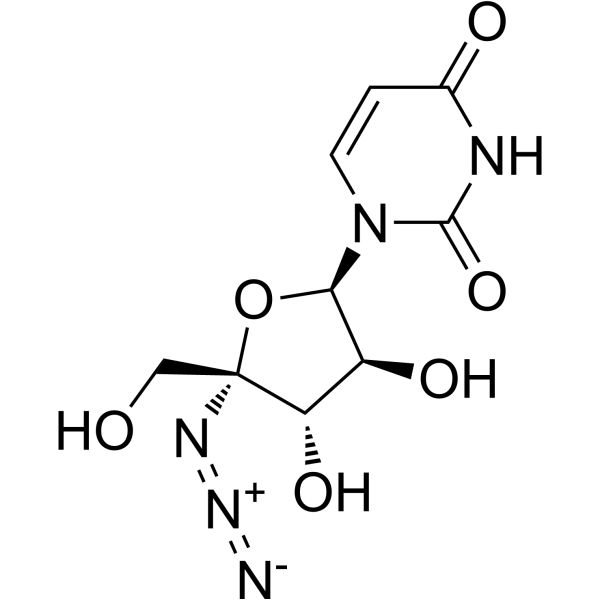
Nucleoside-Analog-2 is a 4'-Azidocytidine analogue against Hepatitis C virus (HCV) replication. Nucleoside-Analog-2 is a click chemistry reagent, it contains an Azide group and can undergo copper-catalyzed azide-alkyne cycloaddition reaction (CuAAc) with molecules containing Alkyne groups. It can also undergo strain-promoted alkyne-azide cycloaddition (SPAAC) reactions with molecules containing DBCO or BCN groups.
|
-
-
- HY-10241A
-
|
TMC435 sodium; TMC435350 sodium
|
HCV
HCV Protease
SARS-CoV
DNA/RNA Synthesis
|
Infection
|
|
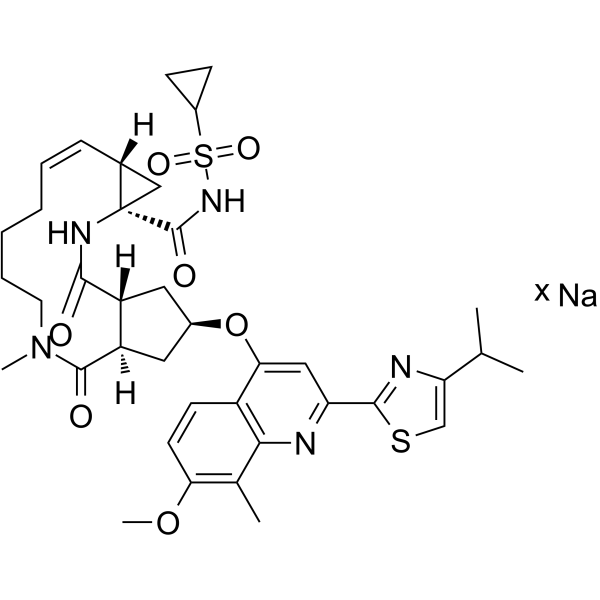
Simeprevir (TMC435; TMC435350) sodium is an oral, potent and highly specific hepatitis C virus (HCV) NS3/4A protease inhibitor with a Ki of 0.36 nM. Simeprevir sodium inhibits HCV replication with an EC50 of 7.8 nM. Simeprevir sodium also potently suppresses SARS-CoV-2 replication and synergizes with Remdesivir. Simeprevir sodium inhibits the main protease (M pro) and the RNA-dependent RNA polymerase (RdRp) of SARS-CoV-2, and also modulates host immune responses .
|
-
-
- HY-10241S
-
|
TMC435-13C,d3; TMC435350-13C,d3
|
Isotope-Labeled Compounds
HCV
HCV Protease
SARS-CoV
DNA/RNA Synthesis
|
Infection
|
|
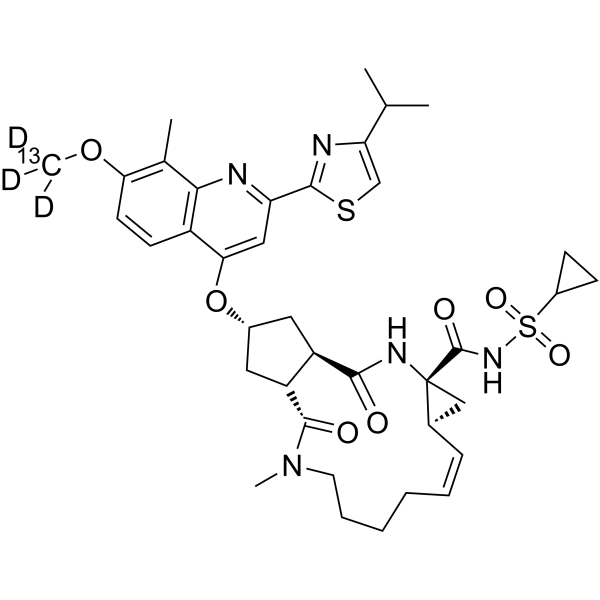
Simeprevir- 13C,d3 is the 13C- and deuterium labeled Simeprevir. Simeprevir is an oral, potent and highly specific hepatitis C virus (HCV) NS3/4A protease inhibitor with a Ki of 0.36 nM. Simeprevir inhibits HCV replication with an EC50 of 7.8 nM. Simeprevir also potently suppresses SARS-CoV-2 replication and synergizes with Remdesivir. Simeprevir inhibits the main protease (Mpro) and the RNA-dependent RNA polymerase (RdRp) of SARS-CoV-2, and also modulates host immune responses .
|
-
-
- HY-12687R
-
|
TIZ (Standard)
|
Reference Standards
Bacterial
HIV
Autophagy
Parasite
IKK
Influenza Virus
|
Infection
Cancer
|
|
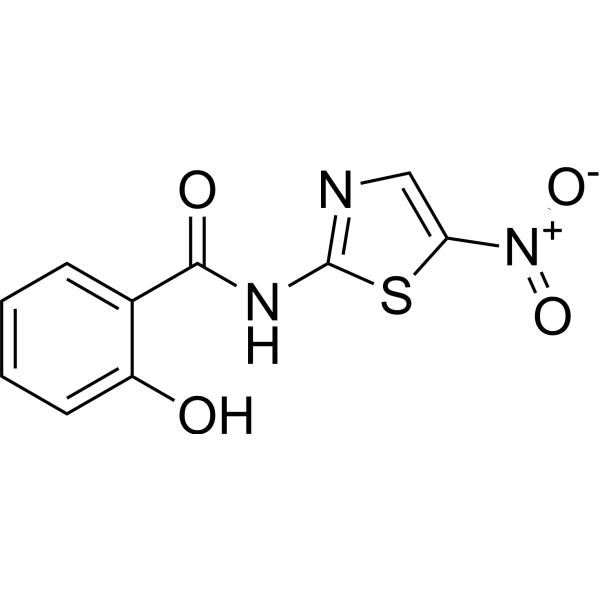
Tizoxanide (Standard) is the analytical standard of Tizoxanide. This product is intended for research and analytical applications. Tizoxanide (TIZ) is the active metabolite of Nitazoxanide, which is a thiazolide anti-infective compound against anaerobic bacteria, protozoa, and a range of viruses. Tizoxanide (TIZ) has anti-HIV-1 activities and potent inhibition of both HBV and HCV replication with values EC50 of 0.46μM and 0.15 μM, respectively. Tizoxanide also exerts anti-inflammatory effects by inhibiting the production of pro-inflammatory cytokines and suppressing of the activation of the NF-κB and the MAPK signaling pathways in LPS-treated macrophage cells .
|
-
-
- HY-13321
-
|
|
HCV
|
Infection
|
|
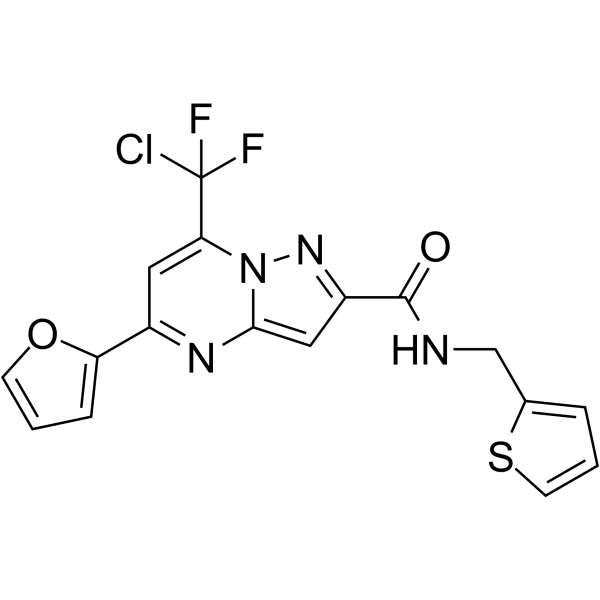
Anguizole is a small molecule inhibitor of HCV replication and alters NS4B's subcellular distribution.
|
-
-
- HY-30234S
-
|
|
Histamine Receptor
HCV
TRP Channel
|
Cancer
|
|
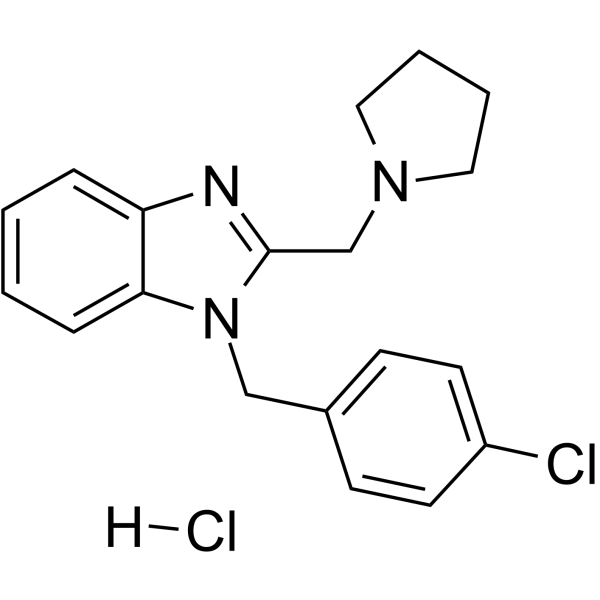
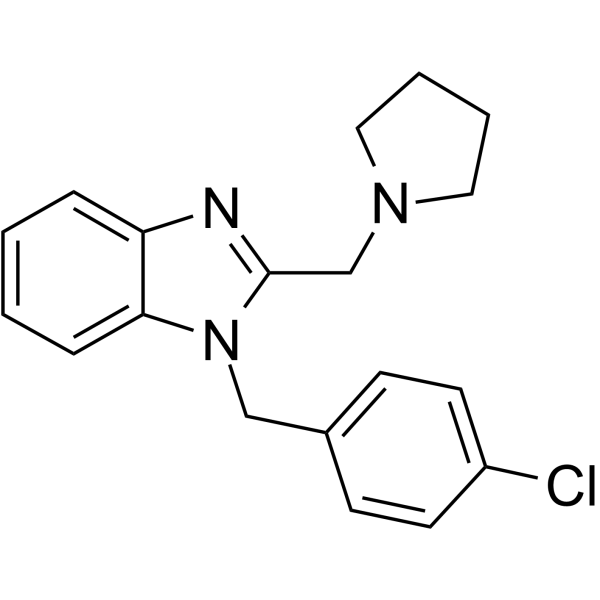
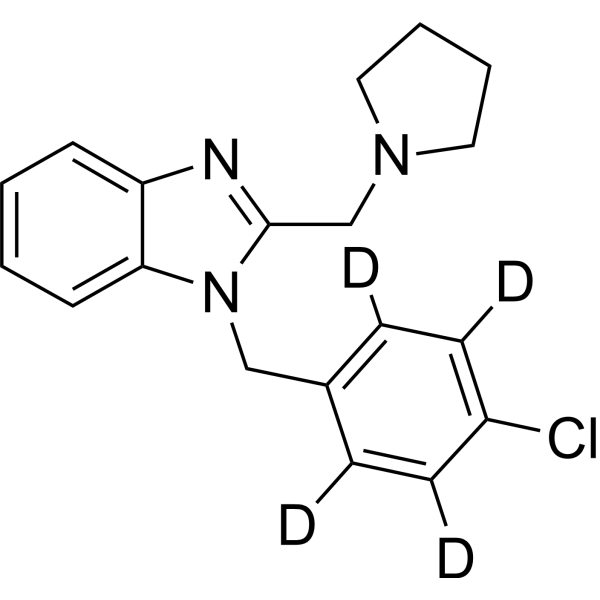
Clemizole-d4 is a deuterium labeled Clemizole. Clemizole is an H1 histamine receptor antagonist, is found to substantially inhibit HCV replication .
|
-
-
- HY-172428
-
|
|
HCV
|
Infection
|
|
Encofosbuvir is the inhibitor for HCV NS5B polymerase that inhibits GT1b, GT2a and GT3a with EC50 of 102.4, 82.51 and 46.91 nM. Encofosbuvir inhibits HCV replication and can be used for reseearchs of hepatitis C in mammals .
|
-

-
- HY-10244R
-
|
|
Reference Standards
HCV
|
Infection
|
|
MK-0608 (Standard) is the analytical standard of MK-0608 (HY-10244). This product is intended for research and analytical applications. MK-0608 is a potent and orally bioavailable inhibitor of HCV replication in vitro with an EC50 of 0.3 μM (EC90=1.3 μM) in the subgenomic-replicon assay .
|
-

-
- HY-10165R
-
|
R 1656 (Standard)
|
HCV
Reference Standards
|
Infection
|
|
PSI-6130 (Standard) is the analytical standard of PSI-6130 (HY-10165). This product is intended for research and analytical applications. PSI-6130 is a potent and selective inhibitor of HCV NS5B polymerase, and inhibits HCV replication with a mean IC50 of 0.6 μM.
|
-

-
- HY-182679
-
|
|
HCV
|
Infection
|
|
L0909 is an HCV inhibitor with an EC50 of 0.022 μM. L0909 blocks HCV replication by inhibiting E1-mediated viral entry. L0909 exhibits sensitivity to clinical resistant HCV mutants. L0909 displays synergistic effects with clinical HCV drugs. L0909 can be used for the research of hepatitis c virus (HCV) infection .
|
-

-
- HY-10241R
-
|
TMC435 (Standard); TMC435350 (Standard)
|
Reference Standards
HCV
HCV Protease
SARS-CoV
DNA/RNA Synthesis
|
Infection
|
|
Simeprevir (Standard) is the analytical standard of Simeprevir (HY-10241). This product is intended for research and analytical applications. Simeprevir (TMC435; TMC435350) is an oral, potent and highly specific hepatitis C virus (HCV) NS3/4A protease inhibitor with a Ki of 0.36 nM. Simeprevir inhibits HCV replication with an EC50 of 7.8 nM. Simeprevir also potently suppresses SARS-CoV-2 replication and synergizes with Remdesivir. Simeprevir inhibits the main protease (Mpro) and the RNA-dependent RNA polymerase (RdRp) of SARS-CoV-2, and also modulates host immune responses .
|
-

-
- HY-117802
-
|
|
DNA/RNA Synthesis
HCV
HCV Protease
|
Infection
|
|
CID-50930756 is an HCV NS3 helicase inhibitor with an IC50 of 22 μM.CID-50930756 inhibits HCV NS3 helicase-catalyzed nucleic acid unwinding.CID-50930756 inhibits HCV replication in hepatoma cells harboring a stably transfected subgenomic HCV replicon.CID-50930756 does not exhibit toxicity to hepatoma cells at 10 μM.CID-50930756 shows weak DNA-binding activity, displacing less than 20% of SYBR Green I from DNA at 100 μM.CID-50930756 can be used for the research of hepatitis c .
|
-

-
- HY-182603
-
|
|
Drug Derivative
Reactive Oxygen Species (ROS)
HCV
|
Infection
Inflammation/Immunology
|
|
BO-653 is an orally active anti-atherosclerotic antioxidant that exhibits high binding affinity for LDL. BO-653 scavenges linoleic acid peroxyl radicals, inhibits lipid peroxidation during the auto-oxidation of linoleic acid, and potently suppresses LDL oxidation. BO-653 inhibits Hepatitis C Virus (HCV) replication in a concentration-dependent manner, with an IC50 of 36.0 μM against the HCV subgenomic replicon in FLR3-1 cells. BO-653 demonstrates significant anti-atherosclerotic effects in various animal models, including the Watanabe heritable hyperlipidemic rabbit. BO-653 is suitable for use in research related to atherosclerosis and Hepatitis C Virus infection .
|
-

-
- HY-10444R
-
|
4'-Azidocytidine (Standard)
|
Reference Standards
HCV
DNA/RNA Synthesis
|
Infection
|
|
R-1479 (Standard) is the analytical standard of R-1479 (HY-10444). This product is intended for research and analytical applications. R-1479 (4'-Azidocytidine), a nucleoside analogue, is a specific inhibitor of RNA-dependent RNA polymerase (RdRp) of HCV. R-1479 inhibits HCV replication in the HCV subgenomic replicon system (IC50=1.28 μM) . R-1479 is a click chemistry reagent, it contains an Azide group and can undergo copper-catalyzed azide-alkyne cycloaddition reaction (CuAAc) with molecules containing Alkyne groups. It can also undergo strain-promoted alkyne-azide cycloaddition (SPAAC) reactions with molecules containing DBCO or BCN groups.
|
-

| Cat. No. |
Product Name |
Category |
Target |
Chemical Structure |
| Cat. No. |
Product Name |
Chemical Structure |
-
- HY-W011834S
-
|
|
|
2'-O-Methylcytidine-d3 is deuterium labeled 2'-O-Methylcytidine (HY-W011834). 2'-O-Methylcytidine is a 2'-substituted nucleoside as a inhibitor of HCV replication. 2'-O-Methylcytidine inhibits RNA-dependent RNA polymerase (NS5B)-catalyzed RNA synthesis in vitro, in a manner that is competitive with substrate nucleoside triphosphate.
|
-
-
- HY-10241S
-
|
|
|
Simeprevir- 13C,d3 is the 13C- and deuterium labeled Simeprevir. Simeprevir is an oral, potent and highly specific hepatitis C virus (HCV) NS3/4A protease inhibitor with a Ki of 0.36 nM. Simeprevir inhibits HCV replication with an EC50 of 7.8 nM. Simeprevir also potently suppresses SARS-CoV-2 replication and synergizes with Remdesivir. Simeprevir inhibits the main protease (Mpro) and the RNA-dependent RNA polymerase (RdRp) of SARS-CoV-2, and also modulates host immune responses .
|
-
-
- HY-30234S
-
|
|
|
Clemizole-d4 is a deuterium labeled Clemizole. Clemizole is an H1 histamine receptor antagonist, is found to substantially inhibit HCV replication .
|
-
| Cat. No. |
Product Name |
|
Classification |
-
- HY-10444
-
R-1479
3 Publications Verification
4'-Azidocytidine
|
|
Azide
|
|
R-1479 (4'-Azidocytidine), a nucleoside analogue, is a specific inhibitor of RNA-dependent RNA polymerase (RdRp) of HCV. R-1479 inhibits HCV replication in the HCV subgenomic replicon system (IC50=1.28 μM) . R-1479 is a click chemistry reagent, it contains an Azide group and can undergo copper-catalyzed azide-alkyne cycloaddition reaction (CuAAc) with molecules containing Alkyne groups. It can also undergo strain-promoted alkyne-azide cycloaddition (SPAAC) reactions with molecules containing DBCO or BCN groups.
|
-
- HY-77652
-
|
|
|
Azide
|
|
Nucleoside-Analog-2 is a 4'-Azidocytidine analogue against Hepatitis C virus (HCV) replication. Nucleoside-Analog-2 is a click chemistry reagent, it contains an Azide group and can undergo copper-catalyzed azide-alkyne cycloaddition reaction (CuAAc) with molecules containing Alkyne groups. It can also undergo strain-promoted alkyne-azide cycloaddition (SPAAC) reactions with molecules containing DBCO or BCN groups.
|
| Cat. No. |
Product Name |
|
Classification |
-
- HY-W011834
-
|
|
|
Nucleoside Analogs
Cytidine
|
|
2'-O-Methylcytidine is an orally active 2'-substituted nucleoside as a inhibitor of HCV replication with antiviral activity. 2'-O-Methylcytidine inhibits RNA-dependent RNA polymerase (NS5B)-catalyzed RNA synthesis in vitro, in a manner that is competitive with substrate nucleoside triphosphate .
|
-
- HY-10444
-
R-1479
3 Publications Verification
4'-Azidocytidine
|
|
Nucleoside Analogs
Cytidine
|
|
R-1479 (4'-Azidocytidine), a nucleoside analogue, is a specific inhibitor of RNA-dependent RNA polymerase (RdRp) of HCV. R-1479 inhibits HCV replication in the HCV subgenomic replicon system (IC50=1.28 μM) . R-1479 is a click chemistry reagent, it contains an Azide group and can undergo copper-catalyzed azide-alkyne cycloaddition reaction (CuAAc) with molecules containing Alkyne groups. It can also undergo strain-promoted alkyne-azide cycloaddition (SPAAC) reactions with molecules containing DBCO or BCN groups.
|
-
- HY-132598A
-
|
SPC-3649 sodium
|
|
Antisense Oligonucleotides
|
|
Miravirsen sodium is a potent miR-122 inhibitor and inhibits the biogenesis of miR-122. Miravirsen sodium is a 15-nucleotide locked nucleic acid-modified phosphorothioate antisense oligonucleotide. Miravirsen sodium inhibits HCV replication, and can be used in research of HCV infection .
|
-
- HY-132600A
-
|
Temavirsen sodium
|
|
Antisense Oligonucleotides
|
|
RG-101 sodium is a hepatocyte targeted N-acetylgalactosamine conjugated oligonucleotide that antagonises miR-122. miR-122 is an important host factor for hepatitis C virus (HCV) replication .
|
-
- HY-132598
-
|
SPC-3649
|
|
Antisense Oligonucleotides
|
|
Miravirsen (SPC-3649) is a potent miR-122 inhibitor and inhibits the biogenesis of miR-122. Miravirsen is a 15-nucleotide locked nucleic acid-modified phosphorothioate antisense oligonucleotide. Miravirsen inhibits HCV replication. Miravirsen can be used in research of HCV infection .
|
-
- HY-132600
-
|
Temavirsen
|
|
Antisense Oligonucleotides
|
|
RG-101 is a hepatocyte targeted N-acetylgalactosamine conjugated oligonucleotide that antagonises miR-122. miR-122 is an important host factor for hepatitis C virus (HCV) replication .
|
Your information is safe with us. * Required Fields.
Inquiry Information
- Product Name:
- Cat. No.:
- Quantity:
- MCE Japan Authorized Agent:








