1. Search Result
Search Result
Results for "

Liver necrosis

" in MedChemExpress (MCE) Product Catalog:

27

Inhibitors & Agonists

9

Natural
Products

Targets Recommended:
Cat. No. Product Name Target Research Areas Chemical Structure
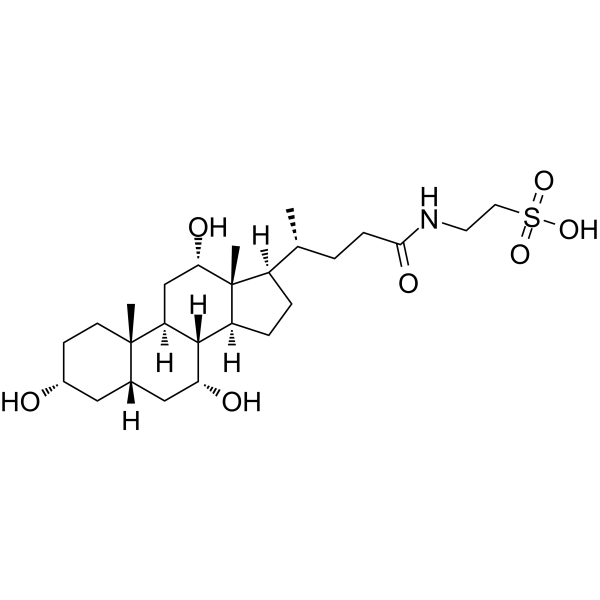
  • HY-B1788
    Taurocholic acid
    Maximum Cited Publications
    31 Publications Verification

    N-Choloyltaurine

    Endogenous Metabolite Neurological Disease Inflammation/Immunology
    Taurocholic acid (N-Choloyltaurine) has marked bioactive effects such as an inhibitory potential against hepatic artery ligation induced biliary damage by upregulation of VEGF-A expression. Taurocholic acid has immunoregulation effect .
    Taurocholic acid
  • HY-Y0698
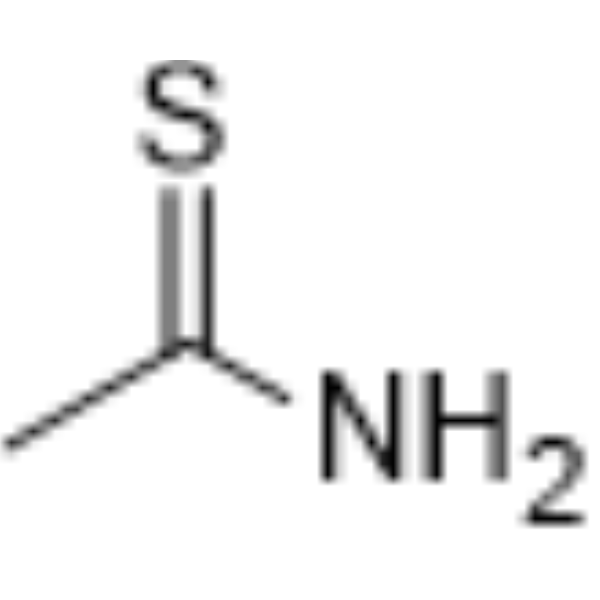
    Thioacetamide
    4 Publications Verification

    Acetothioamide; TAA; Thiacetamide

    Necroptosis Neurological Disease Inflammation/Immunology Cancer
    Thioacetamide (TAA) is an indirect hepatotoxin and causes parenchymal cell necrosis. Thioacetamide requires metabolic activation by microsomal CYP2E1 to thioacetamide-S-oxide initially and then to thioacetamide-S-dioxide, which is a highly reactive metabolite, and its reactive metabolites covalently bind to proteins and lipids thereby causing oxidative stress and centrilobular necrosis. Thioacetamide can induce chronic liver fibrosis, encephalopathy and other events model .
    Thioacetamide
  • HY-N0545
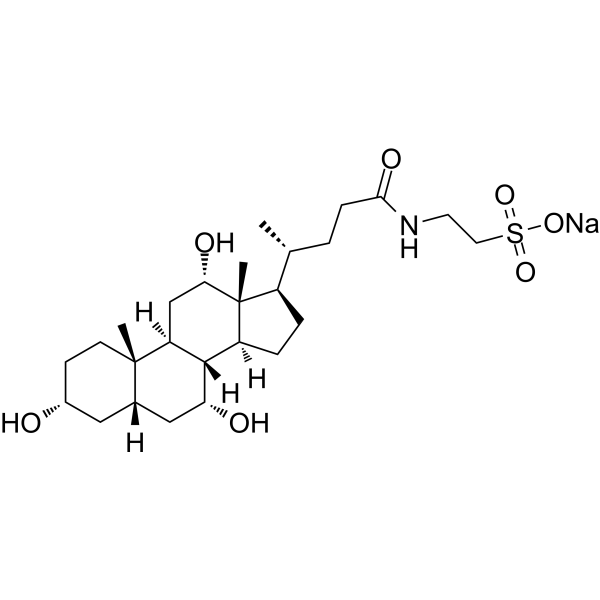
    Taurocholic acid sodium
    Maximum Cited Publications
    31 Publications Verification

    Sodium taurocholate; N-Choloyltaurine sodium

    VEGFR Endogenous Metabolite Cardiovascular Disease Neurological Disease Inflammation/Immunology Cancer
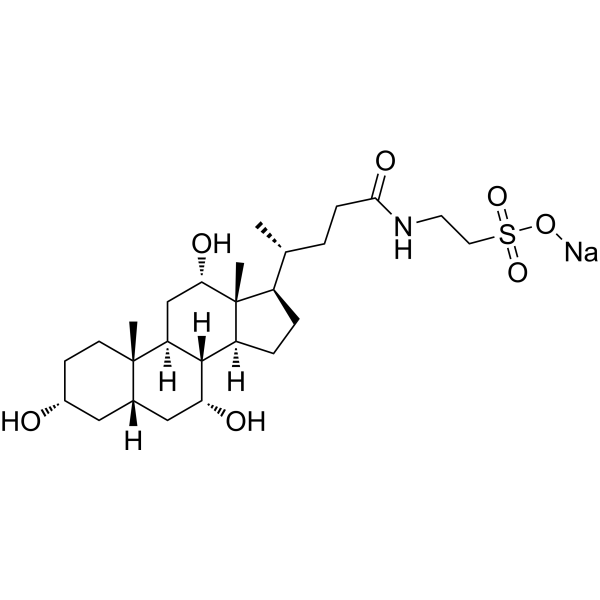
    Taurocholic acid sodium (Sodium taurocholate) has marked bioactive effects such as an inhibitory potential against hepatic artery ligation induced biliary damage by upregulation of VEGF-A expression. Taurocholic acid sodium has immunoregulation effect .
    Taurocholic acid sodium
  • HY-W011711

    URAT1 Oxidative Phosphorylation Apoptosis Metabolic Disease
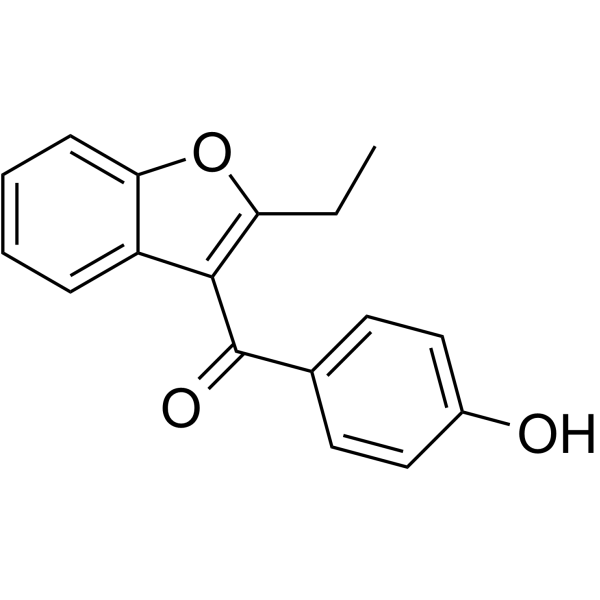
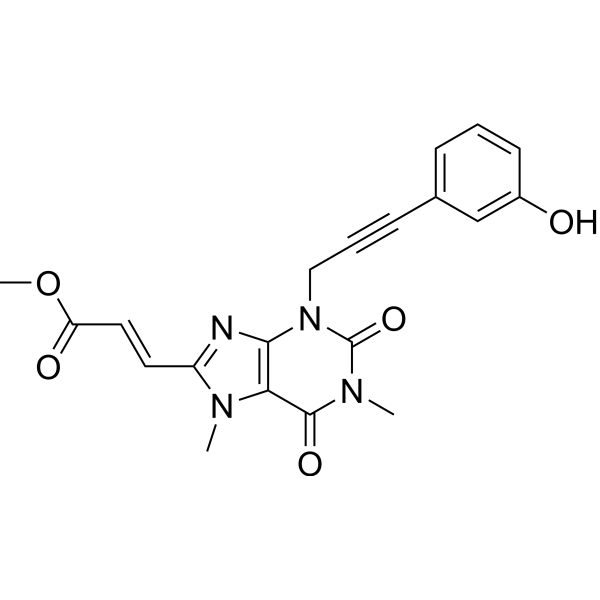
    Benzarone is an oral inhibitor of human urate transporter 1 (hURAT1) with an IC50 value of 2.8 μM, and it also acts as an uncoupler of oxidative phosphorylation. Benzarone can cause liver damage and promote cell apoptosis and necrosis. Benzarone can be used to lower serum uric acid levels and for research in vascular diseases .
    Benzarone
  • HY-N5112A
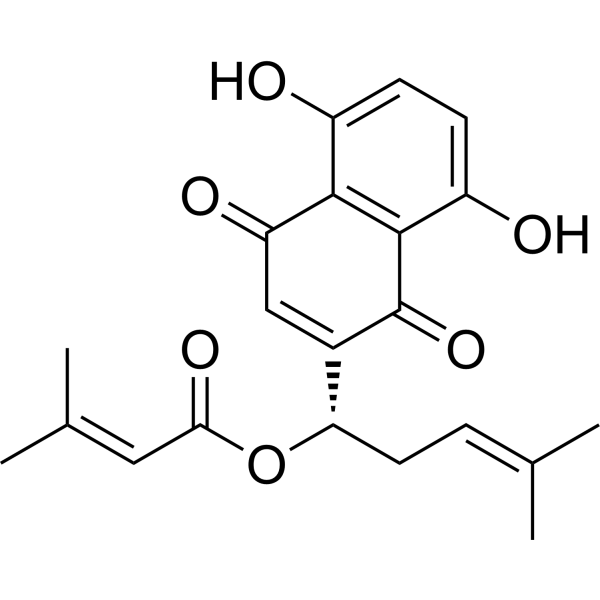
    β,β-Dimethylacrylalkannin
    3 Publications Verification

    Arnebin 1

    FGFR Necroptosis Apoptosis CDK JNK Inflammation/Immunology
    β,β-Dimethylacrylalkannin (Arnebin 1) is an orally active FGFR1 inhibitor (IC50=2.5 μM) and the main active component of Lithospermum erythrorhizon. β,β-Dimethylacrylalkannin blocks downstream signaling by binding to the ATP pocket of FGFR1, and regulates the CDK1/Cdc25C pathway and ROS-JNK axis, thereby inducing G2/M phase arrest, necrosis and apoptosis in cancer cells, and inhibiting tumor proliferation. β,β-Dimethylacrylalkannin also acts as a colistin adjuvant to disrupt the cell membrane of Gram-negative bacteria. β,β-Dimethylacrylalkannin exhibits significant tumor-inhibitory effects with no obvious toxicity in PDX models, but chronic exposure to high doses may alter the relative lung/liver weights of rats, while acute exposure to high doses causes responses such as reduced motor activity. β,β-Dimethylacrylalkannin finds wide application in studies related to hepatocellular carcinoma, colorectal cancer, colistin-resistant bacterial infections, hepatitis and psoriasis .
    β,β-Dimethylacrylalkannin
  • HY-136063

    Environmental Pollutants Fungal Cytochrome P450 Infection
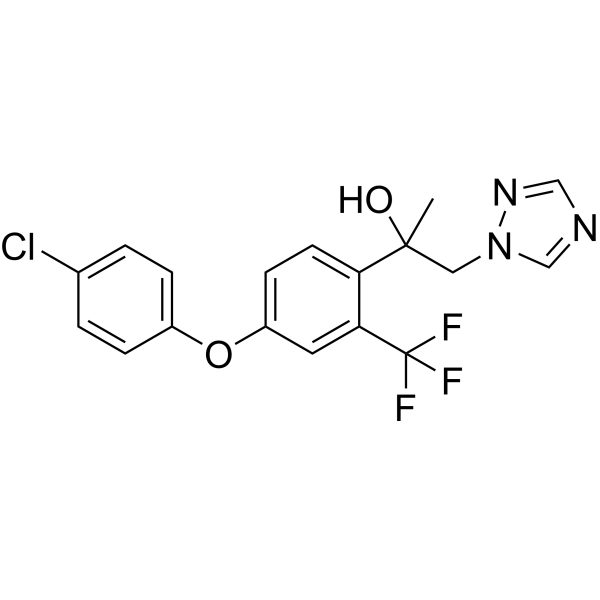
    Mefentrifluconazole is a novel azole derivative and used as an agrochemical broad-spectrum antifungal agent. Mefentrifluconazole is a potent, selective and orally active fungal CYP51 (Kd= 0.5 nM) inhibitor, but shows less inhibitory activity on human aromatase (IC50=0.92 μM) .
    Mefentrifluconazole
  • HY-101063

    Histamine Receptor Inflammation/Immunology
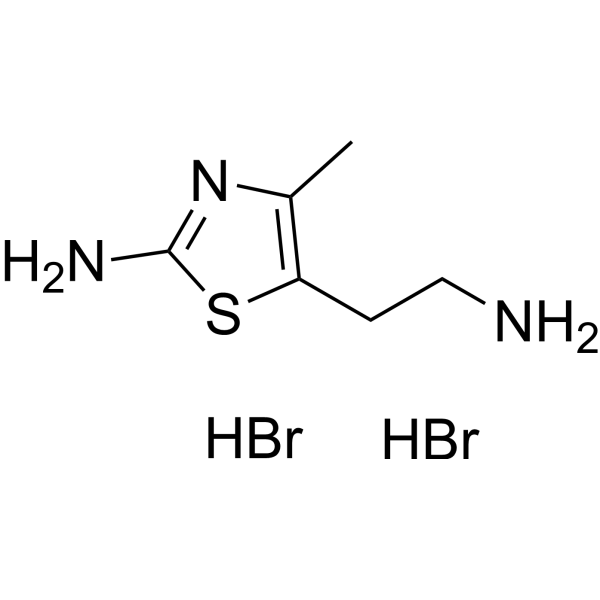
    Amthamine is a histamine receptor (H1R-H4R) agonist. Amthamine can produce liver congestion and necrosis of liver cells. Amthamine can be used to study the induction effect of H1R-H4 agonist on hepatotoxicity .
    Amthamine dihydrobromide
  • HY-N0545R

    Sodium taurocholate (Standard); N-Choloyltaurine sodium (Standard)

    Reference Standards VEGFR Endogenous Metabolite Inflammation/Immunology
    Taurocholic acid (sodium) (Standard) is the analytical standard of Taurocholic acid (sodium). This product is intended for research and analytical applications. Taurocholic acid sodium (Sodium taurocholate) has marked bioactive effects such as an inhibitory potential against hepatic artery ligation induced biliary damage by upregulation of VEGF-A expression. Taurocholic acid sodium has immunoregulation effect .
    Taurocholic acid sodium (Standard)
  • HY-130581

    Bacterial Cardiovascular Disease Inflammation/Immunology
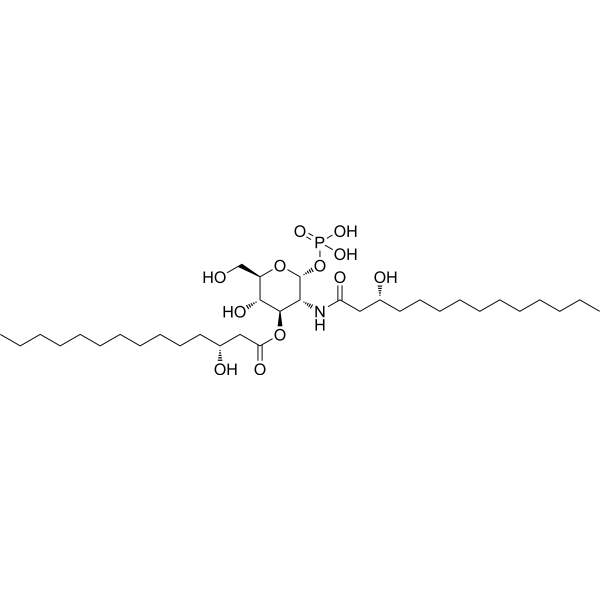
    Lipid X is a 2,3-diacylglucosamine-1-phosphate that serves as the monosaccharide precursor of lipid A, possessing both LPS antagonist and weak agonist activities. Lipid X exerts protective effects by inhibiting tumor necrosis factor production, monocyte procoagulant activity, and neutrophil priming. Lipid X may induce transient pulmonary hypertension, neutropenia, and mild pyrogenic effects in laboratory animals. Lipid X has low toxicity and no in vitro antibacterial activity, but it significantly reduces mortality following Gram-negative bacterial infection and endotoxin exposure. Lipid X tends to accumulate in liver tissue, binds to circulating cellular components, and can be converted to lipid Y through transesterification. Lipid X can be used in research on Gram-negative bacterial sepsis, endotoxemia, and associated pulmonary hypertension .
    Lipid X
  • HY-156119

    Mixed Lineage Kinase Necroptosis Metabolic Disease Cancer
    MLKL-IN-6 (compound P28) is a mixed lineage kinase inhibitor targeting Mixed Lineage Kinase domain-like (MLKL). MLKL-IN-6 inhibits cell necrosis. MLKL-IN-6 inhibits MLKL phosphorylation and oligomerization during cell necrosis, inhibits immune cell death, and reduces the expression of adhesion factors. MLKL-IN-6 has low cytotoxicity, and it inhibits hepatic stellate cell activation, reduces liver fibrosis marker levels, and has anti-fibrotic effects .
    MLKL-IN-6
  • HY-129508

    Histamine Receptor Inflammation/Immunology
    Amthamine is a histamine receptor (H1R-H4R) agonist. Amthamine can produce liver congestion and necrosis of liver cells. Amthamine can be used to study the induction effect of H1R-H4 agonist on hepatotoxicity .
    Amthamine
  • HY-B1788R

    N-Choloyltaurine (Standard)

    Reference Standards Endogenous Metabolite Inflammation/Immunology
    Taurocholic acid (Standard) is the analytical standard of Taurocholic acid. This product is intended for research and analytical applications. Taurocholic acid (N-Choloyltaurine) has marked bioactive effects such as an inhibitory potential against hepatic artery ligation induced biliary damage by upregulation of VEGF-A expression. Taurocholic acid has immunoregulation effect .
    Taurocholic acid (Standard)
  • HY-175869

    Ferroptosis Metabolic Disease Inflammation/Immunology
    Ferroptosis-IN-22 is a selective ferroptosis inhibitor by targeting NCOA4 and disrupting its interaction with ferritin with an EC50 of 520 nM and a Kd of 0.78 μM. Ferroptosis-IN-22 has a strong inhibitory activity against ferroptosis induced by multiple ferroptosis inducers (RSL3 (HY-100218A), Erastin (HY-15763), ML210 (HY-100003), FIN56 (HY-103087)), but does not inhibit necrosis induced by H2O2 or apoptosis induced by STS (HY-15141). Ferroptosis-IN-22 effectively ameliorates Concanavalin A (HY-P2149)-induced acute liver injury. Ferroptosis-IN-22 can be used for the study of ferroptosis-related diseases .
    Ferroptosis-IN-22
  • HY-N16478

    Cytochrome P450 Metabolic Disease
    Echihumiline is an alkaloid targeting hepatic cytochrome P450 enzymes (CYP450). Echihumiline induces DNA cross-linking and oxidative stress in hepatocytes, leading to liver necrosis and fibrosis. Echihumiline is promising for research of liver diseases .
    Echihumiline
  • HY-N1214A

    (E/Z)-Super Squalene; (E/Z)-AddaVax

    Apoptosis Cancer
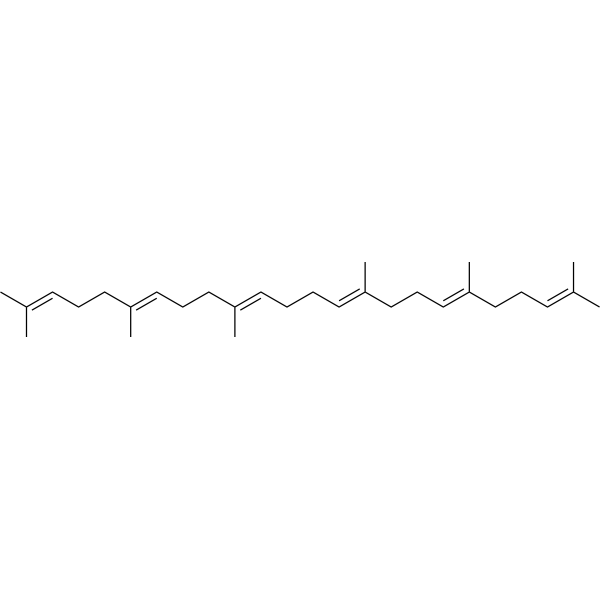
    (E/Z)-Squalene ((E/Z)-Super Squalene; (E/Z)-AddaVax) is a triterpenic compound. (E/Z)-Squalene accumulates and reduces liver cholesterol and triglycerides in the liver. (E/Z)-Squalen regulates the production of intracellular active oxidants (ROS) and induces apoptosis and necrosis in a concentration-and time-dependent manner .
    (E/Z)-Squalene
  • HY-173564

    Epigenetic Reader Domain Necroptosis Inflammation/Immunology
    DW34 is an orally active pan-BRD4-D1 biased inhibitor with additional BRD4-D2 inhibitive activity. DW34 displays comparable inhibitive efficacy to I-BET151 (HY-13235) (EC50 = 0.16 μM) with low nanomolar EC50 values of 0.14 μM. DW34 significantly reduces liver inflammation induced by LPS (HY-D1056) and APAP (HY-66005) via reducing chemokine expression and cellular necrosis .
    DW34
  • HY-Y0698R

    Acetothioamide (Standard); TAA (Standard); Thiacetamide (Standard)

    Necroptosis Reference Standards Inflammation/Immunology
    Thioacetamide (Standard) is the analytical standard of Thioacetamide (HY-Y0698). This product is intended for research and analytical applications. Thioacetamide (TAA) is an indirect hepatotoxin and causes parenchymal cell necrosis. Thioacetamide requires metabolic activation by microsomal CYP2E1 to thioacetamide-S-oxide initially and then to thioacetamide-S-dioxide, which is a highly reactive metabolite, and its reactive metabolites covalently bind to proteins and lipids thereby causing oxidative stress and centrilobular necrosis. Thioacetamide can induce chronic liver fibrosis, encephalopathy and other events model .
    Thioacetamide (Standard)
  • HY-117926

    RAR/RXR Cancer
    AGN 191701 is a selective retinoic acid X receptor (RXR) agonist that causes liver enlargement in rats without hepatocellular necrosis .
    AGN 191701
  • HY-176218

    Drug Derivative Inflammation/Immunology
    TTTE is a sulfone bischalcone derivative. TTTE has major anti-necrotic, anti-inflammatory and anti-fibrotic activities. TTTE exerts regulatory effects by downregulating key molecules such as Caspase-3, TNF-α, NF-κB and TGF-β. TTTE can be used in the study of liver injury .
    TTTE
  • HY-145855

    TGF-β Receptor Inflammation/Immunology
    J-1063 is a potent, selective and orally active ALK5 inhibitor with an IC50 of 0.039 µM. J-1063 shows anti-fibrotic effect by the inhibition of inflammatory infiltration, collagen deposition, and hepatocytes necrosis. J-1063 has the potential for the research of liver fibrosis .
    J-1063
  • HY-106417

    SA 3443

    Phosphatase Aminotransferases (Transaminases) Metabolic Disease
    Limazocic (SA 3443) is an orally active hepatoprotective agent. Limazocic can inhibit increases in serum transaminase, alkaline phosphatase activity and hepatic lipids, hydroxyproline content induced by CCl4. Limazocic can decrease the degree of hepatic necrosis, fibrosis and steatosis. Limazocic can be used for the research of chronic liver injuries .
    Limazocic
  • HY-N13208

    MMP TGF-beta/Smad Others
    Stevia Powder is a natural sweetener with antioxidant activity. Stevia Powder can downregulate pro fibrotic pathways in cirrhotic rats, including reduced hepatic myofibroblasts and decreased expression of matrix metalloproteinases MMP2 and MMP13, upregulate anti fibrotic molecule Smad7, prevent serum necrosis and elevated bile stasis markers, thereby inhibiting the development of liver fibrosis .
    Stevia Powder
  • HY-136063R

    Reference Standards Fungal Cytochrome P450 Infection
    Mefentrifluconazole (Standard) is the analytical standard of Mefentrifluconazole. This product is intended for research and analytical applications. Mefentrifluconazole is a novel azole derivative and used as an agrochemical broad-spectrum antifungal agent. Mefentrifluconazole is a potent, selective and orally active fungal CYP51 (Kd= 0.5 nM) inhibitor, but shows less inhibitory activity on human aromatase (IC50=0.92 μM)[1].
    Mefentrifluconazole (Standard)
  • HY-N8501

    Bacterial Infection
    Emestrin is a mycotoxin originally isolated from E. striata that has antimicrobial, immunomodulatory, and cytotoxic activities. It is active against the fungi C. albicans and C. neoformans, as well as the bacteria E. coli, S. aureus, and methicillin-resistant S. aureus (MRSA; IC50s=3.94, 0.6, 2.21, 4.55, and 2.21 μg/mL, respectively).2 Emestrin is a chemokine (C-C motif) receptor 2 (CCR2) antagonist (IC50=5.4 μM in a radioligand binding assay using isolated human monocytes).3 Emestrin (0.1 μg/mL) induces apoptosis in HL-60 cells. It induces heart, thymus, and liver tissue necrosis in mice when administered at doses ranging from 18 to 30 mg/kg.
    Emestrin
  • HY-182237

    PGSH

    Liposome Metabolic Disease
    Palmitoyl glutathione (PGSH) is a palmitoylated peptide derivative and a liver-targeted liposome-forming agent. Palmitoyl glutathione can form liposome-like vesicles with cholesterol, which can encapsulate water-soluble solutes. Palmitoyl glutathione can be used in studies related to Acetaminophen (HY-66005)-induced liver necrosis .
    Palmitoyl glutathione
  • HY-W982689

    Biochemical Assay Reagents Metabolic Disease
    Fluindarol is a phenylindandione derivative and an orally active anticoagulant. Fluindarol acts as a toxicant that induces organ and tissue haemorrhages and liver parenchymal necrosis in rats. Fluindarol exhibits acute and cumulative preclinical toxicity in rats, rabbits, and dogs, with higher toxicity in female rats than male rats. Fluindarol lacks analgesic action, produces only minor blood pressure effects, and does not alter circulation, respiration, CNS, or cardiac activity. Fluindarol is considered too toxic for clinical use based on preclinical data .
    Fluindarol
  • HY-N17855

    Glycosidase Reactive Oxygen Species (ROS) Metabolic Disease
    Guavinoside B is an orally active α-glucosidase inhibitor with an IC50 of 0.21 mM. Guavinoside B upregulates the expressions of Nrf2, GCLC and NQO1 induced by Acetaminophen (HY-66005), downregulates the expression of p-JNK, and reduces intracellular ROS levels. Guavinoside B decreases serum TNF-α levels induced by Acetaminophen, alleviates hepatocellular infiltration and necrosis, and improves liver-related biochemical parameters. Guavinoside B is applicable to the research of diabetes and Acetaminophen-induced liver injury .
    Guavinoside B

Inquiry Online

Your information is safe with us. * Required Fields.

Salutation


Country or Region *

Applicant Name *


Organization Name *

Department *


Email Address *


Product Name *

Cat. No.


Requested quantity *

Phone Number *


Remarks

Inquiry Online

Inquiry Information

Product Name:
Cat. No.:
Quantity:
MCE Japan Authorized Agent:

