


1. Search Result
Search Result
Results for "

Nucleus accumben

" in MedChemExpress (MCE) Product Catalog:

41

Inhibitors & Agonists

1

Fluorescent Dyes

8

Peptides

1

Isotope-Labeled Compounds

Cat. No. Product Name Target Research Areas Chemical Structure
  • HY-15446
    Basimglurant
    1 Publications Verification

    RG7090; RO4917523

    mGluR Neurological Disease
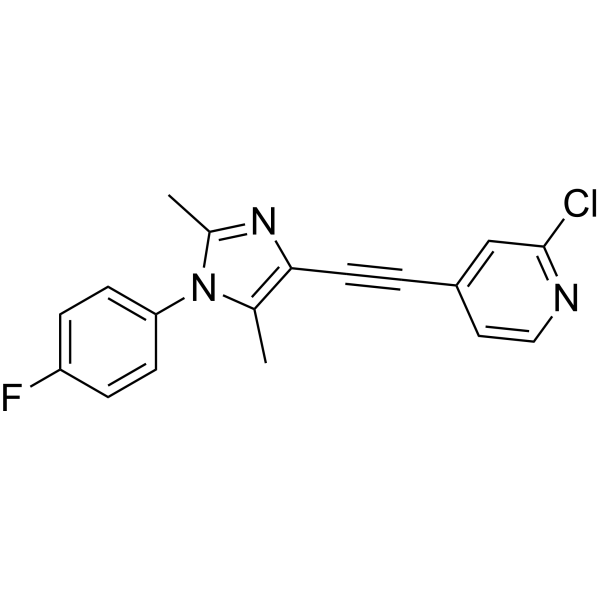
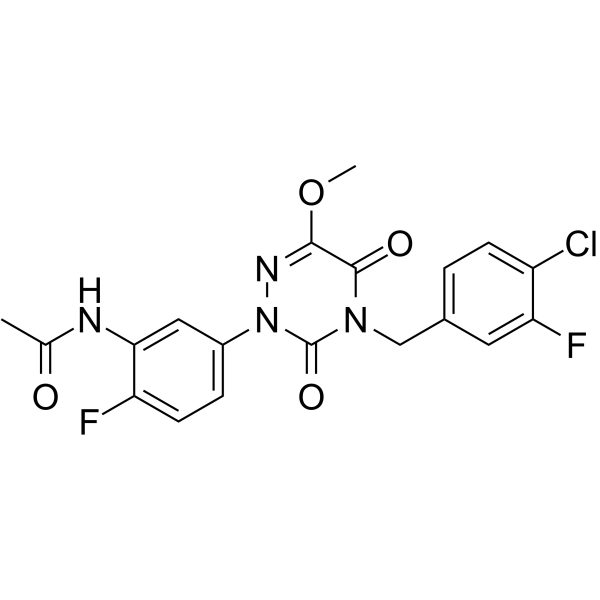
    Basimglurant (RG7090; RO4917523) is a selective, orally active, blood-brain barrier permeable negative allosteric modulator of metabotropic glutamate receptor 5 (mGluR5), with a Ki of 1.4 nM (against [ 3H]-ABP688 (HY-110141)) and 35.6 nM (against [ 3H]-MPEP (HY-14609A)). Basimglurant inhibits mGlu5-mediated signaling pathways and receptor constitutive activity, regulates dopamine levels in the nucleus accumbens, exerts anxiolytic, antidepressant-like, analgesic and arousal-promoting effects, and alters δ-wave power during non-rapid eye movement sleep. Basimglurant can be used in research on depression, fragile X syndrome, anxiety disorders, etc .
    Basimglurant
  • HY-135608

    Sigma Receptor Neurological Disease
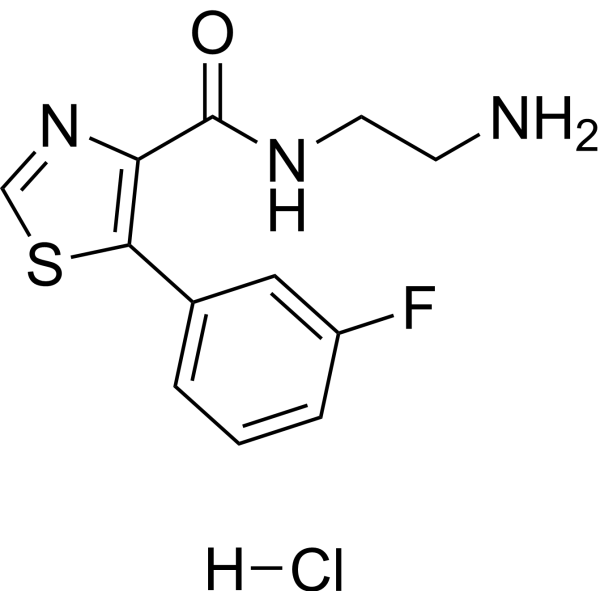
    BD-1008 is a nonselective σ receptor antagonist with Kis against σ1 receptor and σ2 receptor of 2 nM and 8 nM. The BD-1008 has an extremely low affinity for the D2 receptor (Ki = 1112 nM) and dopamine transporter (DAT) (Ki > 10,000 nM). BD-1008 significantly antagonizes dopamine release in the shell region of the nucleus accumbens via the σ₂ receptor. BD-1008 blocks the self-administration behavior of σ agonists.BD-1008 can be used for the study of addiction therapy that target the σ receptor .
    BD-1008
  • HY-128577
    NIC3
    1 Publications Verification

    BTB/POZ Family Cancer
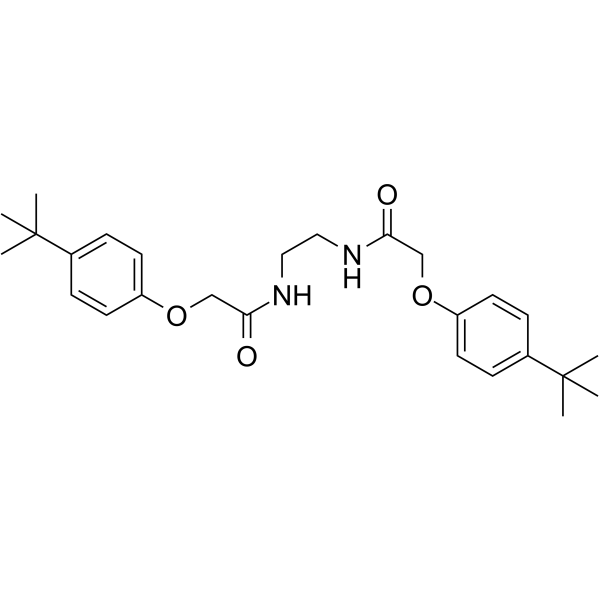
    NIC3 is a selective nucleus accumbens-associated protein-1 (NAC1) inhibitor, binds to the conserved Leu-90 of NAC1, prevents its homodimerization, and leads to proteasomal NAC1 degradation. Anti-cancer activity .
    NIC3
  • HY-12242
    GBR 12935 dihydrochloride
    1 Publications Verification

    Dopamine Transporter Neurological Disease
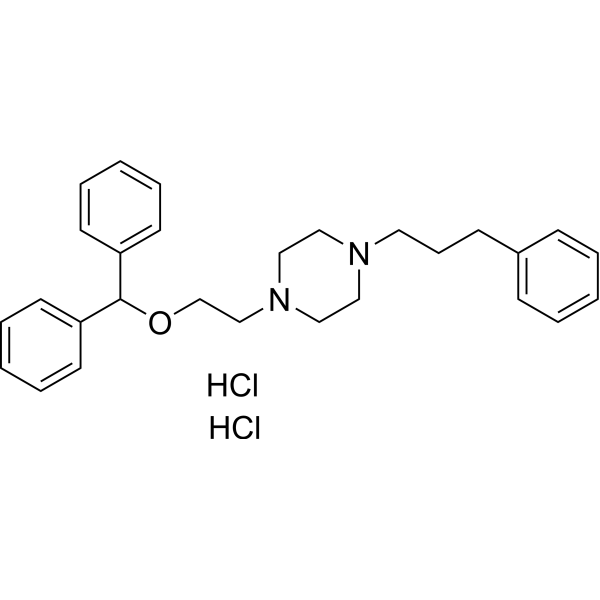
    GBR 12935 dihydrochloride is a potent, and selective dopamine reuptake inhibitor, with the binding constant (Kd) of 1.08 nM in COS-7 cells. GBR 12935 dihydrochloride stimulates the locomotion activity in different mice strains but fails to induce stereotypy. Thus, GBR 12935 dihydrochloride also prevents the d-Fenfluramine-induced head-twitch response in mice .
    GBR 12935 dihydrochloride
  • HY-124619

    EAAT HIV Neurological Disease
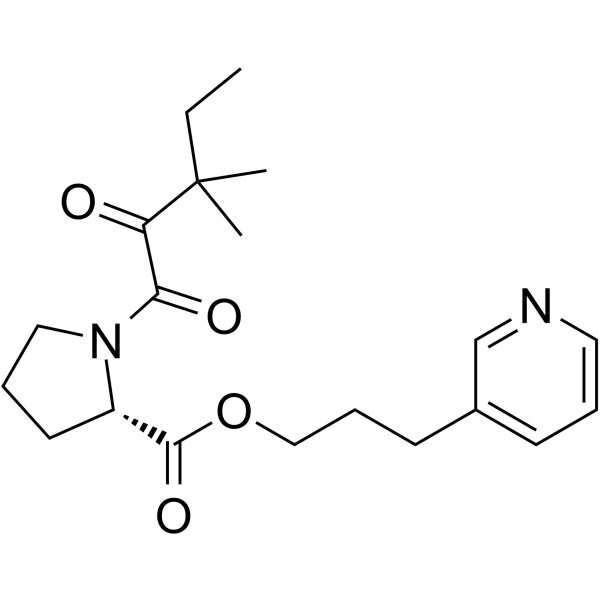
    GPI-1046 is an orally active, antibiotic-free immunophilin ligand that reduces ethanol intake by upregulating glutamate transporter 1 (GLT1) in the prefrontal cortex (PFC) and nucleus accumbens core (NAc-core). GPI-1046 improves human immunodeficiency virus (HIV)-associated sensory neuropathy (HIV-SN) by attenuating store-operated calcium (SOC) entry. GPI-1046 has neuroprotective activity .
    GPI-1046
  • HY-100991

    ZK 39106; LSU-65

    GABA Receptor Neurological Disease
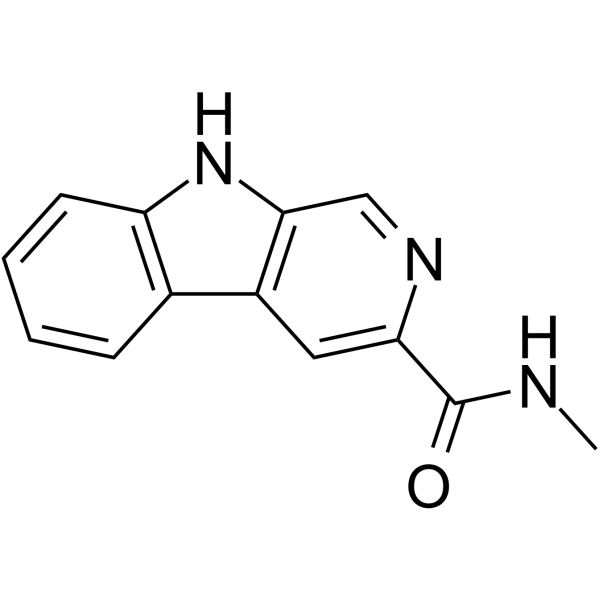
    FG 7142 (ZK 39106; LSU-65), a non-selectively benzodiazepine inverse agonist, has high affinity for the α1 subunit-containing GABAA receptor (Ki=91 nM). FG 7142 (ZK 39106; LSU-65) also modulates GABA-induced chloride flux at GABAA receptors expressing the α1 subunit (EC50= 137 nM). FG 7142 (ZK 39106; LSU-65) can increase tyrosine hydroxylation and cause upregulation of β-adrenoceptors in mouse cerebral cortex .
    FG 7142
  • HY-120511
    KNT-127
    1 Publications Verification

    Opioid Receptor Neurological Disease
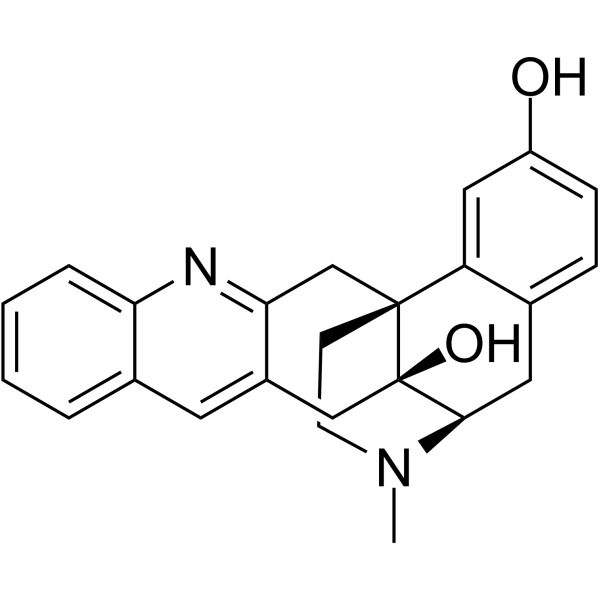
    KNT-127 is a selective and BBB-penetrant δ-opioid receptor (DOR) agonist (Ki = 0.16 nM). KNT-127 is highly selective to the δ receptor, with Ki values of 0.16, 21.3 and 153 nM for δ, μ and κ receptors, respectively. KNT-127 acts as a biased ligand that mainly activates cyclic adenosine monophosphate (cAMP) signaling with lower beta-arrestin signaling activation. KNT-127 increases the release of dopamine and L-glutamate in the striatum, nucleus accumbens, and prefrontal cortex. KNT-127 exhibits antidepressant- and anxiolytic-like effects. KNT-127 can be studied in research on neurological diseases .
    KNT-127
  • HY-118301

    GABA Receptor 5-HT Receptor Neurological Disease
    ADX71441 is an orally active, blood-brain barrier penetrant positive allosteric modulator of GABAB receptor. ADX71441 potentiates the activity of endogenous GABA at GABAB receptor, with an EC50 of 96 nM. ADX71441 functionally inhibits adenosine transporters and 5-HT2B receptor. ADX71441 produces anxiolytic-like, analgesic, muscle relaxant, hypothermic and overactive bladder inhibitory effects, reduces acute locomotor activity levels, decreases voluntary intake of alcohol and saccharin, attenuates stress-induced neuronal activation, and exhibits anti-hyperalgesic activity .
    ADX71441
  • HY-P1341

    Orexin A (17-33) (human, mouse, rat, bovine)

    Orexin Receptor (OX Receptor) Sigma Receptor Phospholipase Neurological Disease
    OXA (17-33) (Orexin A (17-33) (human, mouse, rat, bovine)) is the shortest active orexin peptide that selectively targets OX1 (EC50=8.29 nM), with 23-fold selectivity for the OX1 receptor over the OX2 receptor. The activity of OXA (17-33) depends on the Tyr17, Leu20, Asn25, His26 residues and the spatial conformation of the α-helix. OXA (17-33) activates signaling pathways involving inositol-1,4,5-trisphosphate receptor (IP3R), phospholipase D (PL-D) and choline-Sigma-1R, thereby increasing the cytoplasmic Ca 2+ level in nucleus accumbens neurons, an effect that is blocked by Sigma-1R antagonists. OXA (17-33) serves as an important biological probe for investigating the function of the OX1 receptor. OXA (17-33) can be modified via incorporation of mixed disulfide bonds of homocysteine and cysteamine, and is widely used in studies related to insomnia and narcolepsy .
    OXA(17-33)
  • HY-106584

    Clospipramine

    Drug Derivative Dopamine Receptor 5-HT Receptor Neurological Disease
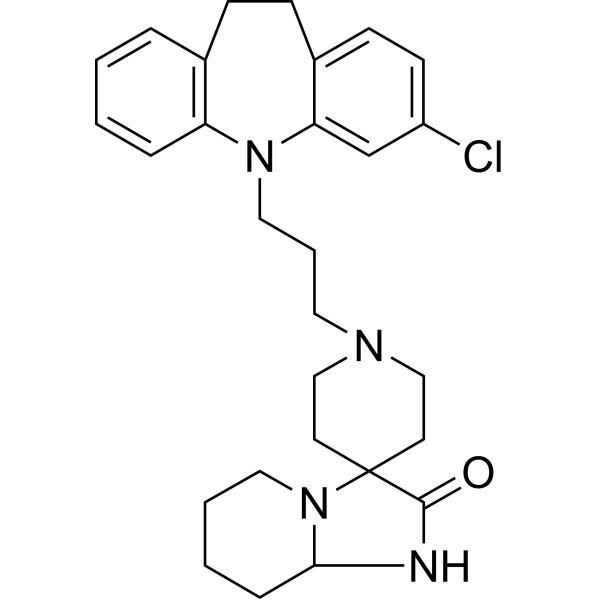
    Mosapramine (Clospipramine) is an orally active antipsychotic agent and one of the metabolites of Clocapramine (HY-B2073) after oral absorption. Mosapramine exerts its effects by specifically binding to striatal dopamine D2 receptors and frontal lobe 5-HT2 receptors, with a D2/5-HT2 receptor occupancy ratio of 7.4. Mosapramine induces typical neuropharmacological responses in rat brain regions, including extrapyramidal symptoms, hyperprolactinemia, increased salivation, constipation, and upregulated Fos protein expression. Mosapramine also features a reduced incidence of weight loss. Mosapramine is applicable to research related to schizophrenia .
    Mosapramine
  • HY-P1329A
    CTOP TFA
    1 Publications Verification

    Opioid Receptor Neurological Disease
    CTOP TFA is a potent and highly selective μ-opioid receptor antagonist. CTOP TFA antagonizes the acute analgesic effect and hypermotility. CTOP TFA enhances extracellular dopamine levels in the nucleus accumbens. CTOP TFA dose-dependently enhances locomotor activity .
    CTOP TFA
  • HY-13340
    VU0152100
    1 Publications Verification

    VU152100

    mAChR Neurological Disease
    VU0152100 (VU152100) is a highly selective mAChR positive allosteric modulator (permeable to the blood-brain barrier). VU0152100 reverses Amphetamine-induced hypermotility in rats and increased levels of extracellular dopamine in nucleus accumbens and caudate-putamen. VU0152100 has good research potential in psychosis and cognitive impairment associated with mental disorders such as schizophrenia .
    VU0152100
  • HY-117902

    Dopamine Transporter Neurological Disease
    SRI-31142 is a putative, brain-penetrant allosteric inhibitor of the dopamine transporter (DAT). In behavioral studies using intracranial self-stimulation (ICSS), SRI-31142 did not produce the abuse-related effects seen with cocaine and GBR-12935, but instead reduced ICSS responses and dopamine levels in the nucleus accumbens (NAc) at effective doses. SRI-31142 also blocked cocaine-induced increases in ICSS and NAc dopamine .
    SRI-31142
  • HY-177508

    Cholecystokinin Receptor Neurological Disease
    BC264 is a highly potent and selective CCK-B agonist that crosses the blood-brain barrier. BC264 increases dopamine in the nucleus accumbens and facilitates motivation and attention in rats .
    BC264
  • HY-P1329

    Opioid Receptor Neurological Disease
    CTOP is a potent and highly selective μ-opioid receptor antagonist. CTOP antagonizes the acute morphine-induced analgesic effect and hypermotility. CTOP enhances extracellular dopamine levels in the nucleus accumbens. CTOP dose-dependently enhances locomotor activity .
    CTOP
  • HY-107121

    LY 2196044

    Opioid Receptor Neurological Disease
    Ondelopran (LY 2196044) is a non-selective opioid receptor antagonist. Ondelopran inhibits the release of dopamine in the nucleus accumbens induced by alcohol, reduces the rewarding effect of alcohol consumption, and lowers the craving. Ondelopran can be used for alcohol use disorder (AUD) .
    Ondelopran
  • HY-P3555

    Opioid Receptor Others
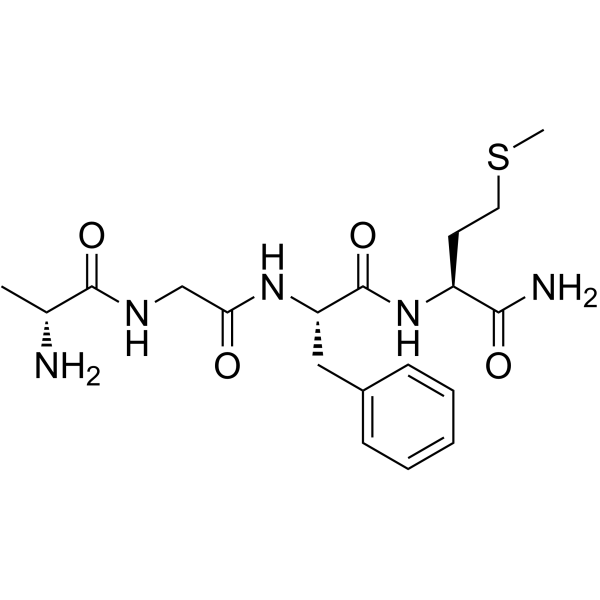
    D-Ala-Gly-Phe-Met-NH2, an opioid peptide, is a potent opiate δ-receptor agonist .
    D-Ala-Gly-Phe-Met-NH2
  • HY-P10405A

    Dopamine Receptor Neurological Disease
    TAT-D1 peptide acetate is a dopamine D1-D2 receptor heterodimer inhibitor. TAT-D1 peptide acetate disrupts the function of dopamine D1-D2 receptor heteromers, enhances subchronic amphetamine-induced locomotor activity, and exacerbates the expression of amphetamine-induced locomotor sensitization. TAT-D1 peptide acetate produces rapid anxiolytic and antidepressant-like effects in rat models of depression and anxiety, and inhibits c-fos expression in the nucleus accumbens of rats. TAT-D1 peptide acetate can be used in the research of psychostimulant addiction, depression and anxiety disorders .
    TAT-D1 peptide acetate
  • HY-100966

    Sigma Receptor Neurological Disease
    BD-1008 dihydrobromide is a nonselective σ receptor antagonist with Kis against σ1 receptor and σ2 receptor of 2 nM and 8 nM. The BD-1008 dihydrobromide has an extremely low affinity for the D2 receptor (Ki = 1112 nM) and dopamine transporter (DAT) (Ki > 10,000 nM). BD-1008 dihydrobromide significantly antagonizes dopamine release in the shell region of the nucleus accumbens via the σ₂ receptor. BD-1008 dihydrobromide blocks the self-administration behavior of σ agonists.BD-1008 dihydrobromide can be used for the study of addiction therapy that target the σ receptor .
    BD-1008 dihydrobromide
  • HY-114753

    CR-2249; XY-2401

    iGluR Neurological Disease
    Neboglamine (CR-2249; XY-2401) is a modulator for N-methyl-D-aspartate (NMDA) receptor. Neboglamine increases the levels of fos-like immunoreactivity (FLI)-positive cells in the prefrontal cortex, nucleus accumbens, and lateral septal nucleus in rat models, .restores NMDA (HY-17551) -mediated neurotransmitter release, and inhibits phencyclidine-induced hyperlocomotion .
    Neboglamine
  • HY-12242A

    Dopamine Transporter Neurological Disease
    GBR 12935 is a potent, and selective dopamine reuptake inhibitor, with the binding constant (Kd) of 1.08 nM in COS-7 cells. GBR 12935 stimulates the locomotion activity in different mice strains but fails to induce stereotypy. Thus, GBR 12935 also prevents the d-Fenfluramine-induced head-twitch response in mice .
    GBR 12935
  • HY-117436

    Dopamine Receptor Cardiovascular Disease
    R(+)-6-Bromo-APB hydrobromide is a dopamine (DA) agonist. R(+)-6-Bromo-APB hydrobromide increased the expression of µ opioid receptor (MOR) mRNA in the nucleus accumbens .
    R(+)-6-Bromo-APB hydrobromide
  • HY-P10405

    Dopamine Receptor Neurological Disease
    TAT-D1 peptide is a dopamine D1-D2 receptor heterodimer inhibitor. TAT-D1 peptide disrupts the function of dopamine D1-D2 receptor heteromers, enhances subchronic amphetamine-induced locomotor activity, and exacerbates the expression of amphetamine-induced locomotor sensitization. TAT-D1 peptide produces rapid anxiolytic and antidepressant-like effects in rat models of depression and anxiety, and inhibits c-fos expression in the nucleus accumbens of rats. TAT-D1 peptide can be used in the research of psychostimulant addiction, depression and anxiety disorders .
    TAT-D1 peptide
  • HY-136800

    Thyroid Hormone Receptor Endocrinology
    Posatirelin, a TRH analog, increases monoamine metabolites in the cerebral cortex, nucleus accumbens, and striatum, and possibly exerts CNS activating effects through a modification of several neurotransmitter systems .
    Posatirelin
  • HY-10847A

    SB-277011A dihydrochloride

    Dopamine Receptor Neurological Disease
    SB-277011 dihydrochloride (SB-277011A dihydrochloride) is a potent, selective, orally bioavailable and brain penetrate dopamine D3 receptor antagonist, with pKis of 8.0, 6.0, <5.2 and 5.9 for D3, D2, 5-HT1B, and 5-HT1D receptors, respectively.
    SB-277011 dihydrochloride
  • HY-P3555A

    Opioid Receptor Others
    D-Ala-Gly-Phe-Met-NH2 monoacetate, an opioid peptide, is a potent opiate δ-receptor agonist .
    D-Ala-Gly-Phe-Met-NH2 monoacetate
  • HY-106153B

    Sigma Receptor Neurological Disease
    E-5842 citrate is a σ receptor ligand (Ki: 4 nM for σ1 receptor). E-5842 citrate increases levels of Fos in the medial prefrontal cortex and the nucleus accumbens, without affecting the levels of the protein in the striatum. E-5842 citrate can be used in the research of psychiatric disorders .
    E-5842 citrate
  • HY-100998

    iGluR Neurological Disease
    Metaphit is a specific PCPantagonist and site-directed acylating agent of the [3H]phencyclidine binding site in rat brain homogenates . Metaphit prevents PCP-induced locomotor behavior through presynaptic mechanisms .
    Metaphit
  • HY-12242B

    Dopamine Transporter Neurological Disease
    GBR 12935 fumarate is a potent, and selective dopamine reuptake inhibitor, with the binding constant (Kd) of 1.08 nM in COS-7 cells. GBR 12935 fumarate stimulates the locomotion activity in different mice strains but fails to induce stereotypy. Thus, GBR 12935 fumarate also prevents the d-Fenfluramine-induced head-twitch response in mice .
    GBR 12935 fumarate
  • HY-12242R

    Dopamine Transporter Neurological Disease
    GBR 12935 (dihydrochloride) (Standard) is the analytical standard of GBR 12935 (dihydrochloride). This product is intended for research and analytical applications. GBR 12935 dihydrochloride is a potent, and selective dopamine reuptake inhibitor, with the binding constant (Kd) of 1.08 nM in COS-7 cells. GBR 12935 dihydrochloride stimulates the locomotion activity in different mice strains but fails to induce stereotypy. Thus, GBR 12935 dihydrochloride also prevents the d-Fenfluramine-induced head-twitch response in mice .
    GBR 12935 dihydrochloride (Standard)
  • HY-13340R

    VU152100 (Standard)

    mAChR Reference Standards Neurological Disease
    VU0152100 (Standard) is the analytical standard of VU0152100. This product is intended for research and analytical applications. VU0152100 (VU152100) is a highly selective mAChR positive allosteric modulator (permeable to the blood-brain barrier). VU0152100 reverses Amphetamine-induced hypermotility in rats and increased levels of extracellular dopamine in nucleus accumbens and caudate-putamen. VU0152100 has good research potential in psychosis and cognitive impairment associated with mental disorders such as schizophrenia .
    VU0152100 (Standard)
  • HY-100991R

    ZK 39106 (Standard); LSU-65 (Standard)

    Reference Standards GABA Receptor Neurological Disease
    FG 7142 (Standard) is the analytical standard of FG 7142. This product is intended for research and analytical applications. FG 7142 (ZK 39106; LSU-65), a non-selectively benzodiazepine inverse agonist, has high affinity for the α1 subunit-containing GABAA receptor (Ki=91 nM). FG 7142 (ZK 39106; LSU-65) also modulates GABA-induced chloride flux at GABAA receptors expressing the α1 subunit (EC50= 137 nM). FG 7142 (ZK 39106; LSU-65) can increase tyrosine hydroxylation and cause upregulation of?β-adrenoceptors in mouse cerebral cortex .
    FG 7142 (Standard)
  • HY-116268

    Neurokinin Receptor Neurological Disease
    GSK256471 is a non-peptide tachykinin NK3 receptor antagonist with a pKi of 8.9 for the human recombinant NK3 receptor and 8.4 for the guinea pig native receptor. GSK256471 exhibits >100-fold selectivity for NK1 (pKi = 5.2) and NK2 (pKi = 7.3) receptors. GSK256471 noncompetitively inhibits neurokinin B (NKB) (HY-P0242)-induced inositol phosphate accumulation, and this inhibition is irreversible. GSK256471 inhibits wet dog shaking behavior and suppresses dopamine release. GSK256471 could be used to study schizophrenia .
    GSK256471
  • HY-100966S

    Isotope-Labeled Compounds Sigma Receptor Neurological Disease
    BD-1008-d5 dihydrobromide is the deuterium labeled BD-1008 dihydrobromide (HY-100966). BD-1008 dihydrobromide is a nonselective σ receptor antagonist with Kis against σ1 receptor and σ2 receptor of 2 nM and 8 nM. The BD-1008 dihydrobromide has an extremely low affinity for the D2 receptor (Ki = 1112 nM) and dopamine transporter (DAT) (Ki > 10,000 nM). BD-1008 dihydrobromide significantly antagonizes dopamine release in the shell region of the nucleus accumbens via the σ₂ receptor. BD-1008 dihydrobromide blocks the self-administration behavior of σ agonists.BD-1008 dihydrobromide can be used for the study of addiction therapy that target the σ receptor .
    BD-1008-d5 dihydrobromide
  • HY-167973

    GABA Receptor Neurological Disease
    GABA-palmitamide is a GABA-responsive compound. GABA-palmitamide exhibits a dose-dependent bidirectional regulatory effect on the stereotyped behavior induced by Apomorphine (HY-12723): high doses inhibit motor behavior, while low doses enhance stereotyped behaviors in the oral cavity. GABA-palmitamide can be used in research on behavior regulation .
    GABA-palmitamide
  • HY-182504

    Dopamine Receptor 5-HT Receptor Adrenergic Receptor Neurological Disease
    NRA‑0562 is a dopamine antagonist with high affinities for dopamine D1/D2/D3/D4, 5‑HT2A and α1‑adrenoceptors. NRA-0562 dose‑dependently reverses induced suppression of firing activity in rat A9 and A10 midbrain dopamine neurons, with preferential potency at A10 neurons (ED50 = 0.3 mg/kg). NRA-0562 elevates Fos-like immunoreactivity in rat nucleus accumbens and dorsolateral striatum. NRA-0562 can be used for preclinical research on schizophrenia . .
    NRA-0562
  • HY-114515

    RG7090 sulfate; RO4917523 sulfate

    mGluR Neurological Disease
    Basimglurant (RG7090; RO4917523) sulfate is a selective, orally active, blood-brain barrier permeable negative allosteric modulator of metabotropic glutamate receptor 5 (mGluR5), with a Ki of 1.4 nM (against [ 3H]-ABP688 (HY-110141)) and 35.6 nM (against [ 3H]-MPEP (HY-14609A)). Basimglurant sulfate inhibits mGlu5-mediated signaling pathways and receptor constitutive activity, regulates dopamine levels in the nucleus accumbens, exerts anxiolytic, antidepressant-like, analgesic and arousal-promoting effects, and alters δ-wave power during non-rapid eye movement sleep. Basimglurant sulfate can be used in research on depression, fragile X syndrome, anxiety disorders, etc .
    Basimglurant sulfate
  • HY-15446R

    RG7090 (Standard); RO4917523 (Standard)

    Reference Standards mGluR Neurological Disease
    Basimglurant (RG7090; RO4917523) (Standard) is the analytical standard of Basimglurant. This product is intended for research and analytical applications. Basimglurant is a selective, orally active, blood-brain barrier permeable negative allosteric modulator of metabotropic glutamate receptor 5 (mGluR5), with a Ki of 1.4 nM (against [ 3H]-ABP688 (HY-110141)) and 35.6 nM (against [ 3H]-MPEP (HY-14609A)). Basimglurant inhibits mGlu5-mediated signaling pathways and receptor constitutive activity, regulates dopamine levels in the nucleus accumbens, exerts anxiolytic, antidepressant-like, analgesic and arousal-promoting effects, and alters δ-wave power during non-rapid eye movement sleep. Basimglurant can be used in research on depression, fragile X syndrome, anxiety disorders, etc.
    Basimglurant (Standard)
  • HY-W700204

    Dopamine Receptor Neurological Disease
    N-(p-Aminophenethyl) spiperone is a selective D2-like dopamine receptor antagonist. N-(p-Aminophenethyl) spiperone binds to the ligand recognition sites of functional D2 and D3 dopamine receptors. N-(p-Aminophenethyl) spiperone serves as a research tool compound for labeling, localizing and identifying D2 and D3 dopamine receptors .
    N-(p-Aminophenethyl)spiperone
  • HY-P0267A

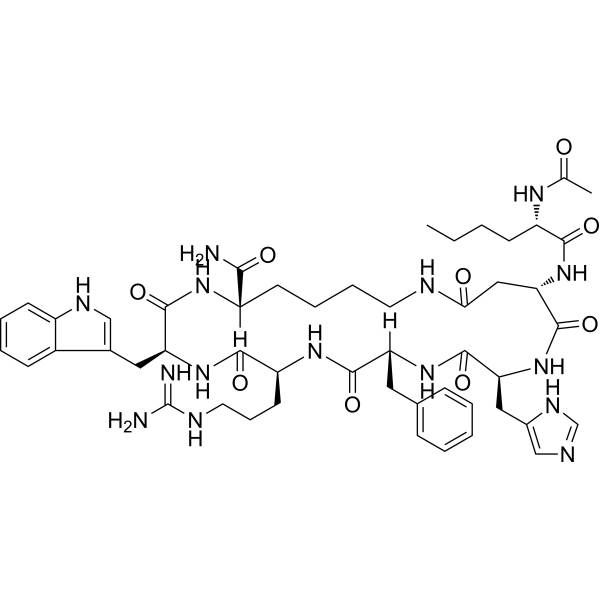
    Melanocortin Receptor Neurological Disease Metabolic Disease Endocrinology
    Melanotan (MT)-II acetate is a melanocortin receptor agonist that crosses the blood-brain barrier. Melanotan (MT)-II acetate activates melanocortin receptor 3 and melanocortin receptor 4, and stimulates the release of central endogenous oxytocin. Melanotan (MT)-II acetate reverses recognition memory impairment, increased anxiety levels and reduced exploratory tendency in zebrafish exposed to short-term high-fat diet. Melanotan (MT)-II acetate improves impaired social behavior indicators in mouse models of autism spectrum disorder. Melanotan (MT)-II acetate induces weight loss, reduces food intake and exerts anorectic effects. Melanotan (MT)-II acetate increases intracavernous pressure and erectile activity in brown rats. Melanotan (MT)-II acetate can be used in studies related to memory impairment, anxiety, reduced exploratory behavior, autism spectrum disorder, obesity and erectile dysfunction .
    Melanotan (MT)-II acetate
  • HY-D3420

    Fluorescent Dye Neurological Disease
    Neuro-DiI is a red retrograde Fluorescent tracer. Neuro-DiI is transported retrogradely to the cell bodies in the ventral tegmental area and labels ventral tegmental area neurons with red fluorescence .
    Neuro-DiI

Inquiry Online

Your information is safe with us. * Required Fields.

Salutation


Country or Region *

Applicant Name *


Organization Name *

Department *


Email Address *


Product Name *

Cat. No.


Requested quantity *

Phone Number *


Remarks

Inquiry Online

Inquiry Information

Product Name:
Cat. No.:
Quantity:
MCE Japan Authorized Agent:

