EAAT
Excitatory amino acid transporter ; Glutamate transporter;
Excitatory amino acid transporters or EAATs are the major transport mechanism for extracellular glutamate in the nervous system. This family of five carriers (EAAT1-5 ) not only displays an impressive ability to regulate ambient extracellular glu concentrations but also regulate the temporal and spatial profile of glu after vesicular release. This dynamic form of regulation mediates several characteristic of synaptic, perisynaptic, and spillover activation of ionotropic and metabotropic receptors. EAATs function through a secondary active, electrogenic process but also possess a thermodynamically uncoupled ligand gated anion channel activity, both of which have been demonstrated to play a role in regulation of cellular activity.
The glial glutamate transporter EAAT2 plays a major role in glutamate clearance. EAAT2 can be upregulated by transcriptional or translational activation.EAAT2 is a potential target for the prevention of excitotoxicity.
EAAT Isoform Specific Products
All Product Categories
-
Productos relacionados con EAAT (51)
Productos relacionados con (51)

-
Antibodies (3)
-
EAAT Isoform Comparison
-
Evans Blue
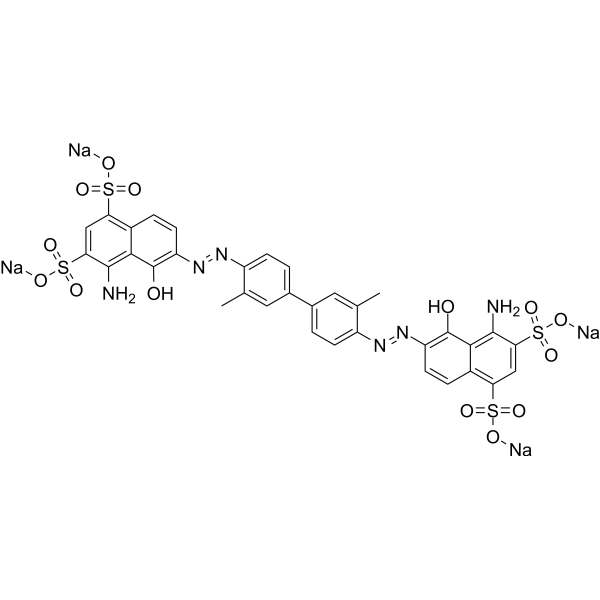 0 ImagesSynonyms: Direct Blue 53; T-1824; C.I. 23860Evans Blue (Direct Blue 53; T-1824; C.I. 23860) is a potent inhibitor of L-glutamate uptake via the membrane bound excitatory amino acid transporter (EAAT). Evans Blue is a L-glutamate and kainate receptor-mediated currents inhibitor. Evans Blue has a strong affinity towards serum albumin, making it a high molecular weight protein tracer. Evans Blue is also used to study BBB (blood-brain barrier) permeability.
-
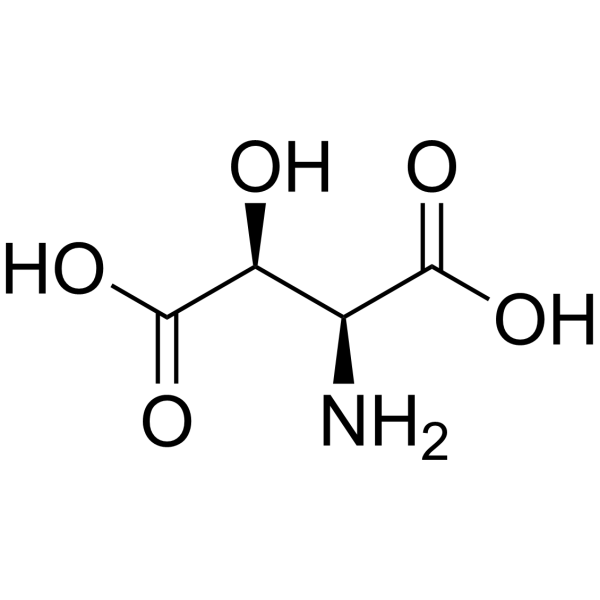
DL-TBOA
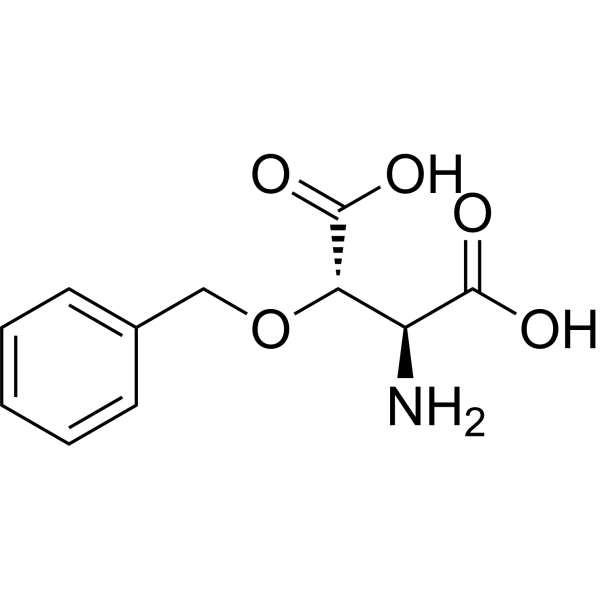 0 ImagesDL-TBOA is a potent non-transportable inhibitor of excitatory amino acid transporters with IC50s of 70 μM, 6 μM and 6 μM for excitatory amino acid transporter-1 (EAAT1), EAAT2 and EAAT3, respectively. DL-TBOA inhibits the uptake of [14C]glutamate in COS-1 cells expressing the human EAAT1 and EAAT2 with Ki valuesof 42 μM and 5.7 μM, respectively. DL-TBOA blocks EAAT4 and EAAT5 in a competitive manner with Ki values of 4.4 μM and 3.2 μM, respectively.
-
UCPH-101
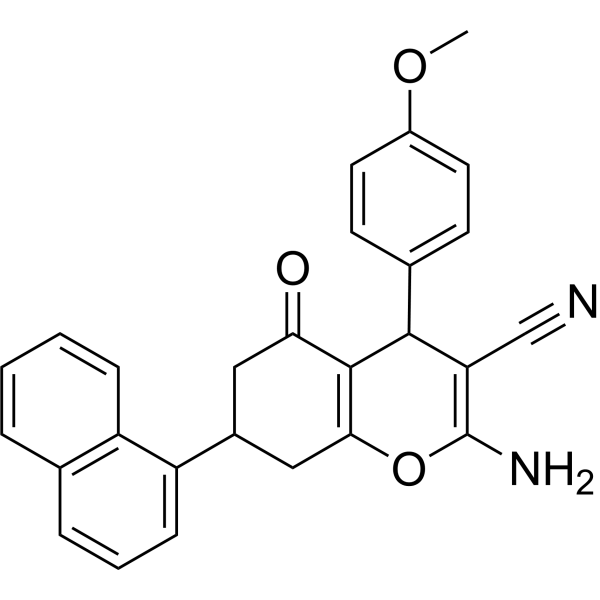 0 ImagesUCPH-101 is an excitatory amino acid transporter subtype 1 (EAAT1) inhibitor with an IC50 of 0.66 μM.
-
LDN-212320
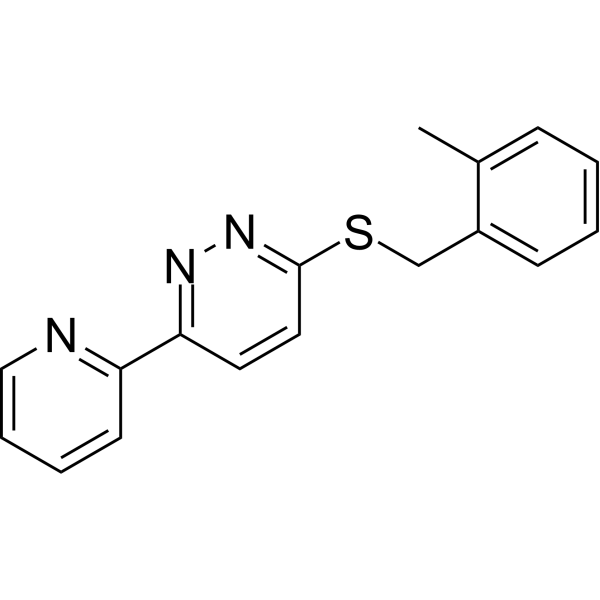 0 ImagesSynonyms: LDN-0212320; OSU-0212320LDN-212320 (LDN-0212320) is a glutamate transporter (GLT-1)/excitatory amino acid transporter 2 (EAAT2) activator (at translational level). LDN-212320 (LDN-0212320) prevents nociceptive pain by upregulating astroglial GLT-1 expression in the hippocampus and ACC[1]
-
MC-100093
 0 ImagesMC-100093 is an orally active, blood-brain barrier-permeable GLT-1 expression upregulator. MC-100093 upregulates the expression of GLT-1 and xCT in rats, and alleviates sedative agent-induced GLT-1 downregulation, IL-6 upregulation and motor hyperactivity. MC-100093 upregulates GLT-1 expression and enhances glutamate uptake in astrocyte-neuron co-culture systems. MC-100093 reduces ethanol consumption and preference, and exerts gender-specific antidepressant-like effects. MC-100093 can be used in studies related to sedative agent overdose, mood disorders and alcohol use disorders.
-
TFB-TBOA
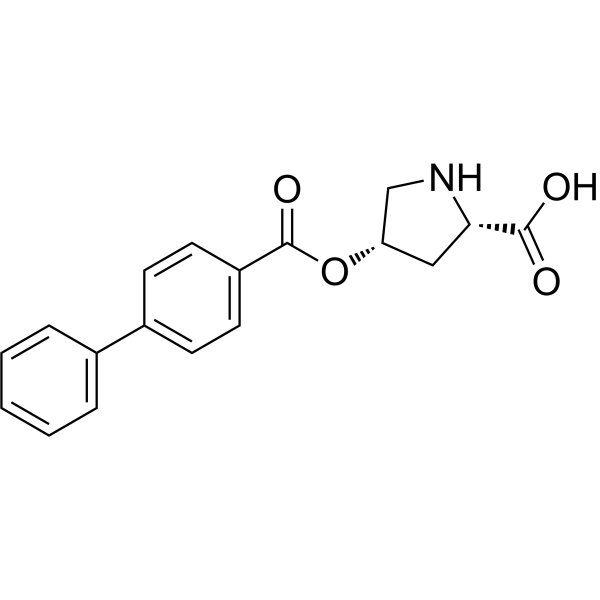
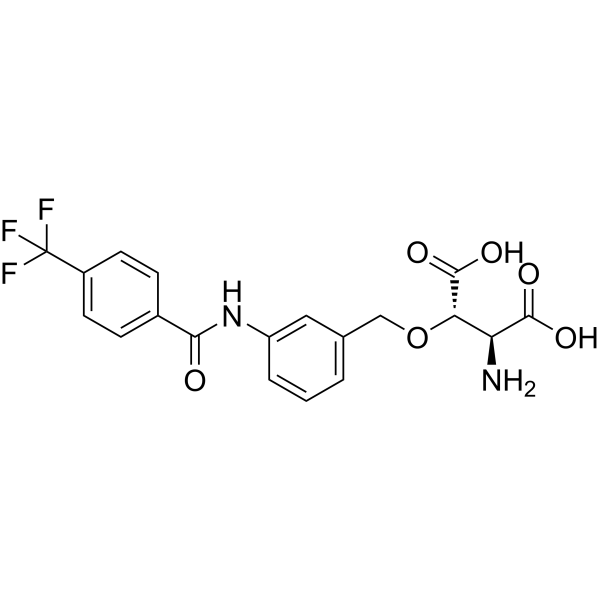 0 ImagesSynonyms: CF3-Bza-TBOATFB-TBOA (CF3-Bza-TBOA) is a potent glutamate transporter blocker that potently suppresses the activity of glial transporters. TFB-TBOA shows IC50 values of 22, 17, and 300 nM for glutamate transporters EAAT1, EAAT2, and EAAT3 respectively in an uptake assay using cells transiently expressing EAATs.
-
Dihydrokainic acid
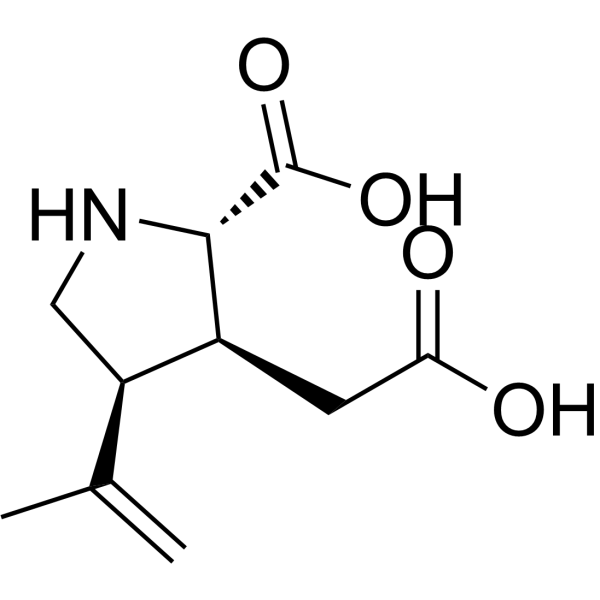
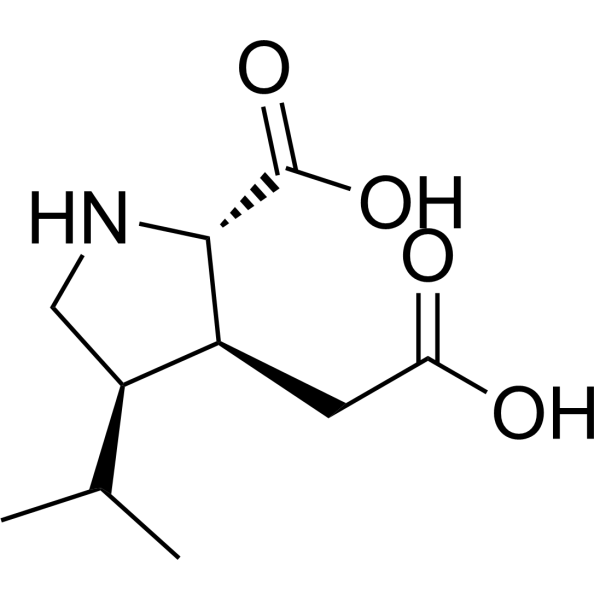 0 ImagesDihydrokainic acid is a glutamate transporters (especially GLT1) inhibitor. Dihydrokainic acid targets GLT1 with high affinity, effectively inhibiting its transport function. Dihydrokainic acid exerts its effect by inhibiting the uptake of glutamate, leading to an increase in extracellular glutamate concentration, thereby affecting neuronal excitability and neurotransmission. Dihydrokainic acid is mainly applied in the field of neuroscience for research on glutamate-related neural functions, epilepsy, learning, and memory.
-
Cefadroxil
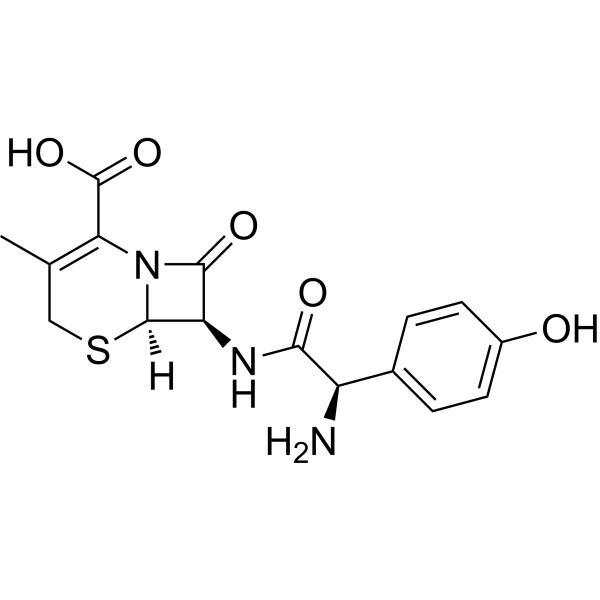 0 ImagesSynonyms: BL-S 578Cefadroxil is an orally active broad-spectrum cephalosporin antibiotic. Cefadroxil inhibits bacterial cell wall synthesis and enhances the expression of glutamate transporter-1. Cefadroxil is dependent on the intestinal peptide transporter PepT1 for small intestinal absorption. Cefadroxil has inhibitory and bactericidal activity against a variety of Gram-positive and Gram-negative bacteria and has analgesic effects on neuropathic pain.
-
Arundic Acid
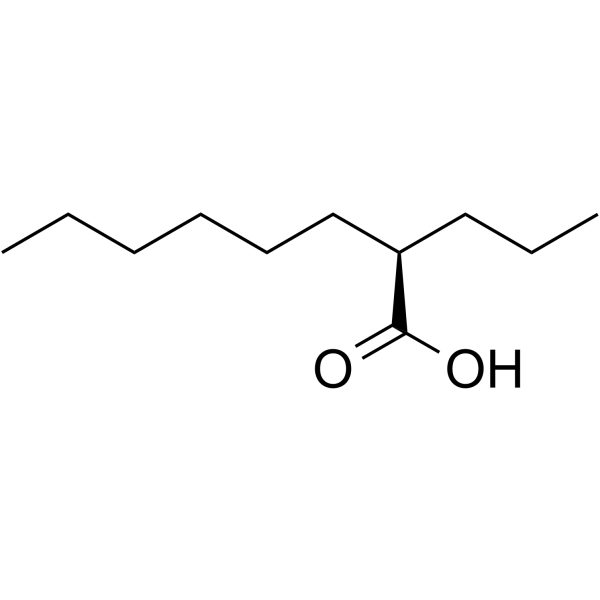 0 ImagesSynonyms: ONO-2506; (R)-2-Propyloctanoic acidArundic Acid is an orally effective astrocyte function modulator and neuroprotective agent. Arundic Acid increases the expression and function of the astrocytic glutamate transporter EAAT1 by activating the ERK, Akt and NF-κB pathways. Arundic Acid attenuates retinal ganglion cell death in a normal-tension glaucoma model. Arundic Acid exerts neuroprotective effects in a mouse model of Parkinson's disease. Arundic Acid is a S100β protein synthesis inhibitor that prevents neurological deficits and brain tissue damage after intracerebral hemorrhage in rats. Arundic Acid downregulates neuroinflammation and astrocytic dysfunction after status epilepticus in immature rats. Arundic Acid is applicable to research related to Parkinson's disease, cerebral ischemia, glaucoma, intracerebral hemorrhage and epilepsy.
-
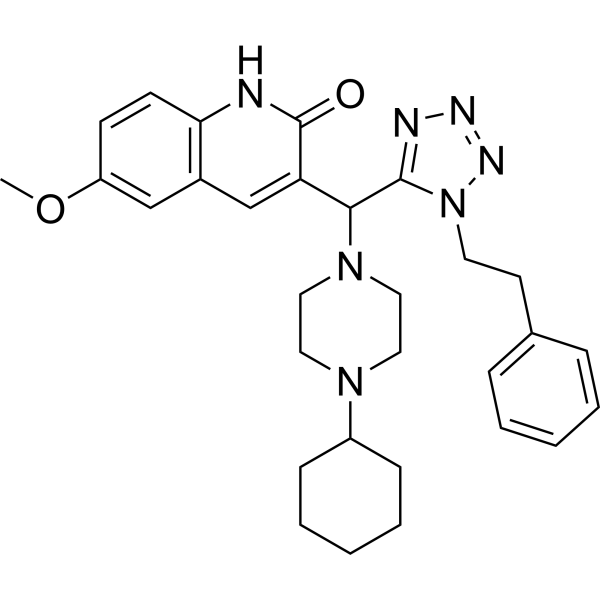
NA-014
 0 ImagesNA-014 is an excitatory amino acid transporter 2 (EAAT2)-selective positive allosteric modulator. NA-014 increases EAAT2-mediated glutamate uptake. NA-014 can be used for the research of epilepsy, neuropathic pain, stroke, drugs of abuse disorders.
-
5-Fluoro-L-tryptophan
 0 ImagesSynonyms: L-5-Fluorotryptophan5-Fluoro-L-tryptophan is a competitive vesicular glutamate transporter (VGLUT) inhibitor. 5-Fluoro-L-tryptophan is promising for research of diseases associated with the neurotransmitter systems.
-
UCPH-102
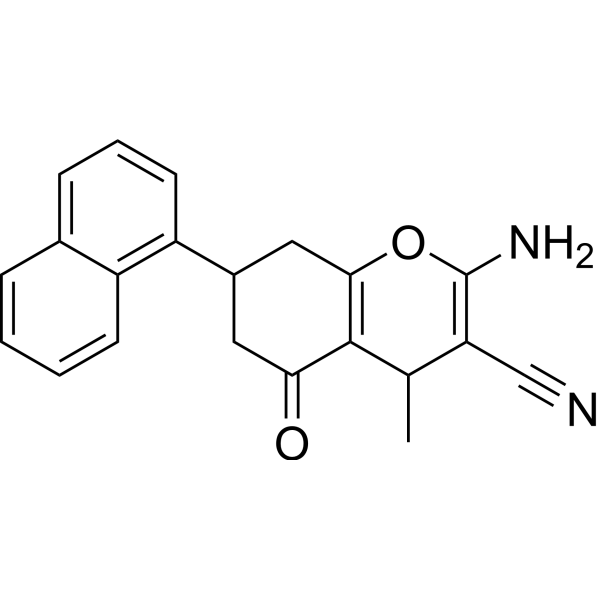 0 ImagesUCPH-102 is a highly selective EAAT1 inhibitor with an IC50 of 0.43 µM. UCPH-102 exhibits a specific anti-proliferative effect on T-ALL cells. UCPH-102 also shows good blood-brain permeability, which can be used in studies of amyotrophic lateral sclerosis, Alzheimer’s disease, chronic pain and obsessive compulsive disorder.
-
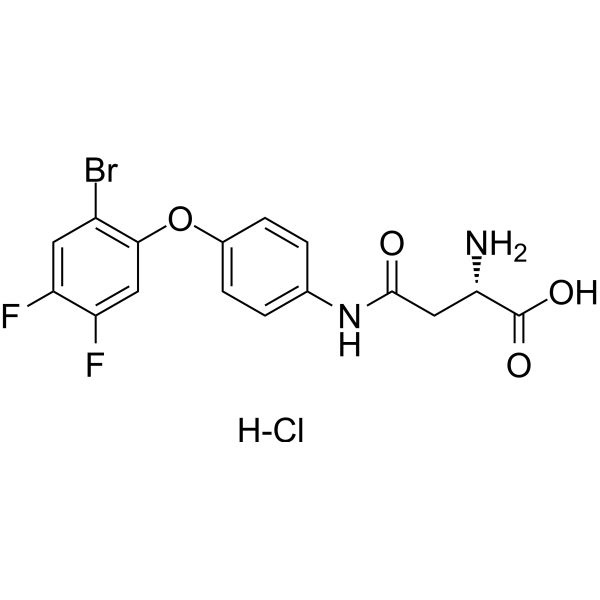
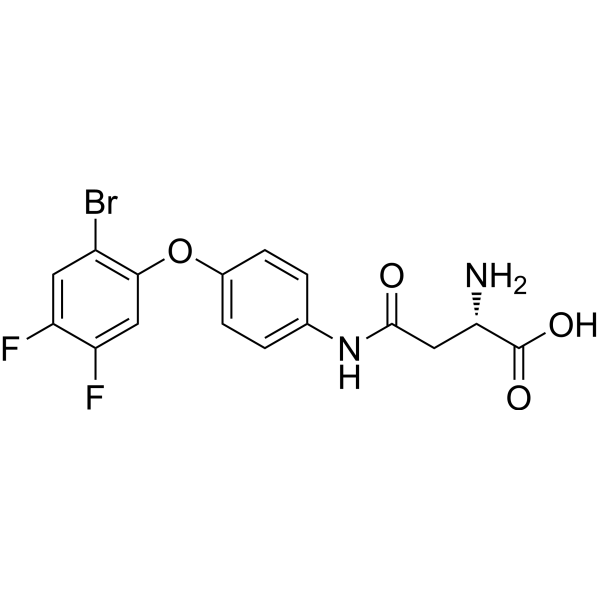
EAAT2 activator 1
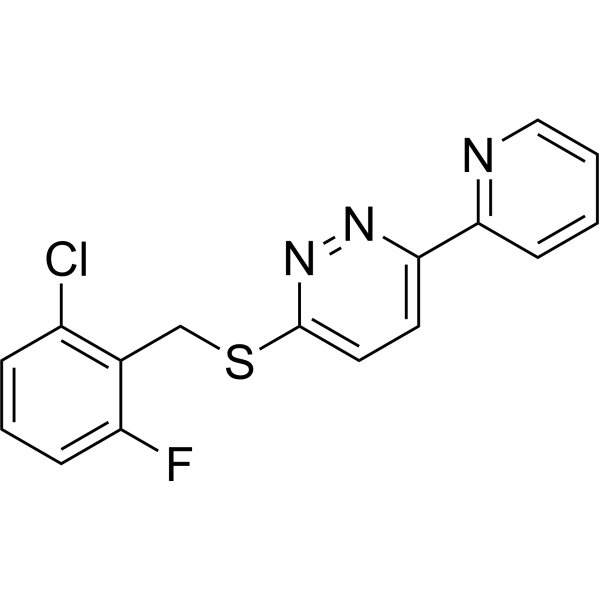 0 ImagesEAAT2 activator 1 is the potent activator of excitatory amino acid transporter 2 (EAAT2). EAAT2 is the major glutamate transporter and functions to remove glutamate from synapses. EAAT2 activator 1 increases EAAT2 protein levels dose-dependently.
-
SYM 2081
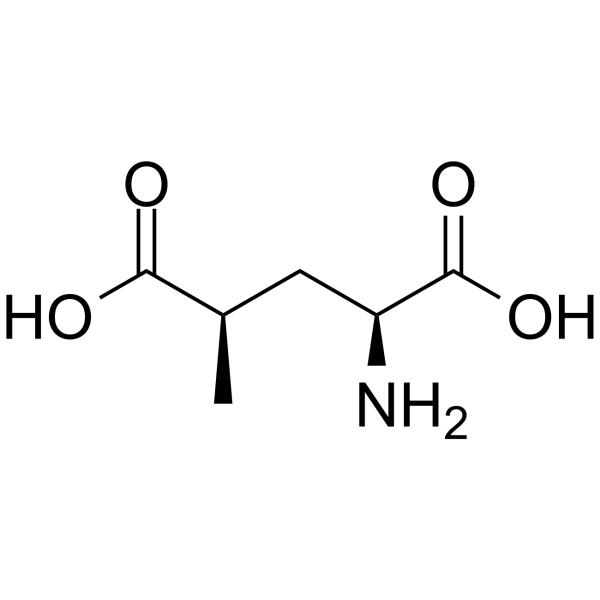 0 ImagesSYM 2081 is a kainate receptor agonist. SYM 2081 is a substrate of EAAT1 (Km of 54 μM). SYM 2081 inhibits EAAT2-mediated glutamate transport (Kb is 3.4 μM in Xenopus oocytes), modulates Apoptotic signaling pathways (increases Bcl-2 and decreases Bax/caspase-3 expression). SYM 2081 exhibits neuroprotective activity. SYM 2081 can be used in the study of hypoxic-ischemic brain damage and inflammatory or neuropathic pain.