
1. Search Result
Search Result
Results for "

UV-induced

" in MedChemExpress (MCE) Product Catalog:

20

Inhibitors & Agonists

1

Biochemical Assay Reagents

8

Natural
Products

2

Isotope-Labeled Compounds

Cat. No. Product Name Target Research Areas Chemical Structure
  • HY-19700
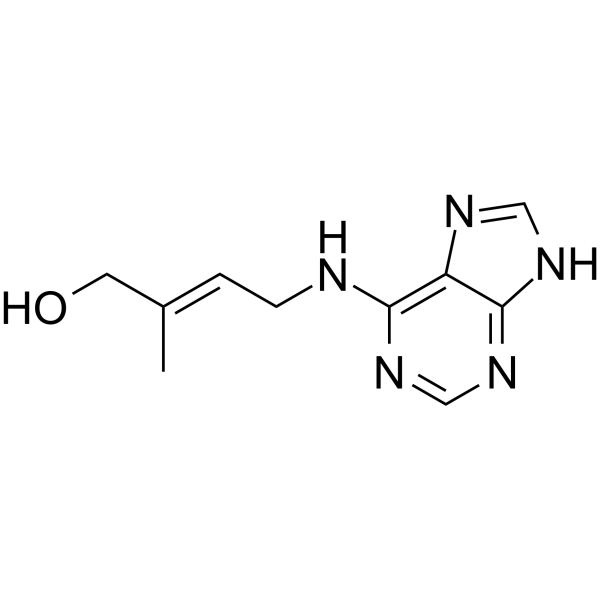
    trans-Zeatin
    3 Publications Verification

    Environmental Pollutants Endogenous Metabolite MEK ERK Others
    trans-Zeatin is a plant cytokinin, which plays an important role in cell growth, differentiation, and division; trans-Zeatin also inhibits UV-induced MEK/ERK activation.
    trans-Zeatin
  • HY-N6821

    Drug Derivative Inflammation/Immunology Cancer
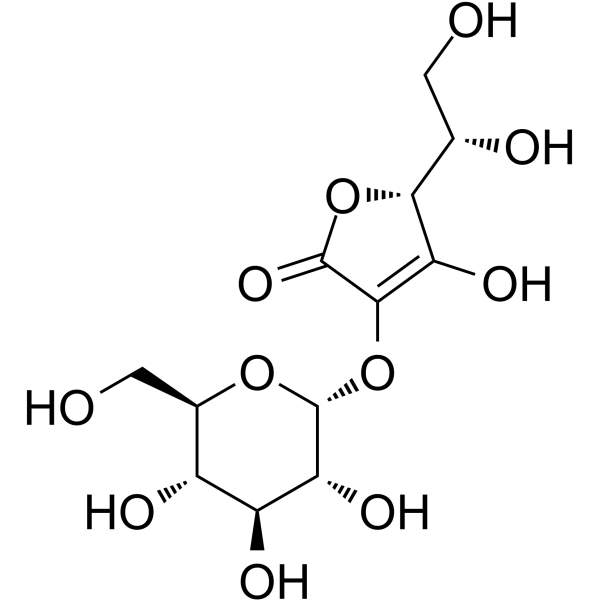
    2-O-α-D-Glucopyranosyl-L-ascorbic Acid is an orally active glucoside derivative of ascorbic acid. 2-O-α-D-Glucopyranosyl-L-ascorbic Acid can be hydrolyzed by α-glucosidase to release ascorbic acid. 2-O-α-D-Glucopyranosyl-L-ascorbic Acid inhibits melanin synthesis, prevents UV-induced cell damage, and promotes collagen synthesis in skin fibroblasts. 2-O-α-D-Glucopyranosyl-L-ascorbic Acid also induces oxidative stress to inhibit tumor growth. 2-O-α-D-Glucopyranosyl-L-ascorbic Acid can be used in research related to tumors, inflammation, and other conditions .
    2-O-α-D-Glucopyranosyl-L-ascorbic Acid
  • HY-164159

    Reactive Oxygen Species (ROS) MMP Inflammation/Immunology
    α-Glucosylrutin, a flavonoid, is a potent antioxidant with free radical scavenging activity. α-Glucosylrutin reduces MMP-1 gene expression, protein expression, and enzyme activity, and reduces MMP-2 protein expression and enzyme activity in UVA-irradiated human dermal fibroblasts. α-Glucosylrutin prevents oxidative stress-induced intracellular tyrosine residue phosphorylation and counteracts intracellular thiol level depletion in human skin cells. α-Glucosylrutin is effective in the prevention of dermatologic diseases in which oxidative stress is of pathogenetic relevance, e.g. in polymorphous light eruption (PLE). α-Glucosylrutin can be used for the research of UV-induced skin photodamage/photoaging .
    α-Glucosylrutin
  • HY-118020A

    Loliolid; Digiprolactone

    Endogenous Metabolite Caspase PI3K Apoptosis Akt Sirtuin Reactive Oxygen Species (ROS) NF-κB MMP Neurological Disease Cancer
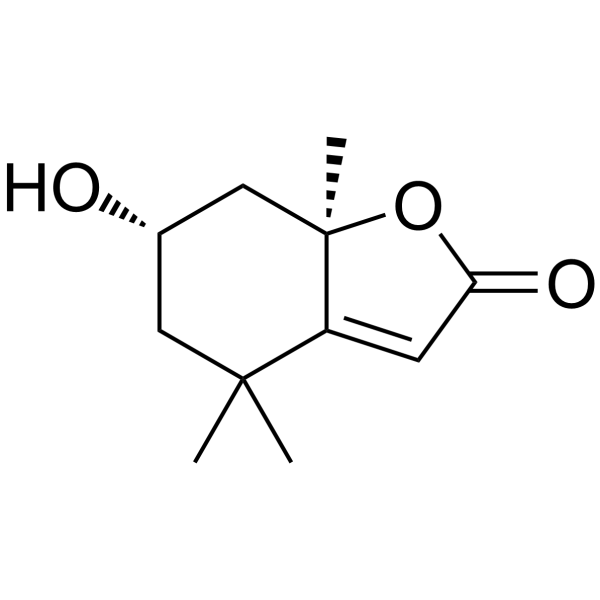
    Loliolide (Loliolid) is a β-carotene metabolite. Loliolide reduces caspase 3, 8, 9 expression, enhances PI3K, AKT, SIRT1, inhibits ROS, apoptosis, and blocks NF-κB p65 nuclear translocation. Loliolide protects mitochondria, reduces oxidative stress, and increases cell viability in neuroblastoma cells. Loliolide can be used for the research of UV-induced skin damage and Parkinson’s disease .
    Loliolide
  • HY-126956

    Reactive Oxygen Species (ROS) MMP Collagen PPAR DNA/RNA Synthesis Apoptosis Caspase Metabolic Disease Inflammation/Immunology
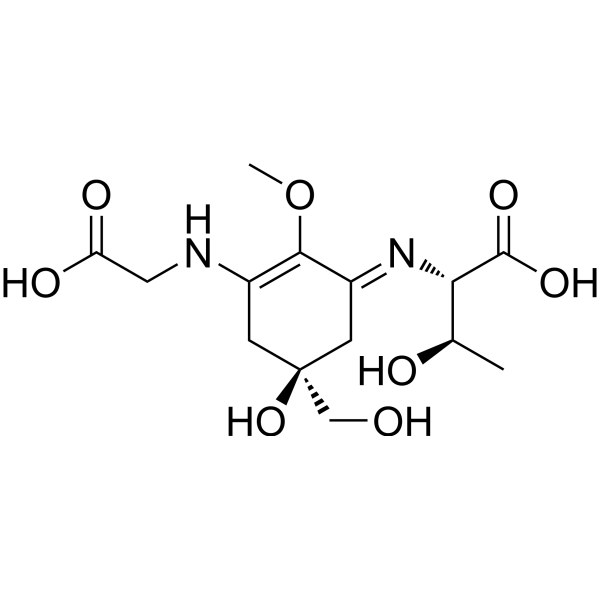
    Porphyra 334 is a carnosine-like amino acid and a natural photoprotective agent and antioxidant. Porphyra-334 exerts its photoprotective effects by scavenging ROS, inhibiting the expression and activity of MMP-1/8, and promoting the synthesis of collagen and elastin. Porphyra 334 effectively inhibits linoleic acid oxidation induced by alkyl radicals (AAPH) and singlet oxygen. Porphyra 334 has anti-obesity potential by inhibiting the expression of PPARγ2 and C/EBPα. Porphyra 334 protects cells against UV-induced DNA damage and apoptosis by inhibiting the activation of caspase-3 .
    Porphyra 334
  • HY-N0754

    YAP HSP Reactive Oxygen Species (ROS) ERK Autophagy Apoptosis Tyrosinase DNA/RNA Synthesis Neurological Disease Inflammation/Immunology Cancer
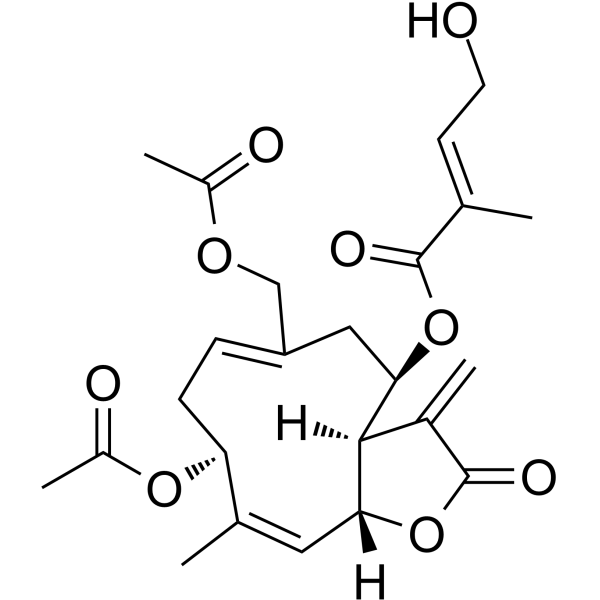
    Eupalinolide A is a Yes-associated protein (YAP) degrader and HSP70 inducer. Eupalinolide A inhibits osteogenic differentiation of tendon-derived stem cells (TDSCs). Eupalinolide A induces autophagy in hepatocellular carcinoma cells via activating the ROS/ERK signaling pathway. Eupalinolide A protects PAM212 cells from UVB-, Menadione (HY-B0332)-, or heat shock-induced apoptosis. Eupalinolide A alleviates trauma-induced heterotopic ossification (HO) of Achilles tendon and inhibits growth of MHCC97-L and HCCLM3 hepatocellular carcinoma xenograft tumors in mice. Eupalinolide A can be used for the study of traumatic heterotopic ossification of tendons and hepatocellular carcinoma .
    Eupalinolide A
  • HY-19700S

    MEK ERK Endogenous Metabolite Others
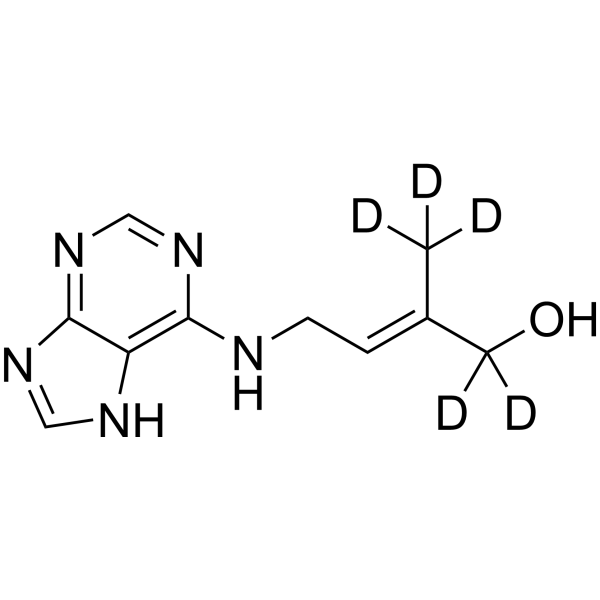
    trans-Zeatin-d5 is deuterium labeled trans-Zeatin. trans-Zeatin is a plant cytokinin, which plays an important role in cell growth, differentiation, and division; trans-Zeatin also inhibits UV-induced MEK/ERK activation.
    trans-Zeatin-d5
  • HY-B0006C

    (R)-BM 14190

    Adrenergic Receptor Calcium Channel Cardiovascular Disease Cancer
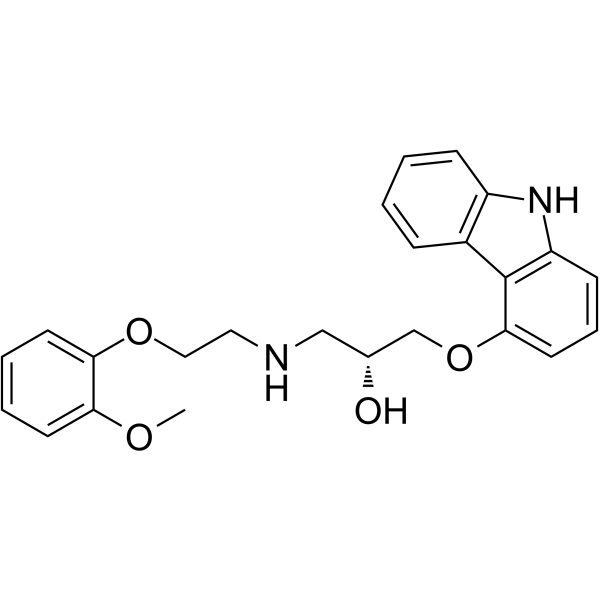
    (R)-Carvedilol ((R)-BM 14190) is the orally active R-isomer of Carvedilol (HY-B0006). (R)-Carvedilol has α-receptor blocking activity but no β-receptor blocking activity. (R)-Carvedilol inhibits spontaneous Ca 2+ waves. (R)-Carvedilol inhibits stress-induced ventricular tachycardia and delays the development of UV-induced skin tumors and reduces their malignancy .
    (R)-Carvedilol
  • HY-B0897
    Bisoctrizole
    1 Publications Verification

    Biochemical Assay Reagents Others
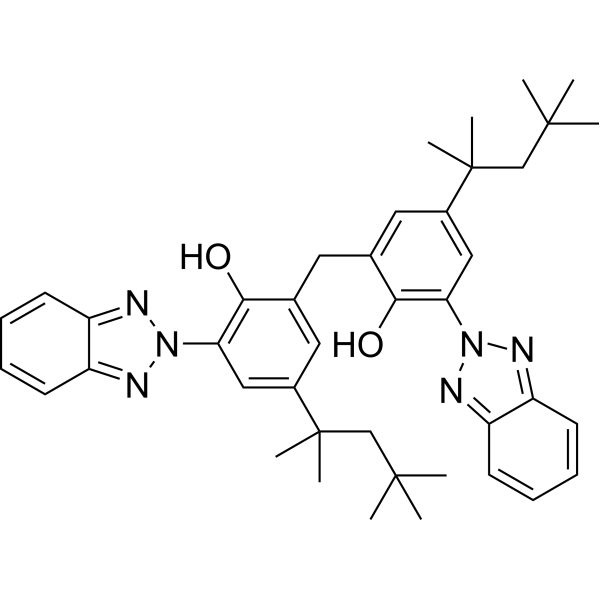
    Bisoctrizole is a broad-spectrum UVA/UVB absorber that belongs to the benzotriazole class of compounds. Bisoctrizole absorbs UV light through hydroxyphenyl groups, causing reversible electronic transitions, thereby converting light energy into heat energy, inhibiting UV-induced material or skin damage. Bisoctrizole is highly efficient in capturing UVA (320-400 nm) and some UVB (280-320 nm) radiation. Bisoctrizole delays the photodegradation of materials such as silicones, improving their UV aging resistance or enhancing the photoprotective ability of sunscreen products .
    Bisoctrizole
  • HY-W178327

    Adenosine Receptor Cancer
    8-Chloro caffeine binds to adenosine receptors (Ki = 30 µM). 8-Chloro caffeine potentiates UV-induced chromosomal aberrations in Cl-I Chinese hamster embryonic lung cells. 8-Chloro caffeine is a derivative of the methylxanthine alkaloid caffeine .
    8-Chloro caffeine
  • HY-113330
    12S-HHT
    1 Publications Verification

    12(S)-HHTrE

    Leukotriene Receptor Endogenous Metabolite Inflammation/Immunology
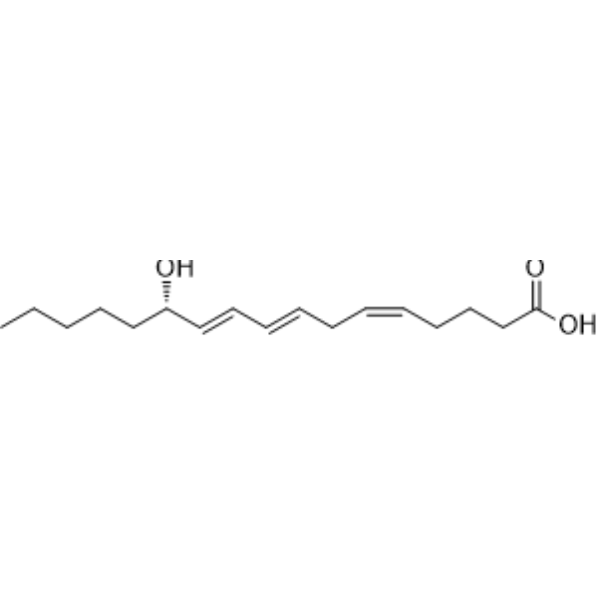
    12S-HHT (12(S)-HHTrE) is an enzymatic product of prostaglandin H2 (PGH2) derived from cyclooxygenase (COX)-mediated arachidonic acid metabolism. 12S-HHT is an endogenous ligand for BLT2 that fully activates BLT2 in vivo. 12S-HHT suppresses UV-induced IL-6 synthesis in keratinocytes, exerting an anti-inflammatory activity .
    12S-HHT
  • HY-N9783

    B2-3′-G; Epicatechin-(4β,8)-epicatechin gallate

    Xanthine Oxidase Metabolic Disease Inflammation/Immunology
    Procyanidin B2 3′-O-gallate (B2-3′-G), isolated from Rhodiola crenulata extracts, is a potent xanthine oxidase (XO) inhibitor (IC50 = 24.24 μM, Ki = 6.16 μM). Procyanidin B2 3′-O-gallate has antioxidant activity and reduces the formation of UV-induced α-tocopheroxyl. Procyanidin B2 3′-O-gallate can be used for hyperuricemia and gout research .
    Procyanidin B2 3′-O-gallate
  • HY-158228

    PLMA

    Biochemical Assay Reagents Others
    Poly-L-lysine Methacryloyl (PLMA) is methacrylated polylysine. When Poly-L-lysine Methacryloyl is cross-linked on polyetheretherketone (PEEK) through UV-induced cross-linking, it can improve the hydrophilicity of PEEK and retain its own degradation bioinertness . Poly-L-lysine Methacryloyl needs to self-assemble into fibrous hydrogel under the action of photoinitiator LAP (HY-44076), and target bioactive adhesion sites, play an inherent supporting role for tissue cells and biodegradable activity.
    Application: cell culture, biological 3D printing, tissue engineering, etc.
    Poly-L-lysine Methacryloyl
  • HY-N15684

    Others Metabolic Disease
    Rhodoxanthin is a carotenoid. Rhodoxanthin exerts antioxidant activity via free radical scavenging and lipid peroxidation inhibition. Rhodoxanthin is promising for research of oxidative stress-related diseases (e.g., UV-induced skin damage) .
    Rhodoxanthin
  • HY-E70578

    DNA Glycosylase Others
    T4 Endonuclease V is a dual-activity DNA glycosylase that combines the activities of DNA N-glycosylase and AP lyase. T4 Endonuclease V can repair ultraviolet (UV)-induced cyclobutane pyrimidine dimers in DNA .
    T4 Endonuclease V
  • HY-19700R

    Reference Standards MEK ERK Endogenous Metabolite Others
    trans-Zeatin (Standard) is the analytical standard of trans-Zeatin. This product is intended for research and analytical applications. trans-Zeatin is a plant cytokinin, which plays an important role in cell growth, differentiation, and division; trans-Zeatin also inhibits UV-induced MEK/ERK activation.
    trans-Zeatin (Standard)
  • HY-B0006CS

    (R)-BM 14190-d4

    Isotope-Labeled Compounds Adrenergic Receptor Calcium Channel Cardiovascular Disease Cancer
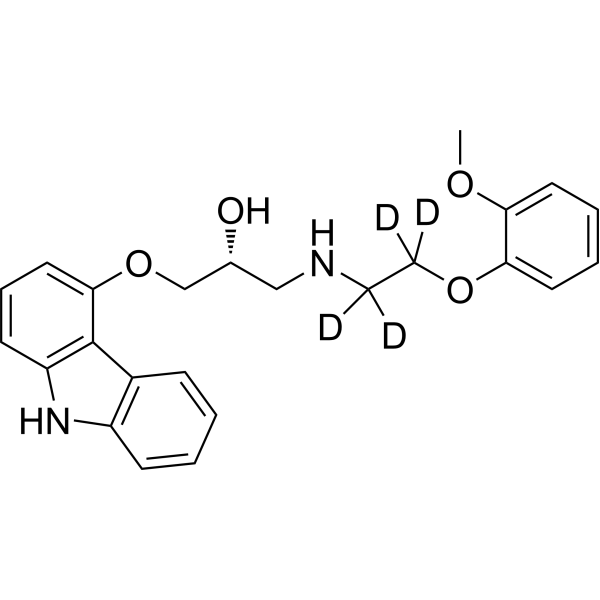
    (R)-Carvedilol-d4 is deuterium labeled (R)-Carvedilol (HY-B0006C). (R)-Carvedilol ((R)-BM 14190) is the orally active R-isomer of Carvedilol (HY-B0006). (R)-Carvedilol has α-receptor blocking activity but no β-receptor blocking activity. (R)-Carvedilol inhibits spontaneous Ca 2+ waves. (R)-Carvedilol inhibits stress-induced ventricular tachycardia and delays the development of UV-induced skin tumors and reduces their malignancy .
    (R)-Carvedilol-d4
  • HY-B0897R

    Reference Standards Biochemical Assay Reagents Others
    Bisoctrizole (Standard) is the analytical standard of Bisoctrizole (HY-B0897). This product is intended for research and analytical applications. Bisoctrizole is a broad-spectrum UVA/UVB absorber that belongs to the benzotriazole class of compounds. Bisoctrizole absorbs UV light through hydroxyphenyl groups, causing reversible electronic transitions, thereby converting light energy into heat energy, inhibiting UV-induced material or skin damage. Bisoctrizole is highly efficient in capturing UVA (320-400 nm) and some UVB (280-320 nm) radiation. Bisoctrizole delays the photodegradation of materials such as silicones, improving their UV aging resistance or enhancing the photoprotective ability of sunscreen products .
    Bisoctrizole (Standard)
  • HY-19878

    RAR/RXR Inflammation/Immunology
    Seletinoid G is a retinoic acid receptor (RAR) agonist. Seletinoid G can repair altered connective tissue in old skin and inhibit UV-induced collagen deficiency in young skin. Seletinoid G can be used for skin aging and photoaging research .
    Seletinoid G
  • HY-W130288

    5-HT Receptor Adenylate Cyclase Apoptosis Reactive Oxygen Species (ROS) Cancer
    1-(1-Naphthyl)piperazine is a 5-HT receptor modulator that acts as both a 5-HT2A receptor antagonist and 5-HT1A receptor agonist, and binds to human 5-HT6 receptor with a Ki of 120 nM. 1-(1-Naphthyl)piperazine partially inhibits forskolin-stimulated adenylate cyclase activity in calf substantia nigra. 1-(1-Naphthyl)piperazine inhibits UV-induced immunosuppression. 1-(1-Naphthyl)piperazine induces S-phase cell cycle delay, apoptosis and increases ROS levels, leading to inhibit MNT-1 cell proliferation. 1-(1-Naphthyl)piperazine can be used for melanoma research .
    1-(1-Naphthyl)piperazine

Inquiry Online

Your information is safe with us. * Required Fields.

Salutation


Country or Region *

Applicant Name *


Organization Name *

Department *


Email Address *


Product Name *

Cat. No.


Requested quantity *

Phone Number *


Remarks

Inquiry Online

Inquiry Information

Product Name:
Cat. No.:
Quantity:
MCE Japan Authorized Agent:

