1. Search Result
Search Result
Results for "

alcohol use disorders

" in MedChemExpress (MCE) Product Catalog:

32

Inhibitors & Agonists

6

Natural
Products

2

Isotope-Labeled Compounds

2

Oligonucleotides

Cat. No. Product Name Target Research Areas Chemical Structure
  • HY-14538
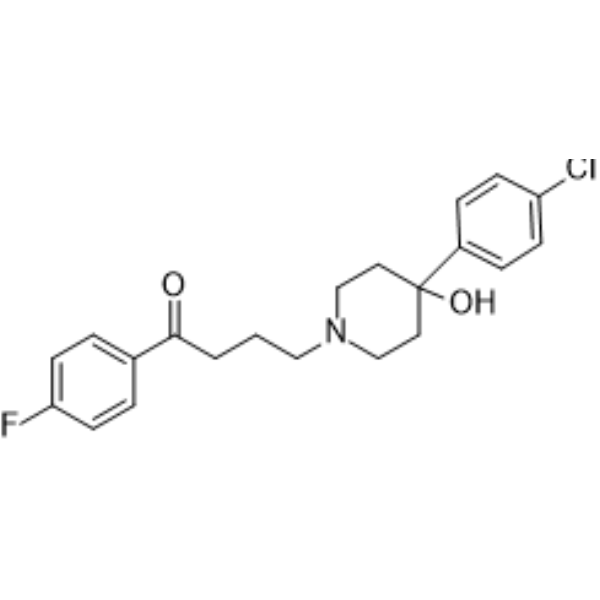
    Haloperidol
    Maximum Cited Publications
    21 Publications Verification

    Dopamine Receptor Neurological Disease Cancer
    Haloperidol is a potent dopamine D2 receptor antagonist, widely used as an antipsychotic agent. Haloperidol can be used in the study of schizophrenia, tics in Tourette syndrome, mania in bipolar disorder, delirium, agitation, acute psychosis, and hallucinations from alcohol withdrawal.
    Haloperidol
  • HY-B0193A
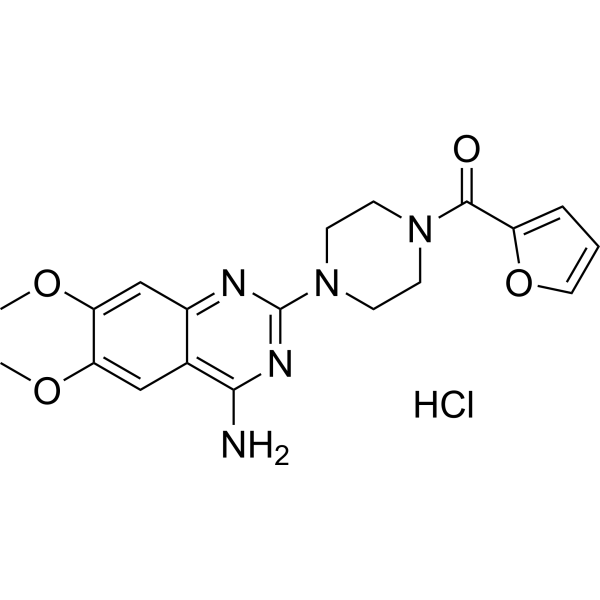
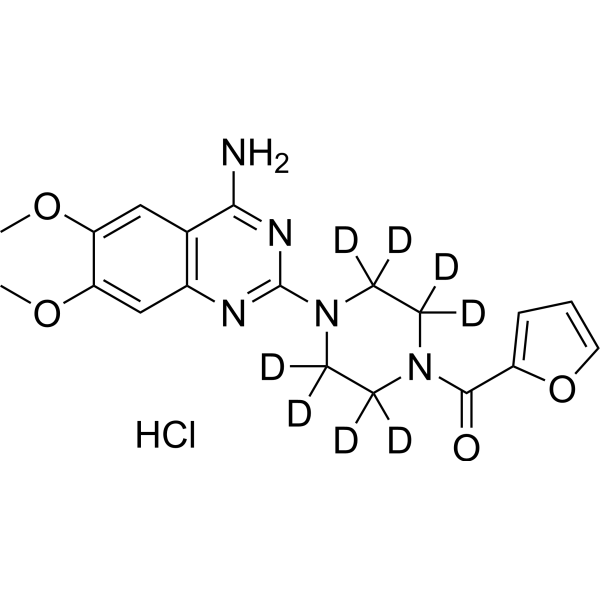
    Prazosin hydrochloride
    15+ Cited Publications

    Adrenergic Receptor Autophagy Cardiovascular Disease Endocrinology Cancer
    Prazosin hydrochloride is a well-tolerated, CNS-active α1-adrenergic receptor antagonist for the research of high blood pressure and alcohol use disorders . Prazosin hydrochloride potently inhibits Norepinephrine (NE)-stimulated 45Ca efflux with an IC50 of 0.15 nM .Prazosin hydrochloride inhibits organic cation transporters OCT-1 and OCT-3 with IC50s of 1.8, and 13 μM, respectively .
    Prazosin hydrochloride
  • HY-W010155
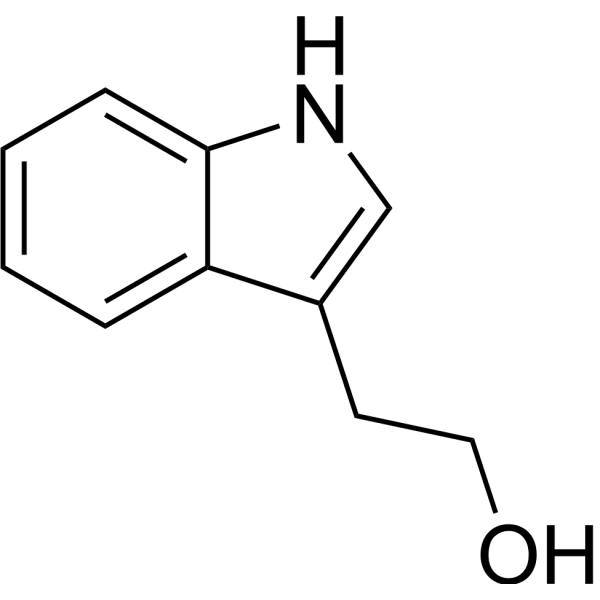
    Tryptophol
    2 Publications Verification

    Indole-3-ethanol

    Endogenous Metabolite Apoptosis Caspase Bacterial Infection Cardiovascular Disease Neurological Disease Metabolic Disease Inflammation/Immunology
    Tryptophol is an aromatic alcohol and secondary metabolite produced by microorganisms. Tryptophol induces apoptosis and cleavage of caspase-8. Tryptophol inhibits Cunninghamella blakesleeana biofilm. Tryptophol has anti-phage infection, biofilm formation regulation, anti-inflammatory, hemolytic, sleep induction, temperature change, seizure susceptibility and immune regulation activities. Tryptophol is used in the research of African trypanosomiasis, sleep disorders, epilepsy .
    Tryptophol
  • HY-N0576
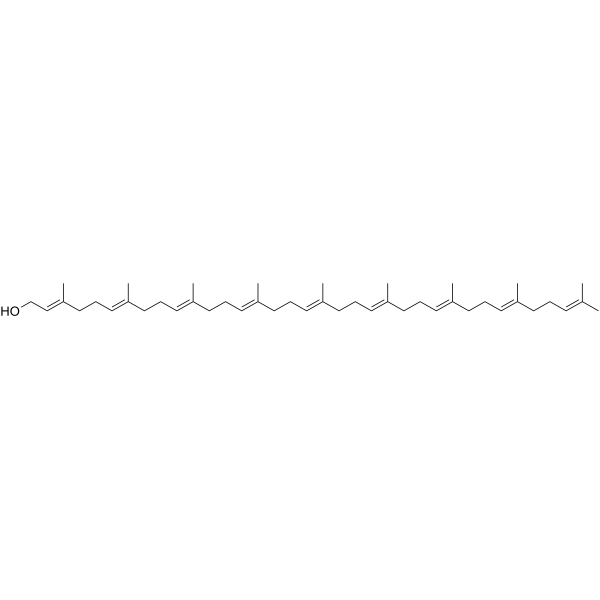
    Solanesol
    2 Publications Verification

    Endogenous Metabolite Heme Oxygenase (HO) HSP p38 MAPK Akt Apoptosis Caspase PARP Neurological Disease Metabolic Disease Inflammation/Immunology
    Solanesol is an orally active aliphatic terpene alcohol. Solanesol is mainly found in tobacco and other Solanaceae plants. Solanesol induces HO-1 and Hsp70 expression, activates p38 and Akt signaling pathways, and inhibits Apoptosis (reduces caspase-3 and PARP cleavage). Solanesol has antioxidant, anti-inflammatory, and neuroprotective activities. Solanesol can be used in the research of Huntington's disease, alcoholic liver disease, chronic inflammatory pain, anxiety, Alzheimer's disease, and bipolar disorder .
    Solanesol
  • HY-107744
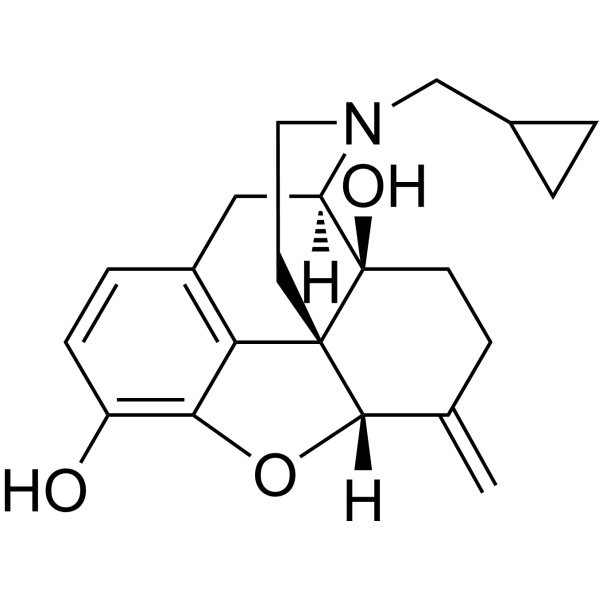
    Nalmefene
    1 Publications Verification

    Opioid Receptor Apoptosis Reactive Oxygen Species (ROS) NO Synthase Toll-like Receptor (TLR) p38 MAPK NF-κB Cardiovascular Disease Neurological Disease Inflammation/Immunology
    Nalmefene is a BBB-penetrable opioid receptor modulator. Nalmefene is an antagonist of MOR and DOR, and a partial agonist of KOR. Nalmefene has anti-inflammatory and neuroprotective activities. Nalmefene can be used in the research of reducing alcohol-dependent disorders .
    Nalmefene
  • HY-W096159

    Drug Derivative Metabolic Disease Inflammation/Immunology
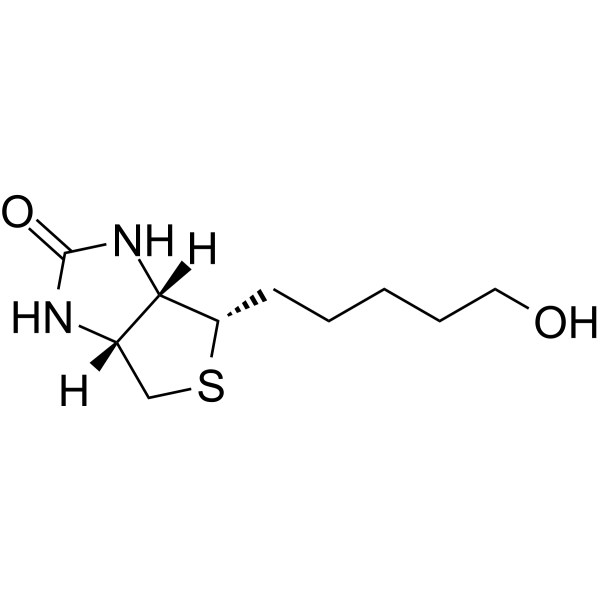
    D-Biotinol is an orally active alcohol analogue of D-Biotin (HY-B0511). D-Biotinol can replace D-Biotin to restore the biotin deficiency induced by egg whites in rats. D-Biotinol can be used for the study of biotin deficiency disorders .
    D-Biotinol
  • HY-118424

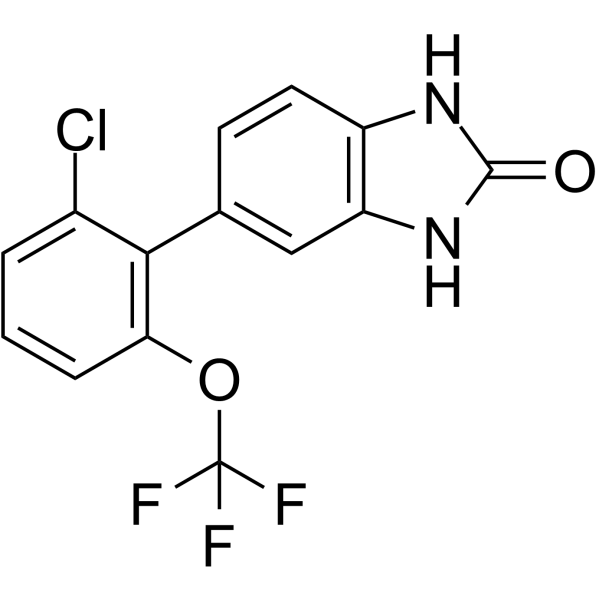
    iGluR Neurological Disease Metabolic Disease
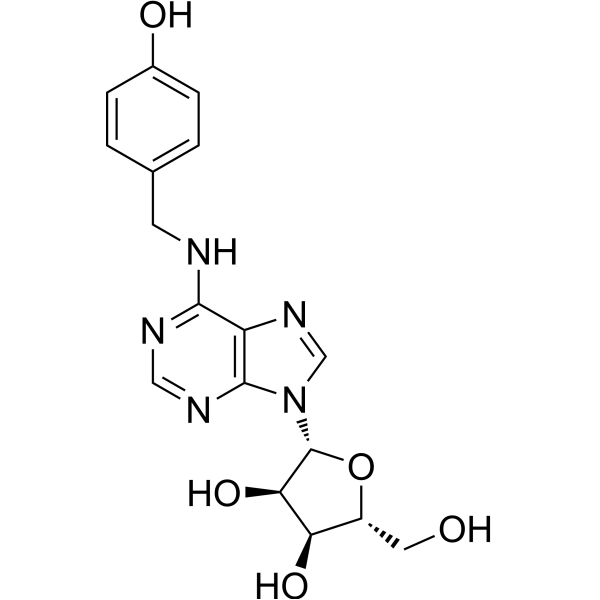
    JNJ-55511118 is a selective TARP γ-8 binding AMPA receptor modulator with oral bioavailability and blood-brain barrier permeability, with a Ki of 26 nM. JNJ-55511118 reduces voluntary intake of sweetened alcohol in male mice. In rodent models, JNJ-55511118 inhibits hippocampal neurotransmission, reduces specific electroencephalogram frequency bands, induces transient hyperlocomotion, impairs learning and memory abilities, and exerts anticonvulsant effects. JNJ-55511118 is applicable to research related to alcohol use disorder and seizures .
    JNJ-55511118
  • HY-167856

    GPR88 Neurological Disease
    RTI-122 is a selective, blood-brain barrier-permeable GPR88 agonist (cAMP EC50=11 nM), with EC50 values of 11.5 nM and 155 nM for human and mouse GPR88, respectively ([ 35S]GTPγS assay). By activating the GPR88 receptor to regulate the cAMP signaling pathway and G protein activity, RTI-122 significantly attenuates Binge-like drinking, reduces alcohol intake, and decreases alcohol-seeking motivation. RTI-122 blocks the reinstatement of alcohol-seeking behavior without affecting water or sucrose intake. RTI-122 exhibits metabolic stability in mice (T1/2=5.8 h) and can be used to investigate alcohol use disorder .
    RTI-122
  • HY-W002199

    6:2 FTOH; 1H,1H,2H,2H-Perfluoro-1-octanol; 2-(Perfluorohexyl)ethanol

    Bacterial Apoptosis ERK TNF Receptor Infection Neurological Disease
    6:2 Fluorotelomer alcohol (6:2 FTOH) is an orally active, blood-brain barrier-permeable modulator of cyclin D1 and ETS1. 6:2 Fluorotelomer alcohol downregulates cyclin D1 expression, upregulates ETS1 via the TNF-α/ERK 1/2 pathway, impairs mitochondrial membrane potential and respiratory function, increases reactive oxygen species levels, disrupts calcium homeostasis and activates endoplasmic reticulum stress markers, and induces cell proliferation inhibition and endothelial-mesenchymal transition. Furthermore, 6:2 Fluorotelomer alcohol induces morphological abnormalities in zebrafish embryos and liver developmental damage, while disrupting the brain immune microenvironment in mice, causing systemic toxicity and delayed pup maturation in CD-1 mice. 6:2 Fluorotelomer alcohol also induces cortical neuron apoptosis, glial cell activation, synaptic abnormalities, colonic barrier damage, intestinal dysbiosis and autism spectrum disorder-like symptoms in mice. 6:2 Fluorotelomer alcohol shows no mutagenic, clastogenic, primary skin/eye irritation or skin sensitizing effects, exhibits no selective reproductive toxicity in CD-1 mice, and is classified as GHS Category 4 for acute oral toxicity. 6:2 Fluorotelomer alcohol can be used in studies of neurodevelopmental disorders and autism spectrum disorders .
    6:2 Fluorotelomer alcohol
  • HY-14538A
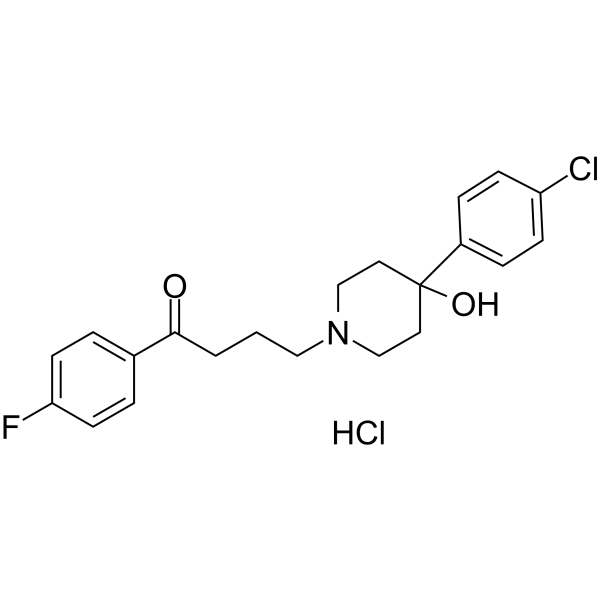
    Haloperidol hydrochloride
    Maximum Cited Publications
    21 Publications Verification

    Dopamine Receptor Neurological Disease Cancer
    Haloperidol hydrochloride is a potent dopamine D2 receptor antagonist, widely used as an antipsychotic agent. Haloperidol hydrochloride can be used in the study of schizophrenia, tics in Tourette syndrome, mania in bipolar disorder, delirium, agitation, acute psychosis, and hallucinations from alcohol withdrawal.
    Haloperidol hydrochloride
  • HY-12783A

    GABA Receptor Neurological Disease
    SCH 50911 is a selective, orally active, blood-brain barrier permeable GABA-B receptor (GABA-B Receptor) antagonist with an IC50 of 1.1 μM in rats. SCH 50911 blocks baclofen-induced antitussive effects, regulates neuronal firing and GABA release. SCH 50911 promotes spontaneous seizures during withdrawal in ethanol-dependent rats, alters reward-related neurotransmission, and reduces or suppresses lever responding and self-administration behaviors of alcohol and sucrose in rats. SCH 50911 is applicable to research related to ethanol withdrawal syndrome, absence epilepsy and alcohol use disorder .
    SCH 50911
  • HY-W010155R

    Indole-3-ethanol (Standard)

    Reference Standards Endogenous Metabolite Apoptosis Caspase Bacterial Infection Cardiovascular Disease Neurological Disease Metabolic Disease Inflammation/Immunology
    Tryptophol (Standard) (Indole-3-ethanol (Standard)) is an analytical standard of Tryptophol (HY-W010155). This product is intended for use in research and analytical applications.Tryptophol is an aromatic alcohol and secondary metabolite produced by microorganisms. Tryptophol induces Apoptosis and cleavage of caspase-8. Tryptophol inhibits Cunninghamella blakesleeana biofilm. Tryptophol has anti-phage infection, biofilm formation regulation, anti-inflammatory, hemolytic, sleep induction, temperature change, seizure susceptibility and immune regulation activities. Tryptophol is used in the research of African trypanosomiasis, sleep disorders, epilepsy.
    Tryptophol (Standard)
  • HY-W750342

    Indole-3-ethanol-d4

    Isotope-Labeled Compounds Endogenous Metabolite Apoptosis Caspase Bacterial Infection Cardiovascular Disease Neurological Disease Metabolic Disease Inflammation/Immunology
    Tryptophol-d4 (Indole-3-ethanol-d4) is the deuterium labeled Tryptophol (HY-W010155). Tryptophol is an aromatic alcohol and secondary metabolite produced by microorganisms. Tryptophol induces apoptosis and cleavage of caspase-8. Tryptophol inhibits Cunninghamella blakesleeana biofilm. Tryptophol has anti-phage infection, biofilm formation regulation, anti-inflammatory, hemolytic, sleep induction, temperature change, seizure susceptibility and immune regulation activities. Tryptophol is used in the research of African trypanosomiasis, sleep disorders, epilepsy .
    Tryptophol-d4
  • HY-107121

    LY 2196044

    Opioid Receptor Neurological Disease
    Ondelopran (LY 2196044) is a non-selective opioid receptor antagonist. Ondelopran inhibits the release of dopamine in the nucleus accumbens induced by alcohol, reduces the rewarding effect of alcohol consumption, and lowers the craving. Ondelopran can be used for alcohol use disorder (AUD) .
    Ondelopran
  • HY-115066A

    Opioid Receptor Neurological Disease
    GSK1521498 free base (hydrochloride) is a potent and selective μ-opioid receptor (MOR) antagonist. GSK1521498 free base (hydrochloride) is being used for the treatment of disorders of compulsive consumption of food, alcohol, and agents .
    GSK1521498 free base hydrochloride
  • HY-138879B

    (1S,5R)-CP-601927

    nAChR Neurological Disease
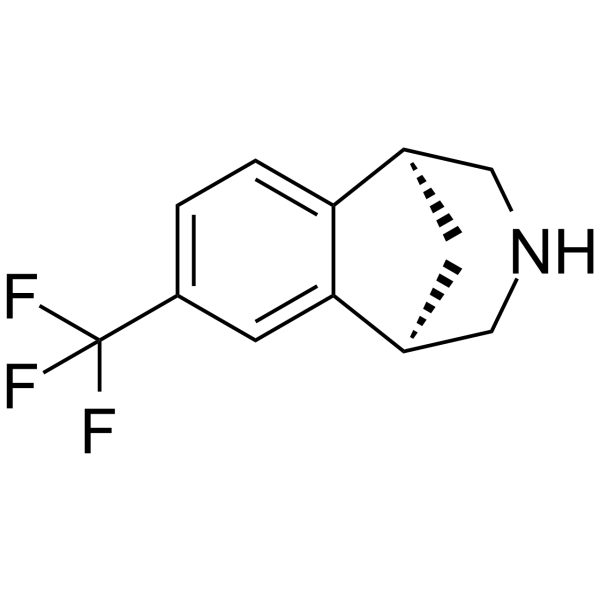
    CP-601932 ((1S,5R)-CP-601927) is a high-affinity partial agonist at α3β4 nAChR (Ki=21 nM; EC50=~ 3 μM). CP-601932 has the same high-binding affinity at α4β2 nAChR (Ki=21 nM) and an order of magnitude lower affinity for α6 and α7 nAChR subtypes. CP-601932 selectively decreases ethanol but not sucrose consumption and operant self-administration following long-term exposure. CP-601932 can penetrate the CNS .
    CP-601932
  • HY-177639A

    NN-6020 sodium

    Aldehyde Dehydrogenase (ALDH) Metabolic Disease
    Lefelsiran sodium is a siRNA targeted to ALDH2. It is used for the study of alcohol use disorder.
    Lefelsiran sodium
  • HY-177639

    NN-6020

    Aldehyde Dehydrogenase (ALDH) Metabolic Disease
    Lefelsiran (NN-6020) is a siRNA targeted to ALDH2. It is used for the study of alcohol use disorder.
    Lefelsiran
  • HY-W754114

    Isotope-Labeled Compounds Opioid Receptor Apoptosis Reactive Oxygen Species (ROS) NO Synthase Toll-like Receptor (TLR) p38 MAPK NF-κB Cardiovascular Disease Neurological Disease Inflammation/Immunology
    Nalmefene Sulfate-d3 is the deuterium labeled Nalmefene (HY-107744). Nalmefene is a BBB-penetrable opioid receptor modulator. Nalmefene is an antagonist of MOR and DOR, and a partial agonist of KOR. Nalmefene has anti-inflammatory and neuroprotective activities. Nalmefene can be used in the research of reducing alcohol-dependent disorders .
    Nalmefene Sulfate-d3
  • HY-175275

    BEM

    MMP Lipoxygenase Reactive Oxygen Species (ROS) Neurological Disease Inflammation/Immunology Cancer
    10-Butyl Ether Minocycline (BEM), a Minocycline (HY-17412A) derivative, is an MMP-8 and MMP-9 inhibitor with IC50s of 69.4 µM and 47.0 µM, respectively. 10-Butyl Ether Minocycline suppresses LPS (HY-D1056)-induced microglial activation. 10-Butyl Ether Minocycline inhibits VEGF-induced endothelial cell migration and L-Glutamine (HY-N0390)-induced ROS levels. 10-Butyl Ether Minocycline significantly reduces alcohol consumption in the Chronic Intermittent Ethanol (CIE) mouse model of alcohol dependence. 10-Butyl Ether Minocycline can be used for the study of neuroimmune-inflammatory diseases and Alcohol use disorder (AUD) .
    10-Butyl Ether Minocycline
  • HY-W150182

    Environmental Pollutants Neurological Disease Inflammation/Immunology
    p-Cymen-8-ol is an alcohol. p-Cymen-8-ol can be used to make essential oils. Essential oils containing p-Cymen-8-ol exhibit immunomodulatory activity. p-Cymen-8-ol, when used in combination with other substances to make essential oils, exerts an anxiolytic-like effect and reduces hepatic lipid peroxidation levels in ICR mice. p-Cymen-8-ol may be used in research on anxiolytic and other neurological and immune system disorders .
    p-Cymen-8-ol
  • HY-N0576R

    Reference Standards Endogenous Metabolite Heme Oxygenase (HO) HSP p38 MAPK Akt Apoptosis Caspase PARP Neurological Disease Metabolic Disease Inflammation/Immunology
    Solanesol (Standard) is the analytical standard of Solanesol (HY-N0576). This product is intended for research and analytical applications. Solanesol is an orally active aliphatic terpene alcohol. Solanesol is mainly found in tobacco and other Solanaceae plants. Solanesol induces HO-1 and Hsp70 expression, activates p38 and Akt signaling pathways, and inhibits Apoptosis (reduces caspase-3 and PARP cleavage). Solanesol has antioxidant, anti-inflammatory, and neuroprotective activities. Solanesol can be used in the research of Huntington's disease, alcoholic liver disease, chronic inflammatory pain, anxiety, Alzheimer's disease, and bipolar disorder .
    Solanesol (Standard)
  • HY-107019

    SR 147778

    Cannabinoid Receptor Metabolic Disease
    Surinabant (SR 147778) is an orally active, selective cannabinoid receptor type 1 CB1R antagonist. Surinabant is used in studies of obesity and alcoholism .
    Surinabant
  • HY-118615

    Opioid Receptor Neurological Disease
    LY2048978 is a non-selective opioid receptor antagonist with Ki of 0.287, 0.471 and 1.05 nM for human mu, kappa and delta opioid receptors in vitro, respectively. LY2048978 can be used in the research of major depressive disorder and alcohol use disorder .
    LY2048978
  • HY-12783

    GABA Receptor Neurological Disease
    SCH 50911 dihydrochloride is a selective, orally active, blood-brain barrier permeable GABA-B receptor (GABA-B Receptor) antagonist with an IC50 of 1.1 μM in rats. SCH 50911 dihydrochloride blocks baclofen-induced antitussive effects, regulates neuronal firing and GABA release. SCH 50911 dihydrochloride promotes spontaneous seizures during withdrawal in ethanol-dependent rats, alters reward-related neurotransmission, and reduces or suppresses lever responding and self-administration behaviors of alcohol and sucrose in rats. SCH 50911 dihydrochloride is applicable to research related to ethanol withdrawal syndrome, absence epilepsy and alcohol use disorder .
    SCH 50911 hydrochloride
  • HY-B0193AR

    Reference Standards Adrenergic Receptor Autophagy Cardiovascular Disease Endocrinology Cancer
    Prazosin (hydrochloride) (Standard) is the analytical standard of Prazosin (hydrochloride). This product is intended for research and analytical applications. Prazosin hydrochloride is a well-tolerated, CNS-active α1-adrenergic receptor antagonist for the research of high blood pressure and alcohol use disorders . Prazosin hydrochloride potently inhibits Norepinephrine (NE)-stimulated 45Ca efflux with an IC50 of 0.15 nM .Prazosin hydrochloride inhibits organic cation transporters OCT-1 and OCT-3 with IC50s of 1.8, and 13 μM, respectively .
    Prazosin hydrochloride (Standard)
  • HY-167856A

    GPR88 Neurological Disease
    RTI-122 dihydrochloride is a selective, blood-brain barrier-permeable GPR88 agonist (cAMP EC50=11 nM), with EC50 values of 11.5 nM and 155 nM for human and mouse GPR88, respectively ([ 35S]GTPγS assay). By activating the GPR88 receptor to regulate the cAMP signaling pathway and G protein activity, RTI-122 dihydrochloride significantly attenuates Binge-like drinking, reduces alcohol intake, and decreases alcohol-seeking motivation. RTI-122 dihydrochloride blocks the reinstatement of alcohol-seeking behavior without affecting water or sucrose intake. RTI-122 dihydrochloride exhibits metabolic stability in mice (T1/2=5.8 h) and can be used to investigate alcohol use disorder .
    RTI-122 dihydrochloride
  • HY-182697

    Cannabinoid Receptor Metabolic Disease
    RTICBM-74 is a blood-brain barrier-permeable, selective CB1 allosteric modulator with IC50 values of 23 nM (calcium mobilization assay) and 153 nM ([ 35S]GTPγS assay). RTICBM-74 inhibits CB1 receptor signaling. RTICBM-74 reduces alcohol intake in rats. RTICBM-74 can be used for the research of alcohol use disorder .
    RTICBM-74
  • HY-182601

    EAAT Interleukin Related Neurological Disease
    MC-100093 is an orally active, blood-brain barrier-permeable GLT-1 expression upregulator . MC-100093 upregulates the expression of GLT-1 and xCT in rats, and alleviates fentanyl-induced GLT-1 downregulation, IL-6 upregulation and motor hyperactivity. MC-100093 upregulates GLT-1 expression and enhances glutamate uptake in astrocyte-neuron co-culture systems. MC-100093 reduces ethanol consumption and preference, and exerts gender-specific antidepressant-like effects . MC-100093 can be used in studies related to fentanyl overdose, mood disorders and alcohol use disorders .
    MC-100093
  • HY-181960

    Histamine Receptor Neurological Disease
    BP1.3656B is a selective, orally active, blood-brain barrier-permeable histamine H3 receptor (histamine H3 receptor) inverse agonist/antagonist, with a KB value of 0.08 nM for antagonizing agonist-induced activity and an IC50 value of 0.38 nM for directly inhibiting the basal activity of the receptor. BP1.3656B reduces alcohol consumption, alcohol-seeking behavior, alcohol self-administration, motivation to drink, alcohol relapse, alcohol-induced hyperlocomotion, and binge alcohol intake. BP1.3656B is applicable for the research of alcohol use disorder .
    BP1.3656B
  • HY-171739

    Endogenous Metabolite Others
    PLPEth (16:0/18:2 PEth) is a predominant phosphatidylethanol homologue and can be used as direct biomarker for long-term alcohol use .
    PLPEth (16:0/18:2 PEth)
  • HY-W096159R

    Reference Standards Drug Derivative Metabolic Disease
    D-Biotinol (Standard) is the analytical standard of D-Biotinol (HY-W096159). This product is intended for research and analytical applications. D-Biotinol is an orally effective alcohol analogue of D-Biotin (HY-B0511). D-Biotinol can replace D-biotin to restore the biotin deficiency induced by egg whites in rats. D-Biotinol can be used for the study of biotin deficiency disorders.
    D-Biotinol (Standard)

Inquiry Online

Your information is safe with us. * Required Fields.

Salutation


Country or Region *

Applicant Name *


Organization Name *

Department *


Email Address *


Product Name *

Cat. No.


Requested quantity *

Phone Number *


Remarks

Inquiry Online

Inquiry Information

Product Name:
Cat. No.:
Quantity:
MCE Japan Authorized Agent:

