1. Search Result
Search Result
Results for "

autoimmune diabetes

" in MedChemExpress (MCE) Product Catalog:

27

Inhibitors & Agonists

1

Screening Libraries

7

Peptides

5

Inhibitory Antibodies

1

Click Chemistry

1

Oligonucleotides

Cat. No. Product Name Target Research Areas Chemical Structure
  • HY-173236

    STAT Metabolic Disease Inflammation/Immunology Cancer
    STAT4-IN-1 is an inhibitor of STAT4 with a Ki of 0.35 μM. STAT4-IN-1 is expected to be used in the research of autoimmune diseases, including inflammatory bowel disease, multiple sclerosis, rheumatoid arthritis, and diabetes .
    STAT4-IN-1
  • HY-P3507

    ShK-186

    Potassium Channel Metabolic Disease Inflammation/Immunology
    Dalazatide (ShK-186) is a specific Kv1.3 potassium channel peptide inhibitor. Dalazatide can be used in the study of autoimmune diseases such as multiple sclerosis (MS), lupus erythematosus, psoriasis, rheumatoid arthritis, type 1 diabetes and inflammatory bowel disease .
    Dalazatide
  • HY-P1745

    Insulin B chain (9-23)

    MHC Insulin Receptor IFNAR Inflammation/Immunology
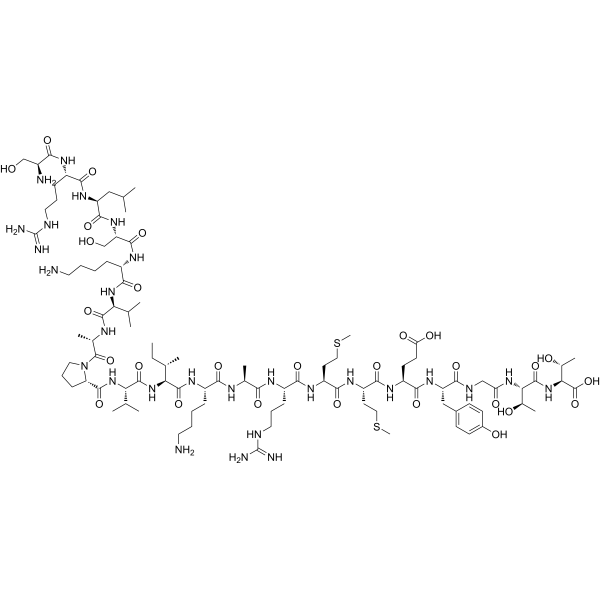
    InsB (9-23) (Insulin B chain (9-23)) is an HLA-DQ8-restricted insulin B-chain peptide composed of amino acid residues 9-23. InsB (9-23) serves as a major MHC II class-restricted antigen. InsB (9-23) supports the recognition and activation of T cells, stimulates the secretion of IFN-γ and cytokines, and induces cross-reactive immune responses. InsB (9-23)-specific CD4 T cells can initiate diabetes . InsB (9-23) can be used in research related to type 1 diabetes and autoimmune diabetes .
    InsB (9-23)
  • HY-176860

    Molecular Glues NEKs NOD-like Receptor (NLR) Caspase Interleukin Related Cardiovascular Disease Neurological Disease Inflammation/Immunology
    NEK7 degrader-1 is a NEK7 molecular glue degrader with a DC50 of 9  nM. NEK7 degrader-1 dose-dependently inhibits caspase-1 activity and IL-Ιβ release in macrophages in response to NLRP3 inflammasome activation. NEK7 degrader-1 can be used for autoinflammatory and autoimmune disorders like multiple sclerosis, neurodegeneraive diseases like Alzheimer's disease and cardiovascular and melabolic disorders like pericarditis and Type 2 diabetes research .
    NEK7 degrader-1
  • HY-109854A

    (R)-Lisophylline

    STAT Metabolic Disease Inflammation/Immunology
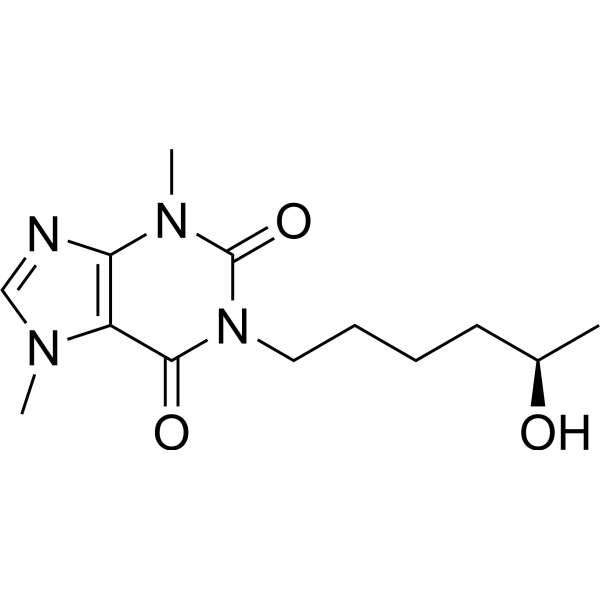
    (R)-Lisofylline ((R)-Lisophylline) is a (R)-enantiomer of the metabolite of Pentoxifylline with anti-inflammatory properties. (R)-Lisofylline is a lysophosphatidic acid acyltransferase inhibitor with an IC50 of 0.6 μM and interrupts IL-12 signaling-mediated STAT4 activation. (R)-Lisofylline has the potential for type 1 diabetes, autoimmune disorders research .
    (R)-Lisofylline
  • HY-108615

    GPi 819

    Phosphorylase Cardiovascular Disease Neurological Disease Metabolic Disease
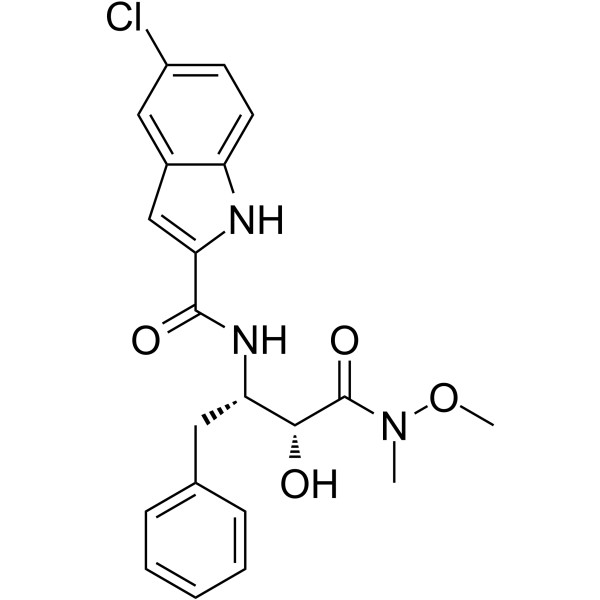
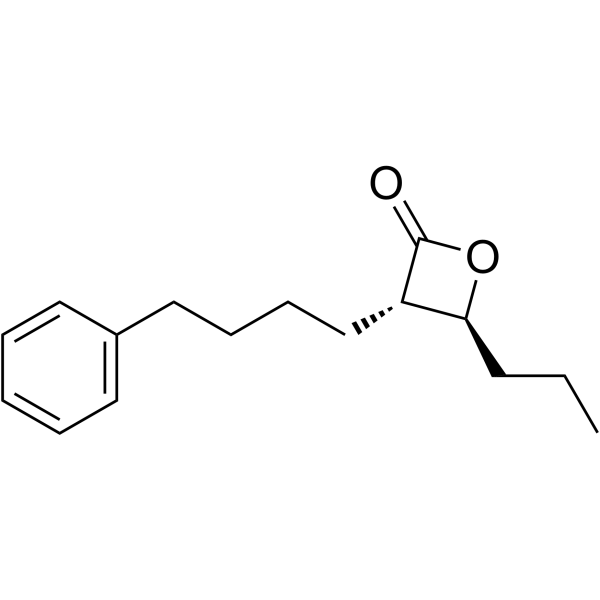
    CP-316819 (GPi 819) is a blood-brain barrier permeable glycogen phosphorylase inhibitor. CP-316819 inhibits hepatic glycogenolysis, safely reduces blood glucose in type 2 diabetes, and rarely induces hypoglycemia. CP-316819 increases brain glycogen reserves, protects neurons, alleviates hypoglycemic brain injury, and inhibits excessive platelet activation, exerting both neuroprotective and vasculoprotective effects. CP-316819 can be used in research related to hypoglycemia, thrombosis, autoimmune inflammatory diseases, and type 2 diabetes .
    CP-316819
  • HY-108039

    HE 3286; NE-3107

    NF-κB Neurological Disease Metabolic Disease Inflammation/Immunology
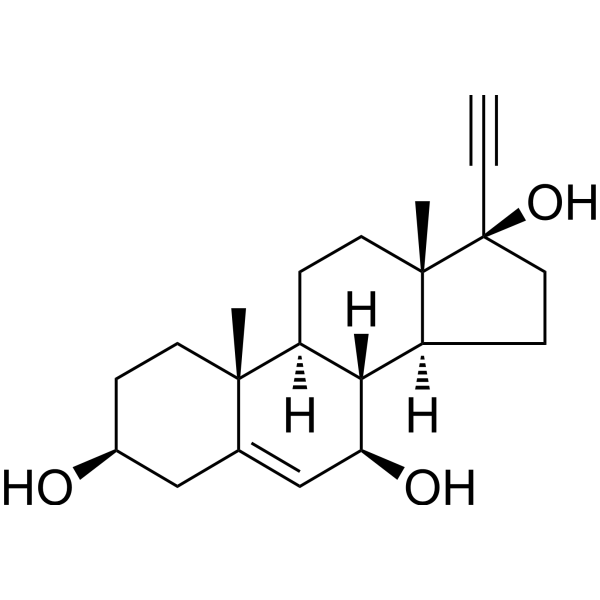
    Bezisterim (HE 3286; NE-3107) is a synthetic derivative of a natural anti-inflammatory steroid, β-AET. Bezisterim is an orally active partial NF-κB inhibitor. HE3286 reduces proinflammatory signals, including IL-6 and matrix metallopeptidase 3. Bezisterim freely penetrates the blood brain barrier in mice. Bezisterim can be used for the research of the ulcerative colitis, arthritis, experimental autoimmune encephalomyelitis . Bezisterim is a click chemistry reagent, it contains an Alkyne group and can undergo copper-catalyzed azide-alkyne cycloaddition (CuAAc) with molecules containing Azide groups.
    Bezisterim
  • HY-P3507A

    ShK-186 TFA

    Potassium Channel Metabolic Disease Inflammation/Immunology
    Dalazatide (ShK-186) TFA is a specific Kv1.3 potassium channel peptide inhibitor. Dalazatide TFA can be used in the study of autoimmune diseases such as multiple sclerosis (MS), lupus erythematosus, psoriasis, rheumatoid arthritis, type 1 diabetes and inflammatory bowel disease .
    Dalazatide TFA
  • HY-P990808

    Interleukin Related Infection Metabolic Disease Inflammation/Immunology Cancer
    Anti-Mouse CD122/IL-2Rβ Antibody (TM-Beta 1) is a rat-derived IgG2b κ type antibody inhibito, targeting to mouse CD122/IL-2Rβ. Anti-Mouse CD122/IL-2Rβ Antibody (TM-Beta 1) can block IL-2 and IL-15. Anti-Mouse CD122/IL-2Rβ Antibody (TM-Beta 1) can deplete natural killer (NK) cells and NKT cells. Anti-Mouse CD122/IL-2Rβ Antibody (TM-Beta 1) can be used for the researches of cancer, infection, inflammation, immunology and metabolic disease, such as melanoma, experimental autoimmune encephalomyelitis (EAE) and diabetes .
    Anti-Mouse CD122/IL-2Rβ Antibody (TM-Beta 1)
  • HY-177433

    Molecular Glues NEKs Cardiovascular Disease Neurological Disease Metabolic Disease Inflammation/Immunology
    NEK7 degrader-4 is a NEK7 molecular glue degrader with a DC50 of 9  nM. NEK7 degrader-4 can be used for autoinflammatory and autoimmune disorders like multiple sclerosis, neurodegeneraive diseases like Alzheimer's disease and cardiovascular and melabolic disorders like pericarditis and Type 2 diabetes research .
    NEK7 degrader-4
  • HY-P5396A

    Amino Acid Decarboxylase Others
    GAD65 (524-543) acetate is a biological active peptide with amino acids 524 to 543 fragment of glutamic acid decarboxylase 65 (GAD65). GAD65 (524-543) acetate is one of the first fragments of the islet antigen to induce proliferative T cell responses in the non-obese diabetic (NOD) mouse model of spontaneous autoimmune diabetes. GAD65 (524-543) acetate is a specific, possibly low affinity, stimulus for the spontaneously arising diabetogenic T cell clone BDC2.5. Immunization with GAD65 (524-543) acetate increases the susceptibility of the NOD mice to type 1 diabetes induced by the adoptive transfer of BDC2.5 T cells .
    GAD65 (524-543) acetate
  • HY-P990262

    Transmembrane Glycoprotein Metabolic Disease Inflammation/Immunology Cancer
    Anti-Mouse CD8 Antibody (HB-129) is a mouse-derived IgG2a κ type antibody inhibitor, targeting to mouse CD8. Anti-Mouse CD8 Antibody (HB-129) can deplete CD8 + T cells. Anti-Mouse CD8 Antibody (HB-129) can be used for the researches of cancer, inflammation, immunology and metabolic disease, such as P815 tumor, experimental autoimmune thyroiditis (EAT) and graft versus host disease (GVHD) .
    Anti-Mouse CD8 Antibody (HB-129)
  • HY-143723

    Monoamine Oxidase Cardiovascular Disease Metabolic Disease Inflammation/Immunology
    SSAO inhibitor-3 (Compound 2) is a semicarbazide-sensitive amine oxidase (SSAO) inhibitor with IC50s of <10 nM, and 0.1-10 μM for human SSAO and AOC1, respectively. SSAO inhibitor-3 can be used for the research of atherosclerosis, diabetes and its complications, obesity, stroke, chronic kidney disease, retinopathy, chronic obstructive pulmonary disease (COPD), autoimmune diseases, multiple sclerosis, etc .
    SSAO inhibitor-3
  • HY-178192

    mTOR Autophagy Neurological Disease Metabolic Disease Inflammation/Immunology Cancer
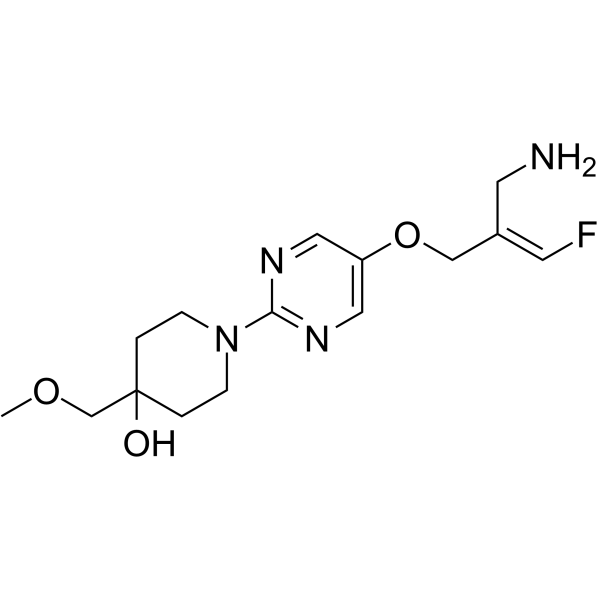
    mTORC1-IN-3 is a potent and selective mTORC1 inhibitor with an IC50 of 26.38 μM . mTORC1-IN-3 selectively inhibits the phosphorylation of mTORC1 substrates and does not without affect the phosphorylation of mTORC2 substrate. mTORC1-IN-3 can reduce cellular lipid accumulation and induce autophagy. mTORC1-IN-3 can be used for the researches of cancer, immunology, metabolic and neurological disease, such as diabetes and Alzheimer’s disease .
    mTORC1-IN-3
  • HY-P990138

    CD20 Metabolic Disease Inflammation/Immunology
    Anti-Monkey/Human CD20 Antibody (2H7) is a mouse-derived IgG2b κ type antibody inhibitor, targeting to monkey/human CD20. Anti-Monkey/Human CD20 Antibody (2H7) specifically depletes B cells. Anti-Monkey/Human CD20 Antibody (2H7) can be used for the researches of inflammation and metabolic disease, such as diabetes and experimental autoimmune encephalomyelitis .
    Anti-Monkey/Human CD20 Antibody (2H7)
  • HY-148475

    NF-κB Infection Cardiovascular Disease Metabolic Disease Inflammation/Immunology Cancer
    (R)-SEMBL (compound 1B) is a potent NF-κB inhibitor. (R)-SEMBL can be used for the research of cancer, inflammation, autoimmune diseases, diabetes and diabetes complications, infections, cardiovascular disease and defective reperfusion injury .
    (R)-SEMBL
  • HY-174600

    mRNA Inflammation/Immunology
    Human IL6 mRNA encodes the human interleukin 6 (IL6) protein, a cytokine that functions in inflammation and the maturation of B cells. IL6 has been shown to be an endogenous pyrogen capable of inducing fever in people with autoimmune diseases or infections. The functioning of this gene is implicated in a wide variety of inflammation-associated disease states, including suspectibility to diabetes mellitus and systemic juvenile rheumatoid arthritis.
    Human IL6 mRNA
  • HY-138990

    Phospholipase Apoptosis Inflammation/Immunology
    GK563 is a selective Ca 2+-independent phospholipase A2 (GVIA iPLA2) inhibitor with an IC50 value of 1 nM. GK563 is 22000 times more active against GVIA iPLA2 than GIVA cPLA2. GK563 reduces β-cell apoptosis induced by proinflammatory cytokines, raising the possibility that it can be beneficial in countering autoimmune diseases, such as type 1 diabetes .
    GK563
  • HY-P5396

    Amino Acid Decarboxylase Others
    GAD65 (524-543) is a biological active peptide with amino acids 524 to 543 fragment of glutamic acid decarboxylase 65 (GAD65). GAD65 (524-543) is one of the first fragments of islet antigen to induce proliferative T cell responses in the non-obese diabetic (NOD) mouse model of spontaneous autoimmune diabetes. GAD65 (524-543) is a specific, possibly low affinity, stimulus for the spontaneously arising diabetogenic T cell clone BDC2.5. Immunization with GAD65 (524-543) increases the susceptibility of the NOD mice to type 1 diabetes induced by the adoptive transfer of BDC2.5 T cells .
    GAD65 (524-543)
  • HY-145492

    N-(3-Oxo-7Z-tetradecenoyl)-L-homoserine lactone

    Drug Derivative Inflammation/Immunology
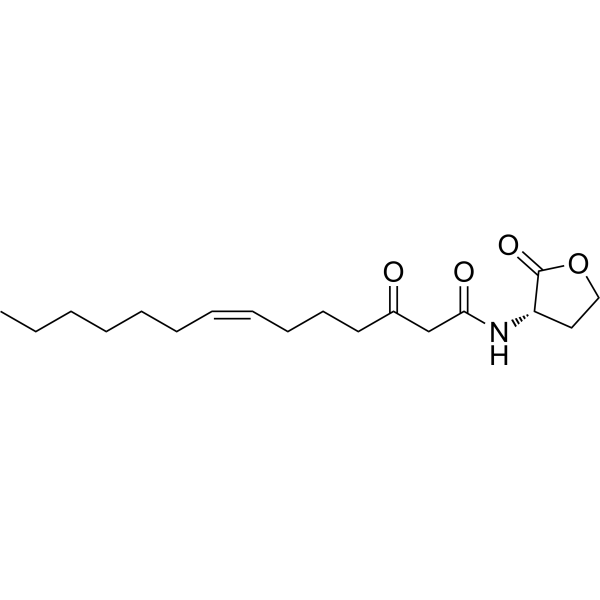
    Δ7(Z)-C14-HSL (Compound 12) is an immunosuppressive agent that can inhibit the proliferation of mouse splenic cells with an IC50 of 17 μM. Δ7(Z)-C14-HSL can be used for further studying its potential as a molecular mechanism in TNF-R-driven immune diseases, especially autoimmune diseases such as psoriasis, rheumatoid arthritis, and type 1 diabetes .
    Δ7(Z)-C14-HSL
  • HY-162071

    Pyruvate Kinase Cancer
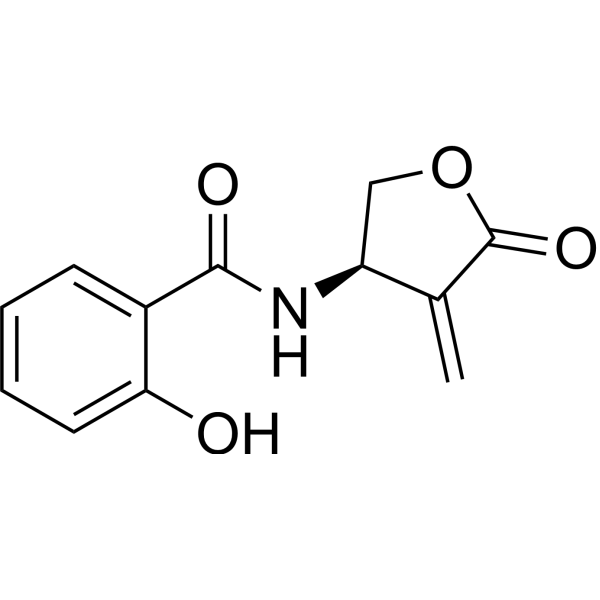
    PKM2-IN-5 (Compound G1) is an inhibitor for pyruvate kinase M2 (PKM2), with IC50 >70 μM .
    PKM2-IN-5
  • HY-181239

    Phosphatase Inflammation/Immunology Cancer
    PTP1B-IN-33 is a PTP1B inhibitor with a human IC50 of 2.45 μM and over 20-fold selectivity for PTP1B over SHP2. PTP1B-IN-33 enhances π-Alkyl interaction with PTP1B to increase WPD loop closure degree. PTP1B-IN-33 can be used for the research of cancer, diabetes, autoimmune deficiency diseases .
    PTP1B-IN-33
  • HY-P992380

    PD-1/PD-L1 Neurological Disease
    IBC-Ab002 is a humanized anti-PD-L1 monoclonal antibody with a modified Fc backbone that shortens its circulating half-life. IBC-Ab002 inhibits PD-L1, triggers immune responses by blocking the PD-1/PD-L1 pathway, promotes the recruitment of myeloid-derived immune cells to the brain, enhances the clearance of toxic substances in the brain, improves neuronal function and reduces inflammation. IBC-Ab002 reduces the risk of accelerated onset of autoimmune diabetes in susceptible mice. IBC-Ab002 can be used in research related to Alzheimer's disease .
    IBC-Ab002
  • HY-108615R

    GPi 819 (Standard)

    Phosphorylase Reference Standards Cardiovascular Disease Neurological Disease Metabolic Disease
    CP-316819 (GPi 819) Standard is the analytical standard of CP-316819 (HY-108615). This product is intended for research and analytical applications. CP-316819 (GPi 819) is a blood-brain barrier permeable glycogen phosphorylase inhibitor. CP-316819 inhibits hepatic glycogenolysis, safely reduces blood glucose in type 2 diabetes, and rarely induces hypoglycemia. CP-316819 increases brain glycogen reserves, protects neurons, alleviates hypoglycemic brain injury, and inhibits excessive platelet activation, exerting both neuroprotective and vasculoprotective effects. CP-316819 can be used in research related to hypoglycemia, thrombosis, autoimmune inflammatory diseases, and type 2 diabetes.
    CP-316819 (Standard)
  • HY-108039R

    HE 3286 (Standard); NE-3107 (Standard)

    Reference Standards NF-κB Neurological Disease Metabolic Disease Inflammation/Immunology
    Bezisterim (Standard) is the analytical standard of Bezisterim (HY-108039). This product is intended for research and analytical applications. Bezisterim (HE 3286; NE-3107) is a synthetic derivative of a natural anti-inflammatory steroid, β-AET. Bezisterim is an orally active partial NF-κB inhibitor. HE3286 reduces proinflammatory signals, including IL-6 and matrix metallopeptidase 3. Bezisterim freely penetrates the blood brain barrier in mice. Bezisterim can be used for the research of the ulcerative colitis, arthritis, experimental autoimmune encephalomyelitis . Bezisterim is a click chemistry reagent, it contains an Alkyne group and can undergo copper-catalyzed azide-alkyne cycloaddition (CuAAc) with molecules containing Azide groups.
    Bezisterim (Standard)
  • HY-P992159

    SLC39 (Zinc Transporter) Metabolic Disease Inflammation/Immunology
    Anti-ZnT8 Antibody (mAb43) is a monoclonal antibody targeting the zinc transporter ZnT8, with islet-specific biodistribution characteristics. Anti-ZnT8 Antibody (mAb43) binds to extracellular ZnT8 on the surface of pancreatic β-cells and masks its insulin-co-localizing sites to block autoimmune recognition. Anti-ZnT8 Antibody (mAb43) also promotes an increase in the proportion of regulatory T cells and inhibits B cell antigen presentation, thereby effectively blocking the T cell-mediated cascade of β-cell destruction. Anti-ZnT8 Antibody (mAb43) eliminates insulitis, preserves β-cell mass and induces seroconversion of autoantibodies, without directly altering the insulin secretion function or content of β-cells. Anti-ZnT8 Antibody (mAb43) can be used for research related to type 1 diabetes .
    Anti-ZnT8 Antibody (mAb43)
  • HY-W017087

    NOD-like Receptor (NLR) Caspase Interleukin Related Infection Metabolic Disease
    1,2,4-Trimethoxybenzene is an orally active NLRP3 selective inhibitor. 1,2,4-Trimethoxybenzene can markedly suppress Nigericin (HY-127019) or ATP (HY-B2176)-induced NLRP3 inflammasome activation, thus decreasing caspase-1 activation and IL-1β secretion. 1,2,4-Trimethoxybenzene specifically inhibits the activation of NLRP3 inflammasome without affecting absent in melanoma 2 (AIM2) inflammasome activation. 1,2,4-Trimethoxybenzene inhibits oligomerization of the apoptosis-associated speck-like protein containing a CARD (ASC) and protein-protein interaction between NLRP3 and ASC, thus blocking NLRP3 inflammasome assembly. 1,2,4-Trimethoxybenzene can be used for the study of experimental autoimmune encephalomyelitis (EAE), multiple sclerosis, and type 2 diabetes .
    1,2,4-Trimethoxybenzene

Inquiry Online

Your information is safe with us. * Required Fields.

Salutation


Country or Region *

Applicant Name *


Organization Name *

Department *


Email Address *


Product Name *

Cat. No.


Requested quantity *

Phone Number *


Remarks

Inquiry Online

Inquiry Information

Product Name:
Cat. No.:
Quantity:
MCE Japan Authorized Agent: