1. Search Result
Search Result
Results for "

brain+penetration

" in MedChemExpress (MCE) Product Catalog:

44

Inhibitors & Agonists

3

Isotope-Labeled Compounds

1

Click Chemistry

Cat. No. Product Name Target Research Areas Chemical Structure
  • HY-16712
    LDN-214117
    2 Publications Verification

    TGF-β Receptor Cancer
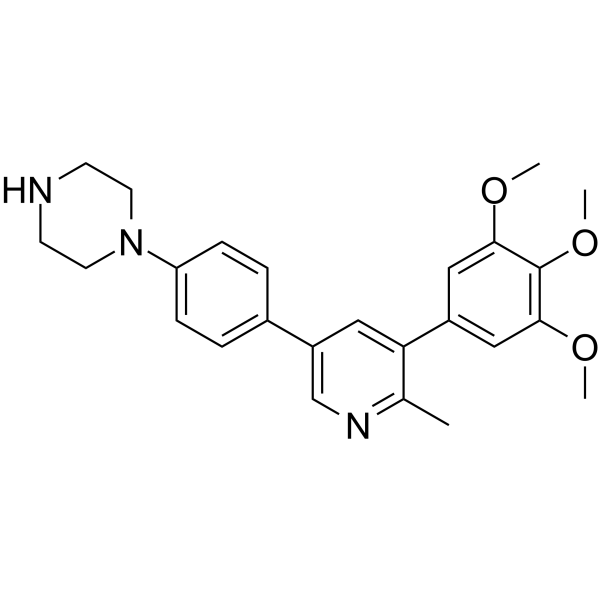
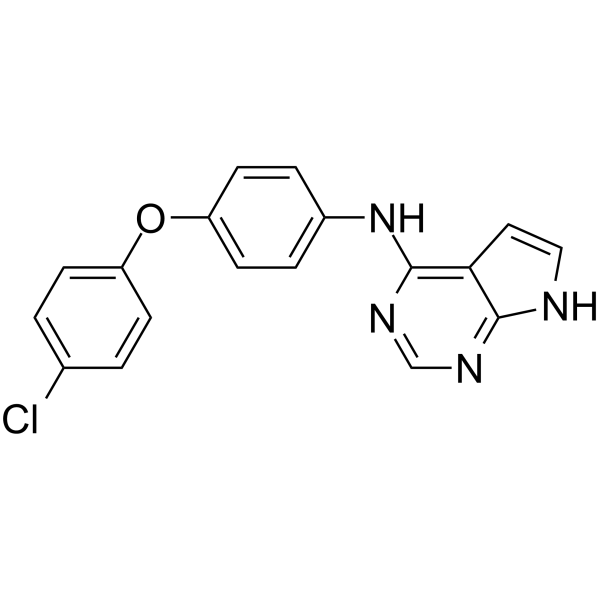
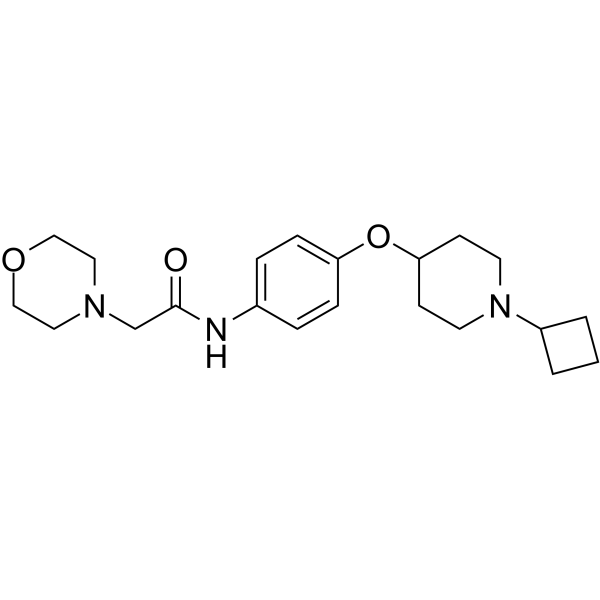
    LDN-214117 is an orally active ALK2 inhibitor with well-tolerated and good brain penetration. LDN-214117 has a high selectivity and low cytotoxicity for ALK2 with an IC50 value of 24 nM. LDN-214117 also is a specific bone morphogenetic proteins (BMPs) signaling inhibitor and has relatively selective inhibition for BMP6 with an IC50 value of 100 nM. LDN-214117 can be used for the research of fibrodysplasia ossificans progressiva (FOP), diffuse intrinsic pontine glioma (DIPG) .
    LDN-214117
  • HY-175188

    BPN-0027490

    Myosin Neurological Disease
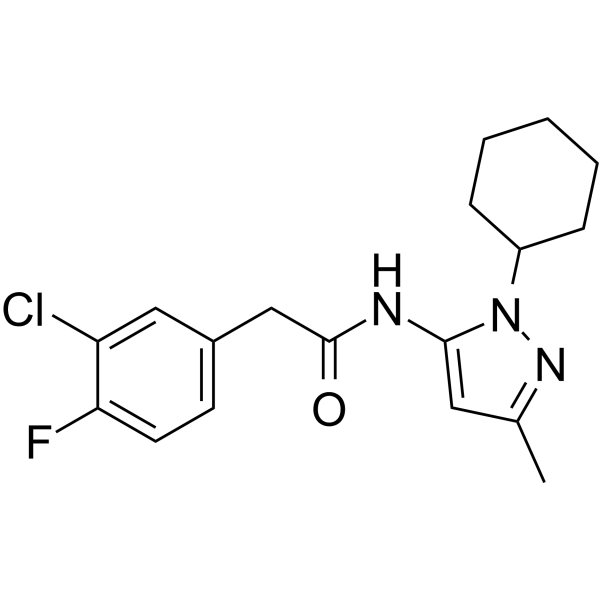
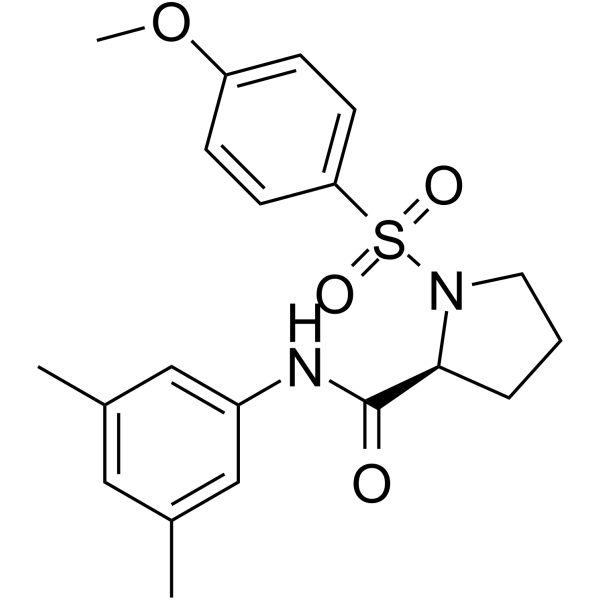
    MT-110 (BPN-0027490) is a non-muscle myosin NMIIB-selective inhibitor with high brain penetration and favorable safety profile. MT-110 specifically disrupts NMIIB-dependent actin dynamics in dendritic spines, while it exerts no significant adverse effects on cardiac myosin II and cardiac functions (such as cardiac output and heart rate) at tested concentrations. A single administration of MT-110 produces long-lasting (sustained for several weeks) blockade of methamphetamine motivation associated with environmental cues. MT-110 exhibits extremely high specificity, with no interference with cocaine motivation, hippocampus-dependent memory, fear memory, or locomotor and anxiety-like behaviors. MT-110 serves as a valuable tool compound for investigating the mechanisms of methamphetamine use disorder .
    MT-110
  • HY-127106
    VU0810464
    1 Publications Verification

    Potassium Channel Neurological Disease
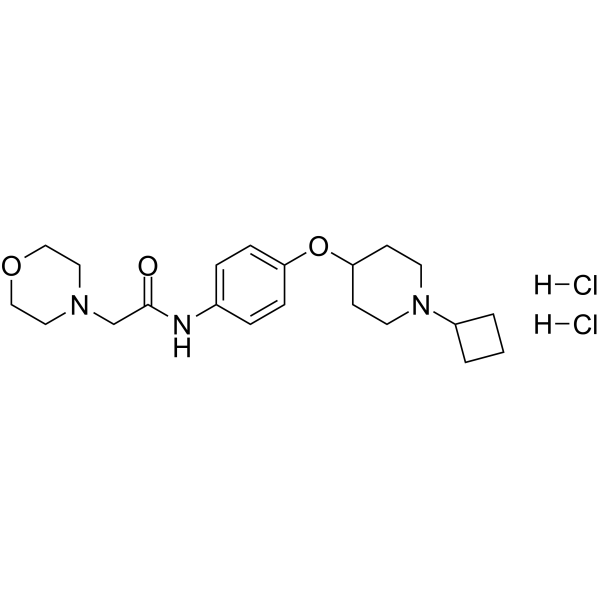
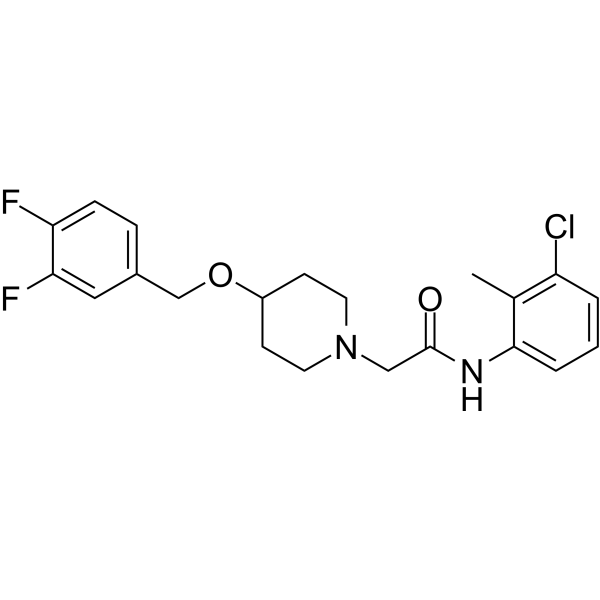
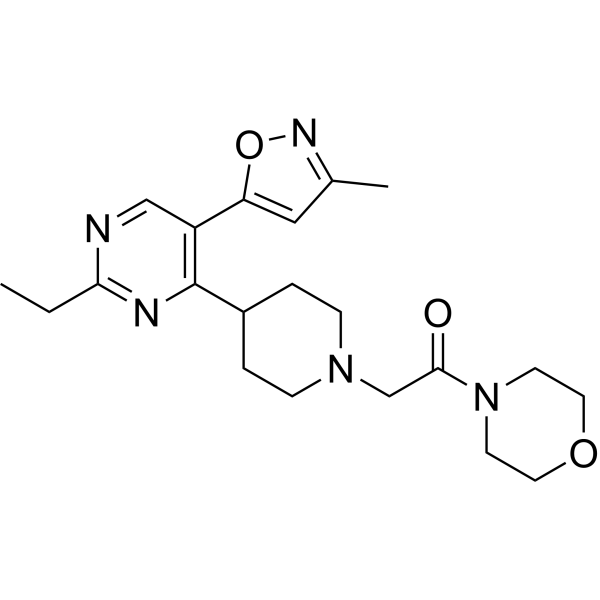
    VU0810464 is a potent and selective non-ureaG protein-gated inwardly-rectifying potassium channels (GIRK, Kir3) activator. VU0810464 displays nanomolar potency for neuronal (EC50=165 nM) and GIRK1/4 (EC50=720 nM) channels with improved brain penetration .
    VU0810464
  • HY-12844
    Ro 64-6198
    1 Publications Verification

    Opioid Receptor Neurological Disease
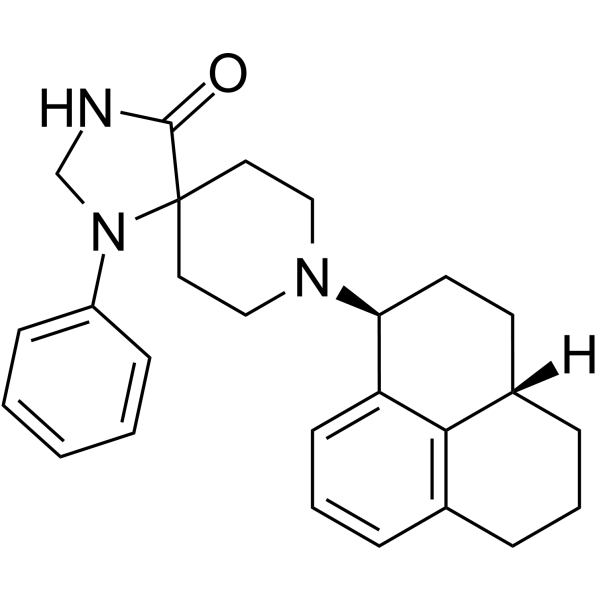
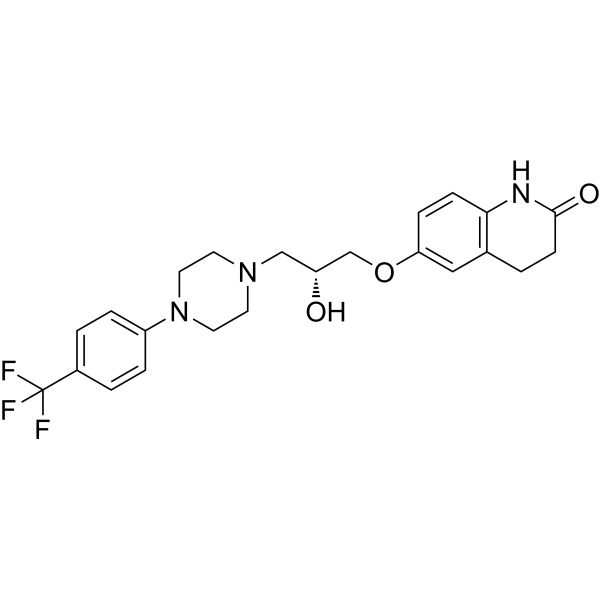
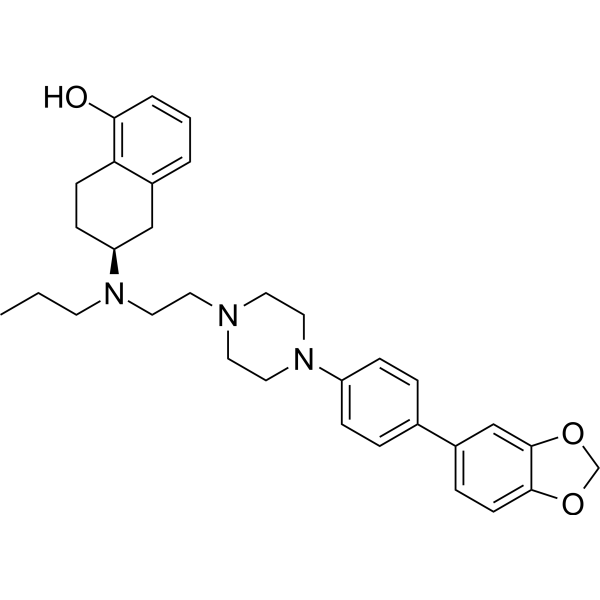
    Ro 64-6198 is a potent, selective, nonpeptide, high-affinity, high cellular permeability and brain penetration N/OFQ receptor (NOP) agonist with an EC50 value of 25.6 nM. Ro 64-6198 is at least 100 times more selective for the NOP receptor over the classic opioid receptors. Ro 64-6198 can be used for stress and anxiety, addiction, neuropathic pain, cough, and anorexia .
    Ro 64-6198
  • HY-116578
    Metopimazine
    3 Publications Verification

    EXP999; RP9965

    Dopamine Receptor Neurological Disease
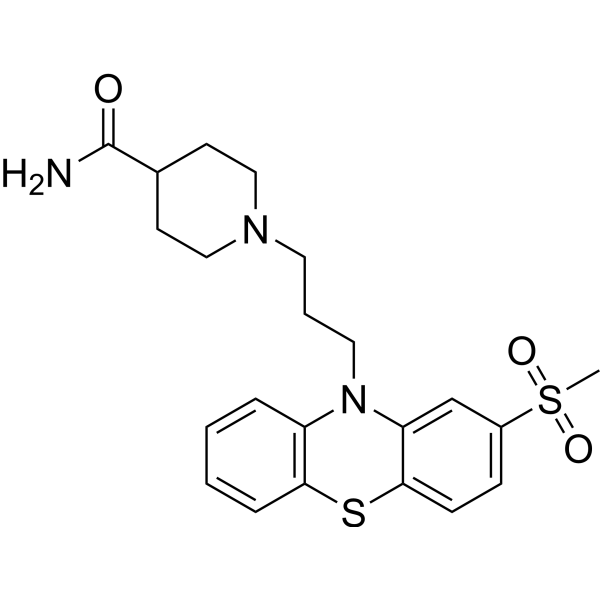
    Metopimazine (EXP999; RP9965) is a phenothiazine, orally available, selective dopamine D2 receptor antagonist that does not penetrate the blood-brain barrier. Metopimazine blocks dopamine D2 receptors in the chemoreceptor trigger zone and the periphery, thereby inhibiting nausea and vomiting. Metopimazine is indicated for chemotherapy-induced nausea and vomiting, and has low central side effects due to its poor brain penetration. The use of metopimazine in acute gastroenteritis may have potential risks .
    Metopimazine
  • HY-164782

    HDAC Neurological Disease Metabolic Disease Cancer
    PT3 is a selective inhibitor of HDAC3 with an IC50 value of 0.25 μM. PT3 exhibits good brain penetration ability and bioavailability upon oral administration. PT3 can be used in the research of Alzheimer’s disease .
    PT3
  • HY-108340

    mAChR Neurological Disease
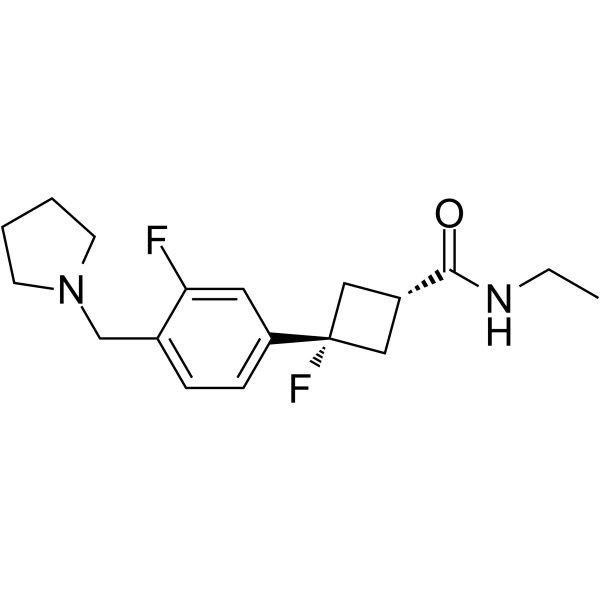
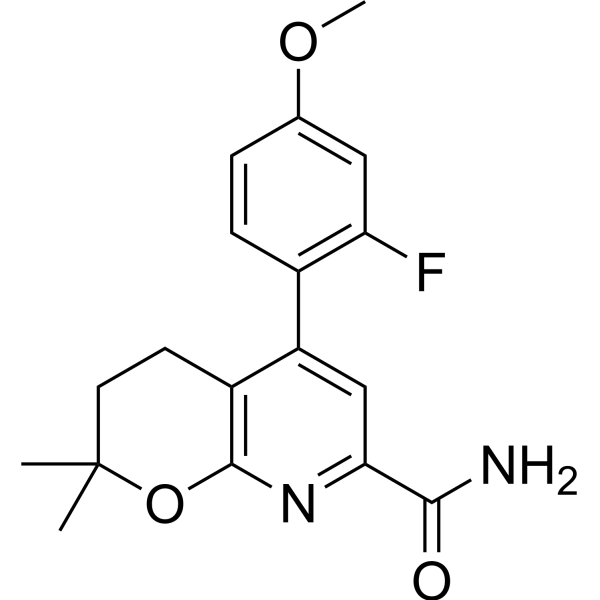
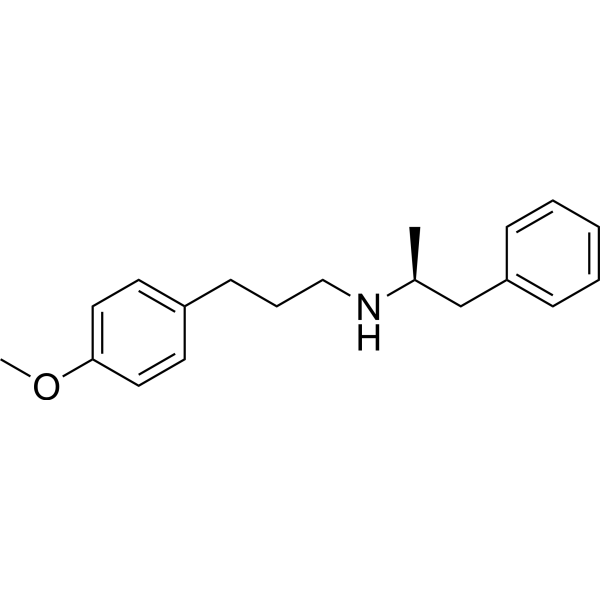
    PF-06767832 is a potent muscarinic M1 selective positive allosteric modulator (PAM), with the EC50 of 60 nM. PF-06767832 has good brain penetration .
    PF-06767832
  • HY-101834

    Orexin Receptor (OX Receptor) Others
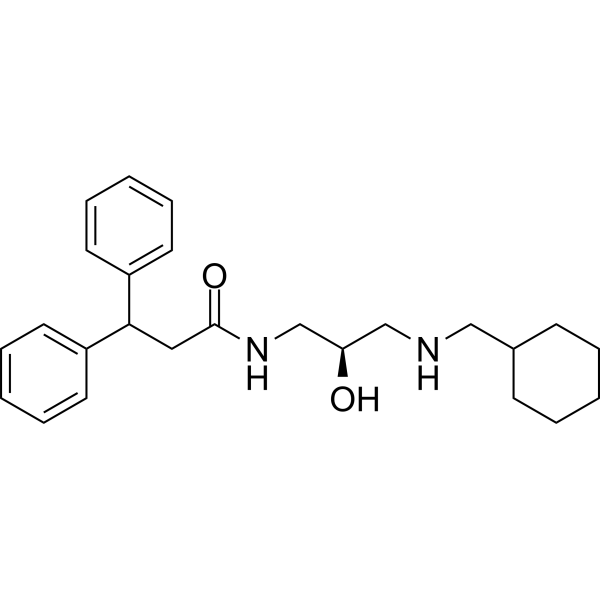
    ACT-462206 is an orally active and potent dual Orexin 1/Orexin 2 receptor antagonist with IC50s of 60 nM (Orexin 1) and 11 nM (Orexin 2), respectively. ACT-462206 exhibits brain penetration properties, and can be used for insomnia, stress/anxiety-related disorders and addiction research .
    ACT-462206
  • HY-145313

    Tau Protein Neurological Disease
    TTBK1-IN-2 (compound 29) is a potent Tau-Tubulin kinase (TTBK1) inhibitor with IC50s of 0.24 and 4.22 µM, respectively. TTBK1-IN-2 reveals good brain penetration in vivo and is able to reduce TDP-43 phosphorylation not only in cell cultures but also in the spinal cord of transgenic TDP-43 mice .
    TTBK1-IN-2
  • HY-120124

    SUVN-G3031

    Histamine Receptor Neurological Disease
    Samelisant (SUVN-G3031) is a potent and selective histamine H3 receptor (H3R) inverse agonist with good brain penetration and oral bioavailability. Samelisant has a similar binding affinity towards human (hH3R; Ki=8.7 nM) and rat (rH3R;Ki=9.8 nM) H3R indicating no inter-species differences. Samelisant can be used for the research of sleep-related disorders .
    Samelisant
  • HY-148825

    iGluR Histamine Receptor Potassium Channel Cytochrome P450 Adrenergic Receptor Metabolic Disease Inflammation/Immunology Cancer
    NP10679 is a selective, pH dependent GluN2B subunit-specific N-methyl-D-aspartate (NMDA) receptor inhibitor with high oral bioavailability and good brain penetration. NP10679 inhibits GluN2B with IC50s of 23 and 142 nM at pH 6.9 and 7.6, respectively. NP10679 is a histamine H1 antagonist and a hERG channel inhibitor with IC50s of 73 and 620 nM, respectively. NP10679 is a reversible inhibitor of human liver CYP enzymes .
    NP10679
  • HY-167876

    PI3K Cancer
    PQR514 is a potent PI3K inhibitor with anticancer activity. PQR514 is able to inhibit cancer cell proliferation. PQR514 showed significant antitumor activity in the OVCAR-3 xenograft model, with the required concentration being approximately one-eighth that of PQR309. PQR514 has good pharmacokinetic properties and minimal brain penetration, making it an optimized candidate compound for inhibiting systemic tumors .
    PQR514
  • HY-W278021

    Amyloid-β Others
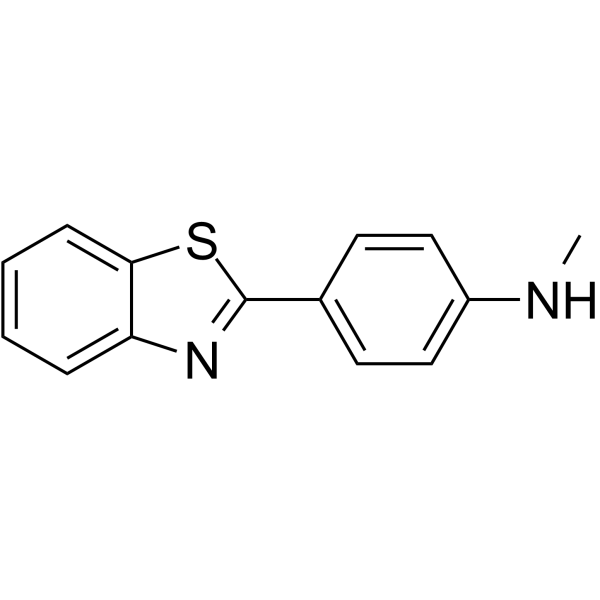
    BTA-1 is an uncharged derivative of thioflavin-T. BTA-1 has a high affinity for Aβ fibrils and shows very good brain penetration and clearance .
    BTA-1
  • HY-155672

    5-HT Receptor Neurological Disease
    JPC0323 is a dual 5-HT2C/5-HT2A receptor positive allosteric modulator. JPC0323 has on-target properties, acceptable plasma exposure and brain penetration. JPC0323 can be used for the research of neurological disease .
    JPC0323
  • HY-139300A

    HMPL-813 succinate

    EGFR Cancer
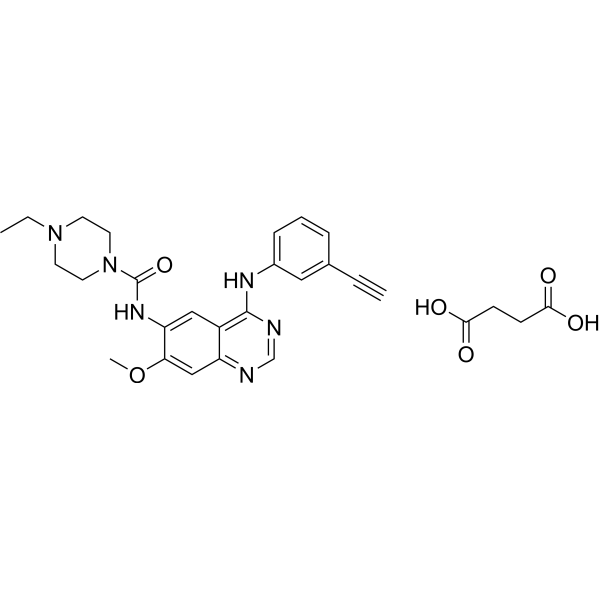
    Epitinib succinate is an orally active and selective epidermal growth factor receptor tyrosine kinase inhibitor (EGFR-TKI) designed for optimal brain penetration. Epitinib succinate can be used for the research of cancer . Epitinib (succinate) is a click chemistry reagent, it contains an Alkyne group and can undergo copper-catalyzed azide-alkyne cycloaddition (CuAAc) with molecules containing Azide groups.
    Epitinib succinate
  • HY-167927

    CVL218

    PARP Cancer
    Mefuparib (CVL218) is a poly ADP-ribose polymerase (PARP) inhibitor used in cancer research that exhibits potent brain penetration due to its high protein binding.
    Mefuparib
  • HY-120574

    ADC Payload Topoisomerase Cancer
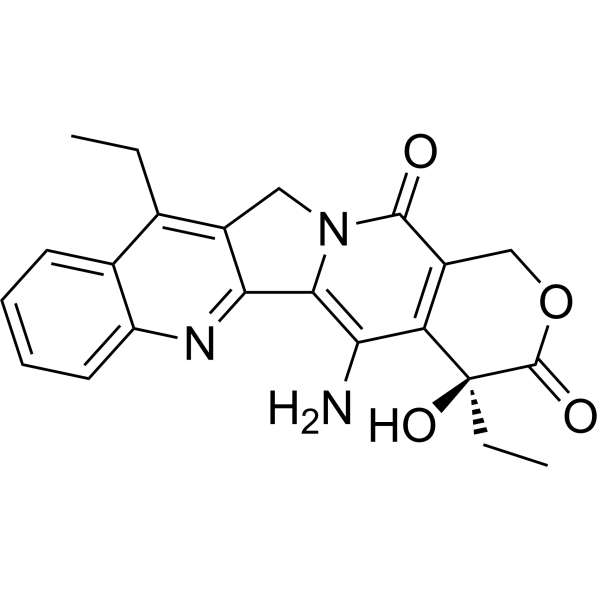
    TH1338 (compound 3b), an orally active camptothecin derivative and a potent chemotherapeutic agent for cancer, demonstrates excellent cytotoxic potency against human tumor cell lines in vitro. TH1338 (compound 3b) possesses significant brain penetration, favorable efflux pump properties, and hematological toxicity profile .
    TH1338
  • HY-11045

    Histamine Receptor Neurological Disease Inflammation/Immunology Endocrinology
    PF-03654746 is a potent and selective histamine H3 receptor antagonist with high brain penetration. PF-03654746 reduces allergen-induced nasal symptoms, might be a novel therapeutic strategy to further explore allergic rhinitis . PF-03654746 improves cognitive efficacy and disease-modifying effects in Alzheimer's disease (AD) .
    PF-03654746
  • HY-15112

    Prolyl Endopeptidase (PREP) Infection
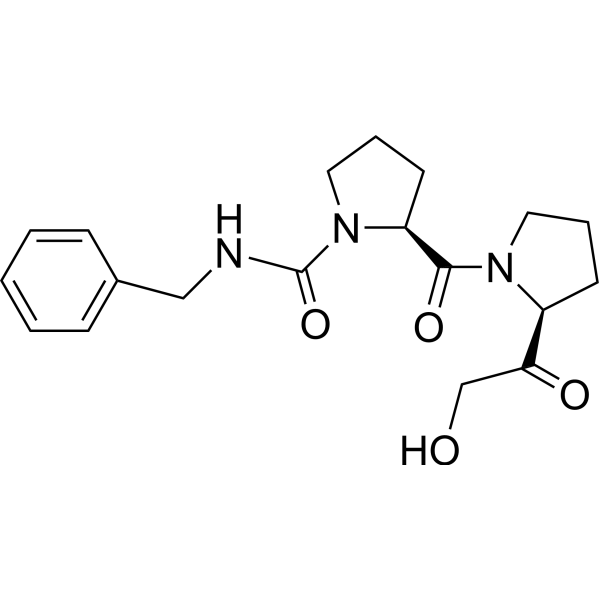
    JTP-4819 is a potent and specific inhibitor of prolyl endopeptidase (PREP) with IC50s of 0.83 nM (in rat brain supernatant) and 5.43 nM (in Flavobacterium meningosepticum). JTP-4819 has blood-brain penetration, also improves the retention time of amnesia rats induced by Scopolamine (HY-N2096) .
    JTP-4819
  • HY-115727

    Epigenetic Reader Domain Others
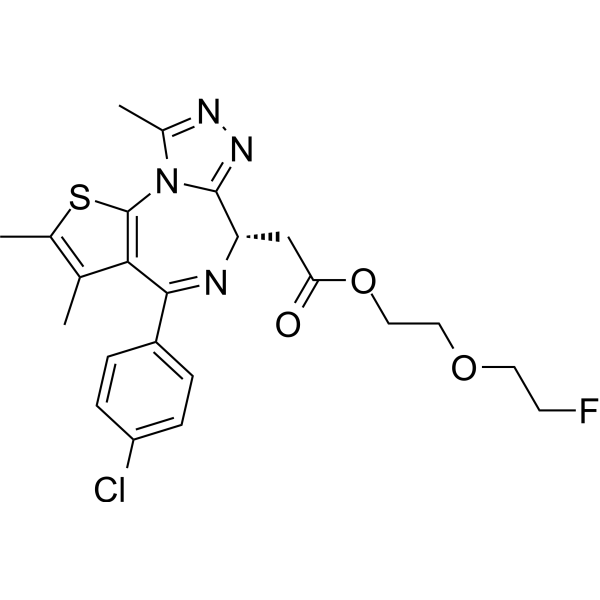
    BET-IN-1 is a potent BET inhibitor that has excellent brain penetration and reasonable metabolic stability.
    BET-IN-1
  • HY-122787

    Others Others
    Tylocrebrine is a compound with anticancer activity. Its clinical research was interrupted due to toxicity issues. By making it into targeted nanoparticles, its inhibitory index can be improved, the killing effect on tumor cells can be enhanced and brain penetration can be reduced.
    Tylocrebrine
  • HY-152632

    Cholinesterase (ChE) Neurological Disease
    BuChE-IN-7 is a highly selective inhibitor of hBuChe and eqBuChE with IC50 values of 40 nM, 80 nM respectively. BuChE-IN-7 can promote cognitive with blood-brain penetration and improves situational and phobic memory, showing preference for new things .
    BuChE-IN-7
  • HY-171195

    5-HT Receptor Metabolic Disease
    VU0631019 is a potent antagonist of 5-HT2B, with the IC50 of 29 nM. VU0631019 is predicted to have very limited potential for brain penetration in human subjects, as is predicted to be substrates for P-gp-mediated efflux in humans .
    VU0631019
  • HY-10030

    PF-2545920 succinate

    Phosphodiesterase (PDE) Neurological Disease
    Mardepodect succinate (PF-2545920 succinate) is a potent and specific phosphodiesterase 10A (PDE10A) inhibitor with potential activity in the treatment of schizophrenia. Mardepodect succinate has been further optimized to improve brain penetration and compound-like properties for use in schizophrenia research .
    Mardepodect succinate
  • HY-171194

    5-HT Receptor Metabolic Disease
    VU0530244 is a potent antagonist of 5-HT2B, with the IC50 of 17.3 nM. VU0530244 is predicted to have very limited potential for brain penetration in human subjects, as is predicted to be substrates for P-gp-mediated efflux in humans .
    VU0530244
  • HY-107666

    nAChR Neurological Disease Inflammation/Immunology
    PHA 568487 a selective agonist of alpha-7 nicotinic acetylcholine receptor (α-7 nAchR) .PHA 568487 reduces neuroinflammation and oxidative stress . PHA-568487 has rapid brain penetration .
    PHA 568487
  • HY-161380

    Fungal Infection
    Antifungal agent 96 (Compound WZ-2) is an antifungal agent with good blood-brain barrier permeability and brain penetration. Antifungal agent 96 inhibits the growth of C. neoformans H99 and C. albicans 0304103 with MIC values of 0.016 and 32 μg/mL, respectively .
    Antifungal agent 96
  • HY-167927S

    Isotope-Labeled Compounds PARP Cancer
    Mycophenolic Acid-d3 Acyl-Beta-D-glucuronide is the deuterium labeled Mefuparib (HY-167927). Mefuparib (CVL218) is a poly ADP-ribose polymerase (PARP) inhibitor used in cancer research that exhibits potent brain penetration due to its high protein binding.
    Mycophenolic Acid-d3 Acyl-Beta-D-glucuronide
  • HY-138879

    nAChR Neurological Disease
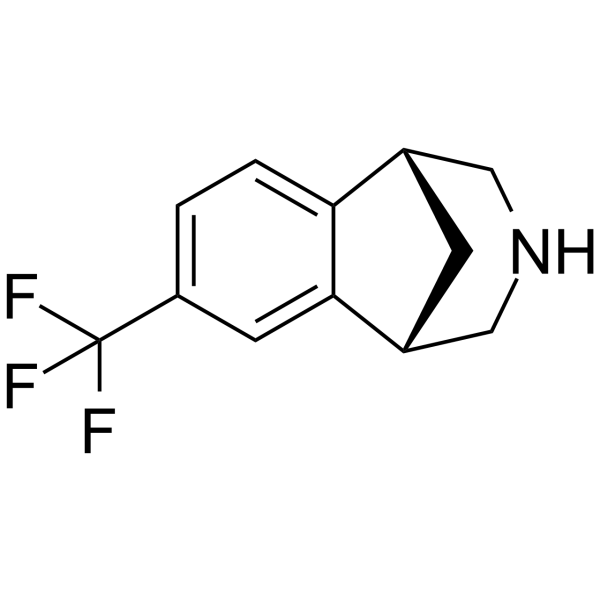
    CP-601927 is a selective α4β2 nicotinic acetylcholine receptor (nAChR) partial agonist (Ki=1.2 nM; EC50=2.6 μM). CP-601927 shows good brain penetration and antidepressant-like properties .
    CP-601927
  • HY-145906

    Dopamine Receptor Neurological Disease
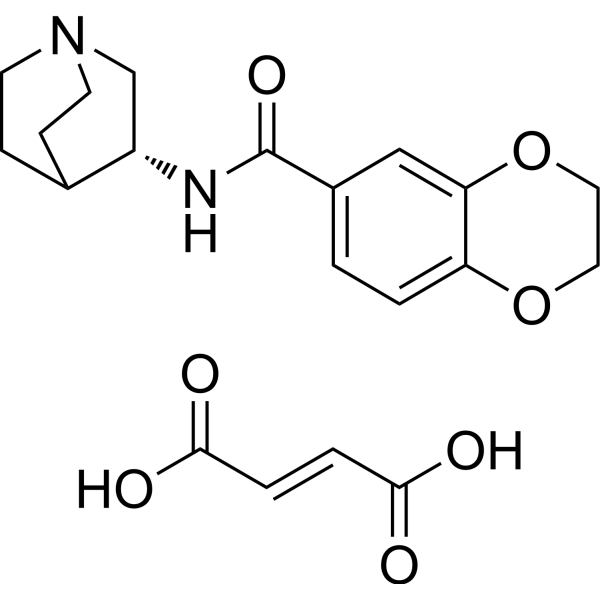
    D4R antagonist-2 is a potent and selective D4R antagonist with an IC50 of 6.52 µM. D4R antagonist-2 displays very favorable in vitro PK parameters and has good brain penetration. D4R antagonist-2 has the potential for the research of Parkinson’s disease .
    D4R antagonis-2
  • HY-149065

    α-synuclein Neurological Disease
    D-685, a prodrug of D-520, exhibits higher in vivo anti-Parkinsonian efficacy in a reserpinized Parkinson's disease (PD) animal model than the parent D-520. D-685 reduces accumulation of human α-synuclein (α-syn) protein. D-685 exhibits facile brain penetration .
    D-685
  • HY-158627

    5-HT Receptor Others
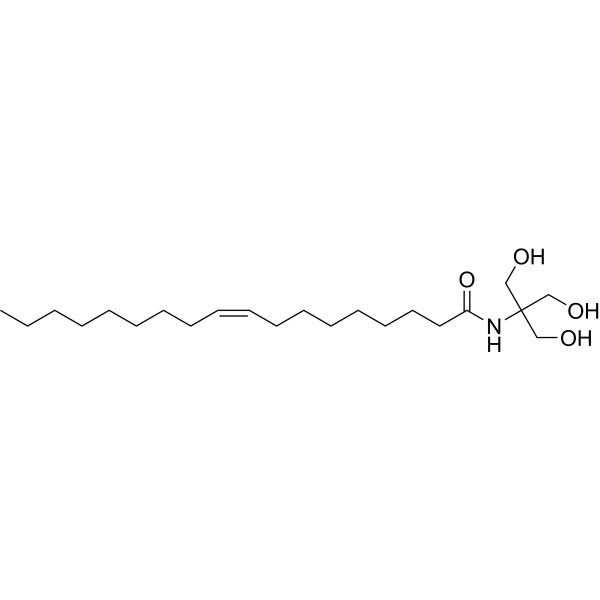
    JPC0323 Oleate is a derivative of JPC0323 (HY-155672). JPC0323 is a dual 5-HT2C/5-HT2A receptor positive allosteric modulator. JPC0323 has on-target properties, acceptable plasma exposure and brain penetration. JPC0323 can be used for the research of neurological disease .
    JPC0323 Oleate
  • HY-174381

    Cholinesterase (ChE) Amyloid-β Tau Protein Neurological Disease
    BChE-IN-41 is a highly selective Butyrylcholinesterase (BChE) inhibitor (IC50 =12 nM, Ki = 6.6 nM). BChE-IN-41 has high brain penetration with a brain-to-plasma ratio of 9.0. BChE-IN-41 has pro-cognitive effects on mice with AD-like symptoms induced by Scopolamine (HY-N0296) and Aβ1-42 .
    BChE-IN-41
  • HY-152171

    Monoamine Transporter Neurological Disease
    GZ-11608 is a potent and selective vesicular monoamine transporter-2 (VMAT2) inhibitor with high affinity (Ki = 25 nM). GZ-11608 decreases methamphetamine-induced dopamine release from isolated synaptic vesicles from brain dopaminergic neurons. GZ-11608 exhibits rapid brain penetration and without neurotoxicity. GZ-11608 can be used for the research of methamphetamine use disorder .
    GZ-11608
  • HY-135478

    NCC1048

    Calcium Channel Sodium Channel Neurological Disease
    LY393615 (NCC1048) is a novel neuronal Ca 2+ (calcium channel) and Na + channel (sodium channel) blocker with IC50s of 1.9 μΜ and 5.2 μΜ for α1A and α1B calcium channel subunits. LY393615 has good brain penetration and neuroprotective effects in models of in cerebral ischemia that can be used for neurological disease research .
    LY393615
  • HY-155992

    Sigma Receptor Neurological Disease
    WLB-89462 (Compound 20c) is a selective σ2 receptor ligand (Ki: 13 nM). WLB-89462 has neuroprotective activity. WLB-89462 improves short-term memory impairment induced by Aβ peptide in rats. WLB-89462 has good ADMET profile (good solubility, no CYP inhibition, good metabolic stability, high permeability, brain penetration, and high oral exposure in rodents) .
    WLB-89462
  • HY-135478A

    NCC1048 free base

    Calcium Channel Sodium Channel Neurological Disease
    LY393615 (NCC1048) free base is a novel neuronal Ca 2+ (calcium channel) and Na + channel (sodium channel) blocker with IC50s of 1.9 μΜ and 5.2 μΜ for α1A and α1B calcium channel subunits. LY393615 free base has good brain penetration and neuroprotective effects in models of in cerebral ischemia that can be used for neurological disease research .
    LY393615 free base
  • HY-172808

    Cannabinoid Receptor Cytochrome P450 Metabolic Disease
    BNS808 is an orally active and selective cannabinoid-1 receptor (CB1R) antagonist (IC50 = 0.8 nM) with notable CB2R selectivity and minimal brain penetration. BNS808 is studied in research on obesity and its associated metabolic complications, such as metabolic dysfunctional-associated steatotic liver disease (MASLD). BNS808 has reduced free drug availability for CNS entry, enhancing safety and minimizing drug-drug interactions through high plasma binding .
    BNS808
  • HY-122608

    SUVN-G3031 free base

    Histamine Receptor Neurological Disease
    Samelisant (SUVN-G3031) free base is a potent and selective histamine H3 receptor (H3R) inverse agonist with good brain penetration and oral bioavailability. Samelisant free base has a similar binding affinity towards human (hH3R; Ki=8.7 nM) and rat (rH3R;Ki=9.8 nM) H3R indicating no inter-species differences. Samelisant free base can be used for the research of sleep-related disorders .
    Samelisant free base
  • HY-143994S

    Isotope-Labeled Compounds Dopamine Receptor Neurological Disease
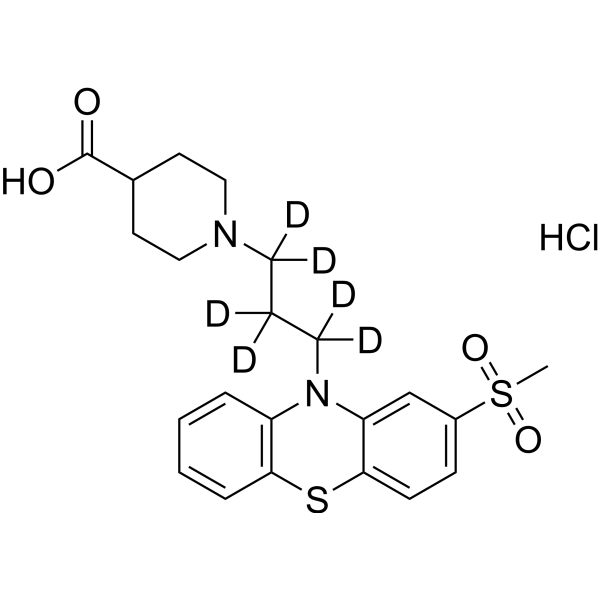
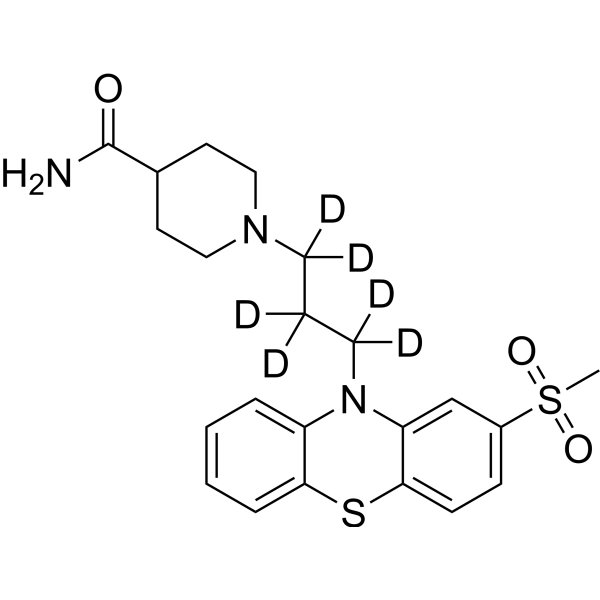
    Metopimazine-d6 hydrochloride is the deuterium labeled Metopimazine (HY-116578). Metopimazine (EXP999; RP9965) is a phenothiazine, orally available, selective dopamine D2 receptor antagonist that does not penetrate the blood-brain barrier. Metopimazine blocks dopamine D2 receptors in the chemoreceptor trigger zone and the periphery, thereby inhibiting nausea and vomiting. Metopimazine is indicated for chemotherapy-induced nausea and vomiting, and has low central side effects due to its poor brain penetration. The use of metopimazine in acute gastroenteritis may have potential risks .
    Metopimazine acid-d6 hydrochloride
  • HY-157998

    mGluR Src Others
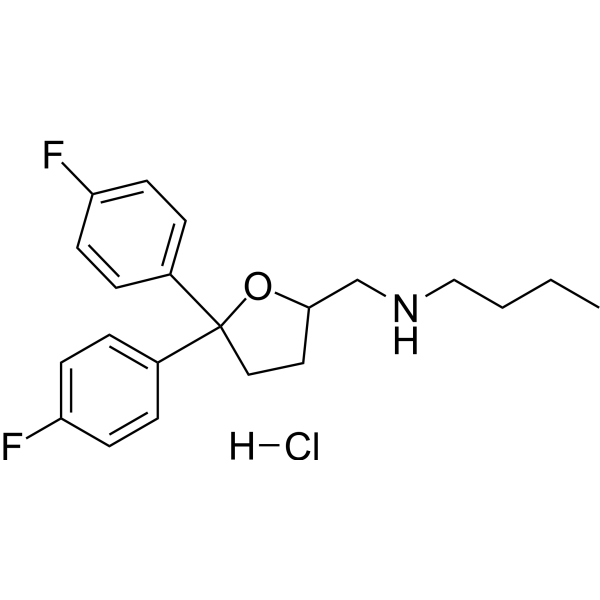
    mG2N001 is a negative allosteric modulator (NAM) (IC50: 93 nM) of the metabotropic glutamate receptor mGluR2 and binds to mGluR2 as an antagonist (Ki: 63 nM). mG2N001 is microparticle- and plasma-stable, and its radioisotope [11C]mG2N001 can be used in PET imaging. [11C]mG2N001 has good brain heterogeneity and brain penetration, and can selectively accumulate in mGluR2-rich regions, producing high-contrast brain images .
    mG2N001
  • HY-116578S

    EXP999-d6; RP9965-d6

    Isotope-Labeled Compounds Dopamine Receptor Neurological Disease
    Metopimazine-d6 (EXP999-d6; RP9965-d6) is the deuterium labeled Metopimazine (HY-116578). Metopimazine (EXP999; RP9965) is a phenothiazine, orally available, selective dopamine D2 receptor antagonist that does not penetrate the blood-brain barrier. Metopimazine blocks dopamine D2 receptors in the chemoreceptor trigger zone and the periphery, thereby inhibiting nausea and vomiting. Metopimazine is indicated for chemotherapy-induced nausea and vomiting, and has low central side effects due to its poor brain penetration. The use of metopimazine in acute gastroenteritis may have potential risks .
    Metopimazine-d6
  • HY-101834R

    Reference Standards Orexin Receptor (OX Receptor) Others
    ACT-462206 (Standard) is the analytical standard of ACT-462206 (HY-101834). This product is intended for research and analytical applications. ACT-462206 is an orally active and potent dual Orexin 1/Orexin 2 receptor antagonist with IC50s of 60 nM (Orexin 1) and 11 nM (Orexin 2), respectively. ACT-462206 exhibits brain penetration properties, and can be used for insomnia, stress/anxiety-related disorders and addiction research .
    ACT-462206 (Standard)
  • HY-181711

    NO Synthase Neurological Disease Cancer
    nNOS-IN-6 is a human neuronal nitric oxide synthase (hnNOS) inhibitor with a human hnNOS Ki of 16 nM, ~1800-fold selectivity over human eNOS, ~2900-fold selectivity over human iNOS, and a rat nNOS Ki of 34 nM.nNOS-IN-6 exhibits high effective permeability in PAMPA-BBB assays, crosses the blood-brain barrier, and shows sustained systemic exposure, low clearance, and robust brain penetration in mouse in vivo pharmacokinetic studies.nNOS-IN-6 can be used for the research of neurodegenerative diseases, melanoma .
    nNOS-IN-6

Inquiry Online

Your information is safe with us. * Required Fields.

Salutation


Country or Region *

Applicant Name *


Organization Name *

Department *


Email Address *


Product Name *

Cat. No.


Requested quantity *

Phone Number *


Remarks

Inquiry Online

Inquiry Information

Product Name:
Cat. No.:
Quantity:
MCE Japan Authorized Agent: