1. Search Result
Search Result
Pathways Recommended: Stem Cell/Wnt Cell Cycle/DNA Damage
Results for "

cell repair protein

" in MedChemExpress (MCE) Product Catalog:

39

Inhibitors & Agonists

5

Screening Libraries

1

Fluorescent Dyes

4

Peptides

1

Natural
Products

1

Recombinant Proteins

1

Antibodies

7

Oligonucleotides

1

GMP Molecules

Cat. No. Product Name Target Research Areas Chemical Structure
  • HY-19959
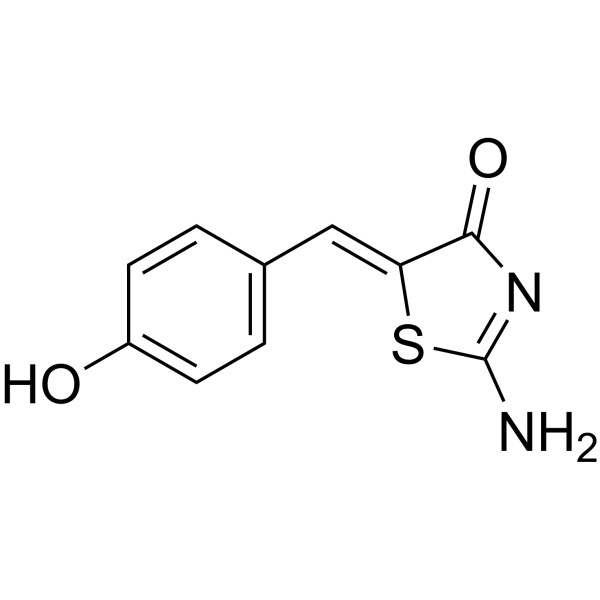
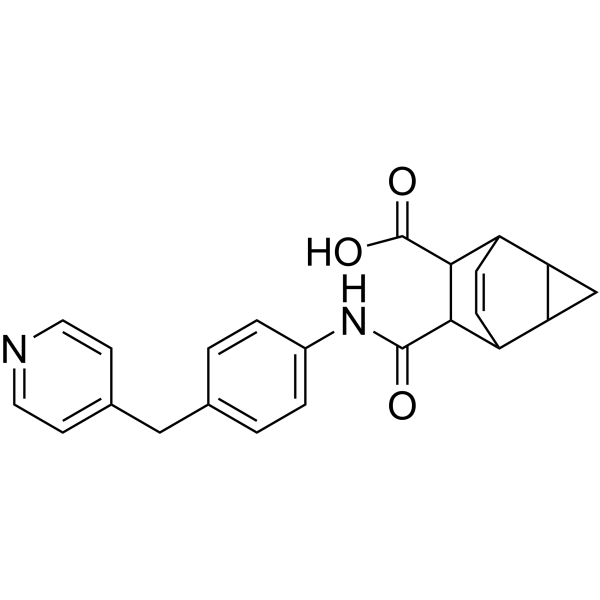
    Mirin
    Maximum Cited Publications
    9 Publications Verification

    ATM/ATR Apoptosis Cancer
    Mirin is a potent Mre11-Rad50-Nbs1 (MRN) complex inhibitor. Mirin prevents MRN-dependent activation of ATM (IC50=12 μM) without affecting ATM protein kinase activity, and it inhibits Mre11-associated exonuclease activity. Mirin abolishes the G2/M checkpoint and homology-dependent repair in mammalian cells. Mirin prevents ATM activation in response to DNA double-strand breaks (DSBs) and blocks homology-directed repair (HDR) in mammalian cells .
    Mirin
  • HY-103710
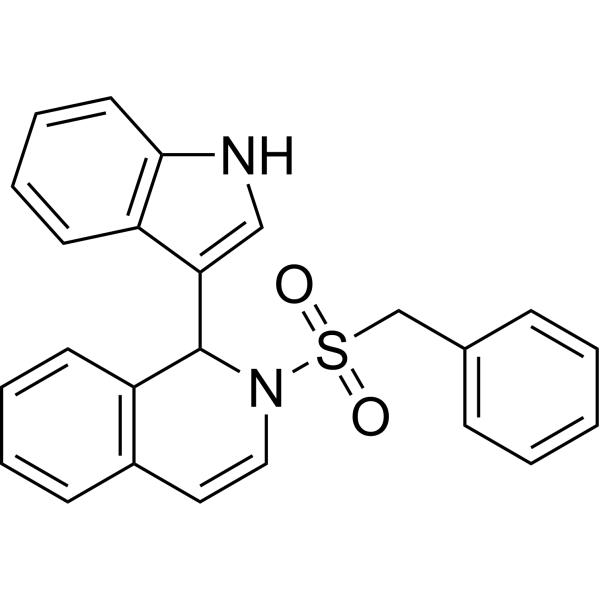
    IBR2
    5+ Cited Publications

    RAD51 Apoptosis Cancer
    IBR2 is a potent and specific RAD51 inhibitor and inhibits RAD51-mediated DNA double-strand break repair. IBR2 disrupts RAD51 multimerization, accelerates proteasome-mediated RAD51 protein degradation, inhibits cancer cell growth and induces apoptosis .
    IBR2
  • HY-P11329

    Fluorescent Dye Others
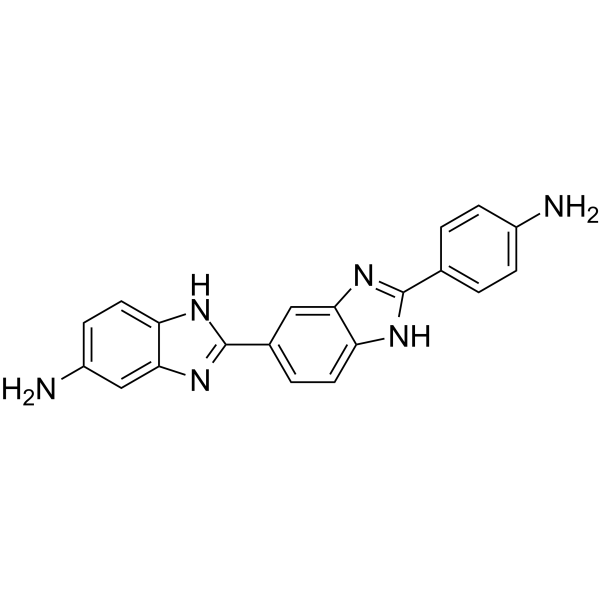
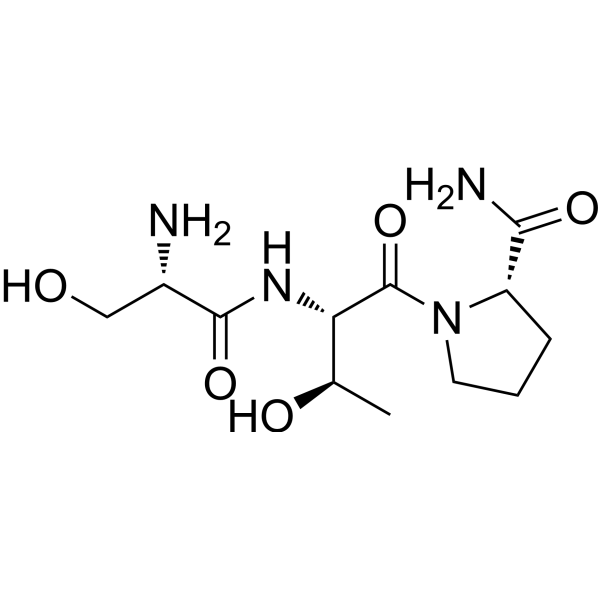
    GFP11 is a protein fusion tag consisting of 16 amino acids. When GFP11 and GFP1-10 are sufficiently close in physical space, they undergo spontaneous, irreversible complementation to reassemble into an intact, functional GFP protein that emits green fluorescence. GFP11 can be used to form a split GFP system for high-throughput biotechnology and flow cytometry applications .
    GFP11
  • HY-144425

    NEKs Inflammation/Immunology
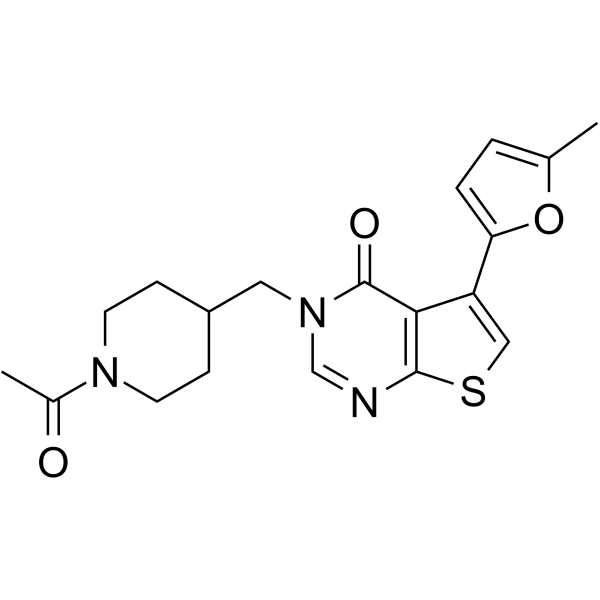
    BSc5367 is a potent Nek1 inhibitor with an IC50 of 11.5 nM. NIMA-related protein kinase Nek1 is crucially involved in cell cycle regulation, DNA repair and microtubule regulation and dysfunctions of Nek1 play key roles in amyotrophic lateral sclerosis (ALS), polycystic kidney disease (PKD) and several types of radiotherapy resistant cancer .
    BSc5367
  • HY-N4327

    NF-κB Apoptosis Akt Bcl-2 Family Infection Inflammation/Immunology
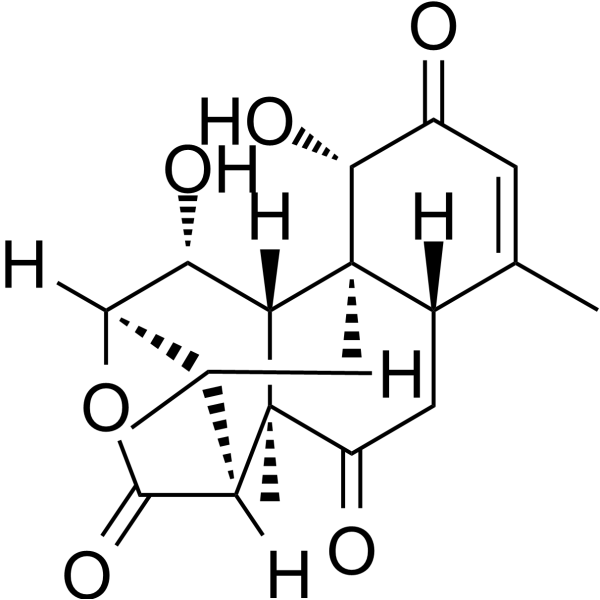
    Eurycomalactone is an active quassinoid could be isolated from Eurycoma longifolia Jack. Eurycomalactone is a potent NF-κB inhibitor with an IC50 value of 0.5 μM. Eurycomalactone inhibits protein synthesis and depletes cyclin D1. Eurycomalactone enhances radiosensitivity through arrest cell cycle at G2/M phase and delayed DNA double-strand break repair. Eurycomalactone inhibits the activation of AKT/NF-κB signaling, induces apoptosis and enhances chemosensitivity to Cisplatin (HY-17394) .
    Eurycomalactone
  • HY-103241
    Ro 90-7501
    3 Publications Verification

    Amyloid-β ATM/ATR Phosphatase Apoptosis Neurological Disease Cancer
    Ro 90-7501 is an amyloid β42 (Aβ42) fibril assembly inhibitor that reduces 42-induced cytotoxicity (EC50 of 2 μM). Ro 90-7501 inhibits ATM phosphorylation and DNA repair. RO 90-7501 selectively enhances toll-like receptor 3 (TLR3) and RIG-I-like receptor (RLR) ligand-induced IFN-β gene expression and antiviral response . Ro 90-7501 also inhibits protein phosphatase 5 (PP5) in a TPR-dependent manner . Ro 90-7501 has significant radiosensitizing effects on cervical cancer cells .
    Ro 90-7501
  • HY-122542

    PAI-1 Thrombin Inflammation/Immunology
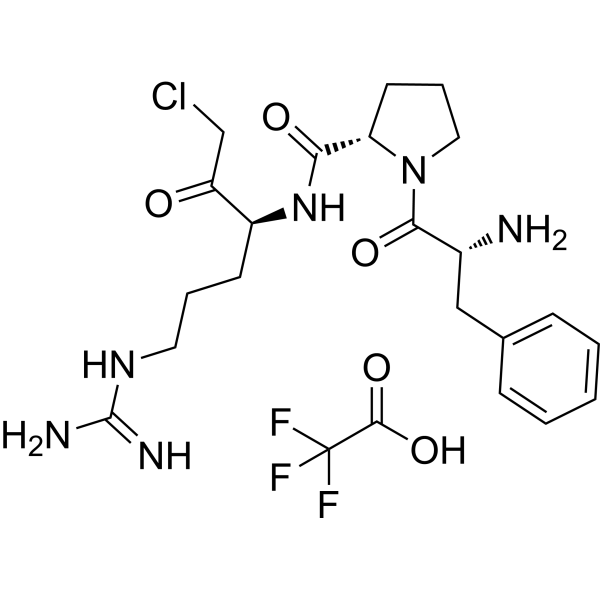
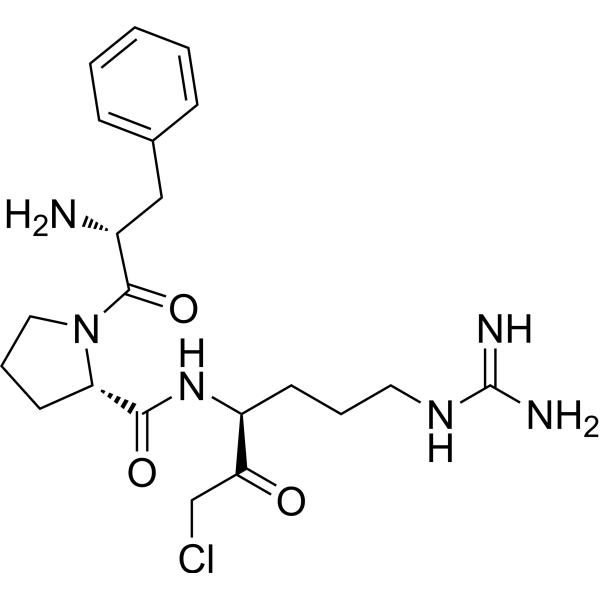
    PPACK is a potent, peptidic inhibitor targeting thrombin and granzyme GZMK. PPACK specifically blocks the activities of thrombin and GZMK, thereby inhibiting thrombin-mediated PAR-1 cleavage, as well as downstream inflammatory and procoagulant signaling pathways. Through stabilizing IκB proteins, blocking NF-κB activation and reducing systemic levels of proinflammatory/procoagulant biomarkers, PPACK exerts multiple effects including anti-inflammatory, antithrombotic, barrier repair, and inhibition of atherosclerotic plaque progression. PPACK binds to platelets without interference from kininogen, effectively limiting acute thrombus growth and reducing eosinophil infiltration and goblet cell hyperplasia in asthma models. PPACK is an important tool molecule for investigating the mechanisms of atherosclerosis, asthma and related thromboinflammatory diseases .
    PPACK
  • HY-145685

    DNA/RNA Synthesis Cancer
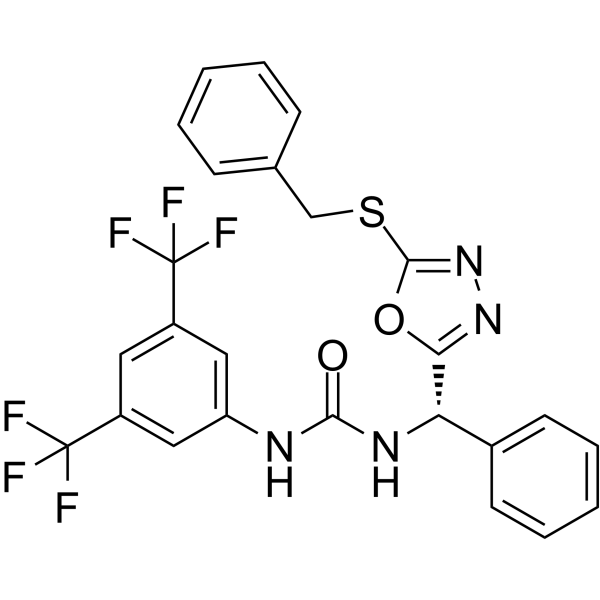
    RECQL5-IN-1 (Compound 4a) acts as an orally effective RECQL5 inhibitor (targeting both enzymatic and nonenzymatic domain). RECQL5-IN-1 is a potent inhibitor of RECQL5 helicase activity (IC50=46.3 nM), stabilizes the interaction between RECQL5-RAD51 proteins, causes RAD51 aggregation and homologous recombination repair (HRR) inhibition, thereby exhibiting selective cytotoxicity in RECQL5-expressing cancer cells .
    RECQL5-IN-1
  • HY-100468
    REV7/REV3L-IN-1
    1 Publications Verification

    DNA/RNA Synthesis Cancer
    REV7/REV3L-IN-1 is a REV7/REV3L interaction inhibitor with an IC50 of 78 μM. REV7/REV3L-IN-1 binds directly to REV7 and inhibits its interaction with REV3L. REV7/REV3L-IN-1 inhibits interstrand crosslink repair in cells. REV7/REV3L-IN-1 chemosensitizes cancer cells to Cisplatin (HY-17394). REV7/REV3L-IN-1 can be used in cervical cancer research .
    REV7/REV3L-IN-1
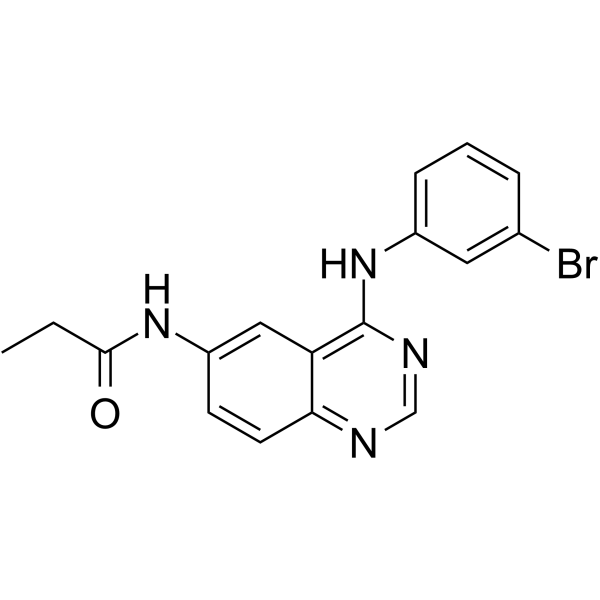
  • HY-112411

    EGFR ERK PDGFR FGFR Neurological Disease Inflammation/Immunology
    PD 174265 is a highly selective, reversible EGFR/ErbB2 tyrosine kinase inhibitor (IC50=0.45 nM) and cell differentiation inducer. By blocking receptor autophosphorylation and the downstream ERK signaling pathway (with an IC50 of 0.45 μM for full-length ERK), PD 174265 effectively inhibits tumor growth and exhibits antitumor activity without obvious toxicity in in vivo models. PD 174265 drives oligodendrocyte precursor cells to switch from a proliferative state to a differentiated state, significantly upregulates the expression of myelin proteins such as CNP, PLP and MBP, and induces neurite branching. PD 174265 shows no inhibitory effect on other kinases including insulin, PDGF and basic FGF receptors, and serves as a crucial tool molecule for investigating the treatment of human epidermoid carcinoma and the mechanism of myelin repair in multiple sclerosis .
    PD 174265
  • HY-W116007

    Environmental Pollutants DNA/RNA Synthesis Endocrinology
    Octamethylcyclotetrasiloxane promotes the anchorage-independent growth of MCF-10A and MCF-10F cells. Octamethylcyclotetrasiloxane induces DNA damage, inhibits the expression of DNA-repairing protein BRCA1 under long-term and high-concentration exposure. Octamethylcyclotetrasiloxane exhibits intrinsic estrogenic activity .
    Octamethylcyclotetrasiloxane
  • HY-P4846
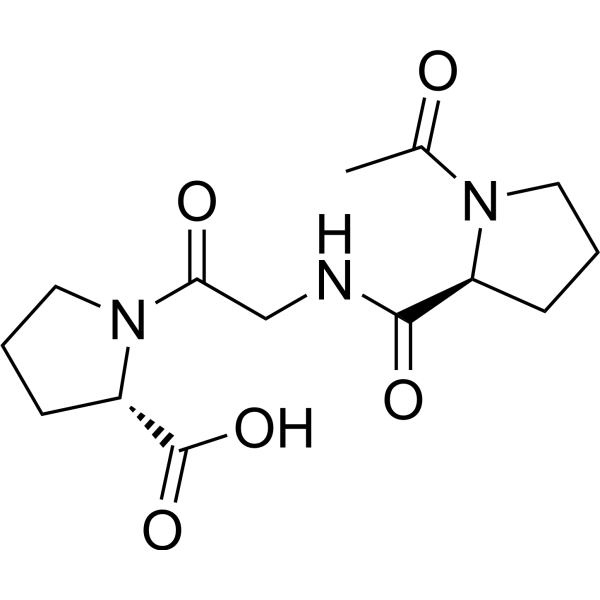
    Ac-Pro-Gly-Pro-OH
    2 Publications Verification

    CXCR Apoptosis IFNAR TNF Receptor Interleukin Related Infection Inflammation/Immunology
    Ac-Pro-Gly-Pro-OH is an endogenous degradation product of extracellular collagen and acts as a CXCR2 agonist . Ac-Pro-Gly-Pro-OH exerts bactericidal activity by generating hydrogen peroxide, inhibits pulmonary inflammation, and reduces immune cell apoptosis (apoptosis). Ac-Pro-Gly-Pro-OH promotes the production of IFN-γ and inhibits the production of TNF-α and IL-6 in leukocytes. Ac-Pro-Gly-Pro-OH increases the survival rate of mice in sepsis models, enhances the bactericidal activity of neutrophils, acts as a neutrophil chemoattractant, induces neutrophil polarization, and regulates inflammatory and repair processes. Ac-Pro-Gly-Pro-OH induces chronic inflammation and tissue remodeling through sustained action. Ac-Pro-Gly-Pro-OH is released via alkaline hydrolysis of corneal proteins in alkali-injured eyes, thereby driving the early infiltration of neutrophils into the cornea. Ac-Pro-Gly-Pro-OH is applicable to research related to sepsis, chronic obstructive pulmonary disease, cystic fibrosis, bronchiolitis obliterans syndrome, severe asthma, idiopathic pulmonary fibrosis, and corneal ulcer .
    Ac-Pro-Gly-Pro-OH
  • HY-164496

    DNA/RNA Synthesis Cancer
    KL-50 is a selective toxin toward tumors that lack the DNA repair protein O 6-methylguanine-DNA-methyltransferase (MGMT), which reverses the formation of O 6-alkylguanine lesions. KL-50 activates DNA damage response pathways and cycle arrest in MGMT-cells, independent of mismatch repair (MMR). KL-50 is promising for research of brain tumors that lack the DNA repair protein MGMT .
    KL-50
  • HY-Q04764

    Thyroid Hormone Receptor Apoptosis Cancer
    TI17 is an inhibitor of the thyroid hormone receptor-interacting protein Trip13 and has anticancer activity. TI17 effectively inhibits multiple myeloma (MM) cell proliferation and induces cell cycle arrest and apoptosis. Trip13 is an AAA-ATPase that mediates double-strand break (DSB) repair; TI17 inhibits Trip13 function and increases DNA damage .
    TI17
  • HY-W010989

    Biochemical Assay Reagents Bacterial Infection Neurological Disease Inflammation/Immunology Cancer
    Gly-His-Lys acetate is a natural, circulating regulatory and antimicrobial tripeptide derived from extracellular matrix proteins. Gly-His-Lys acetate binds Cu 2+ to support copper enzyme activation, antioxidant processes, cellular bioenergetics, and the synthesis of elastin, collagen and catecholamines. Gly-His-Lys acetate regulates cell growth, differentiation and tissue repair, and exerts regenerative, anxiolytic, anti-inflammatory, analgesic and immunosuppressive activities. Gly-His-Lys acetate induces liver degenerative changes. Gly-His-Lys acetate can be used for the research of infections, anxiety, pain-related behaviors and immune-associated liver diseases .
    Gly-His-Lys acetate
  • HY-100707

    DNA-PK Apoptosis Inflammation/Immunology Cancer
    IC 86621 is a potent DNA-dependent protein kinase (DNA-PK) inhibitor, with an IC50 of 120 nM. IC 86621 also acts as a selective and reversible ATP-competitive inhibitor.IC 86621 inhibits DNA-PK mediated cellular DNA double-strand break (DSB) repair (EC50=68 µM). IC 86621 increases DSB-induced antitumor activity without cytotoxic effects. IC 86621 can protects rheumatoid arthritis (RA) T cells from apoptosis .
    IC 86621
  • HY-161483

    Epigenetic Reader Domain Histone Acetyltransferase Neurological Disease Cancer
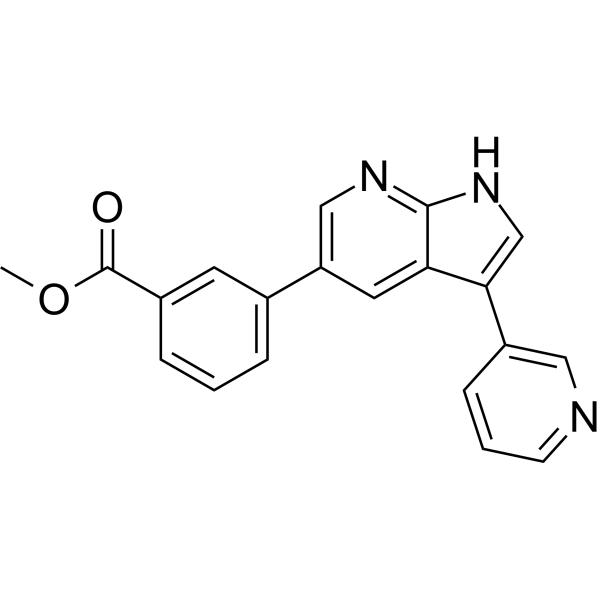
    CBP/p300 ligand 3 is a target protein ligand of CBPD-268 (HY-161369). CBP and p300 are two proteins with histone acetyltransferase (HAT) activity, and CBP and p300 play key roles in regulating biological processes such as gene expression, cell proliferation, differentiation and DNA repair. Through its acetyltransferase activity, CBP/p300 can acetylate histones and other proteins, thereby regulating chromatin structure and gene expression. CBP/p300 ligand 3 regulates the function of CBP/p300 by binding to a specific domain of the CBP/p300 protein (the bromine domain or HAT domain), inhibiting its enzyme activity or altering its interactions with other proteins (transcription factors). CBP/p300 ligand 3 can be used in cancer, neurodegenerative diseases and other disease models associated with abnormal CBP/p300 function .
    CBP/p300 ligand 3
  • HY-101570G

    Peposertib; M3814

    DNA-PK BCRP Cancer
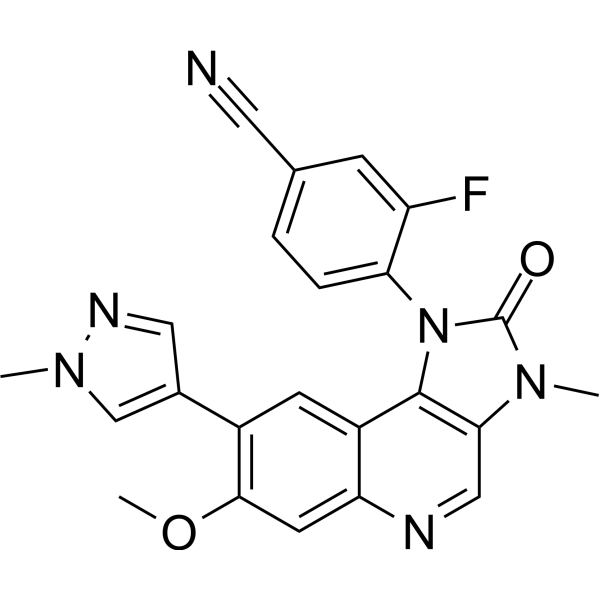
    Nedisertib (GMP) (Peposertib (GMP)) is Nedisertib (HY-101570) produced by using GMP guidelines. GMP small molecules works appropriately as an auxiliary reagent for cell therapy manufacture. Nedisertib is an orally active selective DNA-dependent protein kinase (DNA-PK) inhibitor with an IC50 value of less than 3 nM. Nedisertib also acts as a modulator of ABCG2, capable of reversing ABCG2-mediated multidrug resistance (MDR), thus providing new strategies for combination therapy. By inhibiting DNA double-strand break repair, Nedisertib can enhance the efficacy of chemotherapy and radiotherapy. Nedisertib exhibits antitumor activity .
    Nedisertib
  • HY-177631A

    DT01 sodium; coDbait sodium

    Poly(ADP-ribose) Glycohydrolase (PARG) Cancer
    Etidaligide sodium, an AsiDNA, a first-in-class DNA repair inhibitor designed to prevent the repair of DNA damage in tumour cells. It also activates DNA-dependent protein kinase (DNA-PK) and poly (ADP-ribose) polymerase enzymes that induce phosphorylation
    Etidaligide sodium
  • HY-177631

    DT01; coDbait

    Poly(ADP-ribose) Glycohydrolase (PARG) Cancer
    Etidaligide, an AsiDNA, a first-in-class DNA repair inhibitor designed to prevent the repair of DNA damage in tumour cells. It also activates DNA-dependent protein kinase (DNA-PK) and poly (ADP-ribose) polymerase enzymes that induce phosphorylation of H2A
    Etidaligide
  • HY-178099

    Apoptosis Caspase PARP Bcl-2 Family Cancer
    Apoptosis inducer 45 is an apoptosis inducer. Apoptosis inducer 45 is cytotoxically active against the MCF-7 cell line. Apoptosis inducer 45 elicits MCF-7 cell apoptosis via the mitochondrial pathway (increases the Bax/Bcl-2 ratio) by activating cleavage of caspase-9, thereby inducing the fragmentation of DNA repair protein PARP. Apoptosis inducer 45 also can induce caspase-8 cleavage, subsequently initiating cleavage of caspase-3 and its downstream protein PARP to culminate in the extrinsic apoptosis. Apoptosis inducer 45 can be used in the research of breast cancer .
    Apoptosis inducer 45
  • HY-141876

    Histone Methyltransferase Notch PI3K Akt Bcl-2 Family DNA/RNA Synthesis Cancer
    PRT543 is an orally active selective PRMT5 inhibitor. PRT543 reduces intracellular symmetric dimethylarginine (sDMA) levels, downregulates the expression of genes related to DNA damage repair and DNA replication pathways, and induces abnormal alternative splicing. PRT543 inhibits the MYB, NOTCH1 and PI3K/AKT signaling pathways, promotes nuclear translocation of FOXO1, upregulates the pro-apoptotic protein BAX, and enhances cellular sensitivity to BCL-2 inhibition. PRT543 disrupts the normal RNA splicing process and exerts a synthetic lethal effect on myeloid tumor cells carrying splicing factor mutations. PRT543 can be used in research related to various cancers including breast cancer, ovarian cancer and acute myeloid leukemia .
    PRT543
  • HY-153421

    Histone Methyltransferase Cancer
    PRMT5-IN-28 (compound 36) is an inhibitor of protein arginine methyltransferase 5 (PRMT5) enzyme. Protein arginine methylation is a common post-translational modification involved in gene transcription, mRNA splicing, DNA repair, protein cellular localization, cell fate determination and signal transduction, etc. Abnormal PRMT5 can promote cancer cell proliferation, resist apoptosis, enhance invasion and metastasis, and affect immune escape .
    PRMT5-IN-28
  • HY-108464

    TGF-β Receptor Others
    Phenamil is a compound that promotes bone repair and regulates stem cell differentiation. It can activate the bone morphogenetic protein signaling pathway to promote bone repair, but it also induces adipogenesis. A specific 3D scaffold strategy can improve its induced osteogenic differentiation and reduce adipogenesis.
    Phenamil
  • HY-174511

    mRNA Cancer
    Human TP53 mRNA encodes the human tumor protein p53 (TP53) protein, a tumor suppressor protein containing transcriptional activation, DNA binding, and oligomerization domains. TP53 responds to diverse cellular stresses to regulate expression of target genes, thereby inducing cell cycle arrest, apoptosis, senescence, DNA repair, or changes in metabolism.
    Human TP53 mRNA
  • HY-174693

    mRNA Cancer
    Human FGF7 mRNA encodes the human fibroblast growth factor 7 (FGF7) protein, a member of the fibroblast growth factor (FGF) family. FGF family members possess broad mitogenic and cell survival activities, and are involved in a variety of biological processes, including embryonic development, cell growth, morphogenesis, tissue repair, tumor growth and invasion.
    Human FGF7 mRNA
  • HY-174692

    mRNA Cancer
    Human FGF8 mRNA encodes the human fibroblast growth factor 8 (FGF8) protein, a member of the fibroblast growth factor (FGF) family. FGF family members possess broad mitogenic and cell survival activities, and are involved in a variety of biological processes, including embryonic development, cell growth, morphogenesis, tissue repair, tumor growth and invasion.
    Human FGF8 mRNA
  • HY-174691

    mRNA Cancer
    Human FGF9 mRNA encodes the human fibroblast growth factor 9 (FGF9) protein, a member of the fibroblast growth factor (FGF) family. FGF family members possess broad mitogenic and cell survival activities, and are involved in a variety of biological processes, including embryonic development, cell growth, morphogenesis, tissue repair, tumor growth and invasion.
    Human FGF9 mRNA
  • HY-146194

    Reactive Oxygen Species (ROS) Cancer
    NHEJ inhibitor-1 (Compound C2) is a trifunctional Pt(II) complex, alleviates the non-homologous end connection (NHEJ)/homologous recombination (HR)-related double strand breaks (DSBs) repairs to evade Cisplatin-resistance in non-small cell lung cancer (NSCLC). NHEJ inhibitor-1 inhibits the damage repair proteins Ku70 and Rad51 to make tumors re-sensitive to Cisplatin. NHEJ inhibitor-1 also induces ROS generation and MMP deduction .
    NHEJ inhibitor-1
  • HY-103710A

    RAD51 Cancer
    (R)-IBR2 is the isomer of IBR2 (HY-103710). IBR2 is a potent and specific RAD51 inhibitor and inhibits RAD51-mediated DNA double-strand break repair. IBR2 disrupts RAD51 multimerization, accelerates proteasome-mediated RAD51 protein degradation, inhibits cancer cell growth and induces apoptosis .
    (R)-IBR2
  • HY-174604

    mRNA Inflammation/Immunology
    Human IL4 mRNA encodes the human interleukin 4 (IL4) protein, a pleiotropic cytokine produced by activated T cells. IL4 is considered an important cytokine for tissue repair, counterbalancing the effects of proinflammatory type 1 cytokines, however, it also promotes allergic airway inflammation. Moreover, IL-4 mediates and regulates a variety of human host responses such as allergic, anti-parasitic, wound healing, and acute inflammation.
    Human IL4 mRNA
  • HY-114923

    DNA-PK PI3K Cancer
    SU-11752 is an inhibitor for DNA-dependent protein kinase (DNA-PK) with an IC50 of 0.13 μM. SU-11752 inhibits PI3K p110γ kinase with IC50 of 1.1 μM. SU-11752 binds competitively for ATP-site in DNA-PK, results in inhibition of intracellular DNA double-strand break repair and increases the sensitivity of cells to radiotherapy .
    SU-11752
  • HY-108292R

    Reference Standards PAI-1 Thrombin Cancer
    Propacetamol (hydrochloride) (Standard) is the analytical standard of Propacetamol (hydrochloride). This product is intended for research and analytical applications. Propacetamol hydrochloride is a potent, peptidic inhibitor targeting thrombin and granzyme GZMK. Propacetamol hydrochloride specifically blocks the activities of thrombin and GZMK, thereby inhibiting thrombin-mediated PAR-1 cleavage, as well as downstream inflammatory and procoagulant signaling pathways. Through stabilizing IκB proteins, blocking NF-κB activation and reducing systemic levels of proinflammatory/procoagulant biomarkers, Propacetamol hydrochloride exerts multiple effects including anti-inflammatory, antithrombotic, barrier repair, and inhibition of atherosclerotic plaque progression. Propacetamol hydrochloride binds to platelets without interference from kininogen, effectively limiting acute thrombus growth and reducing eosinophil infiltration and goblet cell hyperplasia in asthma models. Propacetamol hydrochloride is an important tool molecule for investigating the mechanisms of atherosclerosis, asthma and related thromboinflammatory diseases .
    Propacetamol hydrochloride (Standard)
  • HY-185459

    PARP Epigenetic Reader Domain Cancer
    PCIP-1 is a PARP2 inhibitor. PCIP-1 recruits BET proteins to PARP2 to inhibit DNA repair, acts via event-driven pharmacology, and does not inhibit PARP-catalyzed PARylation. PCIP-1 inhibits DNA repair, thereby inducing synthetic lethality in homologous recombination-deficient cancer cells and increasing the sensitivity of PARP1-knockout cells. PCIP-1 can be used in the research of homologous recombination-deficient cancers, T-cell acute lymphoblastic leukemia, and BRCA-mutant cancers .
    PCIP-1
  • HY-D2941

    SNAP-AF

    Fluorescent Dye Others
    BGAF (SNAP-AF) is a fluorescent diacetyl fluorescein-labeled SNAP tag fluorescent probe, specifically designed for the covalent labeling of SNAP-tag fusion proteins in living cells. BGAF utilizes the specific reaction of the human DNA repair protein hAGT to achieve specific fluorescent labeling of the target protein in the living cell environment .
    BGAF
  • HY-181651

    PROTACs RAD51 DNA/RNA Synthesis Apoptosis IKZF Family Cancer
    SZU305 is a RAD51 PROTAC degrader, with DC50 values of 307.45 nM and 84.19 nM in SK-HEP-1 and Huh-7 cells, respectively. SZU305 inhibits DNA damage repair, induces cell cycle arrest and apoptosis. SZU305 moderately reduces the protein levels of IKZF1 and IKZF3 at high concentrations. SZU305 can be used in studies related to hepatocellular carcinoma .
    SZU305
  • HY-103710R

    Reference Standards RAD51 Apoptosis Cancer
    IBR2 (Standard) is the analytical standard of IBR2 (HY-103710). This product is intended for research and analytical applications. IBR2 is a potent and specific RAD51 inhibitor and inhibits RAD51-mediated DNA double-strand break repair. IBR2 disrupts RAD51 multimerization, accelerates proteasome-mediated RAD51 protein degradation, inhibits cancer cell growth and induces apoptosis .
    IBR2 (Standard)
  • HY-103241R

    Reference Standards Amyloid-β ATM/ATR Phosphatase Apoptosis Neurological Disease Cancer
    Ro 90-7501 (Standard) is the analytical standard of Ro 90-7501 (HY-103241). This product is intended for research and analytical applications. Ro 90-7501 is an amyloid β42 (Aβ42) fibril assembly inhibitor that reduces Aβ42-induced cytotoxicity (EC50 of 2 μM). Ro 90-7501 inhibits ATM phosphorylation and DNA repair. RO 90-7501 selectively enhances toll-like receptor 3 (TLR3) and RIG-I-like receptor (RLR) ligand-induced IFN-β gene expression and antiviral response . Ro 90-7501 also inhibits protein phosphatase 5 (PP5) in a TPR-dependent manner . Ro 90-7501 has significant radiosensitizing effects on cervical cancer cells .
    Ro 90-7501 (Standard)
  • HY-122226

    DNA-PK Apoptosis Cancer
    IC-87361 is a DNA-dependent protein kinase (DNA-PKcs) inhibitor with an IC50 of 35 nM, and radiosensitizer. IC-87361 inhibits the catalytic activity of DNA-PKcs and blocks non-homologous end joining (NHEJ) DNA double-strand break repair. IC-87361 can be used for the research of lung cancer and melanoma .
    IC-87361

Inquiry Online

Your information is safe with us. * Required Fields.

Salutation


Country or Region *

Applicant Name *


Organization Name *

Department *


Email Address *


Product Name *

Cat. No.


Requested quantity *

Phone Number *


Remarks

Inquiry Online

Inquiry Information

Product Name:
Cat. No.:
Quantity:
MCE Japan Authorized Agent:

