1. Search Result
Search Result
Results for "

chemical+structure

" in MedChemExpress (MCE) Product Catalog:

36

Inhibitors & Agonists

23

Screening Libraries

1

Fluorescent Dyes

1

Biochemical Assay Reagents

7

Natural
Products

2

Isotope-Labeled Compounds

1

Click Chemistry

Cat. No. Product Name Target Research Areas Chemical Structure
  • HY-D1730
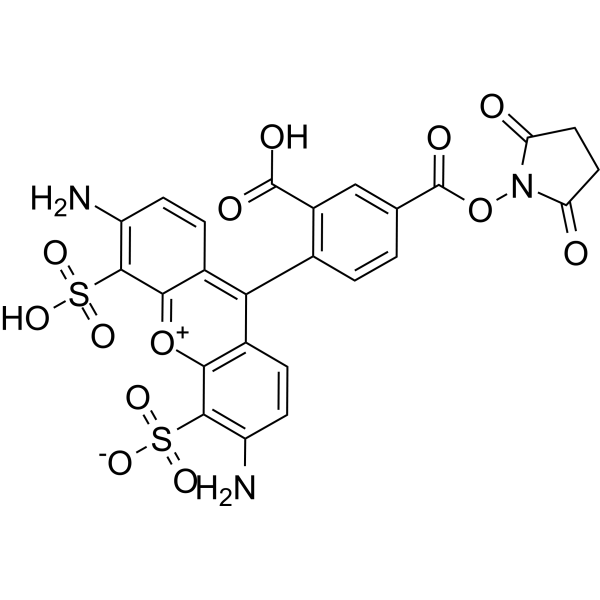
    AF488 NHS ester
    1 Publications Verification

    Fluorescent Dye Others
    AF488 NHS ester is an amine specific fluorescence probe (Em=525 nm). AF488 NHS ester reacts with sulfhydryl groups and amines in aqueous and biological samples then change their chemical structure and fluorescence properties after derivatization .
    AF488 NHS ester
  • HY-D1730A
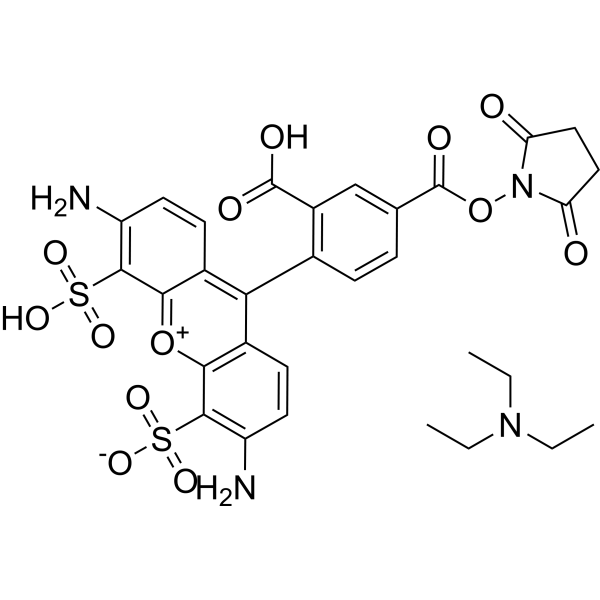
    AF488 NHS ester TEA
    1 Publications Verification

    Fluorescent Dye Others
    AF488 NHS ester TEA is an amine specific fluorescence probe (λem=525 nm=525 nm). AF488 NHS ester reacts with sulfhydryl groups and amines in aqueous and biological samples then change their chemical structure and fluorescence properties after derivatization. AF488 exhibits the λem and λex wavelength of 520 nm and 470 nm, respectively .
    AF488 NHS ester TEA
  • HY-107343

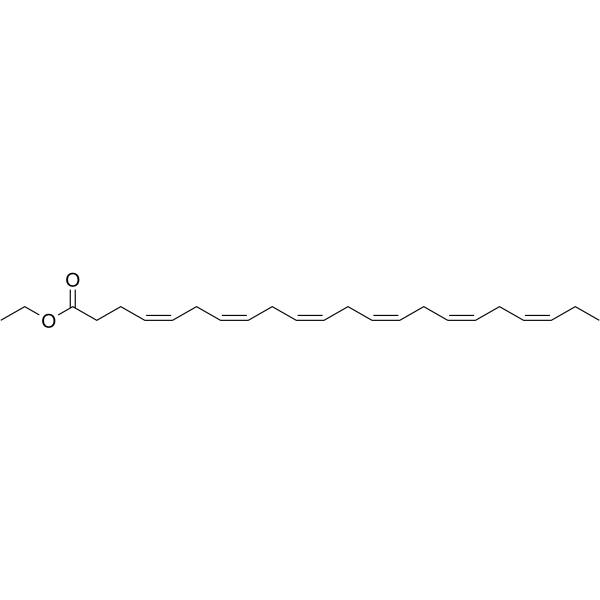
    Ethyl docosahexaenoate

    COX Neurological Disease Metabolic Disease
    Docosahexaenoic acid ethyl ester (Ethyl docosahexaenoate) is a 90% concentrated ethyl ester of docosahexaenoic acid manufactured from the microalgal oil. Docosahexaenoic acid ethyl ester enhances 6-hydroxydopamine-induced neuronal damage by induction of lipid peroxidation in mouse striatum. Docosahexaenoic acid (DHA) is a key component of the cell membrane, and its peroxidation is inducible due to the double-bond chemical structure. Docosahexaenoic acid has neuroprotective effects .
    Docosahexaenoic acid ethyl ester
  • HY-B1434
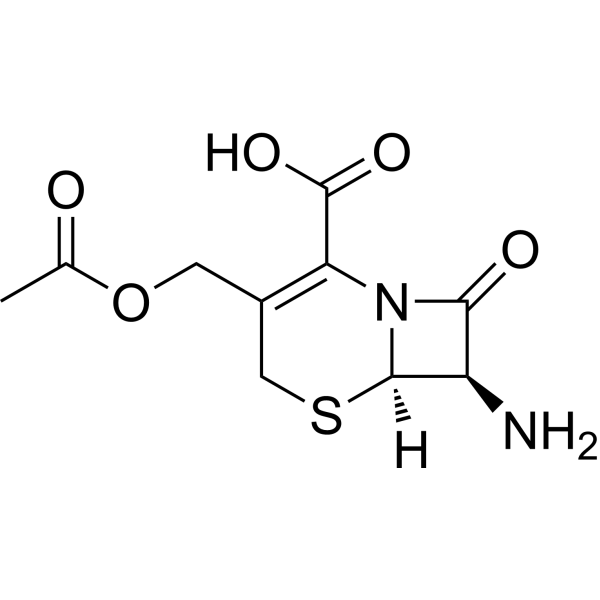
    7-Aminocephalosporanic acid
    2 Publications Verification

    7-ACA

    Beta-lactamase Bacterial Antibiotic Infection
    7-aminocephalosporanic acid (7-ACA) is a HSP90β inhibitor and an antibiotic. 7-Aminocephalosporanic acid is the core chemical structure of the synthesis of cephalosporin antibiotics and an effective β-lactamase inhibitor .
    7-Aminocephalosporanic acid
  • HY-N0772
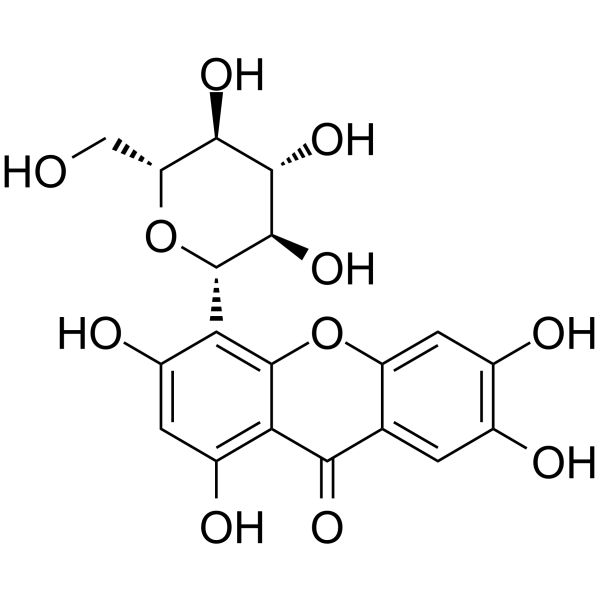
    Isomangiferin
    4 Publications Verification

    VEGFR NOD-like Receptor (NLR) NF-κB Bacterial AMPK Acetyl-CoA Carboxylase Apoptosis Reactive Oxygen Species (ROS) HSV Drug Derivative Infection Metabolic Disease Inflammation/Immunology Cancer
    Isomangiferin is an orally active xanthone C-glucoside, and its chemical structure is similar to Mangiferin (HY-N0290). Isomangiferin is an effective VEGFR-2 kinase inhibitor, which can induces cell apoptosis, inhibit the growth, metastasis and angiogenesis of breast cancer. Isomangiferin exerts anti-inflammatory effects by inhibiting the HMGB1/NLRP3/NF-κB signaling pathway, thereby improving the renal function indicators of diabetic mice. Isomangiferin exhibits inhibitory effects on various bacteria and herpes simplex virus type 1 (HSV-1). Isomangiferin promotes the migration and osteogenic differentiation of bone marrow mesenchymal stem cells (BMSCs) and reduces cell apoptosis and the production of ROS by activating the AMPK/ACC pathway, thereby facilitating fracture healing .
    Isomangiferin
  • HY-W012848

    DL-α-Methylbenzylamine

    Endogenous Metabolite Neurological Disease Cancer
    1-Phenylethanamine is a potential central nervous system stimulant and a related compound of β-phenylethylamine. Due to the replacement of its benzene ring with an indole group, its brain glycogenolytic activity is significantly reduced. Therefore, 1-Phenylethanamine can be used to study the impact of the chemical structure of phenylethylamine derivatives on central nervous system activity. In addition, 1-Phenylethanamine can also be used to synthesize the tyrosine kinase (tyrosine kinase) inhibitor CLM3 (HY-164413) .
    1-Phenylethanamine
  • HY-121263

    Insecticide Cancer
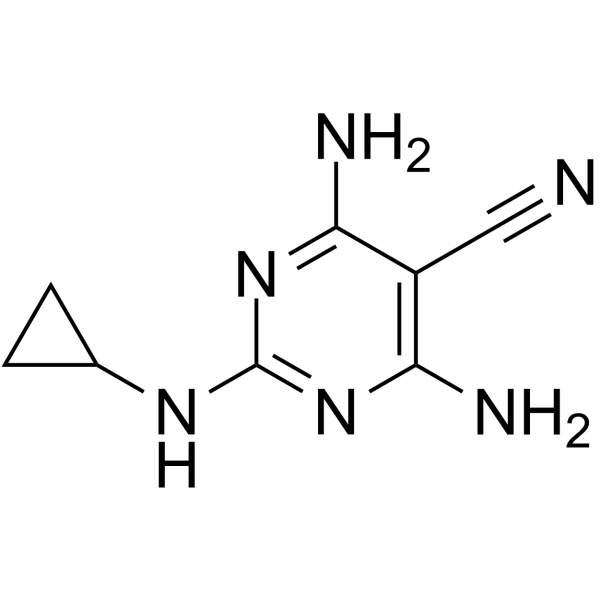
    Dicyclanil is an insect growth regulator compound with a similar chemical structure to cyromazine .
    Dicyclanil
  • HY-120996B

    cis-10-Pentadecenoic acid

    Biochemical Assay Reagents Others
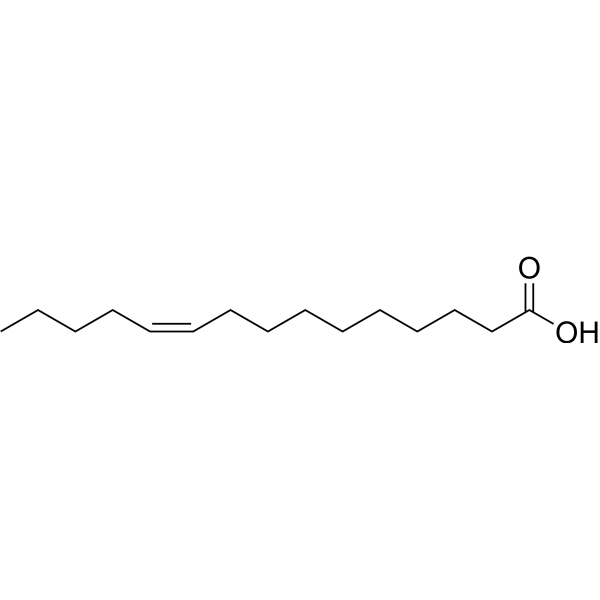
    10(Z)-Pentadecenoic acid is an unsaturated fatty acid. Unsaturated fatty acids are an important class of lipid molecules whose chemical structure contains one or more double bonds.
    10(Z)-Pentadecenoic acid
  • HY-W099600

    Bisdodecanoic anhydride

    Biochemical Assay Reagents Others
    Lauric anhydride is a white waxy solid used as an intermediate in the production of various chemicals. It is primarily used in the synthesis of surfactants, emulsifiers, and lubricants, and as a raw material for other important industrial chemicals such as plasticizers and flavoring agents. It can be obtained from natural sources such as palm kernel oil and coconut oil, and its unique chemical structure allows it to be used to create compounds with specific surface and interfacial properties.
    Lauric anhydride
  • HY-100686

    GABA Receptor Neurological Disease
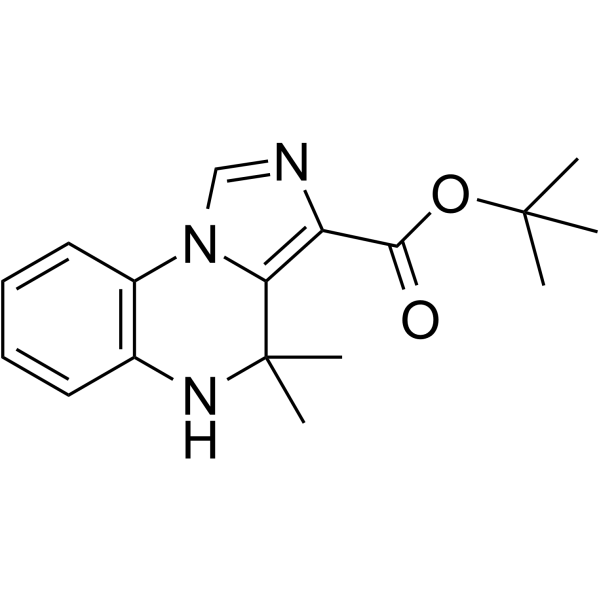
    U93631 is a GABAA receptor ligand of novel chemical structure with IC50 of 100 nM,and has been shown to induce a rapid, time-dependent decay of GABA-induced whole-cell Cl-currents in recombinant GABAA receptors.
    U93631
  • HY-107343R

    Ethyl docosahexaenoate (Standard)

    Endogenous Metabolite Reference Standards Neurological Disease Metabolic Disease
    Docosahexaenoic acid ethyl ester (Standard) is the analytical standard of Docosahexaenoic acid ethyl ester. This product is intended for research and analytical applications. Docosahexaenoic acid ethyl ester (Ethyl docosahexaenoate) is a 90% concentrated ethyl ester of docosahexaenoic acid manufactured from the microalgal oil. Docosahexaenoic acid ethyl ester enhances 6-hydroxydopamine-induced neuronal damage by induction of lipid peroxidation in mouse striatum. Docosahexaenoic acid (DHA) is a key component of the cell membrane, and its peroxidation is inducible due to the double-bond chemical structure. Docosahexaenoic acid has neuroprotective effects .
    Docosahexaenoic acid ethyl ester (Standard)
  • HY-111333

    Dioxapyrrolomycin; LL-F42248α; AL-R2081

    Bacterial Infection
    Pyrroxamycin is a novel antibiotic produced by Streptomyces, whose chemical structure was determined by chemical properties and X-ray crystallography and 13C NMR spectroscopy analysis. It is active against Gram-positive bacteria and dermatophytes. In this paper, the authors discuss the taxonomy, fermentation, isolation, physicochemical properties, chemical structure, and biological activity of the strain producing Pyrroxamycin.
    Pyrroxamycin
  • HY-N12968

    Others Others
    R-(-)-Columbianetin is a known coumarin isolated from the root and stem bark of Skimmia reevesiana collected in Taiwan, with specific chemical structure and biological activity .
    R-(-)-Columbianetin
  • HY-121263R

    Insecticide Reference Standards Cancer
    Dicyclanil (Standard) is the analytical standard of Dicyclanil. This product is intended for research and analytical applications. Dicyclanil is an insect growth regulator compound with a similar chemical structure to cyromazine .
    Dicyclanil (Standard)
  • HY-U00241

    RGH 3331; Uxepam

    GABA Receptor Neurological Disease
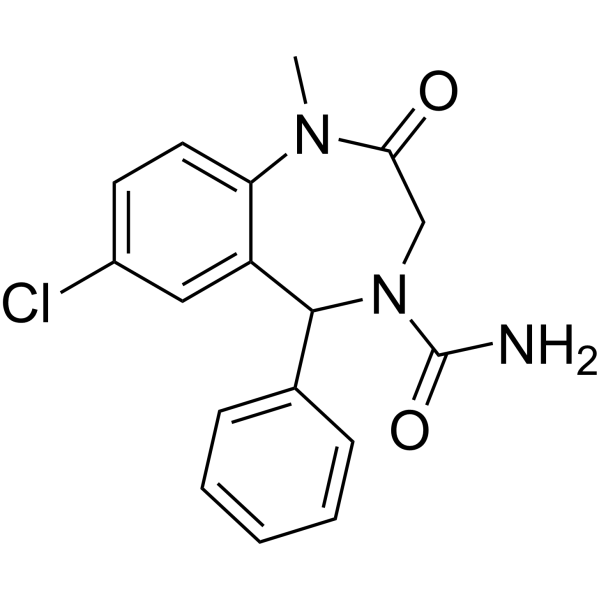
    Carburazepam is a agent which derives from benzodiazepine. Benzodiazepines (BZD, BZs) are a class of psychoactive agents whose core chemical structure is the fusion of a benzene ring and a diazepine ring.
    Carburazepam
  • HY-N6857A

    Others Others
    (+)-Armepavine is a bioactive compound with pharmacological activity. As an alkaloid, (+)-Armepavine belongs to the tetrahydrobenzylisoquinoline class of compounds and may play a role in inhibiting certain diseases. The chemical structure and properties of (+)-Armepavine make it an important chemical classification in phytochemistry .
    (+)-Armepavine
  • HY-W167769

    Endogenous Metabolite Others
    (±)-Mellein, a marine-derived natural product, is known for its presence in Helicascus kanaloanus, exhibiting the chemical structure of 8-hydroxy-3-methyl-3,4-dihydroisochromen-1-one.
    (±)-Mellein
  • HY-106193

    NO Synthase Cardiovascular Disease
    RC-552 is a novel synthetic glycolipid related in chemical structure to MLA. RC-552 induces delayed cardioprotective effects via an iNOS-dependent pathway. RC-552 attenuates myocardial stunning .
    RC-552
  • HY-W123012

    3-(4-Azidophenyl)propiolonitrile

    Fluorescent Dye
    APN-Azide (3-(4-Azidophenyl)propiolonitrile) is a codon-active compound that can achieve specific labeling of target molecules in biological systems through its unique chemical structure. APN-Azide can be used for bioimaging and the development of molecular probes to study biological processes within cells.
    APN-Azide
  • HY-B1434R

    7-ACA (Standard)

    Beta-lactamase Reference Standards Bacterial Antibiotic Infection
    7-Aminocephalosporanic acid (Standard) is the analytical standard of 7-Aminocephalosporanic acid. This product is intended for research and analytical applications. 7-aminocephalosporanic acid (7-ACA) is a HSP90β inhibitor and an antibiotic. 7-Aminocephalosporanic acid is the core chemical structure of the synthesis of cephalosporin antibiotics and an effective β-lactamase inhibitor .
    7-Aminocephalosporanic acid (Standard)
  • HY-W554514

    Bacterial Infection
    D-Homoserine lactone is a signaling molecule with the activity of regulating bacterial quorum sensing. The chemical structure of D-Homoserine lactone makes it a potential regulator of the AHL synthase RhlI. D-Homoserine lactone has been shown to inhibit the activity of RhlI, thereby affecting the bacterial quorum sensing signaling pathway. D-Homoserine lactone is also an enantiomer of L-homoserine lactone and is used as an inhibitor of serine hydroxymethyltransferase .
    D-Homoserine lactone
  • HY-107343S

    Ethyl docosahexaenoate-d5

    Isotope-Labeled Compounds Neurological Disease Metabolic Disease
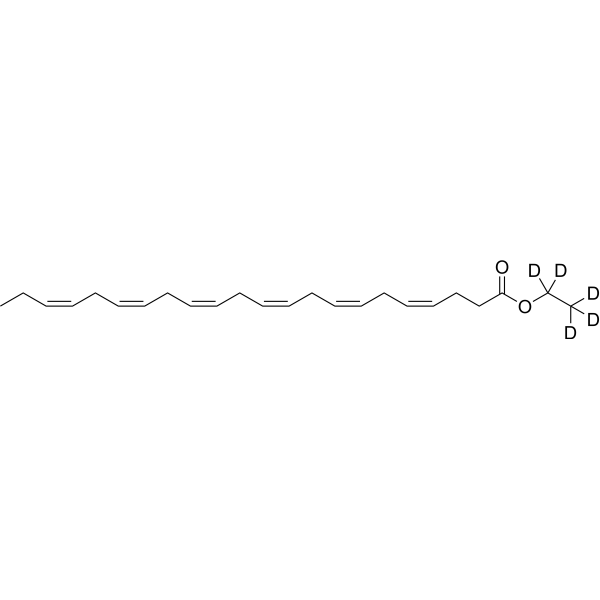
    Docosahexaenoic acid ethyl ester-d5 is the deuterium labeled Docosahexaenoic acid ethyl ester. Docosahexaenoic acid ethyl ester (Ethyl docosahexaenoate) is a 90% concentrated ethyl ester of docosahexaenoic acid manufactured from the microalgal oil. Docosahexaenoic acid ethyl ester enhances 6-hydroxydopamine-induced neuronal damage by induction of lipid peroxidation in mouse striatum. Docosahexaenoic acid (DHA) is a key component of the cell membrane, and its peroxidation is inducible due to the double-bond chemical structure. Docosahexaenoic acid has neuroprotective effects .
    Docosahexaenoic acid ethyl ester-d5
  • HY-107343S1

    Ethyl docosahexaenoate-d5-1

    Isotope-Labeled Compounds Others
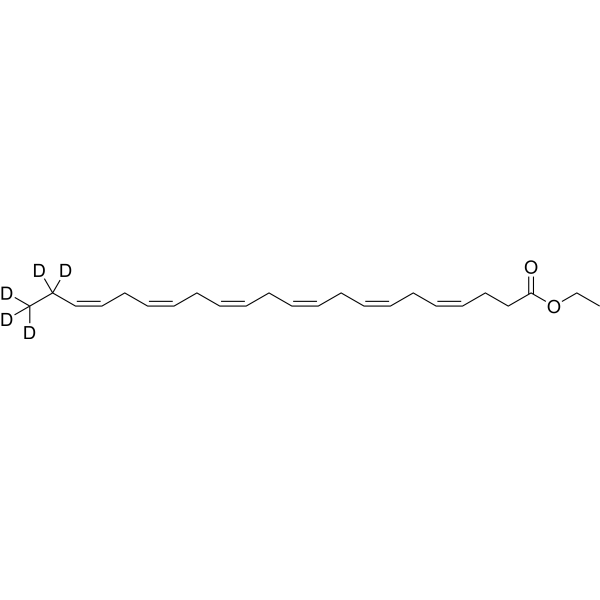
    Docosahexaenoic acid ethyl ester-d5-1 is the deuterium labeled Docosahexaenoic acid ethyl ester. Docosahexaenoic acid ethyl ester (Ethyl docosahexaenoate) is a 90% concentrated ethyl ester of docosahexaenoic acid manufactured from the microalgal oil. Docosahexaenoic acid ethyl ester enhances 6-hydroxydopamine-induced neuronal damage by induction of lipid peroxidation in mouse striatum. Docosahexaenoic acid (DHA) is a key component of the cell membrane, and its peroxidation is inducible due to the double-bond chemical structure. Docosahexaenoic acid has neuroprotective effects .
    Docosahexaenoic acid ethyl ester-d5-1
  • HY-W269511

    Drug Derivative Neurological Disease
    NW-1689 is a process-related impurity of safinamide mesilate (SAFM). SAFM can be used for the study of Parkinson's disease (PD). It is a highly selective and reversible inhibitor of monoamine oxidase-B (MAO-B) and also blocks sodium channels and N-type calcium channels. These effects of SAFM help reduce the breakdown of dopamine and inhibit the release of glutamate. NW-1689 has a similar chemical structure to SAFM and has some similar pharmacological effects as SAFM, and can be used in Parkinson's disease research .
    NW-1689
  • HY-130418

    Adrenergic Receptor Cancer
    (-)-Domesticine is an anti-α-1D-adrenoceptor compound with cytotoxic activity. (-)-Domesticine showed activity in MTS cytotoxicity assays against human colon cancer cell lines HCT-116 and Caco-2. (-)-Domesticine tolerates alkoxy substituents and benzoate functional groups at the C1 position in modifications of its chemical structure. The most potent compounds of (-)-Domesticine have IC50 values in the range of 23-38 μM, similar to the known cytotoxic compound etoposide .
    (-)-Domesticine
  • HY-123558

    Y 14556

    Antibiotic Cancer
    Bactobolin C is an antibiotic produced by Pseudomonas sp. BMG13A7, which has strong antimicrobial and antitumor activities, can also inhibit antibody production and treat autoimmune encephalomyelitis. However, its undesirable toxicity limits its medicinal application. The unique chemical structure and promising biological activities of Bactobolin C have attracted people's interest in its total synthesis and new active analogs. So far, the structural modification of Bactobolin C has mainly focused on the hydroxyl groups on the amino acid side chains and backbone.
    Bactobolin C
  • HY-165277

    Angiotensin-converting Enzyme (ACE) Cardiovascular Disease
    ε-Biotinamidocaproyl-β-alanyl-β-alanyl-lisinopril is an angiotensin-converting enzyme (ACE) inhibitor. Structurally, ε-Biotinamidocaproyl-β-alanyl-β-alanyl-lisinopril is a biotinylated derivative of lisinopril (HY-18206), with a chemical structure linking the biotin molecule and the lisinopril molecule composed of 19 atoms. ε-Biotinamidocaproyl-β-alanyl-β-alanyl-lisinopril can bind to both ACE and streptavidin (HY-P3152) simultaneously, making it possible to separate and purify ACE using streptavidin-agarose beads .
    ε-Biotinamidocaproyl-β-alanyl-β-alanyl-lisinopril
  • HY-163545

    Drug Derivative Cancer
    Tc-Me2P is a 99MTC-labeled acrylamide (PnAO) derivative that contains two 4-methyl-2-nitroimidazole groups. The primary activity of Tc-Me2P is as an imaging agent for tumor hypoxia. By specifically binding to hypoxic regions in tumor tissue, it can be used for single photon emission computed tomography (SPECT) and positron emission tomography (PET) imaging to detect hypoxia in tumors. Tc-Me2P can be used to study the targeting of different chemical structures in tumors and normal tissues .
    Tc-Me2P
  • HY-W167979

    Fungal Others Cancer
    3-Amino-1,2,4-triazin-5(2H)-one is an organic compound belonging to the triazine family. 3-Amino-1,2, 4-Triazin-5 (2H)-one and its derivatives may have a variety of biological activities, such as antibacterial, antifungal, antiviral, or antitumor but the specific activity depends on its chemical structure and functional groups. 3-Amino-1,2, 4-Triazin-5 (2H)-one is a lead compound with a wide range of applications .
    3-Amino-1,2,4-triazin-5(2H)-one
  • HY-W251143

    Biochemical Assay Reagents
    N,N′-Bis(2,5-di-tert-butylphenyl)-3,4,9,10-perylenedicarboximide is an organic semiconductor material with excellent electron transport activity. N,N′-Bis(2,5-di-tert-butylphenyl)-3,4,9,10-perylenedicarboximide is widely used in organic field effect transistors (OFETs) and organic photovoltaic (OPV) devices due to its high carrier mobility. The chemical structure design of N,N′-Bis(2,5-di-tert-butylphenyl)-3,4,9,10-perylenedicarboximide enables it to perform well in light absorption and photoelectric conversion, thereby improving the efficiency of organic photoelectric devices.
    N,N′-Bis(2,5-di-tert-butylphenyl)-3,4,9,10-perylenedicarboximide
  • HY-N0772R

    Reference Standards VEGFR NF-κB NOD-like Receptor (NLR) AMPK Acetyl-CoA Carboxylase Apoptosis Reactive Oxygen Species (ROS) HSV Drug Derivative Infection Metabolic Disease Inflammation/Immunology Cancer
    Isomangiferin (Standard) is the analytical standard of Isomangiferin (HY-N0772). This product is intended for research and analytical applications. Isomangiferin is an orally active xanthone C-glucoside, and its chemical structure is similar to Mangiferin (HY-N0290). Isomangiferin is an effective VEGFR-2 kinase inhibitor, which can induces cell apoptosis, inhibit the growth, metastasis and angiogenesis of breast cancer. Isomangiferin exerts anti-inflammatory effects by inhibiting the HMGB1/NLRP3/NF-κB signaling pathway, thereby improving the renal function indicators of diabetic mice. Isomangiferin exhibits inhibitory effects on various bacteria and herpes simplex virus type 1 (HSV-1). Isomangiferin promotes the migration and osteogenic differentiation of bone marrow mesenchymal stem cells (BMSCs) and reduces cell apoptosis and the production of ROS by activating the AMPK/ACC pathway, thereby facilitating fracture healing.
    Isomangiferin (Standard)
  • HY-121853

    Biochemical Assay Reagents Others
    D-Xylopyranose is a type of sugar. D-Xylopyranose exists in the forms of α-D-Xylopyranose (HY-N2018) and β-D-Xylopyranose. β-D-Xylopyranose is regarded as a model structural motif of the fundamental chemical structure of hemicellulose .
    D-Xylopyranose
  • HY-129947

    Endogenous Metabolite Neurological Disease
    (-)-Carveol is a natural unsaturated monocyclic monoterpene alcohol with the activity of regulating neural excitability. (-)-Carveol can activate or inhibit neural excitability by changing its chemical structure, which has potential significance for the design of targeted compounds. (-)-Carveol can also be used as a fragrance in cosmetics and a flavor additive in the food industry .
    (-)-Carveol
  • HY-121853R

    Reference Standards Biochemical Assay Reagents Others
    D-Xylopyranose (Standard) is the analytical standard of D-Xylopyranose (HY-121853). This product is intended for research and analytical applications. D-Xylopyranose is a type of sugar. D-Xylopyranose exists in the forms of α-D-Xylopyranose (HY-N2018) and β-D-Xylopyranose. β-D-Xylopyranose is regarded as a model structural motif of the fundamental chemical structure of hemicellulose .
    D-Xylopyranose (Standard)
  • HY-N11431

    Others Cancer
    ent-Toddalolactone is a natural compound with anti-inflammatory and anticancer activities. Ent-Toddalolactone has shown inhibitory effects on phosphodiesterase-4 (PDE4) in vitro and is a potential drug target for inhibiting asthma and chronic obstructive pulmonary disease. The activity of ent-Toddalolactone is related to its unique chemical structure, and some of its derivatives showed IC50 values below 10 μM in inhibition experiments, showing high biological activity .
    ent-Toddalolactone
  • HY-182515

    Leukotriene Receptor Others Inflammation/Immunology
    U-19052 is a selective competitive peptidoleukotriene D/E receptor antagonist. U-19052 acts as a reversible antagonist that not affecting responses to non-leukotriene agonists. U-19052 does not exhibit agonist activity or induce contraction in guinea pig tracheal or ileal strips. U-19052 is a leukotriene antagonist developed by modifying leukotriene chemical structure. U-19052 can be used for the research of allergic asthma and hypersensitivity diseases .
    U-19052

Inquiry Online

Your information is safe with us. * Required Fields.

Salutation


Country or Region *

Applicant Name *


Organization Name *

Department *


Email Address *


Product Name *

Cat. No.


Requested quantity *

Phone Number *


Remarks

Inquiry Online

Inquiry Information

Product Name:
Cat. No.:
Quantity:
MCE Japan Authorized Agent: