1. Search Result
Search Result
Results for "

conscious

" in MedChemExpress (MCE) Product Catalog:

34

Inhibitors & Agonists

6

Peptides

1

Natural
Products

1

Isotope-Labeled Compounds

Cat. No. Product Name Target Research Areas Chemical Structure
  • HY-P1071
    α-CGRP (human)
    4 Publications Verification

    Calcitonin gene-related peptide

    CGRP Receptor Cardiovascular Disease
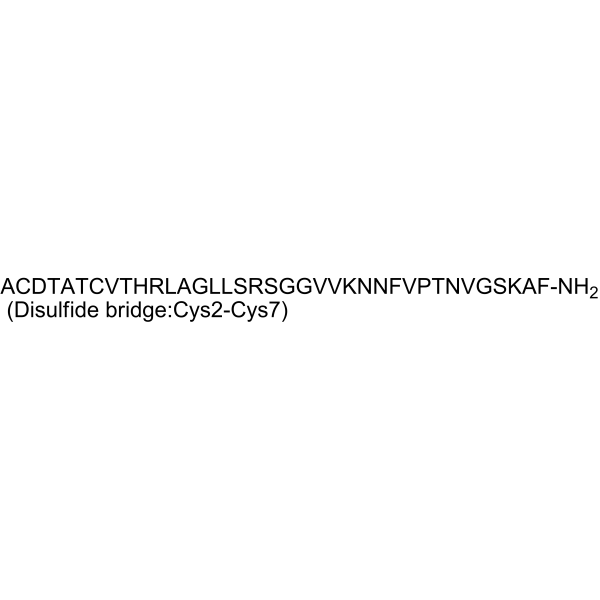
    α-CGRP (human) (Calcitonin gene-related peptide) is a regulatory neuropeptide of 37 amino acids. α-CGRP (human) is widely distributed in the central and peripheral nervous system. α-CGRP (human) is a potent vasodilator and has inotropic and chronotropic effects .
    α-CGRP (human)
  • HY-70050C

    GR 68755C; GR 68755 Hydrochloride; GR 68755X Hydrochloride

    5-HT Receptor Neurological Disease
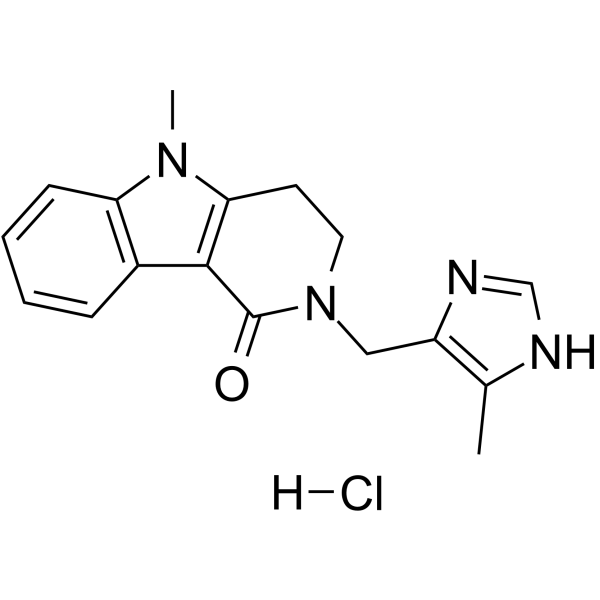
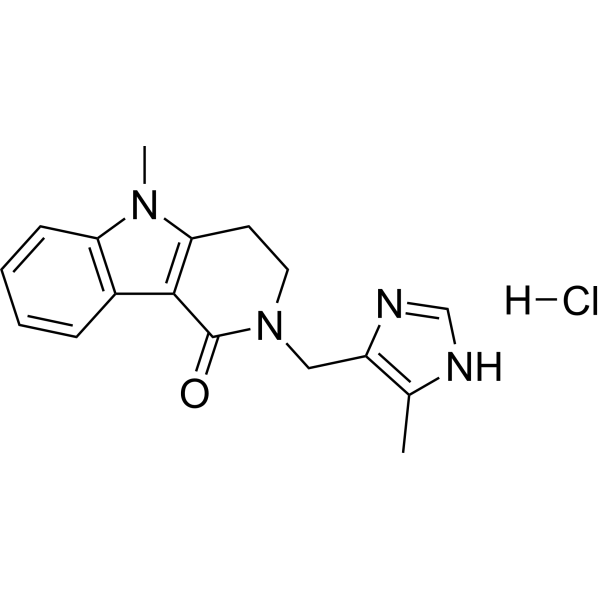
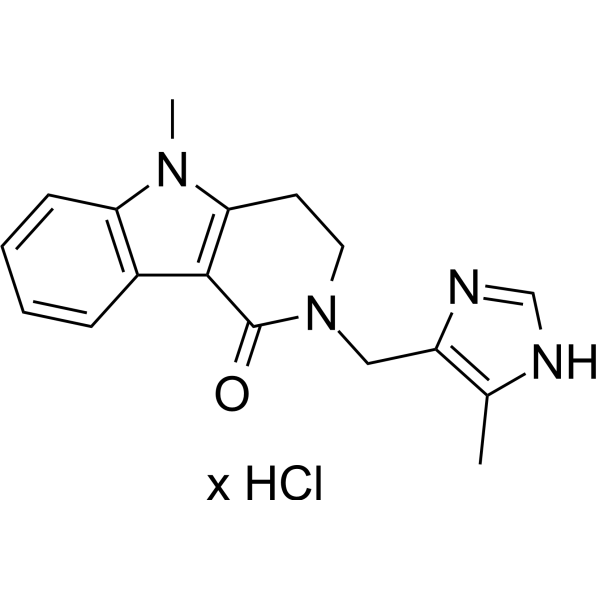
    Alosetron Hydrochloride (GR 68755C) is a potent and highly selective serotonin 5-HT3 receptor antagonist. Alosetron Hydrochloride is used for the research of irritable bowel syndrome (IBS). Alosetron blocks the fast 5HT3-mediated depolarisation of guinea-pig myenteric and submucosal neurons, with IC50 at ~55 nM. Alosetron Hydrochloride attenuates the visceral nociceptive effect of rectal distension in conscious or anaesthetised dogs. Anti-inflammatory effects .
    Alosetron Hydrochloride
  • HY-W003969

    Ascensil; 2-Amino-4-methylpyridine

    NO Synthase Inflammation/Immunology
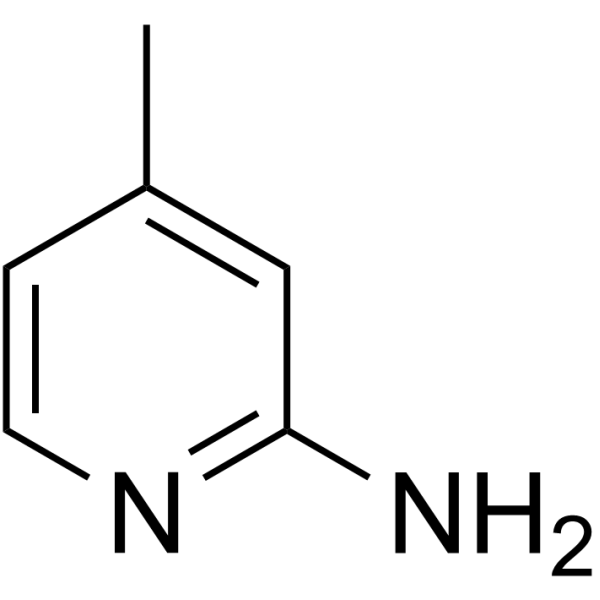
    Aminopicoline (Ascensil) is a potent and non-selective inhibitor of nitric oxide synthase (NOS) isoenzymes (iNOS, nNOS, eNOS). Aminopicoline competes with arginine at the substrate-binding site of nitric oxide synthase, reduces cellular nitric oxide production, inhibits the elevation of plasma nitrate, increases mean arterial pressure at high doses, and also serves as a basis for radiolabeled ligands to localize nitric oxide synthase binding sites. Aminopicoline can be used in the research of diseases associated with septic shock, joint inflammation, intestinal inflammation, and CNS inflammation .
    Aminopicoline
  • HY-70050A

    GR 68755; GR 68755X

    5-HT Receptor Neurological Disease Inflammation/Immunology
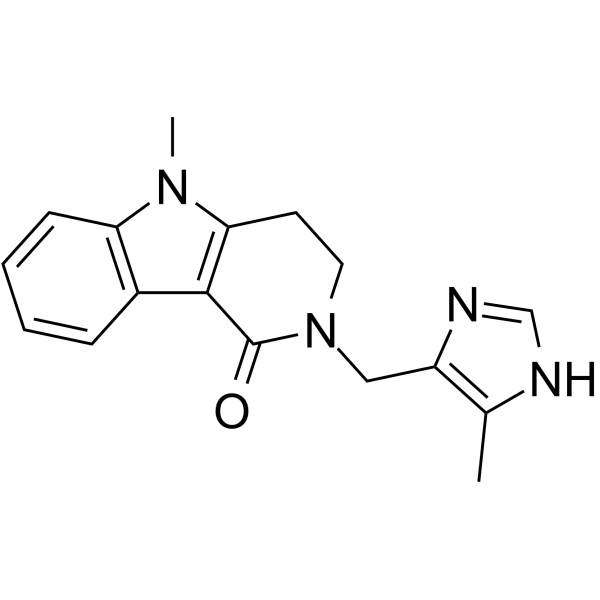
    Alosetron (GR 68755) is a potent and highly selective serotonin 5-HT3 receptor antagonist. Alosetron is used for the research of irritable bowel syndrome (IBS). Alosetron blocks the fast 5HT3-mediated depolarisation of guinea-pig myenteric and submucosal neurons, with IC50 at ~55 nM. Alosetron attenuates the visceral nociceptive effect of rectal distension in conscious or anaesthetised dogs. Anti-inflammatory effects .
    Alosetron
  • HY-P3579

    GIP (1-42), porcine

    Insulin Receptor Metabolic Disease
    Gastric Inhibitory Peptide (GIP (1-42)), porcine is a porcine glucose-dependent insulinotropic polypeptide and inhibitor of pentagastrin-stimulated gastric acid secretion. Gastric Inhibitory Peptide, porcine stimulates endogenous somatostatin release. Gastric Inhibitory Peptide, porcine acts in a dose- and time-dependent manner in conscious, chronic gastric fistula-equipped rats .
    Gastric Inhibitory Peptide, porcine
  • HY-14304A
    Zinterol hydrochloride
    1 Publications Verification

    MJ 9184 hydrochloride

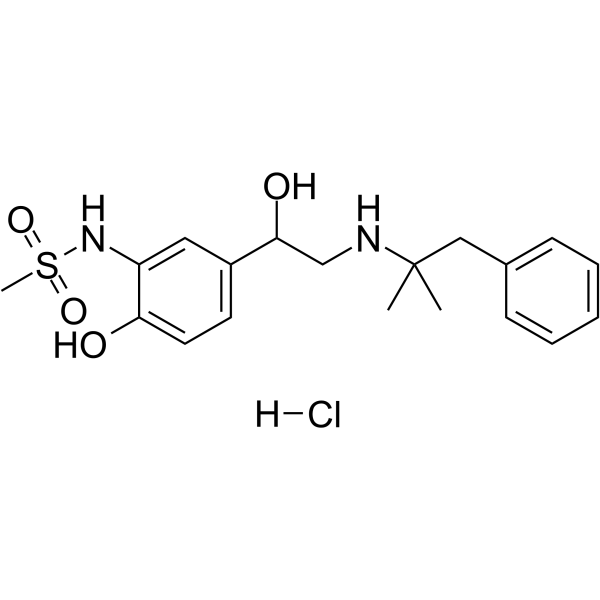
    Adrenergic Receptor Cardiovascular Disease
    Zinterol hydrochloride (MJ 9184 hydrochloride) is a potent and selective β2-adrenoceptor agonist . Zinterol hydrochloride increases ICa in a concentration-dependent manner with an EC50 of 2.2 nM . Zinterol hydrochloride induces ventricular arrhythmias in conscious heart failure rabbits .
    Zinterol hydrochloride
  • HY-B0662

    KRP-197; ONO-8025

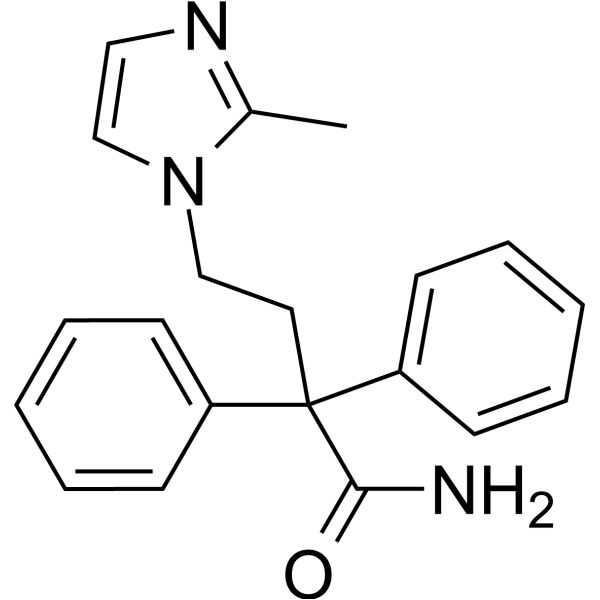
    mAChR Vasopressin Receptor Neurological Disease Endocrinology
    Imidafenacin (KRP-197; ONO-8025) is an orally active inhibitor of muscarinic (mAChR) M1 and M3 receptors. Imidafenacin potently inhibits bladder contraction in vivo and exerts an antidiuretic effect by enhancing the signaling pathway of vasopressin (antidiuretic hormone). Imidafenacin can be used in research related to overactive bladder .
    Imidafenacin
  • HY-P1106A

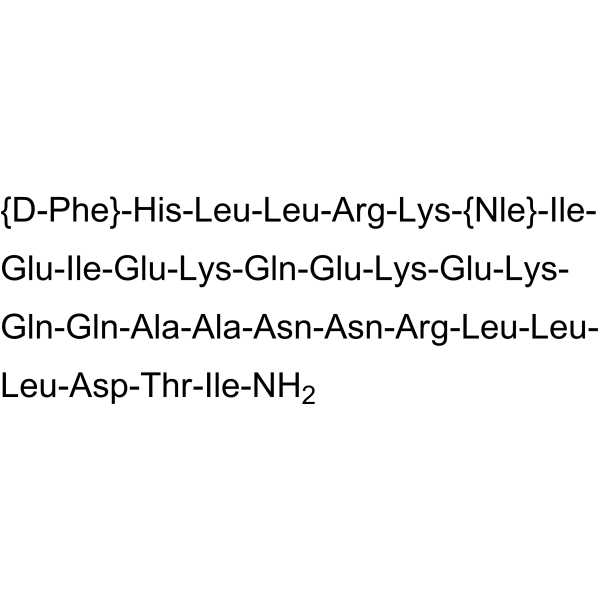
    CFTR Cardiovascular Disease
    K41498 TFA is a highly selective CRF 2 receptor antagonist, with a Ki of 0.66 nM for human CRF2α receptor and a Ki of 0.62 nM for human CRF2β receptor. K41498 TFA inhibits cAMP accumulation in cells expressing CRF2. K41498 TFA antagonizes the hypotensive response induced by systemic administration of urocortin in conscious rats. K41498 TFA undergoes radioiodination without loss of activity and serves for autoradiographic studies of native CRF2 receptors in rat brain and peripheral tissues .
    K41498 TFA
  • HY-P1106

    CRFR Cardiovascular Disease
    K41498 is a highly selective CRF 2 receptor antagonist, with a Ki of 0.66 nM for human CRF2α receptor and a Ki of 0.62 nM for human CRF2β receptor. K41498 inhibits cAMP accumulation in cells expressing CRF2. K41498 antagonizes the hypotensive response induced by systemic administration of urocortin in conscious rats. K41498 undergoes radioiodination without loss of activity and serves for autoradiographic studies of native CRF2 receptors in rat brain and peripheral tissues .
    K41498
  • HY-153369

    BAY 1165747

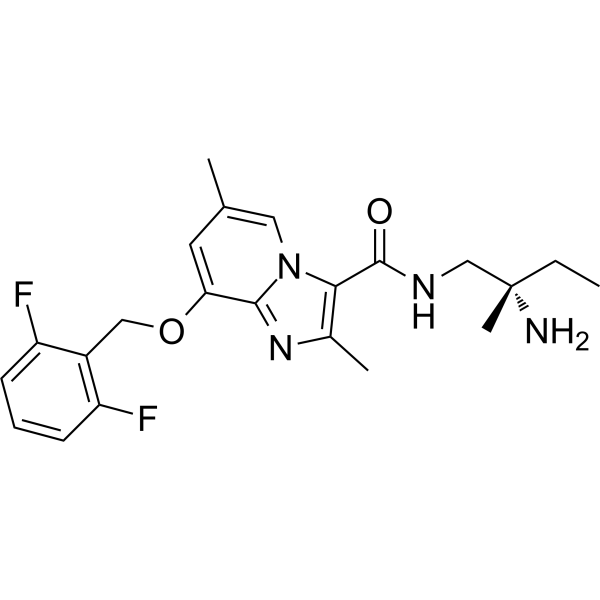
    Guanylate Cyclase Cardiovascular Disease Neurological Disease
    BAY-747 (BAY 1165747) is an orally active and brain-penetrant stimulator of soluble guanylate cyclase (sGC). BAY-747 reverses L-NAME induced memory impairments and enhances cognition of rats in the object location task (OLT). BAY-747 also decreases blood pressure in both conscious normotensive and spontaneously hypertensive rats (SHR). BAY-747 improves function of the skeletal muscle associated with Duchenne muscular dystrophy (DMD) in mdx/mTRG2 mice model .
    BAY-747
  • HY-Z7733

    Desmethylcarvedilol; BM-14242

    Calcium Channel Metabolic Disease
    O-Desmethylcarvedilol (Desmethylcarvedilol) is an active metabolite of the non-selective β-adrenergic receptor (β-AR) antagonist Carvedilol (HY-B0006). O-Desmethylcarvedilol inhibits store-overload-induced calcium release in HEK293 cells expressing the ryanodine receptor 2 (RyR2) R4496C (RyR2 R4496C) mutation (IC50 = 7.62 µM). O-Desmethylcarvedilol reduces increases in heart rate and prevents decreases in diastolic blood pressure induced by Isoproterenol (HY-B0468) in conscious rabbits (ED50s = 32 and 5 µg/kg, respectively) .
    O-Desmethylcarvedilol
  • HY-108582

    Potassium Channel Cardiovascular Disease
    Y-27152, a proagent of the KATP (Kir6) channel opener Y-26763, is a long-acting K+ channel opener with less tachycardia: antihypertensive effects in hypertensive rats and dogs in conscious state .
    Y-27152
  • HY-155297

    FLA-136

    Histamine Receptor Cardiovascular Disease
    Nebidrazine is a centrally-acting hypotensive agent compared to clonidine, demonstrating weaker cardiovascular effects in rats. It induces dose-dependent hypotension and bradycardia when administered intracerebroventricularly (i.c.v.), with significantly lower sedative potential than clonidine in conscious rats. Yohimbine attenuates the cardiovascular effects of both Nebidrazine and clonidine, suggesting involvement of central alpha-autoreceptors sensitive to yohimbine. Unlike clonidine, Nebidrazine does not affect peripheral alpha-adrenoceptors in pithed rats, indicating a selective central mechanism. Chemical sympathectomy reduces Nebidrazine's cardiovascular effects more than clonidine's, and metiamide diminishes responses to both drugs, implicating central histamine receptors. These findings highlight Nebidrazine's distinct pharmacological profile and potential therapeutic application in managing hypertension through central alpha-autoreceptor stimulation .
    Nebidrazine
  • HY-19266

    GABA Receptor Neurological Disease
    RO-488684 is a benzodiazepine receptor agonist. RO-488684 can be used for research on sleep and conscious sedation .
    RO-488684
  • HY-N4209

    Others Cardiovascular Disease
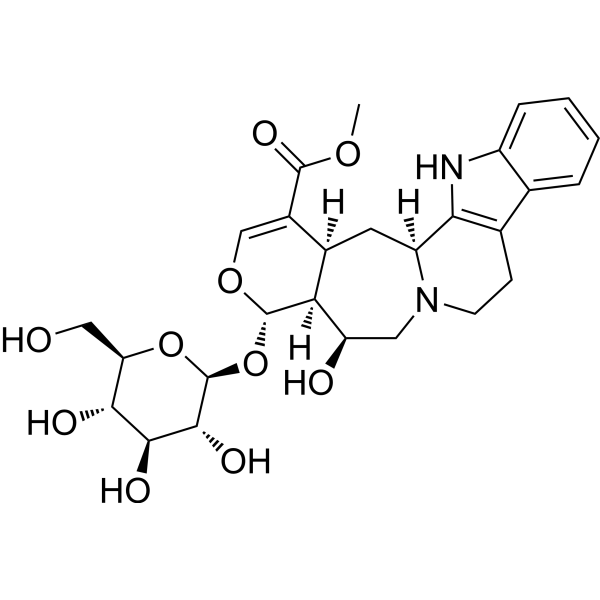
    3α-Dihydrocadambine is a natural product isolated from the heartwoods of Anthocephalus cadamba.3α-Dihydrocadambine exhibits dose-dependent hypotensive and anti-hypertensive effects in anesthetized normotensive rats and in conscious spontaneously hypertensive rats .
    3α-Dihydrocadambine
  • HY-129782

    SOD Cardiovascular Disease
    SC-55858 is an effective superoxide dismutase simulator. SC-55858 increased heart rate and decreased mean arterial pressure and left ventricular systolic and end-diastolic pressures in conscious dogs .
    SC-55858
  • HY-102092

    PD 147953

    Endothelin Receptor Cardiovascular Disease
    FR139317 (PD 147953) is a selective ETA receptor antagonist. FR139317 inhibits cerebral activation by intraventricular endothelin-1 in conscious rats. FR139317 also ameliorates cerebral vasospasm in dogs .
    FR139317
  • HY-108620

    GR259653X

    Phosphodiesterase (PDE) Inflammation/Immunology
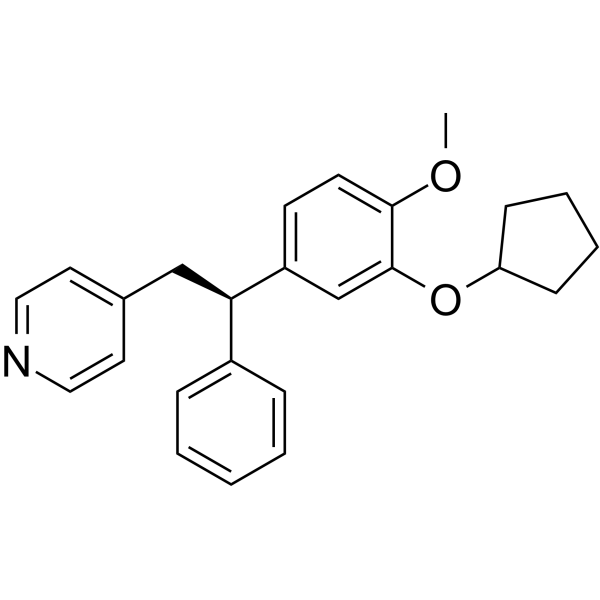
    CDP-840 (GR259653X) is a potent, selective and orally active phosphodiesterase IV (PDE IV) inhibitor. CDP-840 inhibits antigen-induced early and late phase bronchoconstriction in conscious squirrel monkeys .
    CDP-840
  • HY-P5130

    Endothelin Receptor Cardiovascular Disease
    Big endothelin-1 (rat 1-39) is a 39-residues peptide. Big endothelin-1 (rat 1-39) induces diuretic and natriuretic response in conscious Sprague-Dawley rats. Big endothelin-1 (rat 1-39) raises blood pressure in mice .
    Big endothelin-1 (rat 1-39)
  • HY-117090

    (rac)-4,5-DHP-AMT

    5-HT Receptor Others
    (rac)-AL-37350A ((rac)-4,5-DHP-AMT) is a 5-HT2 receptor agonist with intraocular pressure-lowering activity. (rac)-AL-37350A has high affinity and selectivity for the 5-HT2 receptor and effectively reduces intraocular pressure in conscious hypertensive cynomolgus monkeys.
    (rac)-AL-37350A
  • HY-171469

    Potassium Channel Cardiovascular Disease
    SKP-451 is an ATP-sensitive potassium (K +) channel agonist. SKP-451 activates the ATP-sensitive K + channels, promotes the efflux of K +, causes membrane hyperpolarization, and inhibits the influx of Ca 2+, thereby relaxing the vascular smooth muscle. SKP-451 relaxs the canine coronary artery, rabbit basilar artery, and vertebral artery. SKP-451 also reduces the mean arterial blood pressure of conscious spontaneously hypertensive rats (SHR). SKP-451 is promising for research of cardiovascular diseases .
    SKP-451
  • HY-70050CR

    GR 68755C (Standard); GR 68755 Hydrochloride (Standard); GR 68755X Hydrochloride (Standard)

    Reference Standards 5-HT Receptor Neurological Disease
    Alosetron (Hydrochloride) (Standard) is the analytical standard of Alosetron (Hydrochloride). This product is intended for research and analytical applications. Alosetron Hydrochloride (GR 68755C) is a potent and highly selective serotonin 5-HT3 receptor antagonist. Alosetron Hydrochloride is used for the research of irritable bowel syndrome (IBS). Alosetron blocks the fast 5HT3-mediated depolarisation of guinea-pig myenteric and submucosal neurons, with IC50 at ~55 nM. Alosetron Hydrochloride attenuates the visceral nociceptive effect of rectal distension in conscious or anaesthetised dogs. Anti-inflammatory effects .
    Alosetron Hydrochloride (Standard)
  • HY-70050B

    GR 68755 ((Z)-2-butenedioate); GR 68755X ((Z)-2-butenedioate)

    5-HT Receptor Neurological Disease Inflammation/Immunology
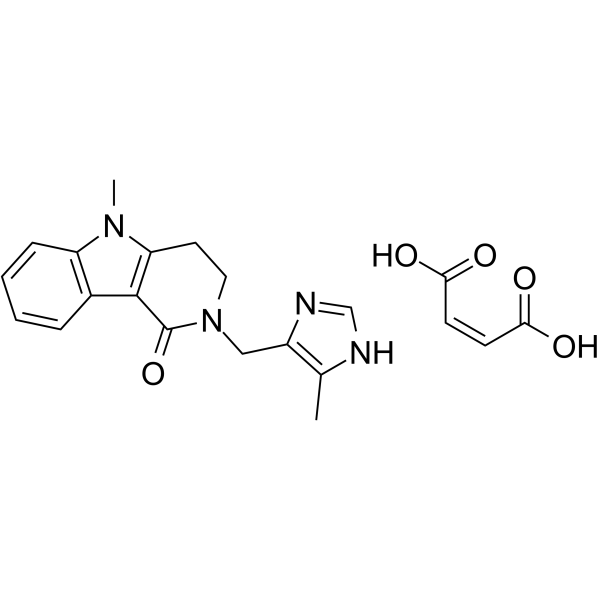
    Alosetron (GR 68755) (Z)-2-butenedioate is a potent and highly selective serotonin 5-HT3 receptor antagonist. Alosetron (Z)-2-butenedioate is used for the research of irritable bowel syndrome (IBS). Alosetron (Z)-2-butenedioate blocks the fast 5HT3-mediated depolarisation of guinea-pig myenteric and submucosal neurons, with IC50 at ~55 nM. Alosetron (Z)-2-butenedioate attenuates the visceral nociceptive effect of rectal distension in conscious or anaesthetised dogs. Anti-inflammatory effects .
    Alosetron ((Z)-2-butenedioate)
  • HY-70050

    GR 68755 (Hydrochloride(1:X)); GR 68755X (Hydrochloride(1:X))

    5-HT Receptor Neurological Disease Inflammation/Immunology
    Alosetron (GR 68755) Hydrochloride(1:X) is a potent and highly selective serotonin 5-HT3 receptor antagonist. Alosetron Hydrochloride(1:X) is used for the research of irritable bowel syndrome (IBS). Alosetron Hydrochloride(1:X) blocks the fast 5HT3-mediated depolarisation of guinea-pig myenteric and submucosal neurons, with IC50 at ~55 nM. Alosetron Hydrochloride(1:X) attenuates the visceral nociceptive effect of rectal distension in conscious or anaesthetised dogs. Anti-inflammatory effects .
    Alosetron (Hydrochloride(1:X))
  • HY-166478S

    Desmethylcarvedilol-d5; BM-14242-d5

    Isotope-Labeled Compounds Calcium Channel Metabolic Disease
    O-Desmethyl carvedilol-d5 (Desmethylcarvedilol-d5) is deuterium labeled O-Desmethylcarvedilol. O-Desmethylcarvedilol (Desmethylcarvedilol) is an active metabolite of the non-selective β-adrenergic receptor (β-AR) antagonist Carvedilol (HY-B0006). O-Desmethylcarvedilol inhibits store-overload-induced calcium release in HEK293 cells expressing the ryanodine receptor 2 (RyR2) R4496C (RyR2 R4496C) mutation (IC50 = 7.62 μM). O-Desmethylcarvedilol reduces increases in heart rate and prevents decreases in diastolic blood pressure induced by Isoproterenol (HY-B0468) in conscious rabbits (ED50s = 32 and 5 μg/kg, respectively) .
    O-Desmethyl carvedilol-d5
  • HY-118185

    Renin Others
    SQ 31844 is a novel renin inhibitor belonging to the imidazolidinol class. This compound, which contains an imidazole ring in its active site binding group, has potent in vitro inhibition of primate renin, but not rat, pig, or dog renin. In conscious, sodium-deprived cynomolgus monkeys, both compounds produced dose-related inhibition of plasma renin activity (PRA) over a dose range of 0.001 to 1.0 μmol/kg, administered intravenously, with complete inhibition observed at the highest dose. However, a reduction in blood pressure was only observed when 10 μmol/kg was administered intravenously or by infusion. In sodium-replete monkeys, SQ 30774 inhibited the increase in arterial blood pressure and PRA following administration of exogenous monkey renin. When the compounds were administered orally at 50 μmol/kg, only SQ 31844 significantly inhibited PRA (80%). In summary, the imidazolidinol renin inhibitors have potent inhibitory effects on renin in vitro and inhibit PRA and reduce arterial blood pressure in vivo.
    SQ 31844
  • HY-101431

    D32 hydrochloride

    Adrenergic Receptor Cardiovascular Disease
    Xibenolol hydrochloride (D32 hydrochloride) is an orally active beta-adrenoceptor blocking agent. Xibenolol hydrochloride can be used in the research of tachycardia and hypotension .
    Xibenolol hydrochloride
  • HY-180363

    Lipoxygenase Leukotriene Receptor Inflammation/Immunology
    E 6080 is an orally active and selective 5-lipoxygenase (5-LOX) inhibitor with an IC50 of 0.2 μM in rat basophilic leukemia cell. E 6080 shows potent inhibitory effects on the release of leukotrienes. E 6080 inhibits the bronchospasm induced by antigen (ovalbumin) inhalation in sensitized conscious guinea pigs. E 6080 can be used for the study of asthma .
    E 6080
  • HY-P11619

    RXFP Receptor Cardiovascular Disease
    R2R01 is a potent and selective relaxin family peptide receptor 1 (RXFP1) agonist with an EC50 of 0.34 nM. R2R01 activates RXFP1 to induce relaxin-like biological responses. R2R01 can increase heart rate in pithed and conscious rats. R2R01 can be used for the research of cardiovascular diseases .
    R2R01
  • HY-113581

    Calcium Channel 5-HT Receptor Metabolic Disease
    Levemopamil is a calcium channel blocker and 5-HT2 receptor antagonist. Levemopamil exerts renoprotective effects against ischemic acute kidney injury. Levemopamil is applicable to research related to ischemic acute renal failure .
    Levemopamil
  • HY-123939

    JAK ROCK Cardiovascular Disease
    JAK1/3-IN-1 is a selective, orally active JAK1/3 inhibitor with IC50 values of 1.9 nM and 0.9 nM, respectively. JAK1/3-IN-1 significantly reduces the mean arterial blood pressure and significantly increases the heart rate in rabbits. JAK1/3-IN-1 decreases the mean arterial blood pressure in conscious telemetered rats and induces lethal cardiovascular effects .
    JAK1/3-IN-1
  • HY-182301

    Renin Cardiovascular Disease
    CP 71362 is a renin inhibitor, a highly potent substrate-analog transition state mimic with antihypertensive properties. CP 71362 exhibits significant inhibitory activity against plasma renin from rats, dogs, and humans (IC50 values are 3 nM, 0.0033 nM, and 20 nM, respectively). CP 71362 reduces the mean arterial pressure of anesthetized and conscious sodium-depleted animals in a dose-dependent manner, and has pharmacokinetic characteristics of rapid elimination and short duration of action. CP 71362 can be used in research related to hypertension and congestive heart failure .
    CP 71362
  • HY-183136

    BMY 25801

    5-HT Receptor Cancer
    Batanopride (BMY 25801) is a selective 5-HT3 receptor antagonist. Batanopride inhibits chemotherapy-induced emesis, and prevents Cisplatin (HY-17394)-, Cyclophosphamide (HY-17420)-, Doxorubicin (HY-15142A)-, and total body irradiation-induced emesis .
    Batanopride
  • HY-180401

    Angiotensin Receptor Cardiovascular Disease
    DMP 811 is a potent, orally active and selective angiotensin II subtype receptor AT1 antagonist. DMP 811 exhibits selectivity for AT1 (IC50 = 6 nM) over AT2 (IC50 >10 μM). DMP 811 exhibits potent antihypertensive activity in rats and dogs. DMP 811 can be used for the research of hypertension .
    DMP 811

Inquiry Online

Your information is safe with us. * Required Fields.

Salutation


Country or Region *

Applicant Name *


Organization Name *

Department *


Email Address *


Product Name *

Cat. No.


Requested quantity *

Phone Number *


Remarks

Inquiry Online

Inquiry Information

Product Name:
Cat. No.:
Quantity:
MCE Japan Authorized Agent: