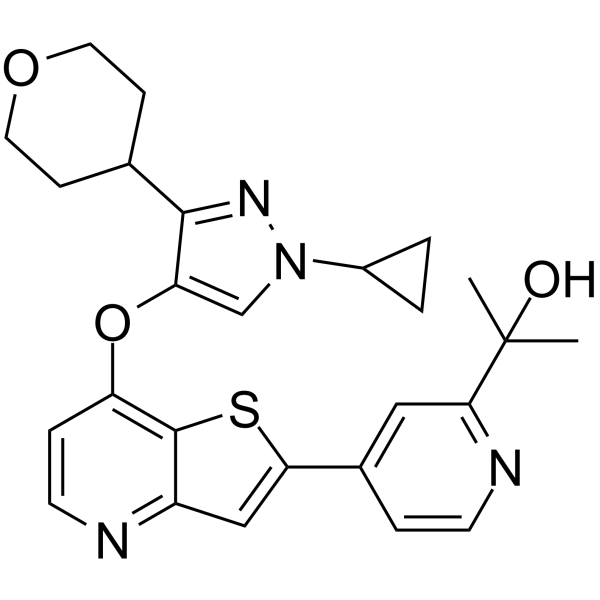
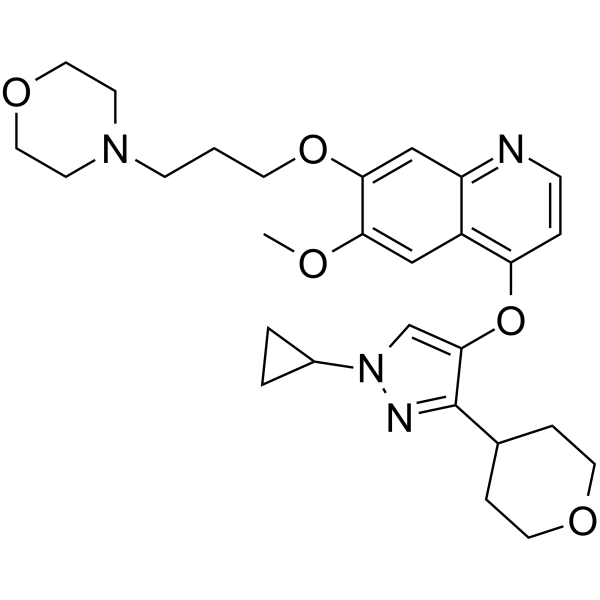
1. Search Result
Search Result
Results for "

fibrotic+diseases

" in MedChemExpress (MCE) Product Catalog:

39

Inhibitors & Agonists

4

Peptides

4

Inhibitory Antibodies

1

Natural
Products

Cat. No. Product Name Target Research Areas Chemical Structure
  • HY-15147
    XAV-939
    Maximum Cited Publications
    190 Publications Verification

    β-catenin PARP Cancer
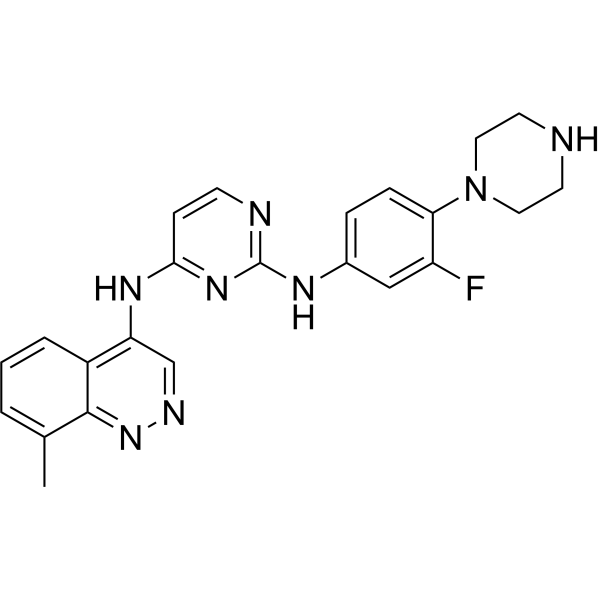
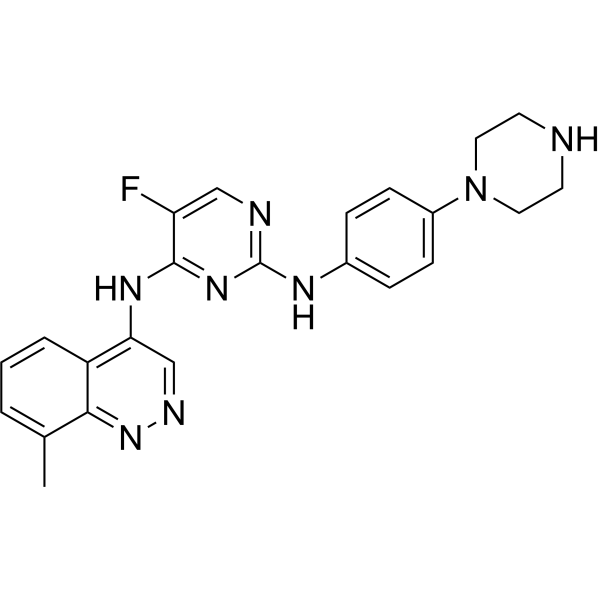
    XAV-939 is a Tankyrase inhibitor. XAV-939 has inhibitory activity for TNKS1 and TNKS2 with IC50 values of 5 nM and 2 nM, respectively. XAV-939 also is an enhancer of osteoblastic differentiation of hMSCs. XAV-939 can be used for the research of conditions associated with activated Wnt signaling, such as cancer, fibrotic diseases and conditions associated with low bone formation .
    XAV-939
  • HY-139853
    BMS-986278
    1 Publications Verification

    Admilparant

    LPL Receptor Others
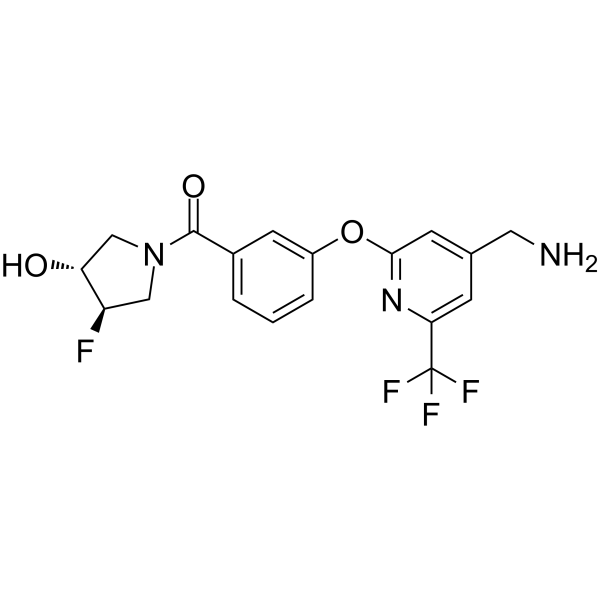
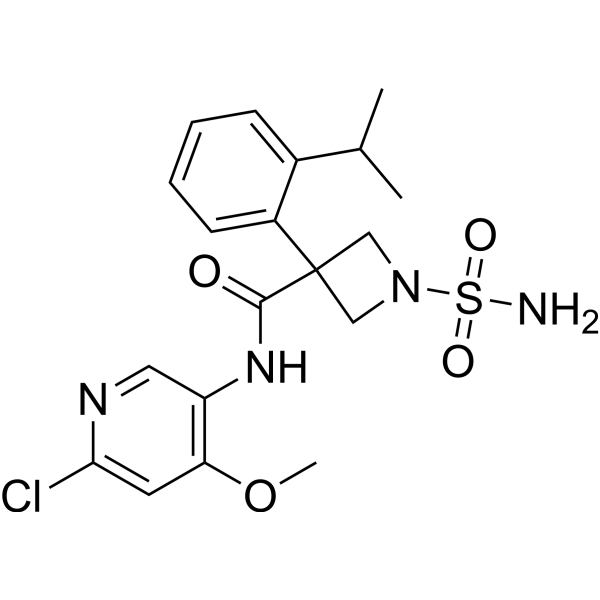
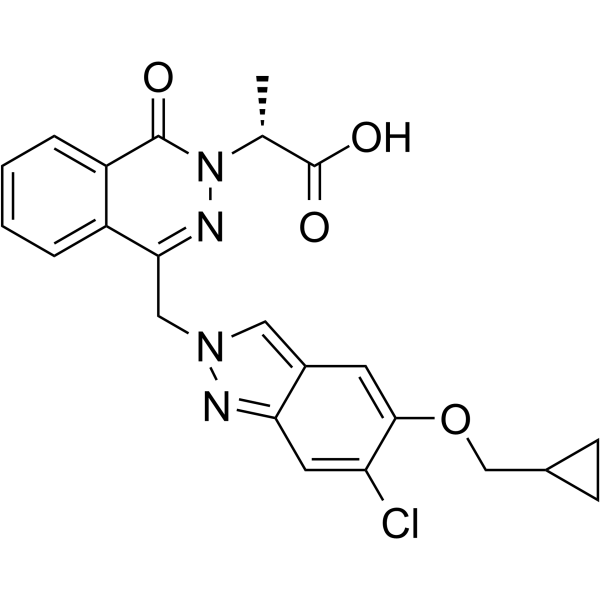
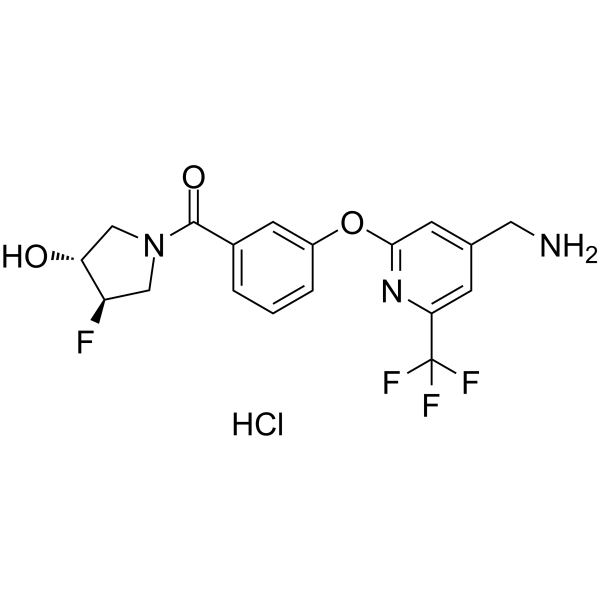
    BMS-986278 is a potent and orally active lysophosphatidic acid receptor 1 (LPA1) antagonist, with Kbs of 6.9 nM and 4.0 nM for human and mouse LPA1, respectively. BMS-986278 can be used for the research of pulmonary fibrotic diseases .
    BMS-986278
  • HY-P990007

    PRA023

    TNF Receptor Inflammation/Immunology
    Tulisokibart (PRA023) is a humanized IgG1-κ monoclonal antibody. Tulisokibart targets to TNFSF15/TL1A. Tulisokibart can be used to study a variety of inflammatory/fibrotic diseases, such as Crohn's Disease (CD) and ulcerative colitis .
    Tulisokibart
  • HY-P991488

    Interleukin Related Inflammation/Immunology
    BI-765423 is a selective monoclonal antibody inhibitor targeting IL-11. BI-765423 blocks IL-11-mediated signaling, inhibits fibroblast activation, and can extend the healthy lifespan of mammals, counteract cellular senescence in human cells, and alleviate inflammatory aging-related pathological processes. BI-765423 is primarily used in research on fibrotic diseases such as idiopathic pulmonary fibrosis (IPF) .
    BI-765423
  • HY-110279
    Ogerin
    2 Publications Verification

    GPR68 Neurological Disease
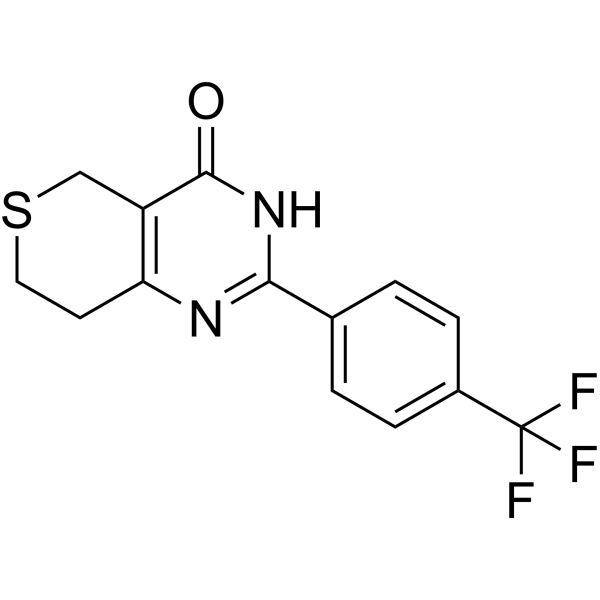
    Ogerin, a chemical probe, is a selective GPR68 positive aliasing modulator (PAM) (pEC50=6.83) with a moderate antagonistic effect on A2A (Ki=220 nM). Ogerin inhibits the fear conditioning reflex in mice and also inhibits TGF-β-induced myofibroblast differentiation of fibroblasts from multiple organ systems. Ogerin can be used in the studies of fibrotic diseases and neurological disorders .
    Ogerin
  • HY-107422
    Lenumlostat
    3 Publications Verification

    PAT-1251; GB2064

    Monoamine Oxidase Inflammation/Immunology
    PAT-1251 is a potent, selective and oral lysyl oxidase-like 2 (LOXL2) inhibitor, with IC50s of 0.71 and 1.17 μM for hLOXL2 and hLOXL3, respectively, and also potently inhibits mouse, rat, and dog LOXL2 (IC50s, 0.10, 0.12, and 0.16 μM, respectively); PAT-1251 is used in the research of fibrotic diseases .
    Lenumlostat
  • HY-156619

    EVT-8565072; THB335

    c-Kit PDGFR Metabolic Disease Inflammation/Immunology
    Labuxtinib (EVT-8565072; THB335) is a potent dual inhibitor of c-Kit and PDGFR. Labuxtinib exhibits potent inhibitory activity against wild-type c-Kit (IC50 = 0.005 μM). Labuxtinib inhibits SCF-dependent and PDGF-dependent cell proliferation, and blocks the proliferation of cells dependent on c-Kit or PDGFR signaling pathways. In animal models of skin allergy, Labuxtinib depletes skin mast cells and significantly alleviates anaphylactic shock responses. Labuxtinib can be used in research on mast cell-related diseases, respiratory diseases, inflammatory diseases, fibrotic diseases, metabolic diseases, and other related conditions .
    Labuxtinib
  • HY-P990319

    NAMPT Inflammation/Immunology
    ALT-100 (Human IgG4) is a humanized antibody expressed in CHO, targeting NAMPT. ALT-100 (Human IgG4) consists of a huIgG1/huIgG4 heavy chain and a huκ light chain, with a predicted molecular weight (MW) of 150 kDa. For inflammatory or fibrotic diseases, the isotype control for ALT-100 (Human IgG4) can refer to Human IgG4 (S228P) kappa, Isotype Control (HY-P99003).
    ALT-100 (Human IgG4)
  • HY-147243

    ANG-3070

    VEGFR PDGFR Cardiovascular Disease Inflammation/Immunology
    Ansornitinib is an orally active dual kinase inhibitor that inhibits platelet-derived growth factor receptor (PDGFR) and vascular endothelial growth factor receptor (VEGFR2). Ansornitinib can be used as an antifibrotic agent in lung, liver, kidney, and gastrointestinal fibrotic diseases .
    Ansornitinib
  • HY-162334

    HSP Inflammation/Immunology Cancer
    HYOU1-IN-1 (Compound 33) is an inhibitor of hypoxia-upregulated protein 1 (HYOU1) with anti-inflammatory activity. HYOU1-IN-1 can be used in research on the regulation of fibroblast activation, chronic inflammation, and fibrotic diseases .
    HYOU1-IN-1
  • HY-138453

    LPA1 receptor antagonist 2

    LPL Receptor Inflammation/Immunology
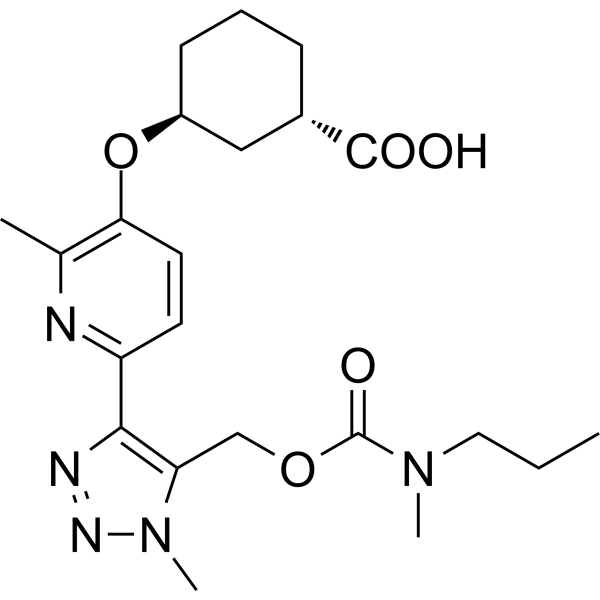
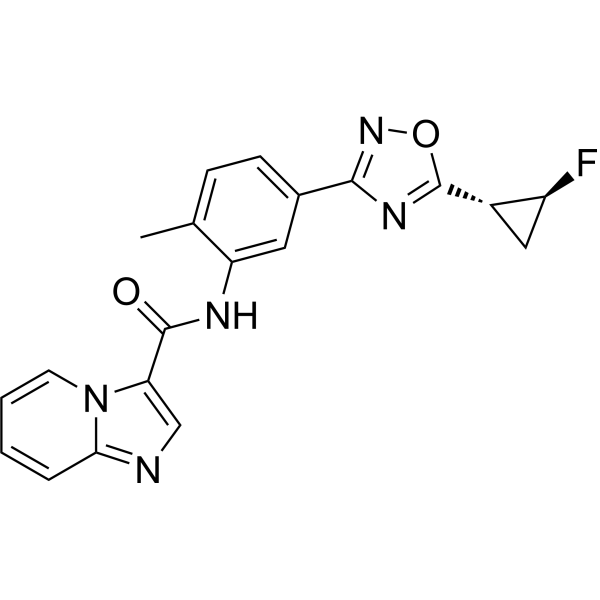
    ACT-1016-0707 (Compound 49) is an orally active and selective LPA1 receptor antagonist. ACT-1016-0707 can be used for the research of fibrotic diseases .
    ACT-1016-0707
  • HY-156552

    Discoidin Domain Receptor Inflammation/Immunology Cancer
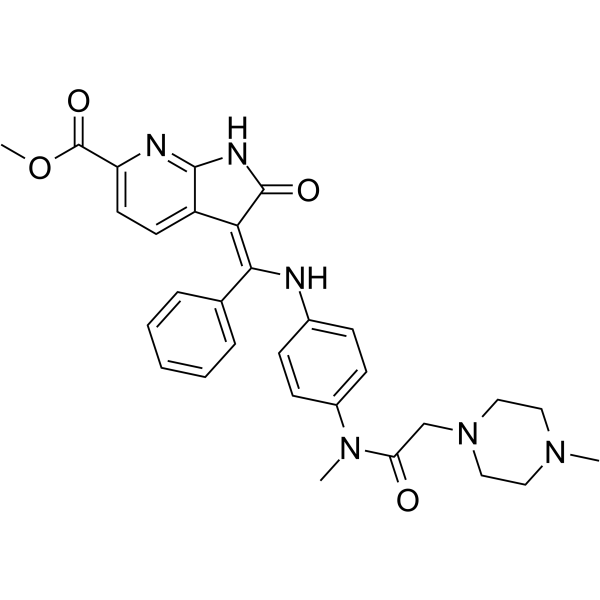
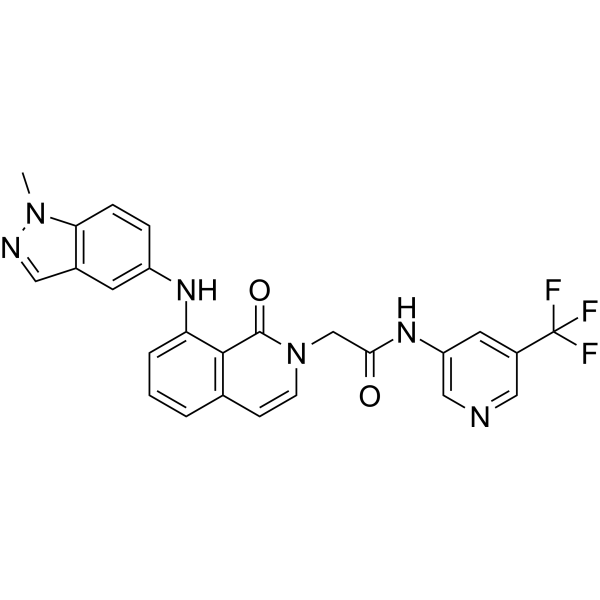
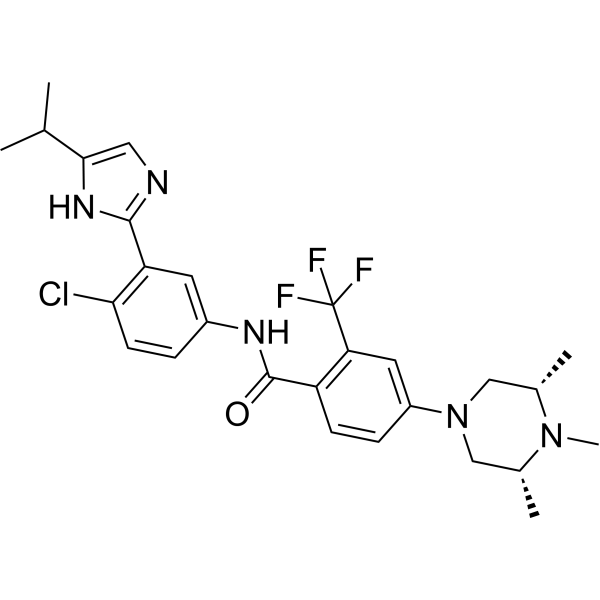
    DDR1/2 inhibitor-2 (Example 31) is a DDR1/DDR2 inhibitor, with IC50 values less than 100 nM. DDR1/2 inhibitor-2 can be used for research of cancer and fibrotic diseases .
    DDR1/2 inhibitor-2
  • HY-113604

    TGF-β Receptor Cancer
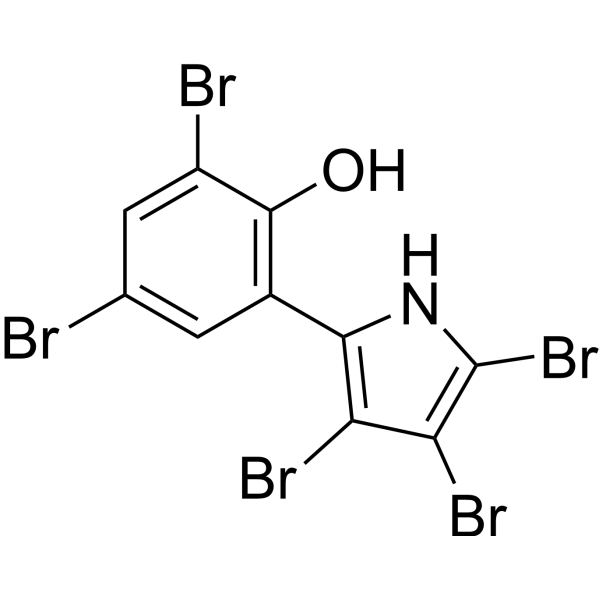
    Pentabromopseudilin (PBrP) is a marine antibiotic isolated from the marine bacteria Pseudomonas bromoutilis and Alteromonas luteoviolaceus. PBrP exhibits antimicrobial, anti-tumour and phytotoxic activities. PBrP is a reversible and allosteric inhibitor of myosin Va (MyoVa). PBrP also is a potent inhibitor of transforming growth factor-β (TGF-β) activity. PBrP can be used for the research of fibrotic diseases and cancer .
    Pentabromopseudilin
  • HY-162404

    STAT TGF-beta/Smad Interleukin Related TGF-β Receptor Inflammation/Immunology
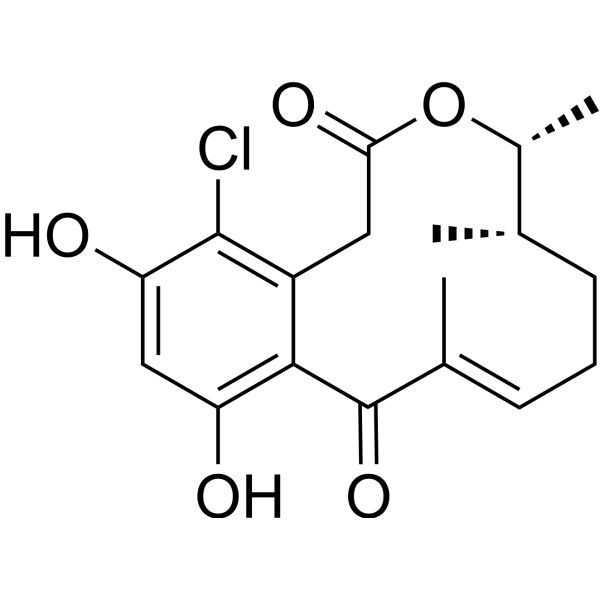
    (14S,15R)-14-Deoxyoxacyclododecindione (Compound 3) acts as an inhibitor of TGF-β-dependent Smad2/3 and IL-4-dependent STAT6, with IC50 values of 90 nM and 20 nM, respectively. (14S,15R)-14-deoxyoxacyclododecindione is a potent IL-4 inhibitor with an IC50
    value of 20 nM. (14S,15R)-14-Deoxyoxacyclododecindione is applicable to the research of chronic inflammation and fibrotic diseases .
    (14S,15R)-14-Deoxyoxacyclododecindione
  • HY-116100

    Phosphodiesterase (PDE) Neurological Disease Inflammation/Immunology Cancer
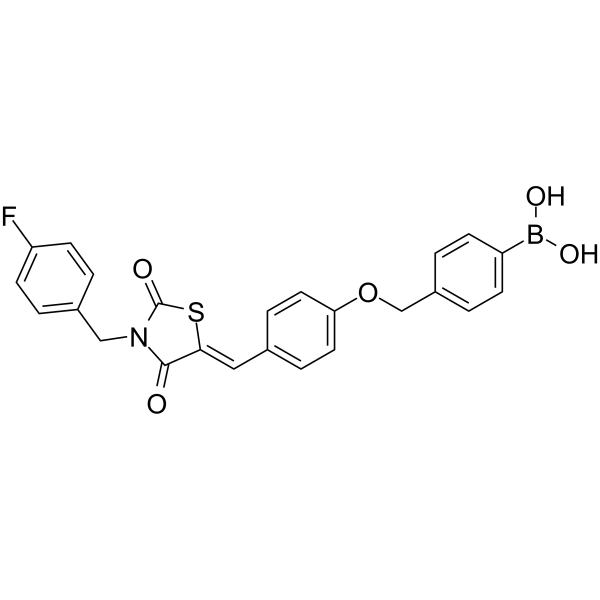
    (E/Z)-HA155 is a potent autotaxin (ATX) type I inhibitor. (E/Z)-HA155 can be used for researching cancer, fibrotic diseases, inflammation, pain and angiogenesis .
    (E/Z)-HA155
  • HY-P11348

    MMP Cancer
    TG-MMP-Lys is an MMP-sensitive crosslinking peptide. TG-MMP-Lys is promising for research of fibrotic diseases (e.g., liver fibrosis) .
    TG-MMP-Lys
  • HY-P4040

    HCV Protease Infection Neurological Disease Metabolic Disease Inflammation/Immunology Cancer
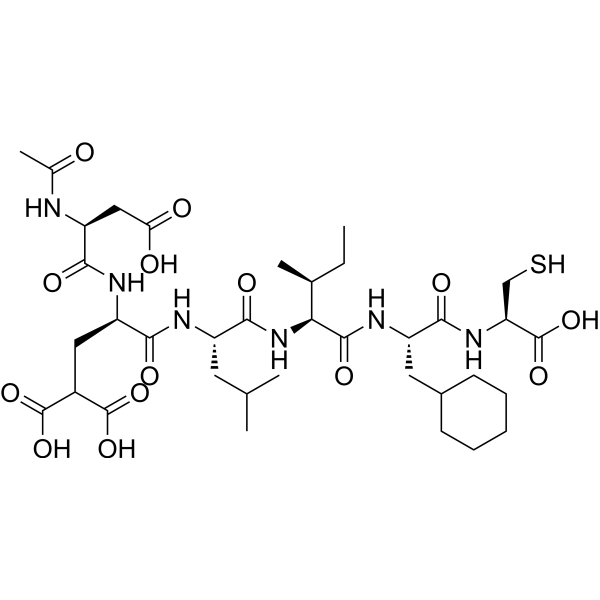
    Ac-D-DGla-LI-Cha-C is a potent HCV protease inhibitor peptide. Ac-D-DGla-LI-Cha-C can be used for the research of cancer, autoimmune diseases, fibrotic diseases, inflammatory diseases, neurodegenerative diseases, infectious diseases, lung diseases, heart and vascular diseases and metabolic diseases .
    Ac-D-DGla-LI-Cha-C
  • HY-15147R

    β-catenin PARP Cancer
    XAV-939 (Standard) is the analytical standard of XAV-939. This product is intended for research and analytical applications. XAV-939 is a Tankyrase inhibitor. XAV-939 has inhibitory activity for TNKS1 and TNKS2 with IC50 values of 5 nM and 2 nM, respectively. XAV-939 also is an enhancer of osteoblastic differentiation of hMSCs. XAV-939 can be used for the research of conditions associated with activated Wnt signaling, such as cancer, fibrotic diseases and conditions associated with low bone formation .
    XAV-939 (Standard)
  • HY-178015

    Thyroid Hormone Receptor Metabolic Disease Inflammation/Immunology
    THR-β agonist 11 is an orally active and selective thyroid hormone receptor (THR-β) agonist. THR-β agonist 11 shows potent cholesterol-lowering activity in cholesterol-fed rats. THR-β agonist 11 significantly reduces serum total TG, LDL-cholesterol, liver total TC and TG levels, and alleviates hepatic steatosis, inflammation and fibrosis in HFD-CCl4-induced Metabolic dysfunction-associated steatohepatitis (MASH) model mice. THR-β agonist 11 can be used for the study of metabolic dysfunction-associated steatohepatitis (MASH) and other fibrotic diseases .
    THR-β agonist 11
  • HY-175496

    Ceramidase Inflammation/Immunology
    Acid Ceramidase-IN-3 is a acid ceramidase (aCDase) inhibitor. Acid Ceramidase-IN-3 inhibits the enzymatic activity of aCDase with a pIC 50 of 8.5 in enzymatic assays and 6.8 in A375 melanoma cellular assays. Acid Ceramidase-IN-3 promotes HSC inactivation, as measured by a dose-dependent reduction in COL1A1 and ACTA2. Acid Ceramidase-IN-3 inhibits aCDase activity in HSCs, promotes HSC inactivation and suppresses YAP/TAZ nuclear localization. Acid Ceramidase-IN-3 increases Dynein/Kinesin (NDE1, NDEL1. KIF3B, KIF15) while decreases several proteins involved with signaling pathway (SARM1, RGAP1, PDGF-D,PDGFR-B). Acid Ceramidase-IN-3 can be used for the study of fibrotic diseases .
    Acid Ceramidase-IN-3
  • HY-179014

    DNA Glycosylase Neurological Disease Inflammation/Immunology Cancer
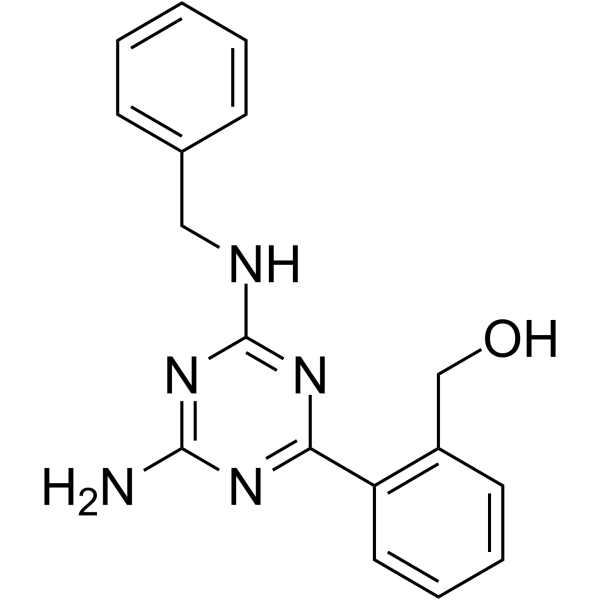
    OGG1 activator-1 (Compound 30) is a selective 8-oxoguanine DNA glycosylase-1 (OGG1) activator with an AC50 value of 0.58 μM. OGG1 activator-1 does not activate nor inhibit the key downstream repair enzyme APE1, and shows > 150-fold selectivity for the activation effect on OGG1. OGG1 activator-1 exhibits extremely high metabolic stability and almost no cytotoxicity. OGG1 activator-1 can be used for the study of oxidative stress-related diseases (such as neurodegenerative diseases, fibrotic diseases, cancer, inflammation, etc.) .
    OGG1 activator-1
  • HY-141845

    LPL Receptor Others
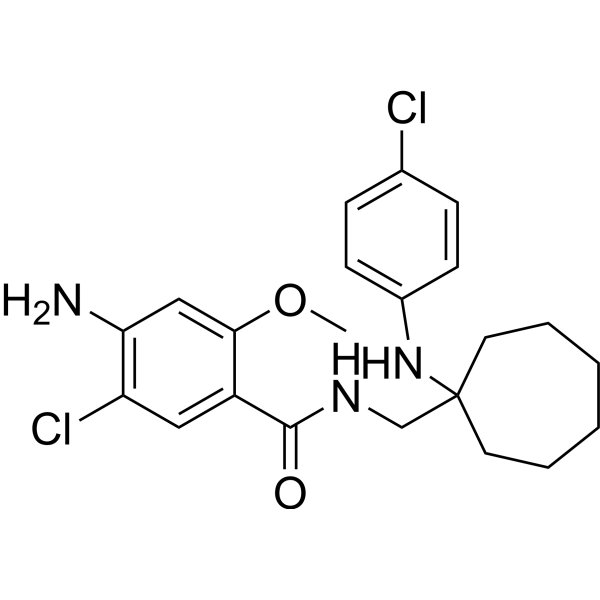
    S1P2 antagonist 1 is an orally bioavailable S1P2 antagonist against fibrotic diseases.
    S1P2 antagonist 1
  • HY-153730

    Hedgehog Inflammation/Immunology
    Hedgehog IN-5 is an orally active small molecule inhibitor of the hedgehog pathway. Hedgehog IN-5 can be used for the research of fibrotic disease .
    Hedgehog IN-5
  • HY-172797

    Discoidin Domain Receptor Inflammation/Immunology
    DDR Inhibitor 2 (compound 5a) is a discoidin domain receptor (DDR) inhibitor with an IC50 of 0.125 μM. DDR Inhibitor 2 can be used for study of fibrotic diseases .
    DDR Inhibitor 2
  • HY-P3446A

    Cholecystokinin Receptor Infection Cardiovascular Disease Neurological Disease Inflammation/Immunology Cancer
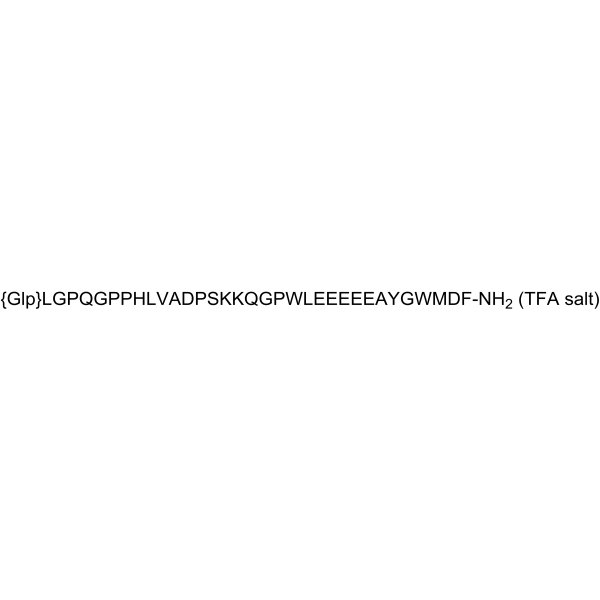
    Big Gastrin I, human (TFA) is a gastrointestinal hormone consisting of 34 amino acids. Big Gastrin I, human (TFA) can be used as a potential substance for the study of cancer, autoimmune diseases, fibrotic diseases, inflammatory diseases, neurological diseases or cardiovascular diseases .
    Big Gastrin I (human) TFA
  • HY-P991489

    Interleukin Related Inflammation/Immunology
    ENx-108A is a human IgG4 monoclonal antibody (mAb) targeting IL-11. BI-765423 can be used in fibrotic diseases research. Recommended isotype control: Human IgG4 kappa, Isotype Control (HY-P99003) .
    ENx-108A
  • HY-142698

    Guanylate Cyclase Cardiovascular Disease
    SGC agonist 2 is a potent agonist of soluble guanylate cyclase (SGC). Soluble guanylate cyclase is a key signal transduction enzyme in the NO-sGC-cGMP signaling pathway. SGC agonist 2 has the potential for the research of cardiovascular disease (heart failure, pulmonary hypertension, angina, myocardial infarction) and fibrotic diseases (renal fibrosis, systemic sclerosis) (extracted from patent WO2021219088A1, compound 031) .
    SGC agonist 2
  • HY-151281

    TGF-β Receptor Cancer
    ALK5-IN-31 (compound Ex-08) is a selective ALK-5 inhibitor (IC50≤10 nM), inhibits TGF-β-induced SMAD signaling. ALK5-IN-31 has the potential to inhibit growth of tumour in vivo. ALK5-IN-31 can be used in study of proliferative diseases such as cancer, fibrotic diseases, and systemic sclerosis .
    ALK5-IN-31
  • HY-107422A

    PAT-1251 hydrochloride; GB2064 hydrochloride

    Monoamine Oxidase Inflammation/Immunology
    PAT-1251 Hydrochloride is a potent, selective and oral lysyl oxidase-like 2 (LOXL2) inhibitor, with IC50s of 0.71 and 1.17 μM for hLOXL2 and hLOXL3, respectively, and also potently inhibits mouse, rat, and dog LOXL2 (IC50s, 0.10, 0.12, and 0.16 μM, respectively). PAT-1251 Hydrochloride is used in the research of fibrotic diseases.
    Lenumlostat hydrochloride
  • HY-151282

    TGF-β Receptor TGF-beta/Smad Cancer
    ALK5-IN-32 (compound EX-09) is a selective ALK-5 inhibitor (10 nM<IC50<100 nM), inhibits TGF-β-induced SMAD signaling. ALK5-IN-32 has the potential to inhibit growth of tumour in vivo. ALK5-IN-32 can be used in study of proliferative diseases such as cancer, fibrotic diseases, and systemic sclerosis .
    ALK5-IN-32
  • HY-142949

    TGF-β Receptor Inflammation/Immunology Cancer
    ALK5-IN-7 is a potent inhibitor of ALK5. Transforming growth factor beta (TGF-β) is a multifunctional cytokine that is involved in regulating cell proliferation, differentiation and apoptosis through complex receptor signaling pathways on the cell surface in an autocrine, paracrine and endocrine manner. ALK5-IN-7 has the potential for the research of TGF-β-related diseases and conditions, including but not limited to tumors, fibrotic diseases, inflammatory diseases, autoimmune diseases, etc (extracted from patent WO2021129621A1, compound 4) .
    ALK5-IN-7
  • HY-142950

    TGF-β Receptor Inflammation/Immunology Cancer
    ALK5-IN-6 is a potent inhibitor of ALK5. Transforming growth factor beta (TGF-β) is a multifunctional cytokine that is involved in regulating cell proliferation, differentiation and apoptosis through complex receptor signaling pathways on the cell surface in an autocrine, paracrine and endocrine manner. ALK5-IN-6 has the potential for the research of TGF-β-related diseases and conditions, including but not limited to tumors, fibrotic diseases, inflammatory diseases, autoimmune diseases, etc (extracted from patent WO2021129621A1, compound 1) .
    ALK5-IN-6
  • HY-164931

    Phosphatase Inflammation/Immunology
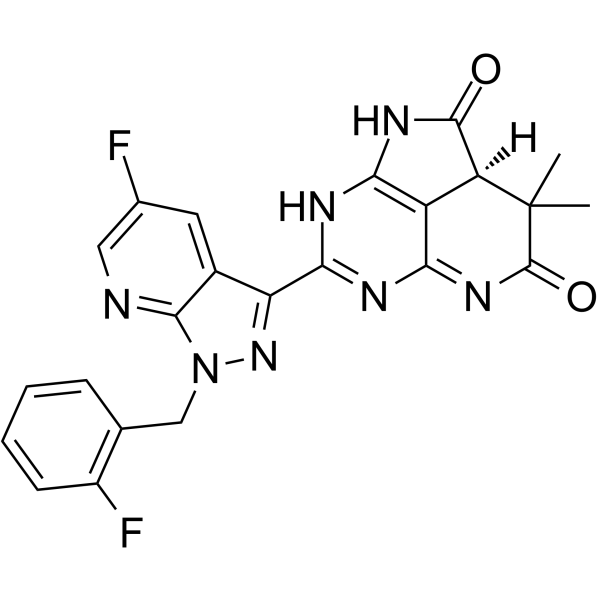
    MKP5 modulator-1 (Page 14) is a MKP5 modulator with an IC50 of 2.46 μM. MKP5 modulator-1 can be used for the research of fibrotic diseases .
    MKP5 modulator-1
  • HY-182921

    GPR84 Enterovirus Inflammation/Immunology
    GPR84 antagonist 11 is a highly selective GPR84 antagonist, with a human pA2 of 8.41 and a pKi of 8.16. GPR84 antagonist 11 competitively inhibits the binding of agonists to the orthosteric site of GPR84 and has improved druglike properties, though its metabolic stability still requires optimization. GPR84 antagonist 11 can be used in the research of autoimmune diseases and fibrotic diseases .
    GPR84 antagonist 11
  • HY-P11609

    TGF-beta/Smad Metabolic Disease
    TGFβ1-IN-4 is a TGF-β1 inhibitor. TGFβ1-IN-4 inhibits myofibroblast activation and epithelial-mesenchymal transition in vitro. TGFβ1-IN-4 alleviates renal fibrosis in a mouse model of renal fibrosis. TGFβ1-IN-4 can be used for research on fibrotic diseases such as renal fibrosis .
    TGFβ1-IN-4
  • HY-182612

    TGF-β Receptor Cancer
    SRI-35241 is a thrombospondin TSP-1 inhibitor with a pIC50 of 8.12 nM against human targets. SRI-35241 inhibits the binding of TSP-1 to latent transforming growth factor-β-associated peptide (LAP) and blocks the activation of TGF-β. SRI-35241 shows a certain time-dependent property, with a plasma half-life of 1.8 h after intravenous administration. SRI-35241 can be used for the research of multiple myeloma and fibrotic diseases .
    SRI-35241
  • HY-107422R

    PAT-1251 (Standard); GB2064 (Standard)

    Reference Standards Monoamine Oxidase Inflammation/Immunology
    Lenumlostat (Standard) is the analytical standard of Lenumlostat (HY-107422). This product is intended for research and analytical applications. PAT-1251 is a potent, selective and oral lysyl oxidase-like 2 (LOXL2) inhibitor, with IC50s of 0.71 and 1.17 μM for hLOXL2 and hLOXL3, respectively, and also potently inhibits mouse, rat, and dog LOXL2 (IC50s, 0.10, 0.12, and 0.16 μM, respectively); PAT-1251 is used in the research of fibrotic diseases .
    Lenumlostat (Standard)
  • HY-182796

    HyT JNK Cancer
    JNK1 degrader-1 is a JNK1 HyT degrader. JNK1 degrader-1 can induce JNK1 degradation through the HyT-mediated ubiquitin-proteasome system and autophagy-lysosome pathway. JNK1 degrader-1 inhibits TGF-β1-induced epithelial-mesenchymal transition (EMT). JNK1 degrader-1 can be used for research on fibrotic diseases and cancer metastasis. (Pink: JNK1 ligand (HY-183006); Blue: Hyt hydrophobic group (HY-W037848); Black: Linker (HY-B1008)) .
    JNK1 degrader-1
  • HY-119601

    Phosphodiesterase (PDE) Cancer
    GRI918013 (compound 1) is a selective and competitive autotaxin (ATX/NPP2) inhibitor with anti-invasive and anti-metastatic activity. GRI918013 competitively binds to ATX, blocking lipid substrates such as lysophosphatidylcholine (LPC) from entering the ATX active site, thereby inhibiting ATX-mediated hydrolysis of LPC to lysophosphatidic acid (LPA), and consequently inhibiting ATX-LPA axis-related tumor cell invasion and metastasis. GRI918013 inhibits ATX-mediated hydrolysis of the LPL substrate FS-3 (IC50=31.42 nM, Ki=12.98 nM). GRI918013 can be used in research on cancer invasion and metastasis, such as melanoma, and can also serve as a tool compound for ATX-LPA axis-related diseases such as fibrotic diseases, neuropathic pain, and cholestatic pruritus .
    GRI918013

Inquiry Online

Your information is safe with us. * Required Fields.

Salutation


Country or Region *

Applicant Name *


Organization Name *

Department *


Email Address *


Product Name *

Cat. No.


Requested quantity *

Phone Number *


Remarks

Inquiry Online

Inquiry Information

Product Name:
Cat. No.:
Quantity:
MCE Japan Authorized Agent: