Search Result
Results for "
glioblastoma xenograft
" in MedChemExpress (MCE) Product Catalog:
1
Isotope-Labeled Compounds
| Cat. No. |
상품명 |
Target |
연구분야 |
Chemical Structure |
-
- HY-N0421
-
|
Cinobufagine
|
Apoptosis
|
Neurological Disease
Cancer
|
|
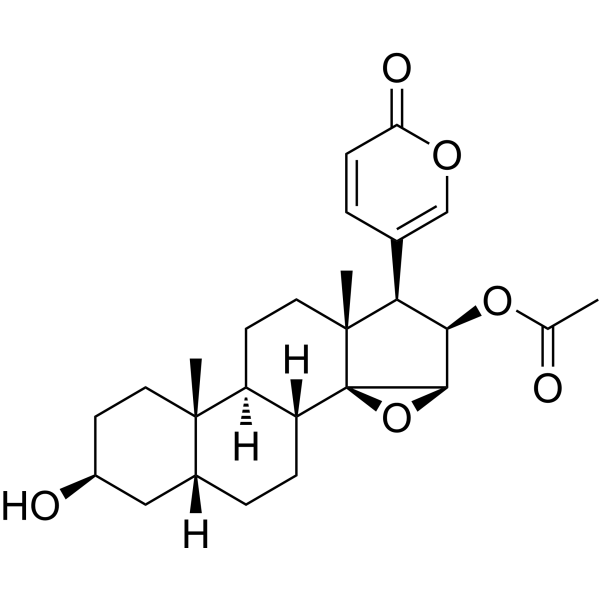
Cinobufagin is an anticancer agent that can be secreted by the Asiatic toad Bufo gargarizans. Cinobufagin induces the cell cycle arrests in the G1 phase or G2/M phase, leading to apoptosis in cancer cells. Cinobufagin inhibits tumor growth in melanoma and glioblastoma multiforme xenograft mouse models .
|
-
-
- HY-13661
-
|
UCN-01; KRX-0601
|
PKC
CDK
Apoptosis
Cadherin
|
Neurological Disease
Cancer
|
|
7-Hydroxystaurosporine (UCN-01), a derivative of Staurosporine (HY-15141), is a selective protein kinase C (PKC) inhibitor with antitumor activity. 7-hydroxystaurosporine induces apoptosis and inhibits cell proliferation in colon carcinoma and leukemia cells, suppresses invasion and migration in glioblastoma cells. 7-Hydroxystaurosporine exhibits efficacy in breast cancer xenograft mouse models. 7-Hydroxystaurosporine can be used for colon carcinoma, breast cancer, glioblastoma and leukemia research .
|
-

-
- HY-P991577
-
|
DS-8895A
|
Ephrin Receptor
|
Cancer
|
|
DS-8895(DS-8895A) is an anti-EphA2 monoclonal antibody with specific binding to EphA2 receptors and EphA2-expressing cells. DS-8895, when conjugated with 89Zr, 111In, or 125I, supports molecular imaging of EphA2 expression in xenograft models. DS-8895 allows noninvasive measurement of EphA2 expresssion in tumors in vivo. .
|
-

-
- HY-P5098
-
|
|
Integrin
|
Neurological Disease
Cancer
|
|
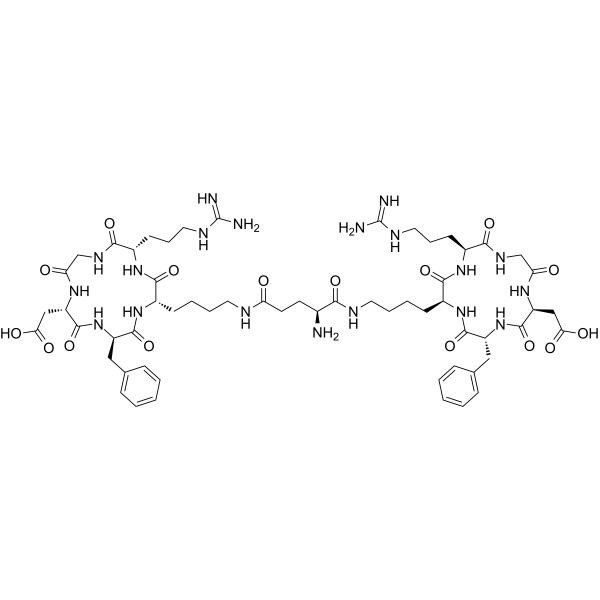
E (c (RGDfK)) 2 is a αvβ3 integrin ligand and tumor-targeting agent. E (c (RGDfK)) 2 binds to αvβ3 integrin, mediates receptor-mediated endocytosis of conjugated payloads, and inhibits integrin-dependent cell adhesion to fibrinogen. E (c (RGDfK)) 2 inhibits the proliferation of cancer cells and endothelial cells. E (c (RGDfK)) 2 preferentially accumulates in orthotopic mouse breast tumors and human ovarian cancer xenograft tumors. E (c (RGDfK)) 2 can be used in research related to glioblastoma, lung cancer, breast adenocarcinoma and ovarian cancer .
|
-
-
- HY-45661
-
|
NUV-422
|
CDK
|
Neurological Disease
Cancer
|
|
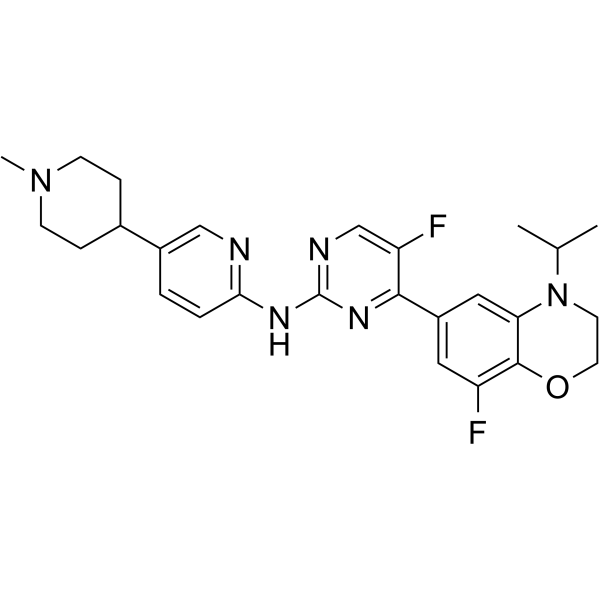
Inixaciclib (NUV-422) is a blood-brain barrier-penetrant inhibitor of CDK2, CDK4 and CDK6. Inixaciclib inhibits cancer cell growth. Inixaciclib induces anti-tumor activity in xenograft models of glioblastoma, CDK4/CDK6 inhibitor-resistant HR + HER2 - metastatic breast cancer, and anti-androgen-resistant prostate cancer. Inixaciclib can be used for the research of relapsed or metastatic castration-resistant prostate cancer .
|
-
-
- HY-156418
-
|
|
DNA/RNA Synthesis
Ferroptosis
Apoptosis
Reactive Oxygen Species (ROS)
|
Cancer
|
|
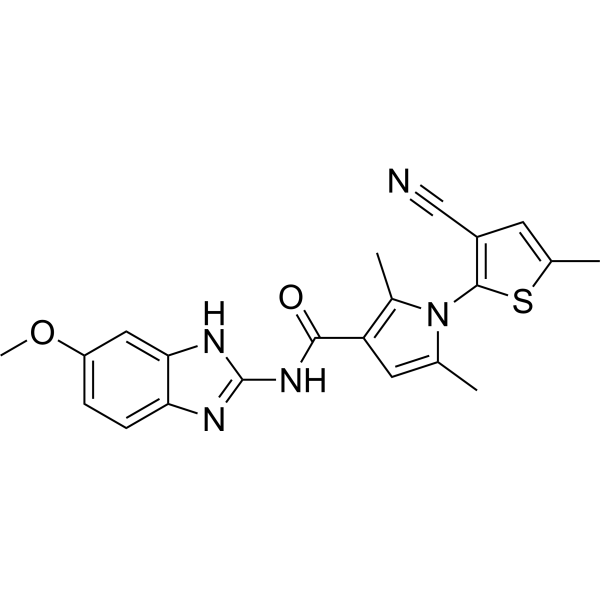
KY386 is a DHX33 helicase inhibitor with an IC50 of 0.019 μM. KY386 inhibits the cell viability of various cancer cells. KY386 induces ferroptosis in cancer cells, and induces apoptosis in some cancer cell lines. KY386 increases the intracellular levels of ROS, LPO and Fe 2+, and decreases the level of GSH in cancer cells . KY386 inhibits the growth of gastric cancer and colon cancer xenografts in nude mice. KY386 is applicable to the related research on liver cancer, lung cancer, pancreatic cancer, colorectal cancer, gastric cancer, breast cancer, leukemia, renal cancer, prostate cancer, esophageal cancer, cervical cancer, brain cancer (glioblastoma) and melanoma .
|
-
-
- HY-124813
-
|
113B7
|
FAK
EGFR
MMP
NF-κB
SDCBP
|
Cancer
|
|
PDZ1i (113B7) is a inhibitor of MDA-9/Syntenin, with selective binding to the PDZ1 domain. PDZ1i inhibits radiation-induced invasion of glioblastoma (GBM) cells, radiosensitizes GBM cells, and impairs GBM-related signaling pathways (including Src/EphA2, EGFRvIII/FAK, and NF-κB). PDZ1i reduces radiation-induced secretion of invasion-related proteases (MMP-2, MMP-9, ADAM9). PDZ1i shows anti-tumor effects in nude mice bearing intracranial U1242-luc xenografts or GBM xenografts. PDZ1i can be used for the study of glioblastoma (GBM), breast cancer and prostate cancer .
|
-
-
- HY-13440
-
AMG 511
5 Publications Verification
|
PI3K
|
Cancer
|
|
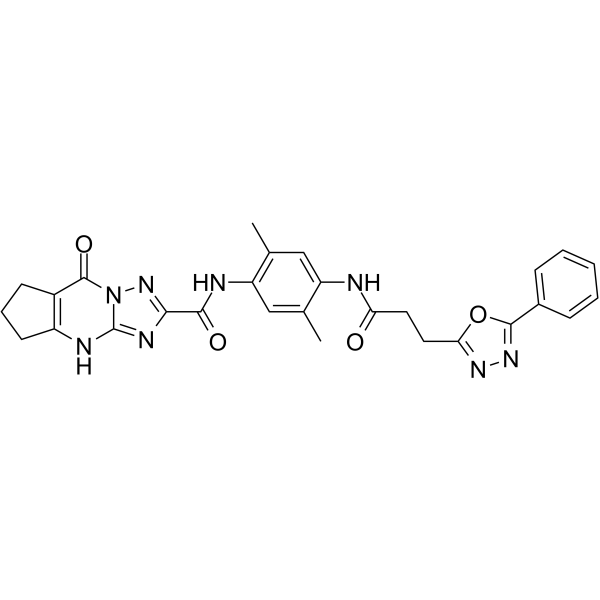
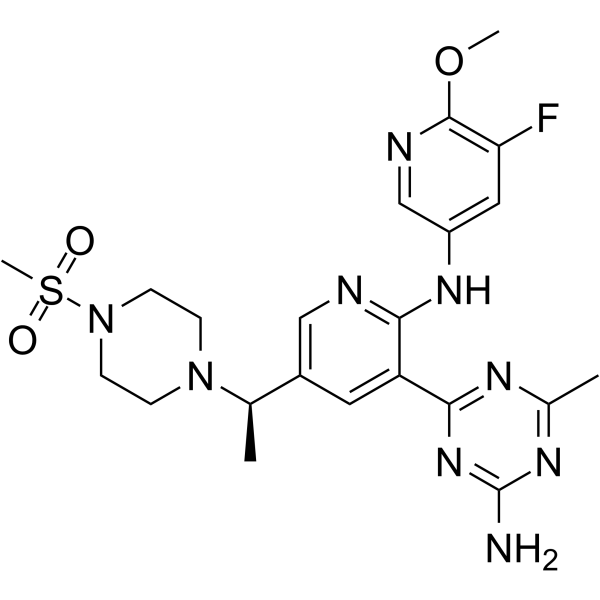
AMG 511 is a potent and orally available pan inhibitor of class I PI3Ks, with Kis of 4 nM, 6 nM, 2 nM and 1 nM for PI3Kα, β, δ and γ, respectively. AMG 511 significantly suppresses PI3K signaling that is indicated by p-Akt (Ser473) decrease. AMG 511 exhibits anti-tumor activity in mouse glioblastoma xenograft model .
|
-
-
- HY-120115
-
|
Olaparib-bodipy FL
|
PARP
Fluorescent Dye
|
Cancer
|
|
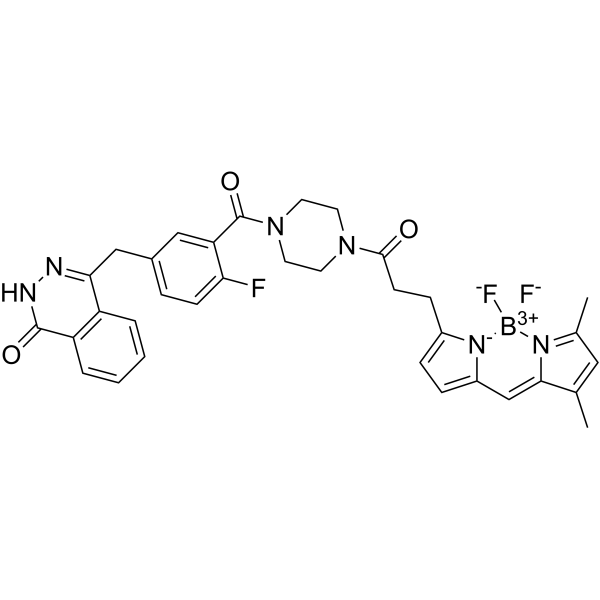
PARPi-FL (Olaparib-bodipy FL) is a small-molecule fluorescent inhibitor of PARP1 that can specifically bind to PARP1. PARPi-FL can be used as a fluorescent imaging agent for tumor detection, diagnosis, and surgical guidance .
|
-
-
- HY-P3990
-
|
|
VEGFR
Autophagy
Apoptosis
|
Cancer
|
|
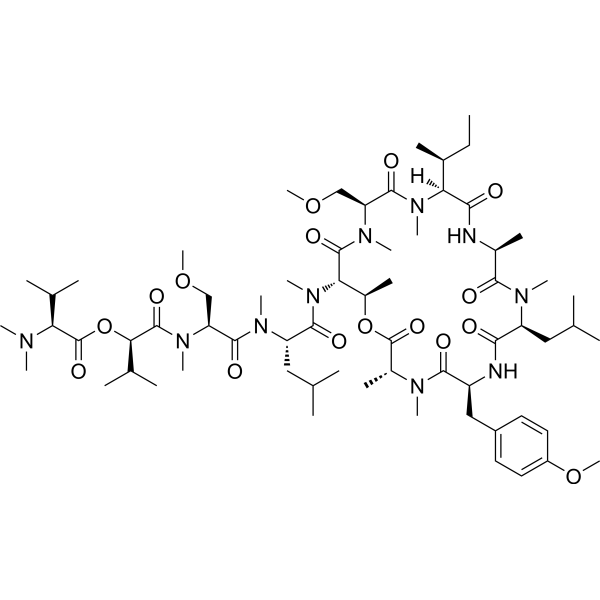
Coibamide A, an N-methyl-stabilized cytotoxic depsipeptide, shows potent antiproliferative activity. Coibamide A induces autophagosome accumulation via an mTOR-independent mechanism. Coibamide A induces apoptosis. Coibamide A inhibits VEGFA/VEGFR2 expression and suppresses tumor growth in glioblastoma xenografts .
|
-
-
- HY-P4111
-
|
|
CXCR
|
Inflammation/Immunology
Cancer
|
|
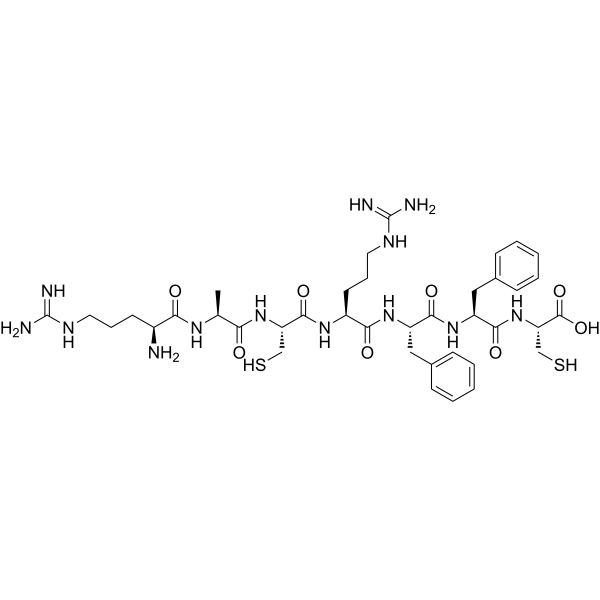
Peptide R is a cyclic peptide and a specific CXCR4 antagonist. Peptide R exhibits excellent ability to effectively remodel tumor stroma. Peptide R has potential for use in tumor research .
|
-
-
- HY-176537
-
|
|
Microtubule/Tubulin
|
Cancer
|
|
RGN6024 is a brain-penetrant, orally active and reversible small molecule tubulin destabilizer. RGN6024 inhibits microtubule polymerization both in biochemical and cellular assays, binds to the colchicine binding pocket of β-tubulin (SPR: Kd = 6.7 μM; tryptophan assay: Kd = 7.4 μM), and triggers G2/M arrest in glioblastoma (GB) cells. RGN6024 retains activity in βIII-tubulin overexpressing cells. RGN6024 inhibits tumor growth in a GB xenograft mouse model. RGN6024 can be used for the study of glioblastoma (GB) .
|
-

-
- HY-P11339
-
|
|
Integrin
|
Cancer
|
|
c-RGD-SH is a ligand for integrin αvβ3 (Integrin αvβ3). Conjugation of c-RGD-SH with core-crosslinked polymeric micelles (CCPM) enables the synthesis of a bimodal nanoprobe, which can be labeled with Cy7 and 111In for SPECT and NIRF imaging of tumors .
|
-

-
- HY-142118A
-
|
AP 12009 sodium
|
TGF-beta/Smad
|
Cancer
|
|
Trabedersen (AP 12009) sodium is an orally active synthetic antisense phosphorothioate oligodeoxynucleotide that selectively targets human TGFβ2 mRNA. Trabedersen sodium blocks TGFβ2 protein production, enters the nucleus without a transfection vector, and exerts dose-dependent antitumor effects. By reversing TGFβ2-induced immunosuppression and enhancing immune cytotoxicity, Trabedersen sodium exhibits significant antiproliferative, antimigratory, and antimetastatic activities, with favorable safety profiles. Trabedersen sodium is widely used in research related to various solid tumors, including anaplastic astrocytoma, glioblastoma, colorectal tumor, and melanoma .
|
-

-
- HY-Q66655
-
|
|
DNA/RNA Synthesis
Reactive Oxygen Species (ROS)
|
Neurological Disease
Cancer
|
|
YRDC-IN-1 is a blood-brain barrier-permeable YRDC inhibitor. YRDC is a key enzyme that catalyzes the formation of N 6-threonylcarbamoyladenosine at position 37 of tRNA (t 6A37). YRDC-IN-1 selectively inhibits the translation of ANN codon-enriched FABP7, thereby reducing lipid droplet formation, increasing ROS, and reversing the acquired resistance of GBM to Temozolomide (TMZ) (HY-17364). YRDC-IN-1 can be used for the research of glioblastoma .
|
-

-
- HY-150309
-
|
|
PI3K
|
Cancer
|
|
PI3K-IN-54 (compound 10w) is a pan-PI3K inhibitor. The IC50 values of PI3K-IN-54 for p110α, p110β, and p110δ are 0.22 nM, 1.4 nM, and 0.38 nM, respectively. PI3K-IN-54 can be used in cancer research .
|
-

-
- HY-12401A
-
|
|
Mps1
|
Cancer
|
|
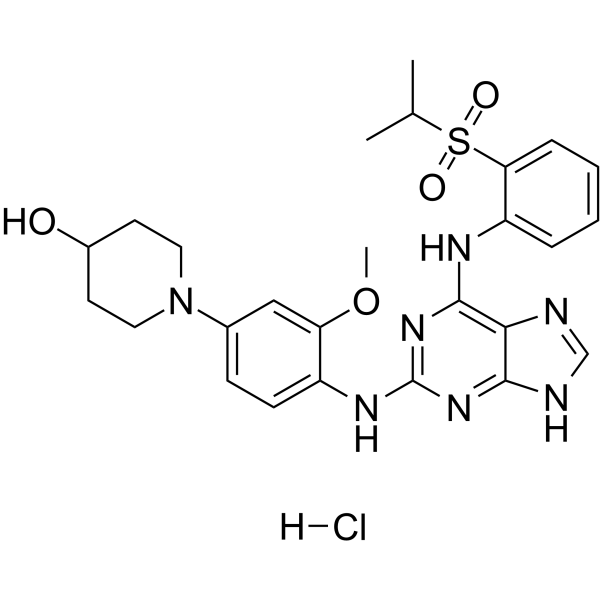
Mps1-IN-3 hydrochloride is a potent and selective Mps1 inhibitor with an IC50 value of 50 nM. Mps1-IN-3 hydrochloride can inhibit the proliferation of glioblastoma cells, and effectively sensitizes glioblastomas to Vincristine in orthotopic glioblastoma xenograft model .
|
-
-
- HY-168899
-
|
|
FAK
Apoptosis
|
Cancer
|
|
FAK-IN-24 (Compound 9f) is a FAK inhibitor (IC50: 0.815 nM). FAK-IN-24 induces DNA damage and apoptosis. FAK-IN-24 has anti-glioblastoma activity. FAK-IN-24 inhibits proliferation of glioblastoma cell lines U87-MG (IC50 = 15 nM) and U251 (IC50 = 20 nM). FAK-IN-24 inhibits tumor growth in U87-MG xenograft model .
|
-

-
- HY-101349
-
|
|
Dopamine Receptor
Apoptosis
Autophagy
PDGFR
ERK
mTOR
|
Neurological Disease
Cancer
|
|
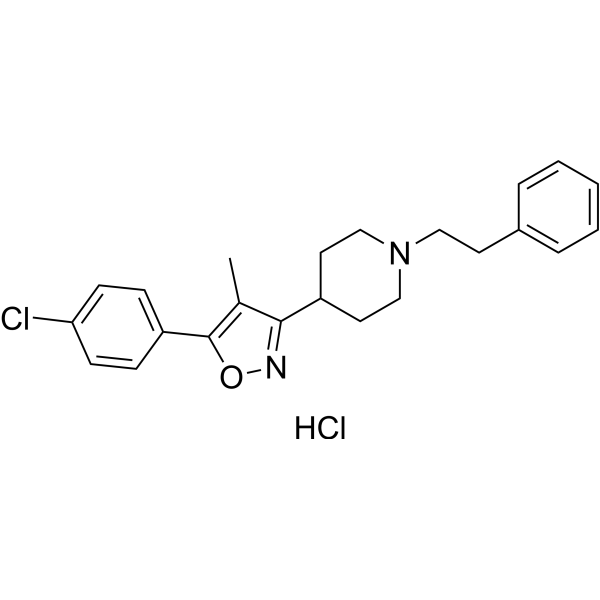
L 741742 is a highly selective and brain-penetrant D4 dopamine receptor antagonist, with Ki values of 3.5 nM, 770 nM and >1700 nM for human D4, D3 and D2 receptors, respectively. L 741742 suppresses PDGFRβ, ERK1/2, and mTOR signaling pathways, and impairs autophagic flux while disrupting lysosomal function.L 741742 induces G0/G1 cell-cycle arrest and apoptosis, promotes neuronal differentiation of normal human neural stem cells, selectively inhibits growth and clonogenic potential of glioblastoma neural stem cells and primary glioblastoma tumor cells, exerts synergistic effects with Temozolomide (TMZ) (HY-17364) against glioblastoma neural stem cells in vitro, and inhibits glioblastoma neural stem cell xenograft growth in immunocompromised mice. L 741742 can be used for the research of schizophrenia and glioblastoma .
|
-

-
- HY-101349A
-
|
|
Dopamine Receptor
Apoptosis
Autophagy
PDGFR
ERK
mTOR
|
Neurological Disease
Cancer
|
|
L 741742 hydrochloride is a highly selective and brain-penetrant D4 dopamine receptor antagonist, with Ki values of 3.5 nM, 770 nM and >1700 nM for human D4, D3 and D2 receptors, respectively. L 741742 hydrochloride suppresses PDGFRβ, ERK1/2, and mTOR signaling pathways, and impairs autophagic flux while disrupting lysosomal function.L 741742 hydrochloride induces G0/G1 cell-cycle arrest and apoptosis, promotes neuronal differentiation of normal human neural stem cells, selectively inhibits growth and clonogenic potential of glioblastoma neural stem cells and primary glioblastoma tumor cells, exerts synergistic effects with Temozolomide (TMZ) (HY-17364) against glioblastoma neural stem cells in vitro, and inhibits glioblastoma neural stem cell xenograft growth in immunocompromised mice. L 741742 hydrochloride can be used for the research of schizophrenia and glioblastoma .
|
-
-
- HY-N0421R
-
|
Cinobufagine (Standard)
|
Reference Standards
Apoptosis
|
Neurological Disease
Cancer
|
|
Cinobufagin (Standard) is the analytical standard of Cinobufagin. This product is intended for research and analytical applications. Cinobufagin is an anticancer agent that can be secreted by the Asiatic toad Bufo gargarizans. Cinobufagin induces the cell cycle arrests in the G1 phase or G2/M phase, leading to apoptosis in cancer cells. Cinobufagin inhibits tumor growth in melanoma and glioblastoma multiforme xenograft mouse models .
|
-

-
- HY-W747797
-
|
|
Isotope-Labeled Compounds
Apoptosis
|
Cancer
|
|
Cinobufagine-d3 is the deuterium labeled Cinobufagin (HY-N0421). Cinobufagin is an anticancer agent that can be secreted by the Asiatic toad Bufo gargarizans. Cinobufagin induces the cell cycle arrests in the G1 phase or G2/M phase, leading to apoptosis in cancer cells. Cinobufagin inhibits tumor growth in melanoma and glioblastoma multiforme xenograft mouse models .
|
-

-
- HY-155532
-
|
|
Apoptosis
|
Cancer
|
|
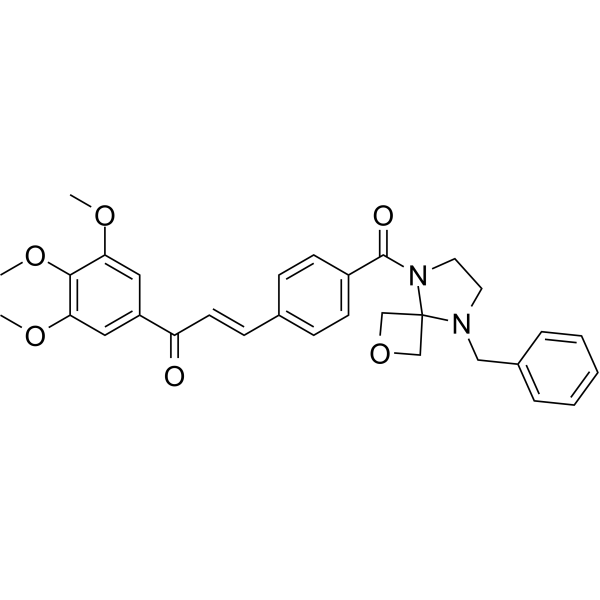
10m/ZS44 is a blood-brain barrier-permeable Glioblastoma (GBM) inhibitor. 10m/ZS44 significantly inhibits GBM tumor growth in a mouse xenograft model. 10m/ZS44 also activates the SIRT1/p53-mediated apoptosis pathway, thereby inhibiting the proliferation of U251 cells .
|
-
-
- HY-117991
-
|
|
VEGFR
|
Cancer
|
|
DW10075 is a highly selective and orally active VEGFR inhibitor targeting the VEGF/VEGFR pathway. DW10075 selectively inhibits VEGFR-1, VEGFR-2, and VEGFR-3, but has no effect on FGFR and PDGFR. DW10075 inhibits VEGF-induced HUVEC proliferation, migration, and tube formation. And DW10075 inhibits angiogenesis in both the rat aortic ring model and the chick chorionic membrane model. DW10075 also exhibits antiproliferative activity against human cancer cell lines, with IC50s of 2.2 μM and 22.2 μM against U87-MG human glioblastoma cells and A375 melanoma cells, respectively. In the nude mouse U87-MG xenograft tumor model, DW10075 (po) significantly inhibits tumor growth and reduces the expression of CD31 and Ki67 in tumor tissues.
|
-

-
- HY-P990801
-
|
|
Integrin
Parasite
Bacterial
|
Infection
Neurological Disease
Inflammation/Immunology
Cancer
|
|
Anti-Mouse CD11a/LFA-1α Antibody (M17/4) is an anti-mouse CD11a/LFA-1α IgG2a monoclonal antibody. Anti-Mouse CD11a/LFA-1α Antibody (M17/4) can reduce the recruitment of effector memory CD8 T cells. Anti-Mouse CD11a/LFA-1α Antibody (M17/4) promotes the formation of xenograft tumors by reducing immune rejection reactions. Anti-Mouse CD11a/LFA-1α Antibody (M17/4) can be used for researches on cancer, infection conditions and immunology such as glioblastoma, parasitic and bacterial infections. The recommend isotype control of Anti-Mouse CD11a/LFA-1α Antibody (M17/4): Rat IgG2a kappa, Isotype Control (HY-P990679) .
|
-

-
- HY-183284
-
|
|
FAK
ERK
Apoptosis
|
Neurological Disease
Cancer
|
|
GZD-552 is a potent orally active FAK inhibitor with a human FAK IC50 of 5.8 nM. GZD-552 suppresses FAK phosphorylation activation and downstream ERK signaling. GZD-552 induces apoptosis and G2/M cell cycle arrest, and exhibits antiproliferative activities in glioblastoma multiforme cells. GZD-552 exhibits antitumor efficacy in mice xenograft model. GZD-552 can be used for the research of glioblastoma multiforme .
|
-

-
- HY-181491
-
|
|
Microtubule/Tubulin
EGFR
Akt
mTOR
Ras
Apoptosis
Autophagy
|
Cancer
|
|
Tubulin-IN-64 is a sulfonated styrylquinazoline derivative with high selectivity antitumor activity. Tubulin-IN-64 targets tubulin, inhibits the EGFR/Akt/mTOR and EGFR/Ras signaling pathways, induces cell cycle arrest, apoptosis and autophagy. Tubulin-IN-64 exhibits significant antitumor efficacy in the zebrafish GBM xenograft model. Tubulin-IN-64 can be used for the research on glioblastoma and leukemia .
|
-

-
- HY-157828
-
|
|
Emopamil Binding Protein
|
Neurological Disease
Cancer
|
|
DSP-0390 is an orally effective inhibitor of Emopamil-binding protein (EBP). DSP-0390 blocks the cholesterol de novo synthesis pathway in tumor cells by inhibiting EBP, and demonstrates significant anti-tumor activity in an orthotopic xenograft model of glioblastoma (GBM). DSP-0390 can be used for the study of recurrent high-grade gliomas .
|
-

-
- HY-185289
-
|
|
Adrenergic Receptor
Akt
|
Cancer
|
|
Methoxyfenoterol is a β2-adrenergic receptor agonist. Methoxyfenoterol stimulates intracellular cAMP accumulation, inhibits tumor cell proliferation, induces G1 cell cycle arrest, upregulates cyclin-dependent kinase inhibitor p27, downregulates cyclin D1 and cyclin A, and inhibits Akt phosphorylation. Methoxyfenoterol crosses the blood-brain barrier and inhibits growth of astrocytoma xenografts. Methoxyfenoterol can be used for the research of astrocytoma, glioblastoma .
|
-

-
- HY-P991970
-
|
|
EGFR
|
Cancer
|
|
REGN3124 is a fully human antibody with binding to EGFRvIII. REGN3124 forms REGN3124-PBD via conjugation to pyrrolobenzodiazepine linker-payload SG-3249. REGN3124 can be used for the research of glioblastoma multiforme .
|
-

-
- HY-181573
-
|
|
PDI
Apoptosis
|
Neurological Disease
Cancer
|
|
TC8026 is an allosteric-covalent inhibitor targeting protein disulfide isomerase (PDI), with an IC50 of 7 μM against human PDI. TC8026 induces endoplasmic reticulum stress-mediated apoptosis. TC8026 is a hit compound with PDI inhibitory activity identified via high-throughput screening, and it can be used for the research of glioblastoma .
|
-

-
- HY-186117
-
|
|
YAP
PROTACs
|
Cancer
|
|
KG-FP-003 is a highly potent, selective, and durable TEAD PROTAC degrader (TEAD1 DC50 = 6 ± 4 nM, TEAD2 DC50 = 68 ± 15 nM, TEAD3 DC50 = 12 ± 5 nM, TEAD4 DC50 = 7 ± 5 nM). KG-FP-003 promotes ubiquitination and degradation of TEAD. KG-FP-003 exhibits anticancer activity against mesothelioma and ovarian cancer .
|
-

-
- HY-182272
-
|
|
FAP
|
Cancer
|
|
FAP-IN-9 (compound P12) is a fibroblast activation protein (FAP) inhibitor with an IC50 of 0.38 nM against human FAP. FAP-IN-9 functionally inhibits FAP activity, and its specific binding is verified by in vitro and in vivo blocking assays. FAP-IN-9 forms stable complexes and acts as a tumor-targeting agent. When labeled with 99mTc, FAP-IN-9 serves as a SPECT probe and is applicable to research related to glioblastoma .
|
-

-
- HY-183951
-
|
|
Histone Methyltransferase
|
Neurological Disease
Cancer
|
|
TNG456 is an orally active, CNS-penetrant, selective, MTA-cooperative PRMT5 inhibitor. TNG456 drives dose-dependent antitumor activity in mouse xenograft models. TNG456 can be used for the research of MTAP-null solid tumors, including gliomas, and CNS metastases .
|
-

-
- HY-P11756
-
|
|
ASCT
|
Cancer
|
|
P-LPK is a dodecapeptide that specifically targets SLC1A5, which is highly expressed on the membrane of colorectal cancer cells, with a Kd value of 1.19 μM. P-LPK has no intrinsic cell proliferation regulatory activity. Gallium-68-labeled P-LPK selectively accumulates at colorectal cancer tumor sites in xenograft mouse models. P-LPK can serve as a targeted carrier to deliver Camptothecin (HY-16560) to colorectal cancer cells, forming the conjugate P-LPK-CPT. P-LPK can be used in the research of colorectal cancer .
|
-

| Cat. No. |
상품명 |
Target |
Research Area |
-
- HY-P5098
-
|
|
Integrin
|
Neurological Disease
Cancer
|
|
E (c (RGDfK)) 2 is a αvβ3 integrin ligand and tumor-targeting agent. E (c (RGDfK)) 2 binds to αvβ3 integrin, mediates receptor-mediated endocytosis of conjugated payloads, and inhibits integrin-dependent cell adhesion to fibrinogen. E (c (RGDfK)) 2 inhibits the proliferation of cancer cells and endothelial cells. E (c (RGDfK)) 2 preferentially accumulates in orthotopic mouse breast tumors and human ovarian cancer xenograft tumors. E (c (RGDfK)) 2 can be used in research related to glioblastoma, lung cancer, breast adenocarcinoma and ovarian cancer .
|
-
- HY-P3990
-
|
|
VEGFR
Autophagy
Apoptosis
|
Cancer
|
|
Coibamide A, an N-methyl-stabilized cytotoxic depsipeptide, shows potent antiproliferative activity. Coibamide A induces autophagosome accumulation via an mTOR-independent mechanism. Coibamide A induces apoptosis. Coibamide A inhibits VEGFA/VEGFR2 expression and suppresses tumor growth in glioblastoma xenografts .
|
-
- HY-P4111
-
|
|
CXCR
|
Inflammation/Immunology
Cancer
|
|
Peptide R is a cyclic peptide and a specific CXCR4 antagonist. Peptide R exhibits excellent ability to effectively remodel tumor stroma. Peptide R has potential for use in tumor research .
|
-
- HY-P11339
-
|
|
Integrin
|
Cancer
|
|
c-RGD-SH is a ligand for integrin αvβ3 (Integrin αvβ3). Conjugation of c-RGD-SH with core-crosslinked polymeric micelles (CCPM) enables the synthesis of a bimodal nanoprobe, which can be labeled with Cy7 and 111In for SPECT and NIRF imaging of tumors .
|
-
- HY-P11756
-
|
|
ASCT
|
Cancer
|
|
P-LPK is a dodecapeptide that specifically targets SLC1A5, which is highly expressed on the membrane of colorectal cancer cells, with a Kd value of 1.19 μM. P-LPK has no intrinsic cell proliferation regulatory activity. Gallium-68-labeled P-LPK selectively accumulates at colorectal cancer tumor sites in xenograft mouse models. P-LPK can serve as a targeted carrier to deliver Camptothecin (HY-16560) to colorectal cancer cells, forming the conjugate P-LPK-CPT. P-LPK can be used in the research of colorectal cancer .
|
| Cat. No. |
상품명 |
Target |
Research Area |
Image |
-
- HY-P991577
-
|
DS-8895A
|
Ephrin Receptor
|
Cancer
|
|
DS-8895(DS-8895A) is an anti-EphA2 monoclonal antibody with specific binding to EphA2 receptors and EphA2-expressing cells. DS-8895, when conjugated with 89Zr, 111In, or 125I, supports molecular imaging of EphA2 expression in xenograft models. DS-8895 allows noninvasive measurement of EphA2 expresssion in tumors in vivo. .
|
-

(5)
-
- HY-P990801
-
|
|
Integrin
Parasite
Bacterial
|
Infection
Neurological Disease
Inflammation/Immunology
Cancer
|
|
Anti-Mouse CD11a/LFA-1α Antibody (M17/4) is an anti-mouse CD11a/LFA-1α IgG2a monoclonal antibody. Anti-Mouse CD11a/LFA-1α Antibody (M17/4) can reduce the recruitment of effector memory CD8 T cells. Anti-Mouse CD11a/LFA-1α Antibody (M17/4) promotes the formation of xenograft tumors by reducing immune rejection reactions. Anti-Mouse CD11a/LFA-1α Antibody (M17/4) can be used for researches on cancer, infection conditions and immunology such as glioblastoma, parasitic and bacterial infections. The recommend isotype control of Anti-Mouse CD11a/LFA-1α Antibody (M17/4): Rat IgG2a kappa, Isotype Control (HY-P990679) .
|
-
(5)
-
- HY-P991970
-
|
|
EGFR
|
Cancer
|
|
REGN3124 is a fully human antibody with binding to EGFRvIII. REGN3124 forms REGN3124-PBD via conjugation to pyrrolobenzodiazepine linker-payload SG-3249. REGN3124 can be used for the research of glioblastoma multiforme .
|
-
(5)
| Cat. No. |
상품명 |
Category |
Target |
Chemical Structure |
-
- HY-N0421
-
-
-
- HY-N0421R
-
|
Cinobufagine (Standard)
|
Structural Classification
Animals
Steroids
Source Classification
|
Reference Standards
Apoptosis
|
|
Cinobufagin (Standard) is the analytical standard of Cinobufagin. This product is intended for research and analytical applications. Cinobufagin is an anticancer agent that can be secreted by the Asiatic toad Bufo gargarizans. Cinobufagin induces the cell cycle arrests in the G1 phase or G2/M phase, leading to apoptosis in cancer cells. Cinobufagin inhibits tumor growth in melanoma and glioblastoma multiforme xenograft mouse models .
|
-
| Cat. No. |
상품명 |
Chemical Structure |
-
- HY-W747797
-
|
|
|
Cinobufagine-d3 is the deuterium labeled Cinobufagin (HY-N0421). Cinobufagin is an anticancer agent that can be secreted by the Asiatic toad Bufo gargarizans. Cinobufagin induces the cell cycle arrests in the G1 phase or G2/M phase, leading to apoptosis in cancer cells. Cinobufagin inhibits tumor growth in melanoma and glioblastoma multiforme xenograft mouse models .
|
-
| Cat. No. |
상품명 |
|
Classification |
-
- HY-142118A
-
|
AP 12009 sodium
|
|
Antisense Oligonucleotides
|
|
Trabedersen (AP 12009) sodium is an orally active synthetic antisense phosphorothioate oligodeoxynucleotide that selectively targets human TGFβ2 mRNA. Trabedersen sodium blocks TGFβ2 protein production, enters the nucleus without a transfection vector, and exerts dose-dependent antitumor effects. By reversing TGFβ2-induced immunosuppression and enhancing immune cytotoxicity, Trabedersen sodium exhibits significant antiproliferative, antimigratory, and antimetastatic activities, with favorable safety profiles. Trabedersen sodium is widely used in research related to various solid tumors, including anaplastic astrocytoma, glioblastoma, colorectal tumor, and melanoma .
|
Your information is safe with us. * Required Fields.
Inquiry Information
- 상품명:
- Cat. No.:
- 수량:
- MCE Japan Authorized Agent:








