



Cinobufagin
Based on 9 publication(s) in Google Scholar
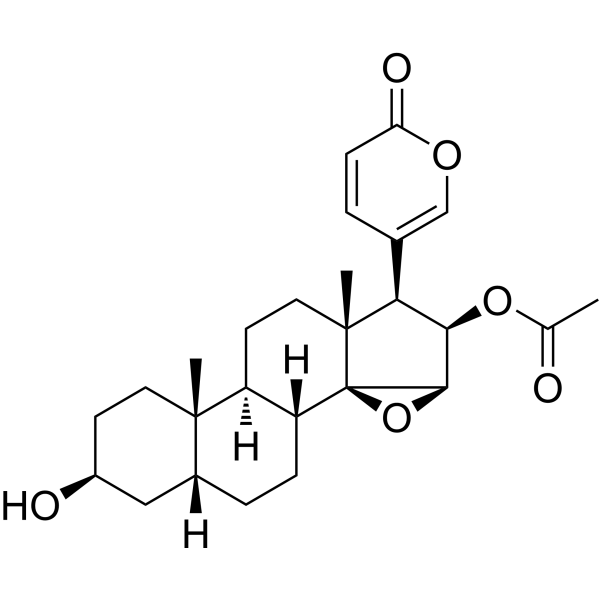
Cinobufagin is an anticancer agent that can be secreted by the Asiatic toad Bufo gargarizans. Cinobufagin induces the cell cycle arrests in the G1 phase or G2/M phase, leading to apoptosis in cancer cells. Cinobufagin inhibits tumor growth in melanoma and glioblastoma multiforme xenograft mouse models.
Nur für Forschungszwecke. Wir verkaufen nicht an Patienten.
- Reinheit : 99.69%
- CAS. Nr.: 470-37-1
- Formel: C26H34O6
- Molecular Weight:442.54
-
Speicherung:Powder -20°C, 3 years , 4°C, 2 years ; In solvent -80°C, 2 years , -20°C, 1 year

To place orders, for customer services and technical support, please contact: MedChemExpress USA
Tel: 609-228-6898 E-mail: [email protected] [email protected]


-
 Biologische Aktivität
-
Chemical Information
-
Lösungsmittel & Löslichkeit
- Protokoll
- Reinheit & Dokumentation
- Verweise
-
 Help & FAQs


-
HY-N0877
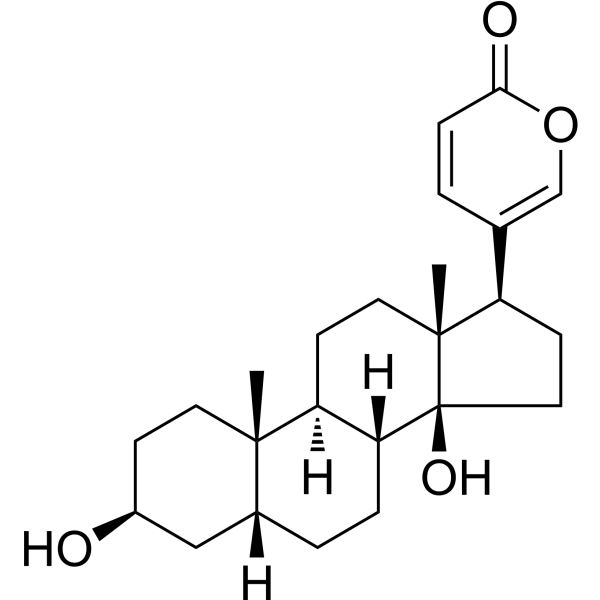
BufalinNa+/K+ ATPase Inhibitor -
HY-N0880
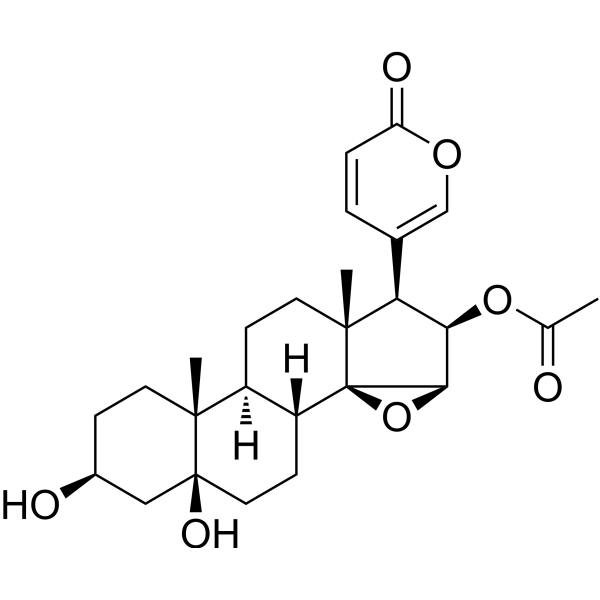
CinobufotalinAnticancer Agent -
HY-N0815
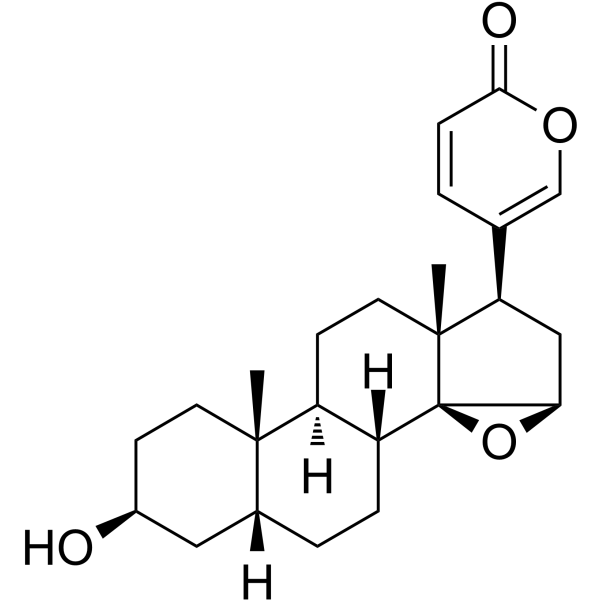
ResibufogeninAntioxidant/Antitumor Agent -
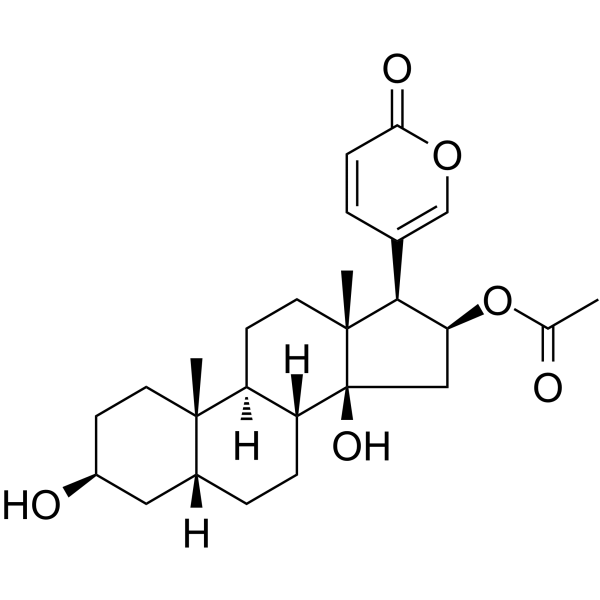
HY-N0878
BufotalinApoptosis Inducer -

HY-10201
SorafenibMultikinase Inhibitor -
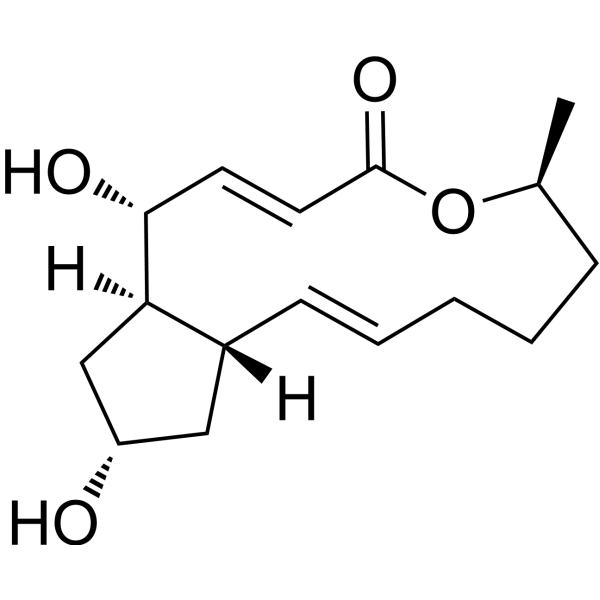
HY-16592
Brefeldin AProtein Transport Inhibitor -
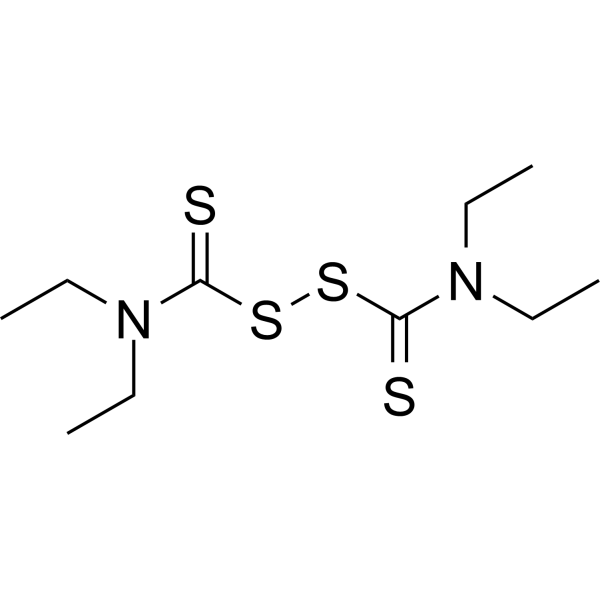
HY-B0240
DisulfiramALDH1 Inhibitor -
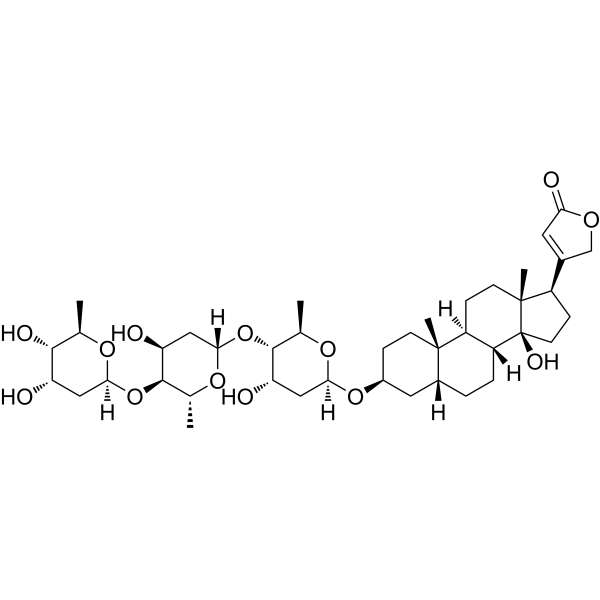
HY-B1357
DigitoxinAnti-cancer Agent -
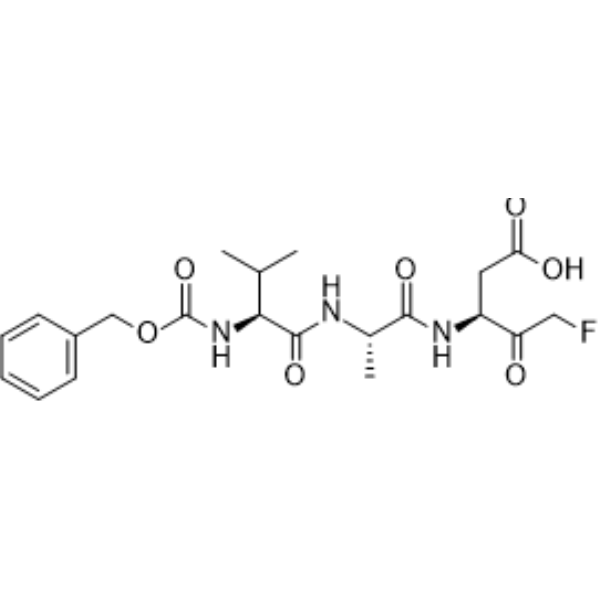
HY-16658B
Z-VAD-FMKPan-Caspase Inhibitor -
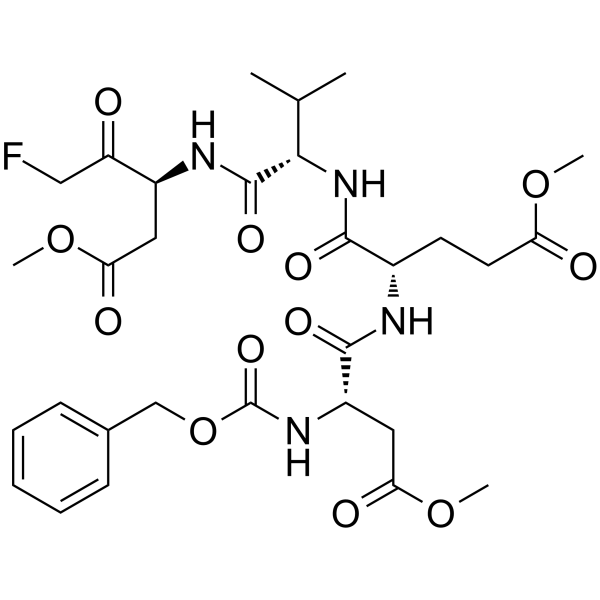
HY-12466
Z-DEVD-FMKCaspase-3 Inhibitor -
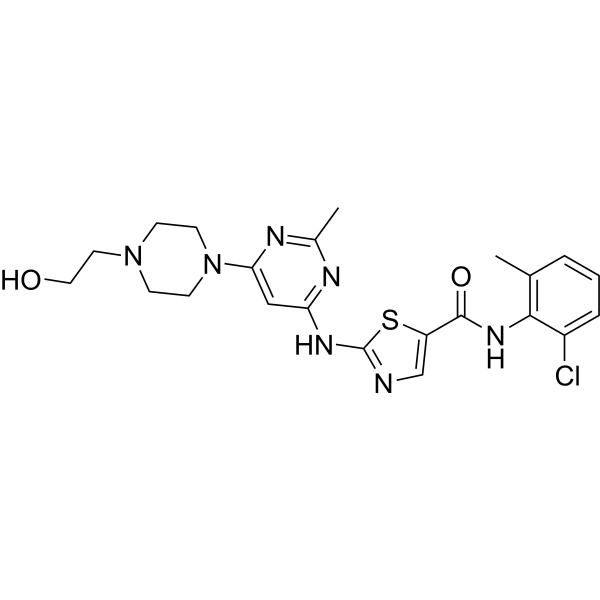
HY-10181
DasatinibSrc/Bcr-Abl Inhibitor -
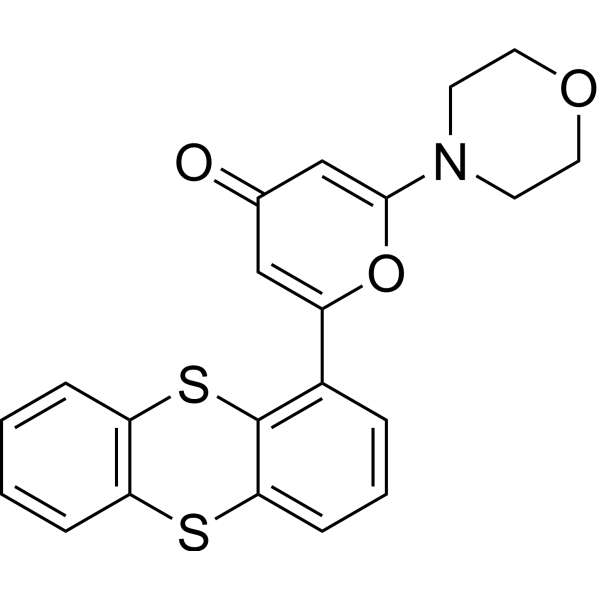
HY-12016
KU-55933ATM Inhibitor
Publications Citing Use of MedChemExpress (MCE) Cinobufagin
More- J Exp Clin Cancer Res. 2025 Feb 3;44(1):35. [Abstract]
- Phytomedicine. 2025 Nov:147:157171. [Abstract]
- Exp Cell Res. 2020 Aug 1;393(1):112054. [Abstract]
- Vet Microbiol. 2025 Sep 15:310:110730. [Abstract]
- Clin Breast Cancer. 2024 Jun;24(4):e244-e257.e1. [Abstract]
- Clin Exp Pharmacol Physiol. 2025 Sep;52(9):e70055. [Abstract]
- SSRN. 2025 Apr 1.
- Patent. US20230101335A1.
- Research Square Preprint. 2023 Jul 18.
 Customer Validation & Images

-
Cell Imaging/Staining
-
WB
-
In Vivo Imaging
-
IF
-
Flow Cytometry


Biologische Aktivität
Beschreibung
Cellular Effect
|
Cell Line

|
Type | Value | Description | References |
|---|---|---|---|---|
| A549 | IC50 |
6.5 μM
Compound: 8
|
Cytotoxicity against human A549 cells after 24 hrs by MTT assay
Cytotoxicity against human A549 cells after 24 hrs by MTT assay
|
[PMID: 24050254] |
| A549 | IC50 |
2.3 μM
Compound: 12b
|
Antiproliferative activity against human A549 cells assessed as reduction in cell viability incubated for 72 hrs by MTT assay
Antiproliferative activity against human A549 cells assessed as reduction in cell viability incubated for 72 hrs by MTT assay
|
[PMID: 32526552] |
| BEAS-2B | IC50 |
22.3 μM
Compound: 12b
|
Cytotoxicity against human BEAS-2B assessed as reduction in cell viability incubated for 72 hrs by MTT assay
Cytotoxicity against human BEAS-2B assessed as reduction in cell viability incubated for 72 hrs by MTT assay
|
[PMID: 32526552] |
| Bel-7402 | IC50 |
0.1 μM
Compound: 1
|
Cytotoxicity against human Bel7402 cells by MTT assay
Cytotoxicity against human Bel7402 cells by MTT assay
|
[PMID: 18558746] |
| Bel-7402 | IC50 |
4.9 x 10⁻² μM
Compound: CB
|
Cytotoxicity against human Bel7402 cells assessed as againsthibition of cell growth after 72 hrs
Cytotoxicity against human Bel7402 cells assessed as againsthibition of cell growth after 72 hrs
|
[PMID: 21205911] |
| BGC-823 | IC50 |
8.5 μM
Compound: 4, cinobufagin
|
Cytotoxicity against human BGC823 cells
Cytotoxicity against human BGC823 cells
|
[PMID: 17911017] |
| BGC-823 | IC50 |
8.5 μM/L
Compound: 4, cinobufagin
|
Cytotoxicity against human BGC823 cells
Cytotoxicity against human BGC823 cells
|
[PMID: 17911017] |
| Calu-3 | IC50 |
2.3 μM
Compound: 12b
|
Antiproliferative activity against human Calu-3 cells assessed as reduction in cell viability incubated for 72 hrs by MTT assay
Antiproliferative activity against human Calu-3 cells assessed as reduction in cell viability incubated for 72 hrs by MTT assay
|
[PMID: 32526552] |
| CCRF S-180 | IC50 |
>50 μM
Compound: 2
|
Cytotoxicity against mouse S180 cells expressing mutated alpha-1 Na+/K+-ATPase assessed as growth inhibition after 48 hrs by MTT assay
Cytotoxicity against mouse S180 cells expressing mutated alpha-1 Na+/K+-ATPase assessed as growth inhibition after 48 hrs by MTT assay
|
[PMID: 23799775] |
| CNE | IC50 |
0.31 μM
Compound: 2
|
Cytotoxicity against human CNE1 cells assessed as growth inhibition after 48 hrs by MTT assay
Cytotoxicity against human CNE1 cells assessed as growth inhibition after 48 hrs by MTT assay
|
[PMID: 23799775] |
| CNE2Z | IC50 |
0.39 μM
Compound: 2
|
Cytotoxicity against human CNE2Z cells assessed as growth inhibition after 48 hrs by MTT assay
Cytotoxicity against human CNE2Z cells assessed as growth inhibition after 48 hrs by MTT assay
|
[PMID: 23799775] |
| H22 | IC50 |
>50 μM
Compound: 2
|
Cytotoxicity against mouse H22 cells expressing mutated alpha-1 Na+/K+-ATPase assessed as growth inhibition after 48 hrs by MTT assay
Cytotoxicity against mouse H22 cells expressing mutated alpha-1 Na+/K+-ATPase assessed as growth inhibition after 48 hrs by MTT assay
|
[PMID: 23799775] |
| HCT-116 | IC50 |
0.782 μM
Compound: 49
|
Cytotoxicity against human HCT-116 cells assessed as inhibition of cell proliferation measured after 48 hrs by MTT assay
Cytotoxicity against human HCT-116 cells assessed as inhibition of cell proliferation measured after 48 hrs by MTT assay
|
[PMID: 38142509] |
| HeLa | IC50 |
0.76 μM
Compound: 4, cinobufagin
|
Cytotoxicity against human HeLa cells
Cytotoxicity against human HeLa cells
|
[PMID: 17911017] |
| HeLa | IC50 |
0.76 μM/L
Compound: 4, cinobufagin
|
Cytotoxicity against human HeLa cells
Cytotoxicity against human HeLa cells
|
[PMID: 17911017] |
| HepG2 | IC50 |
5.2 μM
Compound: 4, cinobufagin
|
Cytotoxicity against human HepG2 cells
Cytotoxicity against human HepG2 cells
|
[PMID: 17911017] |
| HepG2 | IC50 |
5.2 μM/L
Compound: 4, cinobufagin
|
Cytotoxicity against human HepG2 cells
Cytotoxicity against human HepG2 cells
|
[PMID: 17911017] |
| HepG2 | IC50 |
1.706 μM
Compound: 2
|
Cytotoxicity against adriamycin-resistant human HepG2 cells assessed as growth inhibition after 48 hrs by MTT assay
Cytotoxicity against adriamycin-resistant human HepG2 cells assessed as growth inhibition after 48 hrs by MTT assay
|
[PMID: 23799775] |
| HepG2 | IC50 |
2.355 μM
Compound: 2
|
Cytotoxicity against human HepG2 cells assessed as growth inhibition after 48 hrs by MTT assay
Cytotoxicity against human HepG2 cells assessed as growth inhibition after 48 hrs by MTT assay
|
[PMID: 23799775] |
| HepG2 | IC50 |
5.5 μM
Compound: 8
|
Cytotoxicity against human HepG2 cells after 24 hrs by MTT assay
Cytotoxicity against human HepG2 cells after 24 hrs by MTT assay
|
[PMID: 24050254] |
| HL-60 | IC50 |
<0.01 μg/mL
Compound: 12
|
Cytotoxicity against human HL60 cells after 72 hrs by MTT assay
Cytotoxicity against human HL60 cells after 72 hrs by MTT assay
|
[PMID: 11575946] |
| KB | IC50 |
0.21 μg/mL
Compound: 12
|
Cytotoxicity against human KB cells after 72 hrs by MTT assay
Cytotoxicity against human KB cells after 72 hrs by MTT assay
|
[PMID: 11575946] |
| MH60 | IC50 |
>25 μg/mL
Compound: 12
|
Cytotoxicity against mouse MH60 cells after 72 hrs by MTT assay
Cytotoxicity against mouse MH60 cells after 72 hrs by MTT assay
|
[PMID: 11575946] |
| MH60 | IC50 |
>56.3 μM
Compound: 9
|
Growth inhibition of IL6-dependent mouse MH60 cells after 72 hrs by MTT assay in presence of human recombinant IL6
Growth inhibition of IL6-dependent mouse MH60 cells after 72 hrs by MTT assay in presence of human recombinant IL6
|
[PMID: 15620253] |
| MH60 | IC50 |
>56.3 μM
Compound: 9
|
Growth inhibition of IL-6-independent mouse MH60 cells after 72 hrs by MTT assay
Growth inhibition of IL-6-independent mouse MH60 cells after 72 hrs by MTT assay
|
[PMID: 15620253] |
| NCI-H1299 | IC50 |
2.3 μM
Compound: 12b
|
Antiproliferative activity against human NCI-H1299 cells assessed as reduction in cell viability incubated for 72 hrs by MTT assay
Antiproliferative activity against human NCI-H1299 cells assessed as reduction in cell viability incubated for 72 hrs by MTT assay
|
[PMID: 32526552] |
| NCI-H460 | IC50 |
2.3 μM
Compound: 12b
|
Antiproliferative activity against human NCI-H460 cells assessed as reduction in cell viability incubated for 72 hrs by MTT assay
Antiproliferative activity against human NCI-H460 cells assessed as reduction in cell viability incubated for 72 hrs by MTT assay
|
[PMID: 32526552] |
| RKO | IC50 |
0.182 μM
Compound: 49
|
Cytotoxicity against human RKO cells assessed as inhibition of cell proliferation measured after 48 hrs by MTT assay
Cytotoxicity against human RKO cells assessed as inhibition of cell proliferation measured after 48 hrs by MTT assay
|
[PMID: 38142509] |
| SK-MES-1 | IC50 |
2.3 μM
Compound: 12b
|
Antiproliferative activity against human SK-MES-1 cells assessed as reduction in cell viability incubated for 72 hrs by MTT assay
Antiproliferative activity against human SK-MES-1 cells assessed as reduction in cell viability incubated for 72 hrs by MTT assay
|
[PMID: 32526552] |
| SW-620 | IC50 |
0.364 μM
Compound: 49
|
Cytotoxicity against human SW620 cells assessed as inhibition of cell proliferation measured after 48 hrs by MTT assay
Cytotoxicity against human SW620 cells assessed as inhibition of cell proliferation measured after 48 hrs by MTT assay
|
[PMID: 38142509] |
In Vitro
Conobufagin (30-300 nM, 7 days) exerts potent antitumor activity in a dose-dependent manner in uveal melanoma OCM1 cells[1].
Conobufagin (30-300 nM, 24 hours) arrests the cell cycle in the G1 phase in a concentrationdependent manner and induces cell apoptosis and alterations of apoptosis-related proteins in OCM1 cells[1].
Conobufagin (0.01-1 μM, 6 hours) blocks EGFR phosphorylation and induces cell apoptosis and cytotoxicity in glioblastoma multiforme U87MG-EGFR and U87MG-PTEN cells[2].
Cinobufagin (0.4,0.7,1.0 μM, 24-48 hours) induces cell cycle arrest at the G2/M phase and cell apoptosis, leading to inhibition of malignant melanoma A375/B16 cell proliferation[3].
MedChemExpress (MCE) has not independently confirmed the accuracy of these methods. They are for reference only. Further protocols information, click here.
-
Cell Line:OCM1 cell
-
Concentration:30,100,300 nM
-
Incubation Time:7 days
-
Result:Exerted potent cytotoxic in OCM1 cells with an IC50 of 8.023 nM.
-
Cell Line:OCM1 cell
-
Concentration:30,100,300 nM
-
Incubation Time:24 hours
-
Result:Induced cell apoptosis and upregulate the expression levels of cleaved caspase-3, cleaved poly(ADP-ribose) polymerase (PARP), and cleaved caspase-9.
Activated the intrinsic mitochondrial apoptosis pathway, which was demonstrated by increased cell apoptosis with increased expression of Bad and Bax, decreased expression of Bcl-2 and Bcl-xl, and reduced mitochondrial membrane potential (MMP).
In Vivo
Cinobufagin (5 mg/kg for i.p., once a day for 10 days) suppresses tumor growth in both subcutaneous and intracranial U87MG-EGFR xenograft mouse models and increases the median survival of nude mice bearing intracranial U87MGEGFR tumors[2].
MedChemExpress (MCE) has not independently confirmed the accuracy of these methods. They are for reference only.
-
Animal Model:OCM1 cells tumor xenograft in Nu/Nu nude mice [1]
-
Dosage:5 mg/kg
-
Administration:Intraperitoneal injection (i.p.), once a day for 10 days
-
Result:Made the tumors grew more slowly than those treated with intraperitoneal injection of saline or untreated.
Increased the expression of caspase-3 and PARP in tumor tissues and decreased Bcl-2 and Bcl-xl expression in mouse tumor tissues and increased expression of Bad and Bax.
-
Animal Model:U87MG-EGFR subcutaneous and intracranial xenograft model[2]
-
Dosage:5 mg/kg
-
Administration:Intraperitoneal injection (i.p.), once a day for 10 days
-
Result:Decreased the luminescence intensity of brain tumor about 70%.
Decreased p-EGFR, p-STAT3, and p-Akt levels in the intracranial tumors as compared with the vehicles.
Decreased Ki67 and active caspase-3 immunostaining of intracranial tumors.


Chemical Information
-
CAS. Nr. 470-37-1
-
Appearance Solid
-
Molecular Weight 442.54
-
Formel C26H34O6
-
Color White to off-white
-
SMILES
C[C@]([C@@H](C(C=C1)=COC1=O)[C@H]2OC(C)=O)(CC[C@@]3([H])[C@@]4([H])CC[C@@]5([H])[C@@]3(CC[C@H](O)C5)C)[C@@]64[C@@H]2O6
-
Synonyms
Cinobufagine
-
Structure Classification
-
Initial Source
toad
-
Versand
Room temperature in continental US; may vary elsewhere.
-
Speicherung
Powder -20°C 3 years 4°C 2 years In solvent -80°C 2 years -20°C 1 year


Publications (9)
-
Journal Impact Factor
-
Most Recent
-
J Exp Clin Cancer Res
Integrative analysis of immunogenic PANoptosis and experimental validation of cinobufagin-induced activation to enhance glioma immunotherapy. [Abstract]2025 Feb 3;44(1):35. PMID: 39901195
Cinobufagin purchased from MedChemExpress. Usage Cited in: J Exp Clin Cancer Res. 2025 Feb 3;44(1):35. [Abstract]
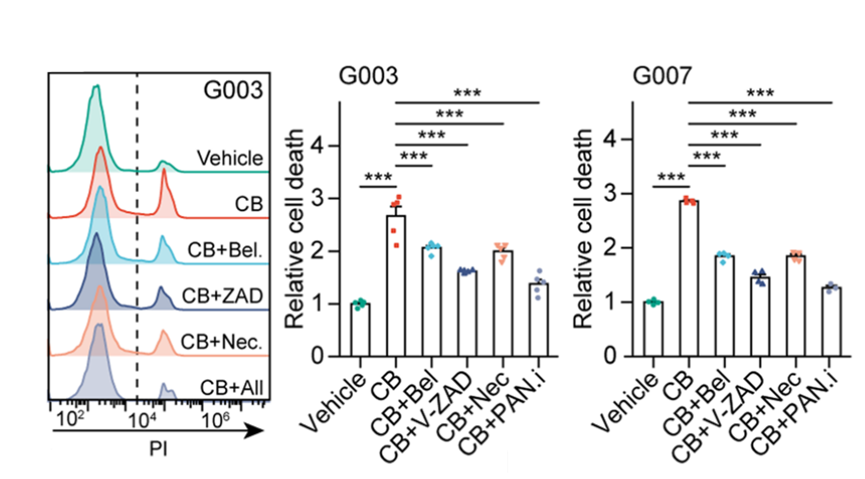
Propidium iodide (PI) staining showing the death of G003 and G007 cells treated with Cinobufagin (CB), pyroptosis inhibitor (Belnacasan), apoptosis inhibitor (V-ZAD-FMK), and necroptosis inhibitor (Necrostatin) for 24 h.
Cinobufagin purchased from MedChemExpress. Usage Cited in: J Exp Clin Cancer Res. 2025 Feb 3;44(1):35. [Abstract]
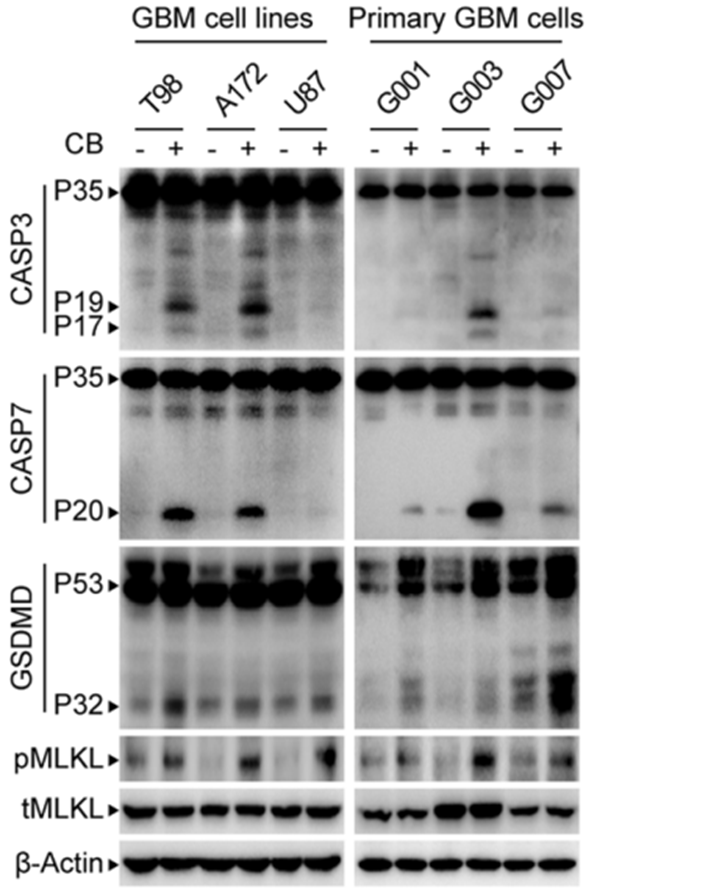
Western blot (WB) analysis of PANoptosis markers (CASP3/7, c-CASP3/7, GSDMD, GSDME, MLKL, and p-MLKL) in GBM cell lines and primary GBM cells treated with Cinobufagin.
Cinobufagin purchased from MedChemExpress. Usage Cited in: J Exp Clin Cancer Res. 2025 Feb 3;44(1):35. [Abstract]
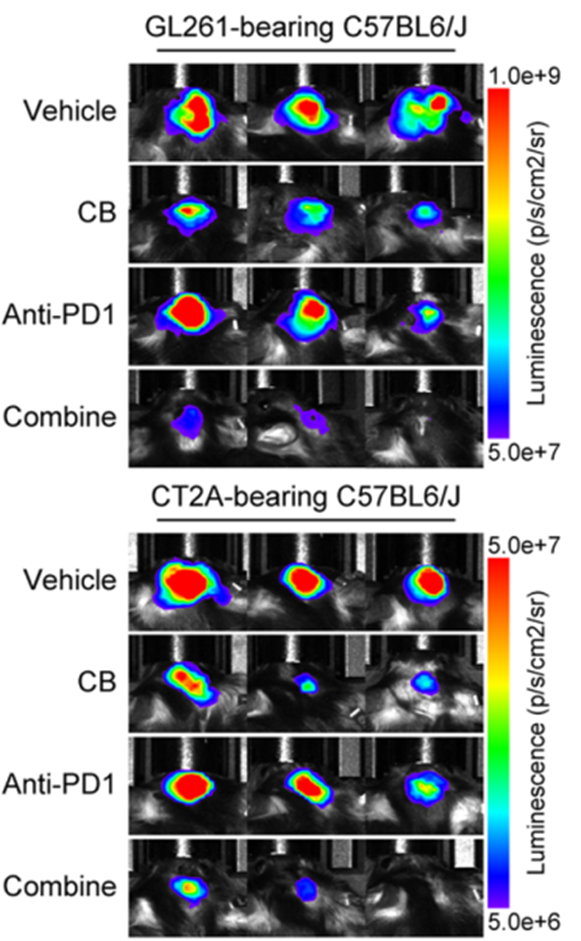
In vivo imaging on day 15 postimplantation for GL261 and CT2A tumors treated with Cinobufagin (5 mg/kg, i.p.).
Cinobufagin purchased from MedChemExpress. Usage Cited in: J Exp Clin Cancer Res. 2025 Feb 3;44(1):35. [Abstract]
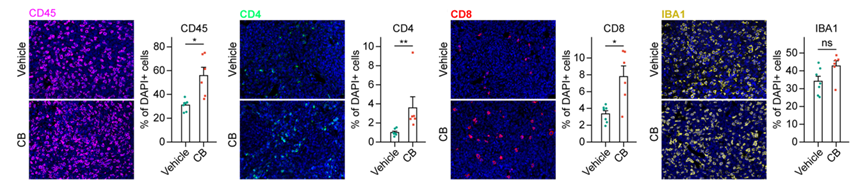
Immunofluorescence (IF) showing infiltration of CD45+, CD4+, CD8+, and IBA1+ cells in CT2A tumors treated with Cinobufagin.
Cinobufagin purchased from MedChemExpress. Usage Cited in: J Exp Clin Cancer Res. 2025 Feb 3;44(1):35. [Abstract]
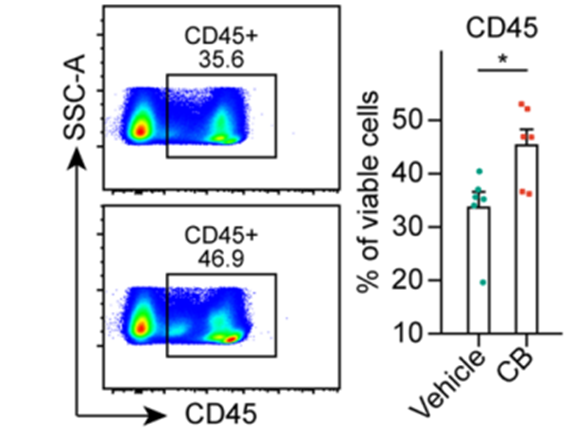
Flow cytometry of CD45+ cells in GL261 tumors treated with Cinobufagin (5 mg/kg, i.p.).
-
Phytomedicine
Cinobufagin overcomes bortezomib resistance in multiple myeloma strains by targeting SEC62/TRPM4-mediated NECSO. [Abstract]2025 Nov:147:157171. PMID: 40839992 -
Exp Cell Res
Network-based analysis with primary cells reveals drug response landscape of acute myeloid leukemia. [Abstract]2020 Aug 1;393(1):112054. PMID: 32376287 -
Vet Microbiol
Identification and evaluation of Nordihydroguaiaretic acid (NDGA) as an active traditional Chinese medicine compound inhibiting the 3C-like protease of feline infectious peritonitis virus. [Abstract]2025 Sep 15:310:110730. PMID: 40976146 -
Clin Breast Cancer
Inhibitory Impact Of Cinobufagin In Triple-Negative Breast Cancer Metastasis: Involvements Of Macrophage Reprogramming Through Upregulated MME and Inactivated FAK/STAT3 Signaling. [Abstract]2024 Jun;24(4):e244-e257.e1. PMID: 38378361 -
Clin Exp Pharmacol Physiol
2025 Sep;52(9):e70055. PMID: 40707178 -
-
-


Lösungsmittel & Löslichkeit
In Vitro:
DMSO : ≥ 100 mg/mL (225.97 mM; Hygroscopic DMSO has a significant impact on the solubility of product, please use newly opened DMSO)
* "≥" means soluble, but saturation unknown.
Please refer to the solubility information to select the appropriate solvent. Once prepared, please aliquot and store the solution to prevent product inactivation from repeated freeze-thaw cycles.
Storage method and period of stock solution: -80°C, 2 years; -20°C, 1 year. When stored at -80°C, please use it within 2 years. When stored at -20°C, please use it within 1 year.
Please refer to the solubility information to select the appropriate solvent. Once prepared, please aliquot and store the solution to prevent product inactivation from repeated freeze-thaw cycles.
Storage method and period of stock solution: -80°C, 2 years; -20°C, 1 year. When stored at -80°C, please use it within 2 years. When stored at -20°C, please use it within 1 year.
Konzentration (Stammlösung) × Volumen (Stammlösung) = Konzentration (Ziellösung) × Volumen (Ziellösung)
In Vivo:
Select the appropriate dissolution method based on your experimental animal and administration route.
- For the following dissolution methods, please ensure to first prepare a clear stock solution using an In Vitro approach and then sequentially add co-solvents:
- To ensure reliable experimental results, the clarified stock solution can be appropriately stored based on storage conditions. As for the working solution for In Vivo experiments, it is recommended to prepare freshly and use it on the same day.
- The percentages shown for the solvents indicate their volumetric ratio in the final prepared solution. If precipitation or phase separation occurs during preparation, heat and/or sonication can be used to aid dissolution.
Add each solvent one by one: 10% DMSO 40% PEG300 5% Tween-80 45% Saline
Solubility: ≥ 2.5 mg/mL (5.65 mM); Clear solution
This protocol yields a clear solution of ≥ 2.5 mg/mL (saturation unknown).
Taking 1 mL working solution as an example, add 100 μL DMSO stock solution (25.0 mg/mL) to 400 μL PEG300, and mix evenly; then add 50 μL Tween-80 and mix evenly; then add 450 μL Saline to adjust the volume to 1 mL.
Preparation of Saline: Dissolve 0.9 g sodium chloride in ddH₂O and dilute to 100 mL to obtain a clear Saline solution.
Add each solvent one by one: 10% DMSO 90% (20% SBE-β-CD in Saline)
Solubility: ≥ 2.5 mg/mL (5.65 mM); Clear solution
This protocol yields a clear solution of ≥ 2.5 mg/mL (saturation unknown).
Taking 1 mL working solution as an example, add 100 μL DMSO stock solution (25.0 mg/mL) to 900 μL 20% SBE-β-CD in Saline, and mix evenly.
Preparation of 20% SBE-β-CD in Saline (4°C, storage for one week): 2 g SBE-β-CD powder is dissolved in 10 mL Saline, completely dissolve until clear.
For the following dissolution methods, please prepare the working solution directly:
It is recommended to prepare fresh solutions and use them promptly within a short period of time.
The percentages shown for the solvents indicate their volumetric ratio in the final prepared solution. If precipitation or phase separation occurs during preparation, heat and/or sonication can be used to aid dissolution.
Add each solvent one by one: 0.5% β-Cyclodextrin in Saline
Solubility: ≥ 0.97 mg/mL (2.19 mM); Clear solution
In Vivo Dissolution Calculator
Please enter the basic information of animal experiments:
-
-
-
-
Recommended: Prepare an additional quantity of animals to account for potential losses during experiments.
Please enter your animal formula composition:
-
%DMSO +
Recommended: Keep the proportion of DMSO in working solution below 2% if your animal is weak.
-
%+
-
+%Tween-80 + +
-
%Saline +
The co-solvents required include: DMSO, . All of co-solvents are available by MedChemExpress (MCE). , Tween 80. All of co-solvents are available by MedChemExpress (MCE).
Working solution concentration: 0.22 mg/mL
Method for preparing stock solution: mg drug dissolved in μL DMSO. Stock solution concentration: mg/mL.
1. Take μL DMSO stock solution;
2. Add μL .
μL , mix evenly;
3. Then add μL Tween 80, mix evenly;
4. Then add μL
Please ensure that the stock solution in the first step is dissolved to a clear state, and add co-solvents in sequence. You can use ultrasonic heating (ultrasonic cleaner, recommended frequency 20-40 kHz), vortexing, etc. to assist dissolution.

Protokoll
-
Annexin V plus membrane-impermeant dye apoptosis staining
Annexin V-based apoptosis assays rely on the detection of phosphatidylserine (PS) externalization from the inner leaflet of the plasma membrane to the outer leaflet, an early biochemical hallmark of apoptosis. Fluorescently labeled Annexin V binds PS in a calcium-dependent manner, enabling identification of early apoptotic cells by flow cytometry or fluorescence microscopy. When combined with a membrane-impermeant DNA-binding dye (e. g. , propidium iodide), this approach allows discrimination between viable (Annexin V−/dye−), early apoptotic (Annexin V+/dye−), and late apoptotic or necrotic (Annexin V+/dye+) cell populations by assessing membrane integrity and PS exposure.
-
BrdU Incorporation Assay
Bromodeoxyuridine (BrdU) incorporation assay is based on the principle that BrdU, a thymidine analog, is incorporated into newly synthesized DNA during the S phase of the cell cycle, thereby serving as a marker of DNA replication and cellular proliferation. Incorporated BrdU can be detected using anti-BrdU antibodies following DNA denaturation, enabling visualization or quantification of proliferating cells through immunochemical detection methods such as immunofluorescence or immunohistochemistry.
-
Patient-Derived Orthotopic Xenograft (PDOX)
Patient-derived orthotopic xenograft (PDOX) modeling implants fresh patient tumor tissue or patient-derived tumor cells into the anatomically corresponding organ or tissue site of immunodeficient mice, usually by surgical orthotopic implantation, to preserve patient tumor histology, local microenvironmental context, invasion, metastatic behavior, and treatment-response features better than subcutaneous implantation. PDOX readouts include tumor engraftment, orthotopic tumor growth, local invasion, metastasis, recurrence after resection, histologic similarity to the donor tumor, biomarker retention, molecular concordance, survival, and response or resistance to therapy. PDOX models are used for preclinical drug testing and individualized therapy evaluation, but engraftment success varies by tumor type and specimen quality.
-
Protocol for Cell Cycle
Cell-cycle analysis by flow cytometry measures DNA content in single cells to estimate the fraction of cells in G0/G1, S, and G2/M phases. Propidium iodide intercalates into DNA, and after RNA removal with RNase, fluorescence intensity reflects cellular DNA content: 2N cells are assigned to G0/G1, cells between 2N and 4N to S phase, and 4N cells to G2/M. DNA-content analysis alone cannot reliably separate G0 from G1 or G2 from M. Ki-67 can distinguish quiescent G0 cells from cycling cells, EdU or BrdU incorporation marks active DNA synthesis in S phase, and phospho-histone H3 staining identifies mitotic cells within the 4N population.
-
Apoptosis
Apoptosis, also called programmed cell death, is generally characterized by distinct morphological characteristics.
-
TUNEL staining for apoptotic DNA fragmentation
TUNEL staining detects DNA strand breaks by using terminal deoxynucleotidyl transferase to add labeled nucleotides to exposed 3′-OH DNA termini, generating either microscopic staining in fixed cells or tissue sections, or fluorescence/cytometric signal in cell suspensions. TUNEL positivity reflects DNA fragmentation but should not be interpreted alone as definitive apoptosis, because TUNEL can also label necrotic, autolytic, mechanically damaged, or DNA-repair-associated DNA breaks.
-
Flow cytometric DNA-content cell-cycle staining
Flow cytometric DNA-content cell-cycle staining measures the fluorescence intensity of DNA-bound fluorochromes in single cells or nuclei to estimate DNA content distributions, allowing assignment of populations to G0/G1, S, and G2/M phases by DNA histogram deconvolution. Propidium iodide (PI) intercalates into DNA, and PI fluorescence is proportional to cellular DNA content when staining is performed under conditions that make DNA accessible and minimize non-DNA signal. Cells with G2/M DNA content are expected to show approximately twice the fluorescence intensity of G0/G1 cells, while S-phase cells occupy intermediate fluorescence values. PI-based DNA-content analysis can also detect cells with fractional DNA content, often reported as sub-G1, when DNA fragmentation and extraction during staining reduce retained DNA signal in apoptotic cells. DAPI is an alternative DNA fluorochrome for univariate DNA-content analysis, while bivariate approaches combining DNA content with proliferation
-
Patient-Derived Xenograft (PDX)
Patient-derived xenograft (PDX) models are generated by engrafting primary human tumor tissue directly into immunodeficient mice, allowing in vivo propagation of patient tumor biology without initial in vitro adaptation. These models are used to preserve key histopathological and molecular characteristics of the original tumor and enable assessment of tumor growth dynamics and therapeutic response in a living organism. The biological readout is tumor engraftment and subsequent growth in the murine host, which reflects the ability of human tumor cells to survive, vascularize, and expand in an immunocompromised microenvironment.
-
Apoptosis Solutions
Apoptosis is a regulated, generally non-lytic cell-death pathway that removes unwanted, damaged, infected, or abnormal cells through coordinated morphological changes, caspase activation, DNA fragmentation, and membrane remodeling. The intrinsic apoptosis pathway is controlled mainly by mitochondrial outer membrane permeabilization, BCL-2 family proteins, cytochrome c release, apoptosome formation, caspase-9 activation, and downstream executioner caspase-3/7 activation. The extrinsic apoptosis pathway is initiated by death receptors such as Fas, TNFR, and TRAIL receptors, which recruit adaptor proteins and activate caspase-8 before engaging executioner caspases or mitochondrial amplification through BID cleavage. Apoptosis is linked to many phenotypes, including cancer cell killing, tissue homeostasis, immune regulation, neurodegeneration, infection response, and treatment-induced cytotoxicity; unresolved questions include how apoptosis interacts with necroptosis, pyroptosis, ferroptos
-
Splenic/Portal-Vein Liver Metastasis Xenograft
Splenic and portal-vein liver metastasis xenograft models deliver tumor cells into the portal circulation so that cells reach the liver first and form hepatic metastatic lesions; splenic injection uses the spleen as an access route to the portal system, while direct portal-vein injection introduces cells into the portal vein without requiring splenectomy. The assay detects liver colonization, intrahepatic tumor growth, tumor distribution, treatment response, survival, and liver-metastasis microenvironment changes; readouts include bioluminescence or fluorescence imaging, gross liver nodule counts, liver weight or tumor burden, histology, and survival.
-
Subcutaneous Cell-Line-Derived Xenograft
Subcutaneous cell-line-derived xenograft (CDX) models are established by implanting cultured human cancer cell lines into immunodeficient mice, where the injected cells form localized tumors that can be monitored in vivo as a measure of tumorigenic potential, growth kinetics, and treatment response. These models are widely used in oncology research because they allow reproducible tumor formation and enable comparative assessment of tumor growth between different cell lines or genetic manipulations in a controlled in vivo microenvironment. Subcutaneous implantation of cancer cells in immunodeficient mice is a standard approach for evaluating tumor growth behavior and therapeutic response across multiple cancer types, including prostate, esophageal, pancreatic, and colon cancer models.
-
Orthotopic Cell-Line Xenograft
Orthotopic cell-line xenograft models involve implantation of human cancer cell lines into the anatomically corresponding organ of immunodeficient mice to reproduce tumor growth within a native microenvironment, enabling more clinically relevant tumor behavior compared with subcutaneous models. These models are widely used because orthotopic placement better recapitulates tumor progression, including invasion and metastatic spread, which are often underrepresented in heterotopic implantation systems. Compared with conventional xenografts, orthotopic implantation is described as more technically complex but provides improved simulation of tumor-microenvironment interactions and metastatic behavior, making it particularly valuable for translational oncology research. Surgical orthotopic implantation approaches have been emphasized as enabling faithful reproduction of clinical cancer features, including metastasis and disease progression patterns that align with the tumor’s organ of origi
-
Intraperitoneal/Peritoneal Dissemination Xenograft
Intraperitoneal (IP) or peritoneal dissemination xenograft models are based on the introduction of human cancer cells into the peritoneal cavity of immunodeficient mice, where they attach to peritoneal surfaces, form multicellular aggregates or spheroids, and progressively generate disseminated tumor nodules that mimic advanced peritoneal metastatic disease. These models are widely used to study ovarian cancer progression, tumor-microenvironment interactions, and intraperitoneal therapeutic responses, often incorporating bioluminescence or fluorescence imaging to longitudinally monitor tumor burden in vivo. The biological principle relies on the capacity of tumor cells such as SKOV3 or related ovarian carcinoma lines to survive in suspension, aggregate within ascites-like fluid, adhere to mesothelial surfaces, and invade peritoneal organs, thereby recapitulating human peritoneal carcinomatosis patterns observed in advanced disease.


Reinheit & Dokumentation
-
Data Sheet (282 KB)
-
SDS (420 KB)
- English - EN (420 KB)
- Français - FR (420 KB)
- Deutsch - DE (420 KB)
- Norwegian - NO (420 KB)
- Español - ES (420 KB)
- Swedish - SV (420 KB)
- Italian - IT (420 KB)
- Korean - KR (420 KB)
- Portuguese - PT (420 KB)
-
Handling Instructions (2659 KB)
Verweise
[1]. Guangxin Zhang, et al. Cinobufagin inhibits tumor growth by inducing intrinsic apoptosis through AKT signaling pathway in human nonsmall cell lung cancer cells. Oncotarget. 2016 Mar 3. [Content Brief]
[2]. Yang Yu, et al. Immunomodulatory Effects of Cinobufagin on Murine Lymphocytes and Macrophages. Evid Based Complement Alternat Med. 2015;2015:835263. [Content Brief]
[3]. Baek SH, et al. Cinobufagin exerts anti-proliferative and pro-apoptotic effects through the modulation ROS-mediated MAPKs signaling pathway. Immunopharmacol Immunotoxicol. 2015 Jun;37(3):265-73. [Content Brief]


Complete Stock Solution Preparation Table
Please refer to the solubility information to select the appropriate solvent. Once prepared, please aliquot and store the solution to prevent product inactivation from repeated freeze-thaw cycles.
Storage method and period of stock solution: -80°C, 2 years; -20°C, 1 year. When stored at -80°C, please use it within 2 years. When stored at -20°C, please use it within 1 year.
| Optional Solvent | Concentration Solvent Mass | 1 mg | 5 mg | 10 mg | 25 mg |
|---|---|---|---|---|---|
| DMSO | 1 mM | 2.2597 mL | 11.2984 mL | 22.5968 mL | 56.4921 mL |
| 5 mM | 0.4519 mL | 2.2597 mL | 4.5194 mL | 11.2984 mL | |
| 10 mM | 0.2260 mL | 1.1298 mL | 2.2597 mL | 5.6492 mL | |
| 15 mM | 0.1506 mL | 0.7532 mL | 1.5065 mL | 3.7661 mL | |
| 20 mM | 0.1130 mL | 0.5649 mL | 1.1298 mL | 2.8246 mL | |
| 25 mM | 0.0904 mL | 0.4519 mL | 0.9039 mL | 2.2597 mL | |
| 30 mM | 0.0753 mL | 0.3766 mL | 0.7532 mL | 1.8831 mL | |
| 40 mM | 0.0565 mL | 0.2825 mL | 0.5649 mL | 1.4123 mL | |
| 50 mM | 0.0452 mL | 0.2260 mL | 0.4519 mL | 1.1298 mL | |
| 60 mM | 0.0377 mL | 0.1883 mL | 0.3766 mL | 0.9415 mL | |
| 80 mM | 0.0282 mL | 0.1412 mL | 0.2825 mL | 0.7062 mL | |
| 100 mM | 0.0226 mL | 0.1130 mL | 0.2260 mL | 0.5649 mL |


Cinobufagin Related Classifications
HY-N0421 Related Classifications
 Powered by Bioz