
1. Search Result
Search Result
Results for "

insertions

" in MedChemExpress (MCE) Product Catalog:

84

Inhibitors & Agonists

1

Fluorescent Dye

1

Biochemical Assay Reagents

3

Peptides

9

Click Chemistry

52

Oligonucleotides

Cat. No. Product Name Target Research Areas Chemical Structure
  • HY-132842
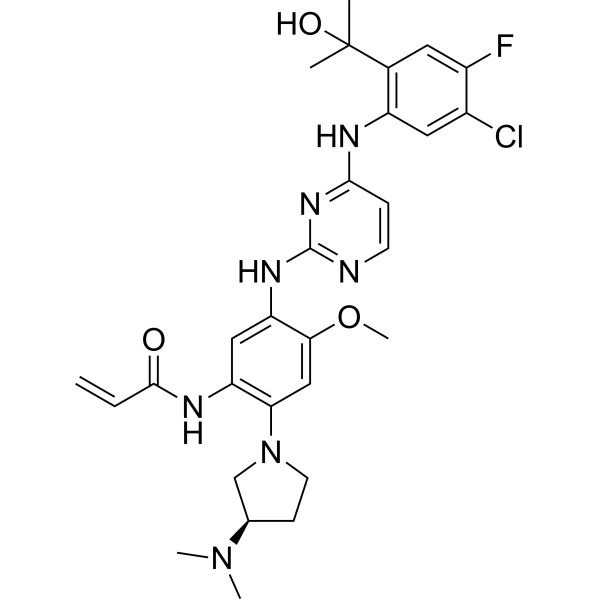
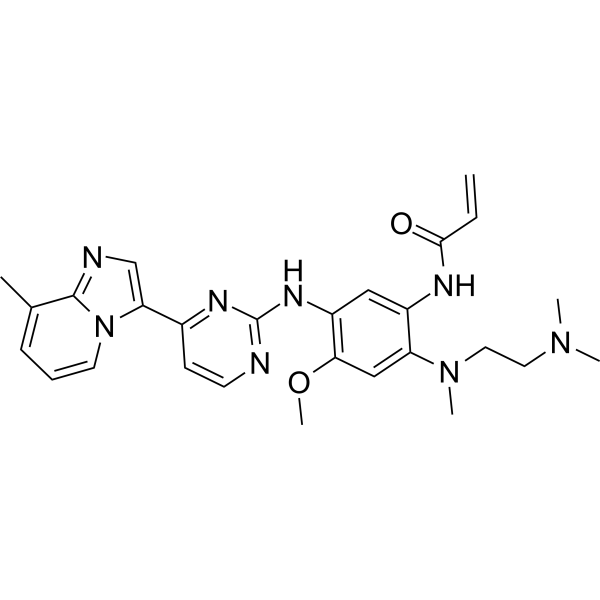
    Sunvozertinib
    4 Publications Verification

    DZD9008

    EGFR Btk Cancer
    Sunvozertinib (DZD9008) is a potent ErbBs (EGFR, Her2, especially mutant forms) and BTK inhibitor. Sunvozertinib shows IC50s of 20.4, 20.4, 1.1, 7.5, and 80.4 nM for EGFR exon 20 NPH insertion, EGFR exon 20 ASV insertion, EGFR L858R and T790M mutations, and Her2 Exon20 YVMA, and EGFR WT A431, respectively (patent WO2019149164A1, example 52) .
    Sunvozertinib
  • HY-136789
    Tuxobertinib
    1 Publications Verification

    BDTX-189

    EGFR Cancer
    Tuxobertinib (BDTX-189) is a potent, orally active and selective inhibitor of allosteric EGFR and HER2 oncogenic mutations, including EGFR/HER2 exon 20 insertion mutants. Tuxobertinib shows KDs of 0.2, 0.76, 13 and 1.2 nM for EGFR, HER2, BLK and RIPK2, reapectively. Anticancer activity .
    Tuxobertinib
  • HY-172429

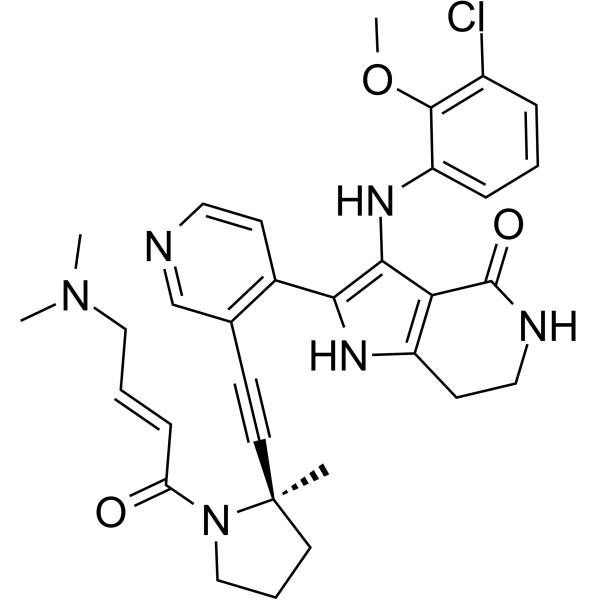
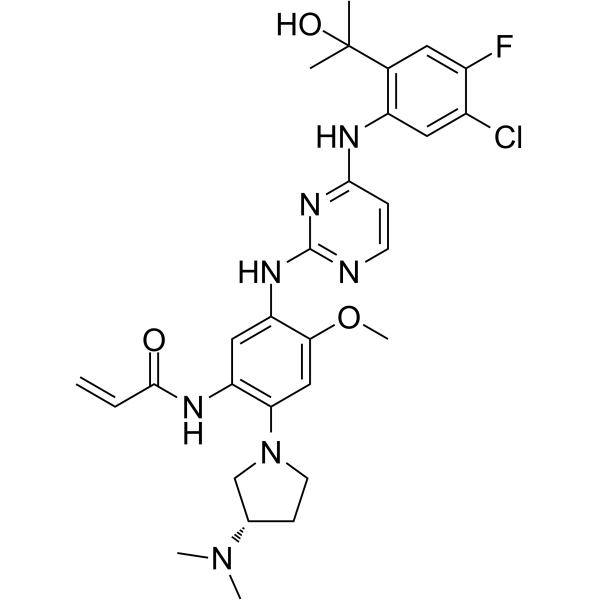
    ORIC-114

    EGFR Neurological Disease Cancer
    Enozertinib (ORIC-114) is an orally active, CNS-penetrant, highly selective and irreversible dual EGFR/HER2 inhibitor that exhibits potent and targeted inhibition of exon 20 insertion mutations. Enozertinib exhibits high kinome selectivity for the EGFR family of receptors to reduce off-target kinase liabilities. Enozertinib induces tumor regression and demonstrates antitumor activity in central nervous system and non-small cell lung cancer (NSCLC) tumor models. Enozertinib can be used for the research of solid tumors and NSCLC .
    Enozertinib
  • HY-D0162
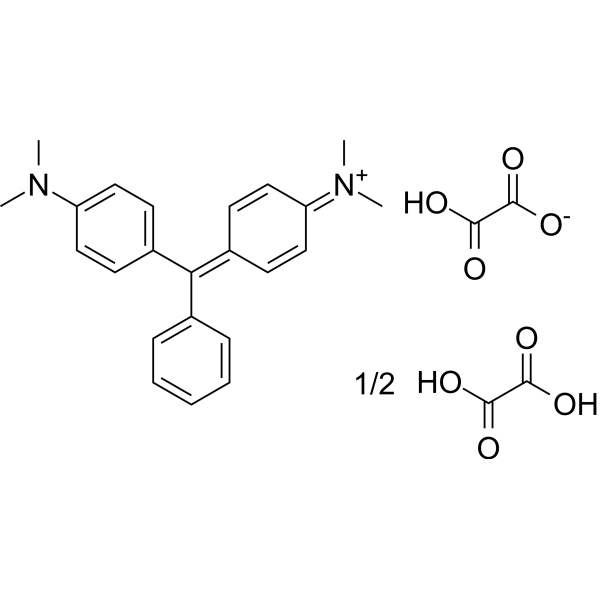
    Malachite green hemioxalate
    1 Publications Verification

    MCCK1

    Fungal IKK NF-κB Apoptosis Infection Cancer
    Malachite green hemioxalate (MCCK1) is a triphenylmethane dye which can be used to detect the release of phosphate in enzymatic reactions. Malachite green hemioxalate has antibacterial activity, which is attributed to inhibition of intracellular enzymes, insertion into DNA and/or interaction with cell membranes. Malachite green hemioxalate is also a potent and selective inhibitor of IKBKE, and inhibits its downstream targets such as IκBα, p65 and IRF3. Malachite green hemioxalate exhibits antitumor activity in vitro and in vivo .
    Malachite green hemioxalate
  • HY-159078

    DNA/RNA Synthesis Cancer
    PolQi1 is a selective inhibitor targeting the Polθ domain of DNA polymerase. PolQi1 inhibits the Polθ-mediated microhomology end joining (TMEJ/alt-EJ) pathway, reducing insertion/deletion (Indels) and imprecise editing events during DNA repair. PolQi1 can enhance the efficiency and accuracy of homology-directed repair (HDR) or Prime editing, and reduce off-target effects; and in combination with DNA-PK inhibitor AZD-7648 (HY-111783), exert efficient genome editing capabilities with dual pathway regulation. PolQi1 can be mainly used in gene editing research (such as CRISPR-Cas9 or Prime editing system optimization) to improve the precision editing efficiency of difficult-to-edit cells (such as primary hepatocytes and mouse embryos) .
    PolQi1
  • HY-132842A

    (S)-DZD9008

    EGFR Btk Cancer
    (S)-Sunvozertinib ((S)-DZD9008), the S-enantiomer of Sunvozertinib, shows inhibitory activity against EGFR exon 20 NPH and ASV insertions, EGFR L858R/T790M mutation and Her2 exon20 YVMA insertion (IC50=51.2 nM, 51.9 nM, 1 nM, and 21.2 nM, respectively). (S)-Sunvozertinib also inhibits BTK .
    (S)-Sunvozertinib
  • HY-157229
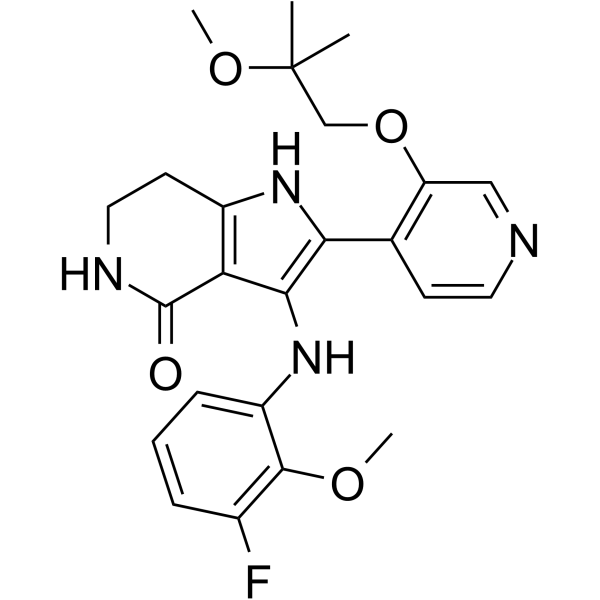
    STX-721
    1 Publications Verification

    EGFR ERK Cancer
    STX-721 is an orally active, irreversible, covalent EGFR exon 20 insertion (ex20ins) inhibitor that selectively targets ex20ins-mutant dynamic protein states. STX-721 potently inhibits the kinase activity of EGFR ex20ins mutants (NPG, ASV, SVD). STX-721 inhibits phosphorylation of EGFR (pEGFR Y1068) and downstream ERK (pERK Thr202/Tyr204), and suppresses proliferation of ex20ins-mutant Ba/F3 cells and human NSCLC cell lines (NCI-H2073 ASV KI, CUTO-14 ASV). STX-721 induces tumor regression in EGFR ex20ins-mutant PDX/CDX models. STX-721 can be used for the study of non-small cell lung cancer (NSCLC) harboring EGFR or HER2 ex20ins mutations .
    STX-721
  • HY-134877

    EGFR ERK Akt Cancer
    BAY 2476568 is a potent and mutant-selective inhibitor targeting EGFR exon20 insertion variants. BAY 2476568 potently inhibits the kinase activity of EGFR exon20 insertion mutants (insASV, insSVD, insNPG) with IC50 values of 0.09 nM, 0.21 nM, and 0.11 nM, respectively. BAY 2476568 inhibits EGFR (Y1068) phosphorylation and reduces the phosphorylation of ERK1/2 and Akt (S473) in Ba/F3 cells expressing EGFR exon20 insertion mutants (insASV, insSVD). BAY 2476568 can be used for the study of non-small cell lung cancer (NSCLC) driven by EGFR exon20 insertion mutations .
    BAY 2476568
  • HY-172429A

    ORIC-114 hemihydrate

    EGFR Neurological Disease Cancer
    Enozertinib (ORIC-114) hemihydrate is an orally active, CNS-penetrant, highly selective and irreversible dual EGFR/HER2 inhibitor that exhibits potent and targeted inhibition of exon 20 insertion mutations. Enozertinib hemihydrate exhibits high kinome selectivity for the EGFR family of receptors to reduce off-target kinase liabilities. Enozertinib hemihydrate induces tumor regression and demonstrates antitumor activity in central nervous system and non-small cell lung cancer (NSCLC) tumor models. Enozertinib hemihydrate can be used for the research of solid tumors and NSCLC .
    Enozertinib hemihydrate
  • HY-151672

    ADC Linker Others
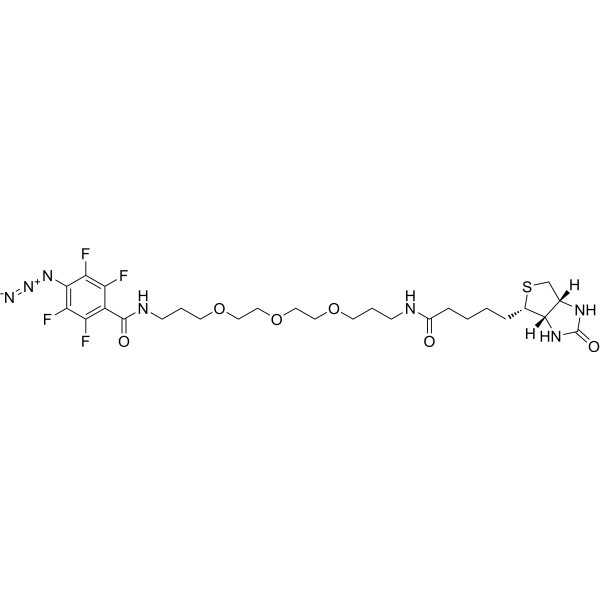
    Biotin-TEG-ATFBA is a click chemistry reagent containing a perfluorophenylazide group. Biotin-TEG-ATFBA forms a highly stable azene intermediate that undergoes insertion and addition reactions (non-intermolecular rearrangement) in moderate to good yields after photolysis. It contains an azide group and can undergo copper-catalyzed azide-alkyne cycloaddition (CuAAc) with molecules containing alkyne groups. It can also undergo ring strain-promoted alkyne-azide cycloaddition (SPAAC) with molecules containing DBCO or BCN groups.
    Biotin-TEG-ATFBA
  • HY-W074648

    MOFs Bacterial Infection
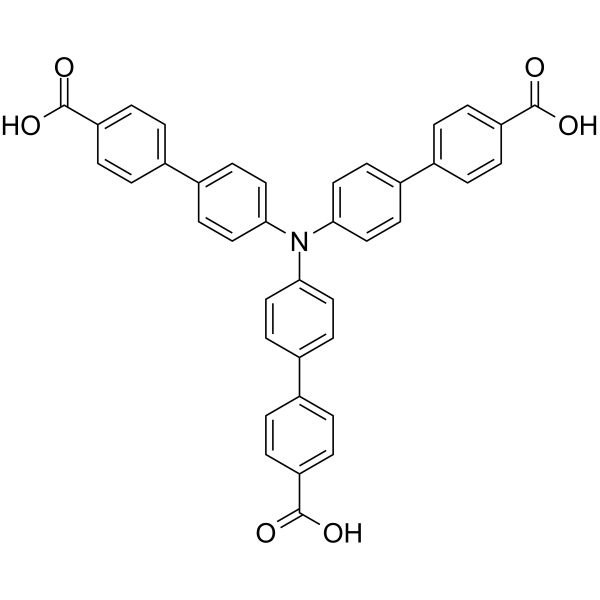
    Antibacterial agent 18 is a multi-arm AIE molecule extracted from patent CN110123801A, compound 23. Antibacterial agent 18 can be used for resisting Gram-positive and Gram-negative bacteria. Antibacterial agent 18 can be conjugated in the cell wall of rigid arm configuration insertion bacterium, and block cell wall turns sugar and turns peptide process, to inhibit or kill bacterium .
    Antibacterial agent 18
  • HY-164307

    BLU 451; LNG-451

    EGFR Cancer
    Pebezertinib (BLU 451) is an orally active inhibitor for EGFR. Pebezertinib exhibits the ability to penetrate the central nervous system (CNS). Pebezertinib can be used for research about non-small cell lung cancer carrying EGFR exon 20 insertion .
    Pebezertinib
  • HY-132173

    Bcl-2 Family Cancer
    GL0388 is a Bax activator that results in Bax insertion into mitochondrial membrane. GL0388 shows antiproliferative activities against various cancer cells, with IC50s of 0.299-1.57 μM. GL0388 activates Bax and induce Bax-mediated apoptosis. GL0388 suppresses breast cancer xenograft tumor growth in vivo .
    GL0388
  • HY-155537
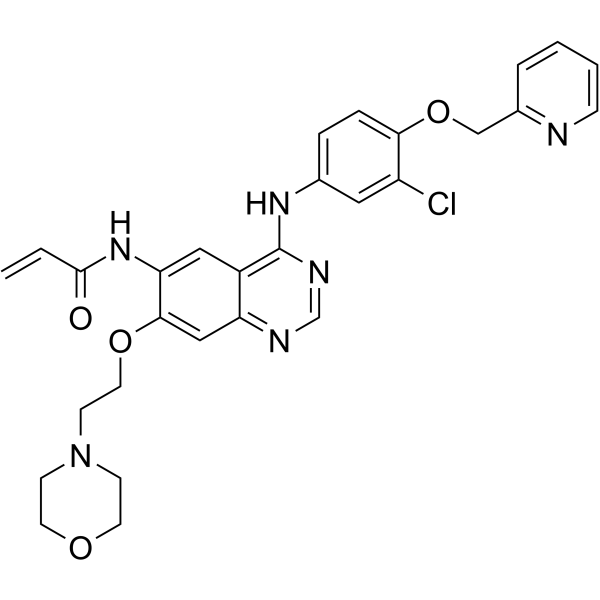
    Pruvonertinib
    1 Publications Verification

    YK-029A

    EGFR Cancer
    YK-029A is an orally active inhibitor of mutant EGFR,targeting to both the T790M mutations (EGFR T790M) and exon 20 insertion of EGFR (EGFRex20ins). YK-029A exhibits significant antitumor activity,and results tumor regression in EGFRex20ins-driven PDX models .
    Pruvonertinib
  • HY-154927

    Liposome Cancer
    DSPE-PEG-Cy5 is a fluorescent lipophilic PEG lipid. DSPE-PEG-Cy5 can insert into cell membranes and localize uniformly on them. DSPE-PEG-Cy5 can serve as a fluorescent model molecule to optimize and validate membrane insertion conditions for cell surface functionalization. DSPE-PEG-Cy5 can be used in research on drug delivery, cancer, and other fields .
    DSPE-PEG-Cy5
  • HY-W100234

    2'-O-Methyl-5-methyluridine

    Nucleoside Antimetabolite/Analog Cancer
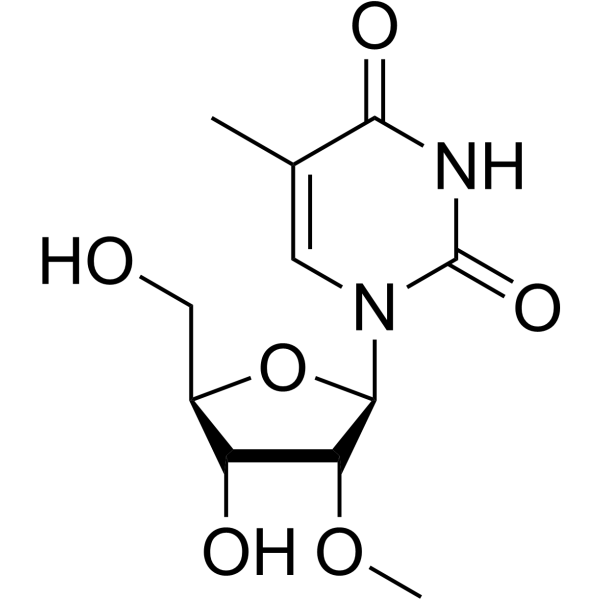
    5-Methyl-2’-O-methyl-uridine (2'-O-methyl-5-methyluridine) is a thymidine analog. Analogs of this series have insertional activity towards replicated DNA. They can be used to label cells and track DNA synthesis. 5-Methyl-2’-O-methyl-uridine is a modified nucleoside that can be found in tRNA isolated from rabbit liver .
    5-Methyl-2′-O-methyl-uridine
  • HY-W394106

    Nucleoside Antimetabolite/Analog Others
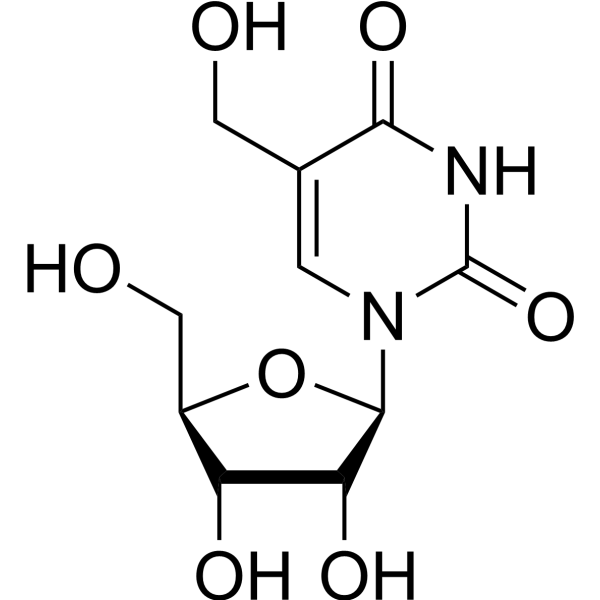
    5-Hydroxymethyl uridine is a thymidine analogue. Analogs of this series have insertional activity towards replicated DNA. They can be used to label cells and track DNA synthesis .
    5-Hydroxymethyl uridine
  • HY-174215

    Tau Protein Neurological Disease
    TAU-IN-3 (Compound 2) is an orally active TAU inhibitor. TAU-IN-3 inhibits the expression of MAPT exon 10 DDPAC mutant gene in HeLa cells (IC50: 0.6 µM). TAU-IN-3 reduces the 4R/3R MAPT mRNA ratio in HeLa cells transfected with WT or DDPAC minigenes. TAU-IN-3 inhibits the insertion of endogenous MAPT exon 10 and the production of 4R tau protein in cells. TAU-IN-3 modulates tau splicing in htau mice and improves the associated behavioral phenotypes. TAU-IN-3 can be used to study neurodegenerative diseases .
    TAU-IN-3
  • HY-152557

    Nucleoside Antimetabolite/Analog Cancer
    5-Methoxymethyluridine is a thymidine analog. Analogs of this series have insertional activity towards replicated DNA. They can be used to label cells and track DNA synthesis .
    5-Methoxymethyluridine
  • HY-152434

    Nucleoside Antimetabolite/Analog Others
    5-Hydroxymethyl-arauridine is a thymidine analogue. Analogs of this series have insertional activity towards replicated DNA. They can be used to label cells and track DNA synthesis .
    5-Hydroxymethyl-arauridine
  • HY-154719

    Nucleoside Antimetabolite/Analog Cancer
    5’-O-Benzoylthymidine is a thymidine analog. Analogs of this series have insertional activity towards replicated DNA. They can be used to label cells and track DNA synthesis .
    5’-O-Benzoylthymidine
  • HY-W393317

    Nucleoside Antimetabolite/Analog Others
    5-Methoxycarbonylmethyl-2'-O-methyluridine is a thymidine analogue. Analogs of this series have insertional activity towards replicated DNA. They can be used to label cells and track DNA synthesis .
    5-Methoxycarbonylmethyl-2'-O-methyluridine
  • HY-152823

    Nucleoside Antimetabolite/Analog Others
    5-Benzylaminocarbonyl-2’-O-methyluridine is a thymidine analogue. Analogs of this series have insertional activity towards replicated DNA. They can be used to label cells and track DNA synthesis .
    5-Benzylaminocarbonyl-2’-O-methyluridine
  • HY-152781

    Nucleoside Antimetabolite/Analog Others
    5’(R)-C-Methyl-5-methyluridine is a thymidine analogue. Analogs of this series have insertional activity towards replicated DNA. They can be used to label cells and track DNA synthesis .
    5’(R)-C-Methyl-5-methyluridine
  • HY-152391

    Nucleoside Antimetabolite/Analog Others
    3’-beta-C-Methyl-5-methyluridine is a thymidine analogue. Analogs of this series have insertional activity towards replicated DNA. They can be used to label cells and track DNA synthesis .
    3’-beta-C-Methyl-5-methyluridine
  • HY-154434

    Nucleoside Antimetabolite/Analog Cancer
    3’-O-(2-Methoxyethyl)-5-methyluridine is a thymidine analog. Analogs of this series have insertional activity towards replicated DNA. They can be used to label cells and track DNA synthesis .
    3’-O-(2-Methoxyethyl)-5-methyluridine
  • HY-154273

    Nucleoside Antimetabolite/Analog Cancer
    2’,3’,5’-Tri-O-acetyl-5-cyanouridine is a thymidine analog. Analogs of this series have insertional activity towards replicated DNA. They can be used to label cells and track DNA synthesis .
    2’,3’,5’-Tri-O-acetyl-5-cyanouridine
  • HY-154126

    Nucleoside Antimetabolite/Analog Cancer
    2’,3’,5’-Tri-O-benzoyl-5-hydroxy methyluridine (see GL100342) is a thymidine analog. Analogs of this series have insertional activity towards replicated DNA. They can be used to label cells and track DNA synthesis .
    2’,3’,5’-Tri-O-benzoyl-5-hydroxy methyluridine (see GL100342)
  • HY-123766

    EGFR Cancer
    EGFR-IN-99 (compound 1a) is a potent EGFR and HER2 Exon 20 insertion mutant inhibitor. EGFR-IN-99 has excellent antiproliferative activity against DFCI127 cells, with an EC50 of 11.5 nM. EGFR-IN-99 can be used for the research of non-small cell lung cancer (NSCLC) .
    EGFR-IN-99
  • HY-170322

    Indoleamine 2,3-Dioxygenase (IDO) Metabolic Disease Cancer
    TDO2-IN-1 is a selective TDO2 inhibitor. TDO2-IN-1 binds to the active pocket, heme-binding pocket and substrate-binding pocket of apo-TDO2, interacts with key residues, competitively inhibits heme insertion, and suppresses intracellular TDO2 activity. TDO2-IN-1 can be used in research related to cancer, metabolism and other fields .
    TDO2-IN-1
  • HY-154255

    Nucleoside Antimetabolite/Analog Cancer
    5-(3-Azidopropyl)uridine is a thymidine analog. Analogs of this series have insertional activity towards replicated DNA. They can be used to label cells and track DNA synthesis . 5-(3-Azidopropyl)uridine is a click chemistry reagent, it contains an Azide group and can undergo copper-catalyzed azide-alkyne cycloaddition reaction (CuAAc) with molecules containing Alkyne groups. It can also undergo strain-promoted alkyne-azide cycloaddition (SPAAC) reactions with molecules containing DBCO or BCN groups.
    5-(3-Azidopropyl)uridine
  • HY-154524

    Nucleoside Antimetabolite/Analog Others
    1-(2-Deoxy-β-D-threo-pentofuranosyl)thymine is a thymidine analog. Analogs of this series have insertional activity towards replicated DNA. They can be used to label cells and track DNA synthesis .
    1-(2-Deoxy-β-D-threo-pentofuranosyl)thymine
  • HY-P1753

    HIV Infection
    VIR-165 is a modified form of virus inhibitory peptide (VIRIP) that binds the fusion peptide of the gp41 subunit and prevents its insertion into the target membrane. VIRIP inhibits a wide variety of human immunodeficiency virus type 1 (HIV-1) strains .
    VIR-165
  • HY-163418

    EGFR Cancer
    HER2-IN-17 (Compound 2) is an inhibitor for HER2, which inhibits the Her YVMA exon 20 insertion mutation (HER2 YVMA) with an IC50 <200 nM. HER2-IN-17 inhibits proliferation of HER2 YVMA mutated BaF3 cells with an IC50 <200 nM and amliorates non-small-cell lung cancer (NSCLC) .
    HER2-IN-17
  • HY-146262

    EGFR Cancer
    LDC0496 is a potent and selective EGFR inhibitor. LDC0496 possesses intense inhibitory potency toward EGFR and Her2 exon20 insertion mutations, as well as selectivity over wild type EGFR and within the kinome .
    LDC0496
  • HY-134795

    Nucleoside Antimetabolite/Analog Others
    5-Carboxymethylaminomethyluridine is a thymidine analogue. Analogs of this series have insertional activity towards replicated DNA. They can be used to label cells and track DNA synthesis .
    5-Carboxymethylaminomethyluridine
  • HY-152875

    Nucleoside Antimetabolite/Analog Others
    5-Carboxymethyluridine is a thymidine analogue. Analogs of this series have insertional activity towards replicated DNA. They can be used to label cells and track DNA synthesis .
    5-Carboxymethyluridine
  • HY-152639

    Nucleoside Antimetabolite/Analog Others
    2’-Chlorothymidine is a thymidine analogue. Analogs of this series have insertional activity towards replicated DNA. They can be used to label cells and track DNA synthesis .
    2’-Chlorothymidine
  • HY-152559

    Nucleoside Antimetabolite/Analog Cancer
    5-Ethoxymethyluridine is a thymidine analog. Analogs of this series have insertional activity towards replicated DNA. They can be used to label cells and track DNA synthesis .
    5-Ethoxymethyluridine
  • HY-154274

    Nucleoside Antimetabolite/Analog Cancer
    5-Cyanouridine is a thymidine analog. Analogs of this series have insertional activity towards replicated DNA. They can be used to label cells and track DNA synthesis .
    5-Cyanouridine
  • HY-163663

    EGFR Cancer
    AZ14133346 (compound 36) is a potent and selective inhibitor of EGFR Exon20 insertions, with the IC50 of 85 nM. AZ14133346 plays an important role in cancer research .
    AZ14133346
  • HY-152496

    Nucleoside Antimetabolite/Analog Cancer
    5-Hydroxymethyl xylouridine is a thymidine analog. Analogs of this series have insertional activity towards replicated DNA. They can be used to label cells and track DNA synthesis .
    5-Hydroxymethyl xylouridine
  • HY-152502

    Nucleoside Antimetabolite/Analog Cancer
    5-N-Boc-aminomethyluridine is a thymidine analog. Analogs of this series have insertional activity towards replicated DNA. They can be used to label cells and track DNA synthesis .
    5-N-Boc-aminomethyluridine
  • HY-152790

    Nucleoside Antimetabolite/Analog Others
    5-(2-Hydroxyethyl)uridine is a thymidine analogue. Analogs of this series have insertional activity towards replicated DNA. They can be used to label cells and track DNA synthesis .
    5-(2-Hydroxyethyl)uridine
  • HY-152543

    Nucleoside Antimetabolite/Analog Others
    5-[3-[(Trifluoroacetyl)amino]propyl]uridine is a thymidine analogue. Analogs of this series have insertional activity towards replicated DNA. They can be used to label cells and track DNA synthesis .
    5-[3-[(Trifluoroacetyl)amino]propyl]uridine
  • HY-154115

    Nucleoside Antimetabolite/Analog Cancer
    5’-O-Acetyl-5-acetyloxymethyluridine is a thymidine analog. Analogs of this series have insertional activity towards replicated DNA. They can be used to label cells and track DNA synthesis .
    5’-O-Acetyl-5-acetyloxymethyluridine
  • HY-154551

    Nucleoside Antimetabolite/Analog Cancer
    3’-O-Methyl-5-methyluridine is a thymidine analog. Analogs of this series have insertional activity towards replicated DNA. They can be used to label cells and track DNA synthesis .
    3’-O-Methyl-5-methyluridine
  • HY-U00279B

    DNA/RNA Synthesis Cancer
    Nitracrine hydrochloride is a platinum-based antineoplastic drug with selective toxicity to hypoxic cells. Nitracrine hydrochloride exhibits significant cytotoxicity against the Chinese hamster ovary cell line AA8 under hypoxic conditions. Nitracrine hydrochloride exerts its effect by binding to the insertion of DNA and forming covalent adducts. The cytotoxicity of Nitracrine hydrochloride under hypoxic conditions is related to its reductive metabolism to form alkylated substances. At the same time, it may enhance the reactivity to DNA through the insertion of DNA, thereby improving the efficacy. Nitracrine hydrochloride can also inhibit RNA synthesis, contributing to its anti-tumor effect .
    Nitracrine hydrochloride
  • HY-154614

    Nucleoside Antimetabolite/Analog Cancer
    5’-(4,4’-Dimethoxytrityl)-5-methyluridine is a thymidine analog. Analogs of this series have insertional activity towards replicated DNA. They can be used to label cells and track DNA synthesis .
    5’-(4,4’-Dimethoxytrityl)-5-methyluridine
  • HY-154137

    Nucleoside Antimetabolite/Analog Cancer
    3’-Beta-C-Methyl-5-trifluoromethyluridine is a thymidine analog. Analogs of this series have insertional activity towards replicated DNA. They can be used to label cells and track DNA synthesis .
    3’-Beta-C-Methyl-5-trifluoromethyluridine

Inquiry Online

Your information is safe with us. * Required Fields.

Salutation


Country or Region *

Applicant Name *


Organization Name *

Department *


Email Address *


Product Name *

Cat. No.


Requested quantity *

Phone Number *


Remarks

Inquiry Online

Inquiry Information

Product Name:
Cat. No.:
Quantity:
MCE Japan Authorized Agent:

