Search Result
Results for "
photobleaching
" in MedChemExpress (MCE) Product Catalog:
8
Biochemical Assay Reagents
| Cat. No. |
Product Name |
Target |
Research Areas |
Chemical Structure |
-
- HY-B1247
-
|
PPIX
|
Endogenous Metabolite
|
Others
|
|
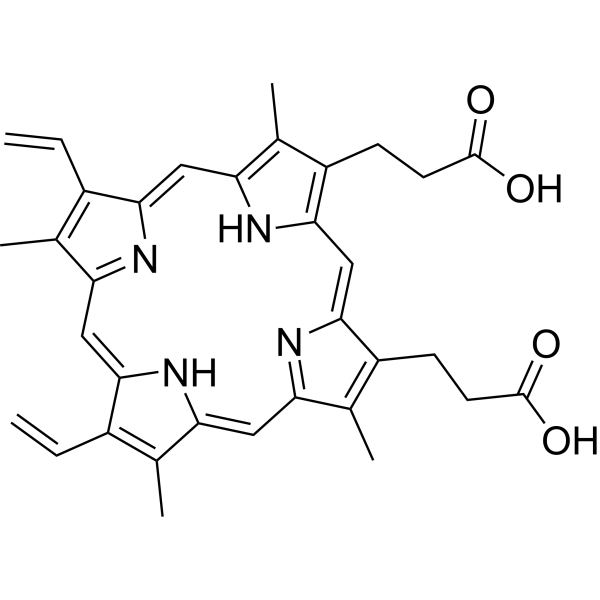
Protoporphyrin IX is a final intermediate in the heme biosynthetic pathway, which acts as a radiation sensitizer enhancing ROS generation even in a hypoxic state and inducing DNA damage. Protoporphyrin IX also acts as a photo sensitizer undergoing photobleaching that occurs through direct degradation by light irradiation. Protoporphyrin IX is formed and accumulated following 5-aminolevulinic acid (5-ALA) (HY-W000450) administration in the tumor cells of rats. Protoporphyrin IX causes selective improvement of basal cell carcinoma when activated red fluorescence of a peak wavelength at 405 nm. Protoporphyrin IX is promising for research of sonodynamic and photodynamic agents for a wide range of cancers, such as bladder cancer and nodular basal cell carcinoma .
|
-
-
- HY-D0034
-
|
ABMDMA
|
Fluorescent Dye
MOFs
|
Cancer
|
|
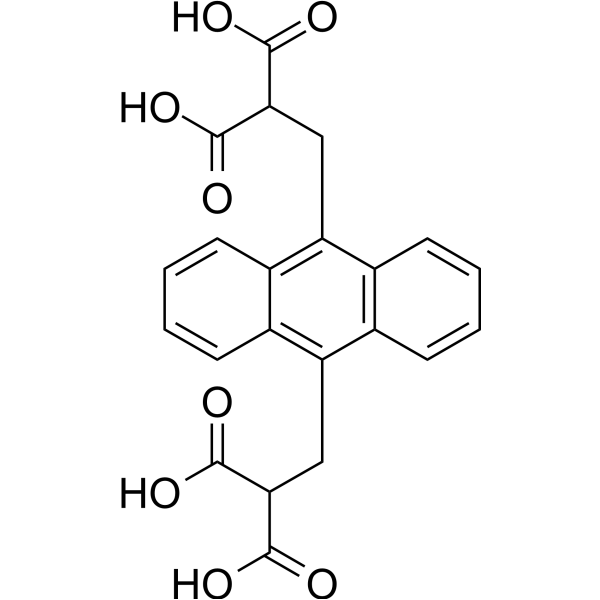
9,10-Anthracenediyl-bis(methylene)dimalonic acid (ABMDMA) is a biological dye and indicator used to detect singlet oxygen generation (SOG). 9,10-Anthracenediyl-bis(methylene)dimalonic acid is water-soluble derivative of anthracene. 9,10-Anthracenediyl-bis(methylene)dimalonic acid can be photobleached by singlet oxygen to its corresponding endoperoxide. This reaction can be monitored spectrophotometrically by recording the decrease of absorbance at 400 nm .
|
-
-
- HY-158082C
-
|
Tetramethyl rhodamine isothiocyanate glucan, MW 70000
|
Fluorescent Dye
|
Others
|
|
TRITC-dextran MW 70000 (Tetramethyl rhodamine isothiocyanate glucan, MW 70000) is a fluorescent dye with a molecular weight of 70 kD. The excitation wavelength of TRITC-dextran MW 70000 is 555 nm, and its emission wavelength is 570 nm. TRITC-dextran MW 70000 is used for drug delivery because TRITC maintains stability over a wide pH range (i.e., pH 2-11) and exhibits photobleaching resistance .
|
-

-
- HY-158082
-
|
Tetramethyl rhodamine isothiocyanate glucan, MW 4000
|
Fluorescent Dye
|
Others
|
|
TRITC-dextran MW 4000 (Tetramethyl rhodamine isothiocyanate glucan, MW 4000) is a fluorescent dye, with the molecular weight of 4 kD. TRITC-dextran MW 4000 exhibits an excitation wavelength of 555 nm. TRITC-dextran MW 4000 is vessel penetrate, which could label blood plasma to visualize the vasculature. TRITC-dextran MW 4000 is utilized in drug delivery for the stability of TRITC over a wide pH range (i.e. pH 2–11) and resistance to photo-bleaching .
|
-

-
- HY-D0163
-
|
|
DNA Stain
|
Others
|
|
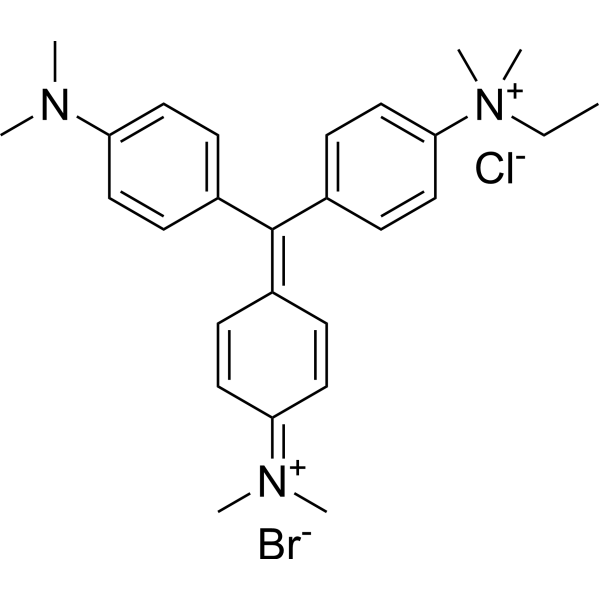
Methyl Green is a non-intercalating fluorescent labeling agent that selectively binds to the major groove of DNA. Methyl Green electrostatically interacts with the major groove of DNA through positively charged groups, exhibiting key activities such as high affinity, resistance to photobleaching, and stable fluorescence emission. Methyl Green can be directly measured by microscopy and flow cytometry, with peaks at 633 and 677 nm. Methyl Green can be used for fluorescent labeling of the nuclei of embryonic tissues or cells, or DNA staining and cell activity detection in gel electrophoresis[1][2][3].
|
-
-
- HY-158082B
-
|
Tetramethyl rhodamine isothiocyanate glucan, MW 40000
|
Fluorescent Dye
|
Others
|
|
TRITC-dextran (Tetramethyl rhodamine isothiocyanate glucan), MW 40000 is a TRITC (HY-D0791)-labeled neutral 40 kDa fluorescent polysaccharide probe. TRITC-dextran, MW 40000 forms a membrane layer on the surface of protocells composed of protamine/folate condensates, and is used to assess membrane fluidity via fluorescence recovery after photobleaching. TRITC-dextran, MW 40000 can also be used to evaluate the anti-bacterial invasion ability and colloidal stability of coated condensates, as well as analyze the permeability of vascular and lymphatic endothelial cell layers .
|
-

-
- HY-114353
-
|
|
Fluorescent Dye
|
Others
|
|
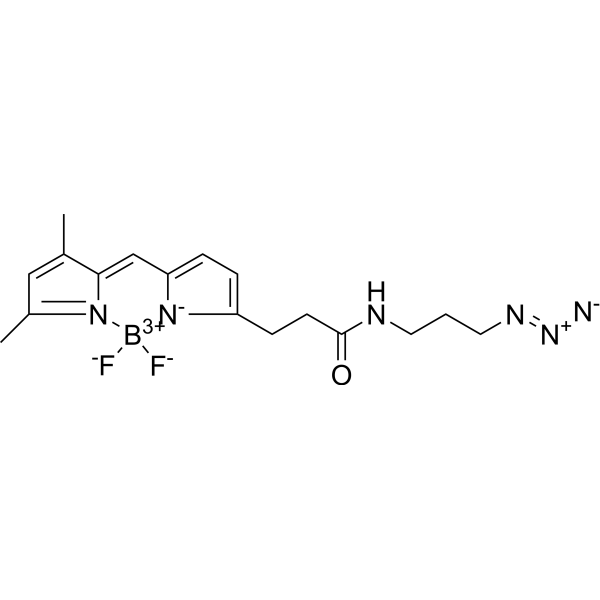
BODIPY FL azide is a BDP dye connector containing an azide group capable of Click Chemistry. The green fluorophore is representative of the borodipyrromethane class of fluorescent dyes and has a high quantum yield in aqueous environments, high stability to photobleaching and is compatible with FAM fluorescence measurement instruments .
|
-
-
- HY-158082A
-
|
Tetramethyl rhodamine isothiocyanate glucan, MW 20000
|
Fluorescent Dye
|
Others
|
|
TRITC-dextran, MW 20000 (Tetramethyl rhodamine isothiocyanate glucan, MW 20000) is a fluorescent dye, with the molecular weight of 20 kD. TRITC-dextran MW 20000 exhibits an excitation wavelength of 555 nm. TRITC-dextran MW 20000 is vessel penetrate, which could label blood plasma to visualize the vasculature. TRITC-dextran MW 20000 is utilized in drug delivery for the stability of TRITC over a wide pH range (i.e. pH 2–11) and resistance to photo-bleaching .
|
-

-
- HY-W112938
-
|
|
DNA Alkylator/Crosslinker
Photosensitizer
|
Infection
Cancer
|
|
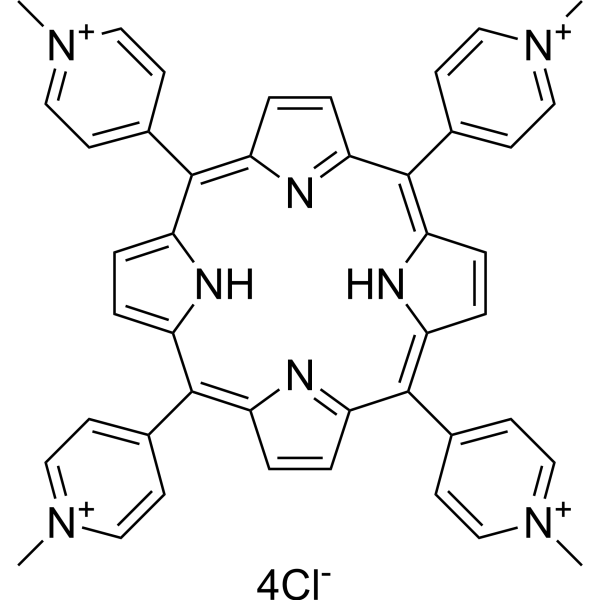
TMPyP tetrachloride is a DNA-binding agent, singlet oxygen Sensitizer and photobleaching agent. TMPyP tetrachloride binds to DNA via intercalation or external groove complexation; irradiation induces its photoinduced release from DNA. TMPyP tetrachloride sensitizes the generation of singlet molecular oxygen upon irradiation, and prolonged irradiation leads to photobleaching. TMPyP tetrachloride initially localizes preferentially in neuronal nuclei and cytoplasm, and irradiation triggers its subcellular relocalization. TMPyP tetrachloride binds to K + -free single-molecule G4-DNA nanowires via intercalation, and binds to K + -type variants via non-intercalation. TMPyP tetrachloride can be used in studies related to cancer, HIV infection and bacterial infection .
|
-
-
- HY-158082D
-
|
Tetramethyl rhodamine isothiocyanate glucan, MW 150000
|
Fluorescent Dye
|
Others
|
|
TRITC-dextran, MW 150000 (Tetramethyl rhodamine isothiocyanate glucan, MW 150000) is a fluorescent dye, with the molecular weight of 150 kD. TRITC-dextran, MW 150000 exhibits an excitation wavelength of 555 nm. TRITC-dextran, MW 150000 is follicular and vessel penetrate, which is dependent on the molecular weight. TRITC-dextran, MW 150000 is utilized in drug delivery for the stability of TRITC over a wide pH range (i.e. pH 2–11) and resistance to photo-bleaching .
|
-

-
- HY-D1991
-
|
|
Fluorescent Dye
|
Others
|
|
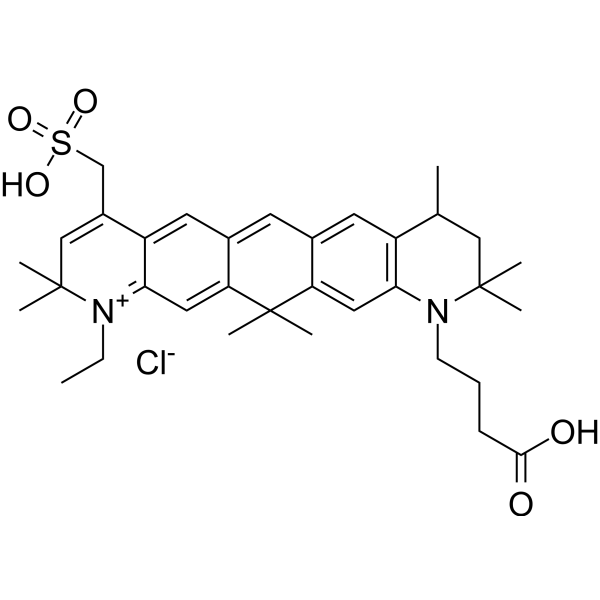
ATTO 647 is a carborhodamine fluorophore and imaging tracer with photostable properties. ATTO 647 serves as a fluorescent probe to investigate cell membrane structure and diffusion characteristics. When conjugated with wheat germ agglutinin, ATTO 647 specifically binds to N-acetyl-β-D-glucosamine and sialic acid residues on membrane glycoproteins, enabling single-molecule tracing of glycoprotein diffusion. ATTO 647 exhibits highly stable fluorescence properties with significantly reduced blinking in mounting media such as ROXS (AA/MV) and ROXS (TX/TQ), whereas its brightness properties vary in Ibidi-MM and Vectashield. ATTO 647 can also be used to label histone H2B-GFP in fixed cells for confocal microscopy photobleaching experiments .
|
-
-
- HY-B1247R
-
|
PPIX (Standard)
|
Reference Standards
Endogenous Metabolite
|
Others
|
|
Protoporphyrin IX (Standard) is the analytical standard of Protoporphyrin IX. This product is intended for research and analytical applications. Protoporphyrin IX is a final intermediate in the heme biosynthetic pathway, which acts as a radiation sensitizer enhancing ROS generation even in a hypoxic state and inducing DNA damage. Protoporphyrin IX also acts as a photo sensitizer undergoing photobleaching that occurs through direct degradation by light irradiation. Protoporphyrin IX is formed and accumulated following 5-aminolevulinic acid (5-ALA) (HY-W000450) administration in the tumor cells of rats. Protoporphyrin IX causes selective improvement of basal cell carcinoma when activated red fluorescence of a peak wavelength at 405 nm. Protoporphyrin IX is promising for research of sonodynamic and photodynamic agents for a wide range of cancers, such as bladder cancer and nodular basal cell carcinoma .
|
-

-
- HY-158082E
-
|
Tetramethyl rhodamine isothiocyanate glucan, MW 500000
|
Fluorescent Dye
|
Others
|
|
TRITC-dextran, MW 500000 (Tetramethyl rhodamine isothiocyanate glucan, MW 500000) is a fluorescent dye, with the molecular weight of 500 kD. TRITC-dextran, MW 500000 exhibits an excitation wavelength of 555 nm. TRITC-dextran, MW 500000 is follicular and vessel penetrate, which is dependent on the molecular weight. TRITC-dextran, MW 500000 is utilized in drug delivery for the stability of TRITC over a wide pH range (i.e. pH 2–11) and resistance to photo-bleaching .
|
-

-
- HY-158082H
-
|
Tetramethyl rhodamine isothiocyanate glucan, MW 2000000
|
Fluorescent Dye
|
Others
|
|
TRITC-dextran, MW 2000000 (Tetramethyl rhodamine isothiocyanate glucan, MW 2000000) is a fluorescent dye, with the molecular weight of 2000 kD. TRITC-dextran, MW 2000000 exhibits an excitation wavelength of 555 nm. TRITC-dextran, MW 2000000 is follicular and vessel penetrate, which is dependent on the molecular weight. TRITC-dextran, MW 2000000 is utilized in drug delivery for the stability of TRITC over a wide pH range (i.e. pH 2–11) and resistance to photo-bleaching .
|
-

-
- HY-D1950
-
|
|
Fluorescent Dye
|
Others
|
|
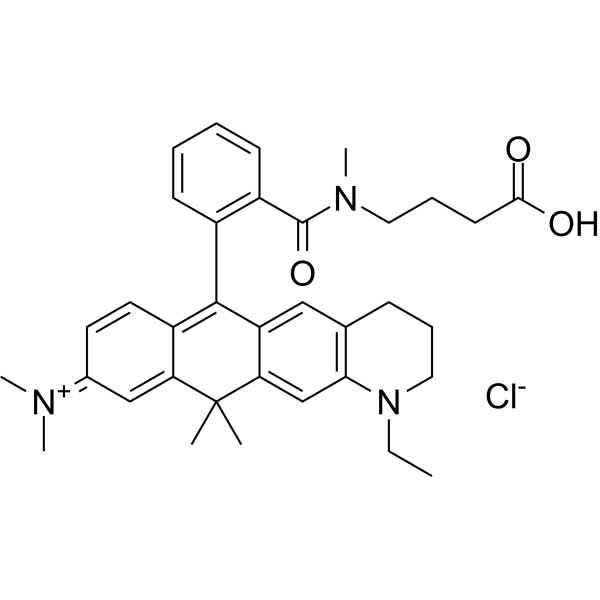
ATTO 633 is a fluorescent dye with an absorption peak at approximately 630 nm and a fluorescence emission peak at 651 nm. ATTO 633 can be used in nanomechanical photothermal microscopy studies .
|
-
-
- HY-B1247A
-
|
PPIX disodium
|
Endogenous Metabolite
|
Cancer
|
|
Protoporphyrin IX disodium is a final intermediate in the heme biosynthetic pathway, which acts as a radiation sensitizer enhancing ROS generation even in a hypoxic state and inducing DNA damage. Protoporphyrin IX disodium also acts as a photo sensitizer undergoing photobleaching that occurs through direct degradation by light irradiation. Protoporphyrin IX disodium is formed and accumulated following 5-aminolevulinic acid (5-ALA) (HY-W000450) administration in the tumor cells of rats. Protoporphyrin IX disodium causes selective improvement of basal cell carcinoma when activated red fluorescence of a peak wavelength at 405 nm. Protoporphyrin IX disodium is promising for research of sonodynamic and photodynamic agents for a wide range of cancers, such as bladder cancer and nodular basal cell carcinoma .
|
-

-
- HY-147365
-
|
|
Environmental Pollutants
Herbicide
|
Others
|
|
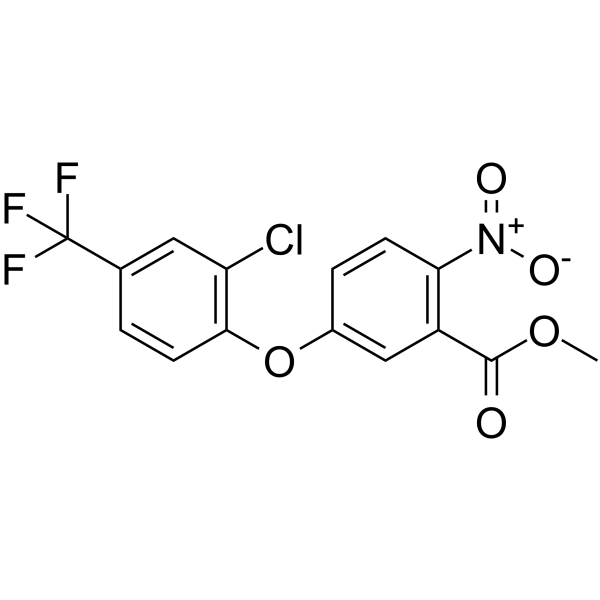
Acifluorfen-methyl is an inhibitor of the heme and chlorophyll biosynthetic enzyme protoporphyrinogen oxidase (Protox). Acifluorfen-methyl is a photobleaching herbicide .
|
-
-
- HY-W110781
-
|
|
DNA Stain
|
Others
|
|
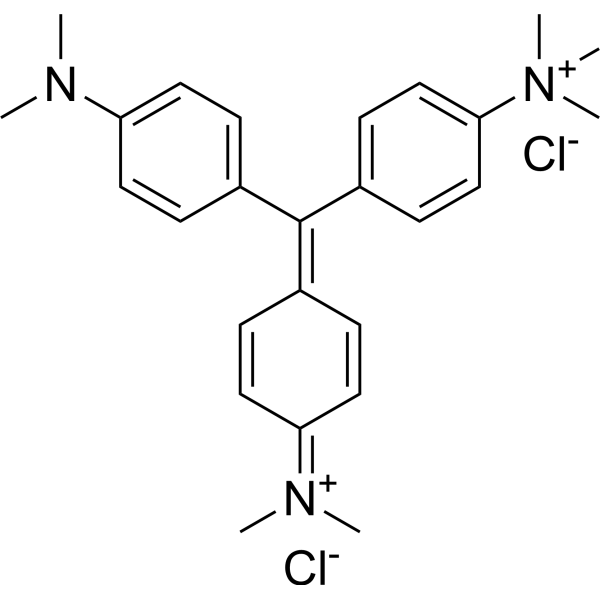
Basic Blue 20 is a very convenient red-emitting DNA stains. Basic Blue 20 has relatively narrow excitation and emission spectra, with peaks at 633 and 677 nm, respectively. Basic Blue 20 also has a very high resistance to photobleaching .
|
-
-
- HY-174486
-
|
|
mRNA
|
Others
|
|
mCherry mRNA (5moU) encodes the fluorescent protein, mCherry, which is derived from DsRed, a protein found in Discosoma sp. mCherry is a monomeric fluorophore with a peak absorption at 587 nm and emission at 610 nm. It is stable and resistant to photobleaching.
|
-

-
- HY-136213
-
|
|
Fluorescent Dye
|
Others
|
|
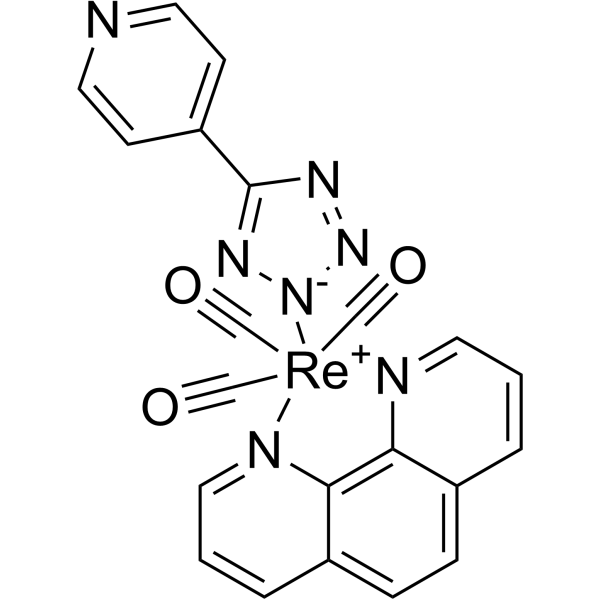
Endoplasmic reticulum dye 1 is a promising live cell imaging agent for the detection of exocytotic events at the plasma membrane. Endoplasmic reticulum dye 1 shows low cytotoxicity, resistance to photobleaching , which is ideal for imaging either short- or long-time courses .
|
-
-
- HY-D0121B
-
|
|
Fluorescent Dye
|
Others
|
|
INDO 1 pentasodium is a cell-impermeant ratiometric, free calcium ion (Ca 2+) fluorescent indicator that can quantitatively monitor dynamic changes in intracellular free Ca 2+ concentrations. When unbound to Ca 2+ (free state), INDO 1 pentasodium exhibits a peak emission wavelength of 485 nm under UV excitation (350 nm). Upon binding to Ca 2+ (bound state), the emission peak shifts to 405 nm. INDO 1 pentasodium is highly photolabile and susceptible to photobleaching, and its emission spectrum may overlap with the autofluorescence of NADH .
|
-

-
- HY-W014394R
-
|
|
TRP Channel
Reference Standards
Parasite
|
Cardiovascular Disease
|
|
Protoporphyrin IX (Standard) is the analytical standard of Protoporphyrin IX. This product is intended for research and analytical applications. Protoporphyrin IX is a final intermediate in the heme biosynthetic pathway, which acts as a radiation sensitizer enhancing ROS generation even in a hypoxic state and inducing DNA damage. Protoporphyrin IX also acts as a photo sensitizer undergoing photobleaching that occurs through direct degradation by light irradiation. Protoporphyrin IX is formed and accumulated following 5-aminolevulinic acid (5-ALA) (HY-W000450) administration in the tumor cells of rats. Protoporphyrin IX causes selective improvement of basal cell carcinoma when activated red fluorescence of a peak wavelength at 405 nm. Protoporphyrin IX is promising for research of sonodynamic and photodynamic agents for a wide range of cancers, such as bladder cancer and nodular basal cell carcinoma .
|
-

-
- HY-D2774
-
|
|
Fluorescent Dye
|
Others
|
|
BP Fluor 488 Alkyne is a fluorophore. Its absorption and emission spectra are similar to fluorescein, but it is fluorescent in acidic media, and it is much more stable against photobleaching and oxidation.
|
-

-
- HY-D3214
-
|
|
Fluorescent Dye
|
Others
|
|
NIR-Cu (Ⅱ) is a near-infrared fluorescent Cu 2+ probe. NIR-Cu (Ⅱ) enables fluorescence imaging of Cu 2+ in living mice. NIR-Cu (Ⅱ) reduces self-absorption and exhibits minimal photobleaching, thus supporting in vivo imaging applications .
|
-

-
- HY-D3387
-
|
|
Fluorescent Dye
|
Others
|
|
TBI is a fluorescence enhancer with a Kd of 71 nM for the Broccoli fluorogenic RNA aptamer. TBI binds to the Broccoli fluorogenic RNA aptamer to activate its fluorescence.TBI undergoes photobleaching of its trans form, which dissociates rapidly, while cis-TBI from the media replaces the dissociated fluorophore to enable fluorophore recycling.TBI enables enhanced fluorescence of Broccoli during continuous cellular imaging (Ex/Em = 485/527 nm) .
|
-

-
- HY-D3210
-
|
|
Fluorescent Dye
|
Inflammation/Immunology
|
|
DCM-KPV is a fluorescent probe targeting the human intestinal oligopeptide transporter PEPT1/SLC15A1 receptor (λex=480 nm, λem=620-670 nm). DCM-KPV specifically binds to PepT1 via its KPV domain and mediates receptor-targeted internalization, thus effectively accumulating in the cytoplasm and nucleus of cells overexpressing this receptor. DCM-KPV has the advantages of long emission wavelength, high emission efficiency, low photobleaching, and negligible cytotoxicity. DCM-KPV maintains stable fluorescence intensity under continuous illumination, exhibiting extremely high live cell compatibility. DCM-KPV can specifically accumulate at colonic inflammatory sites through the intestinal mucosa, enabling direct non-invasive visual differentiation between chronic and acute ulcerative colitis groups and the normal group .
|
-

| Cat. No. |
Product Name |
Type |
-
- HY-D0034
-
|
ABMDMA
|
Fluorescent Dyes
|
|
9,10-Anthracenediyl-bis(methylene)dimalonic acid (ABMDMA) is a biological dye and indicator used to detect singlet oxygen generation (SOG). 9,10-Anthracenediyl-bis(methylene)dimalonic acid is water-soluble derivative of anthracene. 9,10-Anthracenediyl-bis(methylene)dimalonic acid can be photobleached by singlet oxygen to its corresponding endoperoxide. This reaction can be monitored spectrophotometrically by recording the decrease of absorbance at 400 nm .
|
-
- HY-158082C
-
|
Tetramethyl rhodamine isothiocyanate glucan, MW 70000
|
Fluorescent Dyes
|
|
TRITC-dextran MW 70000 (Tetramethyl rhodamine isothiocyanate glucan, MW 70000) is a fluorescent dye with a molecular weight of 70 kD. The excitation wavelength of TRITC-dextran MW 70000 is 555 nm, and its emission wavelength is 570 nm. TRITC-dextran MW 70000 is used for drug delivery because TRITC maintains stability over a wide pH range (i.e., pH 2-11) and exhibits photobleaching resistance .
|
-
- HY-D0163
-
|
|
Fluorescent Dyes
|
|
Methyl Green is a non-intercalating fluorescent labeling agent that selectively binds to the major groove of DNA. Methyl Green electrostatically interacts with the major groove of DNA through positively charged groups, exhibiting key activities such as high affinity, resistance to photobleaching, and stable fluorescence emission. Methyl Green can be directly measured by microscopy and flow cytometry, with peaks at 633 and 677 nm. Methyl Green can be used for fluorescent labeling of the nuclei of embryonic tissues or cells, or DNA staining and cell activity detection in gel electrophoresis[1][2][3].
|
-
- HY-114353
-
|
|
Fluorescent Dyes
|
|
BODIPY FL azide is a BDP dye connector containing an azide group capable of Click Chemistry. The green fluorophore is representative of the borodipyrromethane class of fluorescent dyes and has a high quantum yield in aqueous environments, high stability to photobleaching and is compatible with FAM fluorescence measurement instruments .
|
-
- HY-158082A
-
|
Tetramethyl rhodamine isothiocyanate glucan, MW 20000
|
Fluorescent Dyes
|
|
TRITC-dextran, MW 20000 (Tetramethyl rhodamine isothiocyanate glucan, MW 20000) is a fluorescent dye, with the molecular weight of 20 kD. TRITC-dextran MW 20000 exhibits an excitation wavelength of 555 nm. TRITC-dextran MW 20000 is vessel penetrate, which could label blood plasma to visualize the vasculature. TRITC-dextran MW 20000 is utilized in drug delivery for the stability of TRITC over a wide pH range (i.e. pH 2–11) and resistance to photo-bleaching .
|
-
- HY-D1991
-
|
|
Fluorescent Dyes
|
|
ATTO 647 is a carborhodamine fluorophore and imaging tracer with photostable properties. ATTO 647 serves as a fluorescent probe to investigate cell membrane structure and diffusion characteristics. When conjugated with wheat germ agglutinin, ATTO 647 specifically binds to N-acetyl-β-D-glucosamine and sialic acid residues on membrane glycoproteins, enabling single-molecule tracing of glycoprotein diffusion. ATTO 647 exhibits highly stable fluorescence properties with significantly reduced blinking in mounting media such as ROXS (AA/MV) and ROXS (TX/TQ), whereas its brightness properties vary in Ibidi-MM and Vectashield. ATTO 647 can also be used to label histone H2B-GFP in fixed cells for confocal microscopy photobleaching experiments .
|
-
- HY-D1950
-
|
|
Fluorescent Dyes
|
|
ATTO 633 is a fluorescent dye with an absorption peak at approximately 630 nm and a fluorescence emission peak at 651 nm. ATTO 633 can be used in nanomechanical photothermal microscopy studies .
|
-
- HY-136213
-
|
|
Fluorescent Dyes
|
|
Endoplasmic reticulum dye 1 is a promising live cell imaging agent for the detection of exocytotic events at the plasma membrane. Endoplasmic reticulum dye 1 shows low cytotoxicity, resistance to photobleaching , which is ideal for imaging either short- or long-time courses .
|
-
- HY-D0121B
-
|
|
Fluorescent Dyes
|
|
INDO 1 pentasodium is a cell-impermeant ratiometric, free calcium ion (Ca 2+) fluorescent indicator that can quantitatively monitor dynamic changes in intracellular free Ca 2+ concentrations. When unbound to Ca 2+ (free state), INDO 1 pentasodium exhibits a peak emission wavelength of 485 nm under UV excitation (350 nm). Upon binding to Ca 2+ (bound state), the emission peak shifts to 405 nm. INDO 1 pentasodium is highly photolabile and susceptible to photobleaching, and its emission spectrum may overlap with the autofluorescence of NADH .
|
-
- HY-D2774
-
|
|
Fluorescent Dyes
|
|
BP Fluor 488 Alkyne is a fluorophore. Its absorption and emission spectra are similar to fluorescein, but it is fluorescent in acidic media, and it is much more stable against photobleaching and oxidation.
|
-
- HY-D3214
-
|
|
Fluorescent Dyes
|
|
NIR-Cu (Ⅱ) is a near-infrared fluorescent Cu 2+ probe. NIR-Cu (Ⅱ) enables fluorescence imaging of Cu 2+ in living mice. NIR-Cu (Ⅱ) reduces self-absorption and exhibits minimal photobleaching, thus supporting in vivo imaging applications .
|
-
- HY-D3387
-
|
|
Fluorescent Dyes
|
|
TBI is a fluorescence enhancer with a Kd of 71 nM for the Broccoli fluorogenic RNA aptamer. TBI binds to the Broccoli fluorogenic RNA aptamer to activate its fluorescence.TBI undergoes photobleaching of its trans form, which dissociates rapidly, while cis-TBI from the media replaces the dissociated fluorophore to enable fluorophore recycling.TBI enables enhanced fluorescence of Broccoli during continuous cellular imaging (Ex/Em = 485/527 nm) .
|
-
- HY-D3210
-
|
|
Fluorescent Dyes
|
|
DCM-KPV is a fluorescent probe targeting the human intestinal oligopeptide transporter PEPT1/SLC15A1 receptor (λex=480 nm, λem=620-670 nm). DCM-KPV specifically binds to PepT1 via its KPV domain and mediates receptor-targeted internalization, thus effectively accumulating in the cytoplasm and nucleus of cells overexpressing this receptor. DCM-KPV has the advantages of long emission wavelength, high emission efficiency, low photobleaching, and negligible cytotoxicity. DCM-KPV maintains stable fluorescence intensity under continuous illumination, exhibiting extremely high live cell compatibility. DCM-KPV can specifically accumulate at colonic inflammatory sites through the intestinal mucosa, enabling direct non-invasive visual differentiation between chronic and acute ulcerative colitis groups and the normal group .
|
| Cat. No. |
Product Name |
Type |
-
- HY-158082C
-
|
Tetramethyl rhodamine isothiocyanate glucan, MW 70000
|
Biochemical Assay Reagents
|
|
TRITC-dextran MW 70000 (Tetramethyl rhodamine isothiocyanate glucan, MW 70000) is a fluorescent dye with a molecular weight of 70 kD. The excitation wavelength of TRITC-dextran MW 70000 is 555 nm, and its emission wavelength is 570 nm. TRITC-dextran MW 70000 is used for drug delivery because TRITC maintains stability over a wide pH range (i.e., pH 2-11) and exhibits photobleaching resistance .
|
-
- HY-158082
-
|
Tetramethyl rhodamine isothiocyanate glucan, MW 4000
|
Biochemical Assay Reagents
|
|
TRITC-dextran MW 4000 (Tetramethyl rhodamine isothiocyanate glucan, MW 4000) is a fluorescent dye, with the molecular weight of 4 kD. TRITC-dextran MW 4000 exhibits an excitation wavelength of 555 nm. TRITC-dextran MW 4000 is vessel penetrate, which could label blood plasma to visualize the vasculature. TRITC-dextran MW 4000 is utilized in drug delivery for the stability of TRITC over a wide pH range (i.e. pH 2–11) and resistance to photo-bleaching .
|
-
- HY-158082B
-
|
Tetramethyl rhodamine isothiocyanate glucan, MW 40000
|
Biochemical Assay Reagents
|
|
TRITC-dextran (Tetramethyl rhodamine isothiocyanate glucan), MW 40000 is a TRITC (HY-D0791)-labeled neutral 40 kDa fluorescent polysaccharide probe. TRITC-dextran, MW 40000 forms a membrane layer on the surface of protocells composed of protamine/folate condensates, and is used to assess membrane fluidity via fluorescence recovery after photobleaching. TRITC-dextran, MW 40000 can also be used to evaluate the anti-bacterial invasion ability and colloidal stability of coated condensates, as well as analyze the permeability of vascular and lymphatic endothelial cell layers .
|
-
- HY-158082A
-
|
Tetramethyl rhodamine isothiocyanate glucan, MW 20000
|
Biochemical Assay Reagents
|
|
TRITC-dextran, MW 20000 (Tetramethyl rhodamine isothiocyanate glucan, MW 20000) is a fluorescent dye, with the molecular weight of 20 kD. TRITC-dextran MW 20000 exhibits an excitation wavelength of 555 nm. TRITC-dextran MW 20000 is vessel penetrate, which could label blood plasma to visualize the vasculature. TRITC-dextran MW 20000 is utilized in drug delivery for the stability of TRITC over a wide pH range (i.e. pH 2–11) and resistance to photo-bleaching .
|
-
- HY-W112938
-
|
|
Biochemical Assay Reagents
|
|
TMPyP tetrachloride is a DNA-binding agent, singlet oxygen Sensitizer and photobleaching agent. TMPyP tetrachloride binds to DNA via intercalation or external groove complexation; irradiation induces its photoinduced release from DNA. TMPyP tetrachloride sensitizes the generation of singlet molecular oxygen upon irradiation, and prolonged irradiation leads to photobleaching. TMPyP tetrachloride initially localizes preferentially in neuronal nuclei and cytoplasm, and irradiation triggers its subcellular relocalization. TMPyP tetrachloride binds to K + -free single-molecule G4-DNA nanowires via intercalation, and binds to K + -type variants via non-intercalation. TMPyP tetrachloride can be used in studies related to cancer, HIV infection and bacterial infection .
|
-
- HY-158082D
-
|
Tetramethyl rhodamine isothiocyanate glucan, MW 150000
|
Biochemical Assay Reagents
|
|
TRITC-dextran, MW 150000 (Tetramethyl rhodamine isothiocyanate glucan, MW 150000) is a fluorescent dye, with the molecular weight of 150 kD. TRITC-dextran, MW 150000 exhibits an excitation wavelength of 555 nm. TRITC-dextran, MW 150000 is follicular and vessel penetrate, which is dependent on the molecular weight. TRITC-dextran, MW 150000 is utilized in drug delivery for the stability of TRITC over a wide pH range (i.e. pH 2–11) and resistance to photo-bleaching .
|
-
- HY-158082E
-
|
Tetramethyl rhodamine isothiocyanate glucan, MW 500000
|
Biochemical Assay Reagents
|
|
TRITC-dextran, MW 500000 (Tetramethyl rhodamine isothiocyanate glucan, MW 500000) is a fluorescent dye, with the molecular weight of 500 kD. TRITC-dextran, MW 500000 exhibits an excitation wavelength of 555 nm. TRITC-dextran, MW 500000 is follicular and vessel penetrate, which is dependent on the molecular weight. TRITC-dextran, MW 500000 is utilized in drug delivery for the stability of TRITC over a wide pH range (i.e. pH 2–11) and resistance to photo-bleaching .
|
-
- HY-158082H
-
|
Tetramethyl rhodamine isothiocyanate glucan, MW 2000000
|
Biochemical Assay Reagents
|
|
TRITC-dextran, MW 2000000 (Tetramethyl rhodamine isothiocyanate glucan, MW 2000000) is a fluorescent dye, with the molecular weight of 2000 kD. TRITC-dextran, MW 2000000 exhibits an excitation wavelength of 555 nm. TRITC-dextran, MW 2000000 is follicular and vessel penetrate, which is dependent on the molecular weight. TRITC-dextran, MW 2000000 is utilized in drug delivery for the stability of TRITC over a wide pH range (i.e. pH 2–11) and resistance to photo-bleaching .
|
-
- HY-K1047
-
|
|
|
Anti-Fade Mounting Medium (with DAPI) is a mounting reagent designed to retard fluorescence photobleaching and preserve signal intensity during long-term imaging. For immediate observation of samples, please select HY-K1048, a non-solidifying anti-fade mounting medium with DAPI. The 5 mL is defined as the base specification. All larger sizes correspond to incremental volumes of this base.
|
| Cat. No. |
Product Name |
Category |
Target |
Chemical Structure |
-
- HY-B1247
-
-
-
- HY-B1247R
-
|
PPIX (Standard)
|
Structural Classification
Human Gut Microbiota Metabolites
Microorganisms
Ketones, Aldehydes, Acids
Endogenous metabolite
Source Classification
|
Reference Standards
Endogenous Metabolite
|
|
Protoporphyrin IX (Standard) is the analytical standard of Protoporphyrin IX. This product is intended for research and analytical applications. Protoporphyrin IX is a final intermediate in the heme biosynthetic pathway, which acts as a radiation sensitizer enhancing ROS generation even in a hypoxic state and inducing DNA damage. Protoporphyrin IX also acts as a photo sensitizer undergoing photobleaching that occurs through direct degradation by light irradiation. Protoporphyrin IX is formed and accumulated following 5-aminolevulinic acid (5-ALA) (HY-W000450) administration in the tumor cells of rats. Protoporphyrin IX causes selective improvement of basal cell carcinoma when activated red fluorescence of a peak wavelength at 405 nm. Protoporphyrin IX is promising for research of sonodynamic and photodynamic agents for a wide range of cancers, such as bladder cancer and nodular basal cell carcinoma .
|
-
-
- HY-W014394R
-
|
|
Structural Classification
Monophenols
other families
Phenols
Plants
Source Classification
|
TRP Channel
Reference Standards
Parasite
|
|
Protoporphyrin IX (Standard) is the analytical standard of Protoporphyrin IX. This product is intended for research and analytical applications. Protoporphyrin IX is a final intermediate in the heme biosynthetic pathway, which acts as a radiation sensitizer enhancing ROS generation even in a hypoxic state and inducing DNA damage. Protoporphyrin IX also acts as a photo sensitizer undergoing photobleaching that occurs through direct degradation by light irradiation. Protoporphyrin IX is formed and accumulated following 5-aminolevulinic acid (5-ALA) (HY-W000450) administration in the tumor cells of rats. Protoporphyrin IX causes selective improvement of basal cell carcinoma when activated red fluorescence of a peak wavelength at 405 nm. Protoporphyrin IX is promising for research of sonodynamic and photodynamic agents for a wide range of cancers, such as bladder cancer and nodular basal cell carcinoma .
|
-
| Cat. No. |
Product Name |
|
Classification |
-
- HY-174486
-
|
|
|
mRNA
Reporter Genes
|
|
mCherry mRNA (5moU) encodes the fluorescent protein, mCherry, which is derived from DsRed, a protein found in Discosoma sp. mCherry is a monomeric fluorophore with a peak absorption at 587 nm and emission at 610 nm. It is stable and resistant to photobleaching.
|
Your information is safe with us. * Required Fields.
Inquiry Information
- Product Name:
- Cat. No.:
- Quantity:
- MCE Japan Authorized Agent:








