Search Result
Results for "
plant oils
" in MedChemExpress (MCE) Product Catalog:
3
Biochemical Assay Reagents
16
Isotope-Labeled Compounds
| Cat. No. |
Product Name |
Target |
Research Areas |
Chemical Structure |
-
- HY-N0729
-
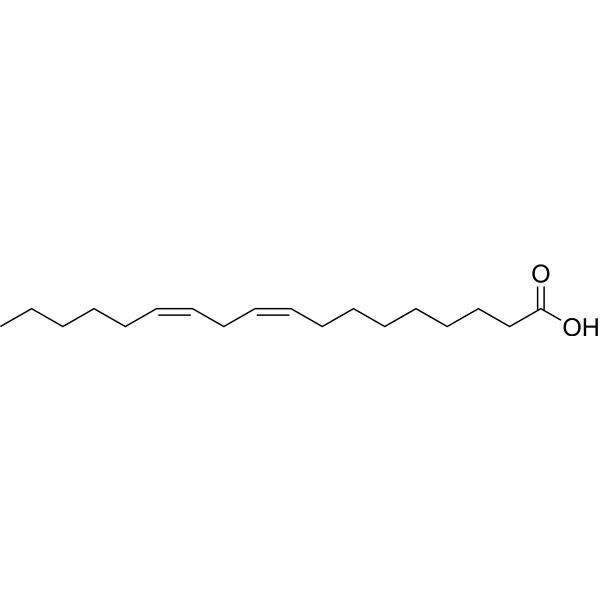
Linoleic acid
Maximum Cited Publications
24 Publications Verification
|
Environmental Pollutants
Endogenous Metabolite
|
Cardiovascular Disease
Metabolic Disease
Cancer
|
|
Linoleic acid is a common polyunsaturated (PUFA) found in plant-based oils, nuts and seeds. Linoleic acid is a part of membrane phospholipids, and functions as a structural component to maintain a certain level of membrane fluidity of the transdermal water barrier of the epidermis. Linoleic acid induces red blood cells and hemoglobin damage via oxidative mechanism .
|
-
-
- HY-N6810
-
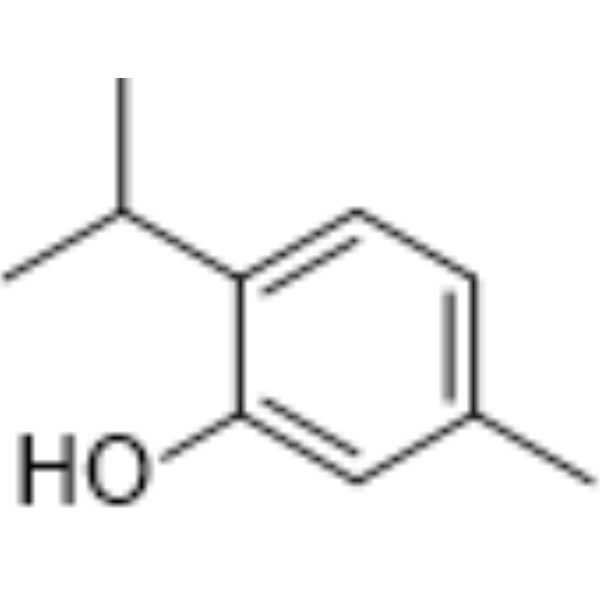
Thymol
4 Publications Verification
|
Environmental Pollutants
Apoptosis
Bacterial
Fungal
|
Infection
Inflammation/Immunology
Cancer
|
|
Thymol is a TRPA1 agonist. Thymol induces cancer cell apoptosis. Thymol is the main monoterpene phenol occurring in essential oils isolated from plants belonging to the Lamiaceae family, and other plants such as those belonging to the Verbenaceae, Scrophulariaceae, Ranunculaceae and Apiaceae families. Thymol has antioxidant, anti-inflammatory, antibacterial and antifungal effects .
|
-
-
- HY-W013242
-
|
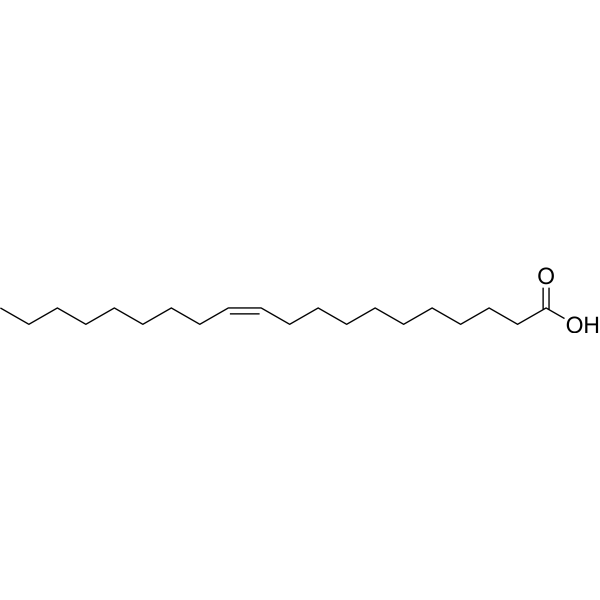
cis-11-Eicosenoic acid
|
Endogenous Metabolite
Reactive Oxygen Species (ROS)
PKC
ERK
STAT
|
Inflammation/Immunology
|
|
Gondoic acid (cis-11-Eicosenoic acid), a monounsaturated long-chain fatty acid, is contained in a variety of plant oils and nuts. Gondoic acid can exert anti-inflammatory activity by inhibiting the production of ROS and the PKCθ/ERK/STAT3 signaling pathway. Gondoic acid can be used as a raw material for medical supplies and a moisturizing ingredient in cosmetic creams .
|
-
-
- HY-N0729S2
-
|
|
Endogenous Metabolite
|
Cardiovascular Disease
Metabolic Disease
|
|
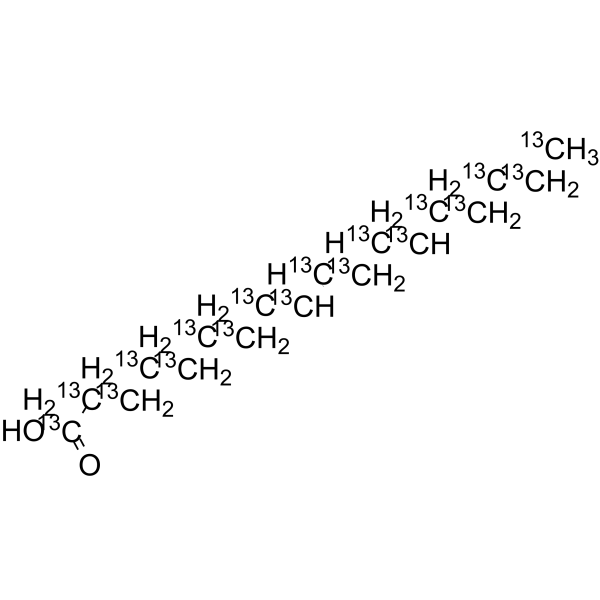
Linoleic acid- 13C18 is the 13C labeled Linoleic acid. Linoleic acid is a common polyunsaturated (PUFA) found in plant-based oils, nuts and seeds. Linoleic acid is a part of membrane phospholipids, and functions as a structural component to maintain a certain level of membrane fluidity of the transdermal water barrier of the epidermis. Linoleic acid induces red blood cells and hemoglobin damage via oxidative mechanism .
|
-
-
- HY-N1500
-
-
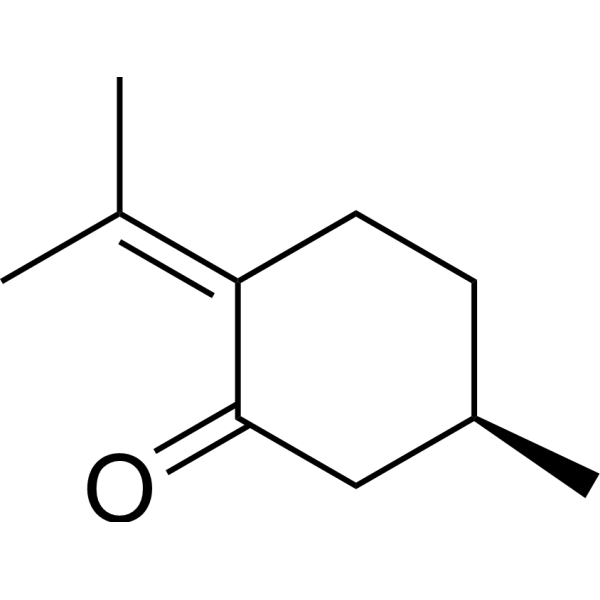
-
- HY-N6948
-
-
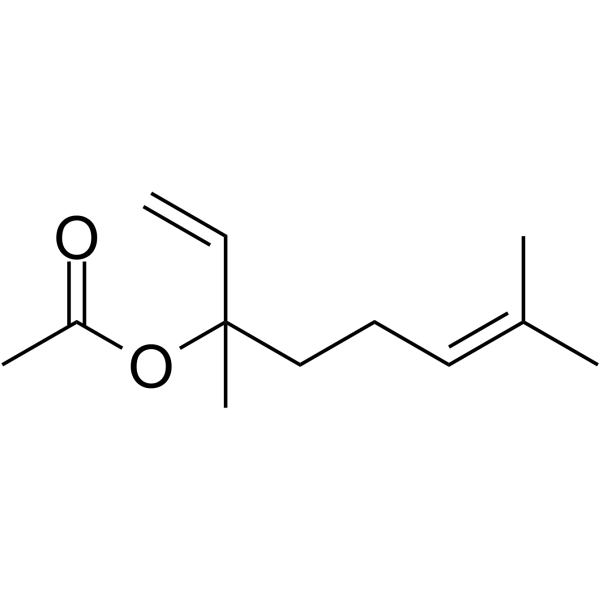
-
- HY-108964
-
-
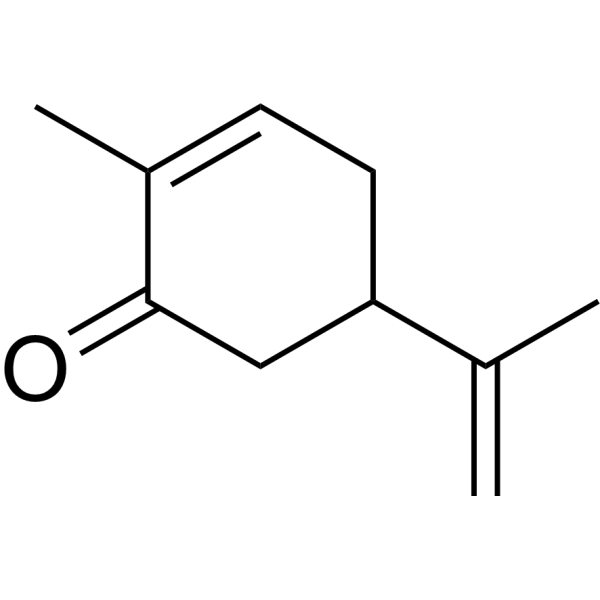
-
- HY-W020182
-
|
Terpilene
|
Environmental Pollutants
Fungal
Parasite
|
Infection
|
|
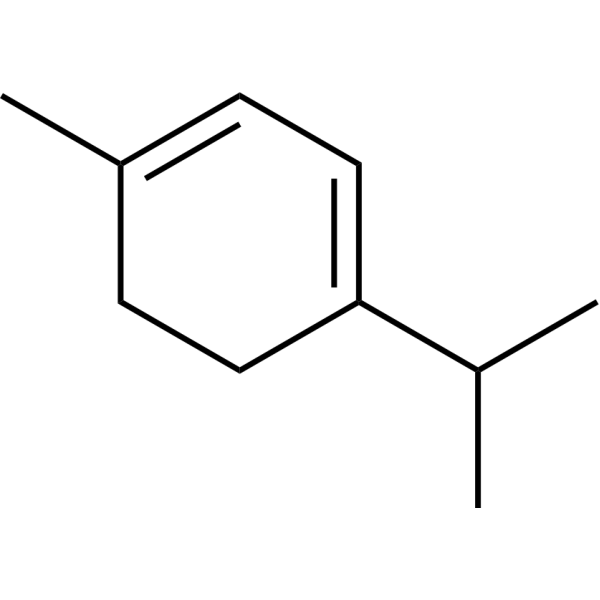
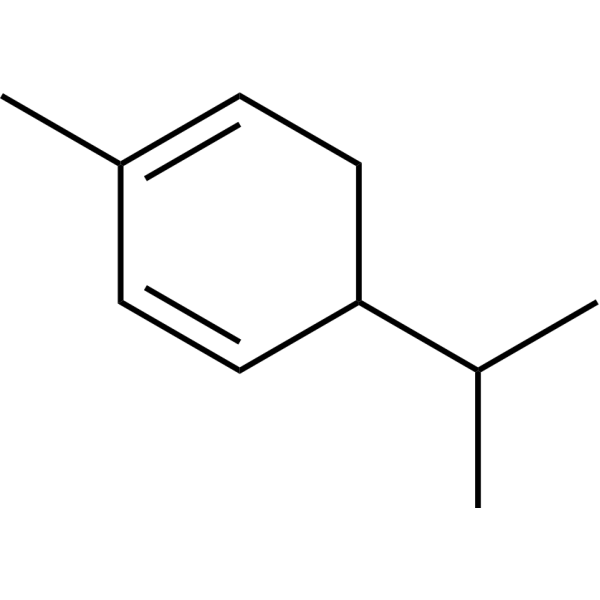
α-Terpinene (Terpilene) is a monoterpene found in the essential oils of a large variety of foods and aromatic plants such as Mentha piperita. α-Terpinene is active against Trypanosoma evansi and has the potential for trypanosomosis treatment. α-Terpinene has antioxidant and antifungal properties .
|
-
-
- HY-N7126
-
|
|
Environmental Pollutants
Potassium Channel
|
Neurological Disease
|
|
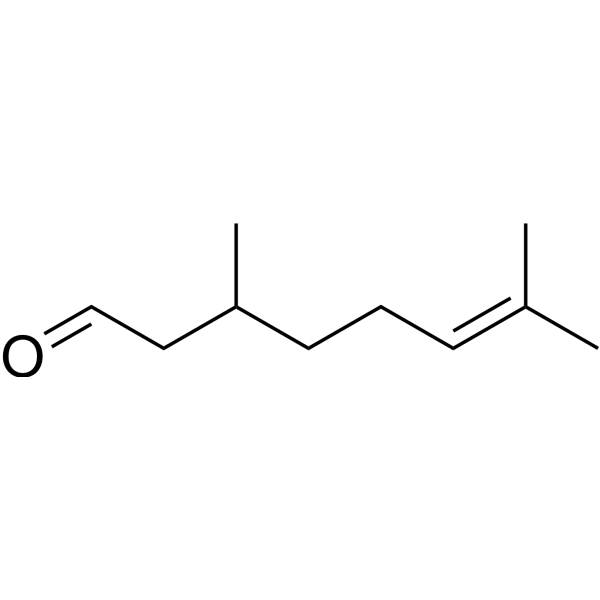
Citronellal is a monoterpene that can be found in the essential oils in various aromatic species of plants, with antiinflammatory and antinociceptive properties. Citronellal attenuates mechanical nociception, mediated in part by the NO-cGMP-ATP-sensitive K+ channel pathway. Citronellal induces reduction of spontaneuous activity, ataxia, analgesia, and sedation in vivo. Citronellal can attenuate mechanical nociception response in mouse model .
|
-
-
- HY-122485
-
|
|
Bacterial
|
Infection
|
|
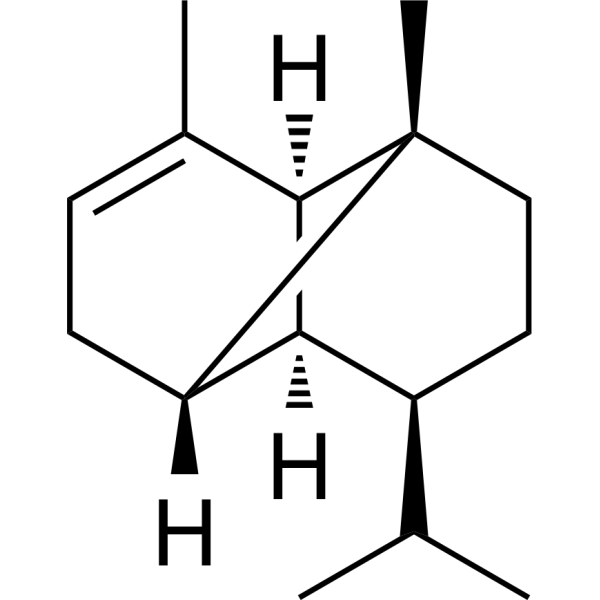
α-Copaene is a potent attractant for male Mediterranean fruit flies Ceratitis capitata.α-Copaene can be found as a minor component in the essential oils of various plant species. α-Copaene can inhibit bacterial growth with a minimum inhibitory concentration of 0.5-1 μL/mL. α-Copaene suppresses biofilm formation by decreasing the hydrophobicity of the cell surface. α-Copaene can be used as an oviposition promoter of Bactrocera oleae .
|
-
-
- HY-111664
-
|
(+)-Citronellal
|
Bacterial
Fungal
Insecticide
Taste Receptor
Opioid Receptor
|
Infection
Neurological Disease
Inflammation/Immunology
|
|
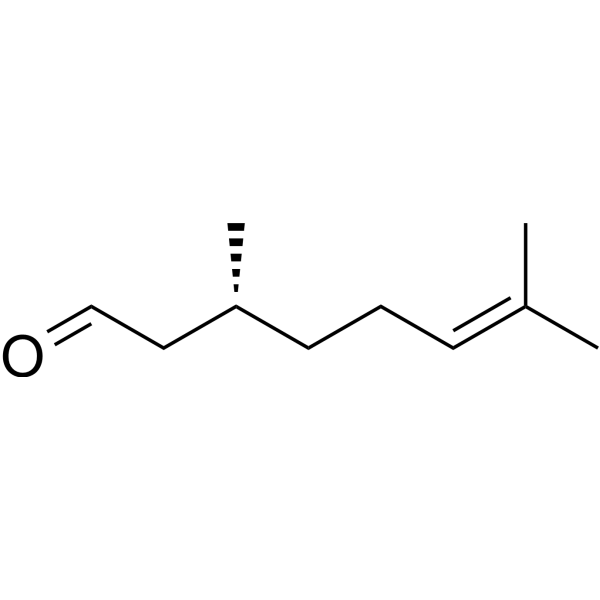
(R)-(+)-Citronellal ((+)-Citronellal) is a monoterpenoid compound and is one of the main components of essential oils from plants such as lemon grass. (R)-(+)-Citronellal has antibacterial, antifungal, and insecticidal activities. (R)-(+)-Citronellal alleviates the bitterness of caffeine by antagonizing the bitter taste receptors Tas2r43 (IC50 = 84 μM) and Tas2R46. (R)-(+)-Citronellal generates analgesic activity by activating the opioid receptor (broad-spectrum opioid receptor) pathway, and its effect is particularly significant for inflammatory pain .
|
-
-
- HY-N2004
-
|
(±)-Isoborneol
|
Environmental Pollutants
HSV
|
Infection
Neurological Disease
|
|
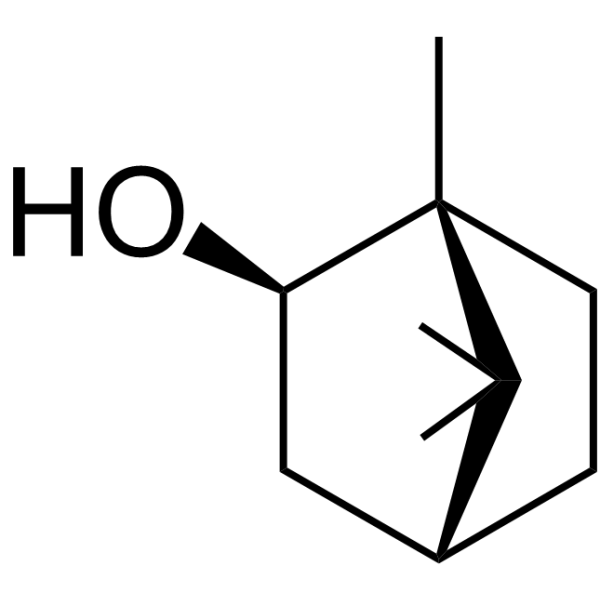
Isoborneol ((±)-Isoborneol) is a monoterpenoid alcohol present in the essential oils of numerous medicinal plants and has antioxidant and antiviral properties. Isoborneol is a potent inhibitor of herpes simplex virus type 1 (HSV-1) .
|
-
-
- HY-121615
-
|
alpha-Phellandrene
|
Environmental Pollutants
Insecticide
NO Synthase
Apoptosis
Autophagy
|
Infection
Neurological Disease
Inflammation/Immunology
Cancer
|
|
α-Phellandrene (alpha-Phellandrene) is an orally active monoterpenoid and insecticide. α-Phellandrene can be isolated from plant essential oils. α-Phellandrene induces Apoptosis and Autophagy. α-Phellandrene promotes cAMP signaling pathway and increases NO production. α-Phellandrene has anti-inflammatory and anticancer (sarcoma) activities. α-Phellandrene shows insecticidal activity against Lucilia cuprina L3. α-Phellandrene reduces mechanical hyperalgesia .
|
-
-
- HY-W049970
-
|
|
Environmental Pollutants
Bacterial
|
Infection
|
|
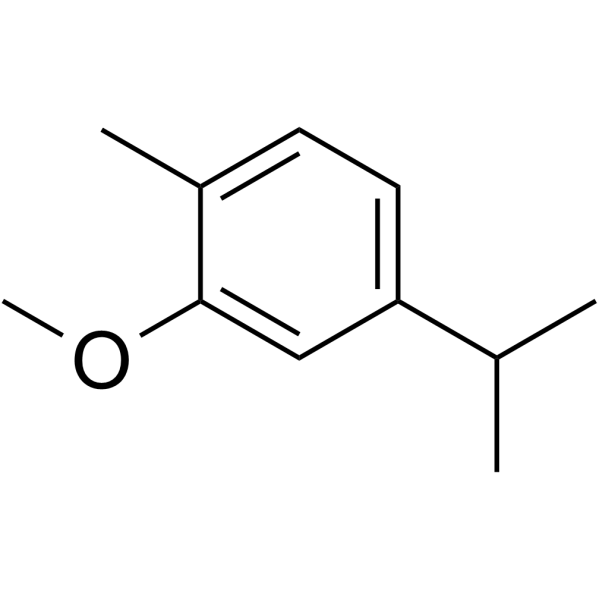
Carvacrol methyl ether is a carvacrol derivative isolated from plant essential oils. Carvacrol methyl ether essentially lost its antibacterial activity, exhibiting only a weak inhibitory effect on Saccharomyces cerevisiae at the highest tested concentration of 3 g/L .
|
-
-
- HY-N1096
-
|
|
Environmental Pollutants
Bacterial
Parasite
|
Infection
|
|
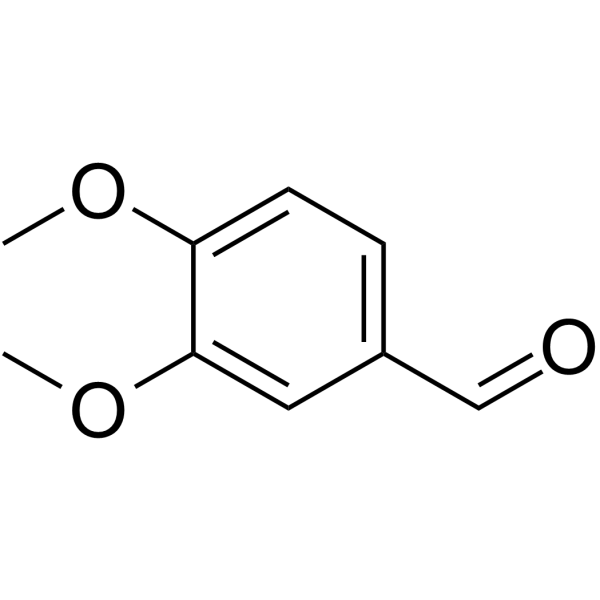
Veratraldehyde is an orally active aromatic compound and antibacterial agent. Veratraldehyde can be isolated from essential oils of plants such as peppermint and ginger. Veratraldehyde targets the PilY1 protein. Veratraldehyde has antibacterial activity against Pseudomonas aeruginosa. Veratraldehyde has a repellent effect against mosquitoes and ticks. Veratraldehyde can be used as a flavoring agent .
|
-
-
- HY-N6810R
-
|
|
Reference Standards
Bacterial
Fungal
Apoptosis
|
Infection
Inflammation/Immunology
Cancer
|
|
Thymol (Standard) is the analytical standard of Thymol. This product is intended for research and analytical applications. Thymol is a TRPA1 agonist. Thymol induces cancer cell apoptosis. Thymol is the main monoterpene phenol occurring in essential oils isolated from plants belonging to the Lamiaceae family, and other plants such as those belonging to the Verbenaceae, Scrophulariaceae, Ranunculaceae and Apiaceae families. Thymol has antioxidant, anti-inflammatory, antibacterial and antifungal effects .
|
-

-
- HY-N0729S
-
|
|
Isotope-Labeled Compounds
Endogenous Metabolite
|
Cardiovascular Disease
Metabolic Disease
|
|
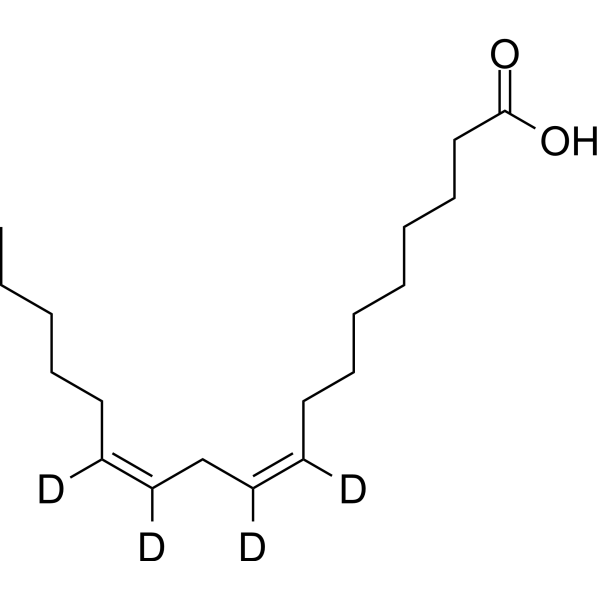
Linoleic Acid-d4 is the deuterium labeled Linoleic acid. Linoleic acid is a common polyunsaturated (PUFA) found in plant-based oils, nuts and seeds. Linoleic acid is a part of membrane phospholipids, and functions as a structural component to maintain a certain level of membrane fluidity of the transdermal water barrier of the epidermis. Linoleic acid induces red blood cells and hemoglobin damage via oxidative mechanism .
|
-
-
- HY-N0729R
-
|
|
Reference Standards
Endogenous Metabolite
|
Cardiovascular Disease
Metabolic Disease
Cancer
|
|
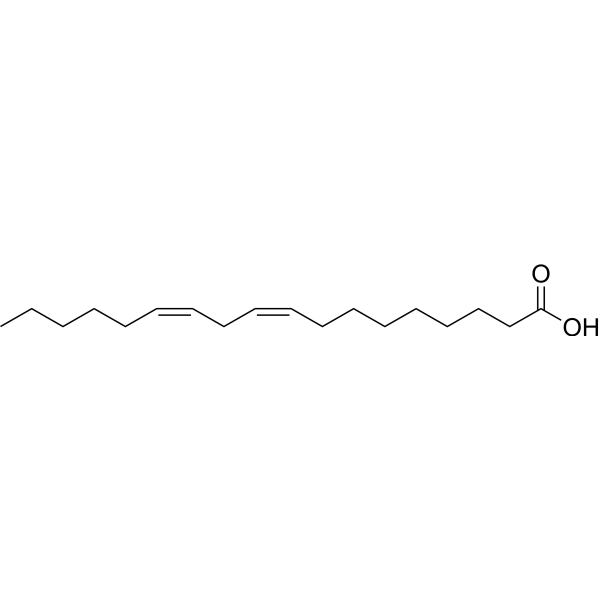
Linoleic acid (Standard) is the analytical standard of Linoleic acid (HY-N0729). This product is intended for research and analytical applications. Linoleic acid is a common polyunsaturated (PUFA) found in plant-based oils, nuts and seeds. Linoleic acid is a part of membrane phospholipids, and functions as a structural component to maintain a certain level of membrane fluidity of the transdermal water barrier of the epidermis. Linoleic acid induces red blood cells and hemoglobin damage via oxidative mechanism .
|
-
-
- HY-N9502
-
|
|
Endogenous Metabolite
|
Neurological Disease
|
|
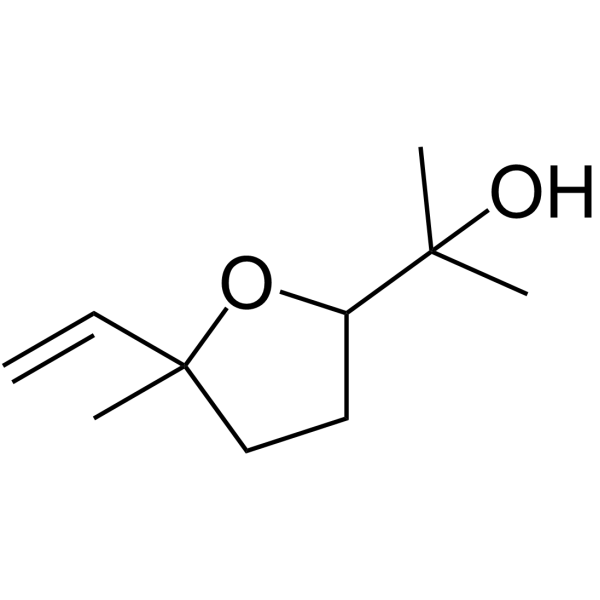
Linalool oxide is a monoterpene and found in aromatic plant essential oils and is a secondary metabolite in elongating wheat plants. Linalool oxide has antinociceptive, anticonvulsant, and anxiolytic activity. Linalool oxide can be used for the research of pain, epilepsy, anxiety disorders .
|
-
-
- HY-W004260S1
-
|
Icosanoic acid-d39
|
Isotope-Labeled Compounds
Endogenous Metabolite
|
Others
|
|
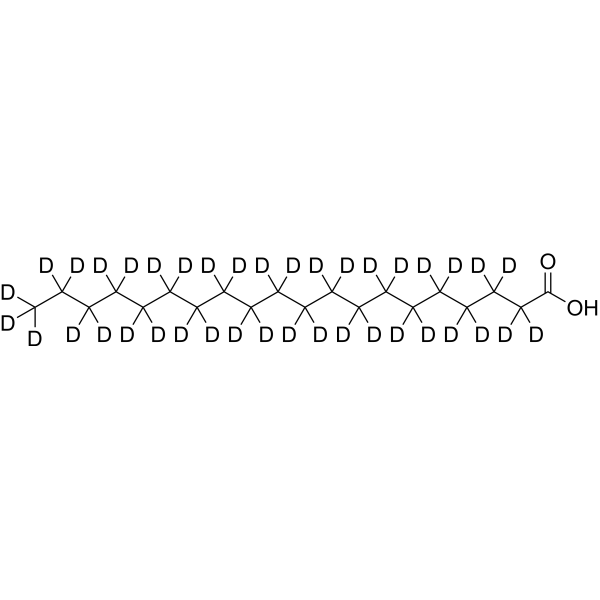
Arachidic acid-d39 is the deuterium labeled Arachidic acid (HY-W004260). Arachidic acid (Eicosanoic acid) is a long-chain saturated fatty acid. Arachidic acid can be found in the human organism from the plasma phospholipid, fish, cannabis and other plant oils. Arachidic acid conjugated with Chitosan oligosaccharide (HY-112108) can be used for anti-cancer drug delivery research .
|
-
-
- HY-113146
-
|
Oct-2-enal
|
Biochemical Assay Reagents
|
Others
|
|
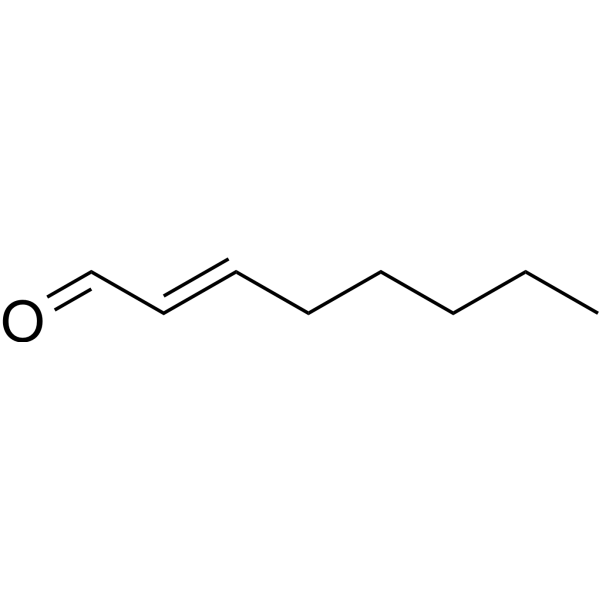
2-Octenal is an unsaturated aldehyde commonly found in essential oils of various plants, especially citrus fruits. 2-Octenal has unique chemical properties that make it an important ingredient in many applications where a strong, sweet and fruity aroma is desired. It is commonly used as a flavoring agent in food and beverages, and as a fragrance in perfumes, soaps, and cosmetics.
|
-
-
- HY-N0729S4
-
|
|
Isotope-Labeled Compounds
|
Cardiovascular Disease
Metabolic Disease
|
|
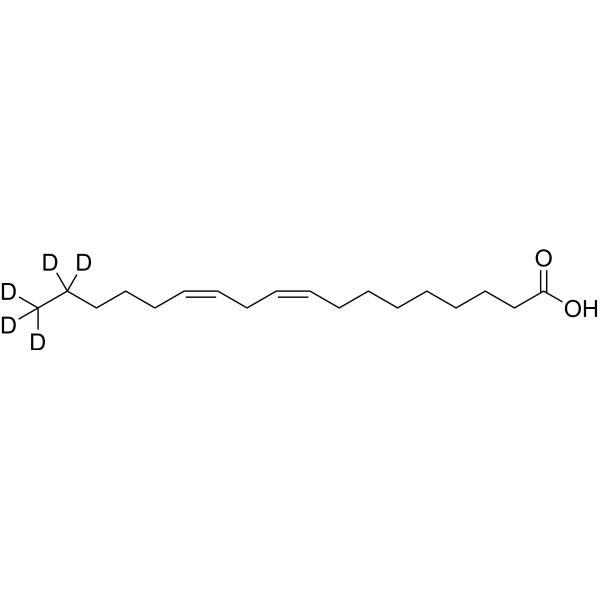
Linoleic Acid-d5 is the deuterium labeled Linoleic acid. Linoleic acid is a common polyunsaturated (PUFA) found in plant-based oils, nuts and seeds. Linoleic acid is a part of membrane phospholipids, and functions as a structural component to maintain a certain level of membrane fluidity of the transdermal water barrier of the epidermis. Linoleic acid induces red blood cells and hemoglobin damage via oxidative mechanism .
|
-
-
- HY-W004260R
-
|
Eicosanoic acid (Standard)
|
Reference Standards
Endogenous Metabolite
|
Others
|
|
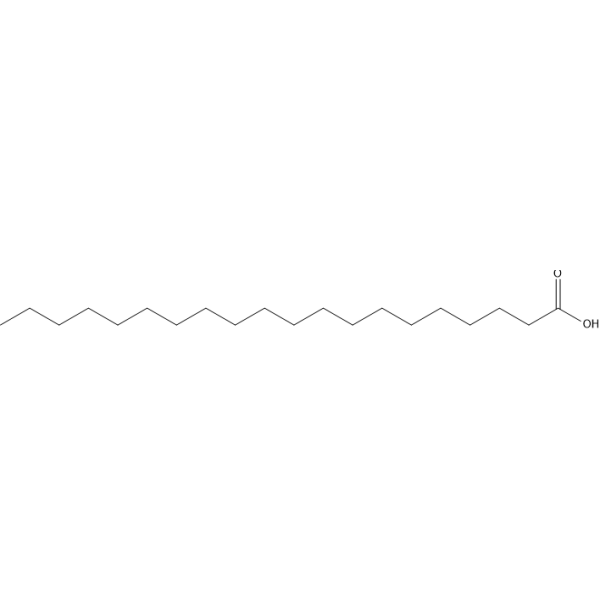
Arachidic acid (Standard) is the analytical standard of Arachidic acid (HY-W004260). This product is intended for research and analytical applications. Arachidic acid (Eicosanoic acid) is a long-chain saturated fatty acid. Arachidic acid can be found in the human organism from the plasma phospholipid, fish, cannabis and other plant oils. Arachidic acid conjugated with Chitosan oligosaccharide (HY-112108) can be used for anti-cancer drug delivery research .
|
-
-
- HY-N11537
-
|
|
Others
|
Others
|
|
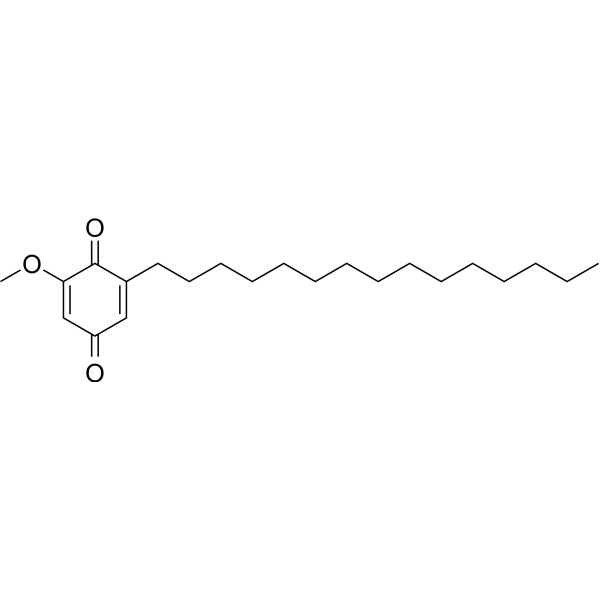
2-Methoxy-6-pentadecyl-1,4-benzoquinone (1c) is a pentadecyl derivative that can be isolated from seed oils of different iris plants such as I. pseudacorus, I. missouriensis and I. sibirica .
|
-
-
- HY-W1121939
-
|
|
Opioid Receptor
|
Neurological Disease
Inflammation/Immunology
|
|
Perillyl acetate is a monoterpene found in in essential oils of plants and is synthesized from perillyl alcohol (HY-N7000). Perillyl acetate can activate the μ-opioid receptor and exert potent analgesic activity. Perillyl acetate can be used for the research of inflammation and neurological disease such as arthritis .
|
-

-
- HY-W588249
-
|
|
Bacterial
Endogenous Metabolite
|
Infection
|
|
Sabinene hydrate is a volatile organic compound of a bicyclic monoterpene alcohol. Sabinene hydrate, as a plant secondary metabolite, is naturally present in various plants and their essential oils. Sabinene hydrate exhibits broad-spectrum but varying-intensity antibacterial activity, with the greatest sensitivity to Gram-positive bacteria, especially Bacillus subtilis (MIC = 0.0312 mg/mL) and Staphylococcus aureus (MIC = 0.0625 mg/mL). Sabinene hydrate also shows certain sensitivity to Escherichia coli and Candida albicans, with MIC values of 0.125 mg/mL for both. Sabinene hydrate can be used in the research of the ecological functions of plant defense substances .
|
-

-
- HY-N0729S3
-
|
|
Endogenous Metabolite
|
Cardiovascular Disease
Metabolic Disease
|
|
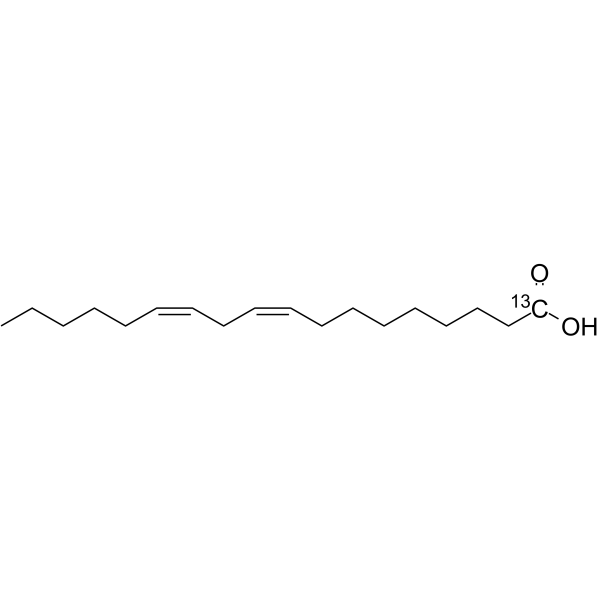
Linoleic acid- 13C1 is the 13C labeled Linoleic acid. Linoleic acid is a common polyunsaturated (PUFA) found in plant-based oils, nuts and seeds. Linoleic acid is a part of membrane phospholipids, and functions as a structural component to maintain a certain level of membrane fluidity of the transdermal water barrier of the epidermis. Linoleic acid induces red blood cells and hemoglobin damage via oxidative mechanism .
|
-
-
- HY-W004260S4
-
|
Icosanoic acid-d4
|
Isotope-Labeled Compounds
Endogenous Metabolite
|
Others
|
|
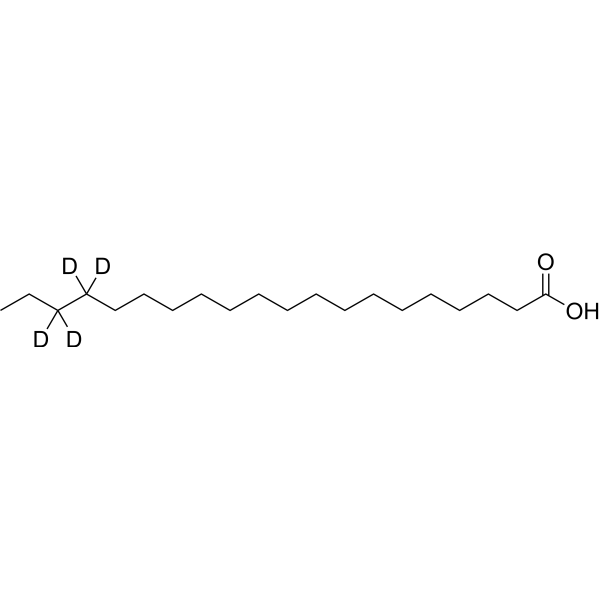
Arachidic acid-d4 is the deuterium labeled Arachidic acid (HY-W004260). Arachidic acid (Eicosanoic acid) is a long-chain saturated fatty acid. Arachidic acid can be found in the human organism from the plasma phospholipid, fish, cannabis and other plant oils. Arachidic acid conjugated with Chitosan oligosaccharide (HY-112108) can be used for anti-cancer drug delivery research .
|
-
-
- HY-134013
-
|
|
DNA/RNA Synthesis
Endothelin Receptor
|
Cardiovascular Disease
Cancer
|
|
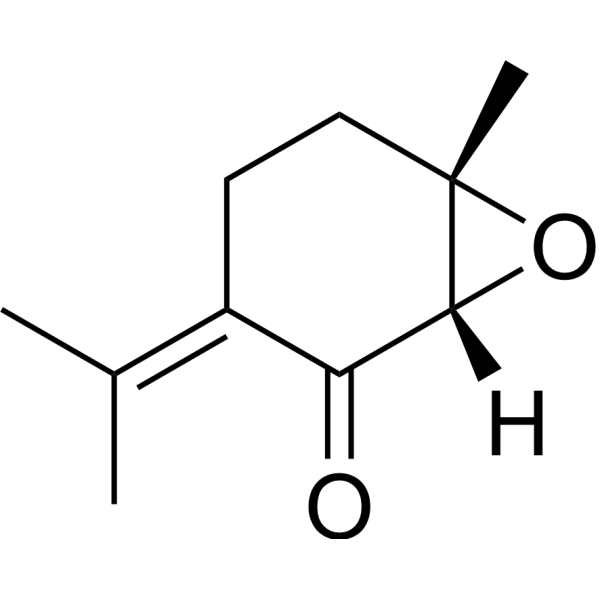
Piperitenone oxide is an orally active monoterpene ketone. Piperitenone oxide can be isolated from the essential oils of plants belonging to Mentha x villosa and Ziziphora clinopodioides. Piperitenone oxide induces differentiation. Piperitenone oxide induces chromosome breakage damage, aneuploidy damage and DNA single-strand breaks. Piperitenone oxide reduces ET-1 levels. Piperitenone oxide exerts antihypertensive effects. Piperitenone oxide can be used in studies related to colon cancer .
|
-
-
- HY-W751152
-
|
|
GABA Receptor
|
Cancer
|
|
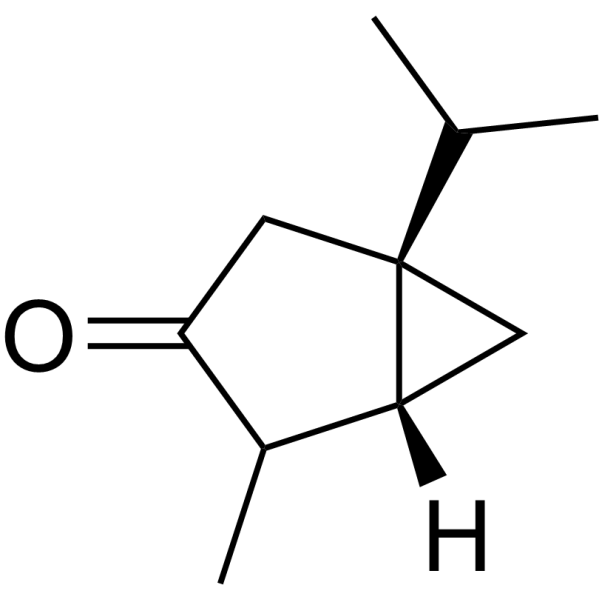
α,β-Thujone is a component of the essential oils of some plants. α,β-Thujone causes cancers in male rats and induces seizures in the highest doses .
|
-
-
- HY-N0729S5
-
|
Deulinoleic acid
|
Endogenous Metabolite
|
Metabolic Disease
|
|
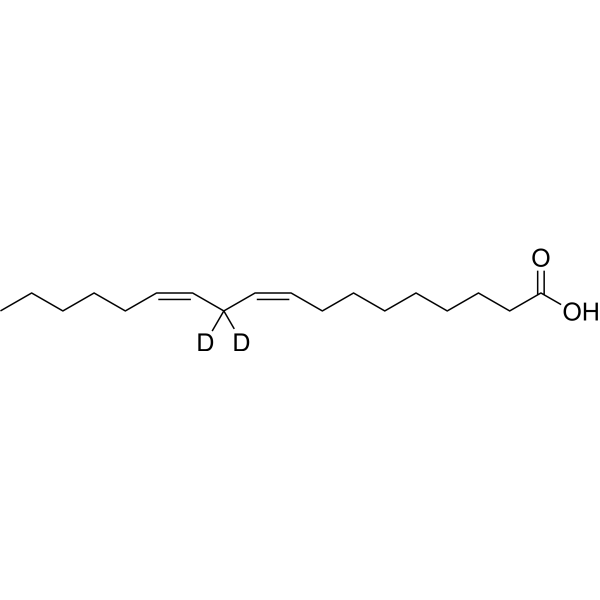
Linoleic Acid-d2 is the deuterium labeled Linoleic acid. Linoleic acid is a common polyunsaturated (PUFA) found in plant-based oils, nuts and seeds. Linoleic acid is a part of membrane phospholipids, and functions as a structural component to maintain a certain level of membrane fluidity of the transdermal water barrier of the epidermis. Linoleic acid induces red blood cells and hemoglobin damage via oxidative mechanism .
|
-
-
- HY-N0729S1
-
|
|
Isotope-Labeled Compounds
Endogenous Metabolite
|
Cardiovascular Disease
Metabolic Disease
|
|
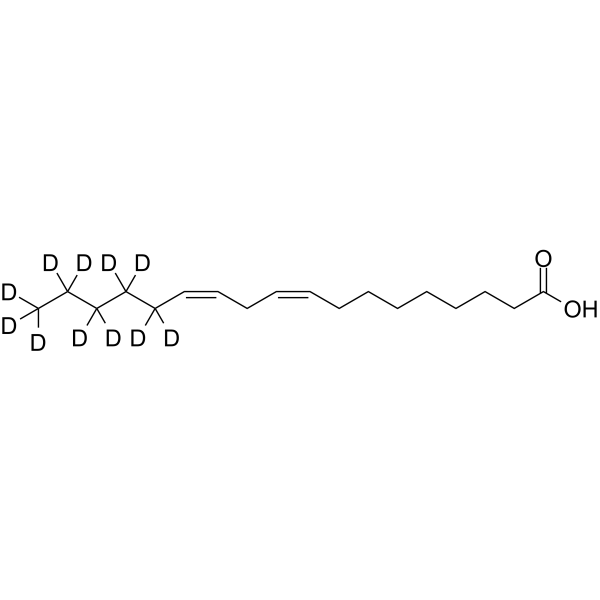
Linoleic acid-d11 is the deuterium labeled Linoleic acid. Linoleic acid is a common polyunsaturated (PUFA) found in plant-based oils, nuts and seeds. Linoleic acid is a part of membrane phospholipids, and functions as a structural component to maintain a certain level of membrane fluidity of the transdermal water barrier of the epidermis. Linoleic acid induces red blood cells and hemoglobin damage via oxidative mechanism .
|
-
-
- HY-W020182R
-
|
Terpilene (Standard)
|
Reference Standards
Fungal
Parasite
|
Infection
|
|
α-Terpinene (Standard) is the analytical standard of α-Terpinene. This product is intended for research and analytical applications. α-Terpinene (Terpilene) is a monoterpene found in the essential oils of a large variety of foods and aromatic plants such as Mentha piperita. α-Terpinene is active against Trypanosoma evansi and has the potential for trypanosomosis treatment. α-Terpinene has antioxidant and antifungal properties .
|
-

-
- HY-N1096S1
-
|
|
Isotope-Labeled Compounds
Bacterial
Parasite
|
Infection
|
|
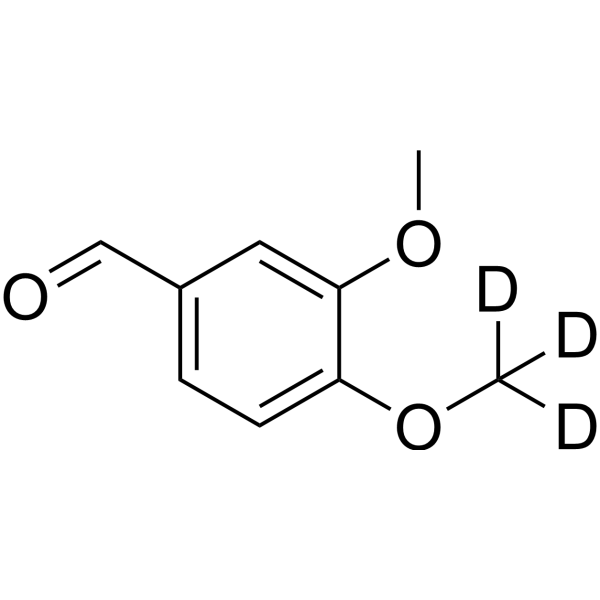
Veratraldehyde-d3 is the deuterium labeled Veratraldehyde (HY-N1096). Veratraldehyde is an orally active aromatic compound and antibacterial agent. Veratraldehyde can be isolated from essential oils of plants such as peppermint and ginger. Veratraldehyde targets the PilY1 protein. Veratraldehyde has antibacterial activity against Pseudomonas aeruginosa. Veratraldehyde has a repellent effect against mosquitoes and ticks. Veratraldehyde can be used as a flavoring agent .
|
-
-
- HY-131306B
-
|
Gaidic acid
|
Biochemical Assay Reagents
|
Others
|
|
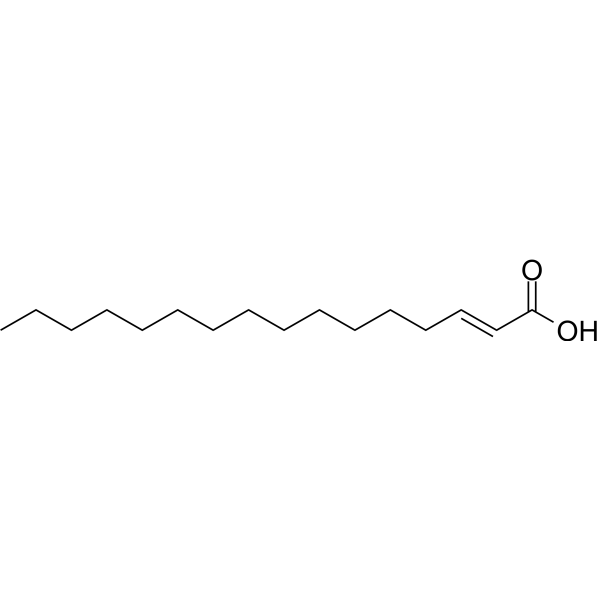
2-Hexadecenoic acid is a natural unsaturated fatty acid. It is ubiquitously present in various animal and plant tissues, especially adipose tissue and certain vegetable oils, such as macadamia nut oil. 2-Hexadecenoic acid has unique chemical properties that make it an important component of cell membranes and storage lipids, and participates in various metabolic processes such as lipid metabolism and inflammation. It's also been linked to potential health benefits, including improved insulin sensitivity and a lower risk of heart disease.
|
-
-
- HY-158749
-
|
1-Olein-2-laurin-3-palmitin; Tg(18:1/12:0/16:0)
|
Drug Derivative
|
Others
|
|
1-Oleoyl-2-lauroyl-3-palmitoyl-rac-glycerol (1-Olein-2-laurin-3-palmitin; Tg(18:1/12:0/16:0)) is a triacylglycerol that can be isolated from plant oils .
|
-

-
- HY-N6810S
-
|
|
Bacterial
|
Cancer
|
|
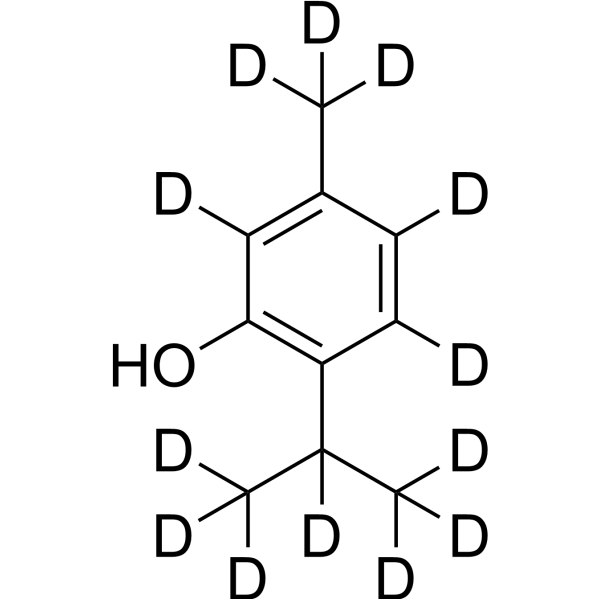
Thymol-d13 is the deuterium labeled Thymol . Thymol is the main monoterpene phenol occurring in essential oils isolated from plants belonging to the Lamiaceae family, and other plants such as those belonging to the Verbenaceae, Scrophulariaceae, Ranunculaceae and Apiaceae families. Thymol has antioxidant, anti-inflammatory, antibacterial and antifungal effects .
|
-
-
- HY-N9502R
-
|
|
Reference Standards
Endogenous Metabolite
|
Neurological Disease
|
|
Linalool oxide (Standard) is the analytical standard of Linalool oxide (HY-N9502). This product is intended for research and analytical applications. Linalool oxide is a monoterpene and found in aromatic plant essential oils and is a secondary metabolite in elongating wheat plants. Linalool oxide has antinociceptive, anticonvulsant, and anxiolytic activity. Linalool oxide can be used for the research of pain, epilepsy, anxiety disorders .
|
-

-
- HY-N6948R
-
-

-
- HY-N2004R
-
|
(±)-Isoborneol (Standard)
|
Reference Standards
HSV
|
Infection
Neurological Disease
|
|
Isoborneol (Standard) is the analytical standard of Isoborneol. This product is intended for research and analytical applications. Isoborneol ((±)-Isoborneol) is a monoterpenoid alcohol present in the essential oils of numerous medicinal plants and has antioxidant and antiviral properties. Isoborneol is a potent inhibitor of herpes simplex virus type 1 (HSV-1) .
|
-

-
- HY-W751152R
-
|
|
Others
Reference Standards
|
Cancer
|
|
α,β-Thujone (Standard) is the analytical standard of α,β-Thujone. This product is intended for research and analytical applications. α,β-Thujone is a component of the essential oils of some plants. α,β-Thujone causes cancers in male rats and induces seizures in the highest doses .
|
-

-
- HY-N6948S
-
-
-
- HY-108964R
-
|
|
Reference Standards
Bacterial
|
Infection
Neurological Disease
Inflammation/Immunology
|
|
Carvone (Standard) is the analytical standard of Carvone. This product is intended for research and analytical applications. Carvone is a ketone monoterpene found mostly in the essential oils from plants of the genus Mentha. Carvone is widely used in the pharmaceutical industry, cosmetics and agriculture. Carvone has such effects as antimicrobial, antioxidant, anti-inflammatory, antispasmodic, antinociceptive, anticonvulsant .
|
-

-
- HY-W004260S2
-
|
Icosanoic acid-d3
|
Isotope-Labeled Compounds
Endogenous Metabolite
|
Others
|
|
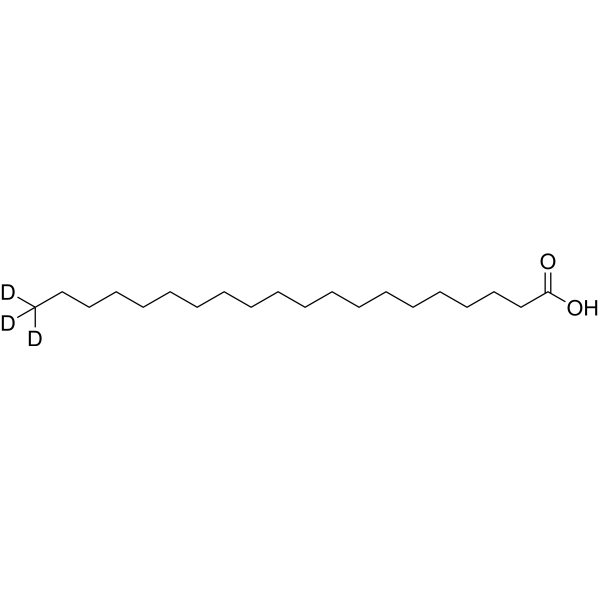
Arachidic acid-d3 is the deuterium labeled Arachidic acid (HY-W004260). Arachidic acid (Eicosanoic acid) is a long-chain saturated fatty acid. Arachidic acid can be found in the human organism from the plasma phospholipid, fish, cannabis and other plant oils. Arachidic acid conjugated with Chitosan oligosaccharide (HY-112108) can be used for anti-cancer drug delivery research .
|
-
-
- HY-W004260S
-
|
Icosanoic acid-d2
|
Isotope-Labeled Compounds
Endogenous Metabolite
|
Others
|
|
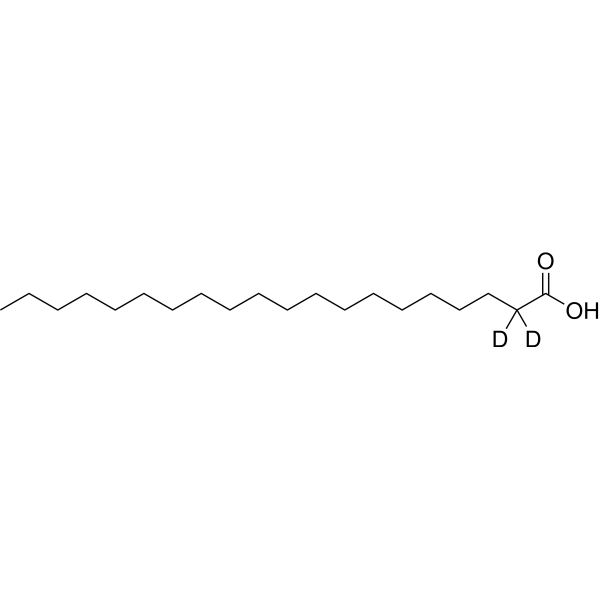
Arachidic acid-d2 is the deuterium labeled Arachidic acid (HY-W004260). Arachidic acid (Eicosanoic acid) is a long-chain saturated fatty acid. Arachidic acid can be found in the human organism from the plasma phospholipid, fish, cannabis and other plant oils. Arachidic acid conjugated with Chitosan oligosaccharide (HY-112108) can be used for anti-cancer drug delivery research .
|
-
-
- HY-N1500S1
-
-
-
- HY-134658
-
|
|
Biochemical Assay Reagents
|
Others
|
|
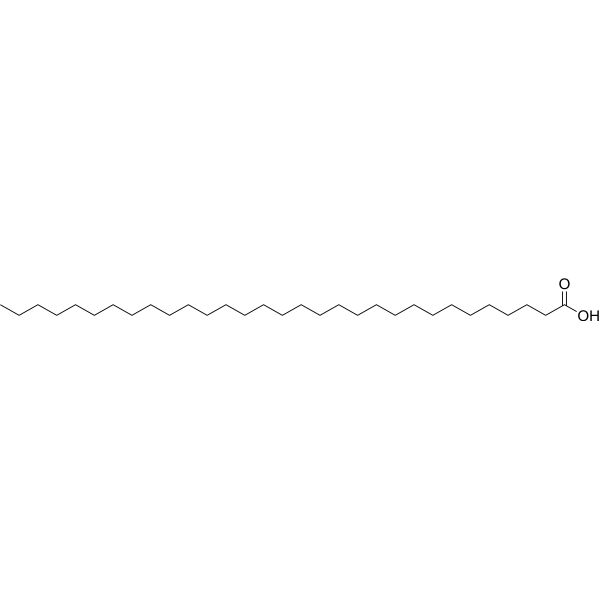
Hentriacontanoic acid is a long-chain saturated fatty acid commonly found in various plant and animal tissues, especially in certain waxes and oils, such as beeswax and lanolin. Hentriacontanoic acid has unique chemical properties that make it an important ingredient in many industrial products, including cosmetics, candles and lubricants. It also has potential physiological roles in regulating lipid metabolism and protecting against oxidative stress, although its biological function is not fully understood.
|
-
-
- HY-N1500R
-
-

-
- HY-W049970R
-
|
|
Reference Standards
Bacterial
|
Infection
|
|
Carvacrol methyl ether (Standard) is the analytical standard of Carvacrol methyl ether (HY-W049970). This product is intended for research and analytical applications. Carvacrol methyl ether is a carvacrol derivative isolated from plant essential oils. Carvacrol methyl ether essentially lost its antibacterial activity, exhibiting only a weak inhibitory effect on Saccharomyces cerevisiae at the highest tested concentration of 3 g/L .
|
-

-
- HY-N7126R
-
|
|
Reference Standards
Potassium Channel
|
Neurological Disease
|
|
Citronellal (Standard) is the analytical standard of Citronellal. This product is intended for research and analytical applications.Citronellal is a monoterpene that can be found in the essential oils in various aromatic species of plants, with antiinflammatory and antinociceptive properties. Citronellal attenuates mechanical nociception, mediated in part by the NO-cGMP-ATP-sensitive K+ channel pathway. Citronellal induces reduction of spontaneuous activity, ataxia, analgesia, and sedation in vivo. Citronellal can attenuate mechanical nociception response in mouse model .
|
-

- HY-W013242R
-
|
cis-11-Eicosenoic acid (Standard)
|
Reference Standards
Endogenous Metabolite
Reactive Oxygen Species (ROS)
PKC
ERK
STAT
|
Inflammation/Immunology
|
|
Gondoic acid (Standard) is an analytical standard for Gondoic acid. This product is used for research and analytical applications. Gondoic acid (cis-11-Eicosenoic acid), a monounsaturated long-chain fatty acid, is contained in a variety of plant oils and nuts. Gondoic acid can exert anti-inflammatory activity by inhibiting the production of ROS and the PKCθ/ERK/STAT3 signaling pathway. Gondoic acid can be used as a raw material for medical supplies and a moisturizing ingredient in cosmetic creams .
|
-

- HY-N5132R
-
|
|
Reference Standards
Others
|
Others
|
|
(-)-Fenchone (Standard) is the analytical standard of (-)-Fenchone. This product is intended for research and analytical applications. (-)-Fenchone, a bicyclic monoterpene, is widely distributed in plants and found in essential oils from Foeniculum vulgare. (-)-Fenchone is oxidized to 6-endo-hydroxyfenchone, 6-exo-hydroxyfenchone and 10-hydroxyfenchone derivatives by CYP2A6 and CYP2B6 in human liver microsomes with CYP2A6 playing a more important role than CYP2B6 .
|
-

- HY-W738270
-
|
3,4-Dimethoxy[7-13C]-benzaldehyde
|
Isotope-Labeled Compounds
Bacterial
Parasite
|
Infection
|
|
Veratraldehyde- 13C (3,4-Dimethoxy[7- 13C]-benzaldehyde) is the 13C-labeled Veratraldehyde (HY-N1096). Veratraldehyde is an orally active aromatic compound and antibacterial agent. Veratraldehyde can be isolated from essential oils of plants such as peppermint and ginger. Veratraldehyde targets the PilY1 protein. Veratraldehyde has antibacterial activity against Pseudomonas aeruginosa. Veratraldehyde has a repellent effect against mosquitoes and ticks. Veratraldehyde can be used as a flavoring agent .
|
-

- HY-N9836
-
|
|
Drug Derivative
|
Others
|
|
8,9-Dehydrothymol isobutyrate is a thymol (HY-N6810) derivative that can be naturally extracted from the essential oil of the trunk bark of Tetraclinis articulata (Vahl) Mast. This plant essential oil exhibits certain cytotoxicity and can be used as a research subject in the fields of natural product chemistry and the active components of plant essential oils .
|
-

- HY-N18824
-
|
|
Bacterial
|
Infection
Inflammation/Immunology
|
|
Licorice oils, derived from the roots and rhizomes of the licorice plant (Glycyrrhiza glabra), are rich in bioactive compounds like glycyrrhizin, flavonoids, and triterpenoid. Licorice oil has anti-inflammatory and antibacterial properties, which can effectively soothe irritated skin, reduce redness, control eczema, and fight acne.
|
-

- HY-135873
-
|
|
Bacterial
|
Infection
|
|
Germacrene B is a central intermediate in sesquiterpene biosynthesis. Germacrene B has been ascribed a warm, sweet, woody-spicy, geranium-like odour and is an important flavour constituent of lime peel oil. Germacrene B is also one of the main constituents of the essential oils from different plants that have antibacterial activity.
|
-

- HY-W004260S5
-
|
|
Endogenous Metabolite
|
Others
|
|
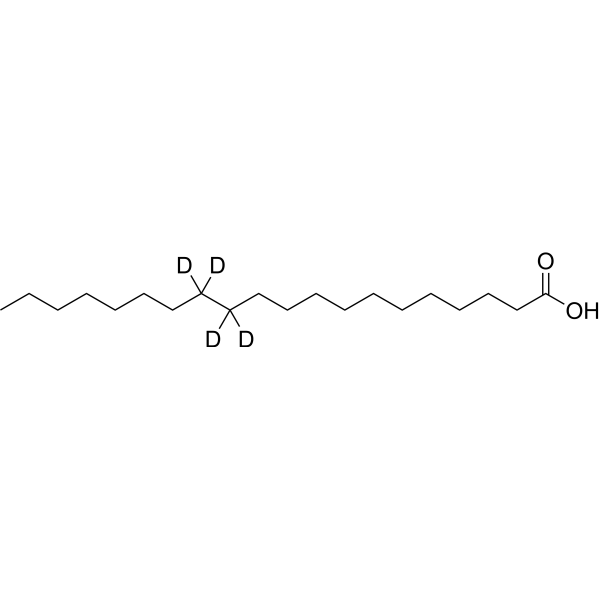
Arachidic acid-d4-1 is the deuterium labeled Arachidic acid (HY-W004260). Arachidic acid (Eicosanoic acid) is a long-chain saturated fatty acid. Arachidic acid can be found in the human organism from the plasma phospholipid, fish, cannabis and other plant oils. Arachidic acid conjugated with Chitosan oligosaccharide (HY-112108) can be used for anti-cancer drug delivery research .
|
-
- HY-165093
-
|
1-Arachidin-2-olein-3-palmitin; TG(20:0/18:1/16:0)
|
Others
|
Others
|
|
1-Arachidoyl-2-oleoyl-3-palmitoyl-rac-glycerol (1-Arachidin-2-olein-3-palmitin) is a triglyceride characterized by regioisomerism by silver ion HPLC/MS. The method can be applied to the analysis of complex samples of vegetable oils and animal fats, and the results show that plant and animal fats have different preferences for fatty acid occupancy at the sn-2 position.
|
-

| Cat. No. |
Product Name |
Type |
-
- HY-113146
-
|
Oct-2-enal
|
Biochemical Assay Reagents
|
|
2-Octenal is an unsaturated aldehyde commonly found in essential oils of various plants, especially citrus fruits. 2-Octenal has unique chemical properties that make it an important ingredient in many applications where a strong, sweet and fruity aroma is desired. It is commonly used as a flavoring agent in food and beverages, and as a fragrance in perfumes, soaps, and cosmetics.
|
-
- HY-131306B
-
|
Gaidic acid
|
Biochemical Assay Reagents
|
|
2-Hexadecenoic acid is a natural unsaturated fatty acid. It is ubiquitously present in various animal and plant tissues, especially adipose tissue and certain vegetable oils, such as macadamia nut oil. 2-Hexadecenoic acid has unique chemical properties that make it an important component of cell membranes and storage lipids, and participates in various metabolic processes such as lipid metabolism and inflammation. It's also been linked to potential health benefits, including improved insulin sensitivity and a lower risk of heart disease.
|
-
- HY-134658
-
|
|
Biochemical Assay Reagents
|
|
Hentriacontanoic acid is a long-chain saturated fatty acid commonly found in various plant and animal tissues, especially in certain waxes and oils, such as beeswax and lanolin. Hentriacontanoic acid has unique chemical properties that make it an important ingredient in many industrial products, including cosmetics, candles and lubricants. It also has potential physiological roles in regulating lipid metabolism and protecting against oxidative stress, although its biological function is not fully understood.
|
| Cat. No. |
Product Name |
Category |
Target |
Chemical Structure |
-
- HY-N0729
-
-
-
- HY-N6810
-
-
-
- HY-W013242
-
-
-
- HY-N1500
-
-
-
- HY-N6948
-
-
-
- HY-108964
-
-
-
- HY-W020182
-
-
-
- HY-N7126
-
-
-
- HY-122485
-
-
-
- HY-111664
-
-
-
- HY-N2004
-
-
-
- HY-121615
-
-
-
- HY-W049970
-
-
-
- HY-N1096
-
-
-
- HY-N6810R
-
-
-
- HY-N0729R
-
-
-
- HY-N9502
-
-
-
- HY-W004260R
-
-
-
- HY-W1121939
-
|
|
Citrus × aurantium Natsudaidai
Rutaceae
Plants
Source Classification
|
Opioid Receptor
|
|
Perillyl acetate is a monoterpene found in in essential oils of plants and is synthesized from perillyl alcohol (HY-N7000). Perillyl acetate can activate the μ-opioid receptor and exert potent analgesic activity. Perillyl acetate can be used for the research of inflammation and neurological disease such as arthritis .
|
-
-
- HY-W588249
-
|
|
Structural Classification
Other Monoterpenes
Juniperus communis L.
Cupressaceae
Terpenoids
Plants
Source Classification
|
Bacterial
Endogenous Metabolite
|
|
Sabinene hydrate is a volatile organic compound of a bicyclic monoterpene alcohol. Sabinene hydrate, as a plant secondary metabolite, is naturally present in various plants and their essential oils. Sabinene hydrate exhibits broad-spectrum but varying-intensity antibacterial activity, with the greatest sensitivity to Gram-positive bacteria, especially Bacillus subtilis (MIC = 0.0312 mg/mL) and Staphylococcus aureus (MIC = 0.0625 mg/mL). Sabinene hydrate also shows certain sensitivity to Escherichia coli and Candida albicans, with MIC values of 0.125 mg/mL for both. Sabinene hydrate can be used in the research of the ecological functions of plant defense substances .
|
-
-
- HY-W751152
-
-
-
- HY-W020182R
-
|
Terpilene (Standard)
|
Structural Classification
Natural Products
other families
Plants
Source Classification
|
Reference Standards
Fungal
Parasite
|
|
α-Terpinene (Standard) is the analytical standard of α-Terpinene. This product is intended for research and analytical applications. α-Terpinene (Terpilene) is a monoterpene found in the essential oils of a large variety of foods and aromatic plants such as Mentha piperita. α-Terpinene is active against Trypanosoma evansi and has the potential for trypanosomosis treatment. α-Terpinene has antioxidant and antifungal properties .
|
-
-
- HY-N9502R
-
-
-
- HY-N6948R
-
-
-
- HY-N2004R
-
-
-
- HY-W751152R
-
-
-
- HY-108964R
-
-
-
- HY-N1500R
-
-
-
- HY-W049970R
-
|
|
Structural Classification
Natural Products
other families
Plants
Source Classification
|
Reference Standards
Bacterial
|
|
Carvacrol methyl ether (Standard) is the analytical standard of Carvacrol methyl ether (HY-W049970). This product is intended for research and analytical applications. Carvacrol methyl ether is a carvacrol derivative isolated from plant essential oils. Carvacrol methyl ether essentially lost its antibacterial activity, exhibiting only a weak inhibitory effect on Saccharomyces cerevisiae at the highest tested concentration of 3 g/L .
|
-
-
- HY-N7126R
-
-
-
- HY-W013242R
-
-
-
- HY-N5132R
-
-
-
- HY-N9836
-
-
-
- HY-N18824
-
|
|
Structural Classification
Extract
|
Bacterial
|
|
Licorice oils, derived from the roots and rhizomes of the licorice plant (Glycyrrhiza glabra), are rich in bioactive compounds like glycyrrhizin, flavonoids, and triterpenoid. Licorice oil has anti-inflammatory and antibacterial properties, which can effectively soothe irritated skin, reduce redness, control eczema, and fight acne.
|
-
-
- HY-135873
-
-
| Cat. No. |
Product Name |
Chemical Structure |
-
- HY-N0729S2
-
|
|
|
Linoleic acid- 13C18 is the 13C labeled Linoleic acid. Linoleic acid is a common polyunsaturated (PUFA) found in plant-based oils, nuts and seeds. Linoleic acid is a part of membrane phospholipids, and functions as a structural component to maintain a certain level of membrane fluidity of the transdermal water barrier of the epidermis. Linoleic acid induces red blood cells and hemoglobin damage via oxidative mechanism .
|
-
-
- HY-N0729S
-
|
|
|
Linoleic Acid-d4 is the deuterium labeled Linoleic acid. Linoleic acid is a common polyunsaturated (PUFA) found in plant-based oils, nuts and seeds. Linoleic acid is a part of membrane phospholipids, and functions as a structural component to maintain a certain level of membrane fluidity of the transdermal water barrier of the epidermis. Linoleic acid induces red blood cells and hemoglobin damage via oxidative mechanism .
|
-
-
- HY-W004260S1
-
|
|
|
Arachidic acid-d39 is the deuterium labeled Arachidic acid (HY-W004260). Arachidic acid (Eicosanoic acid) is a long-chain saturated fatty acid. Arachidic acid can be found in the human organism from the plasma phospholipid, fish, cannabis and other plant oils. Arachidic acid conjugated with Chitosan oligosaccharide (HY-112108) can be used for anti-cancer drug delivery research .
|
-
-
- HY-N0729S4
-
|
|
|
Linoleic Acid-d5 is the deuterium labeled Linoleic acid. Linoleic acid is a common polyunsaturated (PUFA) found in plant-based oils, nuts and seeds. Linoleic acid is a part of membrane phospholipids, and functions as a structural component to maintain a certain level of membrane fluidity of the transdermal water barrier of the epidermis. Linoleic acid induces red blood cells and hemoglobin damage via oxidative mechanism .
|
-
-
- HY-N0729S3
-
|
|
|
Linoleic acid- 13C1 is the 13C labeled Linoleic acid. Linoleic acid is a common polyunsaturated (PUFA) found in plant-based oils, nuts and seeds. Linoleic acid is a part of membrane phospholipids, and functions as a structural component to maintain a certain level of membrane fluidity of the transdermal water barrier of the epidermis. Linoleic acid induces red blood cells and hemoglobin damage via oxidative mechanism .
|
-
-
- HY-W004260S4
-
|
|
|
Arachidic acid-d4 is the deuterium labeled Arachidic acid (HY-W004260). Arachidic acid (Eicosanoic acid) is a long-chain saturated fatty acid. Arachidic acid can be found in the human organism from the plasma phospholipid, fish, cannabis and other plant oils. Arachidic acid conjugated with Chitosan oligosaccharide (HY-112108) can be used for anti-cancer drug delivery research .
|
-
-
- HY-N0729S5
-
|
|
|
Linoleic Acid-d2 is the deuterium labeled Linoleic acid. Linoleic acid is a common polyunsaturated (PUFA) found in plant-based oils, nuts and seeds. Linoleic acid is a part of membrane phospholipids, and functions as a structural component to maintain a certain level of membrane fluidity of the transdermal water barrier of the epidermis. Linoleic acid induces red blood cells and hemoglobin damage via oxidative mechanism .
|
-
-
- HY-N0729S1
-
|
|
|
Linoleic acid-d11 is the deuterium labeled Linoleic acid. Linoleic acid is a common polyunsaturated (PUFA) found in plant-based oils, nuts and seeds. Linoleic acid is a part of membrane phospholipids, and functions as a structural component to maintain a certain level of membrane fluidity of the transdermal water barrier of the epidermis. Linoleic acid induces red blood cells and hemoglobin damage via oxidative mechanism .
|
-
-
- HY-N1096S1
-
|
|
|
Veratraldehyde-d3 is the deuterium labeled Veratraldehyde (HY-N1096). Veratraldehyde is an orally active aromatic compound and antibacterial agent. Veratraldehyde can be isolated from essential oils of plants such as peppermint and ginger. Veratraldehyde targets the PilY1 protein. Veratraldehyde has antibacterial activity against Pseudomonas aeruginosa. Veratraldehyde has a repellent effect against mosquitoes and ticks. Veratraldehyde can be used as a flavoring agent .
|
-
-
- HY-N6810S
-
|
|
|
Thymol-d13 is the deuterium labeled Thymol . Thymol is the main monoterpene phenol occurring in essential oils isolated from plants belonging to the Lamiaceae family, and other plants such as those belonging to the Verbenaceae, Scrophulariaceae, Ranunculaceae and Apiaceae families. Thymol has antioxidant, anti-inflammatory, antibacterial and antifungal effects .
|
-
-
- HY-N6948S
-
|
|
|
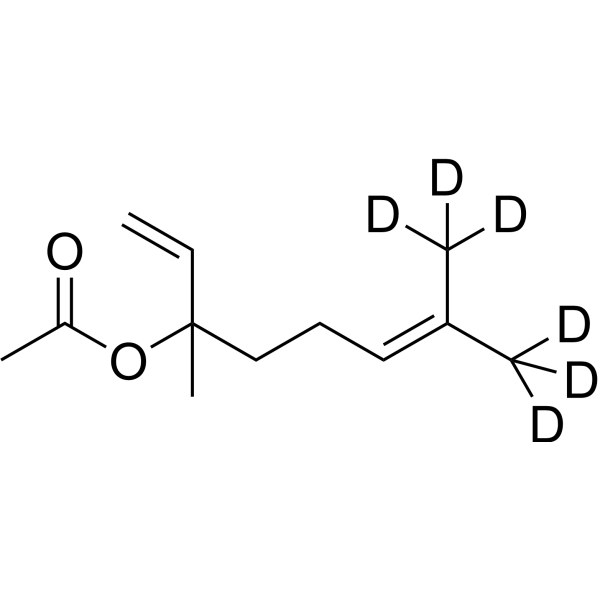
Linalyl acetate-d6 is deuterated labeled Linalyl acetate (HY-N6948). Linalyl acetate is the principal components of many plant essential oils. Linalyl acetate exhibits anti-anxiety, anti-inflammatory, anti-diabetic, anti-stress, and cardiovascular-regulatory effects. Linalyl acetate is orally active .
|
-
-
- HY-W004260S2
-
|
|
|
Arachidic acid-d3 is the deuterium labeled Arachidic acid (HY-W004260). Arachidic acid (Eicosanoic acid) is a long-chain saturated fatty acid. Arachidic acid can be found in the human organism from the plasma phospholipid, fish, cannabis and other plant oils. Arachidic acid conjugated with Chitosan oligosaccharide (HY-112108) can be used for anti-cancer drug delivery research .
|
-
-
- HY-W004260S
-
|
|
|
Arachidic acid-d2 is the deuterium labeled Arachidic acid (HY-W004260). Arachidic acid (Eicosanoic acid) is a long-chain saturated fatty acid. Arachidic acid can be found in the human organism from the plasma phospholipid, fish, cannabis and other plant oils. Arachidic acid conjugated with Chitosan oligosaccharide (HY-112108) can be used for anti-cancer drug delivery research .
|
-
-
- HY-N1500S1
-
|
|
|
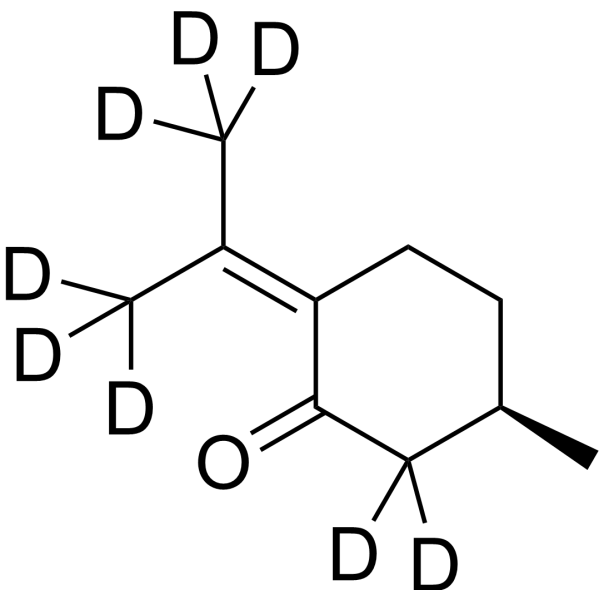
Pulegone-d8 is deuterated labeled Pulegone (HY-N1500). Pulegone is a monoterpene ketone compound widely present in the essential oils of many plants. Pulegone can also be used as a bird repellent. Pulegone has multiple activities such as anti-inflammatory, antibacterial, antifungal, and anti-hyperalgesic effects. Pulegone is particularly effective against bacteria of the Salmonella species .
|
-
-
- HY-W738270
-
|
|
|
Veratraldehyde- 13C (3,4-Dimethoxy[7- 13C]-benzaldehyde) is the 13C-labeled Veratraldehyde (HY-N1096). Veratraldehyde is an orally active aromatic compound and antibacterial agent. Veratraldehyde can be isolated from essential oils of plants such as peppermint and ginger. Veratraldehyde targets the PilY1 protein. Veratraldehyde has antibacterial activity against Pseudomonas aeruginosa. Veratraldehyde has a repellent effect against mosquitoes and ticks. Veratraldehyde can be used as a flavoring agent .
|
-
-
- HY-W004260S5
-
|
|
|
Arachidic acid-d4-1 is the deuterium labeled Arachidic acid (HY-W004260). Arachidic acid (Eicosanoic acid) is a long-chain saturated fatty acid. Arachidic acid can be found in the human organism from the plasma phospholipid, fish, cannabis and other plant oils. Arachidic acid conjugated with Chitosan oligosaccharide (HY-112108) can be used for anti-cancer drug delivery research .
|
-
| Cat. No. |
Product Name |
|
Classification |
-
- HY-N6810
-
Thymol
4 Publications Verification
|
|
Others
|
|
Thymol is a TRPA1 agonist. Thymol induces cancer cell apoptosis. Thymol is the main monoterpene phenol occurring in essential oils isolated from plants belonging to the Lamiaceae family, and other plants such as those belonging to the Verbenaceae, Scrophulariaceae, Ranunculaceae and Apiaceae families. Thymol has antioxidant, anti-inflammatory, antibacterial and antifungal effects .
|
Your information is safe with us. * Required Fields.
Inquiry Information
- Product Name:
- Cat. No.:
- Quantity:
- MCE Japan Authorized Agent:








