Search Result
Results for "
plasma-proteins
" in MedChemExpress (MCE) Product Catalog:
14
Biochemical Assay Reagents
3
Isotope-Labeled Compounds
| Cat. No. |
Product Name |
Target |
Research Areas |
Chemical Structure |
-
- HY-100432
-
LOC14
4 Publications Verification
|
PDI
|
Neurological Disease
Inflammation/Immunology
|
|
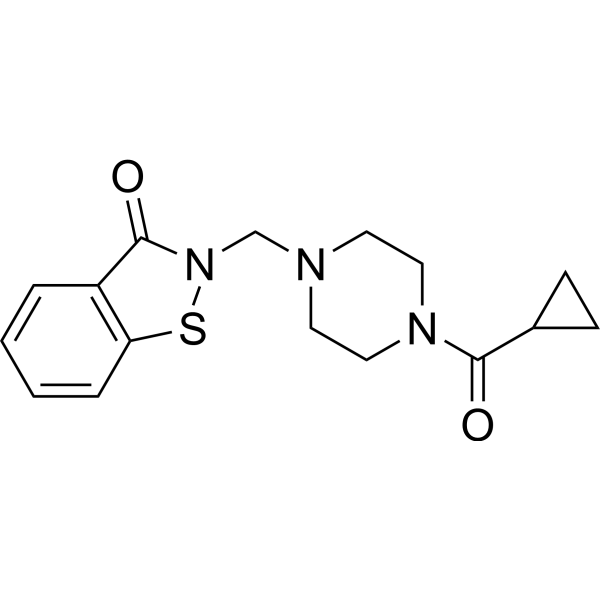
LOC14 is a potent Protein disulfide isomerase (PDI) inhibitor with EC50 and Kd values of 500 nM and 62 nM, respectively. LOC14 exhibits high stability in mouse liver microsomes and blood plasma, low intrinsic microsome clearance, and low plasma-protein binding .
LOC14 inhibits PDIA3 activity, decreases intramolecular disulfide bonds and subsequent oligomerization (maturation) of HA in lung epithelial cells .
|
-
-
- HY-NP002B
-
|
|
Biochemical Assay Reagents
|
Inflammation/Immunology
|
|
Rabbit Serum Albumin is a plasma protein derived from rabbits. Rabbit Serum Albumin can hydrolyze the carbamate pesticide carbaryl and induce fever in rabbits. Rabbit Serum Albumin can be used for biochemical and immunological research, including vaccine developing .
|
-

-
- HY-133668
-
|
|
Drug Metabolite
Cytochrome P450
PPAR
|
Endocrinology
Cancer
|
|
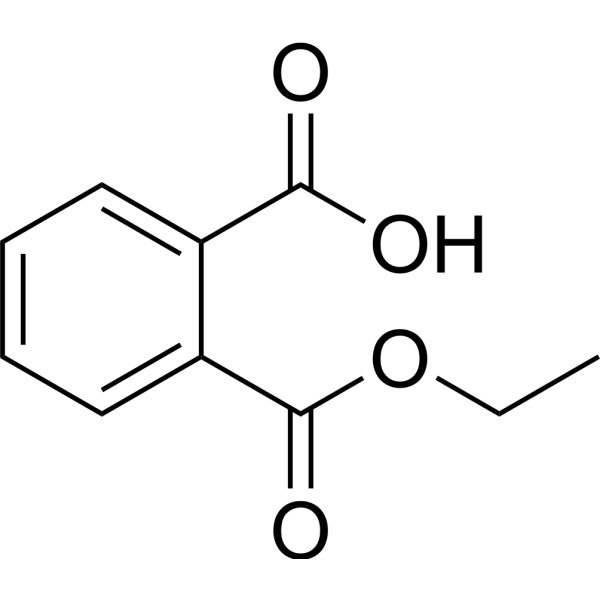
Monoethyl phthalate is an orally active PDX-1 activator and the major hydrolytic metabolite of Diethyl phthalate (HY-Y0284) in vivo, with reproductive toxicity. Monoethyl phthalate targets aromatase (aromatase/CYP19A1) and PPAR to induce cell proliferation. The plasma protein binding rate of Monoethyl phthalate in rats and humans is lower than that of Diethyl phthalate. It exhibits significant enterohepatic circulation in rats and mainly accumulates in liver tissues. Monoethyl phthalate shows no estrogenic activity in estrogen-dependent human breast cancer cells. Monoethyl phthalate can be used in studies of reproductive toxicity and related environmental endocrine disruption mechanisms .
|
-
-
- HY-150097
-
|
|
Biochemical Assay Reagents
|
Metabolic Disease
Inflammation/Immunology
Cancer
|
|
Recombinant Human Serum Albumin (rHSA) is a non-glycosylated monomeric plasma protein that acts as a core factor for maintaining plasma colloid osmotic pressure. Recombinant Human Serum Albumin (rHSA) possesses multiple physiological functions including carrier, metabolic regulation, detoxification, antioxidation and enzyme mimicking. Recombinant Human Serum Albumin (rHSA) not only scavenges reactive oxygen and nitrogen species via specific residues and binds a variety of endogenous and exogenous compounds to maintain redox homeostasis, but also serves as a biomarker for multiple diseases such as cancer and inflammation. Recombinant Human Serum Albumin (rHSA) broadly supports the development of implantable materials, surgical adhesives and ligand capture, and can be used for research on critical illnesses including hypovolemia, liver failure, severe sepsis and various types of trauma resuscitation .
|
-

-
- HY-126254
-
BI-4924
1 Publications Verification
|
Phosphoglycerate Dehydrogenase (PHGDH)
|
Cancer
|
|
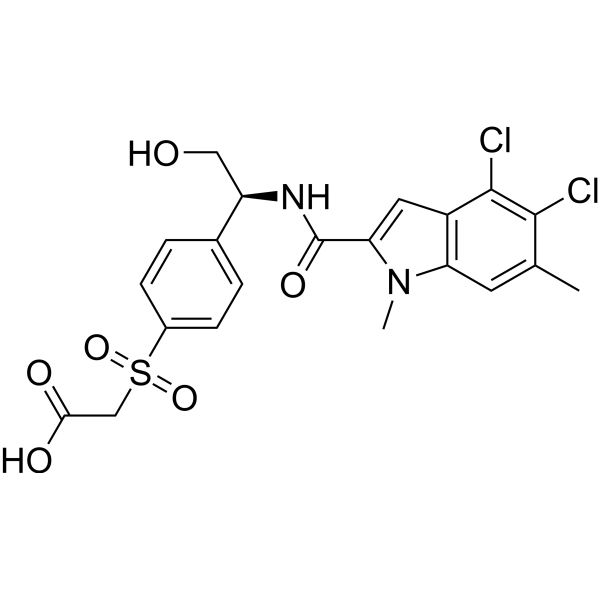
BI-4924 is a lipophilic, highly plasma protein bound selective phosphoglycerate dehydrogenase (PHGDH) inhibitor (IC50=3 nM) with excellent microsomal, as well as hepatocytic stability. Intracellular trapping of BI-4924 disrupts serine biosynthesis with an IC50 of 2200 nM at 72 h .
|
-
-
- HY-NP002J
-
|
|
Biochemical Assay Reagents
|
Others
|
|
Horse Serum Albumin is an abundant, multifunctional mammalian plasma protein and transport molecule. Horse Serum Albumin acts as an allergen, exhibits high cross-reactivity with serum albumins from other mammals, and contains epitope regions recognizable by antibodies. Horse Serum Albumin binds a variety of metabolites, drugs, nutrients, metals and other molecules .
|
-

-
- HY-NP002L
-
|
|
Biochemical Assay Reagents
|
Others
|
|
Canine Serum Albumin is a plasma protein derived from dogs. Canine Serum Albumin exhibits greater flexibility than human serum albumin and bovine serum albumin. Serum albumin is a multifunctional protein with exceptional ligand-binding capacity, which enables it to act as a transport molecule for various metabolites, drugs, nutrients, metals and other molecules .
|
-

-
- HY-122351A
-
|
|
Taste Receptor
|
Others
|
|
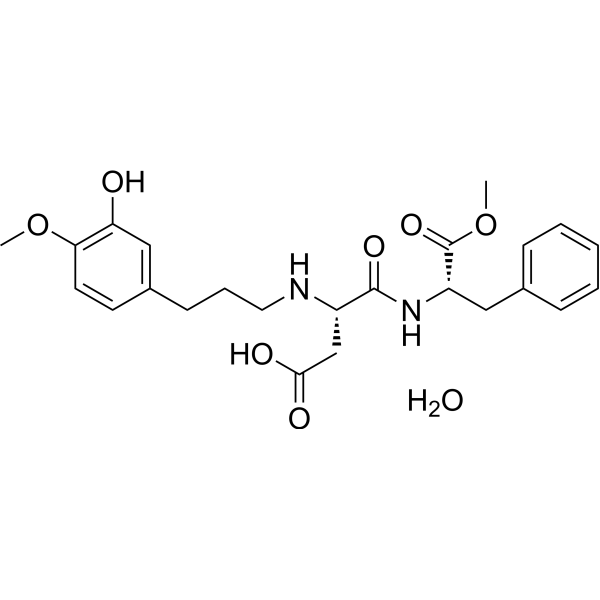
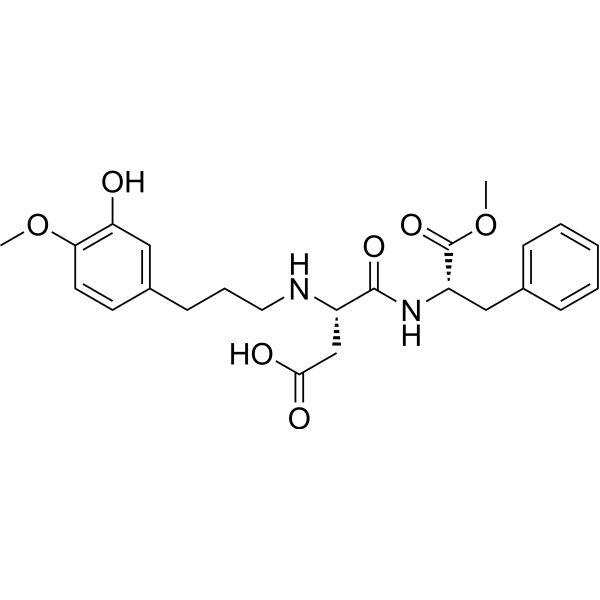
Advantame is an N-substituted derivative of aspartame. Advantame is a high-intensity, low calorie sweetener. Advantame can interact with plasma protein. Advantame has the potential to produce hypotension and inhibit hERG K + channel to produce carditoxicity. Advantame binds to T1R2/T1R3 taste GPCR to form an oligomeric functional selectivity of biased heteromers with NMBR to induce a significant sialidase activity in vitro. Advantame has maternal toxicity (gastrointestinal disturbances) in the prenatal developmental toxicity study in rabbits .
|
-
-
- HY-135331
-
|
|
Androgen Receptor
Cytochrome P450
|
Cancer
|
|
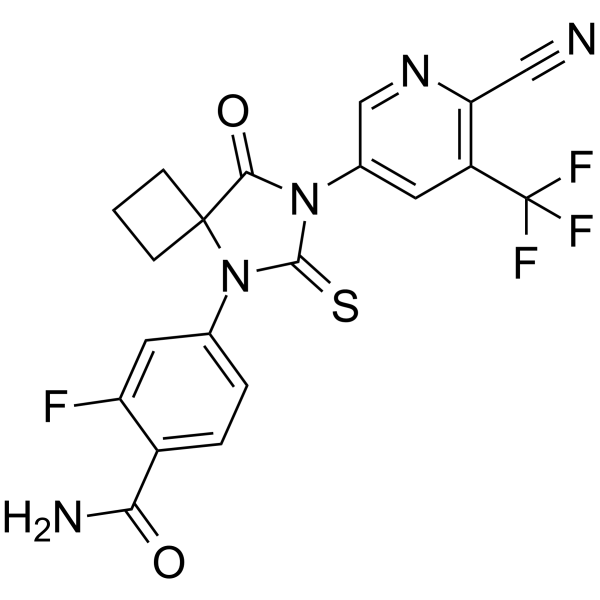
N-Desmethyl Apalutamide is an active metabolite of Apalutamide. N-Desmethyl Apalutamide is a less potent antagonist of the androgen receptor and is responsible for one-third of the activity of Apalutamide. The formation of N-Desmethyl Apalutamide mediated predominantly by CYP2C8 and CYP3A4. N-Desmethyl Apalutamide is moderate to strong CYP3A4 and CYP2B6 inducer and has an excellent plasma-proteins bound concentration .
|
-
-
- HY-131943
-
|
|
Methylenetetrahydrofolate Dehydrogenase (MTHFD)
|
Neurological Disease
Cancer
|
|
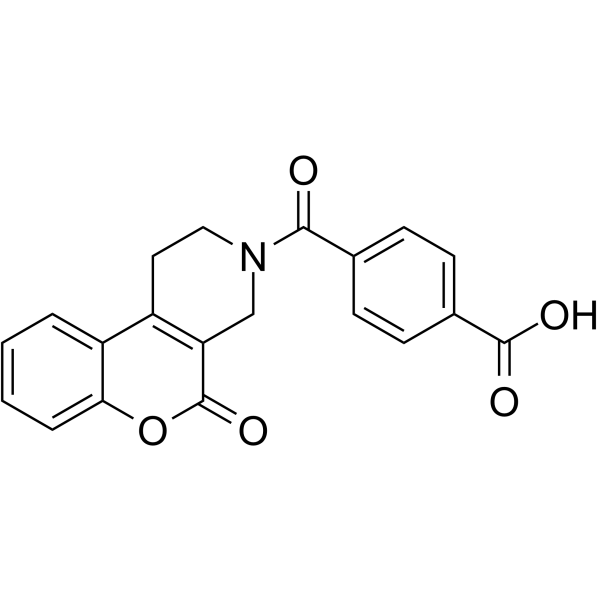
DS44960156 is a selective MTHFD2 inhibitor with moderate to low blood-brain barrier penetration (IC50=1.6 μM, Ki=1.23 μM). DS44960156 specifically binds to the active site of MTHFD2, disrupts redox homeostasis and blocks serine-mediated one-carbon metabolism, thereby increasing the NAD +/NADH ratio and ROS levels. DS44960156 not only effectively inhibits the proliferation of glioma cells, but also enhances the sensitivity of cells to glutamine starvation-induced death. DS44960156 binds to plasma proteins, shows no mutagenicity, carcinogenicity or acute oral toxicity, and serves as a research agent for glioblastoma multiforme and other cancers .
|
-
-
- HY-15163
-
|
TG02; SB1317
|
JAK
CDK
FLT3
|
Cancer
|
|
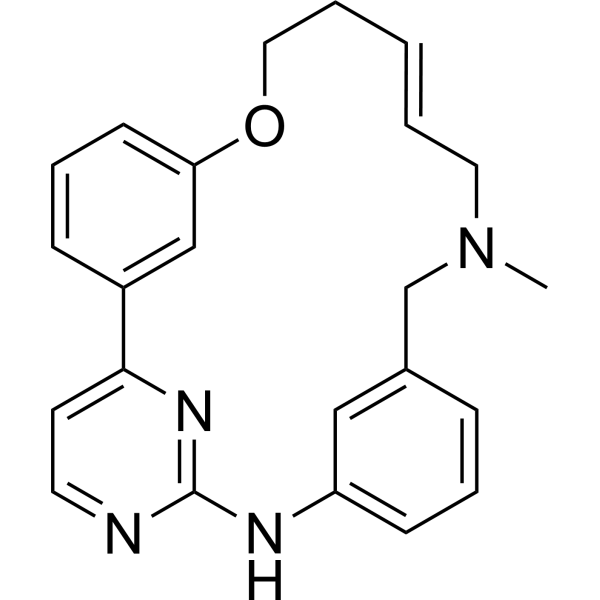
Zotiraciclib (TG02; SB1317) is an orally active JAK2/FLT3/CDK2 inhibitor with IC50 values of 13 nM, 73 nM and 56 nM , respectively. Zotiraciclib inhibits cancer cell proliferation, tumor growth and the activity of CYP2D6. Zotiraciclib exhibits high plasma protein binding rate, Caco-2 permeability and tissue distribution capacity, as well as metabolic stability in human and canine liver microsomes. Zotiraciclib achieves tumor growth inhibition in nude mouse models of colon cancer and lymphoma xenografts. Zotiraciclib can be used for research related to colon cancer, B-cell lymphoma, advanced leukemia, acute leukemia and multiple myeloma .
|
-
-
- HY-150229
-
|
|
Liposome
|
Cancer
|
|
306-N16B is a selective lung-targeted lipid nanoparticle that reversibly targets lung endothelial cells and specific immune cells through selective adsorption of a protein corona mediated by differences in tail structure (such as fibrinogen β/γ chain). 306-N16B binds to specific plasma proteins in the blood to form a protein corona, which guides the particles to be enriched in the lungs, releases mRNA and promotes target cell gene expression, exerts efficient lung cell transfection activity, and can precisely regulate gene delivery of different cell types in the lungs (such as endothelial cells and macrophages). 306-N16B can be used in gene therapy technologies for hereditary lung diseases including pulmonary lymphangioleiomyomatosis (LAM), restoring tumor suppressor function by delivering Tsc2 mRNA, and can also be used for lung-specific mRNA vaccines and gene editing therapies .
|
-

-
- HY-B0337A
-
|
Sulphadimethoxine sodium
|
Bacterial
Antibiotic
|
Infection
|
|
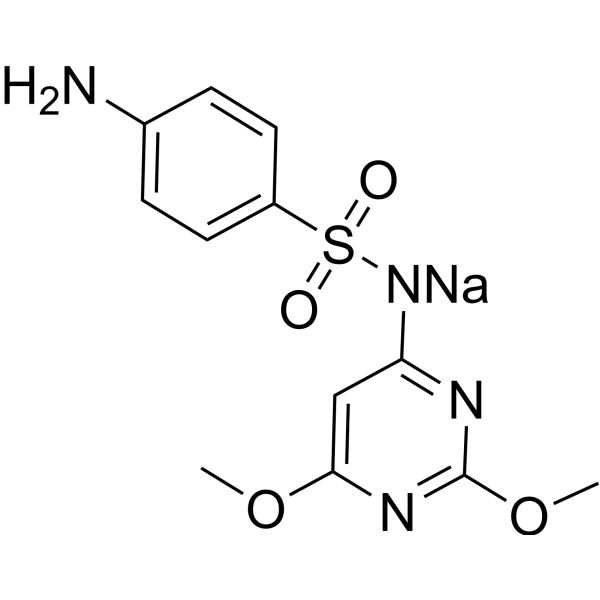
Sulfadimethoxine sodium (Sulphadimethoxine sodium) is a sulfonamide antibiotic. Sulfadimethoxine sodium causes a displacement of Thiopental in plasma protein binding in rats. Sulfadimethoxine sodium is used in a variety of infection studies including urinary tract infections .
|
-
-
- HY-NP002I
-
|
|
Biochemical Assay Reagents
|
Others
|
|
Sheep Serum Albumin is a plasma protein derived from sheep. Sheep serum albumin is a 583 amino acid residues long multidomain monomeric protein which is rich in cysteine and low in tryptophan content. Sheep Serum Albumin can be used as a potential biomarker of age-related decline .
|
-

-
- HY-P1823
-
|
|
Akt
mTOR
Caspase
|
Infection
Cardiovascular Disease
Metabolic Disease
Inflammation/Immunology
Cancer
|
|
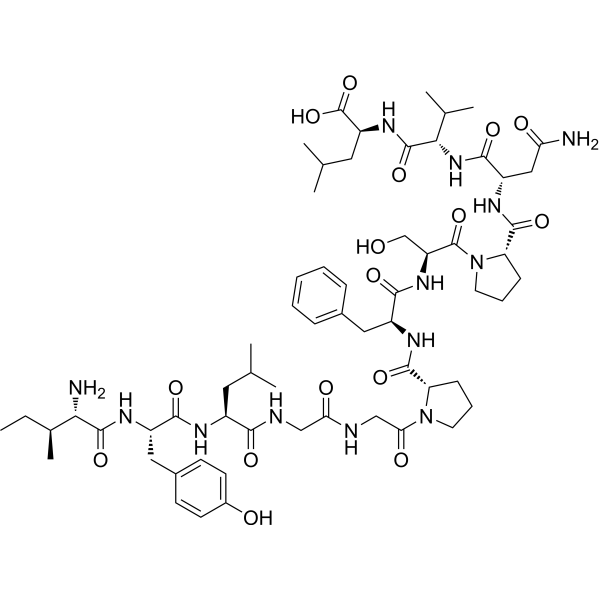
C-Reactive Protein (CRP) is an anti-pneumococcal plasma protein that can serve as an inflammatory marker. C-Reactive protein can protect mice from pneumococcal infection by activating complement. C-Reactive protein can inhibit the activation of caspase-3/9 through the CD64/AKT/mTOR pathway, thereby promoting chemotherapy resistance in mice with tongue squamous cell carcinoma .
|
-
-
- HY-113033
-
|
|
Others
Biochemical Assay Reagents
|
Neurological Disease
Metabolic Disease
Inflammation/Immunology
|
|
Pentosidine is a fluorescent advanced glycation end product (AGE) and cross-linker. Pentosidine is a fluorescent cross-linked structure formed by lysine and arginine in sugar oxidation reactions, and it is commonly found in collagen, skin, bone, lens and plasma proteins . Pentosidine is used in research related to type 1 diabetes, brown cataracts, rheumatoid arthritis, atherosclerosis and neurodegenerative diseases .
|
-

-
- HY-136500
-
|
PGH2
|
Endogenous Metabolite
Amyloid-β
|
Neurological Disease
Inflammation/Immunology
|
|
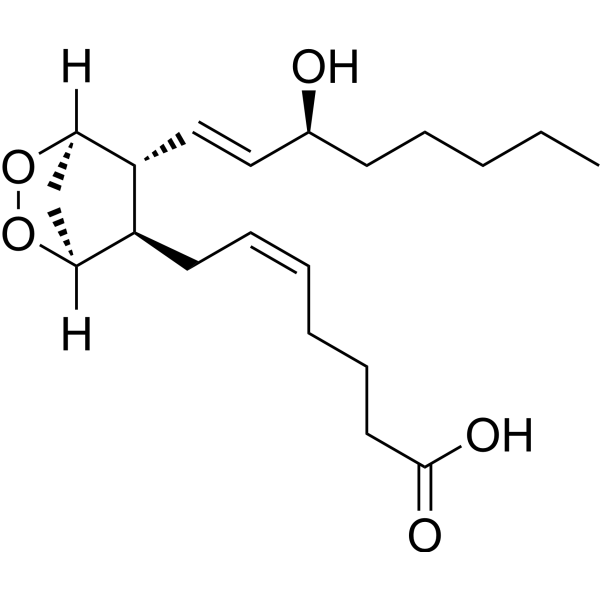
Prostaglandin H2 (PGH2) is an endothelium-derived contracting factor. Prostaglandin H2 can cause vasoconstriction. Prostaglandin H2 is the common precursor of all PGs and is produced by several cells that express cyclooxygen-ases. Prostaglandin H2 can activate PGD2 receptors CRTH2 and DP via interacting directly with the receptors and/or by giving rise to PGD2 after catalytic conversion by plasma proteins. Prostaglandin H2 can induce eosinophils migration and inhibit platelet aggregation. Prostaglandin H2 can accelerate the formation of dimers and higher oligomers of amyloid β1-42. Prostaglandin H2 can be used for the researches of inflammation and neurological disease, such as Alzheimer disease .
|
-
-
- HY-NP002K
-
|
|
Biochemical Assay Reagents
|
Others
|
|
Rat Serum Albumin is a plasma protein derived from rat. Serum albumin is a multifunctional protein with extraordinary ligand binding capacity, making it a transporter molecule for a diverse range of metabolites, drugs, nutrients, metals and other molecules .
|
-

-
- HY-NP002O
-
|
|
Biochemical Assay Reagents
|
Others
|
|
Cynomolgus Monkey serum albumin is a plasma protein derived from cynomolgus monkey. Serum albumin is a multifunctional protein with extraordinary ligand binding capacity, making it a transporter molecule for a diverse range of metabolites, drugs, nutrients, metals and other molecules.
|
-

-
- HY-NP002A
-
|
|
Biochemical Assay Reagents
|
Others
|
|
Goat Serum Albumin is a plasma protein derived from goats. Goat Serum Albumin is a versatile protein commonly used in various life sciences research applications, including immunoassays and the production and purification of monoclonal antibodies .
|
-

-
- HY-168328
-
|
|
NF-κB
Interleukin Related
|
Inflammation/Immunology
|
|
FKK6 is a selective agonist for pregnane X receptor (PXR) with an EC50 of 1.2 µM. FKK6 exhibits good affinity with plasma proteins, and good metabolic metabolism in human microsomes. FKK6 inhibits PXR-related NF-κB signaling pathway, inhibits the expression of inflammatory factors, and exhibits anti-inflammatory activity against DSS (HY-116282)-induced colitis in mouse model .
|
-

-
- HY-W754151
-
|
|
Isotope-Labeled Compounds
|
Others
|
|
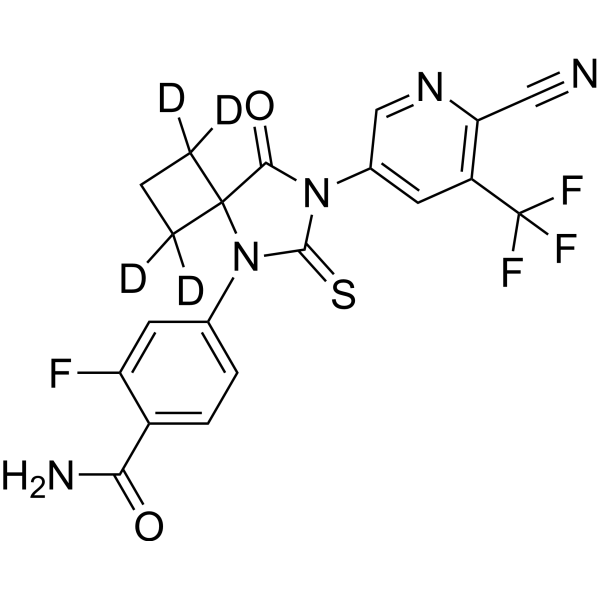
N-Desmethyl apalutamide-d4 is the deuterium-labeled N-Desmethyl-Apalutamide (HY-135331). N-Desmethyl Apalutamide is an active metabolite of Apalutamide. N-Desmethyl Apalutamide is a less potent antagonist of the androgen receptor and is responsible for one-third of the activity of Apalutamide. The formation of N-Desmethyl Apalutamide mediated predominantly by CYP2C8 and CYP3A4. N-Desmethyl Apalutamide is moderate to strong CYP3A4 and CYP2B6 inducer and has an excellent plasma-proteins bound concentration .
|
-
-
- HY-D1869
-
|
|
Fluorescent Dye
|
Others
|
|
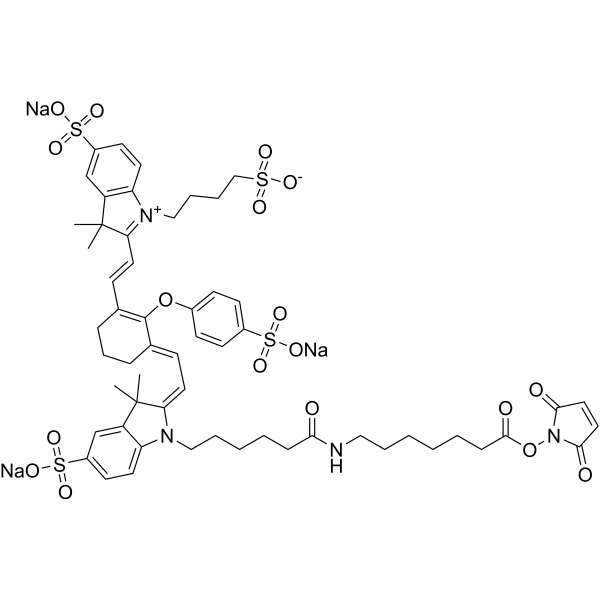
800CW maleimide is an infrared dye that can be used for labeling molecules that contain free sulfhydryl (–SH) groups (Ex: 778 nm; Em: 796 nm). 800CW maleimide binds to plasma proteins .
|
-
-
- HY-NP002C
-
|
|
Biochemical Assay Reagents
|
Others
|
|
Rabbit Serum Albumin (globulin free) is a plasma protein derived from rabbits. Serum albumin is a multifunctional protein with extraordinary ligand binding capacity, making it a transporter molecule for a diverse range of metabolites, drugs, nutrients, metals and other molecules .
|
-

-
- HY-178794
-
|
|
PGE synthase
|
Inflammation/Immunology
|
|
AGU661 is a Microsomal prostaglandin E2 synthase 1 (mPGES-1) inhibitor with an IC50 of 0.22 nM. AGU661 lowers PGE2 formation in human pro-inflammatory M1 macrophages and activated monocytes without affecting other lipid mediator pathways. AGU661 has unfavorable physicochemical properties with poor metabolic stability and strong plasma protein binding tendencies. AGU661 into PLGA-based NPs significantly enhances its bioactivity. AGU661 can be used for inflammatory disorders research .
|
-

-
- HY-111097
-
|
|
PGE synthase
|
Neurological Disease
Inflammation/Immunology
|
|
AF3442 is a potent and selective mPGES-1 inhibitor (IC50 = 0.06 μM) which reduces monocyte PGE2 generation also in the presence of plasma proteins. AF3442 shows selectivity over other prostanoids (TXB2, PGF2α and 6-keto-PGF1α). AF3442 can be used for research in analgesia .
|
-

-
- HY-117747
-
|
JCR 424; XM 323
|
HIV Protease
|
Infection
|
|
DMP 323 is a potent, nonpeptide cyclic urea inhibitor of HIV protease, effective against both HIV type 1 and type 2. Designed using structural information and database searching, it competitively inhibits the cleavage of both peptide and HIV-1 gag polyprotein substrates. DMP 323 shows comparable potency to other highly effective HIV protease inhibitors like A-80987 and Ro-31-8959. Importantly, its efficacy against HIV protease remains unaffected by human plasma or serum, suggesting low affinity for plasma proteins. Furthermore, DMP 323 demonstrates minimal inhibition of various mammalian proteases at concentrations much higher than those needed for HIV protease inhibition, highlighting its specificity for viral targets .
|
-

-
- HY-135331S
-
|
|
Isotope-Labeled Compounds
Androgen Receptor
Cytochrome P450
|
Cancer
|
|
N-Desmethyl-Apalutamide-15N,d4 is the 15N and deuterium labeled isotope of N-Desmethyl-Apalutamide (HY-135331). N-Desmethyl Apalutamide is an active metabolite of Apalutamide. N-Desmethyl Apalutamide is a less potent antagonist of the androgen receptor and is responsible for one-third of the activity of Apalutamide. The formation of N-Desmethyl Apalutamide mediated predominantly by CYP2C8 and CYP3A4. N-Desmethyl Apalutamide is moderate to strong CYP3A4 and CYP2B6 inducer and has an excellent plasma-proteins bound concentration .
|
-

-
- HY-133839
-
-

-
- HY-122988A
-
|
Xenbucin (2-dimethylaminoethanol)
|
Others
|
Others
|
|
Namoxyrate (Xenbucin (2-dimethylaminoethanol)) is a compound with analgesic activity. It can be dissociated into different components in rats. Its absorption and excretion vary depending on the components, and it has different affinities in human and rat plasma proteins.
|
-

-
- HY-138997
-
|
|
PPAR
|
Metabolic Disease
|
|
MBX-102 acid is a selective partial PPAR-γ agonist. MBX-102 acid binds highly to plasma proteins, mainly serum albumin. MBX-102 acid can be used to study type 2 diabetes .
|
-

-
- HY-NP0215
-
|
|
Biochemical Assay Reagents
|
Others
|
|
Chicken Serum Albumin is a plasma protein derived from chicken. Serum albumin is a multifunctional protein with extraordinary ligand binding capacity, making it a transporter molecule for a diverse range of metabolites, drugs, nutrients, metals and other molecules .
|
-

-
- HY-NP002N
-
|
|
Biochemical Assay Reagents
|
Others
|
|
Pigeon Serum Albumin is a plasma protein derived from pigeon. Serum albumin is a multifunctional protein with extraordinary ligand binding capacity, making it a transporter molecule for a diverse range of metabolites, drugs, nutrients, metals and other molecules .
|
-

-
- HY-158525
-
|
A3G3S3 N-linked oligosaccharide
|
Biochemical Assay Reagents
|
Others
|
|
A3G3S3 glycan (A3G3S3 N-linked oligosaccharide) is an N-glycosylated plasma protein that plays an important role in indicating different stages of type 1 diabetes .
|
-

-
- HY-168100
-
|
|
Bacterial
|
Infection
|
|
LpxC-IN-14 (compound 6i) is a potent LpxC inhibitor. LpxC-IN-14 shows antibacterial activity. LpxC-IN-14 shows low cytotoxicity. LpxC-IN-14 shows acceptable plasma protein binding .
|
-

-
- HY-136630
-
|
SHR110008
|
Drug Derivative
|
Others
|
|
Felotaxel (SHR110008) is a derivate of Docetaxel (HY-B0011), with antitumor activity and specific pharmacokinetic properties in rats. Felotaxel is rapidly distributed to normal tissues. The kidney is the major excretion organ, and its plasma protein binding capacity is nearly linearly related to concentration.
|
-

-
- HY-149925
-
|
|
Bacterial
DNA/RNA Synthesis
Topoisomerase
|
Infection
|
|
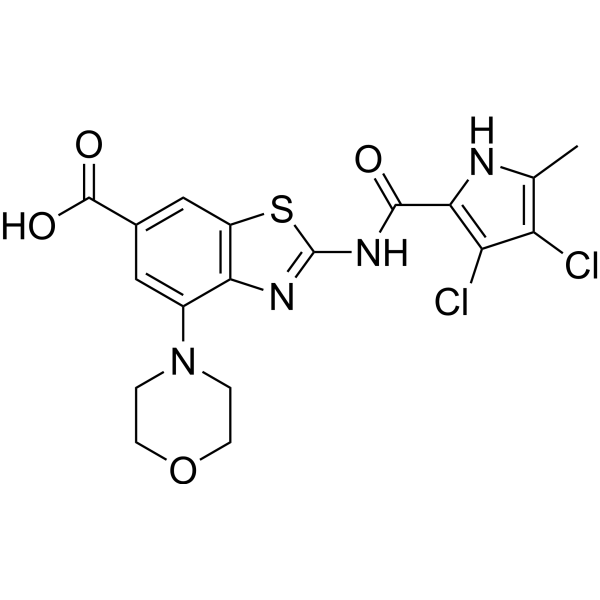
Antibacterial agent 138 is a benzothiazole inhibitor of bacterial DNA gyrase and topoisomerase IV. Antibacterial agent 138 exhibits favorable solubility and plasma protein binding. Antibacterial agent 138 has antibacterial activity against Gram-positive and Gram-negative strains. Antibacterial agent 138 is a dual GyrB and ParE inhibitor .
|
-
-
- HY-B0337AR
-
|
Sulphadimethoxine sodium (Standard)
|
Reference Standards
Bacterial
Antibiotic
|
Infection
|
|
Sulfadimethoxine (sodium) (Standard) is the analytical standard of Sulfadimethoxine sodium (HY-B0337A). This product is intended for research and analytical applications. Sulfadimethoxine sodium (Sulphadimethoxine sodium) is a sulfonamide antibiotic. Sulfadimethoxine sodium causes a displacement of Thiopental in plasma protein binding in rats. Sulfadimethoxine sodium is used in a variety of infection studies including urinary tract infections .
|
-

-
- HY-161890
-
|
|
DNA/RNA Synthesis
Bacterial
|
Infection
|
|
Antimycobacterial agent-8 (Compound 49) is an inhibitor for DNA gyrase. Antimycobacterial agent-8 exhibits antibacterial activity against Mycobacterium tuberculosis and M. abscessus with MIC90 of 2.5 μM and 0.63 μM. Antimycobacterial agent-8 exhibits good plasma protein binding ability in mice .
|
-

-
- HY-117952
-
|
|
Neurokinin Receptor
|
Neurological Disease
|
|
L 743310 is a non-peptide, selective antagonist of the human neurokinin hNK1 receptor, with high affinity for primate and cloned human hNK1 receptors and lower affinity for rodent NK1 receptors. L 743310 inhibits resiniferatoxin-induced plasma protein extravasation in guinea pig esophagus. L 743310 has a dose-dependent inhibitory effect on cisplatin-induced emesis .
|
-

-
- HY-168562
-
|
|
Sigma Receptor
|
Neurological Disease
Cancer
|
|
σ1 Receptor ligand 1 (compound 5I) is a σ1 receptor ligand with a Ki of 3.9 nM. σ1 Receptor ligand 1 has a high plasma protein binding (89%) and promising metabolic stability in the presence of mouse liver microsomes and NADPH. σ1 Receptor ligand 1 can be utilized in neurological and cancer research .
|
-

-
- HY-111150
-
|
|
Dipeptidyl Peptidase
|
Metabolic Disease
|
|
AMG-222 is a dipeptidyl peptidase IV (DPP-IV) inhibitor that exerts its inhibitory effect by tightly and reversibly binding to DPPIV. AMG 222 binds to human plasma proteins in a saturable and concentration-dependent manner, with a binding rate of 80.8% at 1 nM, while the binding rate decreases to 29.4% at concentrations above 100 nM. AMG-222 can be used in research related to diabetes .
|
-

-
- HY-135487
-
|
AR-C68397AA free base; AR-C68397XX
|
Dopamine Receptor
Adrenergic Receptor
|
Neurological Disease
|
|
Sibenadet (AR-C68397AA free base) is a dual dopamine D2/β2-adrenoceptor agonist with selective β2-adrenoceptor agonism. Sibenadet inhibits capsaicin-induced plasma protein extravasation in rat trachea. Sibenadet suppresses edema from sensory nerve fiber activation by activating β2-adrenoceptor. Sibenadet is promising for research of chronic obstructive pulmonary disease (COPD) .
|
-

-
- HY-118378
-
|
|
Neurokinin Receptor
|
Neurological Disease
Endocrinology
|
|
ZD6021 is an orally active Neurokinin 1 Receptor antagonist, with Ki values of 0.12 nM for NK1 and 0.62 nM for NK2. At a concentration of 100 nM, ZD6021 has a pKB value of 8.9 for human pulmonary artery NK1 receptors, and a pKB value of 7.3 for human bronchial NK2 receptors. ZD6021 effectively reduces ASMSP-induced plasma protein extravasation in guinea pigs, with an ED50 of 0.5 mg/kg, and also decreases NK2 mediated bronchoconstriction, with an ED50 of 13 mg/kg .
|
-

-
- HY-159492
-
|
|
5-HT Receptor
|
Neurological Disease
|
|
5-HT7 receptor ligand 2 (compound 32) is an arylpiperazinehydrazine ligand for 5-HT7R (Ki=178 nM). 5-HT7 receptor ligand 2 has good membrane permeability, low hepatotoxicity and cardiotoxicity, and high plasma protein binding. 5-HT7 receptor ligand 2 shows neuroprotective effects in SH-SY5Y cells and can be used for the study of central nervous system related diseases .
|
-

-
- HY-122351
-
|
|
Drug Derivative
Taste Receptor
|
Others
|
|
Advantame is an N-substituted derivative of aspartame. Advantame is a high-intensity, low calorie sweetener. Advantame can interact with plasma protein. Advantame has the potential to produce hypotension and inhibit hERG K + channel to produce carditoxicity. Advantame binds to T1R2/T1R3 taste GPCR to form an oligomeric functional selectivity of biased heteromers with NMBR to induce a significant sialidase activity in vitro. Advantame has maternal toxicity (gastrointestinal disturbances) in the prenatal developmental toxicity study in rabbits .
|
-
-
- HY-116163
-
|
CYM50202
|
Endogenous Metabolite
|
Others
|
|
ML350 (CYM50202) is a highly potent OPRK1 antagonist with selectivity and broad biological applications. With IC50 values of 9-16 nM, ML350 shows high selectivity for OPRK1, with selectivity of 219-382-fold and 20-35-fold relative to OPRD1 and OPRM1, respectively. ML350 exhibited favorable characteristics in in vivo pharmacokinetic analysis, including high passive membrane permeability and moderate human plasma protein binding. Extensive screening of ML350 against multiple ion channels, receptors, and transporters showed that it does not have adverse off-target effects .
|
-

-
- HY-122351AR
-
|
|
Reference Standards
Taste Receptor
|
Others
|
|
Advantame (Standard) is the analytical standard of Advantame. This product is intended for research and analytical applications. Advantame is an N-substituted derivative of aspartame. Advantame is a high-intensity, low calorie sweetener. Advantame can interact with plasma protein. Advantame has the potential to produce hypotension and inhibit hERG K + channel to produce carditoxicity. Advantame binds to T1R2/T1R3 taste GPCR to form an oligomeric functional selectivity of biased heteromers with NMBR to induce a significant sialidase activity in vitro. Advantame has maternal toxicity (gastrointestinal disturbances) in the prenatal developmental toxicity study in rabbits .
|
-

-
- HY-133668S
-
|
|
Isotope-Labeled Compounds
Drug Metabolite
Cytochrome P450
PPAR
|
Cancer
|
|
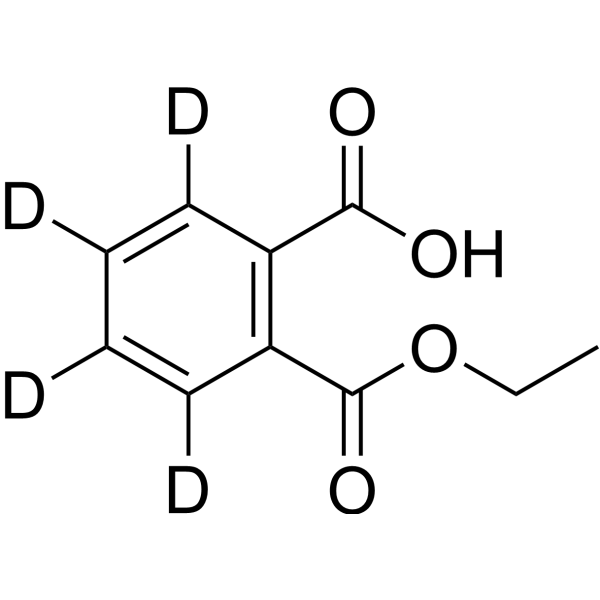
Monoethyl phthalate-d4 is the deuterium labeled Monoethyl phthalate. Monoethyl phthalate is an orally active PDX-1 activator and the major hydrolytic metabolite of Diethyl phthalate (HY-Y0284) in vivo, with reproductive toxicity. Monoethyl phthalate targets aromatase (aromatase/CYP19A1) and PPAR to induce cell proliferation. The plasma protein binding rate of Monoethyl phthalate in rats and humans is lower than that of Diethyl phthalate. It exhibits significant enterohepatic circulation in rats and mainly accumulates in liver tissues. Monoethyl phthalate shows no estrogenic activity in estrogen-dependent human breast cancer cells. Monoethyl phthalate can be used in studies of reproductive toxicity and related environmental endocrine disruption mechanisms .
|
-
-
- HY-100432R
-
|
|
PDI
Reference Standards
|
Neurological Disease
Inflammation/Immunology
|
|
LOC14 (Standard) is the analytical standard of LOC14 (HY-100432). This product is intended for research and analytical applications. LOC14 is a potent Protein disulfide isomerase (PDI) inhibitor with EC50 and Kd values of 500 nM and 62 nM, respectively. LOC14 exhibits high stability in mouse liver microsomes and blood plasma, low intrinsic microsome clearance, and low plasma-protein binding .
LOC14 inhibits PDIA3 activity, decreases intramolecular disulfide bonds and subsequent oligomerization (maturation) of HA in lung epithelial cells .
|
-

- HY-NP002M
-
|
|
Biochemical Assay Reagents
|
Others
|
|
Guinea Pig Serum Albumin is a plasma protein derived from guinea pig. Serum albumin is a multifunctional protein with extraordinary ligand binding capacity, making it a transporter molecule for a diverse range of metabolites, drugs, nutrients, metals and other molecules .
|
-

- HY-111090
-
|
|
Polo-like Kinase (PLK)
NEKs
|
Cancer
|
|
GSK461364 analogue 1 is a thiophene-based PLK1 inhibitor with a PLK1 IC50 of 2 nM and a PLK3 IC50 of 630 nM. GSK461364 analogue 1 also acts as an inhibitor of Nek2 kinase (IC50: 21 nM). GSK461364 analogue 1 has a solubility of ≥190 μM in pH 7.4 PBS and a human plasma protein binding rate of 91.5%. GSK461364 analogue 1 can be used in studies related to colon cancer, lung cancer, breast cancer and ovarian cancer .
|
-

- HY-W663179
-
|
|
Parasite
Cytochrome P450
|
Infection
|
|
DNDI-VL-2098 is an orally active antileishmanial agent. DNDI-VL-2098 exhibits high permeability, in vitro metabolic stability, and selective inhibition of CYP2C19 (IC50=0.47 μM). DNDI-VL-2098 does not affect the activities of other major CYP enzymes (CYP1A2, CYP2C9, CYP2D6 and CYP3A4) at concentrations up to 12.5 μM. It shows favorable pharmacokinetic properties in multiple animal models including mice, hamsters, rats and dogs. DNDI-VL-2098 is characterized by moderate to high plasma protein binding and can be used for the research of visceral leishmaniasis .
|
-

-
-
HY-L922
-
|
|
25000 compounds
|
|
A diverse compound library with favorable ADMET properties (Absorption, Distribution, Metabolism, Excretion, and Toxicity) is crucial in drug discovery. Early evaluation of ADMET properties allows for the exclusion of molecules with unfavorable profiles at the initial stages, thereby reducing the risk of late-stage development failures, lowering R&D costs, and accelerating optimization of lead compounds.
Based on predictions from ADMET-related AI algorithms, the compounds in this library are predicted to exhibit favorable oral bioavailability (F > 30%), reasonable plasma protein binding (PPB < 98%), minimized CYP3A4 inhibition potential (inhibition probability < 50%, CYP3A4 is the most critical drug-metabolizing enzyme in the cytochrome P450 family) , low toxicity profiles, with 140 potentially toxic substructures pre-identified and excluded via substructure searching to eliminate compounds containing hazardous fragments. The diversity library enables broad applicability in high-throughput screening (HTS) and high-content screening (HCS).
|
| Cat. No. |
Product Name |
Type |
-
- HY-D1869
-
|
|
Fluorescent Dyes
|
|
800CW maleimide is an infrared dye that can be used for labeling molecules that contain free sulfhydryl (–SH) groups (Ex: 778 nm; Em: 796 nm). 800CW maleimide binds to plasma proteins .
|
| Cat. No. |
Product Name |
Type |
-
- HY-NP002B
-
|
|
Biochemical Assay Reagents
|
|
Rabbit Serum Albumin is a plasma protein derived from rabbits. Rabbit Serum Albumin can hydrolyze the carbamate pesticide carbaryl and induce fever in rabbits. Rabbit Serum Albumin can be used for biochemical and immunological research, including vaccine developing .
|
-
- HY-150097
-
|
|
Biochemical Assay Reagents
|
|
Recombinant Human Serum Albumin (rHSA) is a non-glycosylated monomeric plasma protein that acts as a core factor for maintaining plasma colloid osmotic pressure. Recombinant Human Serum Albumin (rHSA) possesses multiple physiological functions including carrier, metabolic regulation, detoxification, antioxidation and enzyme mimicking. Recombinant Human Serum Albumin (rHSA) not only scavenges reactive oxygen and nitrogen species via specific residues and binds a variety of endogenous and exogenous compounds to maintain redox homeostasis, but also serves as a biomarker for multiple diseases such as cancer and inflammation. Recombinant Human Serum Albumin (rHSA) broadly supports the development of implantable materials, surgical adhesives and ligand capture, and can be used for research on critical illnesses including hypovolemia, liver failure, severe sepsis and various types of trauma resuscitation .
|
-
- HY-NP002J
-
|
|
Biochemical Assay Reagents
|
|
Horse Serum Albumin is an abundant, multifunctional mammalian plasma protein and transport molecule. Horse Serum Albumin acts as an allergen, exhibits high cross-reactivity with serum albumins from other mammals, and contains epitope regions recognizable by antibodies. Horse Serum Albumin binds a variety of metabolites, drugs, nutrients, metals and other molecules .
|
-
- HY-NP002L
-
|
|
Biochemical Assay Reagents
|
|
Canine Serum Albumin is a plasma protein derived from dogs. Canine Serum Albumin exhibits greater flexibility than human serum albumin and bovine serum albumin. Serum albumin is a multifunctional protein with exceptional ligand-binding capacity, which enables it to act as a transport molecule for various metabolites, drugs, nutrients, metals and other molecules .
|
-
- HY-150229
-
|
|
Biochemical Assay Reagents
|
|
306-N16B is a selective lung-targeted lipid nanoparticle that reversibly targets lung endothelial cells and specific immune cells through selective adsorption of a protein corona mediated by differences in tail structure (such as fibrinogen β/γ chain). 306-N16B binds to specific plasma proteins in the blood to form a protein corona, which guides the particles to be enriched in the lungs, releases mRNA and promotes target cell gene expression, exerts efficient lung cell transfection activity, and can precisely regulate gene delivery of different cell types in the lungs (such as endothelial cells and macrophages). 306-N16B can be used in gene therapy technologies for hereditary lung diseases including pulmonary lymphangioleiomyomatosis (LAM), restoring tumor suppressor function by delivering Tsc2 mRNA, and can also be used for lung-specific mRNA vaccines and gene editing therapies .
|
-
- HY-NP002I
-
|
|
Biochemical Assay Reagents
|
|
Sheep Serum Albumin is a plasma protein derived from sheep. Sheep serum albumin is a 583 amino acid residues long multidomain monomeric protein which is rich in cysteine and low in tryptophan content. Sheep Serum Albumin can be used as a potential biomarker of age-related decline .
|
-
- HY-NP002K
-
|
|
Biochemical Assay Reagents
|
|
Rat Serum Albumin is a plasma protein derived from rat. Serum albumin is a multifunctional protein with extraordinary ligand binding capacity, making it a transporter molecule for a diverse range of metabolites, drugs, nutrients, metals and other molecules .
|
-
- HY-NP002O
-
|
|
Biochemical Assay Reagents
|
|
Cynomolgus Monkey serum albumin is a plasma protein derived from cynomolgus monkey. Serum albumin is a multifunctional protein with extraordinary ligand binding capacity, making it a transporter molecule for a diverse range of metabolites, drugs, nutrients, metals and other molecules.
|
-
- HY-NP002A
-
|
|
Biochemical Assay Reagents
|
|
Goat Serum Albumin is a plasma protein derived from goats. Goat Serum Albumin is a versatile protein commonly used in various life sciences research applications, including immunoassays and the production and purification of monoclonal antibodies .
|
-
- HY-NP002C
-
|
|
Biochemical Assay Reagents
|
|
Rabbit Serum Albumin (globulin free) is a plasma protein derived from rabbits. Serum albumin is a multifunctional protein with extraordinary ligand binding capacity, making it a transporter molecule for a diverse range of metabolites, drugs, nutrients, metals and other molecules .
|
-
- HY-NP0215
-
|
|
Biochemical Assay Reagents
|
|
Chicken Serum Albumin is a plasma protein derived from chicken. Serum albumin is a multifunctional protein with extraordinary ligand binding capacity, making it a transporter molecule for a diverse range of metabolites, drugs, nutrients, metals and other molecules .
|
-
- HY-NP002N
-
|
|
Biochemical Assay Reagents
|
|
Pigeon Serum Albumin is a plasma protein derived from pigeon. Serum albumin is a multifunctional protein with extraordinary ligand binding capacity, making it a transporter molecule for a diverse range of metabolites, drugs, nutrients, metals and other molecules .
|
-
- HY-158525
-
|
A3G3S3 N-linked oligosaccharide
|
Biochemical Assay Reagents
|
|
A3G3S3 glycan (A3G3S3 N-linked oligosaccharide) is an N-glycosylated plasma protein that plays an important role in indicating different stages of type 1 diabetes .
|
-
- HY-NP002M
-
|
|
Biochemical Assay Reagents
|
|
Guinea Pig Serum Albumin is a plasma protein derived from guinea pig. Serum albumin is a multifunctional protein with extraordinary ligand binding capacity, making it a transporter molecule for a diverse range of metabolites, drugs, nutrients, metals and other molecules .
|
| Cat. No. |
Product Name |
Target |
Research Area |
-
- HY-K0253
-
|
|
|
MCE Heparin Agarose 6FF is suitable for the separation and purification of heparin-binding biomolecules, including antithrombin III, coagulation factors, other plasma proteins, DNA-binding proteins, lipoproteins, protein synthesis factors, nucleic acid-related enzymes, and steroid receptors.
|
| Cat. No. |
Product Name |
Category |
Target |
Chemical Structure |
-
- HY-133668
-
|
|
Other disease
Disease markers
Endogenous metabolite
|
Drug Metabolite
Cytochrome P450
PPAR
|
|
Monoethyl phthalate is an orally active PDX-1 activator and the major hydrolytic metabolite of Diethyl phthalate (HY-Y0284) in vivo, with reproductive toxicity. Monoethyl phthalate targets aromatase (aromatase/CYP19A1) and PPAR to induce cell proliferation. The plasma protein binding rate of Monoethyl phthalate in rats and humans is lower than that of Diethyl phthalate. It exhibits significant enterohepatic circulation in rats and mainly accumulates in liver tissues. Monoethyl phthalate shows no estrogenic activity in estrogen-dependent human breast cancer cells. Monoethyl phthalate can be used in studies of reproductive toxicity and related environmental endocrine disruption mechanisms .
|
-
-
- HY-113033
-
-
| Cat. No. |
Product Name |
Chemical Structure |
-
- HY-W754151
-
|
|
|
N-Desmethyl apalutamide-d4 is the deuterium-labeled N-Desmethyl-Apalutamide (HY-135331). N-Desmethyl Apalutamide is an active metabolite of Apalutamide. N-Desmethyl Apalutamide is a less potent antagonist of the androgen receptor and is responsible for one-third of the activity of Apalutamide. The formation of N-Desmethyl Apalutamide mediated predominantly by CYP2C8 and CYP3A4. N-Desmethyl Apalutamide is moderate to strong CYP3A4 and CYP2B6 inducer and has an excellent plasma-proteins bound concentration .
|
-
-
- HY-135331S
-
|
|
|
N-Desmethyl-Apalutamide-15N,d4 is the 15N and deuterium labeled isotope of N-Desmethyl-Apalutamide (HY-135331). N-Desmethyl Apalutamide is an active metabolite of Apalutamide. N-Desmethyl Apalutamide is a less potent antagonist of the androgen receptor and is responsible for one-third of the activity of Apalutamide. The formation of N-Desmethyl Apalutamide mediated predominantly by CYP2C8 and CYP3A4. N-Desmethyl Apalutamide is moderate to strong CYP3A4 and CYP2B6 inducer and has an excellent plasma-proteins bound concentration .
|
-
-
- HY-133668S
-
|
|
|
Monoethyl phthalate-d4 is the deuterium labeled Monoethyl phthalate. Monoethyl phthalate is an orally active PDX-1 activator and the major hydrolytic metabolite of Diethyl phthalate (HY-Y0284) in vivo, with reproductive toxicity. Monoethyl phthalate targets aromatase (aromatase/CYP19A1) and PPAR to induce cell proliferation. The plasma protein binding rate of Monoethyl phthalate in rats and humans is lower than that of Diethyl phthalate. It exhibits significant enterohepatic circulation in rats and mainly accumulates in liver tissues. Monoethyl phthalate shows no estrogenic activity in estrogen-dependent human breast cancer cells. Monoethyl phthalate can be used in studies of reproductive toxicity and related environmental endocrine disruption mechanisms .
|
-
| Cat. No. |
Product Name |
|
Classification |
-
- HY-168328
-
|
|
|
Alkynes
|
|
FKK6 is a selective agonist for pregnane X receptor (PXR) with an EC50 of 1.2 µM. FKK6 exhibits good affinity with plasma proteins, and good metabolic metabolism in human microsomes. FKK6 inhibits PXR-related NF-κB signaling pathway, inhibits the expression of inflammatory factors, and exhibits anti-inflammatory activity against DSS (HY-116282)-induced colitis in mouse model .
|
| Cat. No. |
Product Name |
|
Classification |
-
- HY-150229
-
|
|
|
Cationic Lipids
|
|
306-N16B is a selective lung-targeted lipid nanoparticle that reversibly targets lung endothelial cells and specific immune cells through selective adsorption of a protein corona mediated by differences in tail structure (such as fibrinogen β/γ chain). 306-N16B binds to specific plasma proteins in the blood to form a protein corona, which guides the particles to be enriched in the lungs, releases mRNA and promotes target cell gene expression, exerts efficient lung cell transfection activity, and can precisely regulate gene delivery of different cell types in the lungs (such as endothelial cells and macrophages). 306-N16B can be used in gene therapy technologies for hereditary lung diseases including pulmonary lymphangioleiomyomatosis (LAM), restoring tumor suppressor function by delivering Tsc2 mRNA, and can also be used for lung-specific mRNA vaccines and gene editing therapies .
|
Your information is safe with us. * Required Fields.
Inquiry Information
- Product Name:
- Cat. No.:
- Quantity:
- MCE Japan Authorized Agent:








