Search Result
Results for "
relaxant effects
" in MedChemExpress (MCE) Product Catalog:
10
Isotope-Labeled Compounds
| Cat. No. |
Product Name |
Target |
Research Areas |
Chemical Structure |
-
- HY-B0252
-
|
HCTZ
|
TGF-beta/Smad
Potassium Channel
|
Cardiovascular Disease
Metabolic Disease
Cancer
|
|
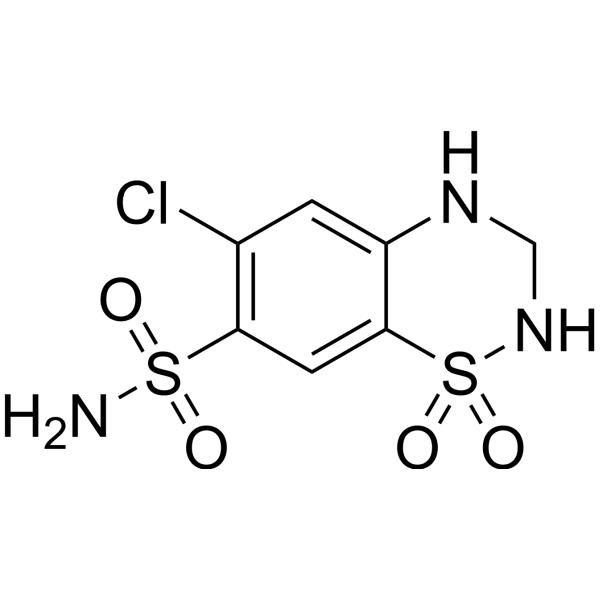
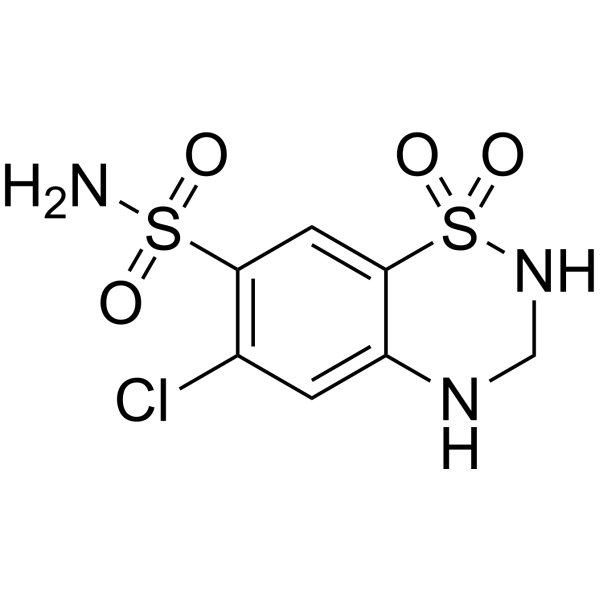
Hydrochlorothiazide (HCTZ), an orally active diuretic agent of the thiazide class, inhibits transforming TGF-β/Smad signaling pathway. Hydrochlorothiazide has direct vascular relaxant effects via opening of the calcium-activated potassium (KCA) channel. Hydrochlorothiazide improves cardiac function, reduces fibrosis and has antihypertensive effect .
|
-
-
- HY-B0194A
-
|
|
Adrenergic Receptor
Apoptosis
Akt
Wnt
β-catenin
|
Neurological Disease
Endocrinology
Cancer
|
|
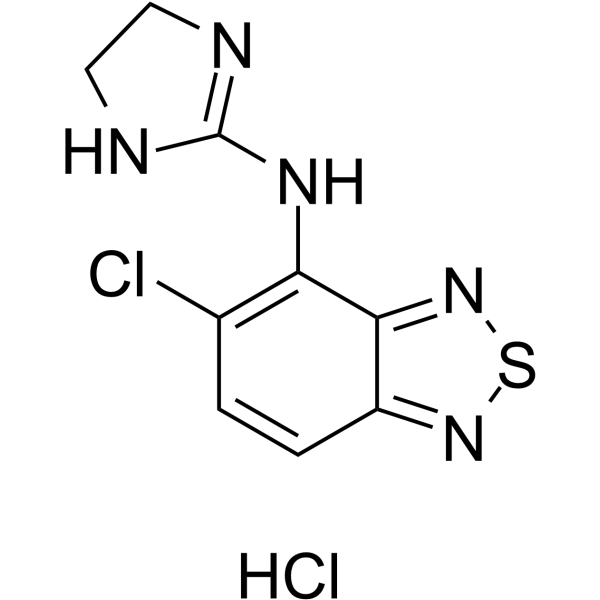
Tizanidine hydrochloride, a skeletal muscle relaxant, is an orally effective central α2-adrenoceptor agonist (IC50 = 6.9 nmol). Tizanidine hydrochloride primarily exerts muscle relaxation effects by inhibiting the release of excitatory amino acids (glutamate and aspartate) from the presynaptic terminals of spinal cord interneurons. Tizanidine hydrochloride has anti-injury activity and can inhibit gastrointestinal (GI) transport. Tizanidine hydrochloride can inhibit the proliferation, migration, and invasion of lung cancer cells and induce cell apoptosis by upregulating Nischarin and inhibiting the AKT and Wnt3a/β-catenin signaling pathways. Tizanidine hydrochloride can be used to treat spasticity caused by diseases such as multiple sclerosis (MS), stroke, and spinal cord injury (SCI) .
|
-
-
- HY-B0194
-
|
|
Adrenergic Receptor
Apoptosis
Akt
Wnt
β-catenin
|
Neurological Disease
Endocrinology
Cancer
|
|
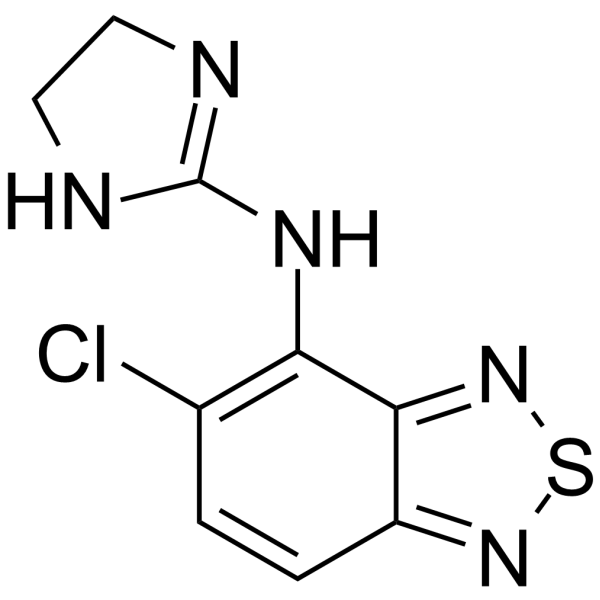
Tizanidine, a skeletal muscle relaxant, is an orally effective central α2-adrenoceptor agonist (IC50 = 6.9 nmol). Tizanidine primarily exerts muscle relaxation effects by inhibiting the release of excitatory amino acids (glutamate and aspartate) from the presynaptic terminals of spinal cord interneurons. Tizanidine has anti-injury activity and can inhibit gastrointestinal (GI) transport. Tizanidine can inhibit the proliferation, migration, and invasion of lung cancer cells and induce cell apoptosis by upregulating Nischarin and inhibiting the AKT and Wnt3a/β-catenin signaling pathways. Tizanidine can be used to treat spasticity caused by diseases such as multiple sclerosis (MS), stroke, and spinal cord injury (SCI) .
|
-
-
- HY-B0678
-
|
AHR438; NSC170959
|
NF-κB
PGC-1α
|
Neurological Disease
Inflammation/Immunology
|
|
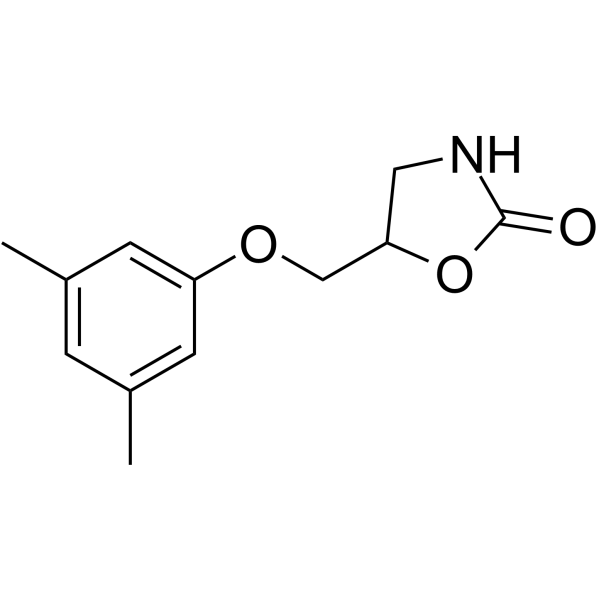
Metaxalone (AHR438; NSC170959) is an FDA-approved muscle relaxant. Metaxalone acts mainly on the central nervous system and achieves muscle relaxation by inhibiting polysynaptic reflex arcs. In addition, Metaxalone is an inhibitor of MAO-A, which has anti-inflammatory and antioxidant effects. Metaxalone inhibits IL-1β-induced inflammatory phenotype, modulates NF-κB and other related signaling pathways, and decreases MAO-A expression and activity in IL-1β-treated microglia .
|
-
-
- HY-157959
-
|
(±)-Orphenadrine
|
iGluR
Cytochrome P450
Cholinesterase (ChE)
|
Neurological Disease
Cancer
|
|
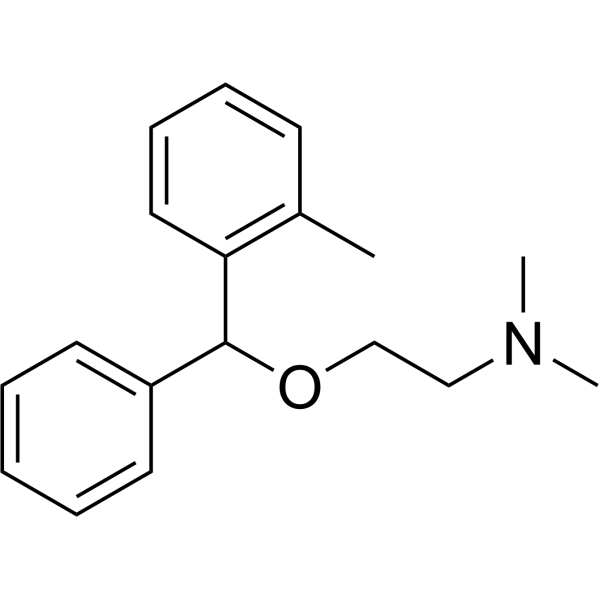
Orphenadrine ((±)-Orphenadrine) is a skeletal muscle relaxant and NMDA antagonist that also has antiparkinsonian, antihistamine, antitremor, antispasmodic, and analgesic effects. Orphenadrine inhibits the binding of [3H]MK-801 to the phencyclidine (PCP) binding site of the NMDA receptor. Orphenadrine is also an anticholinergic and CYP2B inducer. Orphenadrine may exert pro-tumor effects, causing CAR nuclear translocation, resulting in microsomal reactive oxygen species (ROS) production and oxidative stress. Orphenadrine also exerts neuronal protection, protecting rat cerebellar granule cells (CGC) from 3-NPA-induced death and has inhibitory potential against neurodegenerative diseases mediated by NMDA receptor overactivation .
|
-
-
- HY-118301
-
|
|
GABA Receptor
5-HT Receptor
|
Neurological Disease
|
|
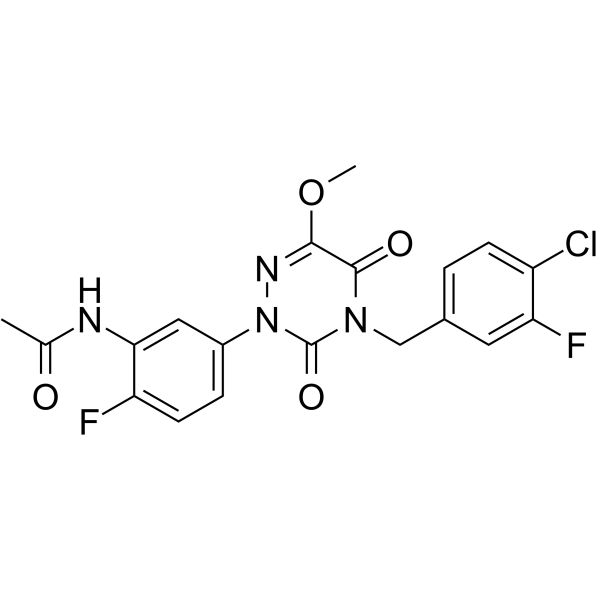
ADX71441 is an orally active, blood-brain barrier penetrant positive allosteric modulator of GABAB receptor. ADX71441 potentiates the activity of endogenous GABA at GABAB receptor, with an EC50 of 96 nM. ADX71441 functionally inhibits adenosine transporters and 5-HT2B receptor. ADX71441 produces anxiolytic-like, analgesic, muscle relaxant, hypothermic and overactive bladder inhibitory effects, reduces acute locomotor activity levels, decreases voluntary intake of alcohol and saccharin, attenuates stress-induced neuronal activation, and exhibits anti-hyperalgesic activity .
|
-
-
- HY-B2112
-
|
|
mAChR
|
Neurological Disease
|
|
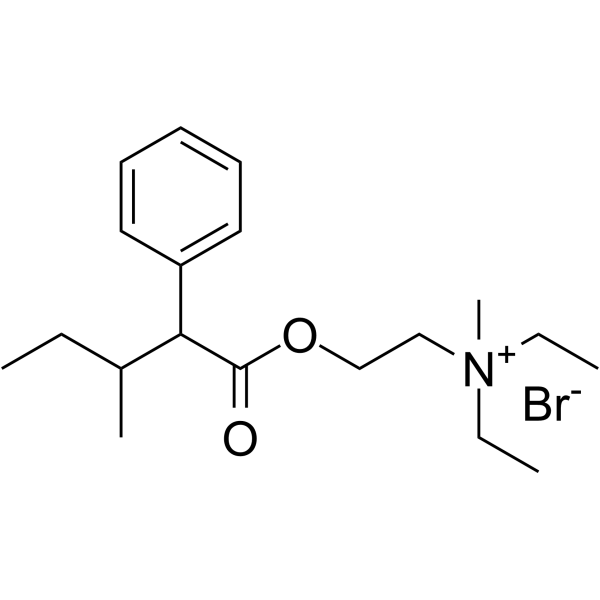
Valethamate bromide is an ester, serving as an effective rapidly acting anticholinergic antispasmodic and muscle relaxant. Valethamate bromide accelerates labor by improving cervical dilation. Valethamate bromide can significantly shorten the labor process and have fewer side effects .
|
-
-
- HY-W016414
-
|
|
Environmental Pollutants
Endogenous Metabolite
|
Cardiovascular Disease
|
|
Triethyl phosphate is a versatile phosphate ester compound. Triethyl phosphate induces rapid and short-acting anesthesia, and exhibits hypotensive, smooth muscle relaxant, and cardiac inhibitory effects. Triethyl phosphate also modulates cholinergic toxicity; its anesthetic effect shows sex- and age-dependency in rodents, and it interacts with SKF 525-A (HY-B1311) to alter the duration of anesthesia .
|
-

-
- HY-B0252S1
-
|
HCTZ-13C,d2
|
Isotope-Labeled Compounds
TGF-beta/Smad
Potassium Channel
|
Cardiovascular Disease
Metabolic Disease
|
|
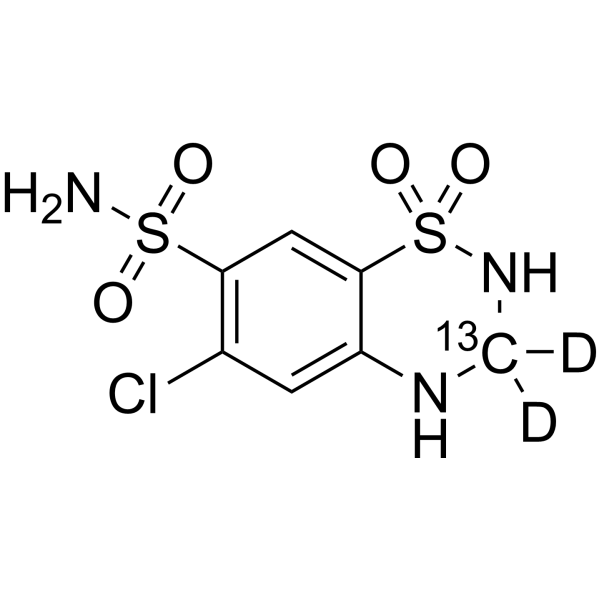
Hydrochlorothiazid- 13C,d2 is the 13C- and deuterium labeled Hydrochlorothiazide. Hydrochlorothiazide (HCTZ), an orally active diuretic agent of the thiazide class, inhibits transforming TGF-β/Smad signaling pathway. Hydrochlorothiazide has direct vascular relaxant effects via opening of the calcium-activated potassium (KCA) channel. Hydrochlorothiazide improves cardiac function, reduces fibrosis and has antihypertensive effect .
|
-
-
- HY-137951
-
|
|
Drug Derivative
|
Neurological Disease
|
|
Metizolam, a thienotriazolodiazepine, is the demethylated analogue of Etizolam. Metizolam exhibits psychomotor stabilizing, anxiolytic, sedative, myo-relaxant and amnestic effects .
|
-

-
- HY-B0252R
-
|
HCTZ (Standard)
|
Reference Standards
TGF-beta/Smad
Potassium Channel
|
Cardiovascular Disease
Metabolic Disease
Cancer
|
|
Hydrochlorothiazide (Standard) is the analytical standard of Hydrochlorothiazide. This product is intended for research and analytical applications. Hydrochlorothiazide (HCTZ), an orally active diuretic agent of the thiazide class, inhibits transforming TGF-β/Smad signaling pathway. Hydrochlorothiazide has direct vascular relaxant effects via opening of the calcium-activated potassium (KCA) channel. Hydrochlorothiazide improves cardiac function, reduces fibrosis and has antihypertensive effect .
|
-
-
- HY-B1283
-
|
|
iGluR
|
Neurological Disease
|
|
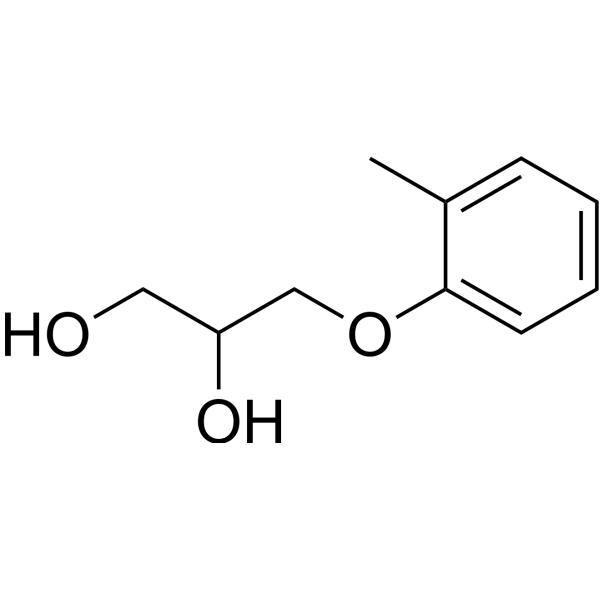
Mephenesin is an NMDA receptor antagonist. Mephenesin is also a central muscle relaxant with antianxiety, muscle-paralyzing and anticonvulsant effects. Mephenesin acts directly on the skeletal muscle fibres to produce skeletal muscle relaxation. Mephenesin is promising for research of spasticity or painful muscle spasm .
|
-
-
- HY-B0252S
-
|
HCTZ-d2
|
TGF-beta/Smad
Potassium Channel
|
Cardiovascular Disease
Metabolic Disease
|
|
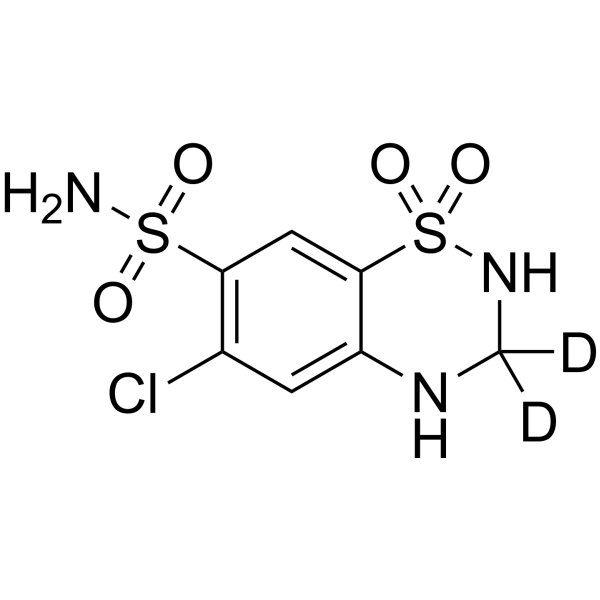
Hydrochlorothiazid-d2 is the deuterium labeled Hydrochlorothiazide. Hydrochlorothiazide (HCTZ), an orally active diuretic agent of the thiazide class, inhibits transforming TGF-β/Smad signaling pathway. Hydrochlorothiazide has direct vascular relaxant effects via opening of the calcium-activated potassium (KCA) channel. Hydrochlorothiazide improves cardiac function, reduces fibrosis and has antihypertensive effect .
|
-
-
- HY-P3269
-
|
|
Calcium Channel
|
Cardiovascular Disease
|
|
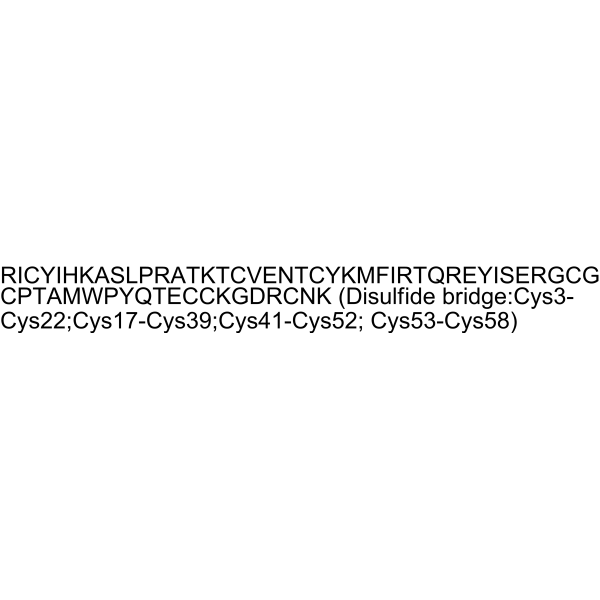
Calciseptine is a natural polypeptide toxin found in the venom of the black mamba snake (Dendroaspis p. polylepis). Calciseptine is a highly effective and selective blocker of the L-type channel of the Cav1.2 subtype, with an IC50 value of 92 nM. Calciseptine has no effect on Cav3.1, Cav2.2, Cav2.1, Cav1.1, voltage-sensitive sodium channels and potassium channels. Calciseptine exhibits negative inotropic and negative relaxant effects on mice, and does not affect heart rate or the action potential of sinoatrial node pacemaker cells. Calciseptine can be used for research on cardiovascular diseases[1].
|
-
-
- HY-B0194S
-
|
|
Isotope-Labeled Compounds
Adrenergic Receptor
Apoptosis
Akt
Wnt
β-catenin
|
Neurological Disease
Endocrinology
Cancer
|
|
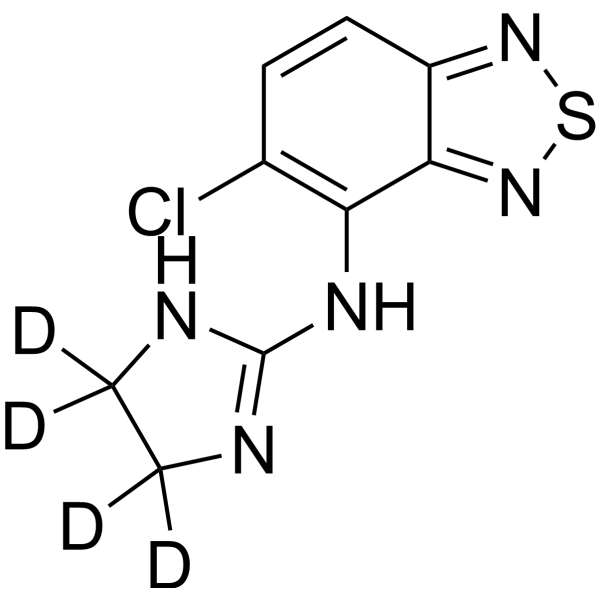
Tizanidine-d4 is the deuterium labeled Tizanidine (HY-B0194). Tizanidine, a skeletal muscle relaxant, is an orally effective central α2-adrenoceptor agonist (IC50 = 6.9 nmol). Tizanidine primarily exerts muscle relaxation effects by inhibiting the release of excitatory amino acids (glutamate and aspartate) from the presynaptic terminals of spinal cord interneurons. Tizanidine has anti-injury activity and can inhibit gastrointestinal (GI) transport. Tizanidine can inhibit the proliferation, migration, and invasion of lung cancer cells and induce cell apoptosis by upregulating Nischarin and inhibiting the AKT and Wnt3a/β-catenin signaling pathways. Tizanidine can be used to treat spasticity caused by diseases such as multiple sclerosis (MS), stroke, and spinal cord injury (SCI).
|
-
-
- HY-B0252S3
-
|
HCTZ-15N2,13C,d2
|
Potassium Channel
TGF-beta/Smad
Isotope-Labeled Compounds
|
Cardiovascular Disease
Metabolic Disease
Cancer
|
|
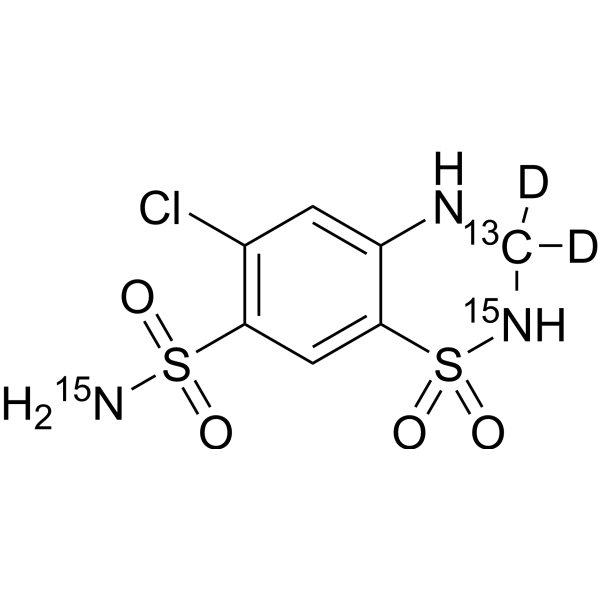
Hydrochlorothiazide- 15N2, 13C,d2 is 15N and deuterated labeled Hydrochlorothiazide (HY-B0252). Hydrochlorothiazide (HCTZ), an orally active diuretic agent of the thiazide class, inhibits transforming TGF-β/Smad signaling pathway. Hydrochlorothiazide has direct vascular relaxant effects via opening of the calcium-activated potassium (KCA) channel. Hydrochlorothiazide improves cardiac function, reduces fibrosis and has antihypertensive effect .
|
-
-
- HY-B1901S
-
|
|
Isotope-Labeled Compounds
|
Neurological Disease
|
|
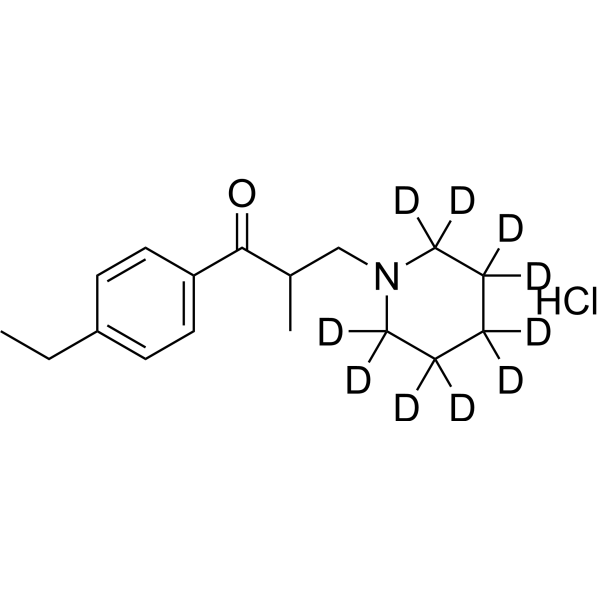
Eperisone-d10 (hydrochloride) is the deuterium labeled Eperisone hydrochloride. Eperisone Hydrochloride ((±)-Eperisone hydrochloride) is an antispastic agent used for treatment of diseases characterized by muscle stiffness and pain. It works by relaxing both skeletal muscles and vascularsmooth muscles, thus demonstrating avariety of effects such as reduction ofmyotonia, improvement of circulationand suppression of the pain reflex. Eperisone Hydrochloride ((±)-Eperisone hydrochloride) is a centrally acting muscle relaxant inhibiting the pain reflex pathway, having a vasodilator effect [2 .
|
-
-
- HY-171253
-
-

-
- HY-107276
-
-
-
- HY-14895B
-
|
CM346 dihydrochloride
|
Endogenous Metabolite
|
Neurological Disease
|
|
Fabomotizole dihydrochloride is an anxiolytic agent. Fabomotizole dihydrochloride produces anxiolytic and neuroprotective effects without any muscle relaxant actions.
|
-

-
- HY-167650
-
|
|
GABA Receptor
|
Neurological Disease
|
|
Fletazepam is a benzodiazepine derivative with sedative, anxiolytic and muscle relaxant effects. Fletazepam can be utilized in neurological research .
|
-

-
- HY-14895R
-
|
CM346 (Standard)
|
Parasite
Reference Standards
|
Neurological Disease
|
|
Fabomotizole (Standard) is the analytical standard of Fabomotizole. This product is intended for research and analytical applications. Fabomotizole (CM346) is an anxiolytic agent. Fabomotizole produces anxiolytic and neuroprotective effects without any muscle relaxant actions.
|
-

-
- HY-119291
-
|
|
Phosphodiesterase (PDE)
|
Others
|
|
RA642 is a compound with vasodilatory and hypertensive effects, with the activity of increasing arterial blood pressure, enhancing cerebral blood flow, reducing cerebrovascular resistance and peripheral resistance, and having a papaverine-like relaxant effect on smooth muscle in anesthetized animals.
|
-

-
- HY-117162
-
|
|
Cholinesterase (ChE)
|
Neurological Disease
|
|
S 1432 is a central nervous system depressant with anticonvulsant and muscle relaxant effects. S 1432 significantly reduces acetylcholine levels in the striatum inhibits convulsions induced by pentylenetetrazol. S 1432 can be used in the development of psychotropic drugs .
|
-

-
- HY-106885
-
|
|
Drug Derivative
|
Neurological Disease
|
|
F 2692 is an orally effective derivative of pyridazine. F 2692 has significant anti anxiety effects. F 2692 also has activities such as anticonvulsant, sedative, and muscle relaxant. F 2692 can be used for research on neurological disorders such as anxiety disorders .
|
-

-
- HY-126175
-
|
|
Endogenous Metabolite
|
Neurological Disease
|
|
Neostigmine iodide is a reversible acetylcholinesterase inhibitor with muscle tone-enhancing activity. Neostigmine iodide is primarily used to improve muscle function in patients with myasthenia gravis. Neostigmine iodide is also used in routine anesthesia to reverse the effects of nondepolarizing muscle relaxants such as rocuronium .
|
-

-
- HY-124515
-
|
|
Histamine Receptor
mAChR
|
Neurological Disease
|
|
Dihexyverine hydrochloride is a compound belonging to the amino alcohol ester class. Dihexyverine hydrochloride possesses anticholinergic, smooth muscle relaxant, antihistaminic, and antiemetic effects. Dihexyverine hydrochloride can also shorten the duration of labor. Dihexyverine hydrochloride can be used in research related to gastrointestinal spasms, obstetrics, and other fields .
|
-

-
- HY-121670
-
|
|
Others
|
Neurological Disease
|
|
Ambenoxan is a central nervous system-acting skeletal muscle relaxant that is effective in mice, rats, rabbits, dogs, and monkeys without loss of the righting reflex. It has no peripheral neuromuscular blocking effects and significantly reduces or eliminates decerebrate rigidity in rabbits, but does not antagonize the effects of strychnine, leptazol, or tremorine. Like other central nervous system depressants, ambenoxan prolongs sleep duration with hexobarbitone, but it has no local anesthetic effects. In anesthetized cats, the agent lowers blood pressure and reduces the pressor response to epinephrine, but has no effect on norepinephrine.
|
-

-
- HY-121670A
-
|
|
Adrenergic Receptor
|
Neurological Disease
|
|
Ambenoxan hydrochloride is a central nervous system-acting skeletal muscle relaxant that is effective in mice, rats, rabbits, dogs, and monkeys without loss of the righting reflex. It has no peripheral neuromuscular blocking effects and significantly reduces or eliminates decerebrate rigidity in rabbits, but does not antagonize the effects of strychnine, leptazol, or tremorine. Like other central nervous system depressants, ambenoxan prolongs sleep duration with hexobarbitone, but it has no local anesthetic effects. In anesthetized cats, the agent lowers blood pressure and reduces the pressor response to epinephrine, but has no effect on norepinephrine.
|
-

-
- HY-B1283S
-
|
|
Isotope-Labeled Compounds
iGluR
|
Neurological Disease
|
|
Mephenesin-d3 is deuterium labeled Mephenesin. Mephenesin is an NMDA receptor antagonist. Mephenesin is also a central muscle relaxant with antianxiety, muscle-paralyzing and anticonvulsant effects. Mephenesin acts directly on the skeletal muscle fibres to produce skeletal muscle relaxation. Mephenesin is promising for research of spasticity or painful muscle spasm .
|
-

-
- HY-B0252S2
-
|
HCTZ-13C6
|
TGF-beta/Smad
Potassium Channel
|
Metabolic Disease
|
|
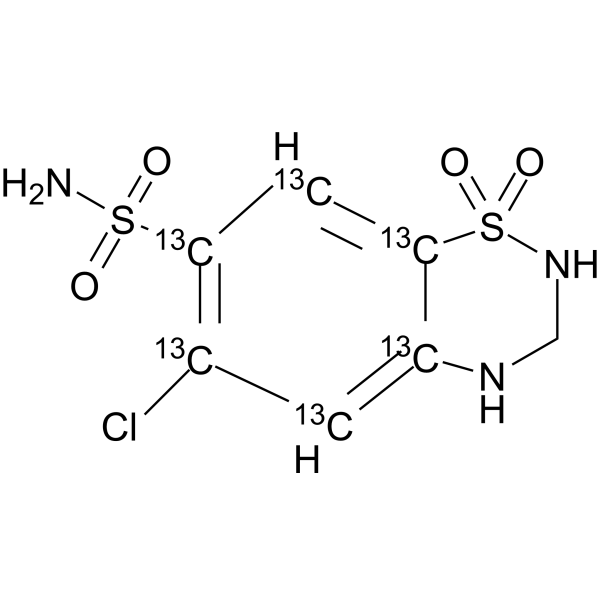
Hydrochlorothiazide- 13C6 is the 13C labeled Hydrochlorothiazide . Hydrochlorothiazide (HCTZ), an orally active diuretic agent of the thiazide class, inhibits transforming TGF-β/Smad signaling pathway. Hydrochlorothiazide has direct vascular relaxant effects via opening of the calcium-activated potassium (KCA) channel. Hydrochlorothiazide improves cardiac function, reduces fibrosis and has antihypertensive effect .
|
-
-
- HY-174257
-
|
|
NF-κB
Oxidative Phosphorylation
|
Inflammation/Immunology
|
|
RCD405 is a bronchodilator. RCD405 exerts relaxant effects by acting directly on human airway smooth muscle (hASM) with an EC50 value of 12 μM for histamine-induced contractions and 45.71 μM for carbachol-induced contractions. RCD405 inhibits cholinergic and histaminergic tone and reduces electrically stimulated (EFS)-induced contractions. RCD405 is promising for research of asthma and chronic obstructive pulmonary disease (COPD) .
|
-

-
- HY-B0678S
-
|
|
Isotope-Labeled Compounds
NF-κB
PGC-1α
|
Neurological Disease
Inflammation/Immunology
|
|
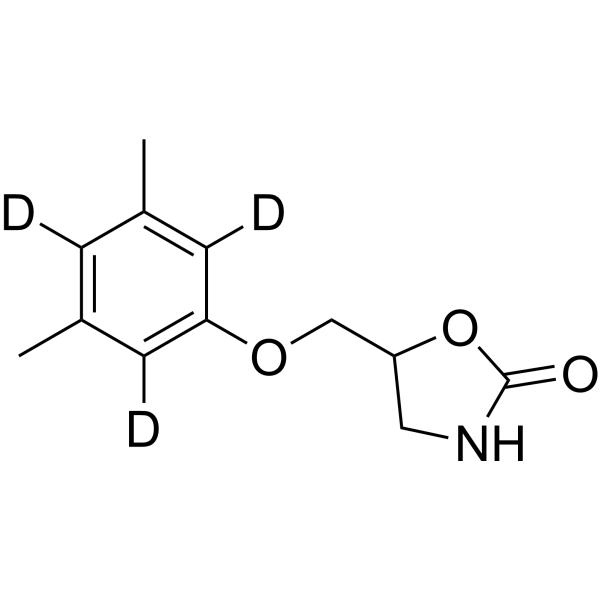
Metaxalone-d3 is the deuterium labeled Metaxalone. Metaxalone (AHR438; NSC170959) is an FDA-approved muscle relaxant. Metaxalone acts mainly on the central nervous system and achieves muscle relaxation by inhibiting polysynaptic reflex arcs. In addition, Metaxalone is an inhibitor of MAO-A, which has anti-inflammatory and antioxidant effects. Metaxalone inhibits IL-1β-induced inflammatory phenotype, modulates NF-κB and other related signaling pathways, and decreases MAO-A expression and activity in IL-1β-treated microglia .
|
-
-
- HY-B0678S1
-
|
AHR438-d6; NSC170959-d6
|
Isotope-Labeled Compounds
NF-κB
PGC-1α
|
Neurological Disease
Inflammation/Immunology
|
|
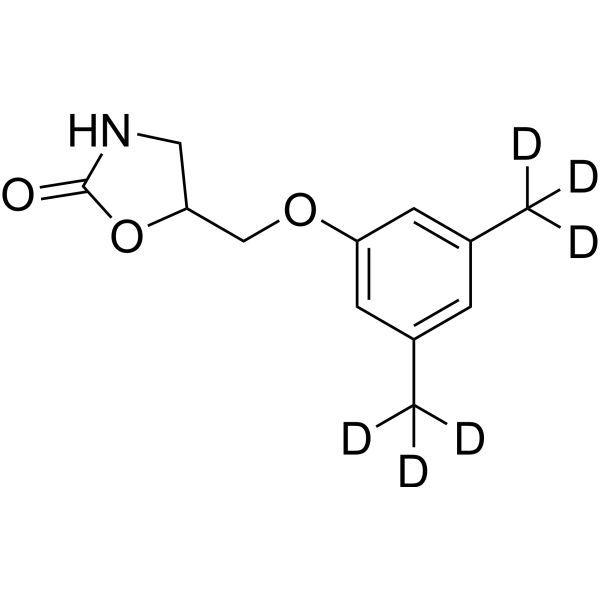
Metaxalone-d6 is deuterium labeled Metaxalone. Metaxalone (AHR438; NSC170959) is an FDA-approved muscle relaxant. Metaxalone acts mainly on the central nervous system and achieves muscle relaxation by inhibiting polysynaptic reflex arcs. In addition, Metaxalone is an inhibitor of MAO-A, which has anti-inflammatory and antioxidant effects. Metaxalone inhibits IL-1β-induced inflammatory phenotype, modulates NF-κB and other related signaling pathways, and decreases MAO-A expression and activity in IL-1β-treated microglia .
|
-
-
- HY-B0678R
-
|
AHR438 (Standard); NSC170959 (Standard)
|
Reference Standards
NF-κB
PGC-1α
|
Neurological Disease
Inflammation/Immunology
|
|
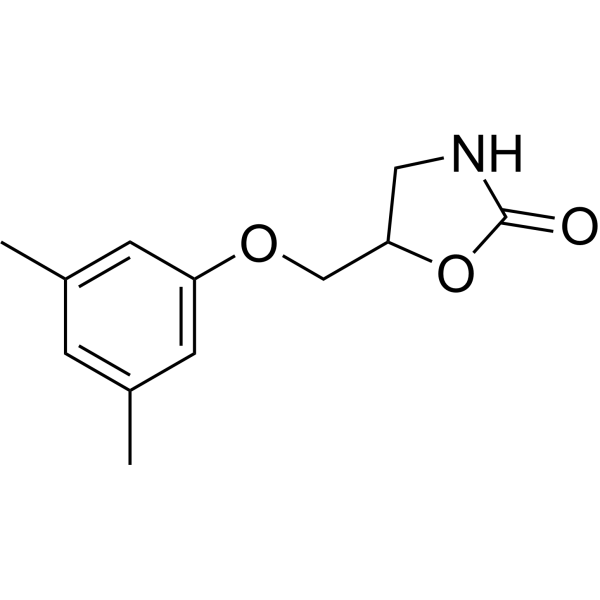
Metaxalone (Standard) is the analytical standard of Metaxalone. This product is intended for research and analytical applications. Metaxalone (AHR438; NSC170959) is an FDA-approved muscle relaxant. Metaxalone acts mainly on the central nervous system and achieves muscle relaxation by inhibiting polysynaptic reflex arcs. In addition, Metaxalone is an inhibitor of MAO-A, which has anti-inflammatory and antioxidant effects. Metaxalone inhibits IL-1β-induced inflammatory phenotype, modulates NF-κB and other related signaling pathways, and decreases MAO-A expression and activity in IL-1β-treated microglia .
|
-
-
- HY-B0194R
-
|
|
Reference Standards
Adrenergic Receptor
Apoptosis
Akt
Wnt
β-catenin
|
Neurological Disease
Endocrinology
Cancer
|
|
Tizanidine (Standard) is the analytical standard of Tizanidine (HY-B0194). This product is intended for research and analytical applications. Tizanidine, a skeletal muscle relaxant, is an orally effective central α2-adrenoceptor agonist (IC50 = 6.9 nmol). Tizanidine primarily exerts muscle relaxation effects by inhibiting the release of excitatory amino acids (glutamate and aspartate) from the presynaptic terminals of spinal cord interneurons. Tizanidine has anti-injury activity and can inhibit gastrointestinal (GI) transport. Tizanidine can inhibit the proliferation, migration, and invasion of lung cancer cells and induce cell apoptosis by upregulating Nischarin and inhibiting the AKT and Wnt3a/β-catenin signaling pathways. Tizanidine can be used to treat spasticity caused by diseases such as multiple sclerosis (MS), stroke, and spinal cord injury (SCI).
|
-

-
- HY-B0194AR
-
|
|
Reference Standards
Adrenergic Receptor
Apoptosis
Akt
Wnt
β-catenin
|
Neurological Disease
Endocrinology
Cancer
|
|
Tizanidine hydrochloride (Standard) is the analytical standard of Tizanidine hydrochloride (HY-B0194A). This product is intended for research and analytical applications. Tizanidine hydrochloride, a skeletal muscle relaxant, is an orally effective central α2-adrenoceptor agonist (IC50 = 6.9 nmol). Tizanidine hydrochloride primarily exerts muscle relaxation effects by inhibiting the release of excitatory amino acids (glutamate and aspartate) from the presynaptic terminals of spinal cord interneurons. Tizanidine hydrochloride has anti-injury activity and can inhibit gastrointestinal (GI) transport. Tizanidine hydrochloride can inhibit the proliferation, migration, and invasion of lung cancer cells and induce cell apoptosis by upregulating Nischarin and inhibiting the AKT and Wnt3a/β-catenin signaling pathways. Tizanidine hydrochloride can be used to treat spasticity caused by diseases such as multiple sclerosis (MS), stroke, and spinal cord injury (SCI).
|
-

-
- HY-B0194AS
-
|
|
Isotope-Labeled Compounds
Adrenergic Receptor
Apoptosis
Akt
Wnt
β-catenin
|
Neurological Disease
Endocrinology
Cancer
|
|
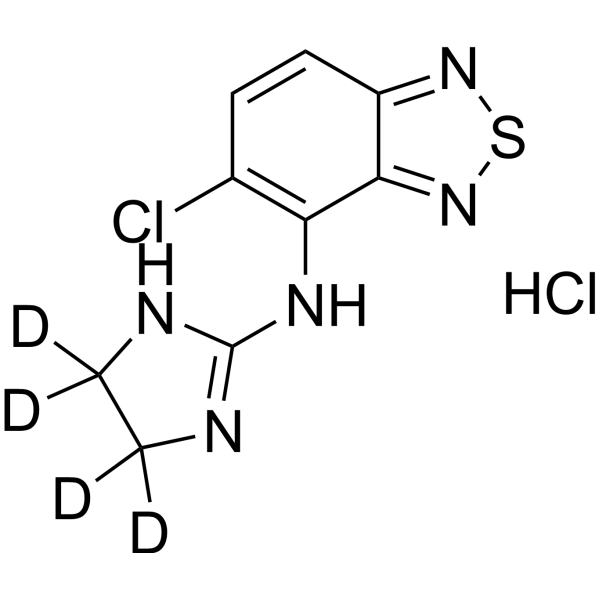
Tizanidine-d4 hydrochloride is deuterium labeled Tizanidine hydrochloride (HY-B0194A). Tizanidine hydrochloride, a skeletal muscle relaxant, is an orally effective central α2-adrenoceptor agonist (IC50 = 6.9 nmol). Tizanidine hydrochloride primarily exerts muscle relaxation effects by inhibiting the release of excitatory amino acids (glutamate and aspartate) from the presynaptic terminals of spinal cord interneurons. Tizanidine hydrochloride has anti-injury activity and can inhibit gastrointestinal (GI) transport. Tizanidine hydrochloride can inhibit the proliferation, migration, and invasion of lung cancer cells and induce cell apoptosis by upregulating Nischarin and inhibiting the AKT and Wnt3a/β-catenin signaling pathways. Tizanidine hydrochloride can be used to treat spasticity caused by diseases such as multiple sclerosis (MS), stroke, and spinal cord injury (SCI).
|
-
-
- HY-182426
-
|
|
Carbonic Anhydrase
|
Neurological Disease
|
|
NCX-278 is a human carbonic anhydrase inhibitor with a 13 nM Ki for hCA II, 410 nM Ki for hCA I, 181 nM Ki for hCA IV, and selective inhibition of hCA II over hCA IV. NCX-278 is a potent and effective stimulator of NO/sGC/cGMP signaling with an EC50 of 2.05 lM. NCX-278 exerts NO-mediated vascular relaxant effects. NCX-278 lowers intraocular pressure in normotensive rabbits. NCX-278 can be used for the research of open-angle glaucoma .
|
-

-
- HY-105203
-
|
|
Others
|
Neurological Disease
|
|
MS-322 is an orally active centrally acting muscle relaxant. MS-322 can dose-dependently inhibit spinal reflex potentials, reduce neuronal excitability and muscle afferent discharges, and so on in rats. In addition, MS-322 has relatively weak inhibitory effects on other central nervous system pathways and no effect on the neuromuscular junction .
|
-

-
- HY-P3269A
-
|
|
Calcium Channel
|
Cardiovascular Disease
|
|
Calciseptine TFA, a polypeptide found in black mamba venom, is a selcetive Cav1.2 L-type calcium channel inhibitor with an IC50 of 92 nM. Calciseptine TFA binds to the pore domain shoulder at repeats III and IV of Cav1.2, stabilizing an inactivated conformation. Calciseptine TFA exhibits negative inotropic and negative relaxant effects on mice, and does not affect heart rate or the action potential of sinoatrial node pacemaker cells. Calciseptine TFA can be used for the research of cardiovascular diseases .
|
-

-
- HY-19091
-
|
|
Phosphodiesterase (PDE)
Adrenergic Receptor
COX
|
Cardiovascular Disease
|
|
ICI-170777 is an orally active cardiotonic agent and type III Phosphodiesterase inhibitor, with an IC50 of 2.5 μM against cyclic AMP phosphodiesterase type III from canine cardiac fractions. ICI-170777 inhibits Aldrin epoxidase and pentobarbital metabolism. It enhances β-adrenergic receptor-mediated positive inotropic effects without causing chronotropic effects, while also exerting balanced arteriolar/venular vasodilator, platelet aggregation inhibitor and smooth muscle relaxant activities. ICI-170777 restores cardiac function in an acute canine heart failure model, exhibits additive effects when combined with Ouabain (HY-B1457), and shows no significant activity against multiple receptor classes or non-cardiac systems. ICI-170777 can be used in research related to congestive heart failure .
|
-

| Cat. No. |
Product Name |
Target |
Research Area |
-
- HY-P3269
-
|
|
Calcium Channel
|
Cardiovascular Disease
|
|
Calciseptine is a natural polypeptide toxin found in the venom of the black mamba snake (Dendroaspis p. polylepis). Calciseptine is a highly effective and selective blocker of the L-type channel of the Cav1.2 subtype, with an IC50 value of 92 nM. Calciseptine has no effect on Cav3.1, Cav2.2, Cav2.1, Cav1.1, voltage-sensitive sodium channels and potassium channels. Calciseptine exhibits negative inotropic and negative relaxant effects on mice, and does not affect heart rate or the action potential of sinoatrial node pacemaker cells. Calciseptine can be used for research on cardiovascular diseases[1].
|
-
- HY-P4013
-
-
- HY-P3269A
-
|
|
Calcium Channel
|
Cardiovascular Disease
|
|
Calciseptine TFA, a polypeptide found in black mamba venom, is a selcetive Cav1.2 L-type calcium channel inhibitor with an IC50 of 92 nM. Calciseptine TFA binds to the pore domain shoulder at repeats III and IV of Cav1.2, stabilizing an inactivated conformation. Calciseptine TFA exhibits negative inotropic and negative relaxant effects on mice, and does not affect heart rate or the action potential of sinoatrial node pacemaker cells. Calciseptine TFA can be used for the research of cardiovascular diseases .
|
| Cat. No. |
Product Name |
Category |
Target |
Chemical Structure |
| Cat. No. |
Product Name |
Chemical Structure |
-
- HY-B0252S1
-
|
|
|
Hydrochlorothiazid- 13C,d2 is the 13C- and deuterium labeled Hydrochlorothiazide. Hydrochlorothiazide (HCTZ), an orally active diuretic agent of the thiazide class, inhibits transforming TGF-β/Smad signaling pathway. Hydrochlorothiazide has direct vascular relaxant effects via opening of the calcium-activated potassium (KCA) channel. Hydrochlorothiazide improves cardiac function, reduces fibrosis and has antihypertensive effect .
|
-
-
- HY-B0252S
-
|
|
|
Hydrochlorothiazid-d2 is the deuterium labeled Hydrochlorothiazide. Hydrochlorothiazide (HCTZ), an orally active diuretic agent of the thiazide class, inhibits transforming TGF-β/Smad signaling pathway. Hydrochlorothiazide has direct vascular relaxant effects via opening of the calcium-activated potassium (KCA) channel. Hydrochlorothiazide improves cardiac function, reduces fibrosis and has antihypertensive effect .
|
-
-
- HY-B0194S
-
|
|
|
Tizanidine-d4 is the deuterium labeled Tizanidine (HY-B0194). Tizanidine, a skeletal muscle relaxant, is an orally effective central α2-adrenoceptor agonist (IC50 = 6.9 nmol). Tizanidine primarily exerts muscle relaxation effects by inhibiting the release of excitatory amino acids (glutamate and aspartate) from the presynaptic terminals of spinal cord interneurons. Tizanidine has anti-injury activity and can inhibit gastrointestinal (GI) transport. Tizanidine can inhibit the proliferation, migration, and invasion of lung cancer cells and induce cell apoptosis by upregulating Nischarin and inhibiting the AKT and Wnt3a/β-catenin signaling pathways. Tizanidine can be used to treat spasticity caused by diseases such as multiple sclerosis (MS), stroke, and spinal cord injury (SCI).
|
-
-
- HY-B0252S3
-
|
|
|
Hydrochlorothiazide- 15N2, 13C,d2 is 15N and deuterated labeled Hydrochlorothiazide (HY-B0252). Hydrochlorothiazide (HCTZ), an orally active diuretic agent of the thiazide class, inhibits transforming TGF-β/Smad signaling pathway. Hydrochlorothiazide has direct vascular relaxant effects via opening of the calcium-activated potassium (KCA) channel. Hydrochlorothiazide improves cardiac function, reduces fibrosis and has antihypertensive effect .
|
-
-
- HY-B1901S
-
|
|
|
Eperisone-d10 (hydrochloride) is the deuterium labeled Eperisone hydrochloride. Eperisone Hydrochloride ((±)-Eperisone hydrochloride) is an antispastic agent used for treatment of diseases characterized by muscle stiffness and pain. It works by relaxing both skeletal muscles and vascularsmooth muscles, thus demonstrating avariety of effects such as reduction ofmyotonia, improvement of circulationand suppression of the pain reflex. Eperisone Hydrochloride ((±)-Eperisone hydrochloride) is a centrally acting muscle relaxant inhibiting the pain reflex pathway, having a vasodilator effect [2 .
|
-
-
- HY-B1283S
-
|
|
|
Mephenesin-d3 is deuterium labeled Mephenesin. Mephenesin is an NMDA receptor antagonist. Mephenesin is also a central muscle relaxant with antianxiety, muscle-paralyzing and anticonvulsant effects. Mephenesin acts directly on the skeletal muscle fibres to produce skeletal muscle relaxation. Mephenesin is promising for research of spasticity or painful muscle spasm .
|
-
-
- HY-B0252S2
-
|
|
|
Hydrochlorothiazide- 13C6 is the 13C labeled Hydrochlorothiazide . Hydrochlorothiazide (HCTZ), an orally active diuretic agent of the thiazide class, inhibits transforming TGF-β/Smad signaling pathway. Hydrochlorothiazide has direct vascular relaxant effects via opening of the calcium-activated potassium (KCA) channel. Hydrochlorothiazide improves cardiac function, reduces fibrosis and has antihypertensive effect .
|
-
-
- HY-B0678S
-
|
|
|
Metaxalone-d3 is the deuterium labeled Metaxalone. Metaxalone (AHR438; NSC170959) is an FDA-approved muscle relaxant. Metaxalone acts mainly on the central nervous system and achieves muscle relaxation by inhibiting polysynaptic reflex arcs. In addition, Metaxalone is an inhibitor of MAO-A, which has anti-inflammatory and antioxidant effects. Metaxalone inhibits IL-1β-induced inflammatory phenotype, modulates NF-κB and other related signaling pathways, and decreases MAO-A expression and activity in IL-1β-treated microglia .
|
-
-
- HY-B0678S1
-
|
|
|
Metaxalone-d6 is deuterium labeled Metaxalone. Metaxalone (AHR438; NSC170959) is an FDA-approved muscle relaxant. Metaxalone acts mainly on the central nervous system and achieves muscle relaxation by inhibiting polysynaptic reflex arcs. In addition, Metaxalone is an inhibitor of MAO-A, which has anti-inflammatory and antioxidant effects. Metaxalone inhibits IL-1β-induced inflammatory phenotype, modulates NF-κB and other related signaling pathways, and decreases MAO-A expression and activity in IL-1β-treated microglia .
|
-
-
- HY-B0194AS
-
|
|
|
Tizanidine-d4 hydrochloride is deuterium labeled Tizanidine hydrochloride (HY-B0194A). Tizanidine hydrochloride, a skeletal muscle relaxant, is an orally effective central α2-adrenoceptor agonist (IC50 = 6.9 nmol). Tizanidine hydrochloride primarily exerts muscle relaxation effects by inhibiting the release of excitatory amino acids (glutamate and aspartate) from the presynaptic terminals of spinal cord interneurons. Tizanidine hydrochloride has anti-injury activity and can inhibit gastrointestinal (GI) transport. Tizanidine hydrochloride can inhibit the proliferation, migration, and invasion of lung cancer cells and induce cell apoptosis by upregulating Nischarin and inhibiting the AKT and Wnt3a/β-catenin signaling pathways. Tizanidine hydrochloride can be used to treat spasticity caused by diseases such as multiple sclerosis (MS), stroke, and spinal cord injury (SCI).
|
-
Your information is safe with us. * Required Fields.
Inquiry Information
- Product Name:
- Cat. No.:
- Quantity:
- MCE Japan Authorized Agent:








