Infection
-
Infection Related Products (18905)
Related Products (18905)

-
Antibodies (22)
-
Methyl sterculate
 0 Images
Sterculic acid methyl ester is an ester form of sterculic acid, which is an inhibitor of Δ9 desaturase. Sterculic acid methyl ester (0.75 mM) inhibits the growth of, and is toxic to, the bacteria R. opacus. It decreases the fatty acid content, increases the ratio of palmitate to other fatty acids, and decreases the levels of stearate and oleate in R. opacus when used at concentrations of 0.25 or 0.5 mM. Sterculic acid methyl ester (50 ppm) has a synergistic effect on increased tumor growth induced by aflatoxin Q1 in rainbow trout.
-
ERRγ inverse agonist 2
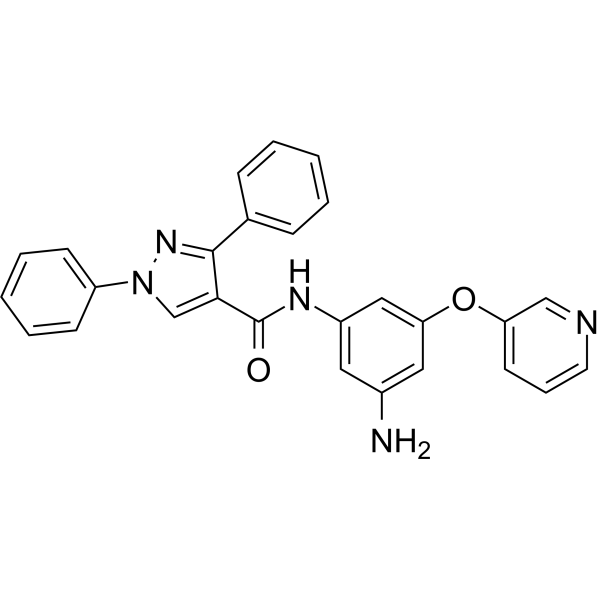 0 ImagesCat. No.: HY-149833CAS No.: 324022-01-7
-
Europetin
 0 ImagesCat. No.: HY-N18356CAS No.: 16280-27-6Synonyms: 7-O-Methylmyricetin
Europetin (7-O-Methylmyricetin) is a natural product. Europetin can be isolated from the peels of Citrus aurantifolia. Europetin shows no antiplasmodial activity against Plasmodium falciparum NF54 with an IC50 > 50 μM. Europetin can be used for the research of malaria.
-
PAC-Phe-Val
 0 ImagesCat. No.: HY-180567CAS No.: 3088543-72-7
PAC-Phe-Val is a potent HIV-1 protease inhibitor with an IC50 value of 33.10 nM. PAC-Phe-Val forms stable and strong interactions with critical active site residues, contributing to its high inhibitory potency. PAC-Phe-Val can be used for HIV/AIDS research.
-
Cap-dependent endonuclease-IN-10
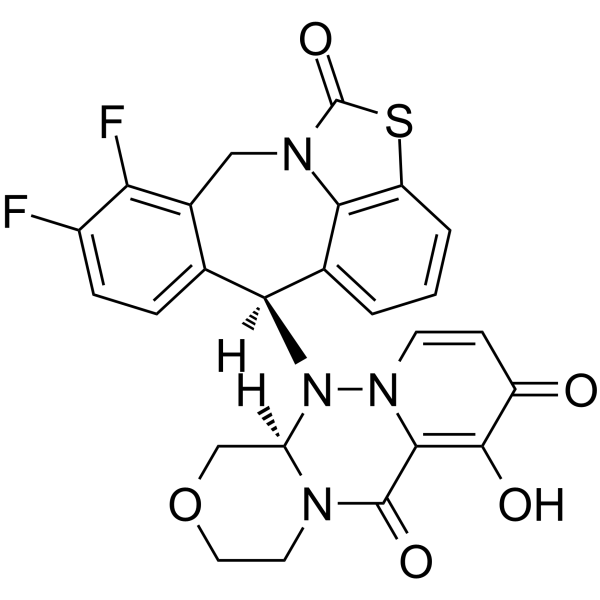 0 ImagesCat. No.: HY-143757CAS No.: 2663989-04-4
Cap-dependent endonuclease-IN-10 is a potent inhibitor of cap-dependent endonuclease (CEN). Not only can Cap-dependent endonuclease-IN-10 inhibit influenza virus well, but also has lower cytotoxicity, better in vivo pharmacokinetic and in vivo pharmacodynamic properties, and better hepatic microsomal stability. Cap-dependent endonuclease-IN-10 has the potential for the research of viral infections (including influenza A, influenza B and influenza C) (extracted from patent WO2021129799A1, compound 1-1).
-
Chartreusin
 0 Images
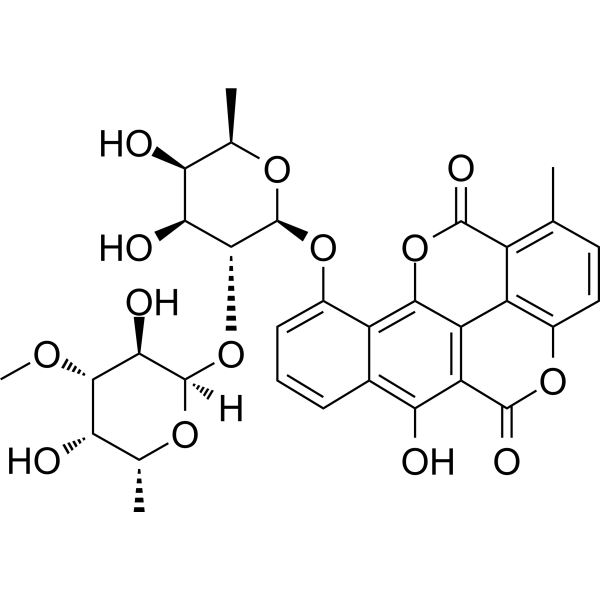
Chartreusin is an antibiotic that is active against certain Gram-positive organisms and mycobacteria. Chartreusin is also active against the Micrococcus fiyogenes v. aureus phage.
-
BI01826025
 0 ImagesCat. No.: HY-153574Synonyms: pArg-JQ1
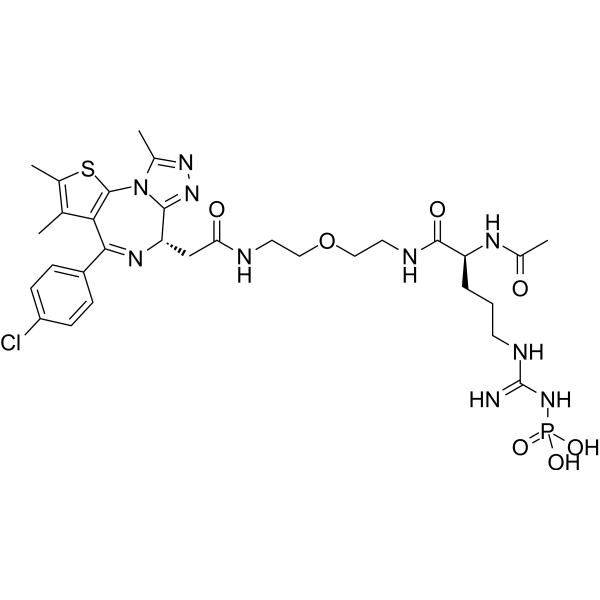
BI01826025 (pArg-JQ1) is a BacPROTAC-type bifunctional degrader that induces the degradation of BRDTBD1-containing substrates by recruiting the ClpC1P1P2 protease system. BI01826025 binds to the BRDTBD1 substrate via its JQ1 moiety and to ClpC1 via its pArg moiety; it delivers the substrate to ClpC1, where the substrate undergoes ClpC1-mediated unfolding followed by proteolysis by ClpP1P2. BI01826025 can be used to study ClpC1P1P2-mediated targeted protein degradation and ClpC2-regulated bacterial protein homeostasis.
-
Raphanus sativus extract
 0 ImagesCat. No.: HY-N18650CAS No.: 84775-94-0
Raphanus sativus extract, derived from the radish plant, possesses detoxifying, anti-inflammatory, antioxidant, and antibacterial properties. Its main bioactive components include glucosinolates, anthocyanins, flavonoids, and vitamin C.
-
RFI-641
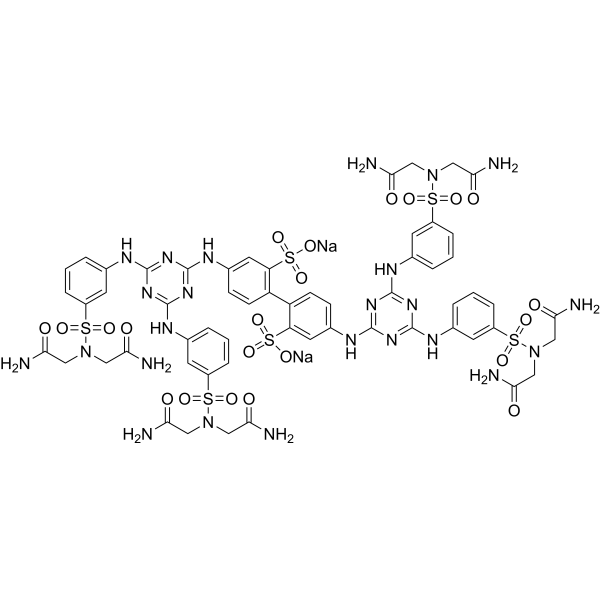 0 ImagesCat. No.: HY-19874CAS No.: 197366-24-8
RFI-641 is a selective inhibitor of the respiratory syncytial virus (RSV), with an IC50 of 50 nM. RFI-641 inhibit binding and fusion of enveloped virus via interaction with the viral fusion protein.
-
Nystatin A2
 0 ImagesCat. No.: HY-152909CAS No.: 65086-32-0
Nystatin A2 is an active component of antifungal agent, Nystatin (HY-17409). Nystatin is an orally active polyene antifungal antibiotic effective against yeast and mycoplasma.
-
Suc-AAPE-pNA
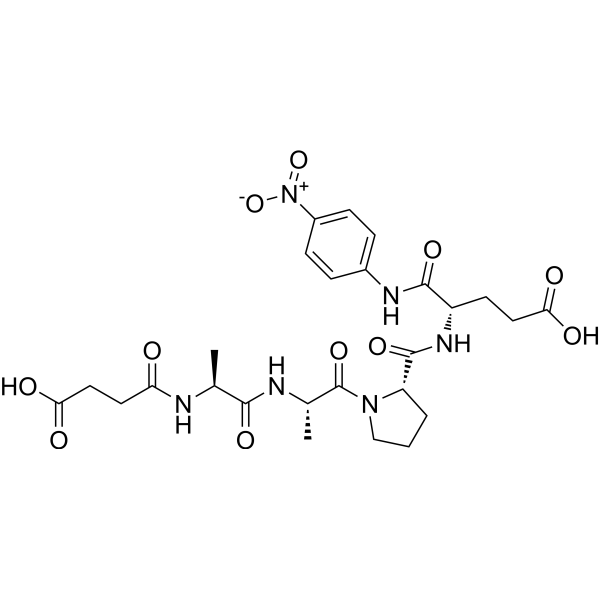 0 Images
Suc-AAPE-pNA is a chromogenic substrate of glutamyl endopeptidase. Suc-AAPE-pNA can be used to test glutamyl endopeptidase activity.
-
21-Hydroxyisoohchininolide
 0 ImagesCat. No.: HY-N18117CAS No.: 1429747-14-7
21-Hydroxyisoohchininolide is a salannin-type limonoid. 21-Hydroxyisoohchininolide inhibits lipopolysaccharide (LPS, HY-D1056)-induced nitric oxide production in mouse macrophages. 21-Hydroxyisoohchininolide exhibits cytotoxic activity against leukemia cells and breast cancer cells. 21-Hydroxyisoohchininolide suppresses phorbol 12-myristate 13-acetate (PMA) (HY-18739)-induced activation of Epstein-Barr virus early antigen in lymphocytes. 21-Hydroxyisoohchininolide can be used for the research of leukemia, breast cancer and inflammatory diseases.
-
DENV-IN-10
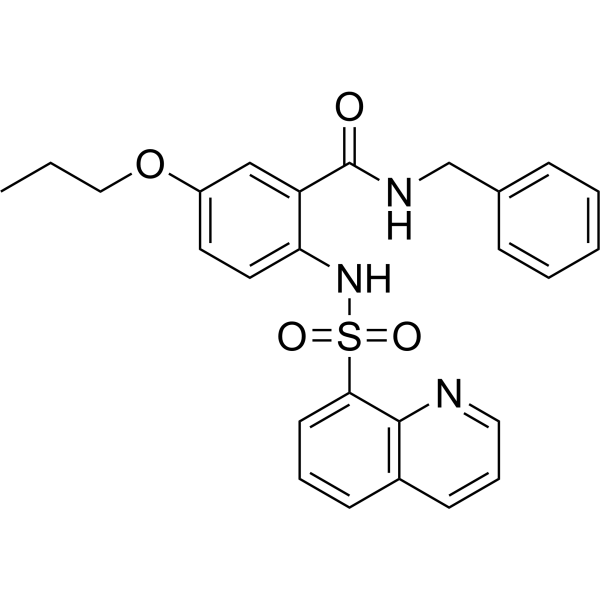 0 ImagesCat. No.: HY-149251CAS No.: 3043724-36-0
DENV-IN-10 is a potent tetravalent dengue inhibitor, with EC50s of 1.36, 0.87, 0.94, and 0.95 μM against DENV-1-4 serotypes, respectively. DENV-IN-10 is a post-entry replication inhibitor that appears to be specific for cells of primate origin.
-
Anti-MRSA agent 31
 0 ImagesCat. No.: HY-174459
Anti-MRSA agent 31 (Compound 6) is an anti-methicillin-resistant Staphylococcus aureus (MRSA) agent with a MIC of 97 μg/mL and a MBC of 781.25 μg/mL. Anti-MRSA agent 31 has a potent antibacterial activity and a strong Binding Protein 2a (PBP2a) inhibitory activity.
-
Decarestrictine D
 0 ImagesCat. No.: HY-125732CAS No.: 127393-89-9
Decarestrictine D exhibits inhibitory activity against cholesterol levels. Decarestrictine D is utilized as receptor for glycosylation reactions to synthesize novel hybrid antibiotics.
-
Carbonic anhydrase inhibitor 5
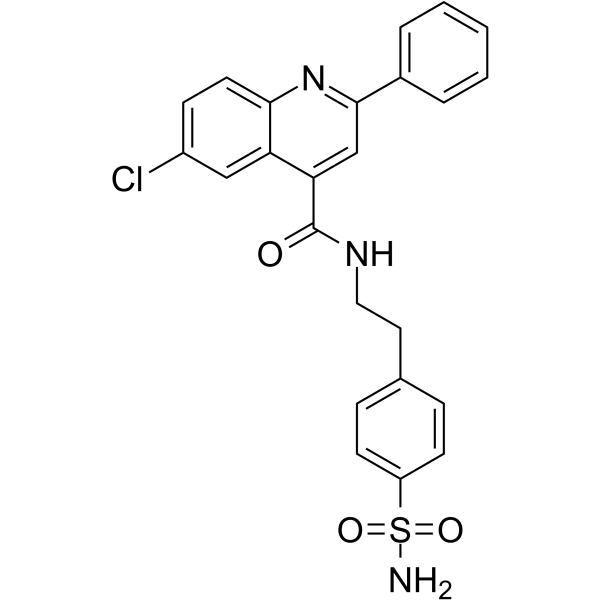 0 ImagesCat. No.: HY-144639CAS No.: 3033415-81-2
Carbonic anhydrase inhibitor 5 is a potent and selective human carbonic anhydrase (hCA) inhibitor with IC50s of 42.9, 47,6 and 6.7 nM for hCA II, hCA IX and hCA XII, respectively.
-
Hypocrellin B (Standard)
 0 ImagesCat. No.: HY-N1453RCAS No.: 123940-54-5
Hypocrellin B (Standard) is the analytical standard of Hypocrellin B. This product is intended for research and analytical applications. Hypocrellin B, a pigment isolated from the fungi Hypocrella bambusae and Shiraia bambusicola, is an apoptosis inducer. Hypocrellin B can be used as a photosensitizer for photodynamic therapy of cancer. Hypocrellin B also has antimicrobial and antileishmanial activities[1][2][3].
-
AB-161
 0 ImagesCat. No.: HY-159987CAS No.: 2848560-66-5
AB-161 is an orally active HBV RNA destabilizer and a PAPD5/7 inhibitor, with its primary action focused in the liver. AB-161 treats Hepatitis B Virus (HBV) infection by lowering the levels of Hepatitis B surface antigen (HBsAg), with an EC50 value of 2.2 nM for HBsAg. AB-161 can be used in the field of HBV infection research.
-
KSK-104
 0 ImagesCat. No.: HY-162508
KSK-104 has potent antibacterial activity against Mycobacterium tuberculosis (MIC=0.78 μM). The role of KSK-104 is mainly involved in the synthesis and recovery pathways of pyridoxal 5'-phosphate (PLP), PLP-dependent enzymes and oxidative stress networks. KSK-104, as a candidate molecule for novel anti-tuberculosis drugs, can be used to develop research against drug-resistant mycobacterium tuberculosis.
-
HCV-1 e2 Protein (554-569)
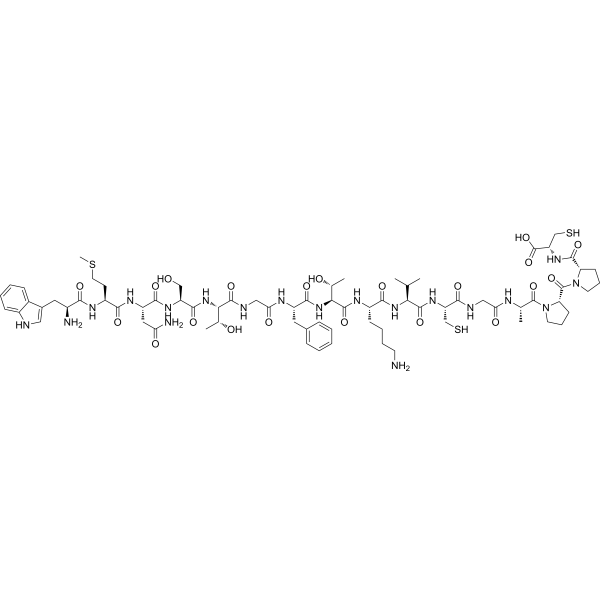 0 ImagesCat. No.: HY-P4027CAS No.: 290362-31-1
HCV-1 e2 Protein (554-569) is one of the main antigenic regions of HCV envelope 2 (e2) protein. The HCV-1 e2 Protein (554-569) contains a putative n-glycosylation site, which was previously thought to influence the immune recognition of e2.