



5-HT Receptor
5-HT receptors (5-hydroxytryptamine receptors) constitute a diverse neurotransmitter receptor family that regulates excitatory and inhibitory signaling across the central and peripheral nervous systems through G protein-coupled receptor pathways and ligand-gated ion channel mechanisms[1][4]. The receptor family controls intracellular second-messenger signaling, including cAMP, phospholipase C, inositol trisphosphate, and calcium mobilization, thereby influencing synaptic transmission, neuronal excitability, and neuroplasticity[1][5]. Mechanistically, most 5-HT receptor subtypes are G protein-coupled receptors, whereas 5-HT3 receptors form cation-selective ligand-gated ion channels that mediate rapid neuronal depolarization[1][2]. In disease-relevant models, dysregulated 5-HT receptor signaling has been associated with depression, psychosis, aggression, pain processing, and other neuropsychiatric disorders, supporting their importance as pharmacological targets[5][3][6]. Compared with related isoforms, receptor diversity is further expanded through alternative splicing and RNA editing, particularly within 5-HT2C, 5-HT4, 5-HT6, and 5-HT7 receptors, resulting in subtype-specific signaling and pharmacological properties[1]. For experimental applications, selective agonists and antagonists targeting 5-HT1A, 5-HT2A, and 5-HT7 receptors have been widely used to investigate synaptic plasticity, antidepressant mechanisms, psychotropic responses, and receptor-mediated cAMP signaling pathways[3][6][7].
References:
- [1]. Guide to pharmacology. Database.
- [2]. sciencedirect.topics.
- [3]. Sharp T, et al. Central 5-HT receptors and their function; present and future. Neuropharmacology. 2020;177:108155.
- [4]. Parajulee A, et al. Structural studies of serotonin receptor family. BMB Rep. 2023;56(10):527-536. [Content Brief]
- [5]. Popova NK, et al. The Implication of 5-HT Receptor Family Members in Aggression, Depression and Suicide: Similarity and Difference. Int J Mol Sci. 2022 Aug 8;23(15):8814. [Content Brief]
- [6]. Radovanović NN, et al. Bidirectional Cardio-Respiratory Interactions in Heart Failure. Front Physiol. 2018 Mar 6;9:165. [Content Brief]
- [7]. Quintero-Villegas A, et al. Role of 5-HT7 receptors in the immune system in health and disease. Mol Med. 2019 Dec 31;26(1):2. [Content Brief]
All Product Categories
-
5-HT Receptor Inhibitors
(91)
View all products
-
5-HT Receptor Agonists
(115)
View all products
-
5-HT Receptor Antagonists
(228)
View all products
-
5-HT Receptor Activators
(10)
View all products
-
5-HT Receptor Modulators
(22)
View all products
-
5-HT Receptor Inducers
(2)
View all products
-
5-HT Receptor Controls
(15)
View all products
-
5-HT Receptor Ligands
(7)
View all products
-
5-HT Receptor Related Products (573)
Related Products (573)

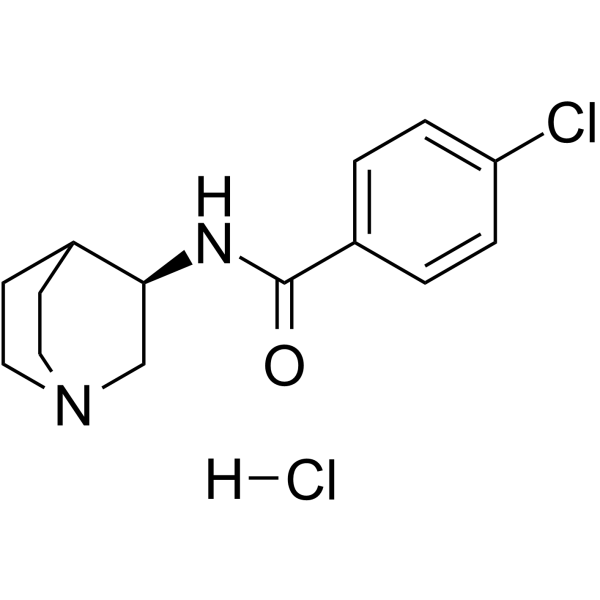
-
Cyclopiazonic acid
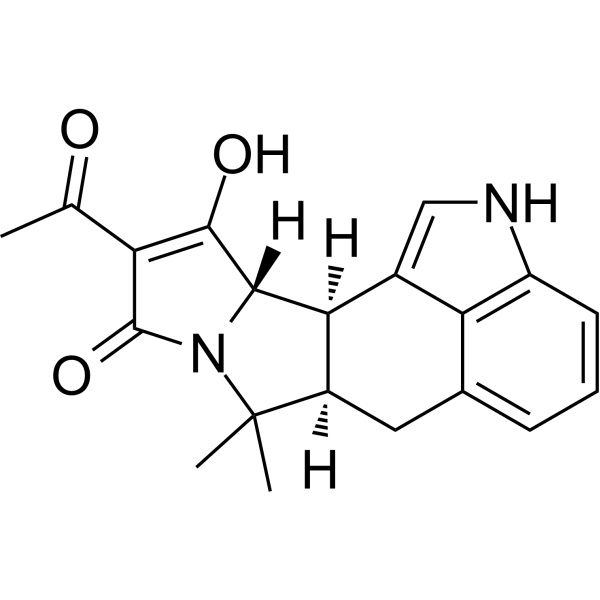 0 ImagesCyclopiazonic acid is an endoplasmic reticulum calcium ATPase (ECAs) inhibitor and human respiratory syncytial virus (RSV) inhibitor (EC50 value of 4.13 μ M), which can reduce the antagonistic effect of 5-HT receptors in rat thoracic aorta, induce p53 dependent cell apoptosis and reproductive toxicity in mouse testes, and inhibit the biological activation of aflatoxin B[1][4][5].
-
Amitriptyline
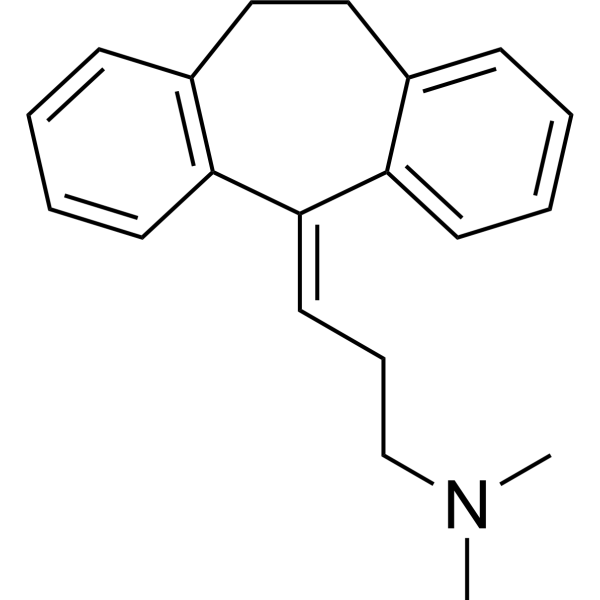 0 ImagesAmitriptyline is an orally active tricyclic antidepressant (TCA). Amitriptyline mainly exerts its antidepressant effect by blocking SERT (Ki = 3.45 nM) and NET (Ki = 13.3 nM), thereby increasing the concentrations of 5-hydroxytryptamine (5-HT) and norepinephrine (NE) in the synaptic cleft. Amitriptyline is also an agonist at α2A and TrkA/TrkB receptors, thereby exerting analgesic and neurotrophic activities (inhibiting cell apoptosis). Amitriptyline can reduce inflammation, angiogenesis and fibrosis. Amitriptyline binds to DAT (with Ki = 2.58 μM). Amitriptyline has high affinity for a series of receptors and can antagonize muscarinic cholinergic receptors (M1/M2/M3/M4/M5 receptors) (Ki = 11-24 nM), H1 receptors (Ki = 0.5-1.1 nM), adrenergic α1 receptors (Ki = 4.4 nM), etc., resulting in a series of side effects. Amitriptyline can block sodium channels and hERG potassium channel (IC50 = 4.78 μM) and it has cardiotoxicity.
-
4-Chloro-L-phenylalanine
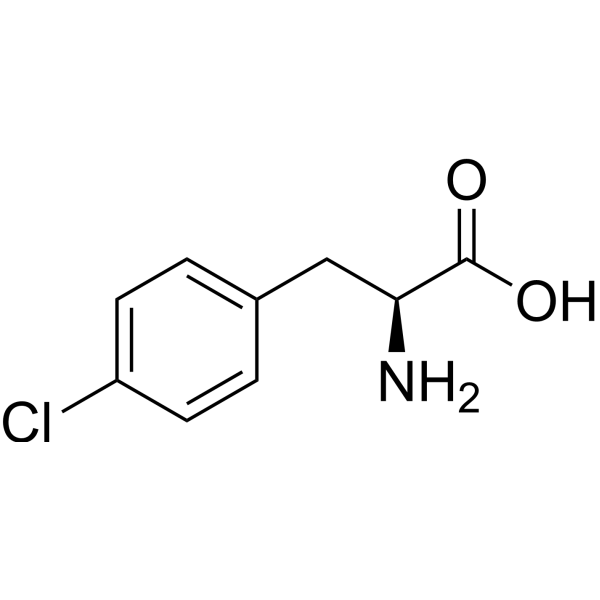 0 ImagesSynonyms: L-PCPA4-Chloro-L-phenylalanine (L-PCPA) is a tryptophan hydroxylase inhibitor targeting TPH1 and TPH2, with the activity of blocking serotonin biosynthesis. 4-Chloro-L-phenylalanine reduces the levels of serotonin and its metabolites in the brain without impairing the survival of serotonergic neurons. 4-Chloro-L-phenylalanine enhances anhedonic, depression-like and anxiety-like behaviors in mice with depleted noradrenergic and dopaminergic neurons. 4-Chloro-L-phenylalanine acts as a decarboxylation substrate for aromatic L-amino acid decarboxylase from Bacillus atrophaeus. 4-Chloro-L-phenylalanine can be used in studies related to Parkinson's disease.
-
Serotonin-d4
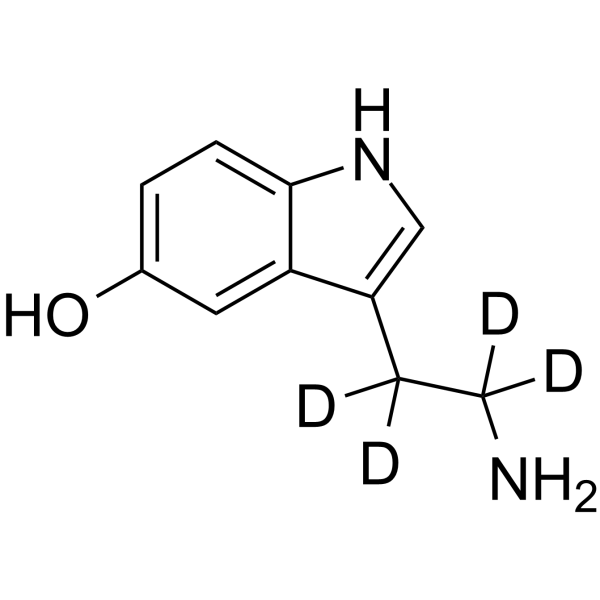 0 ImagesSynonyms: 5-Hydroxytryptamine-d4; 5-HT-d4Serotonin-d4 is deuterium labeled Serotonin. Serotonin is a monoamine neurotransmitter in the CNS and an endogenous 5-HT receptor agonist. Serotonin is also a catechol O-methyltransferase (COMT) inhibitor with a Ki of 44 μM.
-
Thioridazine
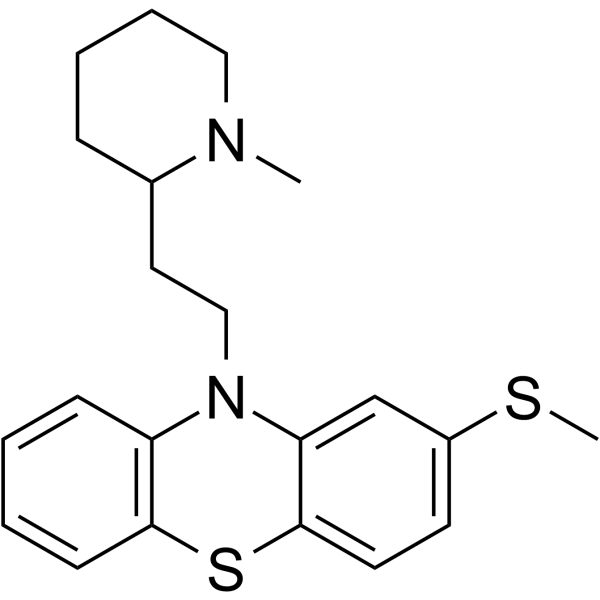 0 ImagesThioridazine, an antagonist of the dopamine receptor D2 family proteins, exhibits potent anti-psychotic and anti-anxiety activities. Thioridazine is also a potent inhibitor of PI3K-Akt-mTOR signaling pathways with anti-angiogenic effect. Thioridazine shows antiproliferative and apoptosis induction effects in various types of cancer cells, with specificity on targeting cancer stem cells (CSCs).
-
Azaphen dihydrochloride monohydrate
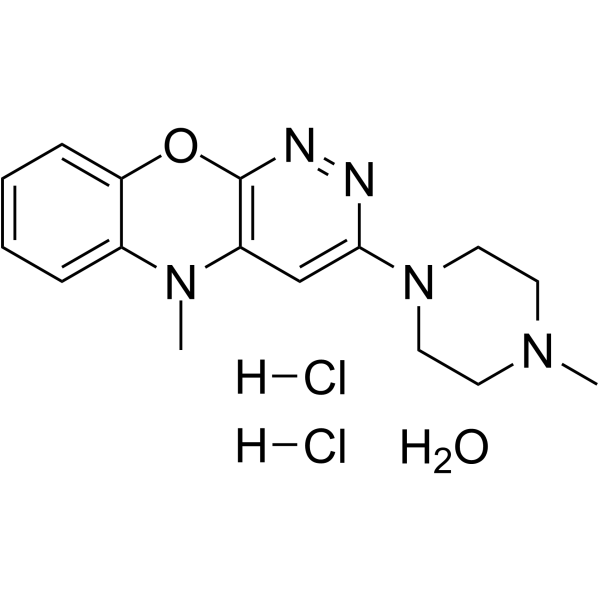 0 ImagesSynonyms: Azafen monohydrate; Pipofezin dihydrochloride monohydrate; Pipofezine dihydrochloride monohydrateAzaphen dihydrochloride monohydrate is an orally active tricyclic antidepressant that inhibits the reuptake of serotonin and monoamines, regulates the 5-HT2c receptor, and exerts sedative, antidepressant and anxiolytic effects. Azaphen dihydrochloride monohydrate increases the bioavailability of serotonin in the synaptic cleft, does not block muscarinic receptors or affect monoamine oxidase activity, and binds to the human serotonin transporter via salt bridges, π-stacking, π-cation and hydrophobic interactions. Azaphen dihydrochloride monohydrate can be used in studies related to depression.
-
Trazodone
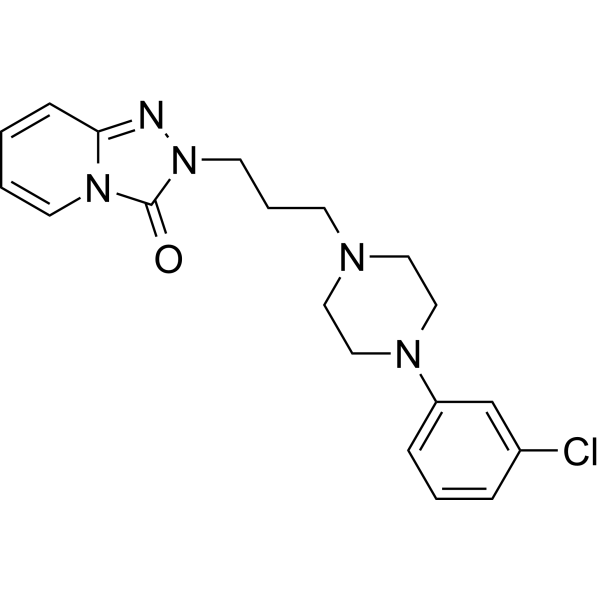 0 ImagesSynonyms: AF-1161 free baseTrazodone (AF-1161 free base) is a triazolopyridine derivative that belongs to the class of serotonin receptor antagonists and reuptake inhibitors (SARIs). Trazodone has anti-depressant and anti-insomnious activity. Trazodone exerts antagonistic properties against a1- and a2-adrenergic receptors and histamine H1 receptors, with minimal anticholinergic effects.
-
EEDQ
 0 ImagesSynonyms: EEDQEEDQ is a carboxylate activator and irreversible antagonist of 5HT2c receptors. EEDQ reduces [3H]β-CIT binding to the dopamine transporter (DAT) in rat caudate-putamen (CPu) homogenates (IC50 = 78.3 μM). EEDQ inhibits contralateral rotation behavior.
-
Levomepromazine
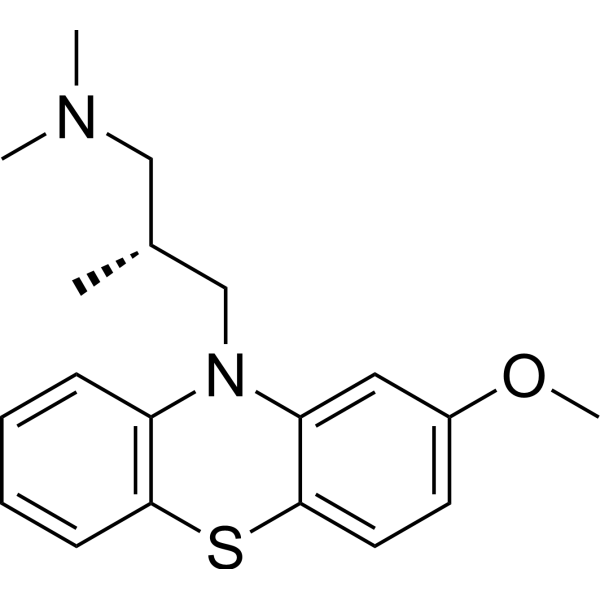 0 ImagesLevomepromazine (Methotrimeprazine) is an orally active antipsychotic compound and Ca2+ release inducer. Levomepromazine inhibits SERCA pump and induces an increase in cytoplasmic Ca2+ levels. Levomepromazine has antagonistic effects on a variety of neurotransmitter receptors, including dopamine, cholinergic, serotonin, and histamine receptors. Levomepromazine can induce adaptive ER stress and autophagy. In addition, Levomepromazine has antiviral, anti-inflammatory, neuroprotective and analgesic, sedative and anti-injurious activities. Levomepromazine can be used in the study psychiatric disorders and relieving nausea and vomiting.
-
SR 57227A
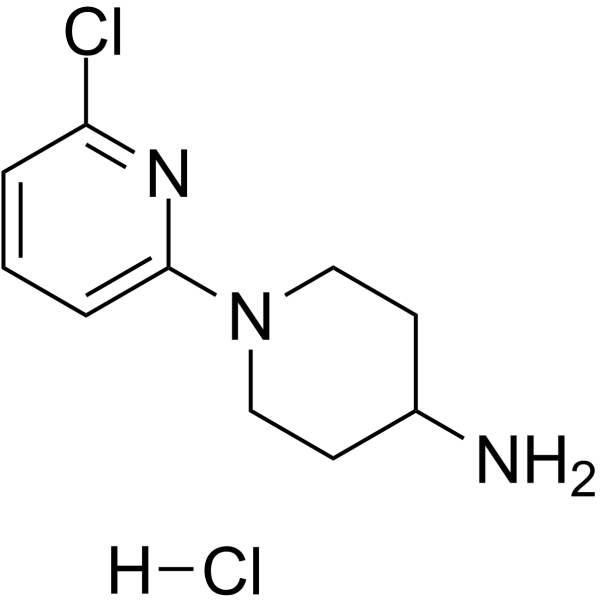 0 ImagesSR 57227A is a potent, orally active and selective 5-HT3 receptor agonist, with ability to cross the blood brain barrier. SR 57227A has affinities (IC50) varying between 2.8 and 250 nM for 5-HT3 receptor binding sites in rat cortical membranes and on whole NG 108-15 cells or their membranes. Anti-depressant effects.
-
Serotonin-d4 hydrochloride
 0 ImagesSynonyms: 5-Hydroxytryptamine-d4 hydrochloride; 5-HT-d4 hydrochlorideSerotonin-d4 (5-Hydroxytryptamine-d4) hydrochloride is the deuterium labeled Serotonin (hydrochloride) (HY-B1473). Serotonin (5-Hydroxytryptamine) hydrochloride is a monoamine neurotransmitter in the CNS and an endogenous 5-HT receptor agonist. Serotonin hydrochloride is also a catechol O-methyltransferase (COMT) inhibitor with a Ki of 44 μM.
-
Allura Red AC
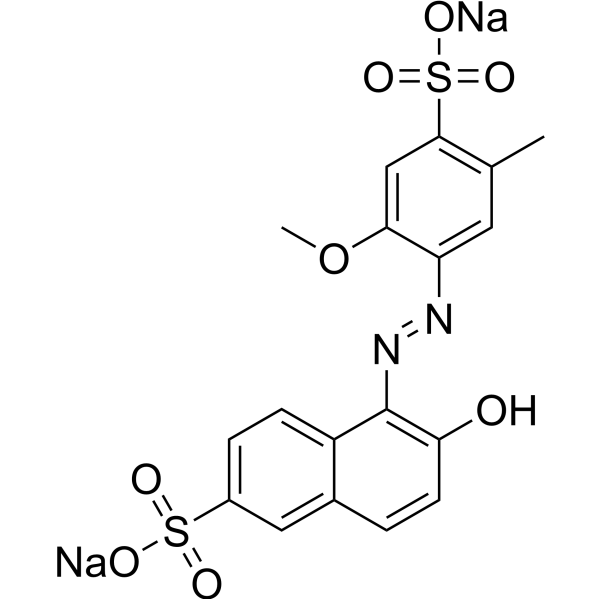 0 ImagesSynonyms: FD&C RED NO. 40; CI 16035Allura Red AC is a food colorant, appearing as a deep red water-soluble powder or granules, used in various applications such as beverages, syrups, candies, and cereals. Allura Red AC can statically quench the intrinsic fluorescence of HSA. Additionally, Allura Red AC is a 5-hydroxytryptamine (5-HT) pathway-associated pro-inflammatory agent, capable of exacerbating experimental colitis. Allura Red AC holds potential for research in inflammatory bowel disease (IBD), intestinal barrier function, and food additive safety.
-
Trazodone hydrochloride
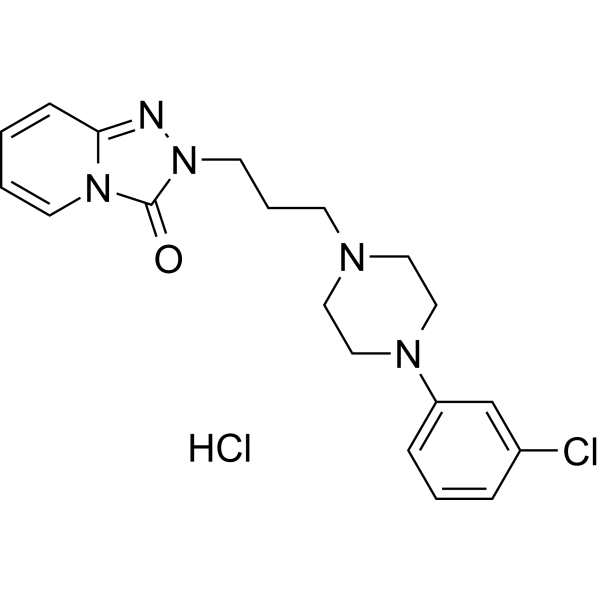 0 ImagesSynonyms: AF-1161Trazodone hydrochloride (AF-1161) is a triazolopyridine derivative that belongs to the class of serotonin receptor antagonists and reuptake inhibitors (SARIs). Trazodone hydrochloride has anti-depressant and anti-insomnious activity. Trazodone hydrochloride exerts antagonistic properties against a1- and a2-adrenergic receptors and histamine H1 receptors, with minimal anticholinergic effects.
-
FFN246
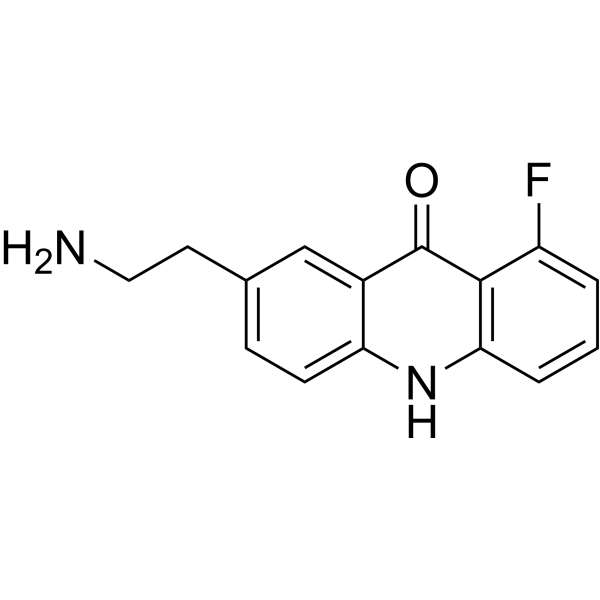 0 ImagesFFN246 is a fluorescent, dual substrate of serotonin transporter (SERT) probe and vesicular monoamine transporter 2 (VMAT2) with excitation and emission spectra 392/427 nm. FFN246 can be used for labeling serotonergic neurons in mouse brain tissue through SERT-dependent accumulation.
-
Spadin
 0 ImagesSpadin, a natural peptide derived from a propeptide released in blood, is a potent TREK-1 channel blocker with IC50 value of 10 nM. Spadin enhances dorsal raphe nucleus 5-HT neurotransmission in mice and induces hippocampal CREB activation and neurogenesis. Spadin can be used for antidepressant research.
-
Levosulpiride
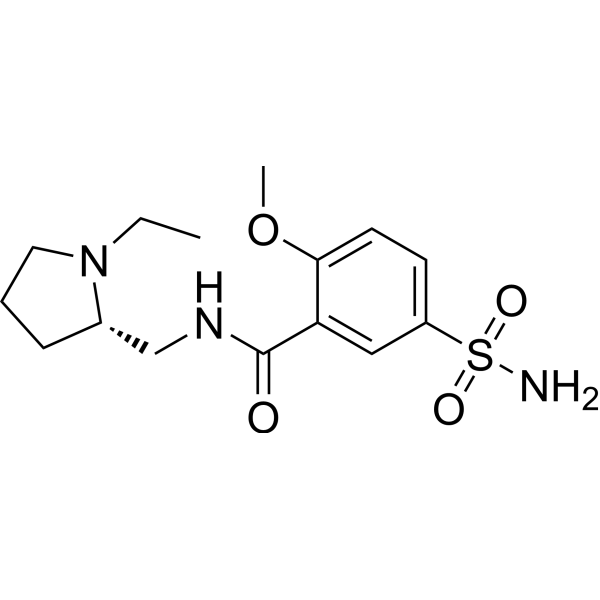 0 ImagesSynonyms: RV-12309; S-(-)-SulpirideLevosulpiride (RV-12309) is the (S)-enantiomer of sulpiride, which is a D2 receptor a antagonist, an atypical antipsychotic agent of the benzamide class.
-
uPSEM792
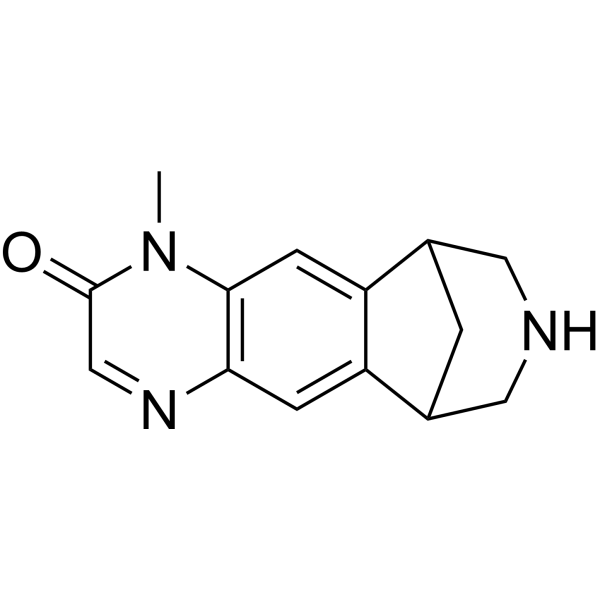 0 ImagesuPSEM792 is a pharmacologically selective effector molecules (PSEM) agonist for PSAM4-GlyR, with an affinity of Ki of 0.7 nM. uPSEM792 is a substrate for efflux transporters in brains of wild type and dual P-gp and BCRP knockout mice. uPSEM7952 is a possible lead for developing the PET radioligand for PSAM4-GlyR.
-
13,14-Dihydro-15-keto-PGE2
 0 Images13,14-Dihydro-15-keto-PGE2 participates in Bifidobacterium animalis F1-7 to alleviate opioid-induced constipation by 5-HT pathway.
-
Quipazine
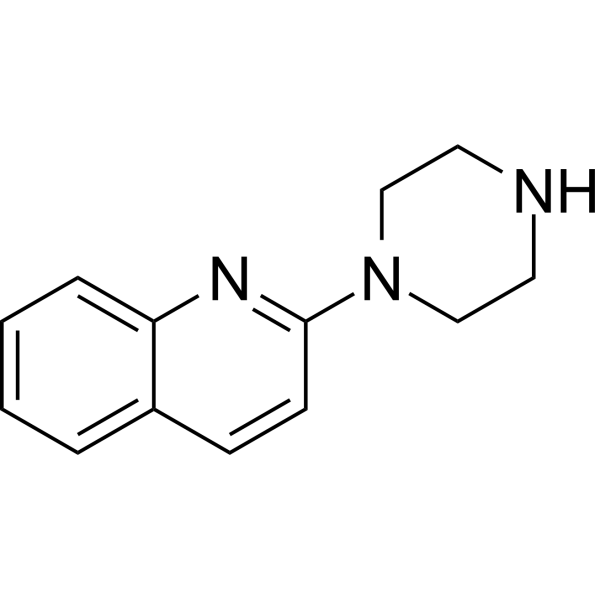 0 ImagesCat. No.: HY-W028142CAS No.: 4774-24-7Quipazine is a 5-HT agonist with a Ki value of 1.4 nM for displaces [3H]GR65630 from 5-HT3R in rat. Quipazine shows antiviral activity against SARS-CoV-2 with an EC50 of 31.64 μM. Quipazine behaves as a 5-HT3R agonist in peripheral models. Quipazine can be used for neurological disease research.



