



Apoptosis
Apoptosis
Apoptosis is a distinctive form of cell death exhibiting specific morphological and biochemical characteristics, including cell membrane blebbing, chromatin condensation, genomic DNA fragmentation, and exposure of specific phagocytosis signaling molecules on the cell surface. Cells undergoing apoptosis differ from those dying through necrosis. Necrotic cells are usually recognized by the immune system as a danger signal and, thus, resulting in inflammation; in contrast, apoptotic death is quiet and orderly.
There are two major pathways of apoptotic cell death induction: The intrinsic pathway, also called the Bcl-2-regulated or mitochondrial pathway, is activated by various developmental cues or cytotoxic insults, such as viral infection, DNA damage and growth-factor deprivation, and is strictly controlled by the BCL-2 family of proteins. The extrinsic or death-receptor pathway is triggered by ligation of death receptors (members of the tumor necrosis factor (TNF) receptor family, such as Fas or TNF receptor-1 (TNFR1)) that contain an intracellular death domain, which can recruit and activate caspase-8 through the adaptor protein Fas-associated death domain (FADD; also known as MORT1) at the cell surface. This recruitment causes subsequent activation of downstream (effector) caspases, such as caspase-3, -6 or -7, without any involvement of the BCL-2 family.
Studies suggest that alterations in cell survival contribute to the pathogenesis of a number of human diseases, including cancer, viral infections, autoimmune diseases, neurodegenerative disorders, and AIDS (acquired immunodeficiency syndrome). Treatments designed to specifically alter the apoptotic threshold may have the potential to change the natural progression of some of these diseases.
All Product Categories
-
Apoptosis Inhibitors
(904)
View all products
-
Apoptosis Agonists
(7)
View all products
-
Apoptosis Antagonists
(9)
View all products
-
Apoptosis Activators
(363)
View all products
-
Apoptosis Modulators
(60)
View all products
-
Apoptosis Inducers
(7944)
View all products
-
Apoptosis Degrader
(1)
View all products
-
Apoptosis Controls
(33)
View all products
-
Apoptosis Related Products (9888)
Related Products (9888)

-
Antibodies (120)
-
Terfenadine (Standard)
 0 ImagesSynonyms: (±)-Terfenadine (Standard); MDL-991 (Standard)Terfenadine (Standard) is the analytical standard of Terfenadine. This product is intended for research and analytical applications. Terfenadine ((±)-Terfenadine) is a potent open-channel blocker of hERG with an IC50 of 204 nM. Terfenadine, an H1 histamine receptor antagonist, acts as a potent apoptosis inducer in melanoma cells through modulation of Ca2+ homeostasis. Terfenadine induces ROS-dependent apoptosis, simultaneously activates Caspase-4, -2, -9.
-
6:2 Fluorotelomer alcohol
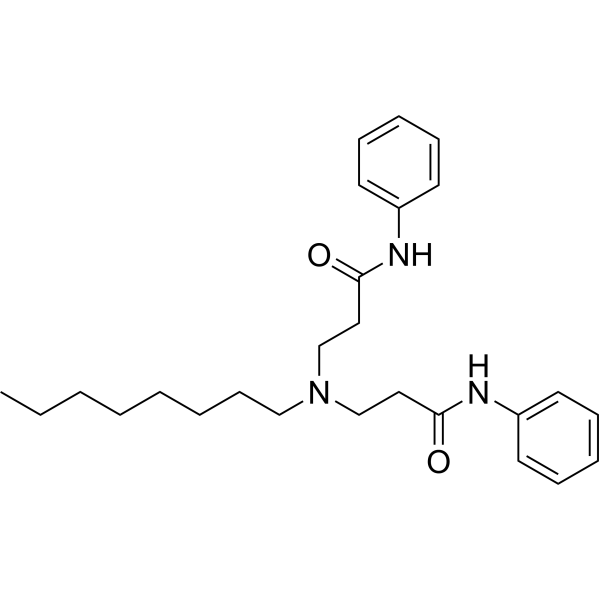
 0 ImagesSynonyms: 6:2 FTOH; 1H,1H,2H,2H-Perfluoro-1-octanol; 2-(Perfluorohexyl)ethanol6:2 Fluorotelomer alcohol (6:2 FTOH) is an orally active, blood-brain barrier-permeable modulator of cyclin D1 and ETS1. 6:2 Fluorotelomer alcohol downregulates cyclin D1 expression, upregulates ETS1 via the TNF-α/ERK 1/2 pathway, impairs mitochondrial membrane potential and respiratory function, increases reactive oxygen species levels, disrupts calcium homeostasis and activates endoplasmic reticulum stress markers, and induces cell proliferation inhibition and endothelial-mesenchymal transition. Furthermore, 6:2 Fluorotelomer alcohol induces morphological abnormalities in zebrafish embryos and liver developmental damage, while disrupting the brain immune microenvironment in mice, causing systemic toxicity and delayed pup maturation in CD-1 mice. 6:2 Fluorotelomer alcohol also induces cortical neuron apoptosis, glial cell activation, synaptic abnormalities, colonic barrier damage, intestinal dysbiosis and autism spectrum disorder-like symptoms in mice. 6:2 Fluorotelomer alcohol shows no mutagenic, clastogenic, primary skin/eye irritation or skin sensitizing effects, exhibits no selective reproductive toxicity in CD-1 mice, and is classified as GHS Category 4 for acute oral toxicity. 6:2 Fluorotelomer alcohol can be used in studies of neurodevelopmental disorders and autism spectrum disorders.
-
Lorlatinib (Standard)
 0 ImagesSynonyms: PF-06463922 (Standard)Lorlatinib (Standard) is the analytical standard of Lorlatinib. This product is intended for research and analytical applications. Lorlatinib (PF-06463922) is a selective, orally active, brain-penetrant and ATP-competitive ROS1/ALK inhibitor with anticancer activity. Lorlatinib has Kis of <0.025 nM, <0.07 nM, and 0.7 nM for ROS1, wild type ALK, and ALKL1196M, respectively. Lorlatinib targets to EML4-ALK, and inhibits ALK phosphorylation with IC50s of 15-43 nM (ALKL1196), 14-80 nM (ALKG1269A), 38-50 nM (ALK1151Tins), 77-113 nM (ALKG1202R), respectively.
-
CPTH6 hydrobromide
 0 ImagesCPTH6 hydrobromide is a thiazole derivative which activates apoptotic program and increases autophagic features in human acute myeloid leukemia cell lines. CPTH6 can be used for cancer research.
-
2,4-D-d5
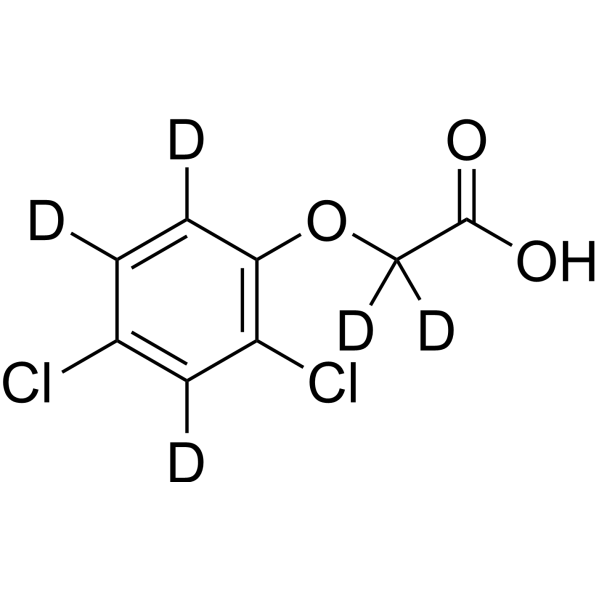 0 Images2,4-D-d5 (2,4-Dichlorophenoxyacetic acid-d5) is the deuterium labeled 2,4-D (HY-18572). 2,4-D (2,4-Dichlorophenoxyacetic acid) is a selective systemic herbicide for the control of broad-leaved weeds. 2,4-D acts as a plant hormone, causing uncontrolled growth in the meristematic tissues. 2,4-D inhibits DNA and protein synthesis and thereby prevents normal plant growth and development.
-
Melatonin-d7
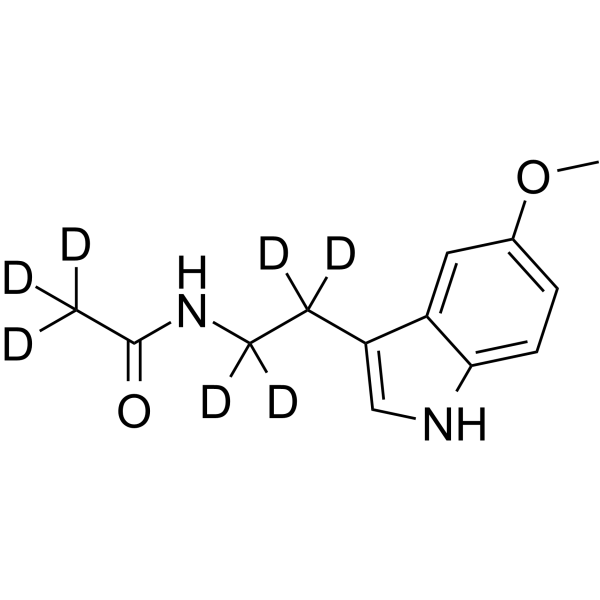 0 ImagesSynonyms: N-Acetyl-5-methoxytryptamine-d7Melatonin-d7 is the deuterium labeled Melatonin (HY-B0075). Melatonin is a hormone made by the pineal gland that can activates melatonin receptor. Melatonin plays a role in sleep and possesses important antioxidative and anti-inflammatory properties. Melatonin is a novel selective ATF-6 inhibitor and induces human hepatoma cell apoptosis through COX-2 downregulation. Melatonin attenuates palmitic acid-induced (HY-N0830) mouse granulosa cells apoptosis via endoplasmic reticulum stress.
-
Busulfan (Standard)
 0 ImagesBusulfan (Standard) is the analytical standard of Busulfan. This product is intended for research and analytical applications. Busulfan is a potent alkylating antineoplastic agent. Busulfan causes DNA damage by cross-linking DNAs and DNA and proteins. Busulfan inhibits thioredoxin reductase. Busulfan induces apoptosis. Busulfan is an immunosuppressive and myeloablative chemotherapeutic agent.
-
MIR96-IN-1
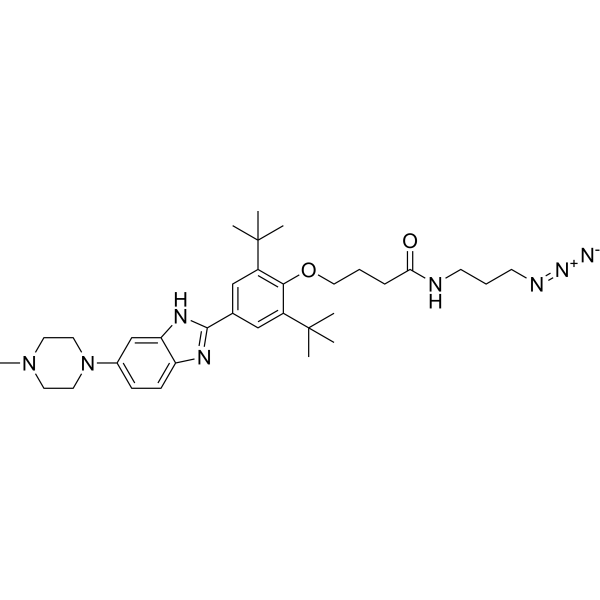 0 ImagesMIR96-IN-1 targets the Drosha site in the miR-96 (miRNA-96, microRNA-96) hairpin precursor, inhibiting its biogenesis, derepressing downstream targets, and triggering apoptosis in breast cancer cells. MIR96-IN-1 binds to RNAs with Kds of 1.3, 9.4, 3.4, 1.3 and 7.4 μM for RNA1, RNA2, RNA3, RNA4 and RNA5, respectively. MIR96-IN-1 is a click chemistry reagent, it contains an Azide group and can undergo copper-catalyzed azide-alkyne cycloaddition reaction (CuAAc) with molecules containing Alkyne groups. It can also undergo strain-promoted alkyne-azide cycloaddition (SPAAC) reactions with molecules containing DBCO or BCN groups.
-
RIPGBM
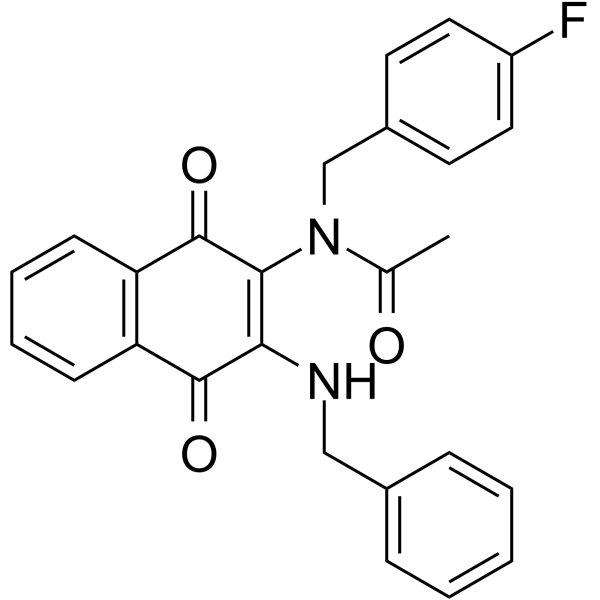 0 ImagesRIPGBM is a selective inducer of apoptosis in glioblastoma multiforme (GBM) cancer stem cells (CSCs) with an EC50 of ≤500 nM.
-
Tandutinib hydrochloride
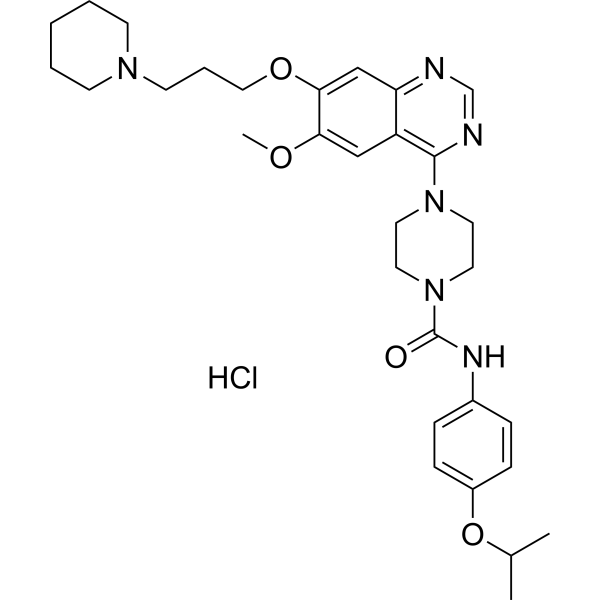 0 ImagesSynonyms: MLN518 hydrochloride; CT53518 hydrochlorideTandutinib hydrochloride (MLN518 hydrochloride) is a potent and selective inhibitor of the FLT3 with an IC50 of 0.22 μM, and also inhibits c-Kit and PDGFR with IC50s of 0.17 μM and 0.20 μM, respectively. Tandutinib hydrochloride can be used for acute myelogenous leukemia (AML). Tandutinib hydrochloride has the ability to cross the blood-brain barrier.
-
MS105
 0 ImagesSynonyms: YX39-105MS105 (YX39-105) is an orally active and selective protein tyrosine kinase 6 (PTK6) (BRK) PROTAC degrader. MS105 recruits VHL E3 ligase via a VHL ligand moiety, promotes PTK6 ubiquitination and proteasomal degradation, inhibits the proliferation and migration of breast cancer cells, and induces apoptosis. MS105 shows potential for use in breast cancer research.
-
IMM-01
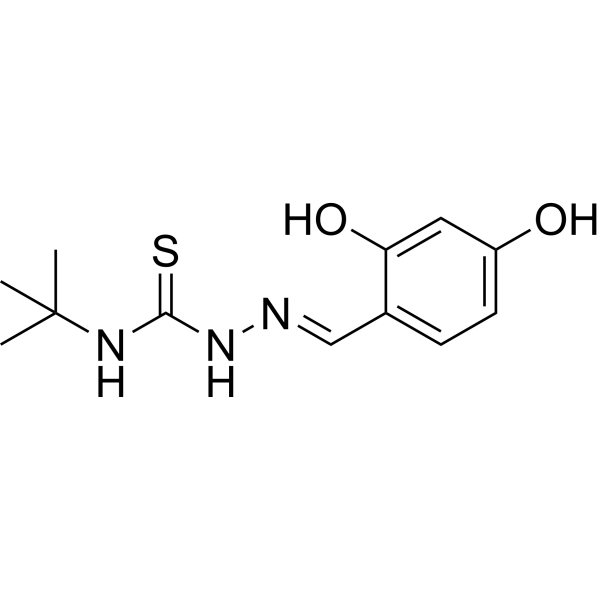 0 ImagesIMM-01 is a mammalian Diaphanous (mDia)-related formins agonist that inhibits DID-DAD (diaphanous inhibitory domain-diaphanous autoregulatory domain) binding with an IC50 of 140 nM. IMM-01 acts by disrupting the autoinhibitory bond between the DID and DAD domain and thus activates formins. IMM-01 shows anticancer effects.
-
SIAIS039
 0 ImagesSIAIS039 is an orally active c-ros oncogene 1 (ROS1)-specific PROTAC with DC50s of 154.46 nM, 126.47 nM, 143.69 nM for HCC78 cells, Ba/F3 expressing the CD74-ROS1 fusion and Ba/F3 expressing the SDC4-ROS1 fusion, respectively. SIAIS039 suppresses cell proliferation, induces cell cycle arrest and apoptosis, and inhibits clonogenicity against ROS1-positive cells. SIAIS039 demonstrates anti-tumour effects against ROS1-driven tumor growth vivo. SIAIS039 is composed of the ALK inhibitor Brigatinib (HY-12857), a linker EM-12 (HY-138793), and a VHL ligand E3 ubiquitin ligase 1-Butyne (Red: Brigatinib; Blue: VHL ligand; Black: linker).
-
ASP3026
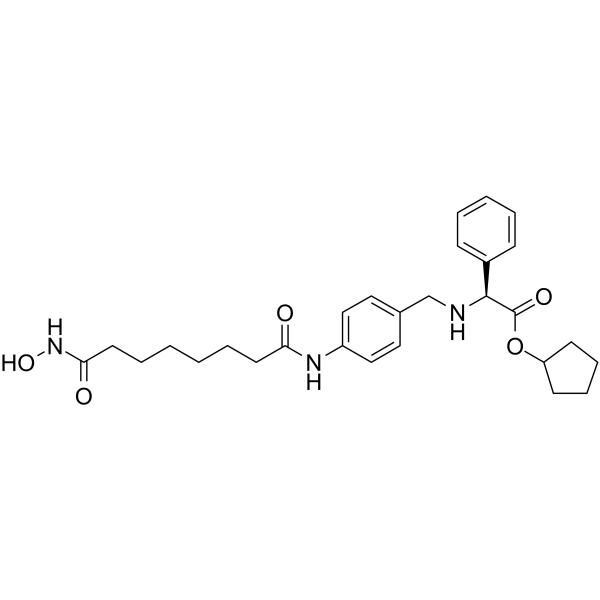
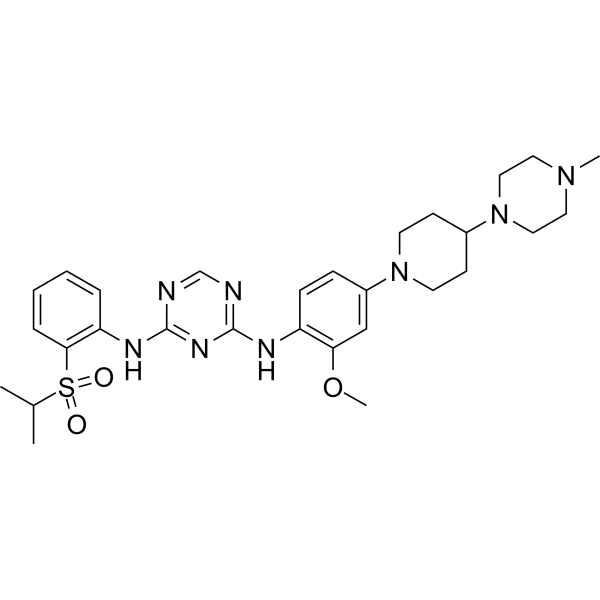 0 ImagesASP3026 is a selective and orally active inhibitor of anaplastic lymphoma kinase (ALK). ASP3026 is a selective and oral active anaplastic lymphoma kinase (ALK) inhibitor with a IC50 value of 3.5 nM. ASP3026 can inhibit the phosphorylation of IGF-1R, STAT3, AKT and JNK proteins, and induce the cleavage of caspase 3 and PARP. It also inhibited ROS and ACK. ASP3026 can be used in anti-tumor research.
-
PTC-028
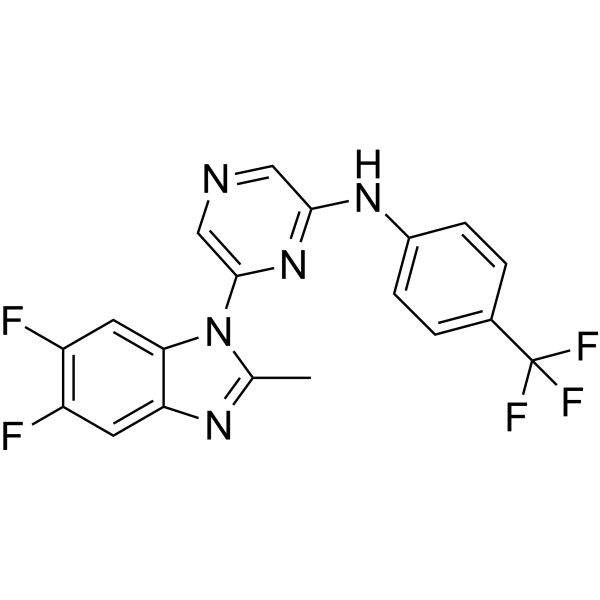 0 ImagesPTC-028 is an orally bioavailable inhibitor of stem cell factor BMI-1 in ovarian cancer. PTC-028 selectively inhibits cancer cells whereas normal cells remain unaffected. PTC-028 downregulates BMI-1, inducing caspase-mediated apoptosis.
-
BMS 310705
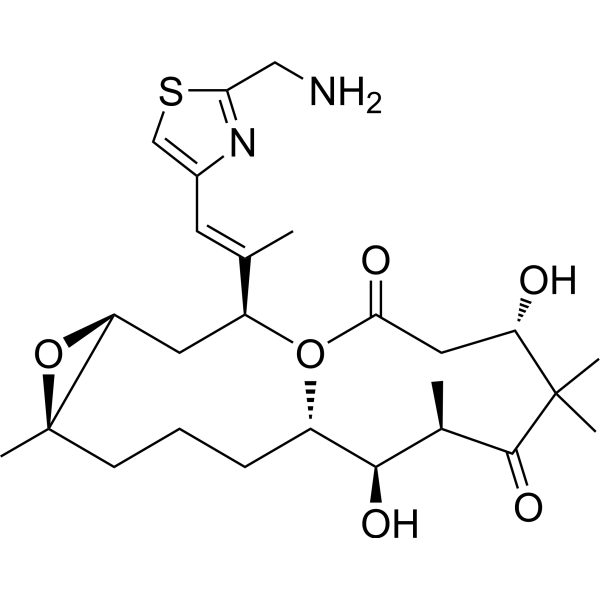 0 ImagesSynonyms: 21-Aminoepothilone BBMS 310705 (21-Aminoepothilone B) is an analog of Epothilone B (HY-17029), targeting to malignancies such as ovarian, renal, bladder, and lung carcinoma. BMS 310705 induces significant apoptosis via mitochondrial-mediated pathway.
-
Clobenpropit dihydrobromide
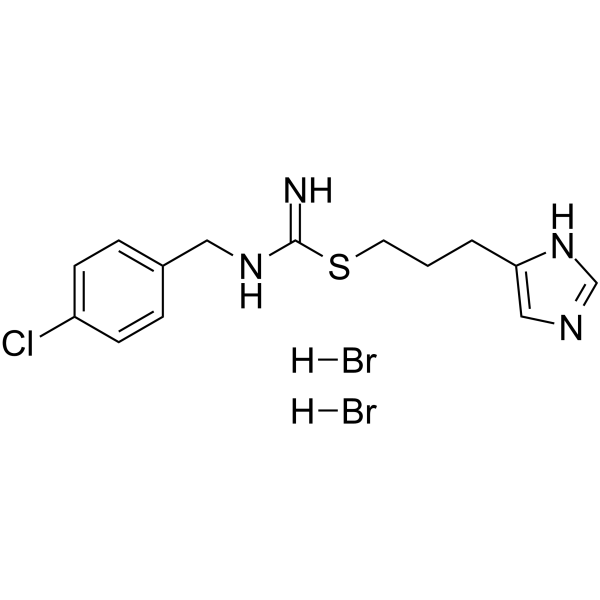 0 ImagesClobenpropit dihydrobromide is a potent histamine H3R antagonist/inverse agonist with a pEC50 of 8.07 for histamine H3LR. Clobenpropit dihydrobromide acts as partial agonist at histamine H4 receptors (Ki 13 nM). Clobenpropit dihydrobromide also binds to serotonin 5-HT3 receptors (Ki 7.4 nM) and α2A/α2C adrenoceptors (Ki 17.4/7.8 nM). Clobenpropit dihydrobromide increases apoptosis.




