



Bacterial
Anything that destroys bacteria or suppresses their growth or their ability to reproduce. Heat, chemicals such as chlorine, and antibiotic drugs all have antibacterial properties. Many antibacterial products for cleaning and handwashing are sold today. Such products do not reduce the risk for symptoms of viral infectious diseases in otherwise healthy persons. This does not preclude the potential contribution of antibacterial products to reducing symptoms of bacterial diseases in the home.
All Product Categories
-
Bacterial Inhibitors
(7547)
View all products
-
Bacterial Agonists
(3)
View all products
-
Bacterial Antagonists
(9)
View all products
-
Bacterial Activators
(25)
View all products
-
Bacterial Modulators
(27)
View all products
-
Bacterial Chemicals
(2)
View all products
-
Bacterial Inducers
(6)
View all products
-
Bacterial Controls
(14)
View all products
-
Bacterial Substrates
(2)
View all products
-
Bacterial Ligand
(1)
View all products
-
Bacterial Related Products (8884)
Related Products (8884)

-
Antibodies (14)
-
Related Compound Screening Libraries (1)
-
3,4,5-Trimethoxybenzaldehyde
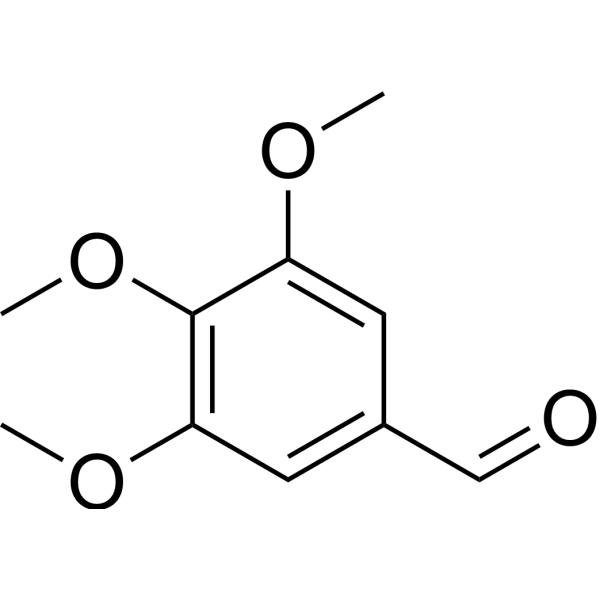 0 Images3,4,5-Trimethoxybenzaldehyde is a derivative of benzaldehyde. 3,4,5-Trimethoxybenzaldehyde has antimicrobial activity. 3,4,5-Trimethoxybenzaldehyde is also an important intermediate for the synthesis of various drugs, such as Trimethoprim (HY-B0510).
-
1-Hydroxyphenazine
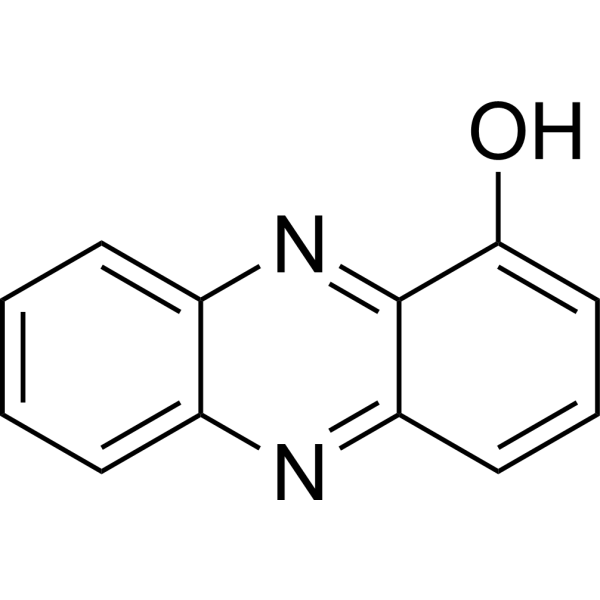 0 ImagesSynonyms: Hemipyocyanine; 1-Phenazinol; Hemi-pyocyanin1-Hydroxyphenazine (Hemipyocyanine; 1-Phenazinol; Hemi-pyocyanin) is an inhibitor for α-Amylase with an IC50 of 3.1 μg/mL. 1-Hydroxyphenazine exhibits anticancer and anti-inflammatory activity against cells A549, 1321N1 and RAW264.7, antifungal and antibacterial activity against strains Candida albicans, Aspergillus fumigatus, Escherichia coli and Xanthomonas campestris.
-
Elf18
 0 ImagesElf18 is a peptide fragment of bacterial translation elongation factor Tu (EF-Tu). Elf18 can be recognized by plant pattern recognition receptors, thereby inducing an immune response. Elf18 can enhance plants' resistance to pathogens and can be used in research related to plant immune responses.
-
Etoposide (Standard)
 0 ImagesSynonyms: VP-16 (Standard); VP-16-213 (Standard)Etoposide (Standard) is the analytical standard of Etoposide. This product is intended for research and analytical applications. Etoposide (VP-16; VP-16-213) is an anti-cancer chemotherapy agent. Etoposide inhibits topoisomerase II, thus stopping DNA replication. Etoposide induces cell cycle arrest, apoptosis and autophagy.
-
SMT-738
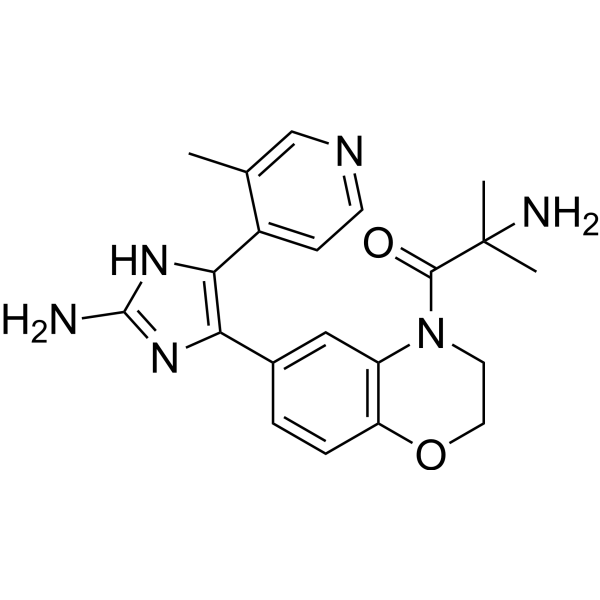 0 ImagesSMT-738 is a bacterial bactericide. SMT-738 targets the small molecules responsible for lipoprotein transport in Enterobacteriaceae, causing abnormal lipoprotein localization and bacterial cell death. SMT-738 inhibits the growth of E. coli and K. pneumoniae. SMT-738 reduces bacterial loads in mouse models of urinary tract infection, bloodstream infection, and pulmonary infection caused by Enterobacterales. SMT-738 can be used in the research of Enterobacteriaceae infections, urinary tract infections, bloodstream infections, and pneumonia.
-
Cefovecin sodium
 0 ImagesCefovecin sodium is an extended-spectrum semisynthetic cephalosporin and bactericidal agent. Cefovecin sodium exerts potent antibacterial activity against multiple bacterial. Cefovecin sodium can be used for the research of bacterial infection.
-
BTZ043
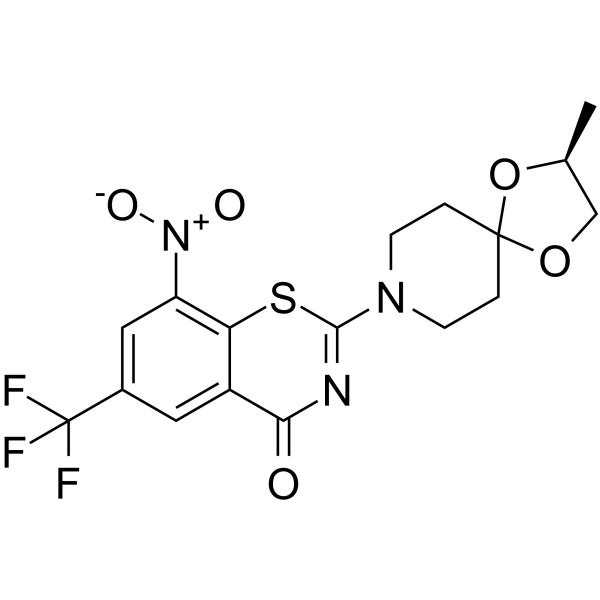 0 ImagesBTZ043 is an inhibitor of decaprenyl-phosphoribose-epimerase (DprE1), with MICs of of 2.3 nM and 9.2 nM for M. tuberculosis H37Rv and Mycobacterium smegmatis, respectively.
-
Lefamulin
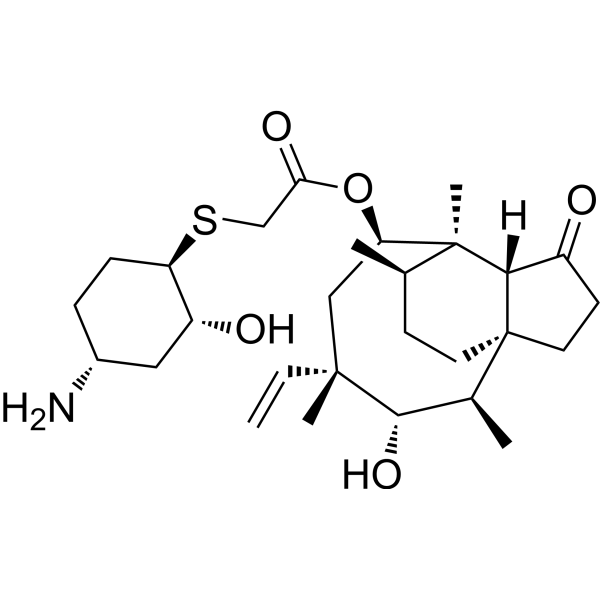 0 ImagesSynonyms: BC-3781Lefamulin (BC-3781) is an orally active antibiotic. Lefamulin inhibits protein synthesis by binding to the peptidyl transferase center of the 50S bacterial ribosome. Lefamulin has anti-inflammatory activity. Lefamulin can be used in the research of bacterial infections, such as bacterial pneumonia.
-
Cefpodoxime
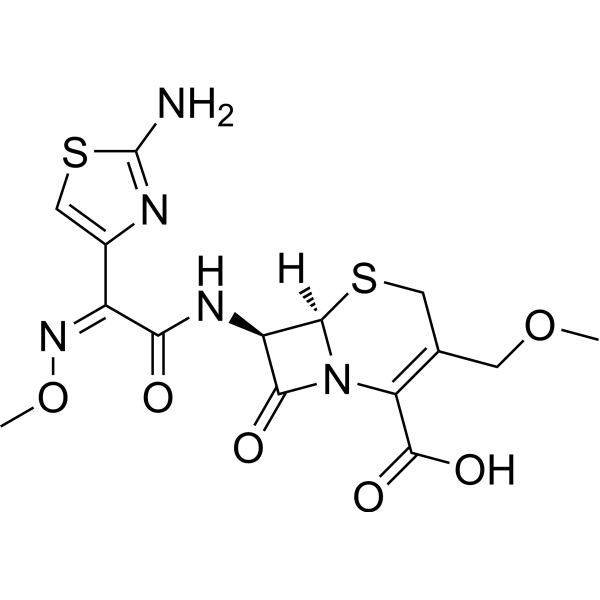 0 ImagesSynonyms: Cefpodoxime acid; R 3763Cefpodoxime (Cefpodoxime acid) is a potent antibiotic active against gram-positive and gram-negative bacteria. Cefpodoxime inhibits the majority of cells in microbial populations. Cefpodoxime can be used for acute otitis media, sinusitis and tosillopharyngitis research.
-
Secnidazole
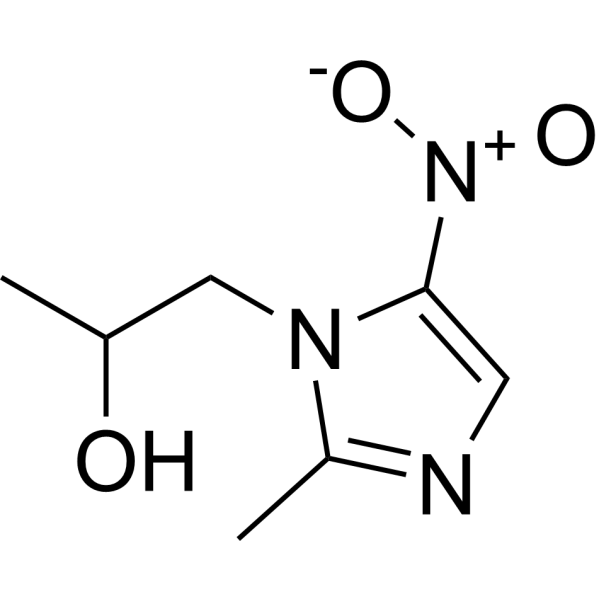 0 ImagesSecnidazole (RP-14539) is an orally active azole antibiotic and a imidazole mitigator of Serratia marcescens virulence. Secnidazole, as an analog of acylhomoserine lactones, effectively inhibits QS resulting in the attenuation of Pseudomonas aeruginosa pathogenesis. Secnidazole has antimicrobial activity against many anaerobic Gram-negative and Gram-positive bacterial species in vitro. Secnidazole can be used for the research of various diseases, such as amoebiasis and giardiasis, and bacterial vaginitis.
-
N-β-alanyldopamine hydrochloride
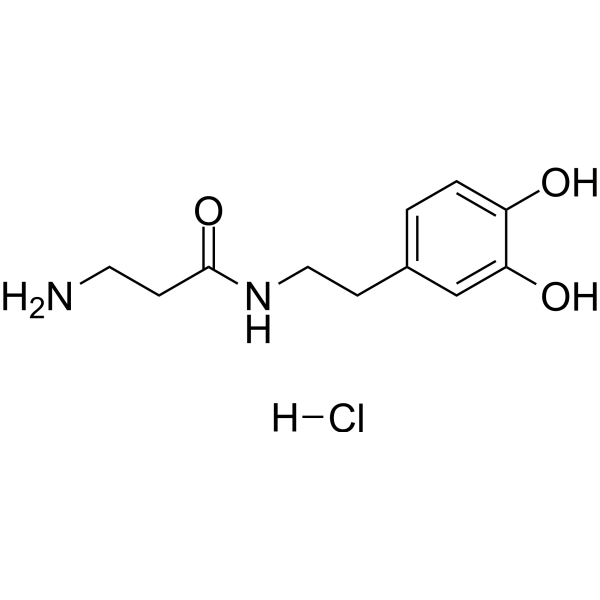 0 ImagesSynonyms: NBAD hydrochlorideN-β-alanyldopamine hydrochloride (NBAD hydrochloride) is a tyrosine metabolite, Antibacterial agent and Antifungal agent. N-β-alanyldopamine hydrochloride exists in the hemolymph and cuticle during pupal cuticle tanning of the tobacco hornworm (Manduca sexta). N-β-alanyldopamine hydrochloride is the preferred substrate for pupal cuticular o-Diphenol oxidase during insect pupal cuticle tanning. N-β-alanyldopamine hydrochloride inhibits the growth of Escherichia coli, Bacillus megaterium and Saccharomyces cerevisiae in vitro. N-β-alanyldopamine hydrochloride can be used in studies related to microbial infections.
-
(20R)-Protopanaxadiol
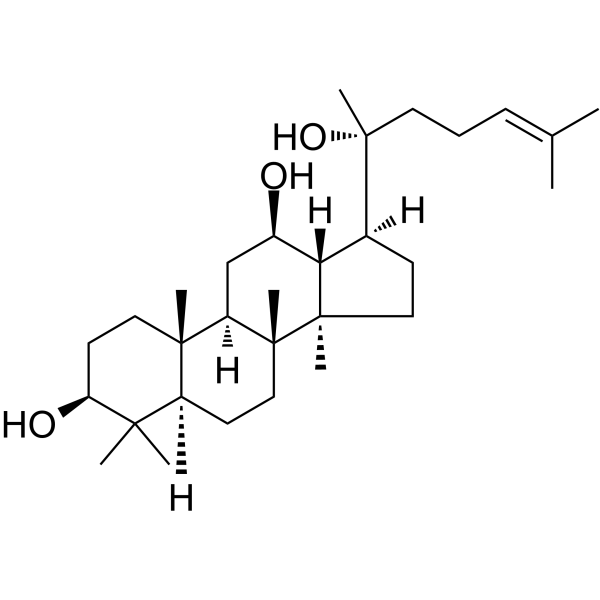 0 Images(20R)-Protopanaxadiol is a metabolite of ginsenosides. (20R)-Protopanaxadiol has anti-inflammatory and antibacterial activities, but shows no significant cytotoxicity against tumor cell lines. In addition, (20R)-Protopanaxadiol can inhibit the uptake of 2-deoxy-D-glucose (2-DG).

-
Phenoxyethanol
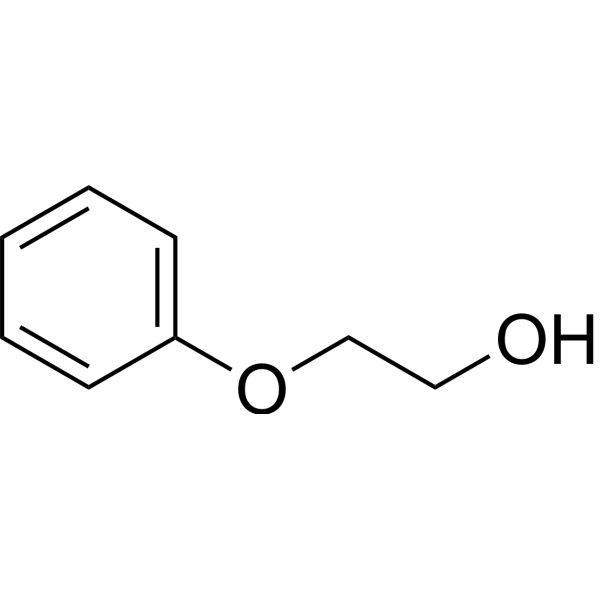 0 ImagesPhenoxyethanol has a broad spectrum of antimicrobial agent. Phenoxyethanol is an uncouple agent in oxidative phosphorylation from respiration and competitively inhibits malate dehydrogenase. Phenoxyethanol is used as a preservative in cosmetic, vaccine, and textile, et al.
-
Bacitracin Zinc
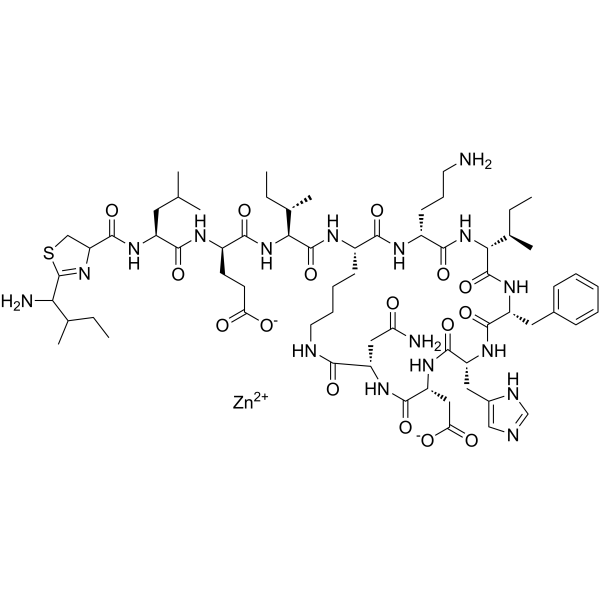 0 ImagesBacitracin Zinc is a complex formed by the binding of Bacitracin (HY-107193) with zinc ions. Bacitracin Zinc is an orally active polypeptide antibiotic with bactericidal properties. Bacitracin Zinc can cause DNA and deoxyribose damage, as well as improve the gut microbiota of broiler and beef cattle.
-
Eprinomectin
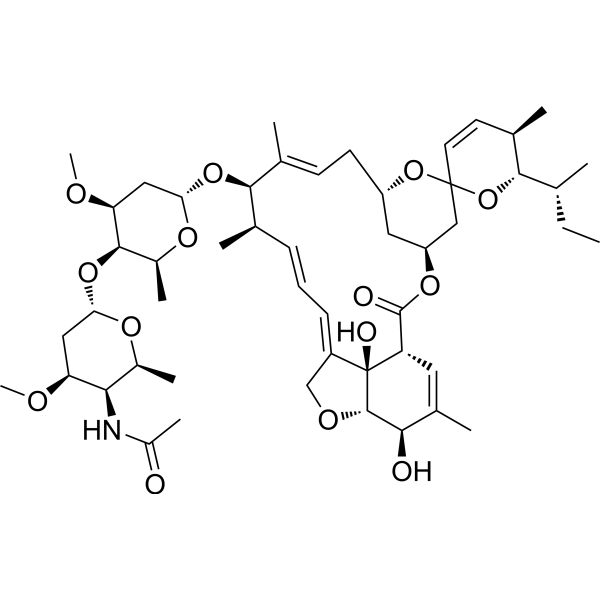 0 ImagesSynonyms: MK-397Eprinomectin (MK-397) is a type of avermectin. Eprinomectin, as a broad-spectrum fungicide, has insecticidal, insecticidal and acaricidal activities. Eprinomectin induces apoptosis and autophagy in prostate cancer cells and has antitumor activity.
-
Benzyl isothiocyanate
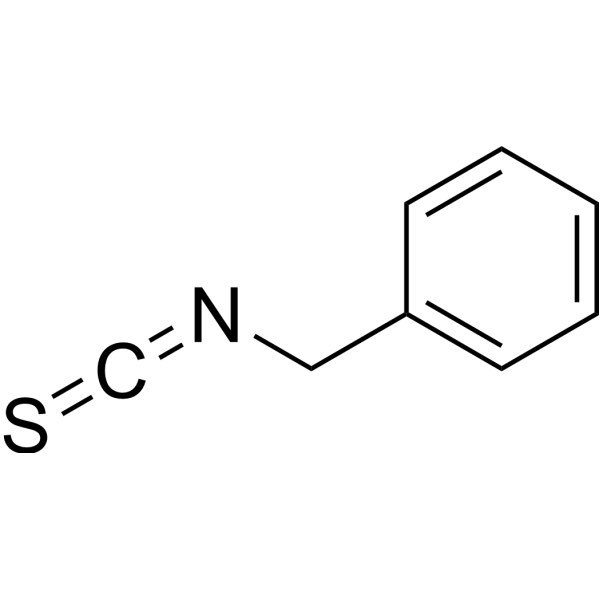 0 ImagesBenzyl isothiocyanate is an orally available isothiocyanate with bactericidal, anticancer, antiangiogenic and anthelmintic activities. Benzyl isothiocyanate exerts anticancer functions by regulating multiple signaling pathways, including apoptosis, cell proliferation, cell cycle arrest, metastasis, angiogenesis, and autophagy. In addition, Benzyl isothiocyanate can enhance muscle insulin sensitivity to improve obesity-induced hyperglycemia.
-
Acetylalkannin
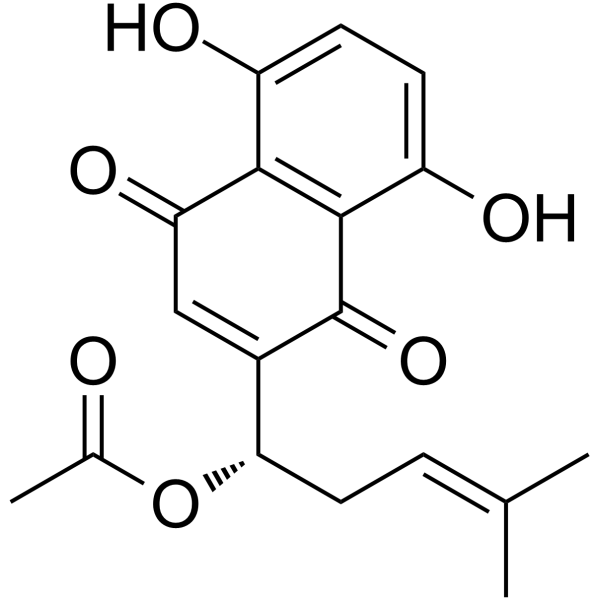 0 ImagesSynonyms: Alkannin acetateAcetylalkannin (Alkannin acetate) is an isohexenylnaphthazarin pigment isolated from Arnebia euchroma with antimicrobial and cytotoxic activities.
-
Cyclo(L-Pro-L-Val)
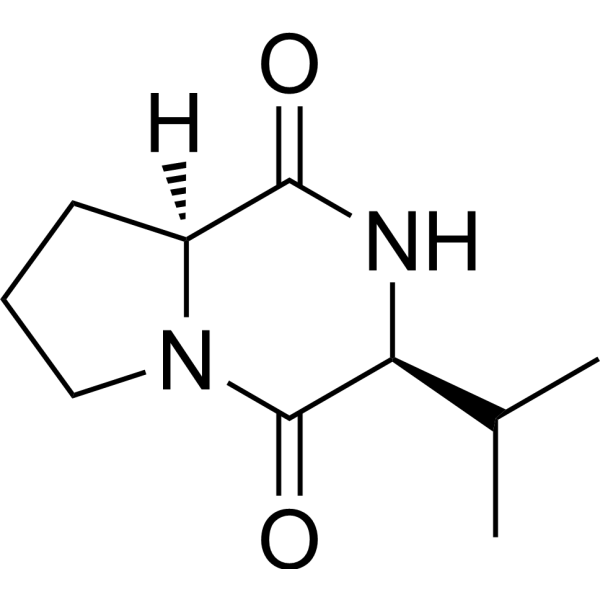 0 ImagesCyclo(L-Pro-L-Val) is an antimicrobial and anti-inflammatory agent. Cyclo(L-Pro-L-Val) has toxic activity against plant pathogens such as R. fascians LMG 3605, and its potency may be comparable to that of Chloramphenicol (HY-B0239). Cyclo(L-Pro-L-Val) can inhibit the phosphorylation of IKKα, IKKβ, NF-κB, etc., and the activation of iNOS and COX-2, thereby exerting anti-inflammatory activity. Cyclo(L-Pro-L-Val) can be used in the research of biopesticides in the agricultural field, as well as in the research of inflammation-related diseases.
-
Cholesteryl linoleate
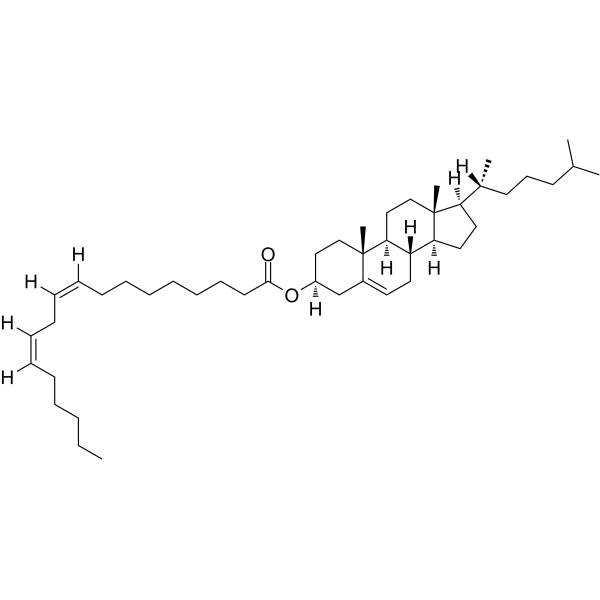 0 ImagesCholesteryl linoleate is a cholesteryl ester with antibacterial activity that is present in low-density lipoprotein (LDL) particles, human nasal fluid, and respiratory epithelial secretions. Cholesteryl linoleate is oxidized by 12/15-lipoxygenase in macrophages and participates in selective uptake and efflux via LDL receptor-related protein. Cholesteryl linoleate does not induce endothelial adhesion molecule expression, nor does it induce monocyte binding to endothelial cells. Cholesteryl linoleate liposomal formulations inhibit the growth of multiple bacteria at physiological nasal fluid concentrations and act synergistically with antimicrobial peptides. Cholesteryl linoleate is useful for research related to atherosclerosis and bacterial infections.




