



COX
Cyclooxygenase
Cyclooxygenase (COX), officially known as prostaglandin-endoperoxide synthase (PTGS), is an enzyme that is responsible for formation of important biological mediators called prostanoids, including prostaglandins, prostacyclin and thromboxane. Pharmacological inhibition of COX can provide relief from the symptoms of inflammation and pain. Drugs, like Aspirin, that inhibit cyclooxygenase activity have been available to the public for about 100 years. Two cyclooxygenase isoforms have been identified and are referred to as COX-1 and COX-2. Under many circumstances the COX-1 enzyme is produced constitutively (i.e., gastric mucosa) whereas COX-2 is inducible (i.e., sites of inflammation). Non-steroidal anti-inflammatory drugs (NSAID), such as aspirin and ibuprofen, exert their effects through inhibition of COX. The main COX inhibitors are the non-steroidal anti-inflammatory drugs (NSAIDs).
COX Isoform Specific Products
All Product Categories
-
COX Related Products (1308)
Related Products (1308)

-
Antibodies (6)
-
COX Isoform Comparison
-
Diclofenac potassium
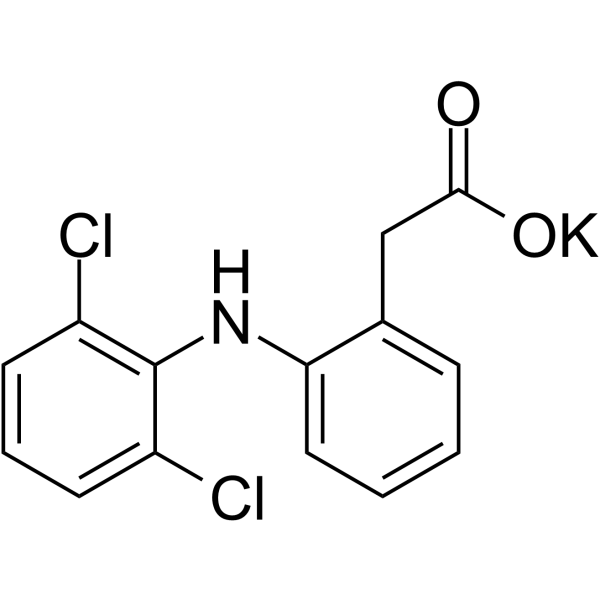 0 ImagesDiclofenac potassium is a potent and nonselective anti-inflammatory agent, acts as a COX inhibitor, with IC50s of 4 and 1.3 nM for human COX-1 and COX-2 in CHO cells, and 5.1 and 0.84 μM for ovine COX-1 and COX-2, respectively. Diclofenac potassium induces apoptosis of neural stem cells (NSCs) via the activation of the caspase cascade.
-
Zaloglanstat
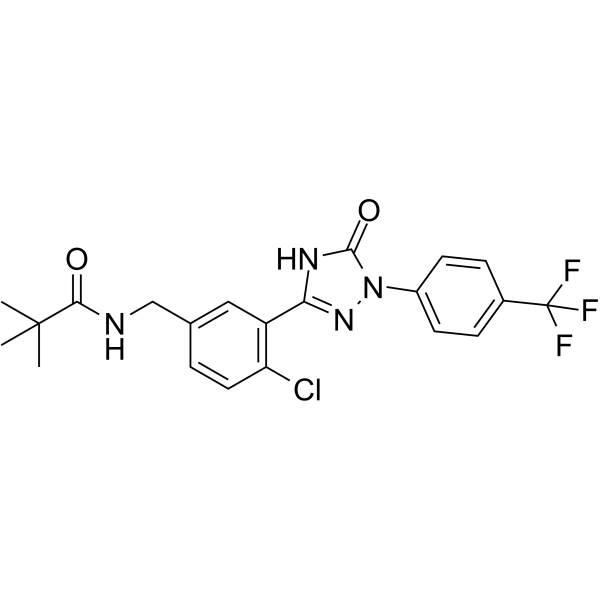 0 ImagesSynonyms: ISC-27864; GRC-27864Zaloglanstat (ISC-27864; GRC-27864) is a selective, orally active microsomal mPGES-1 inhibitor. Zaloglanstat has an IC50 of 5 nM for human mPGES-1 without significant inhibitory effect on COX-1/2 (IC50 >10 μM). Zaloglanstat blocks the conversion of arachidonic acid metabolite prostaglandin PGH2 to prostaglandin PGE2, thereby inhibiting inflammation-related PGE2 overproduction and reducing inflammatory responses and pain. Zaloglanstat inhibits IL-1β-induced PGE2 release in A549 cells and human synovial fibroblasts in vitro. Zaloglanstat inhibits PGE2 release in pig and dog whole blood with IC50s of 161 nM and 154 nM, respectively. Zaloglanstat can be used in the study of asthma, osteoarthritis, and neurodegenerative diseases.
-
Nepafenac
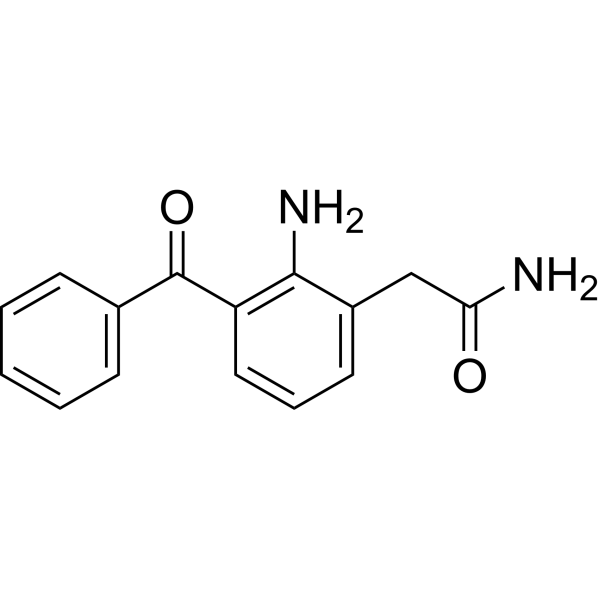 0 ImagesSynonyms: AHR 9434; AL 6515Nepafenac (AHR 9434; AL 6515), a nonsteroidal anti-inflammatory agent, is a topically administered COX-2 inhibitor with an IC50 of 0.12 μM. Nepafenac exhibits only weak COX-1 inhibitory activity (IC50 = 64.3 μM). Nepafenac possesses unique prodrug properties, which enable it to rapidly convert into the active metabolite Amfenac (HY-17479) in the ocular tissues, thereby achieving high concentrations in the retina and choroid. Nepafenac reduces inflammation and pain by inhibiting the activity of cyclooxygenase (COX) enzymes and thereby decreasing the production of prostaglandin PGE₂. Nepafenac can delay the metastasis of uveal melanoma (UM) in rabbit eyes. Nepafenac is mainly used for pain management and inflammation control after ophthalmic surgeries.
-
Acetaminophen-d7
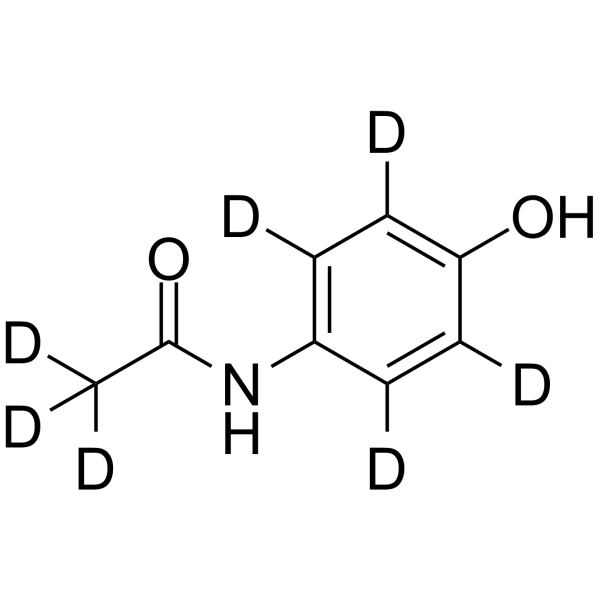 0 ImagesSynonyms: Paracetamol-d7; 4-Acetamidophenol-d7; 4'-Hydroxyacetanilide-d7Acetaminophen-d7 is the deuterium labeled Acetaminophen. Acetaminophen (Paracetamol) is a selective cyclooxygenase-2 (COX-2) inhibitor with an IC50 of 25.8 μM; is a widely used antipyretic and analgesic agent. Acetaminophen is a potent hepatic N-acetyltransferase 2 (NAT2) inhibitor.
-
2,5-Di-tert-butylhydroquinone
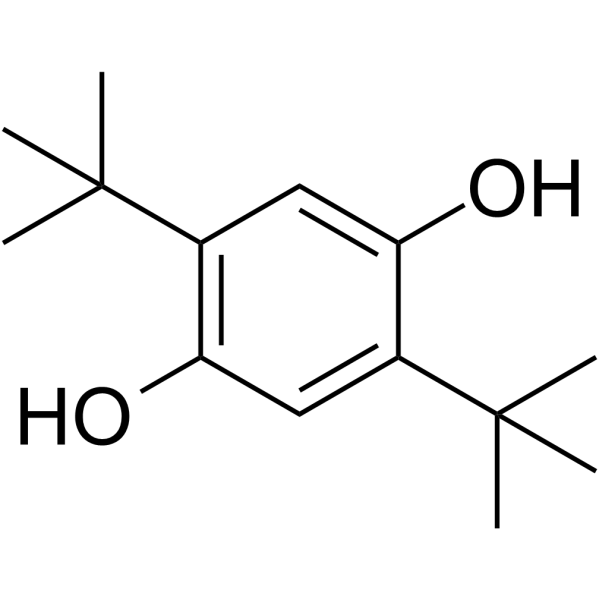 0 Images2,5-Di-tert-butylhydroquinone (BHQ) (Compound 2), an indirect food additive, is a Sarco/endoplasmic reticulum Ca2+ ATPase (SERCA) inhibitor with an IC50 of 400 nM. 2,5-Di-tert-butylhydroquinone disrupts the gating function of the residue Glu309 which prevents Ca2+ from reaching their binding site. 2,5-Di-tert-butylhydroquinone regulates the activity of 5-lipoxygenase and COX-2 (IC50: 1.8 and 14.1 μM for 5-LO and COX-2, respectively).
-
Choline fenofibrate
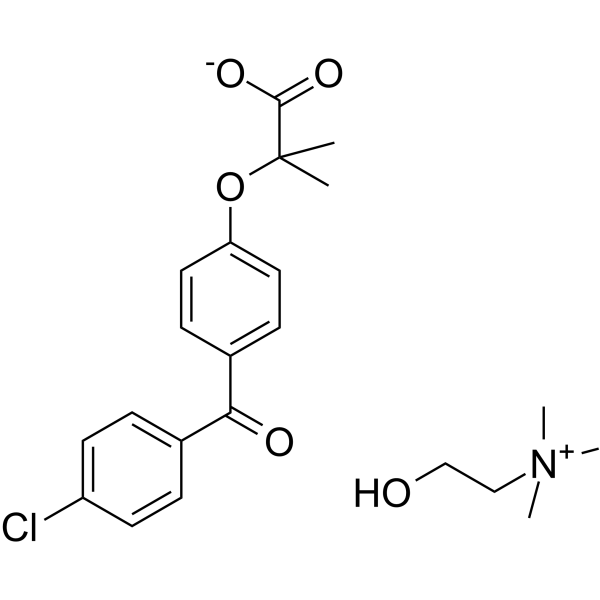 0 ImagesSynonyms: ABT-335Choline Fenofibrate (ABT-335), a choline salt of Fenofibric acid (HY-B0760), releases free Fenofibric acid in the gastrointestinal tract. Fenofibric acid is a PPAR activator with antihyperlipidemic effect.
-
(S)-Flurbiprofen
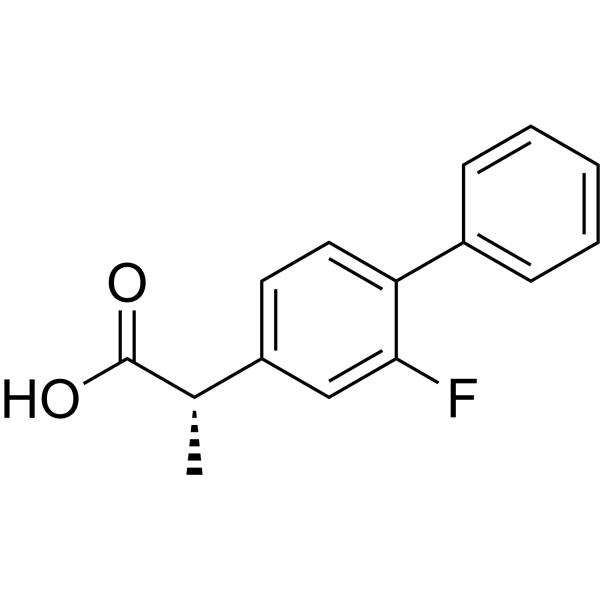 0 ImagesSynonyms: Esflurbiprofen
-
Pheophytin a
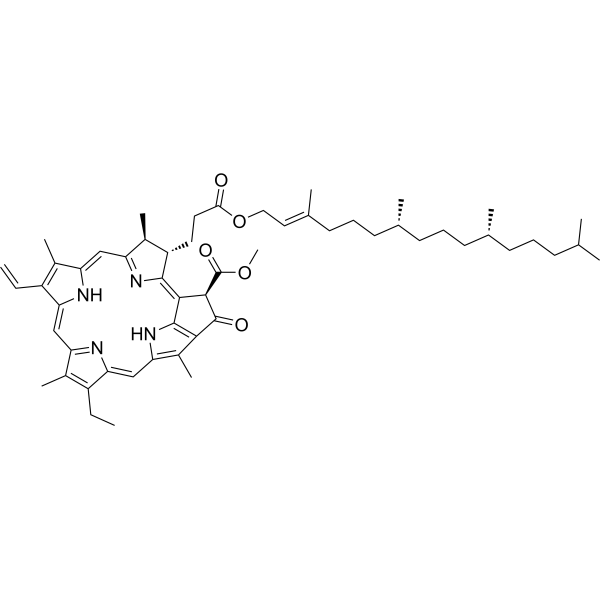 0 ImagesPheophytin a is a multi-target inhibitor, anticancer agent, antioxidant and antiviral agent. Pheophytin a directly binds to and inhibits HCV-NS3/4A protease (IC50=0.89 μM) to block viral replication. Pheophytin a also scavenges free radicals, reduces ferric ions, and exhibits cytotoxic activity against breast cancer cells. Pheophytin a effectively inhibits LPS-induced production of nitric oxide, prostaglandin E2, NOS2 and COX-2, as well as various pro-inflammatory cytokines, by downregulating the transcription levels of inflammatory mediators and blocking the ERK1/2 and STAT-1 pathways. In a low nerve growth factor environment, Pheophytin a also enhances ERK1/2 phosphorylation and synergistically promotes neurite outgrowth through MAPK pathway. Pheophytin a can be used to investigate the pathogenic mechanisms of diseases including chronic hepatitis C, sepsis, breast cancer and Alzheimer's disease.
-
(-)-Syringaresinol
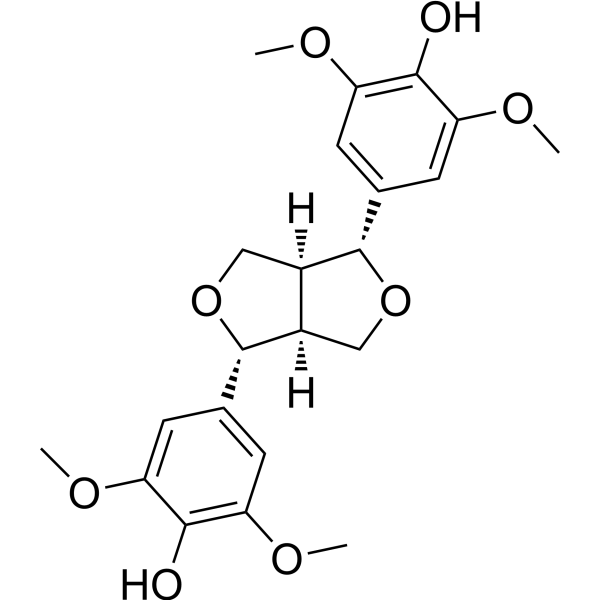 0 Images(-)-Syringaresinol is an orally active isomer of syringaresinol (HY-N8307) found in Annona Montana. (-)-Syringaresinol exhibits antioxidant, anti-inflammatory, and anticancer activities. (-)-Syringaresinol can alleviate ulcerative colitis via the PI3K-Akt/MAPK/Wnt signaling pathway. (-)-Syringaresinol inhibits HL-60 cell proliferation by arresting the G1 phase and inducing apoptosis. (-)-Syringaresinol inhibits LPS (HY-D1056)-induced microglial activation by downregulating the NF-κB p65 signaling pathway and its interaction with ERβ, exerting anti-neuroinflammatory effects.
-
Lupeol acetate
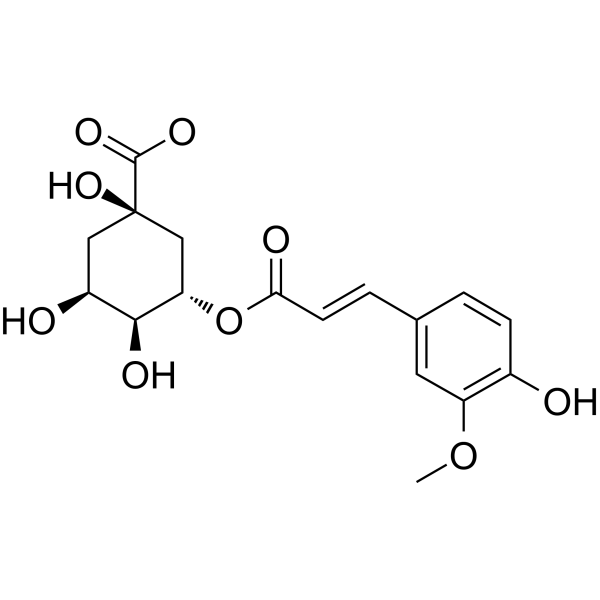
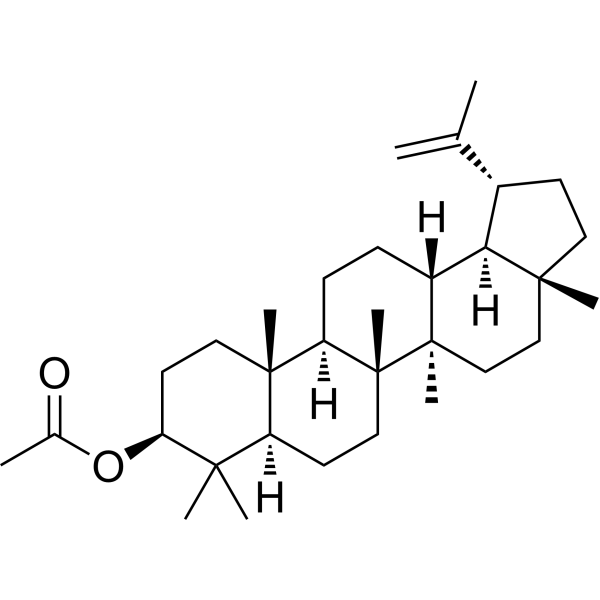 0 ImagesLupeol acetate is a derivative of Lupeol. Lupeol acetate is an anti-inflammatory, antibacterial, anti-trypanosomic and anticancer agent with oral activity. Lupeol acetate significantly improves the symptoms of rheumatoid arthritis by down-regulating the expression of inflammatory cytokines and osteoclast production. Lupeol acetate inhibits spermatogenesis in male rats and eventually led to infertility.
-
Methylhydroquinone
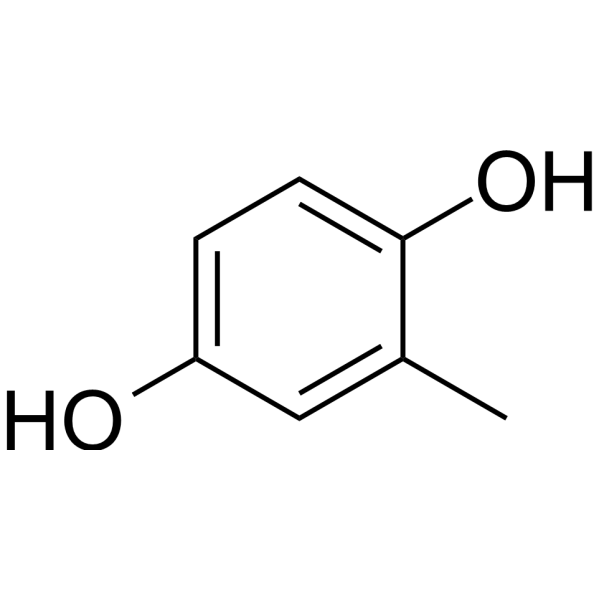 0 ImagesMethylhydroquinone is an orally active COX inhibitor with IC50s of 480.7 μM and 52.2 μM for ovine COX-1 and human recombinant COX-2, respectively. Methylhydroquinone has potential DNA damaging effects: 1) inhibiting COX-1 to reduce prostaglandin synthesis and exert anti-inflammatory activity; 2) inducing DNA single-strand breaks. Methylhydroquinone exerts its effects by competitively binding to the active sites of COX-1 (such as Tyr385, Met522) and non-covalent interactions.
-
Methyl syringate
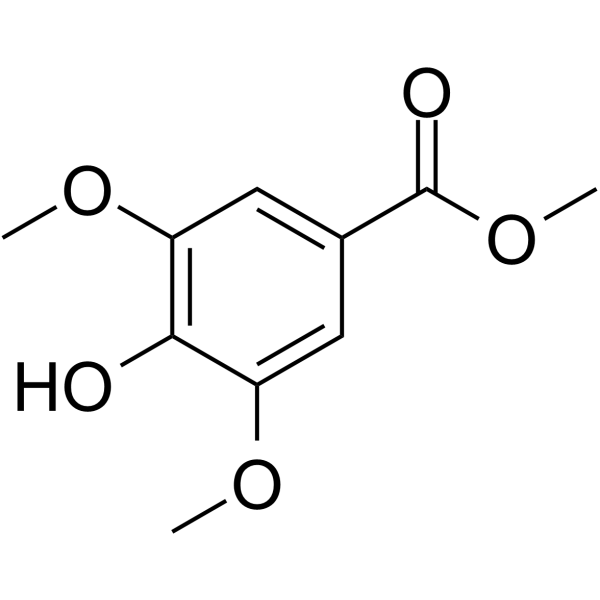 0 ImagesMethyl syringate is a selective TRPA1 agonist. Methyl syringate regulates food intake and gastric emptying through a TRPA1-mediated pathway. Methyl syringate is an efficient phenolic mediator for bacterial and fungal laccases. Methyl syringate is a chemical marker of Asphodel monofloral honey. Methyl syringate contributes to the antibacterial activity of honey. Methyl syringate inhibits aflatoxin production. Methyl syringate can contribute to weight suppression. Methyl syringate can be studies for cancer prevention (e.g. lung cancer), suppression of hypoxia-induced inflammatory response and tumorigenesis.

-
Metamizole sodium hydrate
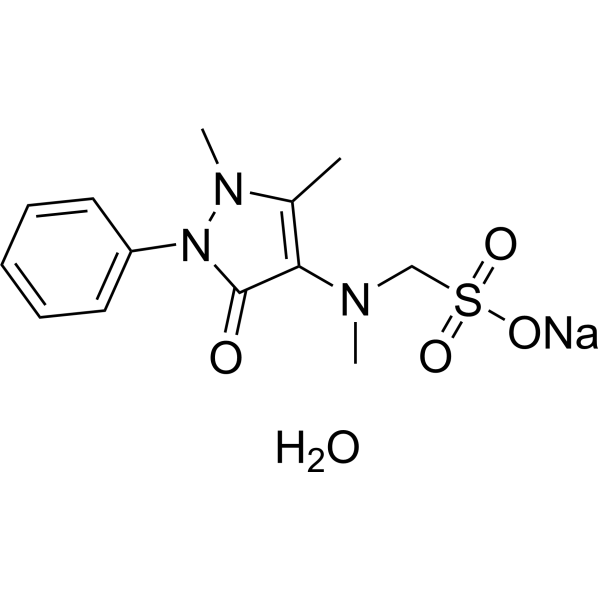 0 ImagesSynonyms: Dipyrone hydrate; Methamizole sodium hydrateMetamizole sodium hydrate (Dipyrone) is an orally active cyclooxygenase (COX) inhibitor.. Metamizole sodium hydrate can inhibit cell proliferation and promote cell apoptosis. Metamizole sodium hydrate has anti-inflammatory and antioxidant activities. Metamizole sodium hydrate is an antipyretic, analgesic and spasmolytic agent. Metamizole sodium hydrate can be used in research to relieve a variety of pain.
-
3′,4′,7-Trihydroxyflavone
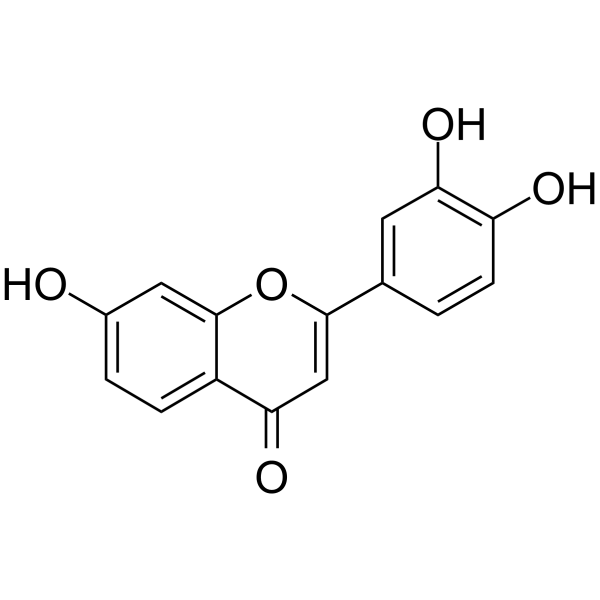 0 Images3′,4′,7-Trihydroxyflavone is an orally active inhibitor of OXA-48 (IC50 = 1.89 μM) and COX-1 (IC50 = 36.37 μM). 3′,4′,7-Trihydroxyflavone exhibits antioxidant and anti-inflammatory properties, inhibiting the release of inflammatory cytokines such as IL-6, IL-8, and TNF-α. 3′,4′,7-Trihydroxyflavone inhibits H2O2-induced neuronal apoptosis and ROS accumulation, and exerts anti-neuroinflammatory effects by suppressing the JNK-STAT1 pathway. 3′,4′,7-Trihydroxyflavone exhibits antimicrobial and antibiotic-modifying activities against multidrug-resistant Gram-negative enteric bacteria. 3′,4′,7-Trihydroxyflavone inhibits RANKL-induced osteoclast formation via NFATc1. 3′,4′,7-Trihydroxyflavone activates the CREB-BDNF axis and restores scopolamine (HY-N0296)-induced memory deficits in mice.
-
Tilmicosin phosphate
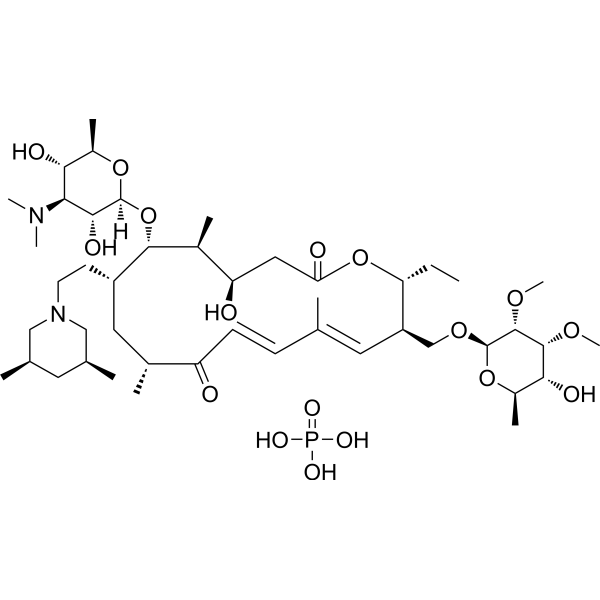 0 ImagesSynonyms: LY-177370 phosphate; EL-870 phosphateTilmicosin (LY-177370) phosphate is an orally active calcium channel antagonist and macrolide antibiotic with antimicrobial activity. Tilmicosin phosphate mainly acts on the 50S subunit of bacterial ribosomes, inhibiting protein synthesis. Tilmicosin phosphate is effective in the treatment of respiratory diseases in livestock such as cattle, sheep and pigs. In addition, Tilmicosin phosphate has immunomodulatory and anti-inflammatory effects.




