



COX
Cyclooxygenase
Cyclooxygenase (COX), officially known as prostaglandin-endoperoxide synthase (PTGS), is an enzyme that is responsible for formation of important biological mediators called prostanoids, including prostaglandins, prostacyclin and thromboxane. Pharmacological inhibition of COX can provide relief from the symptoms of inflammation and pain. Drugs, like Aspirin, that inhibit cyclooxygenase activity have been available to the public for about 100 years. Two cyclooxygenase isoforms have been identified and are referred to as COX-1 and COX-2. Under many circumstances the COX-1 enzyme is produced constitutively (i.e., gastric mucosa) whereas COX-2 is inducible (i.e., sites of inflammation). Non-steroidal anti-inflammatory drugs (NSAID), such as aspirin and ibuprofen, exert their effects through inhibition of COX. The main COX inhibitors are the non-steroidal anti-inflammatory drugs (NSAIDs).
COX Isoform Specific Products
All Product Categories
-
COX Related Products (1325)
Related Products (1325)

-
Antibodies (6)
-
COX Isoform Comparison
-
Imrecoxib-d7
 0 ImagesCat. No.: HY-114200SSynonyms: BAP-909-d7
-
Ataquimast
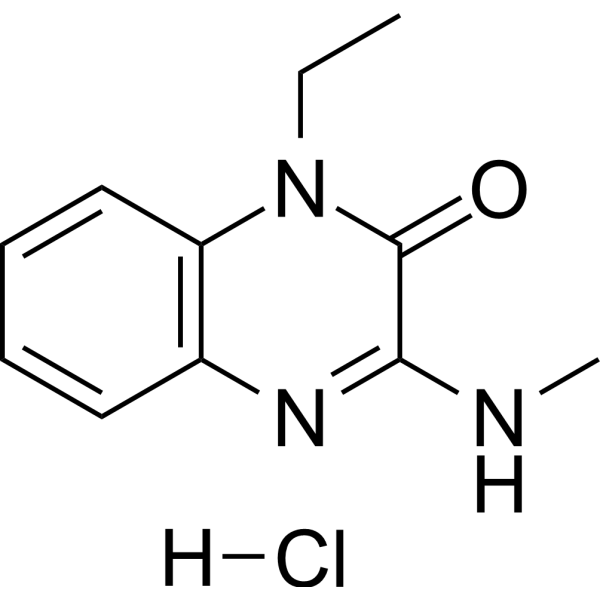 0 ImagesCat. No.: HY-108162ACAS No.: 182316-31-0Ataquimast is a COX-2 inhibitor that inhibits the release of leukotrienes, TNF-α and GM-CSF. Ataquimast can be used in the study of advanced receptor-positive breast cancer.

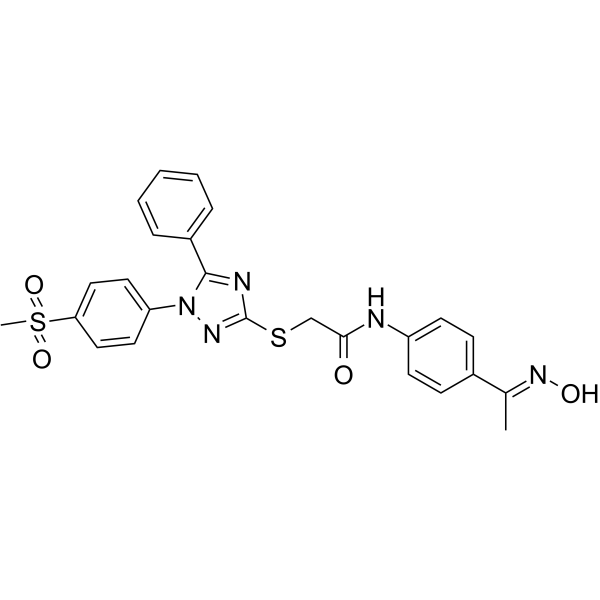
-
Arnicolide B
 0 ImagesCat. No.: HY-N19215CAS No.: 34532-66-6Arnicolide B is a sesquiterpene lactone. Arnicolide B is isolated from Centipeda minima. Arnicolide B inhibits the phosphorylation of ERK, JNK and p38 proteins in the MAPK signaling pathway. Arnicolide B reduces the production of inflammatory mediators NO, PGE2 and IL-6. Arnicolide B downregulates the overexpression of inflammatory proteins iNOS and COX-2. Arnicolide B has no effect on IκB-α degradation or NF-κB pathway activation. Arnicolide B is applicable to inflammation-related research.
-
COX-2-IN-5
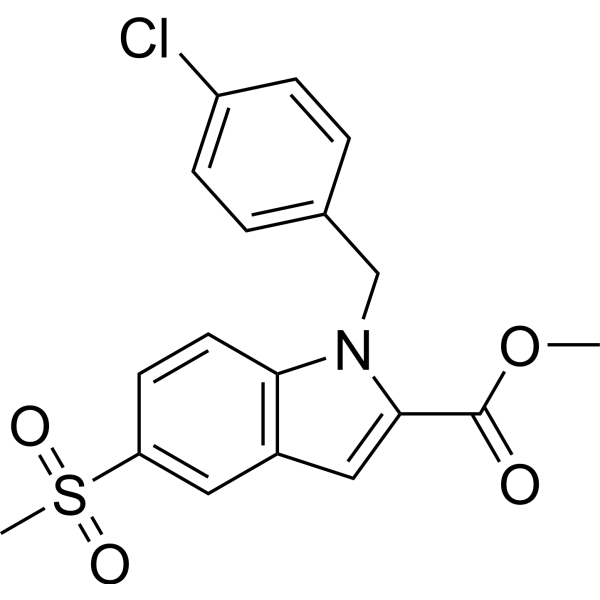 0 ImagesCat. No.: HY-116947CAS No.: 416901-58-1COX-2-IN-5 (compound 11a) is a potent COX-2 inhibitor with an IC50 value of 0.65 µM. COX-2-IN-5 has the potential for the research of inflammation.
-
Guaiacol-d4-1
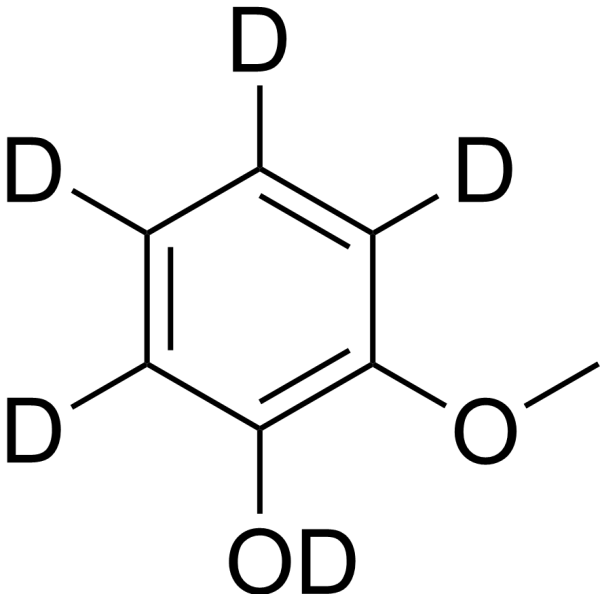 0 ImagesCat. No.: HY-N1380S4CAS No.: 20189-11-1Synonyms: 2-Methoxyphenol-d4-1
-
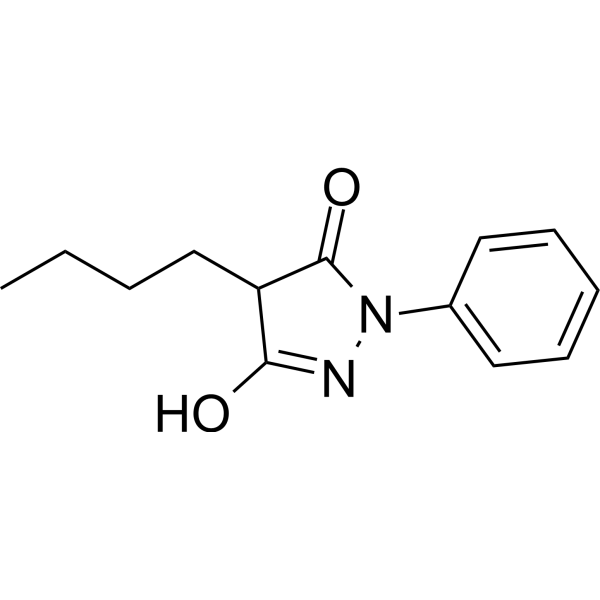
(-)-Salcolin B
 0 ImagesCat. No.: HY-N21550CAS No.: 1292294-32-6Synonyms: Tricin 4'-O-(threo-β-guaiacylglyceryl)ether(-)-Salcolin B (Tricin 4'-O-(threo-β-guaiacylglyceryl) ether) is an isomer of Salcolin B (HY-N16766) and anti-inflammatory agent. (-)-Salcolin B is isolable from Njavara. (-)-Salcolin B downregulates the activities of NF-κB and STAT3, reduces the expressions of iNOS and COX-2, activates the ERK signaling pathway, and inhibits LPS-induced NO and ROS production. (-)-Salcolin B induces Apoptosis. (-)-Salcolin B inhibits TPA (HY-18739)-induced ear edema. (-)-Salcolin B possesses antioxidant activity. (-)-Salcolin B can be used in research related to inflammatory diseases, colon adenocarcinoma, ovarian cancer and breast cancer.
-
Carprofen-13C,d3
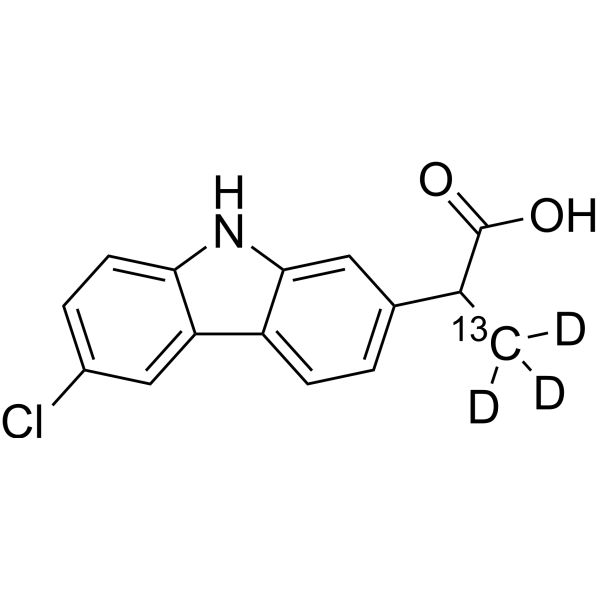 0 ImagesCat. No.: HY-B1227S1CAS No.: 2012598-34-2
-
CRBNL-Biguanide PROTAC 1
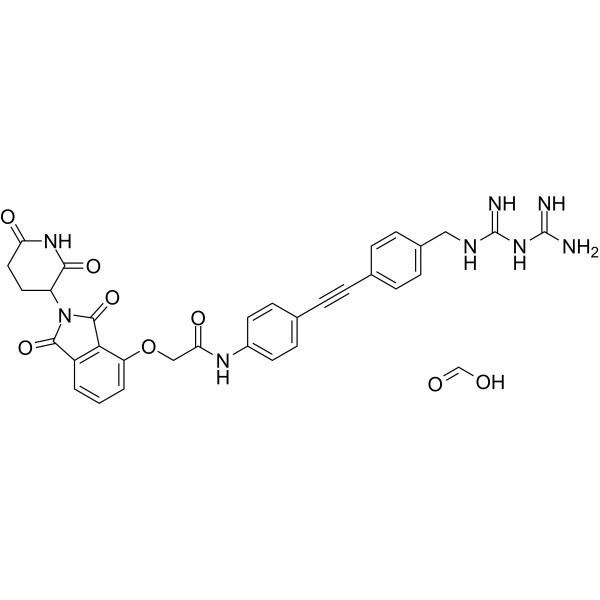 0 ImagesCat. No.: HY-158152CRBNL-Biguanide PROTAC 1 is a Biguanide-PROTAC that recruits Cereblon and an AMPK activator, composed of CRBNL, a hydrophobic linker, and a PEB-Biguanide moiety. The degradation mechanism of CRBNL-Biguanide PROTAC 1 is hypothesized to involve PEB-Biguanide promoting mitochondrial enrichment and activating AMPK, while simultaneously recruiting Cereblon to bring it into proximity with mitochondrial proteins, thereby reducing COXII and NDUFB8 protein levels and perturbing mitochondrial oxidative phosphorylation. CRBNL-Biguanide PROTAC 1 is useful for pancreatic cancer and mitochondrial protein regulation research.
-
COX-2/5-LOX-IN-2
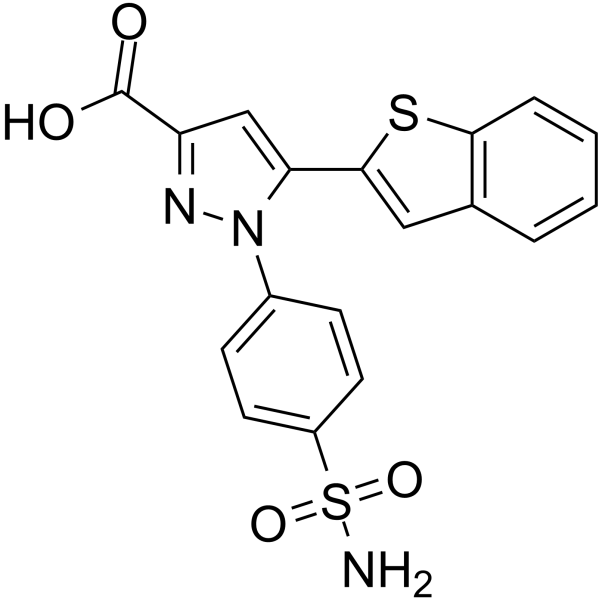 0 ImagesCat. No.: HY-146295CAS No.: 2410384-59-5COX-2/5-LOX-IN-2 (5b) is a potent and dual inhibitor of COX-2/5-LOX. COX-2/5-LOX-IN-2 is a benzothiophen-2-yl pyrazole carboxylic acid derivative. COX-2/5-LOX-IN-2 shows the most potent analgesic and anti-inflammatory activities surpassing that of Celecoxib and Indomethacin. COX-2/5-LOX-IN-2 shows potent COX-1, COX-2 and 5-LOX inhibitory activity with IC50s of 5.40, 0.01 and 1.78 μM, respectively.
-
AHR-6293
 0 ImagesCat. No.: HY-119018CAS No.: 61941-63-7AHR-6293 is an orally effective and potent anti-inflammatory agent. AHR-6293 has a better anti-inflammatory effect than AHR-5850, but does not have the activity of inhibiting platelet aggregation.
-
Plantanone A
 0 ImagesCat. No.: HY-N18001CAS No.: 2174008-34-3
-
Phoxim-d5 (phenyl-d5) (mixture of isomers)
 0 ImagesCat. No.: HY-W758414Phoxim-d5 (phenyl-d5) (mixture of isomers) is the deuterated-labeled Phoxim (HY-B0819). Phoxim is an organophosphorus pesticide and an orally active inhibitor of cholinesterase and CYP3A, which induces neurotoxicity in Caenorhabditis elegans and causes nephrotoxicity characterized by glomerular atrophy and interstitial fibrosis. Phoxim induces inhibition of the autophagy pathway. Phoxim induces dopaminergic neuron degeneration and exacerbates Aβ-induced paralysis. Phoxim damages enterocytes and disrupts intestinal barrier integrity. Phoxim induces ROS accumulation. Phoxim induces mitochondrial apoptosis, involving upregulation of Bad, Bax, caspase-3, and caspase-9 and downregulation of Bcl-2. Phoxim inhibits mitochondrial functional enzymes (COX, Ca2+-Mg2+-ATPase, SDH). Phoxim upregulates Nrf2 mRNA expression in the jejunal mucosa. Phoxim increases TNF-α and decreases IL-6 and IL-8 in the intestinal mucosa. Phoxim alters gut microbial composition by increasing total bacteria and Escherichia coli and reducing Lactobacillus. Phoxim enhances energy metabolism in silver carp by upregulating key glycolytic and gluconeogenic enzymes. Phoxim is used in research on neurodegenerative diseases, nephrotoxicity, intestinal oxidative stress and barrier dysfunction, and bacterial sepsis.
-
Ginsenoside Rb3 (Standard)
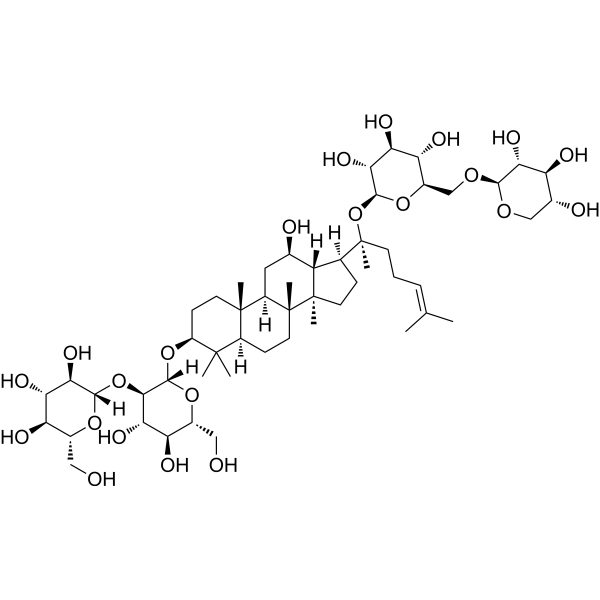 0 ImagesCat. No.: HY-N0041RCAS No.: 68406-26-8Synonyms: Gypenoside IV (Standard)Ginsenoside Rb3 (Standard) is the analytical standard of Ginsenoside Rb3. This product is intended for research and analytical applications. Ginsenoside Rb3 is extracted from steamed Panax ginseng C. A. Meyer. Ginsenoside Rb3 exhibits inhibitory effect on TNFα-induced NF-κB transcriptional activity with an IC50 of 8.2 μM in 293T cell lines. Ginsenoside Rb3 also inhibits the induction of COX-2 and iNOS mRNA.
-
ISP-VT
 0 ImagesCat. No.: HY-182610CAS No.: 175796-45-9Synonyms: Isopropyl vanillateISP-VT (Isopropyl vanillate) is a COX-2 inhibitor. ISP-VT exhibits anti-inflammatory, antipyretic and immunomodulatory activities. ISP-VT reduces neutrophil migration and the release of inflammatory factors. ISP-VT can be used for the research of inflammatory and immune diseases and other conditions.
-
G721-0282
 0 ImagesG721-0282 is an orally active CHI3L1 inhibitor. G721-0282 can reduce the expression of inflammatory proteins and cytokines. G721-0282 inhibits the activation of the NF-κB signaling pathway. G721-0282 inhibits neuroinflammation and reduces anxious behavior. G721-0282 significantly inhibits the proliferation of osteosarcoma (OS) cells by suppressing the STAT3 signaling pathway. G721-0282 induces OS cell apoptosis by upregulating pro-apoptotic protein levels and downregulating anti-apoptotic protein levels. G721-0282 can be used for researches on neuroinflammatory conditions and cancer.
-
COX-2-IN-17
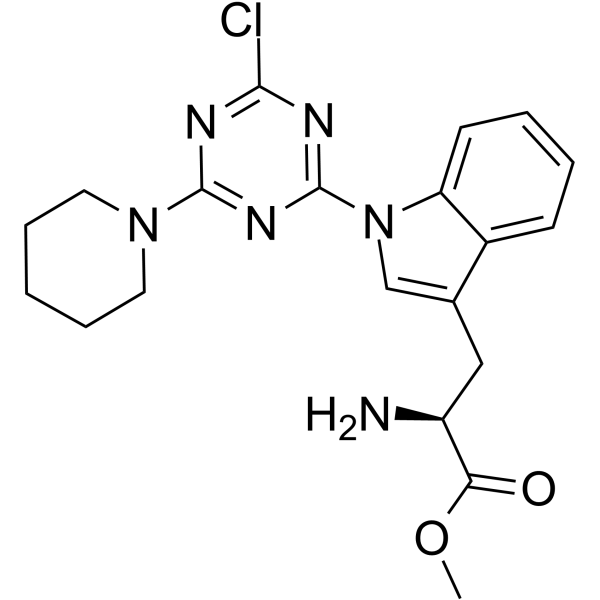 0 ImagesCat. No.: HY-147748CAS No.: 2411390-10-6COX-2-IN-17 (compound 10) is a potent and BBB-penetrated COX-2 (cyclooxygenase-2) inhibitor, with an IC50 of 0.02 μM. COX-2-IN-17 shows anti-inflammatory and analgesic activities. COX-2-IN-17 attenuates hyperalgesia in the neurogenic phase as well as the inflammatory phase.
-
(±)-Epicatechin-13C3
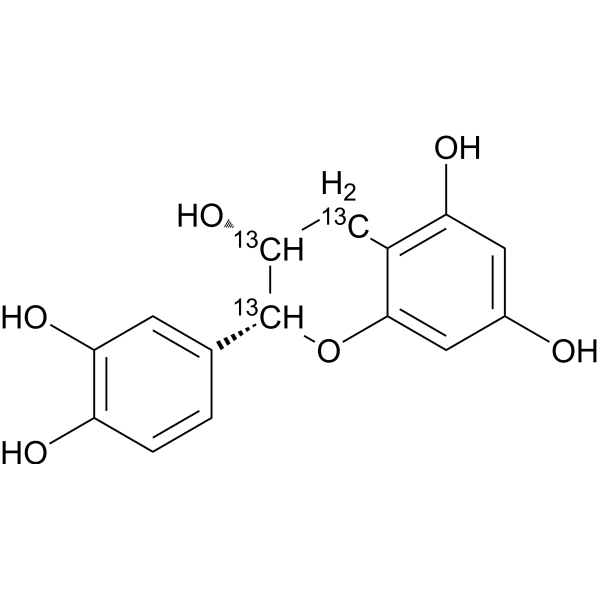 0 ImagesCat. No.: HY-N0001SCAS No.: 1217780-28-3(±)-Epicatechin-13C3 is the 13C labeled (±)-Epicatechin. (-)-Epicatechin (HY-N0001) inhibits cyclooxygenase-1 (COX-1) with an IC50 of 3.2 μM. (-)-Epicatechin inhibits the IL-1β-induced expression of iNOS by blocking the nuclear localization of the p65 subunit of NF-κB.




