



Hedgehog
Hedgehog (Hh) is composed of N-terminal and C-terminal domains that dissociate in a self-catalyzed proteolytic cleavage reaction. The N-terminal product HhNp, modified by cholesterol during self-cleavage, harbors all known Hh signaling activities. When synthesized in the absence of the C-terminal domain (and hence lacking cholesterol modification), the N-terminal domain is aberrantly targeted and released selectively into the retina.
Hedgehog signaling pathway is linked to tumorigenesis and is aberrantly activated in a variety of cancers. Hh ligands bind to and suppress the transmembrane receptor Patched (PTCH), which suppresses Smoothened (SMO), a seven-transmembrane-helix protein that positively regulates the Hh pathway.
Sonic hedgehog (Shh) is a morphogen essential to the developing nervous system that continues to play an important role in adult life by contributing to cell proliferation and differentiation, maintaining blood-brain barrier integrity, and being cytoprotective against oxidative and excitotoxic stress, all features of importance in amyotrophic lateral sclerosis (ALS).
Indian hedgehog (Ihh), a signaling molecule that plays a pivotal role in the regulation of chondrocyte proliferation, maturation, and ossification both in long-bone development and digit joint formation, has also been found to be essential for temporomandibular joint (TMJ) development.
Desert hedgehog (Dhh), one of the Hedgehog family members, is expressed by Schwann cells of peripheral nerves.
All Product Categories
-
Hedgehog Related Products (99)
Related Products (99)

-
Antibodies (2)
-
MK-4101
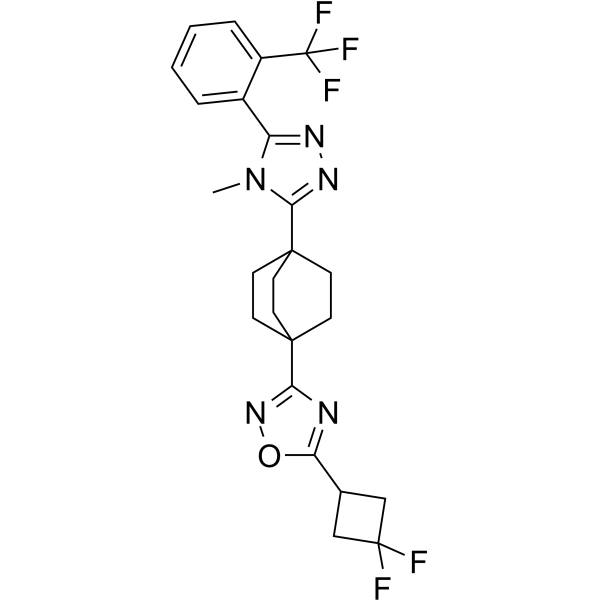 0 ImagesMK-4101 is a Smoothened (SMO) antagonist (IC50 of 1.1 µM for 293 cells ) and also a potent inhibitor of the hedgehog pathway (IC50 of 1.5 µM for mouse cells; IC50 of 1 µM for KYSE180 oesophageal cancer cells). MK-4101 has robust antitumor activity that inhibits tumor cell proliferation and induces extensive apoptosis.
-
RU-SKI 43
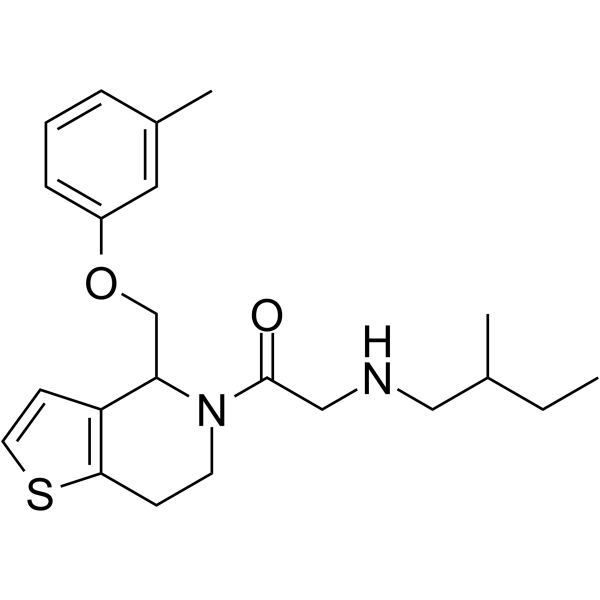 0 ImagesCat. No.: HY-18366CAS No.: 1043797-53-0RU-SKI 43 is a potent and selective Hedgehog acyltransferase (Hhat) inhibitor with an IC50 of 850 nM. RU-SKI 43 reduces Gli-1 activation through Smoothened-independent non-canonical signaling and decreases Akt and mTOR pathway activity. RU-SKI 43 has anti-cancer activity.
-
SANT-1 (GMP)
 0 ImagesCat. No.: HY-100224GCAS No.: 304909-07-7
-
RUSKI-201 dihydrochloride
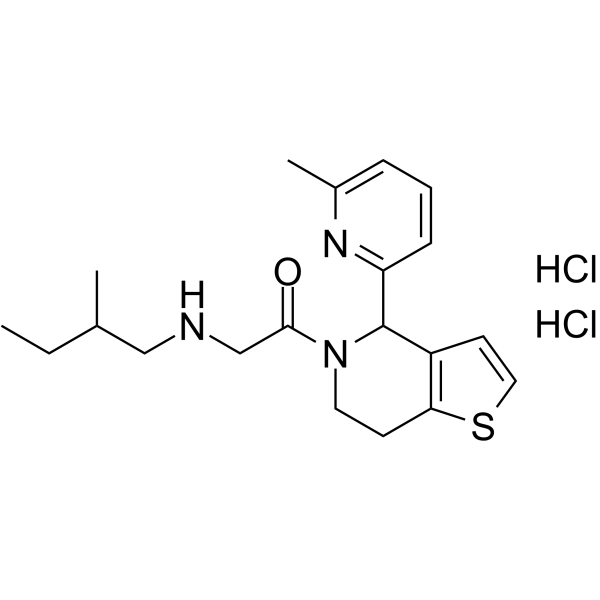 0 ImagesRUSKI-201 dihydrochloride is a potent and specific Hedgehog acyltransferase (Hhat) inhibitor with an IC50 of 0.20 μM. RUSKI-201 dihydrochloride is able to block Hh signaling from Shh overexpressing cells and inhibits Hh palmitoylation. RUSKI-201 dihydrochloride is potential Hhat chemical probe in cells and can used in studies of Hhat catalytic function.
-
Itraconazole-d9
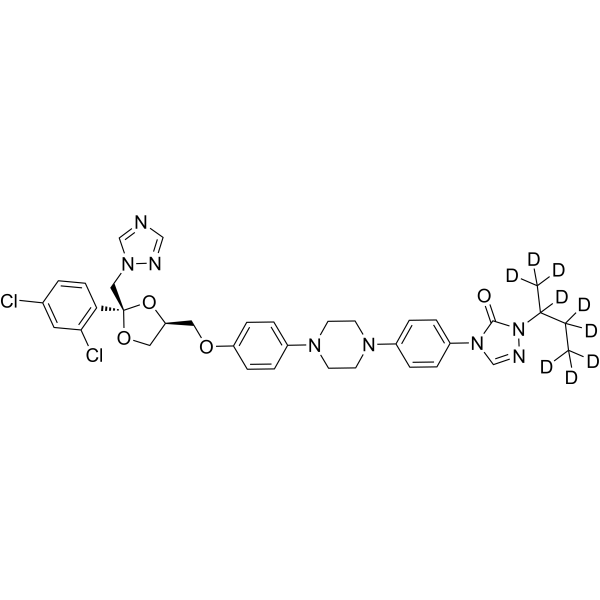 0 ImagesCat. No.: HY-17514S2CAS No.: 1309272-50-1Synonyms: R51211-d9Itraconazole-d9 is the deuterium labeled Itraconazole. Itraconazole (R51211) is a triazole antifungal agent and a potent and orally active Hedgehog (Hh) signaling pathway antagonist with an IC50 of ~800 nM. Itraconazole potently inhibits lanosterol 14α-demethylase (cytochrome P450 enzyme), thereby inhibits the oxidative conversion of lanosterol to ergosterol. Itraconazole has anticancer and antiangiogenic effects. Itraconazole is a oxysterol-binding protein (OSBP) inhibitor.
-
SMO-IN-3
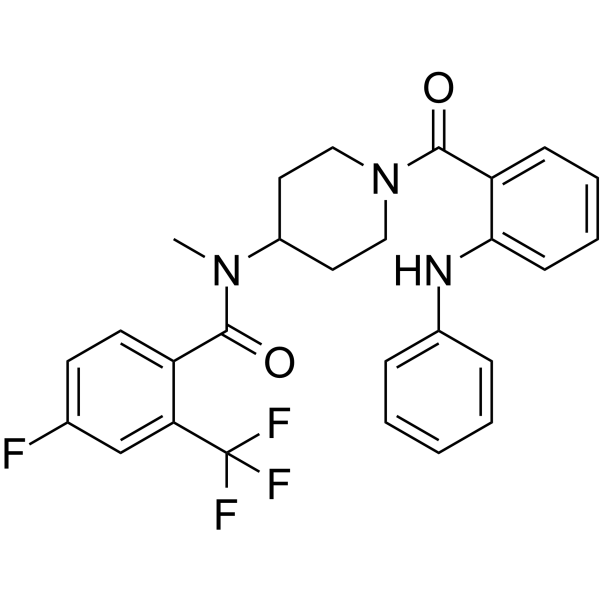 0 ImagesCat. No.: HY-150567CAS No.: 2376914-71-3SMO-IN-3 (compound 12a) is a potent smoothened (SMO) inhibitor with an IC50 value of 34.09 nM for hedgehog (Hh) signaling pathway. SMO-IN-3 has antiproliferative activity against human medulloblastoma cell line Daoy. Anticancer activity.
-
Ornidazole-d5
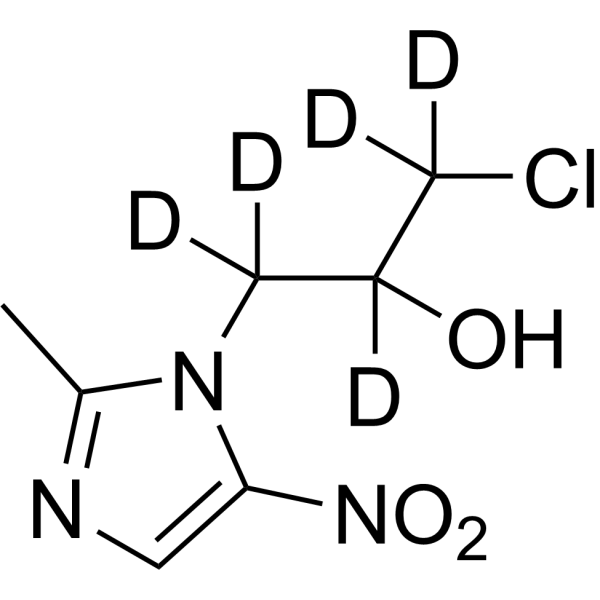 0 ImagesCat. No.: HY-B0508SCAS No.: 2747915-64-4Synonyms: Ro 7-0207-d5Ornidazole-d5 is deuterium labeled Ornidazole. Ornidazole (Ro 7-0207) is a nitroimidazole derivative with anti-trichomonad activity and in vitro activity against a variety of anaerobic bacteria. Ornidazole inhibits Sonic hedgehog (Shh) signaling pathway, exhibits antitumor activity. Ornidazole can be used in research of Crohn’s disease.
-
Degalactotigonin
 0 ImagesCat. No.: HY-N9684CAS No.: 39941-51-0Degalactotigonin is a saponin-selective inhibitor targeting the EGFR, GSK3β and Hedgehog/Gli1 pathways and can be isolated from Solanum nigrum (Solanum nigrum). Degalactotigonin inhibits EGFR phosphorylation and the downstream Akt/ERK signaling pathway, and at the same time inhibits the Hedgehog/Gli1 pathway through GSK3β inactivation, thereby inducing cancer cell apoptosis, arresting the cell cycle, and inhibiting migration and invasion. Degalactotigonin can be used in targeted research on malignant tumors such as pancreatic cancer and osteosarcoma.
-
Smo antagonist M25
 0 ImagesCat. No.: HY-110326CAS No.: 1186293-14-0Smo antagonist M25 is a smoothened antagonist for inhibition of the hedgehog pathway.
-
Hedgehog IN-2
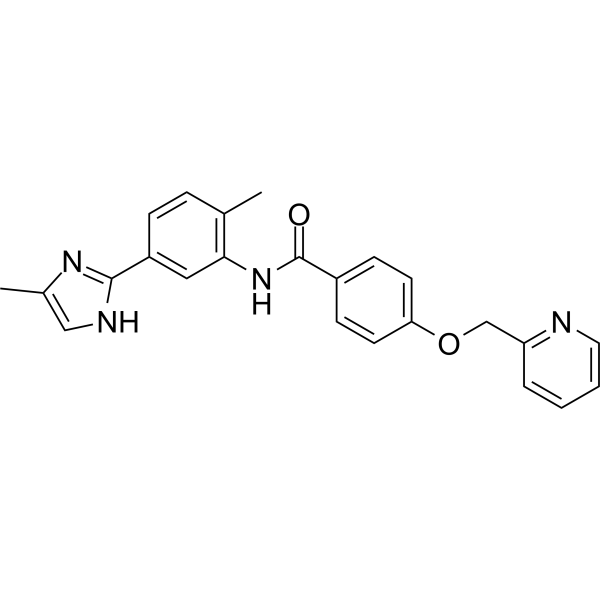 0 ImagesCat. No.: HY-153456CAS No.: 1126365-74-9
-
GLI1-IN-1
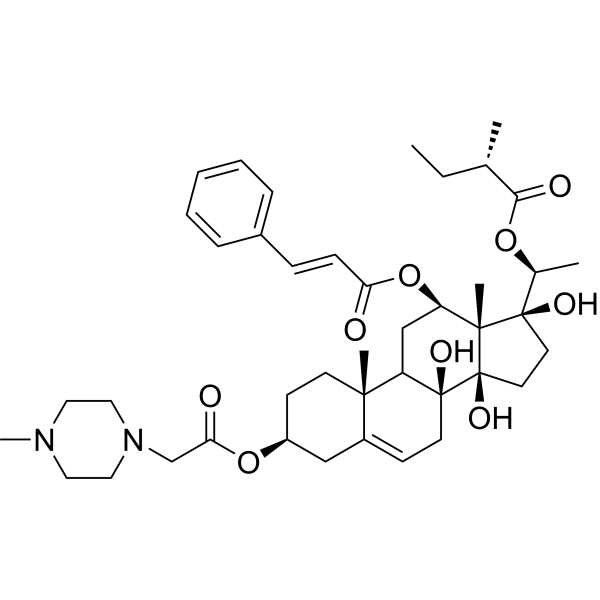 0 ImagesCat. No.: HY-161459CAS No.: 2923907-92-8GLI1-IN-1 (CBC-1) is a GLI-1 inhibitor with excellent water solubility and anticancer activity. GLI1-IN-1 can induce apoptosis and suppress the growth of colorectal cancer by inhibiting the Hedgehog(HH) (IC50=1.3 μM) pathway.
-
2-ACC
 0 ImagesCat. No.: HY-N16232CAS No.: 3091880-01-9Synonyms: 2-α-Carboxy cholestanol2-ACC (2-α-Carboxy cholestanol) is a cholestanol, is a mutant Sonic Hedgehog protein D46A activator with an EC50 of ~5 μM.
-
Jervine (Standard)
 0 ImagesJervine (Standard) (11-Ketocyclopamine (Standard)) is the analytical standard of Jervine (HY-N0836). This product is intended for research and analytical applications. Jervine (11-Ketocyclopamine) is an orally active steroidal alkaloid and Hedgehog signaling pathway inhibitor. Jervine can be isolated from Veratrum californicum. Jervine regulates Wnt, inhibits the AKT/mTOR signaling pathway, and activates the AMPK signaling pathway. Jervine induces DNA damage, Apoptosis, Autophagy, ROS production and Mitochondrial damage. Jervine exhibits anti-cancer and anti-inflammatory activities. Jervine reduces tumor growth rate and weight in xenograft models. Jervine can be used in studies related to triple-negative breast cancer, nasopharyngeal carcinoma and non-small cell lung cancer.
-
LAB687
 0 ImagesCat. No.: HY-177291CAS No.: 256397-11-2LAB687 is a microsomal triglyceride transfer protein (MTP) inhibitor with an IC50 of 0.9 nM for apolipoprotein B (apoB) secretion in HepG2 cells. LAB687 also acts as a Smoothened (Smo) antagonist, with IC50 values of 2.48 μM and 3.42 μM against mouse and human Smo receptors, respectively. LAB687 reduces triglyceride and low-density lipoprotein cholesterol (LDL-C) levels, and inhibits the Hedgehog signaling pathway. LAB687 can be used in studies related to Hedgehog-dependent cancers.
-
SMO-IN-5
 0 ImagesCat. No.: HY-159893SMO-IN-5 ((Compound 25(B31)) is a potent and competitive inhibitor of smoothened (SMO) that can inhibit Hedgehog (Hh) signaling. SMO-IN-5 interacts with Smo through hydrogen bonds, hydrophobic interactions, and electrostatic forces. SMO-IN-5 inhibits PC cell proliferation, migration, and induces apoptosis by suppressing Gli1 expression. SMO-IN-5 exhibits antitumor activity in pancreatic cancer..

-
IMP-1575
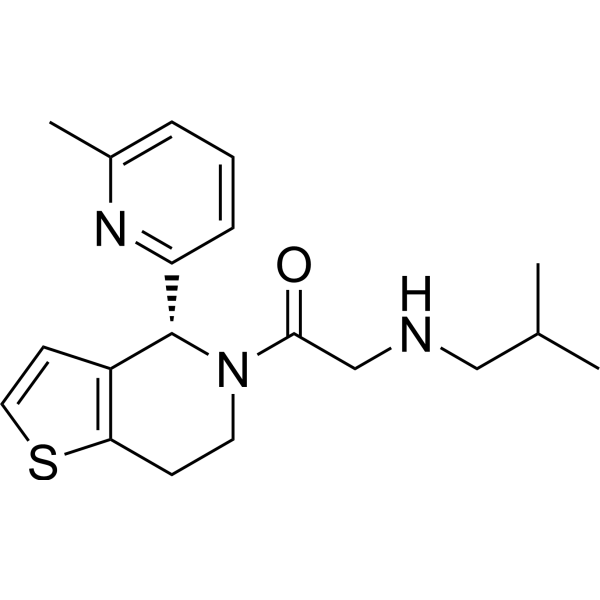 0 ImagesCat. No.: HY-161175CAS No.: 3026255-85-3IMP-1575 is the most potent Hedgehog acyltransferase (HHAT) inhibitor, with an IC50 of 0.75 μM for inhibition of purified HHAT. IMP-1575 can be used for the research of cancer.
-
Axl-IN-21
 0 ImagesCat. No.: HY-179535CAS No.: 1958081-87-2Axl-IN-21 is an orally active and selective AXL inhibitor (Kd = 2.7 nM, IC50 = 4.0 nM). Axl-IN-21 displays kinase selectivity and retains strong activity against cancer-related mul-kinases (Mer with Kd = 1.4 nM, DDR1 with IC50 = 22.2 nM, HIPK4 with Kd = 11.0 nM and LOK with Kd =10 nM). Axl-IN-21 overcomes tumor microenvironment-driven resistance by blocking CAF-derived GAS6-induced AXL/STAT3/ABCG1 signaling, restoring chemosensitivity and inhibiting drug efflux in gastric cancer (GC). Axl-IN-21 suppresses TGF-β1-induced epithelial-mesenchymal transition (EMT), migration, and invasion in MDA-MB-231 cells. Axl-IN-21 exhibits no significant cytotoxicity in non-cancerous cells. Axl-IN-21 can be research for triple negative breast cancer and gastric cancer[1] [2] .




