



Microtubule/Tubulin
Microtubules are a component of the cytoskeleton, found throughout the cytoplasm. These tubular polymers of tubulin can grow as long as 50 micrometres, with an average length of 25 µm, and are highly dynamic. The outer diameter of a microtubule is about 24 nm while the inner diameter is about 12 nm. Microtubules are found in eukaryotic cells and are formed by the polymerization of a dimer of two globular proteins, alpha and beta tubulin. Tubulin is one of several members of a small family of globular proteins. The tubulin superfamily includes five distinct families, the alpha-, beta-, gamma-, delta-, and epsilon-tubulins and a sixth family which is present only in kinetoplastid protozoa. The most common members of the tubulin family are α-tubulin and β-tubulin, the proteins that make up microtubules. Microtubules are very important in a number of cellular processes. They are involved in maintaining the structure of the cell.
All Product Categories
-
Microtubule/Tubulin Inhibitors
(812)
View all products
-
Microtubule/Tubulin Agonists
(2)
View all products
-
Microtubule/Tubulin Antagonist
(1)
View all products
-
Microtubule/Tubulin Activators
(21)
View all products
-
Microtubule/Tubulin Modulators
(20)
View all products
-
Microtubule/Tubulin Inducers
(5)
View all products
-
Microtubule/Tubulin Degraders
(3)
View all products
-
Microtubule/Tubulin Controls
(19)
View all products
-
Microtubule/Tubulin Ligands
(5)
View all products
-
Microtubule/Tubulin Related Products (1003)
Related Products (1003)

-
Antibodies (69)
-
Avanbulin
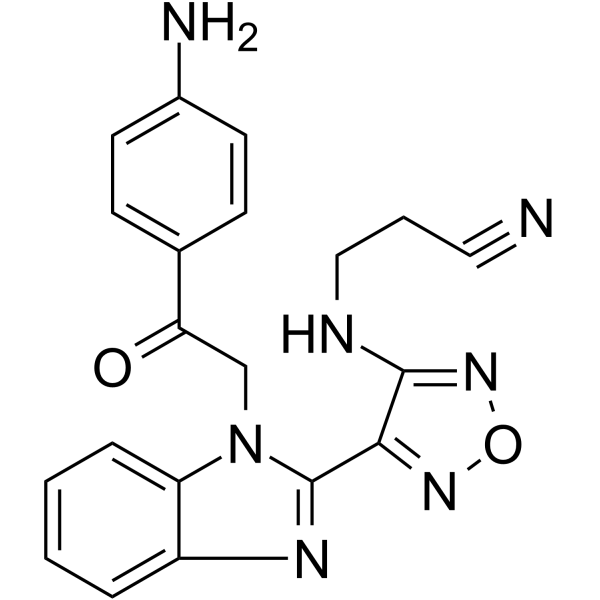 0 ImagesSynonyms: BAL27862Avanbulin (BAL27862) is a potent, Colchicine site-binding, tubulin assembly inhibitor. Avanbulin inhibits tubulin assembly at 37 °C with an IC50 of 1.4 μM. Avanbulin binds to tubulin with an apparent Kd value of 244 nM. Avanbulin can be used for the research of cancer and cell division.
-
Cephalomannine
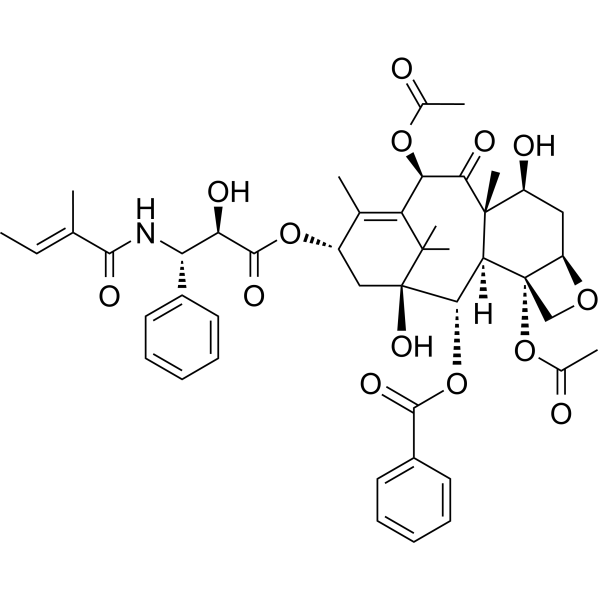 0 ImagesCephalomannine is a Paclitaxel (HY-B0015) alkaloidal analog that can be isolated from most Cephalotaxus species. Cephalomannine is an orally active anti-tumor agent and can be used as a chemotherapy agent for cancer research.
-
Plecstatin-1 hydrochloride
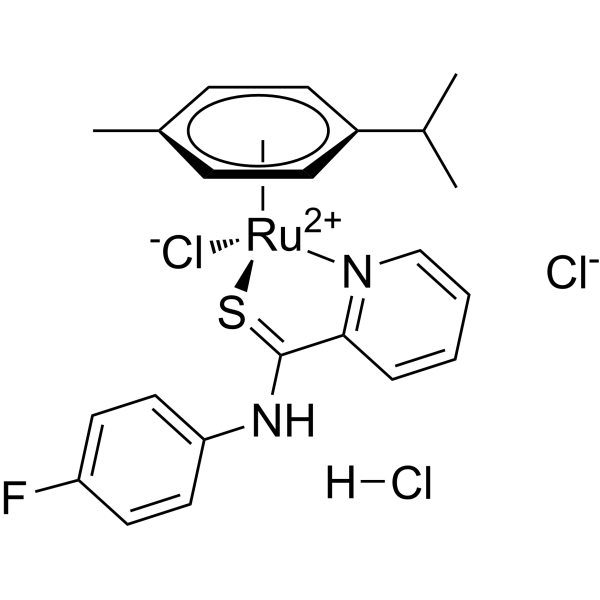 0 ImagesCat. No.: HY-156675APurity: 98.96%Plecstatin-1 hydrochloride is a metal complex that drives the aggregation and collapse of the plectin network, and disrupts the cytoskeletal structures of α‑tubulin and F‑actin. Plecstatin-1 hydrochloride triggers oxidative stress, mediates the phosphorylation of eIF2α, and induces molecular features associated with immunogenic cell death, including calreticulin membrane exposure, membrane localization of HSP70/HSP90, ATP secretion, and HMGB‑1 release. Plecstatin-1 hydrochloride induces apoptosis via the intrinsic mitochondrial pathway and exerts anti-invasive activity. Plecstatin-1 hydrochloride inhibits sphere proliferation and reduces clonogenicity in the 3D tumor spheroid model of colon cancer cells. Plecstatin-1 hydrochloride is applicable to relevant research on colorectal cancer.
-
VcMMAE-Deruxtecan
 0 ImagesSynonyms: VcMMAE-(PAB-GGFG-AMAA)Exatecan; SMP-54418VcMMAE-Deruxtecan (VcMMAE-(PAB-GGFG-AMAA)Exatecan; SMP-54418) is a drug-linker conjugate for ADC, composed of linker-payload molecule conjugate VcMMAE (HY-15575) and linker-payload molecule conjugate Deruxtecan (PAB-GGFG-AMAA)Exatecan) (HY-13631E). VcMMAE-Deruxtecan can be used in the synthesis of ADCs.
-
Anetumab ravtansine
 0 ImagesSynonyms: BAY 94-9343Anetumab ravtansine (BAY 94-9343) is a selective and highly potent antibody-drug conjugate (ADC) to target maytansinoid tubulin. Anetumab ravtansine consists of a human anti-mesothelin antibody conjugated to the maytansinoid tubulin inhibitor DM4. Anetumab ravtansine shows antitumor efficacy correlated with the amount of mesothelin expressed in patient-derived xenograft tumor models.
-
NHS-MMAF
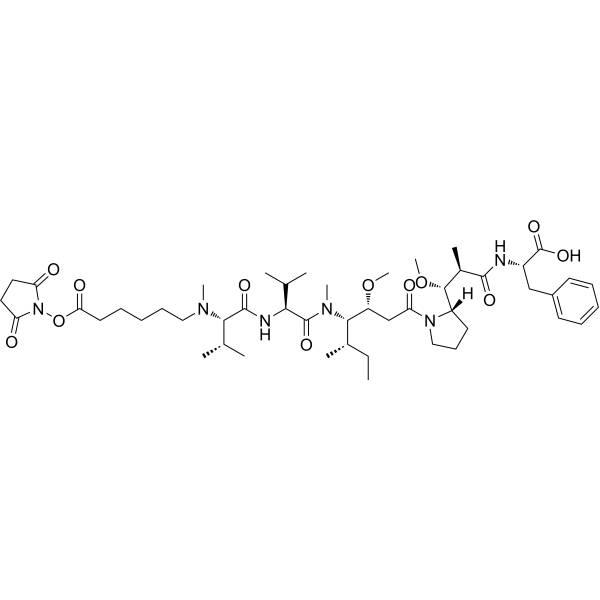 0 ImagesCat. No.: HY-139326CAS No.: 1404073-19-3NHS-MMAF is a modified MMAF extracted from patent WO2012143499, intermediat 219. MMAF is a potent tubulin polymerization inhibitor and is used as a antitumor agent
-
Tubulysin A
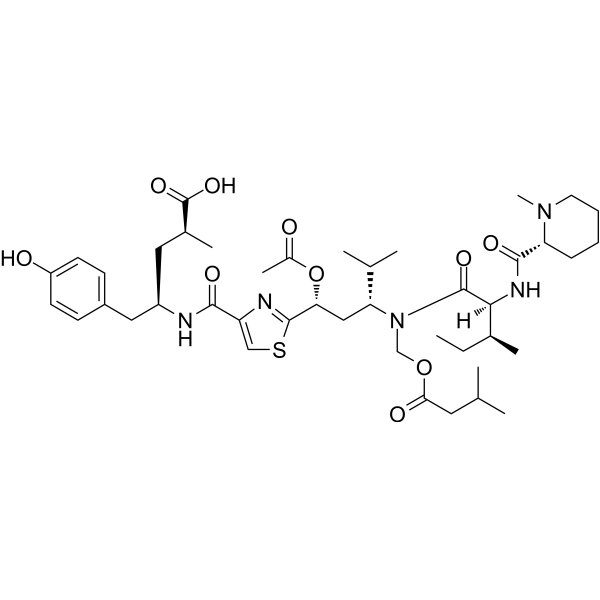 0 ImagesSynonyms: TubATubulysin A (TubA) is an anticancer and antiangiogenic agent with anti-microtubule, anti-mitosis and anti-proliferative activity against a variety of cancer cells with IC50 values in the pmol range. It can induce apoptosis of cancer cells and has no effect on normal cells. Tubulysins are a group of potent cytotoxins consisting of nine members (A-I). Tubulysin A can synthesize ADC as ADC Cytotoxin.
-
Methylene blue hydrate
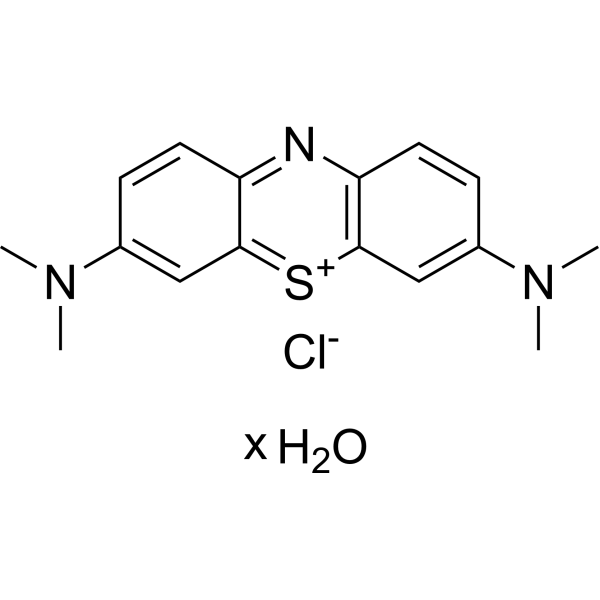 0 ImagesCat. No.: HY-D0958CAS No.: 122965-43-9Synonyms: Basic Blue 9 hydrate; CI-52015 hydrate; Methylthioninium chloride hydrateMethylene blue (Basic Blue 9) hydrate is a guanylyl cyclase (sGC), monoamine oxidase A (MAO-A) and NO synthase (NOS) inhibitor. Methylene blue is a vasopressor and is often used as a dye in several medical procedures. Methylene blue hydrate through the nitric oxide syntase/guanylate cyclase signalling pathway to reduce prepulse inhibition. Methylene blue hydrate is a REDOX cycling compound and able to cross the blood-brain barrier. Methylene blue hydrate is a Tau aggregation inhibitor. Methylene blue hydrate reduces cerebral edema, attenuated microglial activation and reduced neuroinflammation.
-
Indibulin
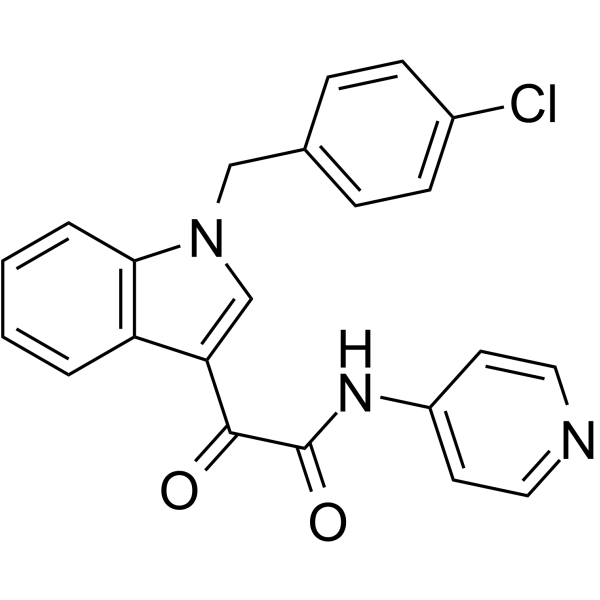 0 ImagesSynonyms: ZIO 301; D 24851Indibulin (ZIO 301), an orally applicable inhibitor of tubulin assembly, shows potent anticancer activity with a minimal neurotoxicity. Indibulin reduces inter-kinetochoric tension, produces aberrant spindles, activates mitotic checkpoint proteins Mad2 and BubR1, and induces mitotic arrest and apoptosis.
-
MY-875
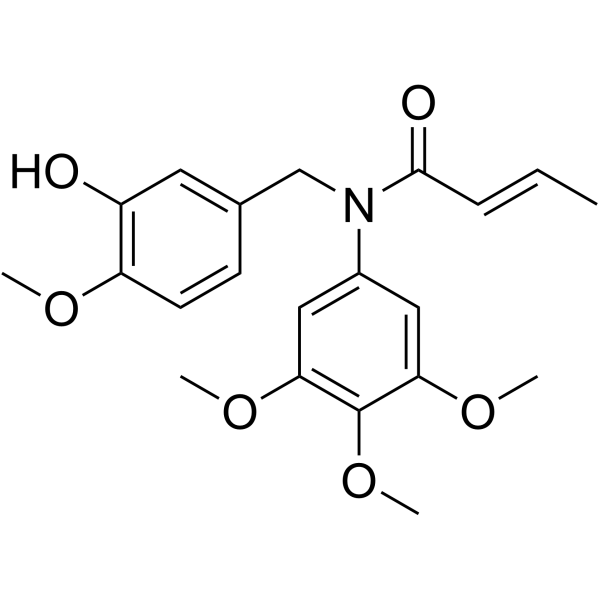 0 ImagesCat. No.: HY-150761Purity: 99.56%MY-875 is a competitive microtubulin polymerization inhibitor with an IC50 value of 0.92 μM. MY-875 inhibits microtubulin polymerization by targeting colchicine binding sites and activates the Hippo pathway. MY-875 induces apoptosis and has anticancer activity.
-
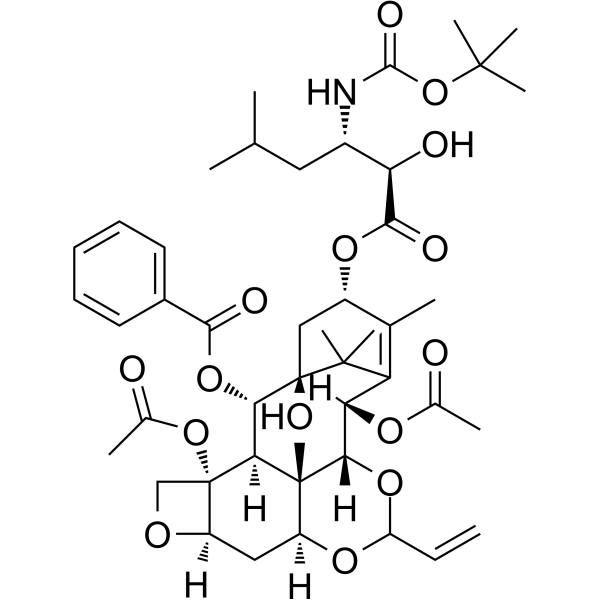
Docetaxel (Standard)
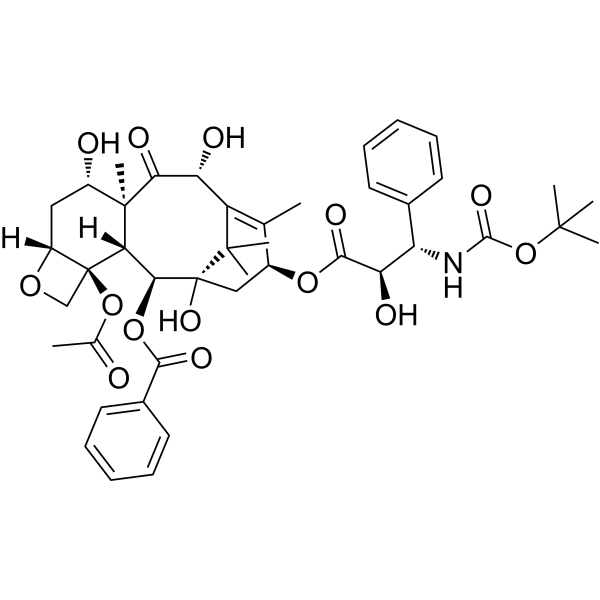 0 ImagesSynonyms: RP-56976 (Standard)Docetaxel (Standard) is the analytical standard of Docetaxel. This product is intended for research and analytical applications. Docetaxel (RP-56976) is a microtubule depolymerization inhibitor, with an IC50 of 0.2 μM. Docetaxel attenuates the effects of bcl-2 and bcl-xL gene expression. Docetaxel arrests the cell cycle at G2/M and leads to cell apoptosis. Docetaxel has anti-cancer activity.
-
SC209
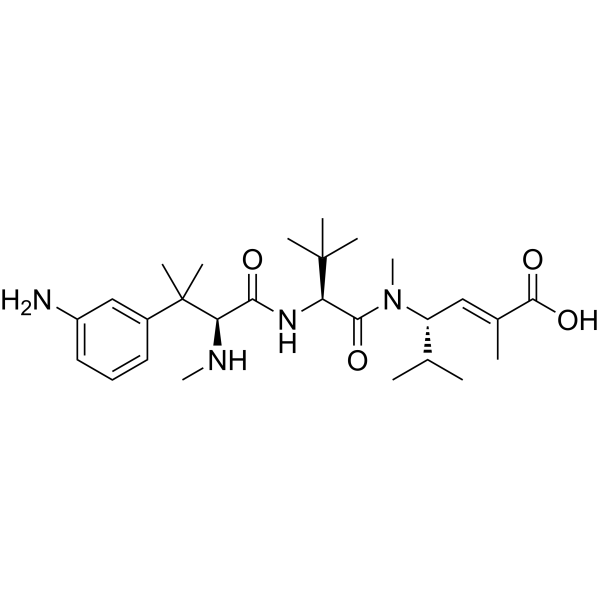 0 ImagesSynonyms: 3-Aminophenyl HemiasterlinSC209 (3-Aminophenyl Hemiasterlin) is a 3-aminophenyl hemiasterlin derivative that serves as a cytotoxin for ADCs, targeting tubulin. SC209 has reduced potential for drug efflux via P-glycoprotein 1 drug pump compared with other tubulin-targeting payloads. SC209 exhibits antitumor activity and can be used in the synthesis of ADC molecules.
-
Estramustine phosphate sodium
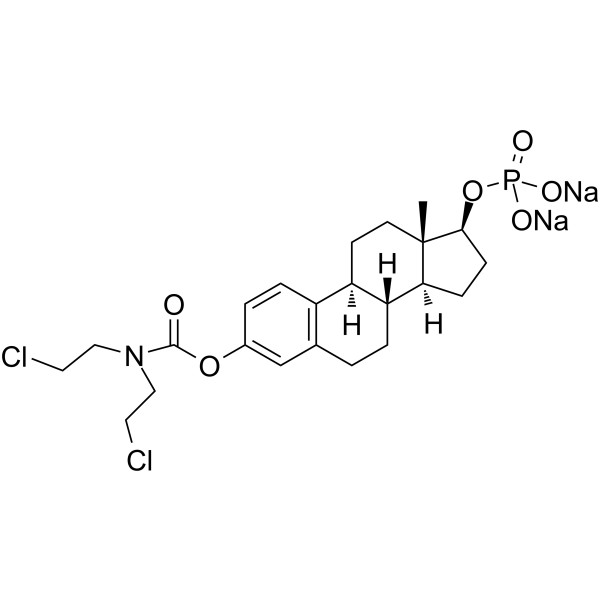 0 ImagesEstramustine phosphate sodium, an estradiol analog, is an orally active antimicrotubule chemotherapy agent. Estramustine phosphate sodium depolymerises microtubules by binding to microtubule associated proteins (MAPs) and/or to tubulin. Estramustine phosphate sodium can interfere mitosis, trigger cell death and induce apoptosis, which can be used for the research of cancer like prostate cancer.
-
Cevipabulin
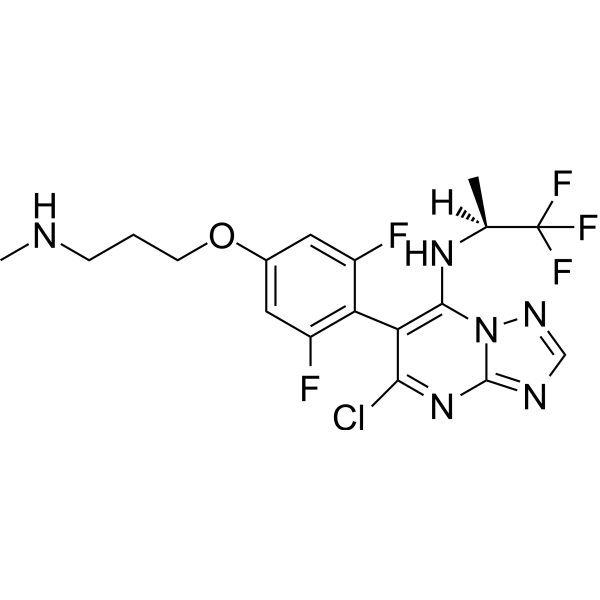 0 ImagesSynonyms: TTI-237Cevipabulin (TTI-237) is an oral, microtubule-active antitumor compound and inhibits the binding of [3H] vinblastine to tubulin, with an IC50 of 18-40 nM for cytotoxicity in human tumor cell line.
-
Estramustine
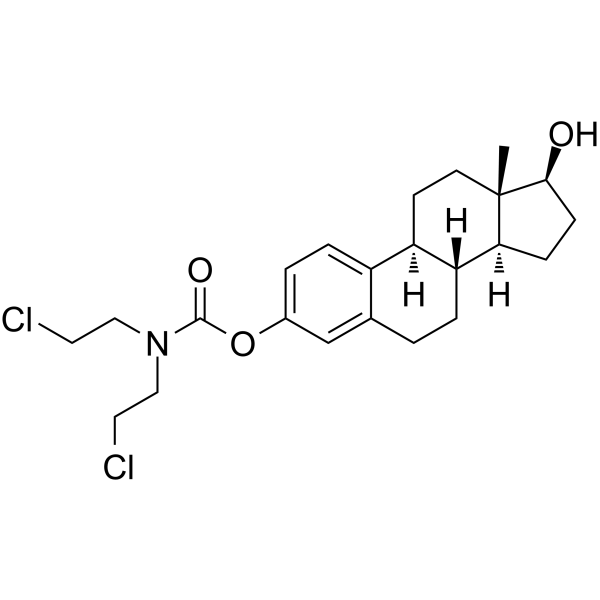 0 ImagesEstramustine, an estradiol analog, is an orally active antimicrotubule chemotherapy agent. Estramustine depolymerises microtubules by binding to microtubule associated proteins (MAPs) and/or to tubulin. Estramustine can interfere mitosis, trigger cell death and induce apoptosis, which can be used for the research of cancer like prostate cancer.
-
HZX-02-059
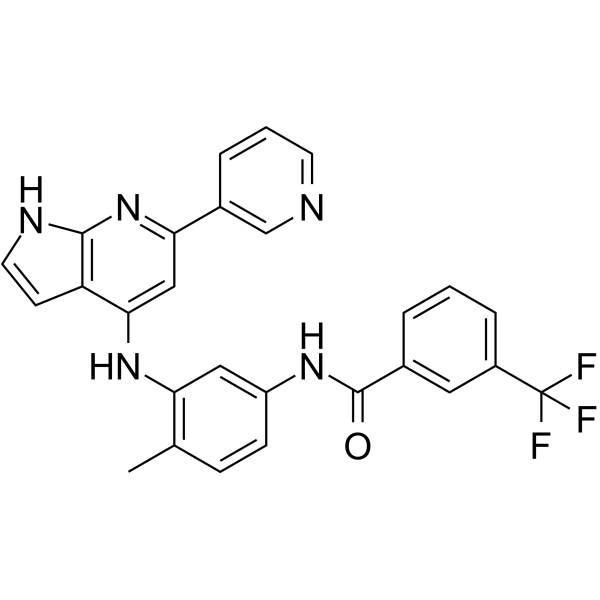 0 ImagesSynonyms: Methuosis inducer 1HZX-02-059 is an allosteric inhibitor of PIKFYVE, and a methuosis inducer. HZX-02-059 disrupts the PIKfyve/TFEB axis, suppresses tubulin polymerization, reduces phosphorylated mTOR levels, downregulates p53, PI3K/AKT, c-Myc, and NF-κB pathways. HZX-02-059 induces G2/M cell cycle arrest, apoptosis, and inhibits cancer cell proliferation. HZX-02-059 can be used for the research of lymphoma, double-hit lymphoma, and B-cell acute lymphoblastic leukemia.
-
Verubulin
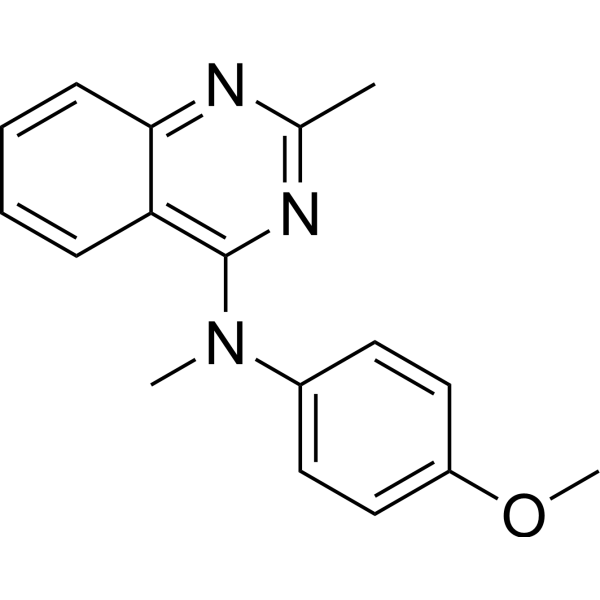 0 ImagesSynonyms: MPC 6827Verubulin (MPC-6827) is a highly potent and broad-spectrum microtubule blocker. Verubulin has antitumor activity against breast cancer, melanoma, and ovarian cancer. Verubulin can be used in non-small cell lung cancer research.




