1. Others GPCR/G Protein Anti-infection Metabolic Enzyme/Protease
  2. Environmental Pollutants Hydroxycarboxylic Acid Receptor (HCAR) Bacterial Endogenous Metabolite
  3. Lactic acid

乳酸  (Synonyms: Lactate; Lactic acid; DL-Lactic Acid)

製品番号: HY-B2227 純度: 85.12%
COA 取扱説明書 Technical Support

Lactic acid (DL-Lactic acid) is a hydroxycarboxylic acid receptor 1 (HCAR1) activator and an epigenetic modulator inducing lysine residues lactylation. Lactic acid is a glycolysis end-product, bridging the gap between glycolysis and oxidative phosphorylation. Lactic acid is an oncometabolite and has immune protective role of lactate in anti-tumor immunity. Lactic acid also has antimicrobial activity, which can be used as a food preservative.

商品は「研究用試薬」です。人や動物の医療用・臨床診断用・食品用の製品ではありません。
研究用途以外に使用した場合、当社は一切の責任を負いかねます。

CAS 番号 : 50-21-5

容量 価格(税別) 在庫状況 数量
100 mg $50 在庫あり
500 mg $80 在庫あり
1 g $100 在庫あり
5 g $160 在庫あり
10 g $208 在庫あり
50 g   お問い合わせ  

* アイテムを追加する前、数量をご選択ください

This product is a controlled substance and not for sale in your territory.

カスタマーレビュー

Based on 52 publication(s) in Google Scholar

Other Forms of Lactic acid:

Top Publications Citing Use of Products

顧客検証

WB
IP
IF
RT-PCR

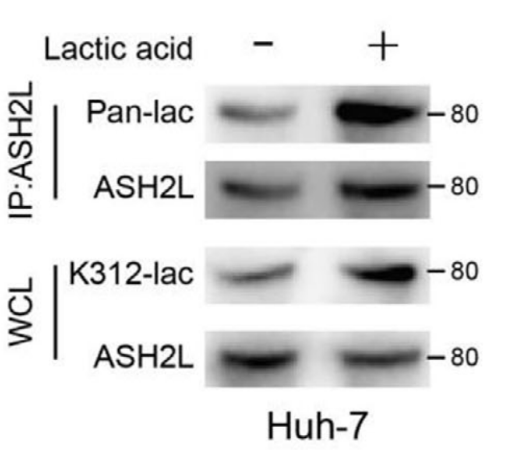
    Lactic acid purchased from MedChemExpress. Usage Cited in: Adv Sci (Weinh). 2025 Jul 29:e09477.  [Abstract]

    Following the direct addition of lactic acid (a final concentration of 100 mM) to the culture medium for 12 h, western blotting, and immunoprecipitation assays revealed a significant increase in the total lactylation and corresponding lysine-312 lactylation levels in ASH2L

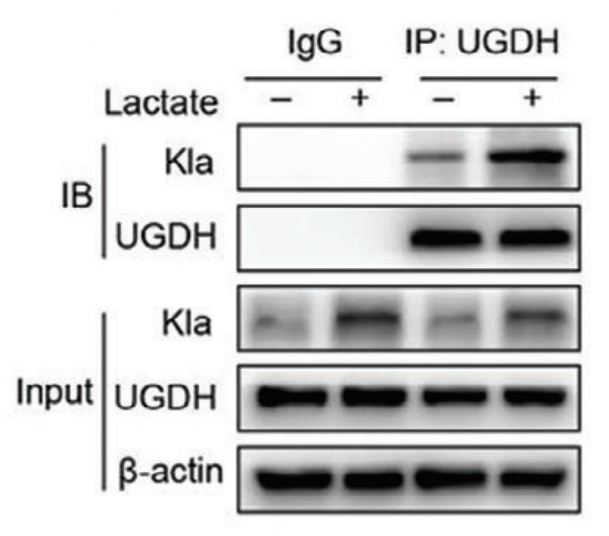
    Lactic acid purchased from MedChemExpress. Usage Cited in: Adv Sci (Weinh). 2025 Mar 27:e2413709.  [Abstract]

    Western blot of UGDH lactylation in chondrocytes with Lactic acid sodium (lactate) (25 mM) treatment for 24 h.

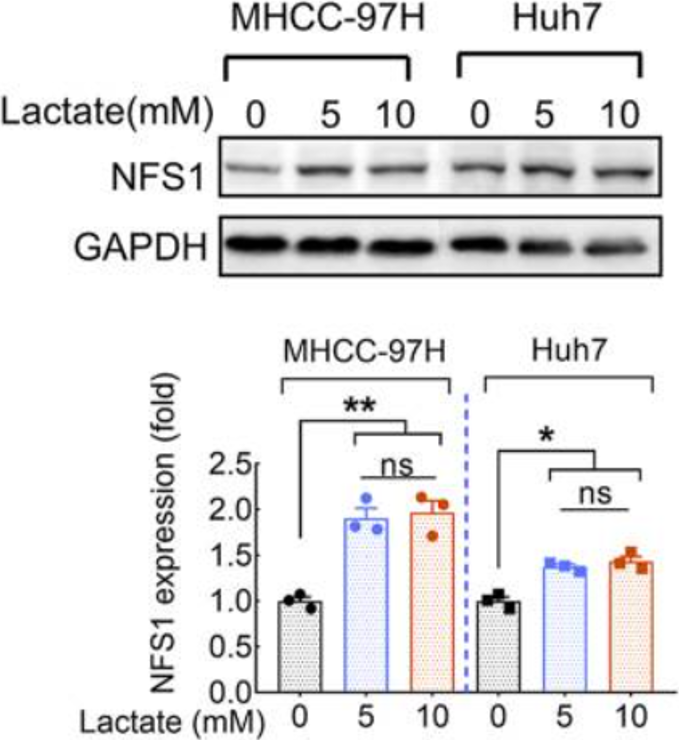
    Lactic acid purchased from MedChemExpress. Usage Cited in: Redox Biol. 2025 Apr:81:103553.  [Abstract]

    Immunoblot and quantification analyses of NFS1 in HCC cells incubated with 0, 5, or 10 mM lactate after being subjected to either a 47 °C or 37 °C water bath.

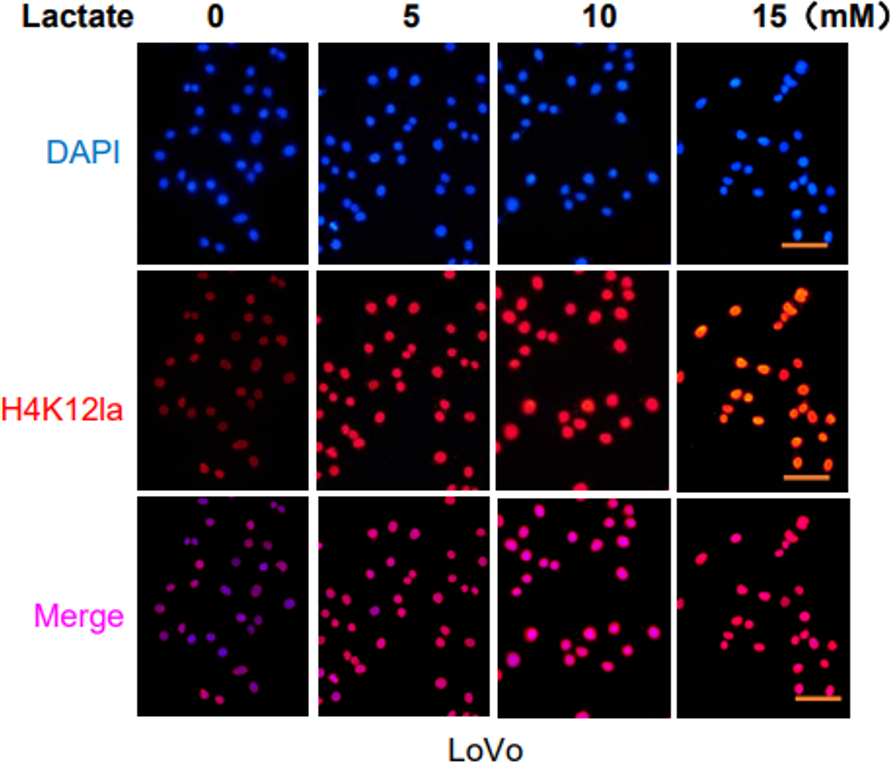
    Lactic acid purchased from MedChemExpress. Usage Cited in: Cell Death Dis. 2025 Mar 20;16(1):193.  [Abstract]

    Lactate sodium (5-15 mM; 24 h) ​​results​​ in increased H4K12la (red) levels in CCSCs compared to the control group.

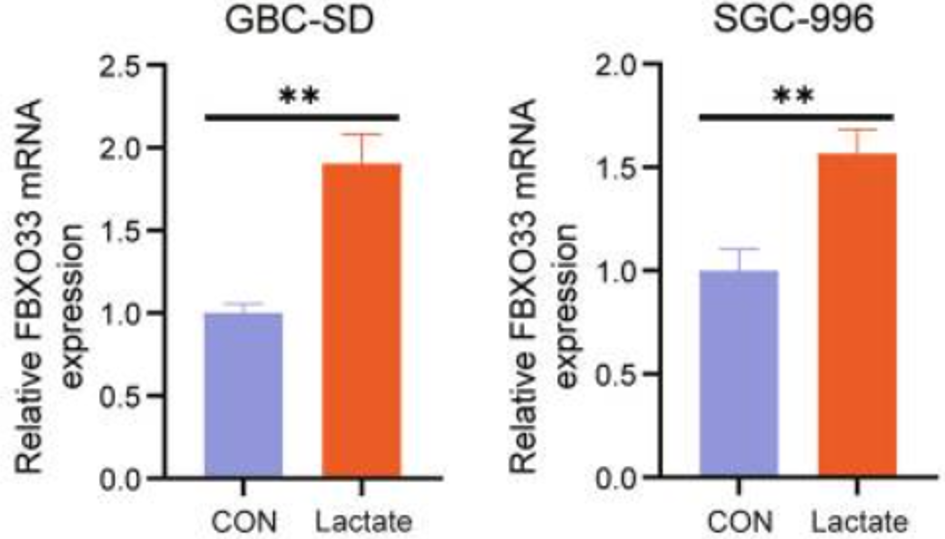
    Lactic acid purchased from MedChemExpress. Usage Cited in: Cell Death Dis. 2025 Feb 28;16(1):144.  [Abstract]

    Lactate (25 mM) significantly increases the mRNA and protein expression of FBXO33.

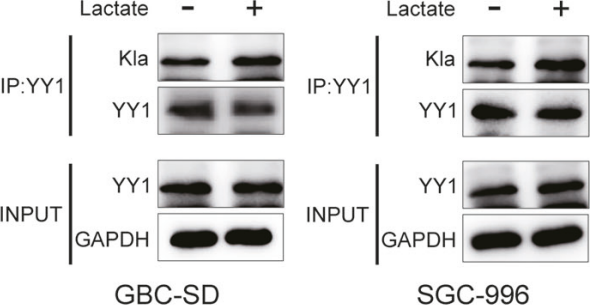
    Lactic acid purchased from MedChemExpress. Usage Cited in: Cell Death Dis. 2025 Feb 28;16(1):144.  [Abstract]

    Co-IP detected the effect of lactate on YY1 protein lactylation modification.

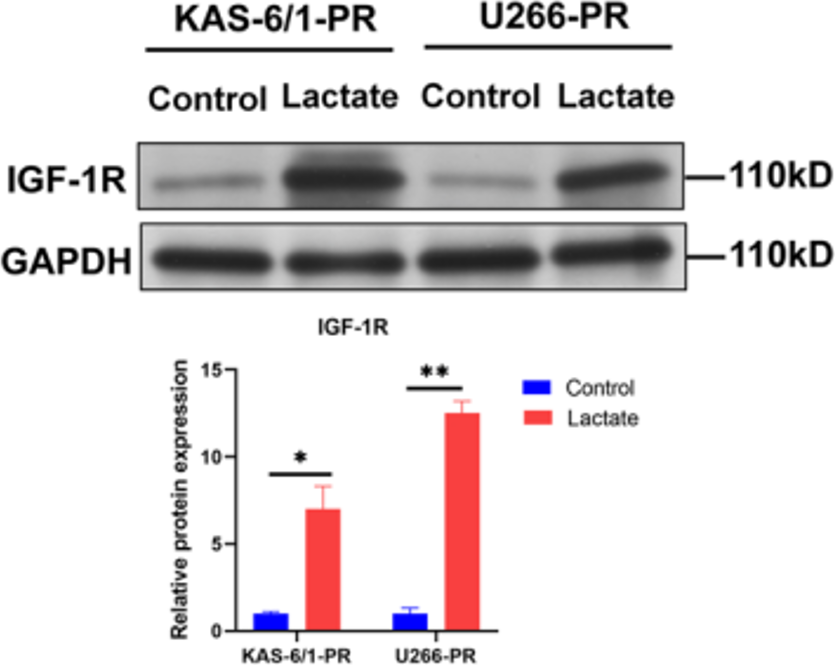
    Lactic acid purchased from MedChemExpress. Usage Cited in: J Exp Clin Cancer Res. 2024 Mar 5;43(1):68.  [Abstract]

    Lactate sodium increases IGF-1R levels in PI-resistant KAS-6/1 and U266 cells.

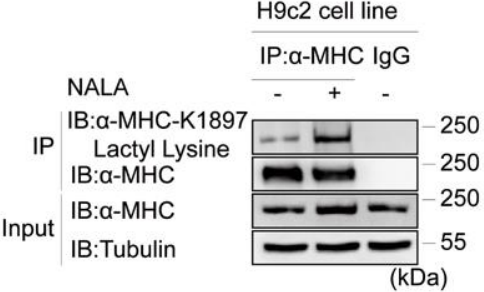
    Lactic acid purchased from MedChemExpress. Usage Cited in: Cell Res. 2023 Sep;33(9):679-698.  [Abstract]

    Lactate (NALA) (300 mM; 24 h) significantly upregulates α-MHC K1897 lactylation in H9c2 cells.

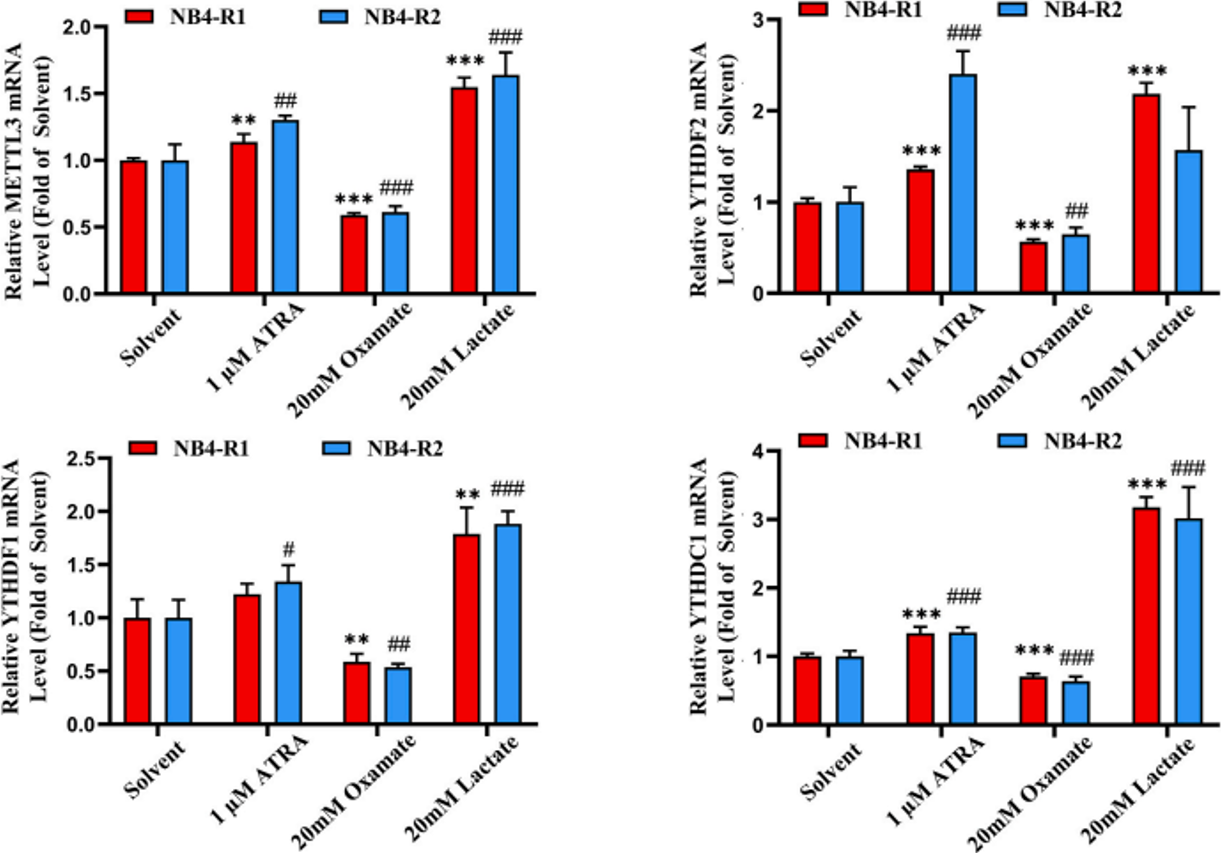
    Lactic acid purchased from MedChemExpress. Usage Cited in: J Ginseng Res. 2024 May;48(3):298-309.

    The expression level of METTL3, YTHDF1, YTHDF2, and YTHDC1 in NB4-R1 and NB4-R2 cells treated with 20 μM oxamate or 20 μM lactate or 1 μM ATRA for 48 h was detected via qRT-PCR.

    Hydroxycarboxylic Acid Receptor (HCAR) アイソフォーム固有の製品をすべて表示:

    Endogenous Metabolite アイソフォーム固有の製品をすべて表示:

    • 生物活性

    • 純度とドキュメンテーション

    • 参考文献

    • カスタマーレビュー

    製品説明

    Lactic acid (DL-Lactic acid) is a hydroxycarboxylic acid receptor 1 (HCAR1) activator and an epigenetic modulator inducing lysine residues lactylation. Lactic acid is a glycolysis end-product, bridging the gap between glycolysis and oxidative phosphorylation. Lactic acid is an oncometabolite and has immune protective role of lactate in anti-tumor immunity[1][2]. Lactic acid also has antimicrobial activity, which can be used as a food preservative[3].

    IC50 & Target[1][2]

    HCAR1


    Human Endogenous Metabolite


    Cellular Effect
    Cell Line Type Value Description References
    A549 IC50
    26.6 μM
    Compound: Lactic acid
    Antiproliferative activity against human A549 cells after 48 hrs by MTT assay
    Antiproliferative activity against human A549 cells after 48 hrs by MTT assay
    [PMID: 28710964]
    A549 IC50
    26.61 mM
    Compound: Lactic acid
    Cytotoxicity against human A549 cells assessed as reduction in cell viability after 48 hrs by MTT assay
    Cytotoxicity against human A549 cells assessed as reduction in cell viability after 48 hrs by MTT assay
    [PMID: 25299679]
    MRC5 IC50
    23.93 mM
    Compound: Lactic acid
    Cytotoxicity against human MRC5 cells assessed as reduction in cell viability after 48 hrs by MTT assay
    Cytotoxicity against human MRC5 cells assessed as reduction in cell viability after 48 hrs by MTT assay
    [PMID: 25299679]
    MRC5 IC50
    23.93 μM
    Compound: Lactic acid
    Cytotoxicity against human MRC5 cells after 48 hrs by MTT assay
    Cytotoxicity against human MRC5 cells after 48 hrs by MTT assay
    [PMID: 28710964]
    体外実験

    Lactic acid (20 mM; 24, 48 h) results in a significant decrease in cell proliferation and migration, acting and switching cell metabolism toward oxidative phosphorylation[1].
    Lactic acid (20 mM; 24 h) shows an increase in the protein and mRNA expression levels of MCT1 and HCAR1[1].

    MedChemExpress (MCE) has not independently confirmed the accuracy of these methods. They are for reference only.

    Cell Proliferation Assay[1]

    Cell Line: Uveal melanoma 92.1 cells
    Concentration: 20 mM
    Incubation Time: 24, 48 h
    Result: Inhibited cell proliferation and migration.

    Western Blot Analysis[1]

    Cell Line: Uveal melanoma cells
    Concentration: 20 mM
    Incubation Time: 24 h
    Result: Showed an increase in the protein expression levels of MCT1 and HCAR1

    RT-PCR[1]

    Cell Line: Uveal melanoma cells
    Concentration: 20 mM
    Incubation Time: 24 h
    Result: Induced a significant increase in mRNA expression levels of SLC16A1 and HCAR1.
    体内実験

    Lactic acid (1.6 g/kg; pH 7.4; subcutaneous; daily from Day 8 to 30 days) shows CD8+ T cell-dependent tumor growth inhibition in MC38 colon cancer model[2].
    Note: The pH of the working solution needs to be adjusted to around 7.4 before administration to animals.

    MedChemExpress (MCE) has not independently confirmed the accuracy of these methods. They are for reference only.

    Animal Model: Female C57BL/6 mice with MC38 colon cancer cells[2]
    Dosage: 1.6 g/kg
    Administration: Subcutaneous; daily from Day 8 to 30 days
    Result: Significantly suppressed tumor growth.
    分子量

    90.08

    分子式

    C3H6O3

    CAS 番号
    Appearance

    Liquid (Density: 1.209 g/cm3)

    Color

    Colorless to light yellow

    SMILES

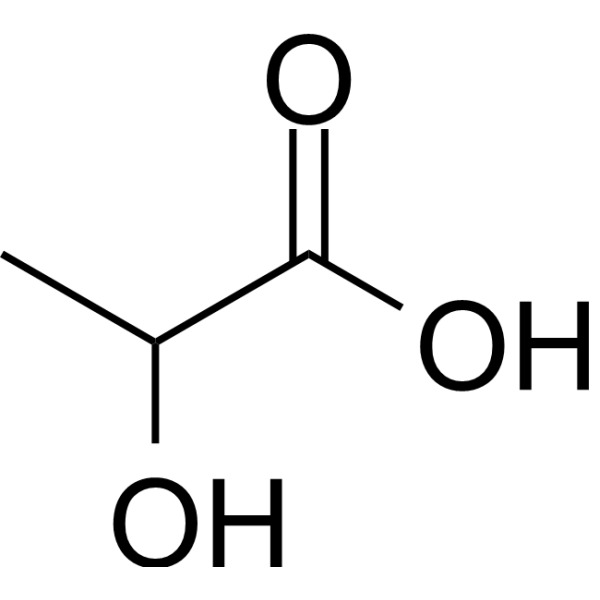
    CC(O)C(O)=O

    Structure Classification
    Initial Source
    輸送条件

    Room temperature in continental US; may vary elsewhere.

    保管条件
    Pure form -20°C 3 years
      4°C 2 years
    In solvent -80°C 6 months
      -20°C 1 month
    溶剤 & 溶解度
    体外: 

    H2O : ≥ 200 mg/mL (2220.25 mM)

    DMSO : ≥ 200 mg/mL (2220.25 mM; Hygroscopic DMSO has a significant impact on the solubility of product, please use newly opened DMSO)

    *"≥" means soluble, but saturation unknown.

    Preparing
    Stock Solutions
    Concentration Solvent Mass 1 mg 5 mg 10 mg
    1 mM 11.1012 mL 55.5062 mL 111.0124 mL
    5 mM 2.2202 mL 11.1012 mL 22.2025 mL
    10 mM 1.1101 mL 5.5506 mL 11.1012 mL
    View the Complete Stock Solution Preparation Table

    * Please refer to the solubility information to select the appropriate solvent. Once prepared, please aliquot and store the solution to prevent product inactivation from repeated freeze-thaw cycles.
    Storage method and period of stock solution: -80°C, 6 months; -20°C, 1 month. When stored at -80°C, please use it within 6 months. When stored at -20°C, please use it within 1 month.

    * Note: If you choose water as the stock solution, please dilute it to the working solution, then filter and sterilize it with a 0.22 μm filter before use.

    • Molarity Calculator

    • Dilution Calculator

    Mass (g) = Concentration (mol/L) × Volume (L) × Molecular Weight (g/mol)

    Mass
    =
    Concentration
    ×
    Volume
    ×
    Molecular Weight *

    Concentration (start) × Volume (start) = Concentration (final) × Volume (final)

    一般には略語で表示されます:C1V1 = C2V2

    濃度 (開始)

    C1

    ×
    体積 (開始)

    V1

    =
    濃度 (終了)

    C2

    ×
    体積 (終了)

    V2

    体内:

    Select the appropriate dissolution method based on your experimental animal and administration route.

    For the following dissolution methods, please ensure to first prepare a clear stock solution using an In Vitro approach and then sequentially add co-solvents:
    To ensure reliable experimental results, the clarified stock solution can be appropriately stored based on storage conditions. As for the working solution for in vivo experiments, it is recommended to prepare freshly and use it on the same day.
    The percentages shown for the solvents indicate their volumetric ratio in the final prepared solution. If precipitation or phase separation occurs during preparation, heat and/or sonication can be used to aid dissolution.

    • Protocol 1

      Add each solvent one by one:  10% DMSO    40% PEG300    5% Tween-80    45% Saline

      Solubility: ≥ 5 mg/mL (55.51 mM); Clear solution

      This protocol yields a clear solution of ≥ 5 mg/mL (saturation unknown).

      Taking 1 mL working solution as an example, add 100 μL DMSO stock solution (50.0 mg/mL) to 400 μL PEG300, and mix evenly; then add 50 μL Tween-80 and mix evenly; then add 450 μL Saline to adjust the volume to 1 mL.

      Preparation of Saline: Dissolve 0.9 g sodium chloride in ddH₂O and dilute to 100 mL to obtain a clear Saline solution.
    • Protocol 2

      Add each solvent one by one:  10% DMSO    90% (20% SBE-β-CD in Saline)

      Solubility: ≥ 5 mg/mL (55.51 mM); Clear solution

      This protocol yields a clear solution of ≥ 5 mg/mL (saturation unknown).

      Taking 1 mL working solution as an example, add 100 μL DMSO stock solution (50.0 mg/mL) to 900 μL 20% SBE-β-CD in Saline, and mix evenly.

      Preparation of 20% SBE-β-CD in Saline (4°C, storage for one week): 2 g SBE-β-CD powder is dissolved in 10 mL Saline, completely dissolve until clear.
    In Vivo Dissolution Calculator
    Please enter the basic information of animal experiments:

    Dosage

    mg/kg

    Animal weight
    (per animal)

    g

    Dosing volume
    (per animal)

    μL

    Number of animals

    Recommended: Prepare an additional quantity of animals to account for potential losses during experiments.
    Calculation results:
    Working solution concentration: mg/mL
    This product has good water solubility, please refer to the measured solubility data in water/PBS/Saline for details.
    The concentration of the stock solution you require exceeds the measured solubility. The following solution is for reference only.If necessary, please contact MedChemExpress (MCE).
    純度とドキュメンテーション

    純度: 85.12%

    参考文献

    Complete Stock Solution Preparation Table

    * Please refer to the solubility information to select the appropriate solvent. Once prepared, please aliquot and store the solution to prevent product inactivation from repeated freeze-thaw cycles.
    Storage method and period of stock solution: -80°C, 6 months; -20°C, 1 month. When stored at -80°C, please use it within 6 months. When stored at -20°C, please use it within 1 month.

    Optional Solvent Concentration Solvent Mass 1 mg 5 mg 10 mg 25 mg
    H2O / DMSO 1 mM 11.1012 mL 55.5062 mL 111.0124 mL 277.5311 mL
    5 mM 2.2202 mL 11.1012 mL 22.2025 mL 55.5062 mL
    10 mM 1.1101 mL 5.5506 mL 11.1012 mL 27.7531 mL
    15 mM 0.7401 mL 3.7004 mL 7.4008 mL 18.5021 mL
    20 mM 0.5551 mL 2.7753 mL 5.5506 mL 13.8766 mL
    25 mM 0.4440 mL 2.2202 mL 4.4405 mL 11.1012 mL
    30 mM 0.3700 mL 1.8502 mL 3.7004 mL 9.2510 mL
    40 mM 0.2775 mL 1.3877 mL 2.7753 mL 6.9383 mL
    50 mM 0.2220 mL 1.1101 mL 2.2202 mL 5.5506 mL
    60 mM 0.1850 mL 0.9251 mL 1.8502 mL 4.6255 mL
    80 mM 0.1388 mL 0.6938 mL 1.3877 mL 3.4691 mL
    100 mM 0.1110 mL 0.5551 mL 1.1101 mL 2.7753 mL

    * Note: If you choose water as the stock solution, please dilute it to the working solution, then filter and sterilize it with a 0.22 μm filter before use.

    • No file chosen (Maximum size is: 1024 Kb)
    • If you have published this work, please enter the PubMed ID.
    • Your name will appear on the site.
    • Molarity Calculator

    • Dilution Calculator

    The molarity calculator equation

    Mass (g) = Concentration (mol/L) × Volume (L) × Molecular Weight (g/mol)

    質量   濃度   体積   分子量 *
    = × ×

    The dilution calculator equation

    Concentration (start) × Volume (start) = Concentration (final) × Volume (final)

    一般には略語で表示されます:C1V1 = C2V2

    濃度 (開始) × 体積 (開始) = 濃度 (終了) × 体積 (終了)
    × = ×
    C1   V1   C2   V2
    Help & FAQs
    • Do most proteins show cross-species activity?

      Species cross-reactivity must be investigated individually for each product. Many human cytokines will produce a nice response in mouse cell lines, and many mouse proteins will show activity on human cells. Other proteins may have a lower specific activity when used in the opposite species.

    最近チェックした製品:

    オンラインお問い合わせ

    Your information is safe with us. * Required Fields.

    製品名


    カスタマ需要量 *

    お名前 *


    タイトル

    メールアドレス *


    電話番号 *

    デパートメント


    組纖名 *

    市区町村

    都道府県

    国或いは地域 *


    必ず会社名を記載ください。個人への返信は行いません。

    備考

    バルクお問い合わせ

    Inquiry Information

    製品名:
    Lactic acid
    製品番号:
    HY-B2227
    数量:
    MCE 日本正規代理店: