
Search Result
Results for "
β-cell apoptosis
" in MedChemExpress (MCE) Product Catalog:
5
Isotope-Labeled Compounds
| Cat. No. |
Product Name |
Target |
Research Areas |
Chemical Structure |
-
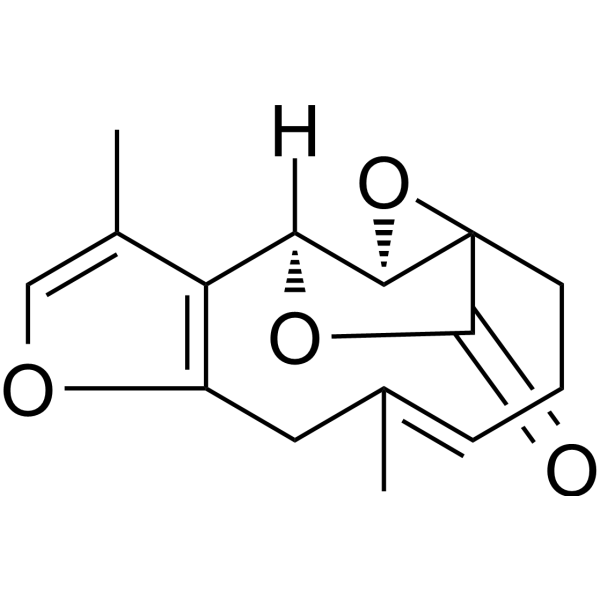
- HY-13753
-
-
-
- HY-19618
-
BRD3308
1 Publications Verification
|
HDAC
HIV
Apoptosis
|
Infection
Metabolic Disease
|
|
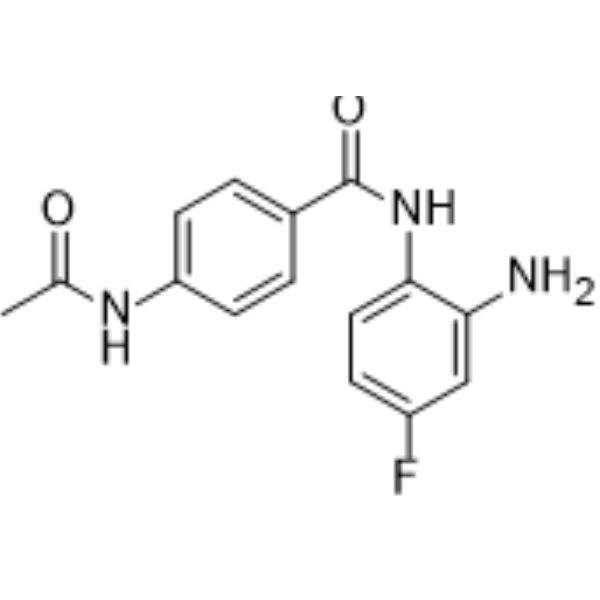
BRD3308 is a highly selective HDAC3 inhibitor with an IC50 of 54 nM. BRD3308 is 23-fold selectivity for HDAC3 over HDAC1 (IC50 of 1.26 μM) or HDAC2 (IC50 of 1.34 μM). BRD3308 suppresses pancreatic β-cell apoptosis induced by inflammatory cytokines or glucolipotoxic stress, and increases functional insulin release. BRD3308 activates HIV-1 transcription and disrupts HIV-1 latency .
|
-
-
- HY-P10735
-
|
Gastric inhibitory polypeptide(mouse); GIP(1-42) (mouse)
|
Lipase
Apoptosis
|
Metabolic Disease
|
|
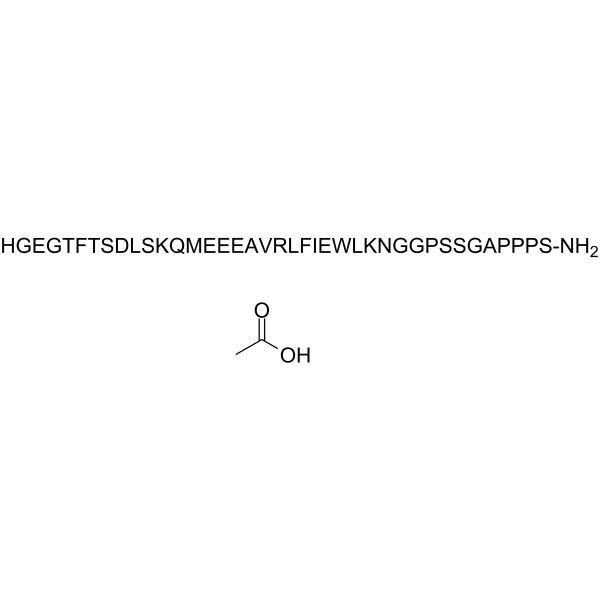
GIP (Gastric inhibitory polypeptide) (mouse) is a gastrointestinal hormone that is secreted by the intestinal K cells, and also expressed in and secreted from pancreatic islets. GIP (mouse) promotes insulin secretion from pancreatic β cells via the G-protein-coupled GIP receptor (GIPR). GIP (mouse) promotes pancreatic β cell proliferation and inhibits apoptosis. GIP (mouse) also exerts direct lipogenic effects on adipose tissue .
|
-
-
- HY-101906
-
|
|
Free Fatty Acid Receptor
Apoptosis
|
Metabolic Disease
|
|
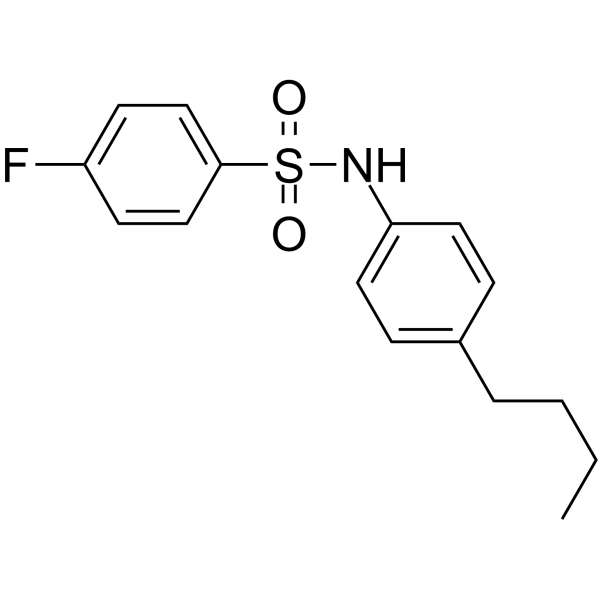
DC260126 is a potent antagonist of GPR40 (FFAR1). DC260126 dose-dependently inhibits GPR40-mediated Ca 2+ elevations stimulated by linoleic acid, oleic acid, palmitoleic acid and lauric acid (IC50: 6.28, 5.96, 7.07, 4.58 μM, respectively) . DC260126 could protect MIN6 β cells from palmitate-induced ER stress and apoptosis .
|
-
-
- HY-117049
-
|
|
DYRK
CDK
GSK-3
Apoptosis
Reactive Oxygen Species (ROS)
|
Neurological Disease
Metabolic Disease
|
|
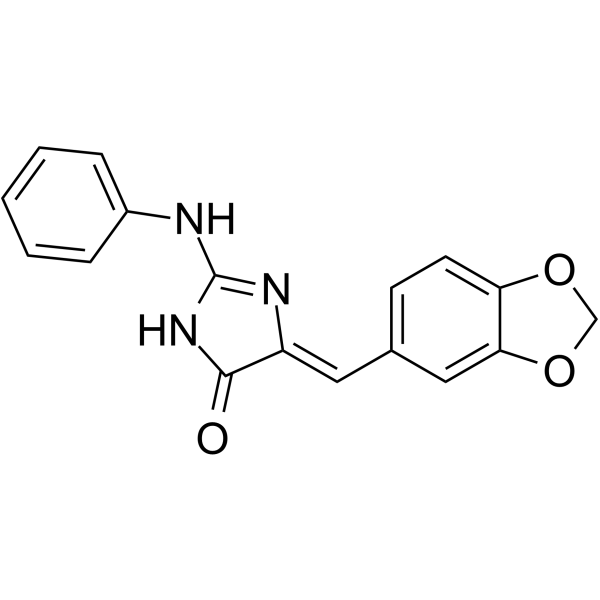
Leucettine L41 is a potent inhibitor of dual-specificity tyrosine phosphorylation-regulated kinases (DYRKs) and CDC-like kinases (CLKs). Leucettine L41 can also inhibit GSK-3 singnaling. Leucettine L41 can inhibit cell apoptosis and ROS production. Leucettine L41 can promote β-cell cell cycle progression, cell proliferation and increase insulin secretion. Leucettine L41 can be used for the researches of neurological disease and metabolic disease, such as Alzheimer’s disease (AD) and diabetes .
|
-
-
- HY-P10102
-
Kp7-6
2 Publications Verification
|
Apoptosis
PERK
NF-κB
Caspase
JNK
|
Inflammation/Immunology
Cancer
|
|
Kp7-6 is a Fas mimetic peptide and also a Fas/FasL antagonist. Kp7-6 specifically binds to Fas and FasL, disrupts receptor complexes, and blocks downstream apoptosis signaling pathways. Kp7-6 inhibits the phosphorylation of ERK1-2, induces the phosphorylation of IκBα, and activates NF-κB. Kp7-6 inhibits the activation of caspase-8, caspase-3 and JNK, and suppresses human amylin-induced β-cell apoptosis. Kp7-6 inhibits FasL-induced lymphoid cytotoxicity and apoptosis. Kp7-6 reduces local tumor FasL expression, increases CD8 +Fas + T cell infiltration, and decreases tumor volume in pancreatic neuroendocrine tumor models. Kp7-6 prevents concanavalin A-induced liver injury in mice. Kp7-6 is applicable to research related to type 2 diabetes, concanavalin A-induced hepatitis and pancreatic neuroendocrine tumors .
|
-
-
- HY-115403
-
FKGK18
1 Publications Verification
|
Phospholipase
Apoptosis
|
Metabolic Disease
|
|
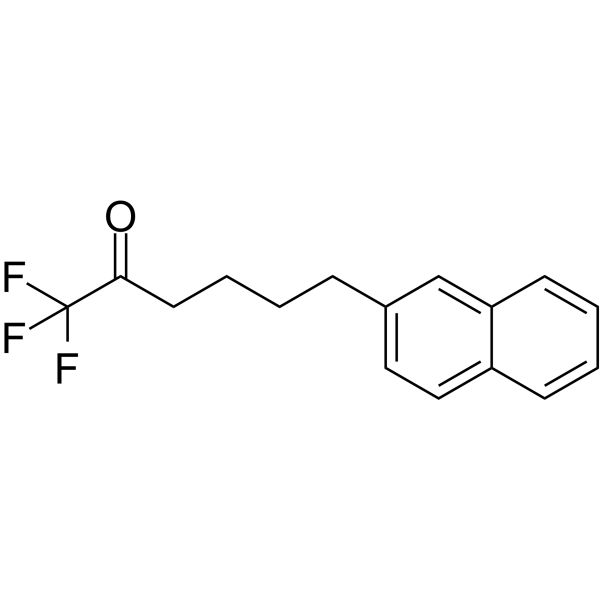
FKGK18 is a selective group VIA calcium-independent phospholipase A2 (GVIA iPLA2) inhibitor. FKGK18 is a fluoroketone (FK)-based compound with IC50s of 50 nM and 3 μM for iPLA2β and iPLA2γ. FKGK18 can be used for the research of beta-cell apoptosis and diabetes .
|
-
-
- HY-135470
-
|
P-7138
|
Bacterial
|
Infection
|
|
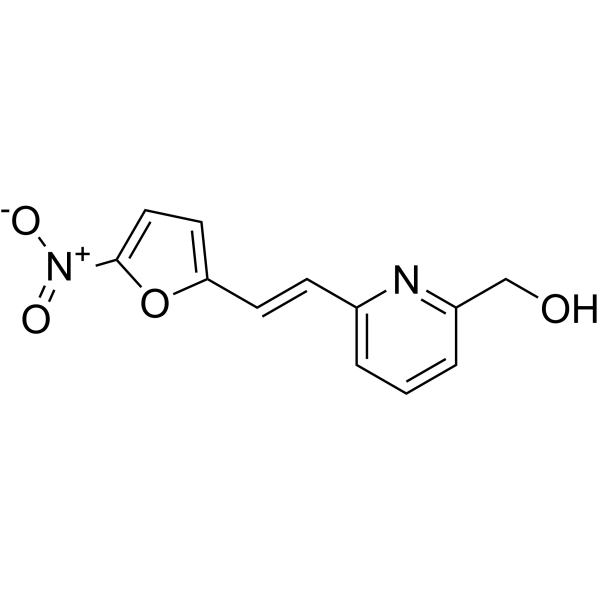
Nifurpirinol (P-7138) is a selective prosubstrate of bacterial nitroreductase (NTR). NTR catalyzes the reduction of nifurpirinol to generate cytotoxic metabolites that induce apoptosis in target cells. Nifurpirinol selectively ablates NTR-expressing cells such as pancreatic β cells, osteoblasts, dopaminergic neurons, and podocytes in transgenic zebrafish models. Nifurpirinol can be used in regeneration studies and disease modeling such as focal segmental glomerulosclerosis (FSGS) .
|
-
-
- HY-113225
-
|
GTP
|
Endogenous Metabolite
DNA/RNA Synthesis
Apoptosis
Mitosis
|
Cancer
|
|
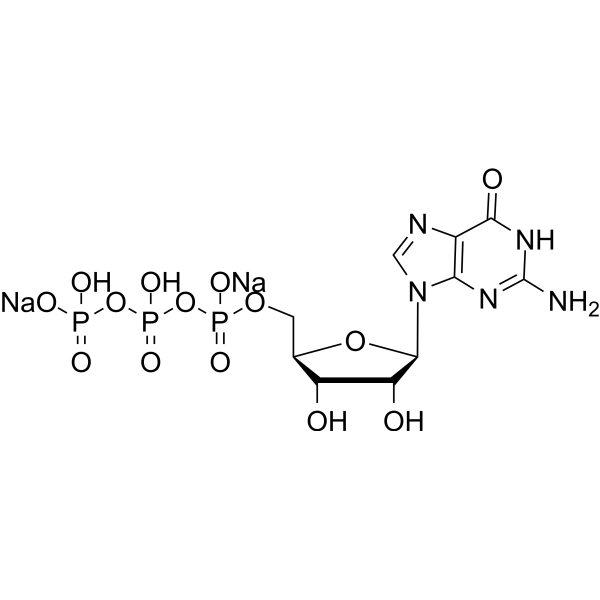
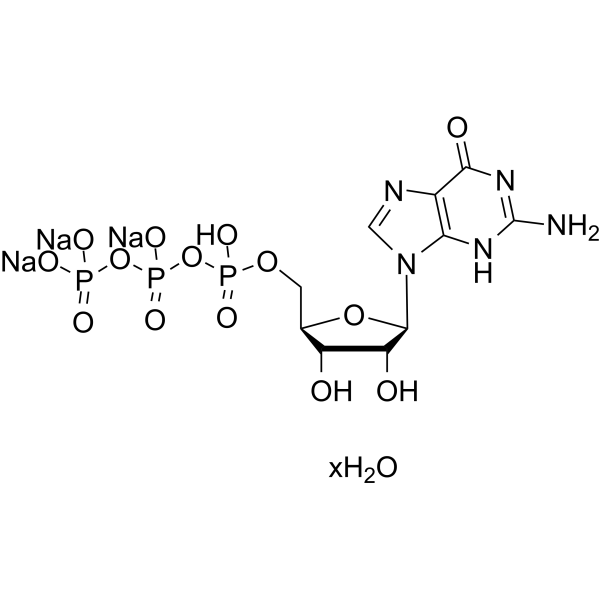
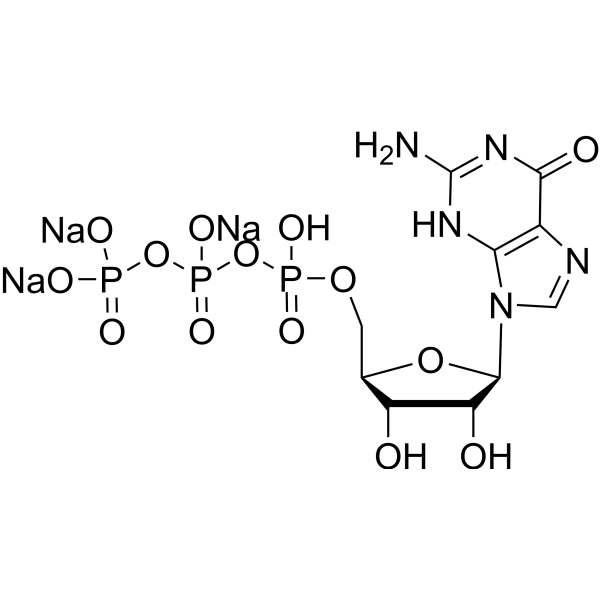
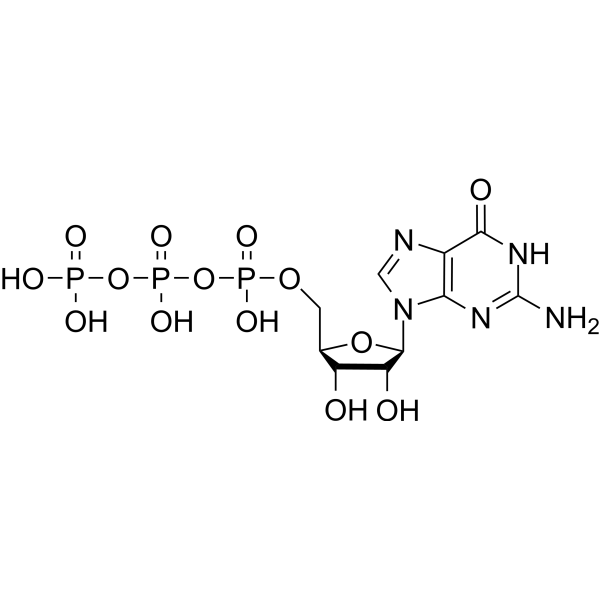
Guanosine triphosphate (GTP) is a critical nucleotide and regulator of cellular metabolism. Guanosine triphosphate promotes ribosomal DNA localization, pre-rRNA transcription and ribosome biogenesis by binding to RNA polymerase I and GPN proteins (GPN1/3). Guanosine triphosphate links MYC-dependent ribosome biogenesis to nucleotide sufficiency, acts as a metabolic gatekeeper supporting protein synthesis, DNA/RNA synthesis and cellular signal transduction, while also participating in the physiological activities of pancreatic β-cells and serving as an oxidative substrate for reactive oxygen species. In small cell lung cancer with high MYC expression, Guanosine triphosphate accumulates through the IMPDH-driven synthetic pathway, thereby affecting apoptosis and mitotic processes. Guanosine triphosphate is used in the research of small cell lung cancer, hepatoblastoma and cellular metabolism .
|
-
-
- HY-W010380
-
|
|
AMPK
Apoptosis
|
Metabolic Disease
|
|
Methyl succinate is a mitochondrial complex II substrate. Methyl succinate can bypass the inhibition of complex I by Metformin (HY-B0627), restore mitochondrial electron transfer, and reduce AMPK phosphorylation. Methyl succinate is capable of protecting MIN6 β-cells and primary rat β-cells from biguanide-induced toxicity and apoptosis in vitro. Methyl succinate can be used in the research of diseases such as diabetes mellitus .
|
-
-
- HY-164595
-
|
|
Hippo (MST)
Apoptosis
AMPK
|
Metabolic Disease
|
|
IHMT-MST1-39 is an orally active inhibitor for MST kinase, with IC50 of 42, 109, 286, 159 nM for MST1, MST2, MST3, MST4. IHMT-MST1-39 activates the AMPK signaling pathway in liver cells, reduces apoptosis of pancreatic β-cells. IHMT-MST1-39 can be used for the studies of type 1 diabetes (T1D) and type 2 diabetes (T2D) .
|
-
-
- HY-113225S2
-
|
GTP-13C dilithium
|
Isotope-Labeled Compounds
Endogenous Metabolite
Mitosis
Apoptosis
DNA/RNA Synthesis
|
Infection
Cancer
|
|
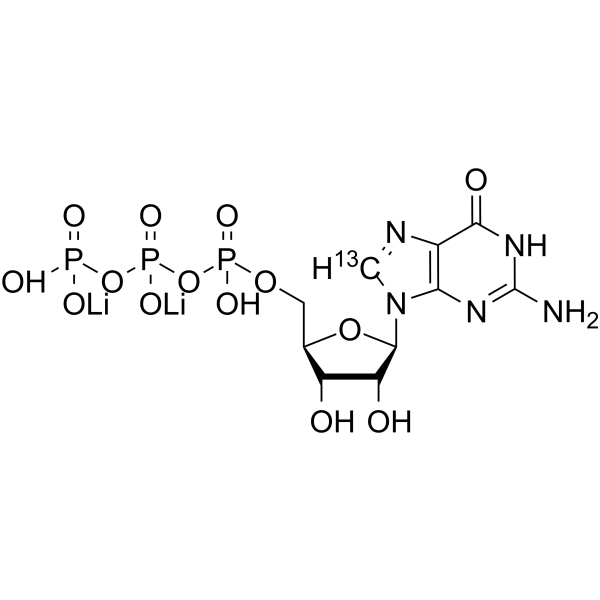
Guanosine triphosphate- 13C (GTP- 13C) dilithium is 13C-labeled Guanosine triphosphate (HY-113225). Guanosine triphosphate (GTP) is a critical nucleotide and regulator of cellular metabolism. Guanosine triphosphate promotes ribosomal DNA localization, pre-rRNA transcription and ribosome biogenesis by binding to RNA polymerase I and GPN proteins (GPN1/3). Guanosine triphosphate links MYC-dependent ribosome biogenesis to nucleotide sufficiency, acts as a metabolic gatekeeper supporting protein synthesis, DNA/RNA synthesis and cellular signal transduction, while also participating in the physiological activities of pancreatic β-cells and serving as an oxidative substrate for reactive oxygen species. In small cell lung cancer with high MYC expression, Guanosine triphosphate accumulates through the IMPDH-driven synthetic pathway, thereby affecting apoptosis and mitotic processes. Guanosine triphosphate is used in the research of small cell lung cancer, hepatoblastoma and cellular metabolism .
|
-
-
- HY-113225S3
-
|
GTP-15N5 dilithium
|
Isotope-Labeled Compounds
Endogenous Metabolite
Mitosis
Apoptosis
DNA/RNA Synthesis
|
Infection
Cancer
|
|
Guanosine triphosphate- 15N5 (GTP- 15N5) dilithium is 15N labeled Guanosine triphosphate (HY-113225). Guanosine triphosphate dilithium (GTP) is a critical nucleotide and regulator of cellular metabolism. Guanosine triphosphate dilithium promotes ribosomal DNA localization, pre-rRNA transcription and ribosome biogenesis by binding to RNA polymerase I and GPN proteins (GPN1/3). Guanosine triphosphate dilithium links MYC-dependent ribosome biogenesis to nucleotide sufficiency, acts as a metabolic gatekeeper supporting protein synthesis, DNA/RNA synthesis and cellular signal transduction, while also participating in the physiological activities of pancreatic β-cells and serving as an oxidative substrate for reactive oxygen species. In small cell lung cancer with high MYC expression, Guanosine triphosphate dilithium accumulates through the IMPDH-driven synthetic pathway, thereby affecting apoptosis and mitotic processes. Guanosine triphosphate dilithium is used in the research of small cell lung cancer, hepatoblastoma and cellular metabolism .
|
-
-
- HY-113225S5
-
|
GTP-13C10 dilithium
|
Isotope-Labeled Compounds
Endogenous Metabolite
Mitosis
Apoptosis
DNA/RNA Synthesis
|
Infection
Cancer
|
|
Guanosine triphosphate- 13C10 (GTP- 13C10) dilithium is 13C-labeled Guanosine triphosphate (HY-113225). Guanosine triphosphate dilithium (GTP) is a critical nucleotide and regulator of cellular metabolism. Guanosine triphosphate dilithium promotes ribosomal DNA localization, pre-rRNA transcription and ribosome biogenesis by binding to RNA polymerase I and GPN proteins (GPN1/3). Guanosine triphosphate dilithium links MYC-dependent ribosome biogenesis to nucleotide sufficiency, acts as a metabolic gatekeeper supporting protein synthesis, DNA/RNA synthesis and cellular signal transduction, while also participating in the physiological activities of pancreatic β-cells and serving as an oxidative substrate for reactive oxygen species. In small cell lung cancer with high MYC expression, Guanosine triphosphate dilithium accumulates through the IMPDH-driven synthetic pathway, thereby affecting apoptosis and mitotic processes. Guanosine triphosphate dilithium is used in the research of small cell lung cancer, hepatoblastoma and cellular metabolism .
|
-
-
- HY-Z15823
-
|
Dexverapamil
|
Calcium Channel
Potassium Channel
Somatostatin Receptor
Arrestin
Apoptosis
P-glycoprotein
|
Metabolic Disease
Inflammation/Immunology
|
|
(R)-Verapamil (Dexverapamil) is an optically enantiomer of the oral-active Verapamil (HY-14275). (R)-Verapamil has a relatively low affinity for L-type calcium channels (Cav1.2) (IC50 > 300 μM), and its IC50 for sodium channels (sodium channel) is 3.19 μM. (R)-Verapamil exhibits SSTR2 agonistic activity, with an EC50 of 1.3 μM. (R)-Verapamil significantly downregulates the expression of TXNIP protein in diabetic mouse models and significantly inhibits β-cell apoptosis (apoptosis), effectively controlling blood sugar. (R)-Verapamil can be used as a PET tracer for the function of P-glycoprotein (P-gp) .
|
-
-
- HY-120711
-
|
ML187
|
Apoptosis
|
Metabolic Disease
|
|
BRD0476 is an inhibitor of pancreatic β-cell apoptosis with an EC50 value of 0.78 μM and a maximal inhibitory activity of 99%. BRD0476 can be used in diabetes-related research .
|
-
-
- HY-P10622
-
|
|
Apoptosis
Reactive Oxygen Species (ROS)
|
Metabolic Disease
Cancer
|
|
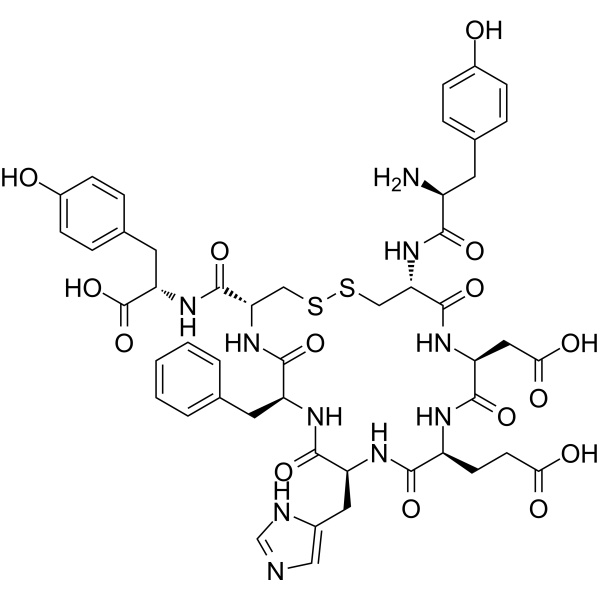
SHLP-3 is a mitochondrial derived peptide encoded by the 16S ribosomal RNA (MT-RNR2) gene. SHLP-3 increases cell viability and reduces apoptosis in insulinoma NIT-1β cells and human prostate cancer 22Rv1 cells. SHLP-3 increases mitochondrial function and exerts cytoprotective effects by increasing mitochondrial oxygen consumption rate (OCR), cellular ATP and reducing the ability to produce ROS. SHLP-3 can be used in the study of diabetes and cancer .
|
-
-
- HY-113225S1
-
|
GTP-13C10,15N5 tetraammonium
|
Endogenous Metabolite
Mitosis
Apoptosis
DNA/RNA Synthesis
|
Cancer
|
|
Guanosine triphosphate- 13C10, 15N5 tetraammonium is the 13C and 15N labeled Guanosine triphosphate tetraammonium. Guanosine triphosphate tetraammonium (GTP) is a critical nucleotide and regulator of cellular metabolism. Guanosine triphosphate tetraammonium promotes ribosomal DNA localization, pre-rRNA transcription and ribosome biogenesis by binding to RNA polymerase I and GPN proteins (GPN1/3). Guanosine triphosphate tetraammonium links MYC-dependent ribosome biogenesis to nucleotide sufficiency, acts as a metabolic gatekeeper supporting protein synthesis, DNA/RNA synthesis and cellular signal transduction, while also participating in the physiological activities of pancreatic β-cells and serving as an oxidative substrate for reactive oxygen species. In small cell lung cancer with high MYC expression, Guanosine triphosphate tetraammonium accumulates through the IMPDH-driven synthetic pathway, thereby affecting apoptosis and mitotic processes. Guanosine triphosphate tetraammonium is used in the research of small cell lung cancer, hepatoblastoma and cellular metabolism .
|
-
-
- HY-113225S4
-
|
GTP-15N5,d14 dilithium
|
Isotope-Labeled Compounds
Endogenous Metabolite
Mitosis
Apoptosis
DNA/RNA Synthesis
|
Infection
Cancer
|
|
Guanosine triphosphate- 15N5,d14 (GTP- 15N5,d14) dilithium is deuterium and 15N labeled Guanosine triphosphate (HY-113225). Guanosine triphosphate dilithium (GTP) is a critical nucleotide and regulator of cellular metabolism. Guanosine triphosphate dilithium promotes ribosomal DNA localization, pre-rRNA transcription and ribosome biogenesis by binding to RNA polymerase I and GPN proteins (GPN1/3). Guanosine triphosphate dilithium links MYC-dependent ribosome biogenesis to nucleotide sufficiency, acts as a metabolic gatekeeper supporting protein synthesis, DNA/RNA synthesis and cellular signal transduction, while also participating in the physiological activities of pancreatic β-cells and serving as an oxidative substrate for reactive oxygen species. In small cell lung cancer with high MYC expression, Guanosine triphosphate dilithium accumulates through the IMPDH-driven synthetic pathway, thereby affecting apoptosis and mitotic processes. Guanosine triphosphate dilithium is used in the research of small cell lung cancer, hepatoblastoma and cellular metabolism .
|
-
-
- HY-138990
-
|
|
Phospholipase
Apoptosis
|
Inflammation/Immunology
|
|
GK563 is a selective Ca 2+-independent phospholipase A2 (GVIA iPLA2) inhibitor with an IC50 value of 1 nM. GK563 is 22000 times more active against GVIA iPLA2 than GIVA cPLA2. GK563 reduces β-cell apoptosis induced by proinflammatory cytokines, raising the possibility that it can be beneficial in countering autoimmune diseases, such as type 1 diabetes .
|
-
-
- HY-147503
-
|
|
Apoptosis
|
Cardiovascular Disease
|
|
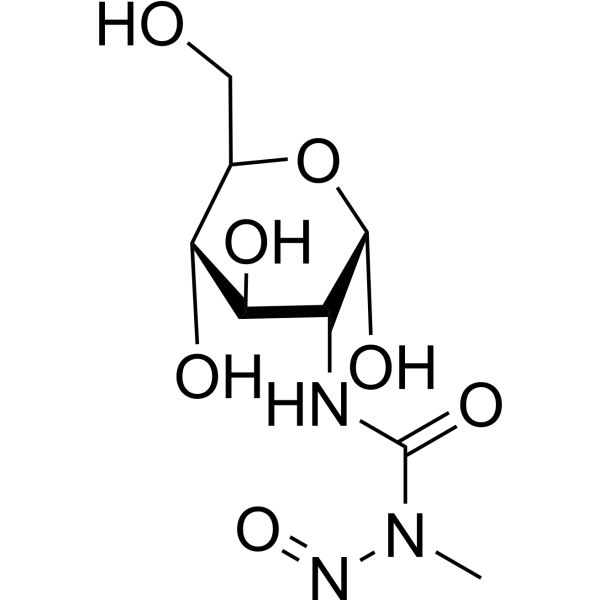
Vin-F03 is a potent pancreatic β-cells protective agent with an EC50 of 0.27 μM. Vin-F03 effectively promotes β-cell survival and protects β-cells from STZ (HY-13753)-induced apoptosis. Vin-F03 can be used for type 2 diabetes mellitus research .
|
-
-
- HY-147502
-
|
|
Apoptosis
|
Cardiovascular Disease
|
|
Vin-C01 is a potent pancreatic β-cells protective agent with an EC50 of 0.22 μM. Vin-C01 effectively promotes β-cell survival and protects β-cells from STZ (HY-13753)-induced apoptosis. Vin-C01 can be used for type 2 diabetes mellitus research .
|
-
-
- HY-P1980
-
|
|
Apoptosis
|
Metabolic Disease
|
|
A-71915 (TFA) is a selective inhibitor of ANP receptor (atrial natriuretic peptide-receptor), induces apoptosis and decreases insulin secretion in RINm5F pancreatic β-cells .
|
-
-
- HY-108664
-
|
|
P2Y Receptor
|
Metabolic Disease
|
|
MRS2957 is a P2Y6 receptor agonist that activates AMPK in pancreatic β-cells, promoting insulin secretion and reducing apoptosis, thereby holding potential as a therapeutic target for type 2 diabetes.
|
-
-
- HY-B0401A
-
|
|
Apoptosis
|
Metabolic Disease
Cancer
|
|
Tolbutamide sodium is a potent and orally active antidiabetic agent. Tolbutamide sodium induces apoptosis in a Ca 2+ dependent manner in pancreatic β-cells. Tolbutamide sodium has the potential for the research of non-insulin-dependent diabetes mellitus .
|
-
-
- HY-135470R
-
|
P-7138 (Standard)
|
Reference Standards
Bacterial
|
Infection
|
|
Nifurpirinol (P-7138) (Standard) is the analytical standard of Nifurpirinol (HY-135470). This product is intended for research and analytical applications. Nifurpirinol (P-7138) is a selective prosubstrate of bacterial nitroreductase (NTR). NTR catalyzes the reduction of nifurpirinol to generate cytotoxic metabolites that induce apoptosis in target cells. Nifurpirinol selectively ablates NTR-expressing cells such as pancreatic β cells, osteoblasts, dopaminergic neurons, and podocytes in transgenic zebrafish models. Nifurpirinol can be used in regeneration studies and disease modeling such as focal segmental glomerulosclerosis (FSGS) .
|
-
-
- HY-N19830
-
|
|
Reactive Oxygen Species (ROS)
Apoptosis
|
Cancer
|
|
Guavenoic acid is a triterpenoid compound that can be isolated from fresh leaves of Psidium guajava. Guavenoic acid protects cells in cellular oxidative damage models, inhibits intracellular ROS production, and suppresses cell apoptosis. Guavenoic acid significantly enhances cellular proliferation, promotes insulin synthesis and secretion, and upregulates the messenger RNA expression of insulin gene, PDX-1 and MafA. Guavenoic acid can be used in the research of diseases such as pancreatic islet β-cell tumors .
|
-
-
- HY-180425
-
|
|
Amylin Receptor
Apoptosis
|
Metabolic Disease
|
|
Cloridarol is a human islet amyloid peptide (hIAPP) inhibitor that prevents its abnormal misfolding and aggregation. Cloridarol can increase cell viability, inhibit apoptosis, and protect islet β-cells from hIAPP-induced cell toxicity. Cloridarol can be used for the research of type 2 diabetes (T2D) .
|
-
-
- HY-119119
-
|
|
NO Synthase
Apoptosis
|
Metabolic Disease
Inflammation/Immunology
|
|
ATV399 is an inducible nitric oxide synthase (iNOS) inhibitor. ATV399 reduces NO production via allosteric inhibition of iNOS dimerization, thereby protecting rat pancreatic islet β-cells from cytokine-induced mitochondrial stress, endoplasmic reticulum stress, and apoptosis. ATV399 can be used in research related to type 1 diabetes .
|
-
-
- HY-101906R
-
|
|
Reference Standards
Free Fatty Acid Receptor
Apoptosis
|
Metabolic Disease
|
|
DC260126 (Standard) is the analytical standard of DC260126 (HY-101906). This product is intended for research and analytical applications. DC260126 is a potent antagonist of GPR40 (FFAR1). DC260126 dose-dependently inhibits GPR40-mediated Ca2+ elevations stimulated by linoleic acid, oleic acid, palmitoleic acid and lauric acid (IC50: 6.28, 5.96, 7.07, 4.58 μM, respectively) . DC260126 could protect MIN6 β cells from palmitate-induced ER stress and apoptosis .
|
-
| Cat. No. |
Product Name |
Target |
Research Area |
-
- HY-P10735
-
|
Gastric inhibitory polypeptide(mouse); GIP(1-42) (mouse)
|
Lipase
Apoptosis
|
Metabolic Disease
|
|
GIP (Gastric inhibitory polypeptide) (mouse) is a gastrointestinal hormone that is secreted by the intestinal K cells, and also expressed in and secreted from pancreatic islets. GIP (mouse) promotes insulin secretion from pancreatic β cells via the G-protein-coupled GIP receptor (GIPR). GIP (mouse) promotes pancreatic β cell proliferation and inhibits apoptosis. GIP (mouse) also exerts direct lipogenic effects on adipose tissue .
|
-
- HY-P10102
-
Kp7-6
2 Publications Verification
|
Apoptosis
PERK
NF-κB
Caspase
JNK
|
Inflammation/Immunology
Cancer
|
|
Kp7-6 is a Fas mimetic peptide and also a Fas/FasL antagonist. Kp7-6 specifically binds to Fas and FasL, disrupts receptor complexes, and blocks downstream apoptosis signaling pathways. Kp7-6 inhibits the phosphorylation of ERK1-2, induces the phosphorylation of IκBα, and activates NF-κB. Kp7-6 inhibits the activation of caspase-8, caspase-3 and JNK, and suppresses human amylin-induced β-cell apoptosis. Kp7-6 inhibits FasL-induced lymphoid cytotoxicity and apoptosis. Kp7-6 reduces local tumor FasL expression, increases CD8 +Fas + T cell infiltration, and decreases tumor volume in pancreatic neuroendocrine tumor models. Kp7-6 prevents concanavalin A-induced liver injury in mice. Kp7-6 is applicable to research related to type 2 diabetes, concanavalin A-induced hepatitis and pancreatic neuroendocrine tumors .
|
-
- HY-P10622
-
|
|
Apoptosis
Reactive Oxygen Species (ROS)
|
Metabolic Disease
Cancer
|
|
SHLP-3 is a mitochondrial derived peptide encoded by the 16S ribosomal RNA (MT-RNR2) gene. SHLP-3 increases cell viability and reduces apoptosis in insulinoma NIT-1β cells and human prostate cancer 22Rv1 cells. SHLP-3 increases mitochondrial function and exerts cytoprotective effects by increasing mitochondrial oxygen consumption rate (OCR), cellular ATP and reducing the ability to produce ROS. SHLP-3 can be used in the study of diabetes and cancer .
|
-
- HY-P1980
-
|
|
Apoptosis
|
Metabolic Disease
|
|
A-71915 (TFA) is a selective inhibitor of ANP receptor (atrial natriuretic peptide-receptor), induces apoptosis and decreases insulin secretion in RINm5F pancreatic β-cells .
|
| Cat. No. |
Product Name |
Category |
Target |
Chemical Structure |
| Cat. No. |
Product Name |
Chemical Structure |
-
- HY-113225S2
-
|
|
|
Guanosine triphosphate- 13C (GTP- 13C) dilithium is 13C-labeled Guanosine triphosphate (HY-113225). Guanosine triphosphate (GTP) is a critical nucleotide and regulator of cellular metabolism. Guanosine triphosphate promotes ribosomal DNA localization, pre-rRNA transcription and ribosome biogenesis by binding to RNA polymerase I and GPN proteins (GPN1/3). Guanosine triphosphate links MYC-dependent ribosome biogenesis to nucleotide sufficiency, acts as a metabolic gatekeeper supporting protein synthesis, DNA/RNA synthesis and cellular signal transduction, while also participating in the physiological activities of pancreatic β-cells and serving as an oxidative substrate for reactive oxygen species. In small cell lung cancer with high MYC expression, Guanosine triphosphate accumulates through the IMPDH-driven synthetic pathway, thereby affecting apoptosis and mitotic processes. Guanosine triphosphate is used in the research of small cell lung cancer, hepatoblastoma and cellular metabolism .
|
-
-
- HY-113225S3
-
|
|
|
Guanosine triphosphate- 15N5 (GTP- 15N5) dilithium is 15N labeled Guanosine triphosphate (HY-113225). Guanosine triphosphate dilithium (GTP) is a critical nucleotide and regulator of cellular metabolism. Guanosine triphosphate dilithium promotes ribosomal DNA localization, pre-rRNA transcription and ribosome biogenesis by binding to RNA polymerase I and GPN proteins (GPN1/3). Guanosine triphosphate dilithium links MYC-dependent ribosome biogenesis to nucleotide sufficiency, acts as a metabolic gatekeeper supporting protein synthesis, DNA/RNA synthesis and cellular signal transduction, while also participating in the physiological activities of pancreatic β-cells and serving as an oxidative substrate for reactive oxygen species. In small cell lung cancer with high MYC expression, Guanosine triphosphate dilithium accumulates through the IMPDH-driven synthetic pathway, thereby affecting apoptosis and mitotic processes. Guanosine triphosphate dilithium is used in the research of small cell lung cancer, hepatoblastoma and cellular metabolism .
|
-
-
- HY-113225S5
-
|
|
|
Guanosine triphosphate- 13C10 (GTP- 13C10) dilithium is 13C-labeled Guanosine triphosphate (HY-113225). Guanosine triphosphate dilithium (GTP) is a critical nucleotide and regulator of cellular metabolism. Guanosine triphosphate dilithium promotes ribosomal DNA localization, pre-rRNA transcription and ribosome biogenesis by binding to RNA polymerase I and GPN proteins (GPN1/3). Guanosine triphosphate dilithium links MYC-dependent ribosome biogenesis to nucleotide sufficiency, acts as a metabolic gatekeeper supporting protein synthesis, DNA/RNA synthesis and cellular signal transduction, while also participating in the physiological activities of pancreatic β-cells and serving as an oxidative substrate for reactive oxygen species. In small cell lung cancer with high MYC expression, Guanosine triphosphate dilithium accumulates through the IMPDH-driven synthetic pathway, thereby affecting apoptosis and mitotic processes. Guanosine triphosphate dilithium is used in the research of small cell lung cancer, hepatoblastoma and cellular metabolism .
|
-
-
- HY-113225S1
-
|
|
|
Guanosine triphosphate- 13C10, 15N5 tetraammonium is the 13C and 15N labeled Guanosine triphosphate tetraammonium. Guanosine triphosphate tetraammonium (GTP) is a critical nucleotide and regulator of cellular metabolism. Guanosine triphosphate tetraammonium promotes ribosomal DNA localization, pre-rRNA transcription and ribosome biogenesis by binding to RNA polymerase I and GPN proteins (GPN1/3). Guanosine triphosphate tetraammonium links MYC-dependent ribosome biogenesis to nucleotide sufficiency, acts as a metabolic gatekeeper supporting protein synthesis, DNA/RNA synthesis and cellular signal transduction, while also participating in the physiological activities of pancreatic β-cells and serving as an oxidative substrate for reactive oxygen species. In small cell lung cancer with high MYC expression, Guanosine triphosphate tetraammonium accumulates through the IMPDH-driven synthetic pathway, thereby affecting apoptosis and mitotic processes. Guanosine triphosphate tetraammonium is used in the research of small cell lung cancer, hepatoblastoma and cellular metabolism .
|
-
-
- HY-113225S4
-
|
|
|
Guanosine triphosphate- 15N5,d14 (GTP- 15N5,d14) dilithium is deuterium and 15N labeled Guanosine triphosphate (HY-113225). Guanosine triphosphate dilithium (GTP) is a critical nucleotide and regulator of cellular metabolism. Guanosine triphosphate dilithium promotes ribosomal DNA localization, pre-rRNA transcription and ribosome biogenesis by binding to RNA polymerase I and GPN proteins (GPN1/3). Guanosine triphosphate dilithium links MYC-dependent ribosome biogenesis to nucleotide sufficiency, acts as a metabolic gatekeeper supporting protein synthesis, DNA/RNA synthesis and cellular signal transduction, while also participating in the physiological activities of pancreatic β-cells and serving as an oxidative substrate for reactive oxygen species. In small cell lung cancer with high MYC expression, Guanosine triphosphate dilithium accumulates through the IMPDH-driven synthetic pathway, thereby affecting apoptosis and mitotic processes. Guanosine triphosphate dilithium is used in the research of small cell lung cancer, hepatoblastoma and cellular metabolism .
|
-
| Cat. No. |
Product Name |
|
Classification |
-
- HY-113225
-
|
GTP
|
|
Nucleotide Analogs
|
|
Guanosine triphosphate (GTP) is a critical nucleotide and regulator of cellular metabolism. Guanosine triphosphate promotes ribosomal DNA localization, pre-rRNA transcription and ribosome biogenesis by binding to RNA polymerase I and GPN proteins (GPN1/3). Guanosine triphosphate links MYC-dependent ribosome biogenesis to nucleotide sufficiency, acts as a metabolic gatekeeper supporting protein synthesis, DNA/RNA synthesis and cellular signal transduction, while also participating in the physiological activities of pancreatic β-cells and serving as an oxidative substrate for reactive oxygen species. In small cell lung cancer with high MYC expression, Guanosine triphosphate accumulates through the IMPDH-driven synthetic pathway, thereby affecting apoptosis and mitotic processes. Guanosine triphosphate is used in the research of small cell lung cancer, hepatoblastoma and cellular metabolism .
|
Your information is safe with us. * Required Fields.
Inquiry Information
- Product Name:
- Cat. No.:
- Quantity:
- MCE Japan Authorized Agent:

